How To Make Cauliflower Rice In Ninja Blender: Quick & Easy Guide
Making healthy food at home can sometimes feel complicated. But what if you could create a low-carb, delicious side dish in minutes? That’s what cauliflower rice offers. If you own a Ninja Blender, you’re even closer to enjoying this simple, versatile food. With the right technique, you can turn fresh cauliflower into fluffy “rice” that’s perfect for stir-fries, salads, and more. This article will guide you step by step, explain the benefits, and share expert tips that most beginners miss. Whether you’re eating low-carb, gluten-free, or just want to add more vegetables to your meals, you’ll find everything you need here.
Why Make Cauliflower Rice In A Ninja Blender?
Many people wonder why use a Ninja Blender for cauliflower rice. The answer is simple: speed, texture, and ease. Ninja Blenders are strong enough to break down raw cauliflower in seconds, but they also let you control the size of the pieces. This control is important because too much blending makes mush, while too little leaves large chunks.
Another advantage is less mess. Chopping cauliflower by hand spreads crumbs everywhere. Using a blender keeps things tidy. For people with arthritis or limited hand strength, a blender is far easier than grating by hand.
Cauliflower rice is also incredibly healthy. One cup (about 107g) has just 25 calories and 5g of carbs, compared to 210 calories and 45g of carbs for white rice. That’s a big difference for anyone watching their calories or carbs.
Most importantly, making it yourself means you skip the additives and preservatives found in store-bought versions. Fresh always tastes better.
Choosing The Right Cauliflower
Good cauliflower is key for tasty rice. Here’s what you need to know:
- Look for firm heads. The florets should feel solid, not soft.
- Color matters. Choose pure white heads, without brown spots.
- Check the leaves. Fresh, green leaves mean the cauliflower is just picked.
- Size isn’t everything. Both small and large heads work, but avoid ones that feel light for their size (they’re often dry inside).
Organic cauliflower is a good choice if you can find it, but regular is fine. Wash it well, especially if it isn’t organic.
What You Need: Tools And Ingredients
To make cauliflower rice with your Ninja Blender, gather these basics:
- 1 medium head of cauliflower (about 2 pounds)
- Cutting board
- Sharp knife
- Large bowl
- Clean kitchen towel or paper towels
- Ninja Blender (any model with a chopping blade)
- Spoon or spatula
Optional:
- Salt, pepper, or your favorite spices
- Olive oil or butter for cooking
- Storage containers
Preparing The Cauliflower
Before blending, the cauliflower needs a little prep. This step is important for smooth blending and even texture.
- Remove the outer leaves from the base.
- Cut off the stem so the head sits flat.
- Slice the head into quarters. This makes it easier to handle.
- Cut out the core from each quarter. The core is edible but harder to blend.
- Break the quarters into florets about 1–2 inches wide. This size blends best.
Wash the florets well under cool water. Drain them and dry as much as possible. Extra water makes the rice soggy.
Pro Tip: If you have time, spread the florets on a towel and let them air dry for 10–15 minutes. Even a little extra moisture can change the final texture.

Credit: www.luvele.com
How To Make Cauliflower Rice In A Ninja Blender
Now comes the fun part: turning florets into rice. The Ninja Blender makes this step fast and simple.
Blending Steps
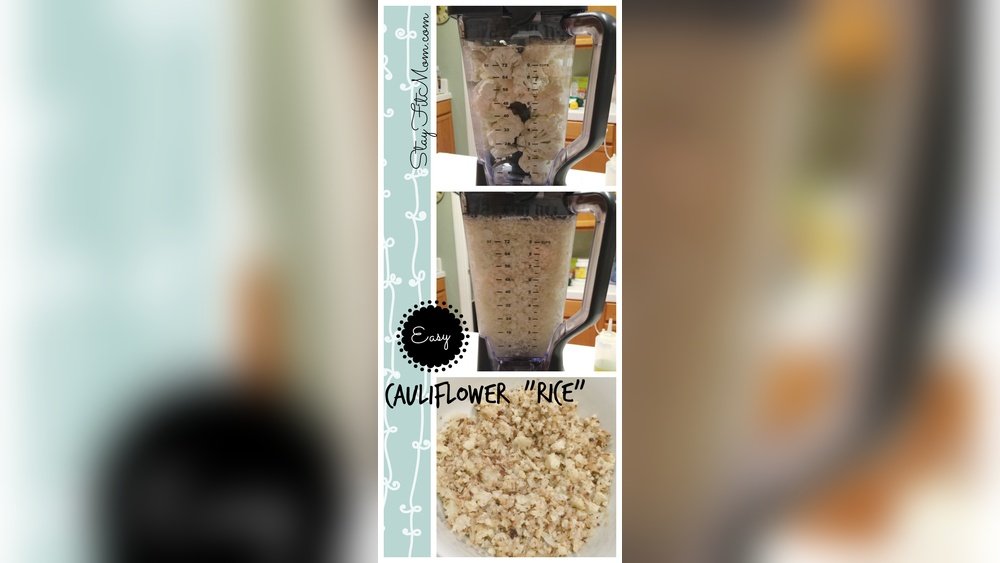
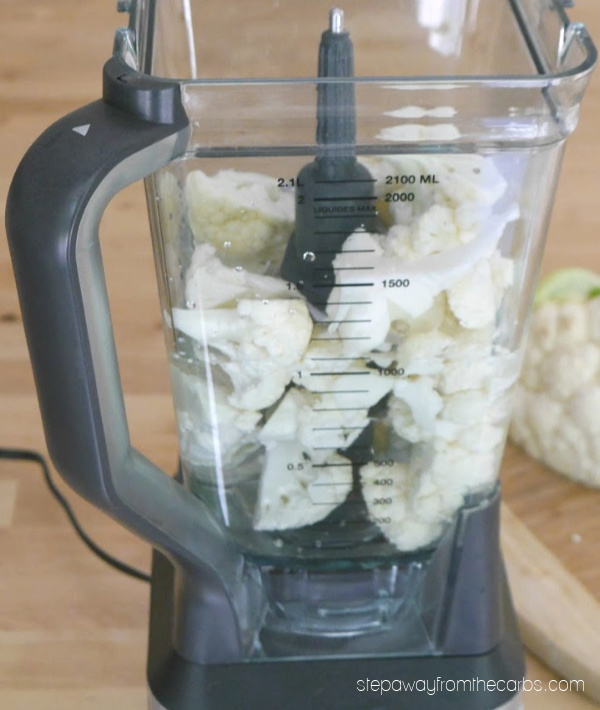
- Add florets to the blender. Only fill halfway. Too much at once leads to uneven pieces.
- Pulse, don’t blend. Use the pulse button in short bursts (1–2 seconds). Check after every 2–3 pulses.
- Stop when pieces look like rice grains. For most models, this takes 6–10 pulses.
- Remove any large chunks. Take out unprocessed pieces, add them to the next batch.
- Repeat for the rest. Process all florets in small batches.
Why Not Blend All At Once?
Overfilling the blender will give you mashed cauliflower, not rice. Small batches help every piece chop evenly. It may take two or three rounds, but the result is worth it.
The Right Texture
Perfect cauliflower rice is about the size of cooked rice grains—about 1/4 inch pieces. If it’s too fine, it turns mushy when cooked. If it’s too chunky, it tastes raw and chewy.
Expert Insight: Most beginners blend too long. Short pulses are key. If your Ninja has a “chop” setting, use it, but always check after a couple of seconds.
Cooking Cauliflower Rice
Raw cauliflower rice is ready to eat, but cooking improves flavor and texture. Here’s how to cook it quickly:
- Heat 1 tablespoon of olive oil or butter in a large nonstick skillet over medium-high heat.
- Add the cauliflower rice. Spread it out evenly.
- Season with salt and pepper or any other spices you like.
- Cook, stirring often, for 4–6 minutes. The rice should become slightly golden and lose its raw smell.
- Taste and adjust seasoning. Remove from heat when tender but not mushy.
This recipe makes about 4 servings.
Variations
- For a herb flavor, add chopped parsley or cilantro at the end.
- For Asian-style rice, stir in soy sauce and green onions.
- To make a Mexican side, add cumin, lime juice, and chopped tomatoes.
Practical Tip: Cauliflower rice cooks much faster than regular rice. Overcooking will make it soggy. Stay by the pan and stir often.
Storing And Freezing Cauliflower Rice
One of the best things about cauliflower rice is how well it keeps. Here’s what you need to know:
- Refrigerate cooked rice in a sealed container for up to 4 days.
- Uncooked rice stays fresh for 2–3 days.
- Freeze uncooked rice in zip-top bags for up to 2 months. Press the air out and flatten the bag for easy storage.
To use frozen rice, cook from frozen or thaw overnight in the fridge. No need to microwave before cooking.
Non-obvious insight: Don’t freeze cooked cauliflower rice. The texture gets too soft after thawing. Always freeze it raw.
Cauliflower Rice Vs. Regular Rice
Many people switch to cauliflower rice for health reasons. But how do the two compare? Here’s a side-by-side look:
| Nutrient (per 1 cup) | Cauliflower Rice | White Rice |
|---|---|---|
| Calories | 25 | 210 |
| Carbs (g) | 5 | 45 |
| Fiber (g) | 2 | 0.6 |
| Protein (g) | 2 | 4 |
| Vitamin C (%DV) | 57 | 0 |
As you can see, cauliflower rice is much lower in calories and carbohydrates. It’s also higher in fiber and Vitamin C. For people with diabetes or on keto diets, this is a big advantage.
Credit: stepawayfromthecarbs.com
Common Mistakes And How To Avoid Them
Making cauliflower rice in a Ninja Blender is simple, but small errors can ruin the result. Watch out for these common mistakes:
- Using wet florets: Water makes rice mushy. Dry well before blending.
- Overfilling the blender: Process in small batches for even pieces.
- Blending too long: Use pulse function, not continuous blending.
- Skipping the core removal: The core is tougher and won’t blend smoothly.
- Not checking texture: Always stop and check after a few pulses.
- Cooking too long: Overcooked rice becomes watery and bland.
Little-known tip: If you want a firmer texture, under-blend just slightly. The rice will cook up with more bite—great for salads.
How To Use Cauliflower Rice In Meals
Cauliflower rice is more than just a side dish. It fits almost any cuisine. Here are some creative ways to use it:
- Stir-fries: Use as a base for chicken, beef, or vegetable stir-fries.
- Burrito bowls: Replace white rice with cauliflower rice, add beans, salsa, and grilled meat.
- Fried rice: Sauté with peas, carrots, eggs, and soy sauce for a healthy “fried rice.”
- Tabbouleh: Swap bulgur for cauliflower rice, add parsley, tomatoes, and lemon juice.
- Breakfast bowls: Top with eggs, avocado, and salsa for a low-carb breakfast.
- Pizza crust: Blend rice fine, mix with egg and cheese, bake into a crust.
Expert insight: Cauliflower rice absorbs flavors well. Add spices or sauces during cooking rather than after.

Credit: yummywholefoodrecipes.com
Ninja Blender Models: Which One Works Best?
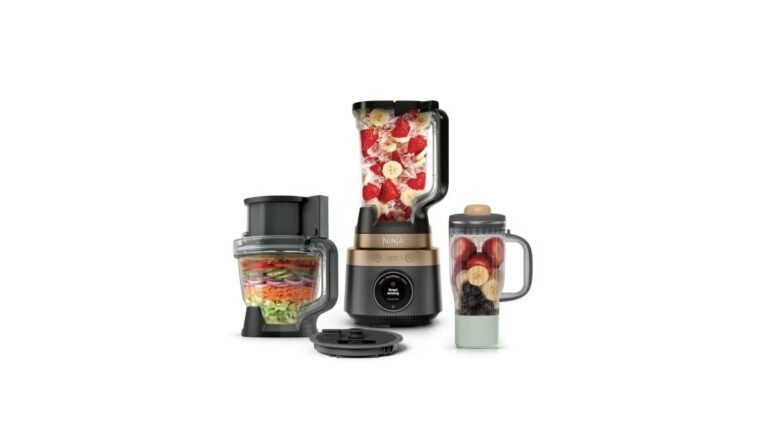
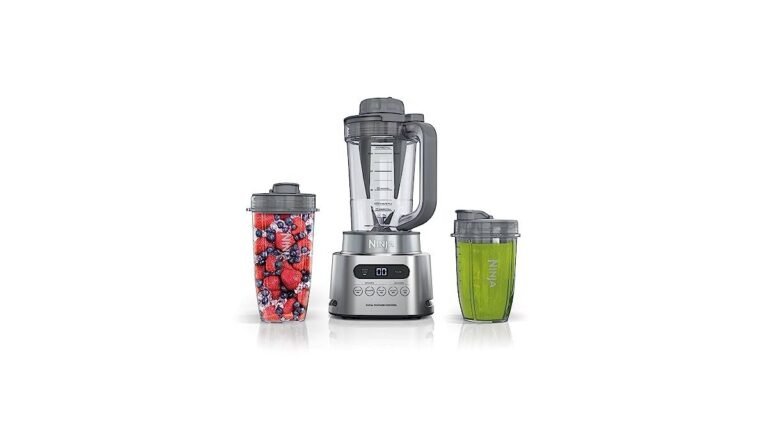
Not all Ninja Blenders are the same. Some have bigger jars, others have special blades. Here’s a quick comparison of popular models for making cauliflower rice:
| Ninja Model | Jar Size | Best Feature | Cauliflower Rice Performance |
|---|---|---|---|
| Ninja Professional 1000 | 72 oz | Powerful motor | Excellent for large batches |
| Ninja Foodi Power Pitcher | 72 oz | Chop setting | Very even texture |
| Ninja Nutri Blender Pro | 24 oz | Compact size | Good for small portions |
| Ninja Mega Kitchen System | 72 oz | Multiple blades | Handles tough stems well |
Any Ninja model with a chopping blade will work. Larger jars make the job faster, but even smaller blenders can process cauliflower in two or three batches.
How To Flavor And Season Cauliflower Rice
Plain cauliflower rice is mild, but it takes on any flavor you add. Here are some ideas to make your rice stand out:
- Garlic and herbs: Sauté with minced garlic, thyme, or rosemary.
- Lemon zest: Add zest and juice for a fresh, bright taste.
- Spices: Try cumin, paprika, curry powder, or turmeric.
- Cheese: Sprinkle Parmesan or feta at the end for richness.
- Nuts and seeds: Top with toasted almonds, pine nuts, or sesame seeds.
Non-obvious insight: Season before cooking, not after. The rice absorbs flavors better while it’s still moist.
Cleaning Your Ninja Blender After Making Cauliflower Rice
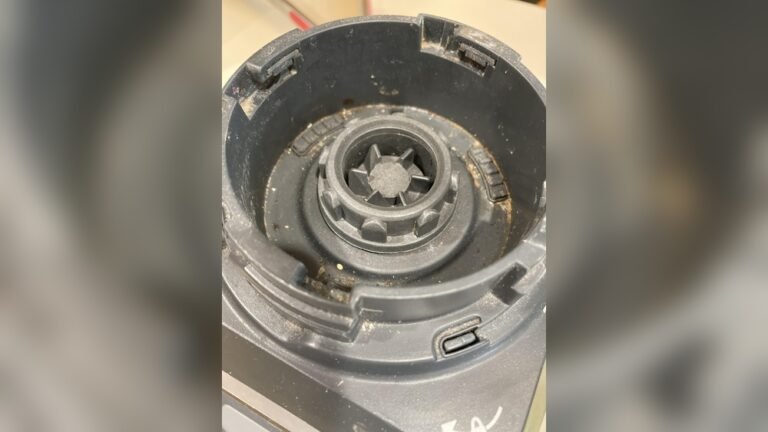
Cauliflower has a strong smell and can stick to blender parts. Quick, proper cleaning keeps your Ninja fresh.
- Rinse jar and lid immediately after use to remove bits.
- Add warm water and a drop of dish soap to the jar. Blend on high for 30 seconds.
- Scrub blades and corners with a soft brush if needed.
- Rinse well and dry before storing.
Pro tip: Do not let cauliflower bits dry inside the blender—it becomes much harder to clean later.
Why Cauliflower Rice Is Popular
Cauliflower rice is more than a trend. It fits into popular diets like keto, Whole30, paleo, and gluten-free. It’s also great for meal prep, since you can make a week’s worth in advance.
There’s also the cost: a head of cauliflower usually costs less than $3 and makes four servings. Pre-packaged cauliflower rice is often double the price per serving.
Data point: According to a 2026 survey, 60% of people eating low-carb diets use cauliflower rice as a regular substitute for grains.
For more information on the health benefits of cauliflower, visit the Harvard T.H. Chan School of Public Health.
Advanced Tips: Getting Restaurant-quality Cauliflower Rice
Once you master the basics, try these advanced tips for even better results:
- Use a food processor for ultra-large batches. But for 1–2 heads, the Ninja is faster and easier to clean.
- Add a pinch of baking soda to the cooking oil. This boosts browning and adds a nutty flavor.
- For extra dry rice, spread freshly blended rice on a baking sheet and let it air dry for 15–20 minutes before cooking.
- For crispy rice, cook in a single layer without stirring for 1–2 minutes, then flip.
Pro insight: Some chefs add a teaspoon of rice vinegar for a subtle tang—especially good for Asian-inspired dishes.
Frequently Asked Questions
How Much Cauliflower Rice Does One Head Of Cauliflower Make?
A medium head (about 2 pounds) usually makes 4–5 cups of cauliflower rice. This is enough for 4 side dish servings or 2 main dish portions. The exact yield depends on the size of the head and how finely you blend it.
Can I Make Cauliflower Rice Ahead Of Time?
Yes. You can prepare uncooked cauliflower rice and store it in the refrigerator for up to 3 days. For longer storage, freeze it raw in airtight bags. Avoid making it more than 2–3 days ahead, as it can develop a strong smell.
Is It Necessary To Cook Cauliflower Rice?
No. Cauliflower rice can be eaten raw in salads or as a base for cold dishes. Cooking improves texture and flavor, but it’s not required. If eating raw, make sure the cauliflower is very fresh and has been washed thoroughly.
Can I Add Other Vegetables To My Cauliflower Rice?
Definitely. Try blending carrots, broccoli stems, or zucchini with the cauliflower for a colorful, nutrient-rich mix. Just chop harder veggies a little smaller before adding to the blender, and pulse in short bursts to avoid over-processing.
What If I Don’t Have A Ninja Blender?
You can use a regular food processor or even a box grater. Food processors work well for large batches, while a box grater is slower and messier. The Ninja Blender is popular because it makes even rice quickly and requires less cleanup.
Making cauliflower rice in your Ninja Blender is fast, healthy, and puts you in control of your ingredients. With the tips and tricks above, you’ll get perfect results every time—saving money, eating better, and enjoying new flavors at home.