How To Use A Ninja Blender 1000 Watts: Step-by-Step Guide
Using a Ninja Blender 1000 Watts can change the way you prepare food and drinks at home. This powerful blender is a favorite in many kitchens because it combines speed, strength, and simplicity. If you’re new to blending or just upgraded to this model, you might wonder how to get the most out of it.
Let’s dive into everything you need to know to use your Ninja Blender 1000 Watts safely, efficiently, and creatively.
Getting To Know Your Ninja Blender 1000 Watts
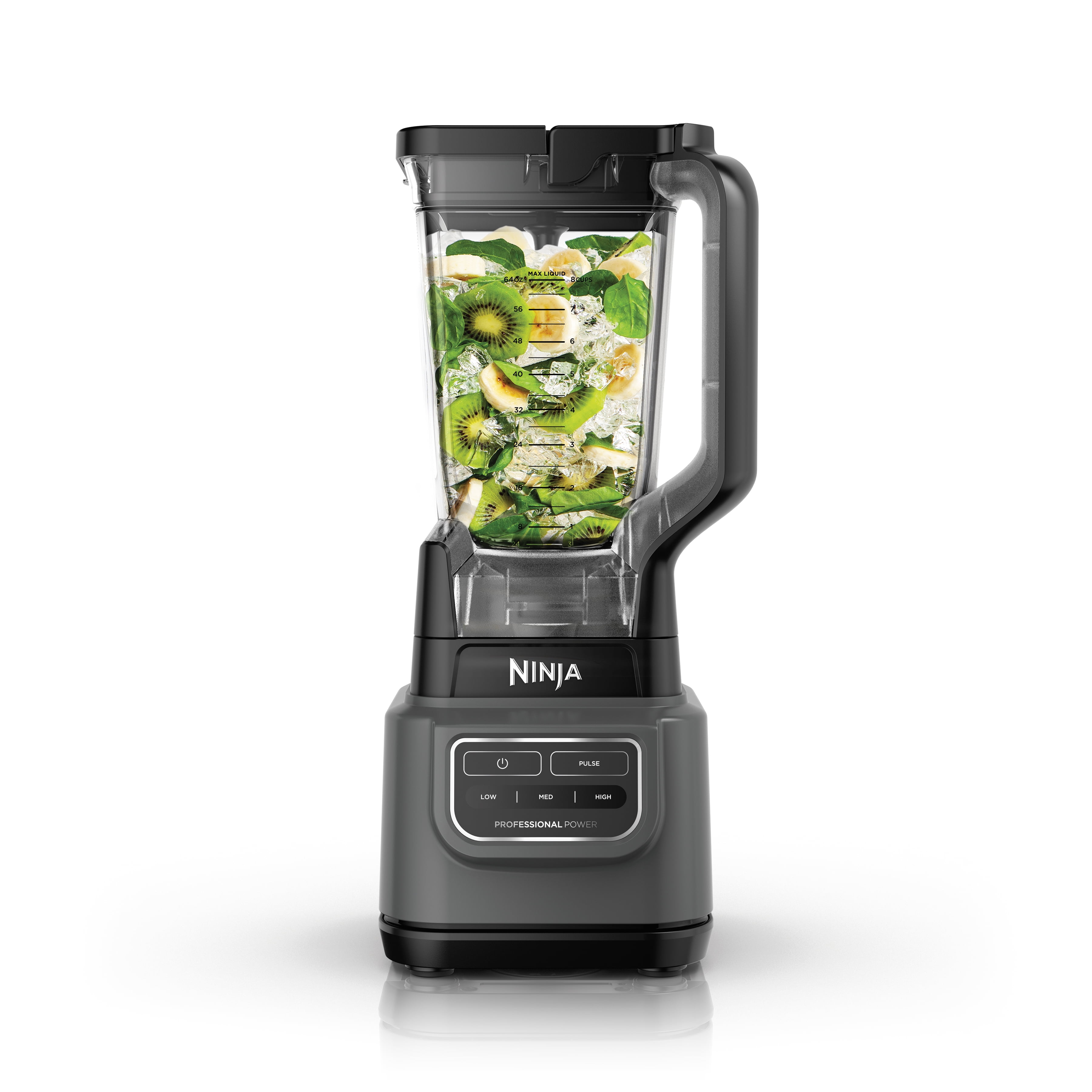
The Ninja Blender 1000 Watts is designed to be simple but effective. It usually comes with a motor base, a large pitcher (often 72 oz), removable blade assembly, and a tight-sealing lid. There are typically three speed settings (Low, Medium, High) and a Pulse button. The 1000-watt motor gives it the power to crush ice and blend tough ingredients.
The pitcher is made of strong BPA-free plastic, which means it’s safe for food and resists breaking. The handle is big and comfortable, making pouring easy—even with heavy mixtures like thick shakes or chunky soups. The blade assembly is sharp and made of stainless steel.
It has a unique stacked design, which helps blend all ingredients evenly, not just the ones at the bottom.
Before using it, check all parts for damage, wash them with warm soapy water, and dry them completely. Make sure the blender is on a flat surface near an outlet.
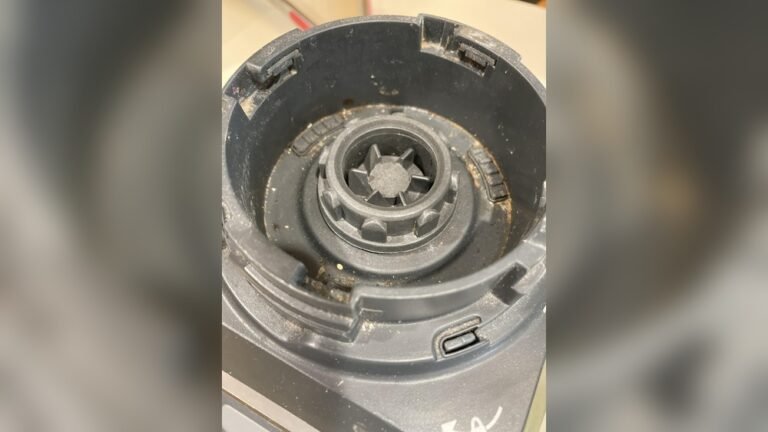
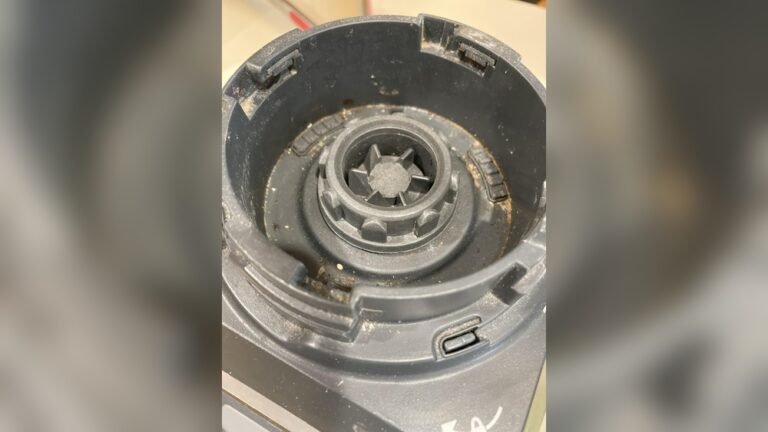
One thing new users sometimes miss is that the pitcher must fit exactly onto the base—there’s a small groove that helps it lock in place. If it’s not locked, the blender won’t start. Also, always check the bottom of the pitcher before each use to make sure the blade assembly is tightly screwed in.
Loose blades can cause leaks or uneven blending.
Setting Up Your Blender
- Assemble the pitcher: Place the pitcher on the motor base, aligning the handle with the front or side, depending on your model. You’ll often hear a “click” when it’s properly set.
- Insert the blade: Carefully place the removable blade assembly onto the gear shaft inside the pitcher. The blades are sharp—hold only the plastic top of the assembly, not the metal blades.
- Add ingredients: Fill the pitcher with your chosen ingredients. For best results, add liquids first, then soft ingredients, then hard or frozen items. This helps the blades move freely and blend more evenly.
- Secure the lid: Lock the lid in place. Most Ninja blenders won’t start unless the lid is properly locked. Some models have a small tab on the lid that must snap into the handle.
- Plug in: Insert the power cord into a suitable outlet. Make sure your hands are dry when plugging in the blender.
It’s a good habit to double-check all connections before starting. If you’re blending for a crowd, measure your ingredients to avoid overfilling. Keeping everything organized saves time and avoids messes.
Understanding The Control Panel
The Ninja Blender 1000 Watts has a straightforward control panel:
- Low: For thin mixtures like dressings or light smoothies. Use this for gentle mixing, combining liquids, or when you want to keep some texture in your blend.
- Medium: For mixing batters, sauces, or chunkier smoothies. This speed is good for pancake or waffle batters, tomato sauces, or salsa.
- High: For crushing ice, frozen fruits, and tough veggies. High speed gives you the smoothest blends and can handle dense or fibrous foods.
- Pulse: For short, quick bursts—great for chopping or mixing without over-blending. Pulse is also useful for breaking up larger pieces before blending fully.
Each button lights up when pressed, so you know which speed is active. Try starting with Low for a few seconds, then increase to Medium or High as needed. This lets ingredients blend more evenly and prevents splashing.
Beginners often overlook the value of Pulse. For example, if you want chunky salsa or chopped veggies, Pulse lets you control exactly how fine you want the texture. Don’t hold the Pulse button down too long—short bursts work best.
Basic Blending Techniques
Smoothies
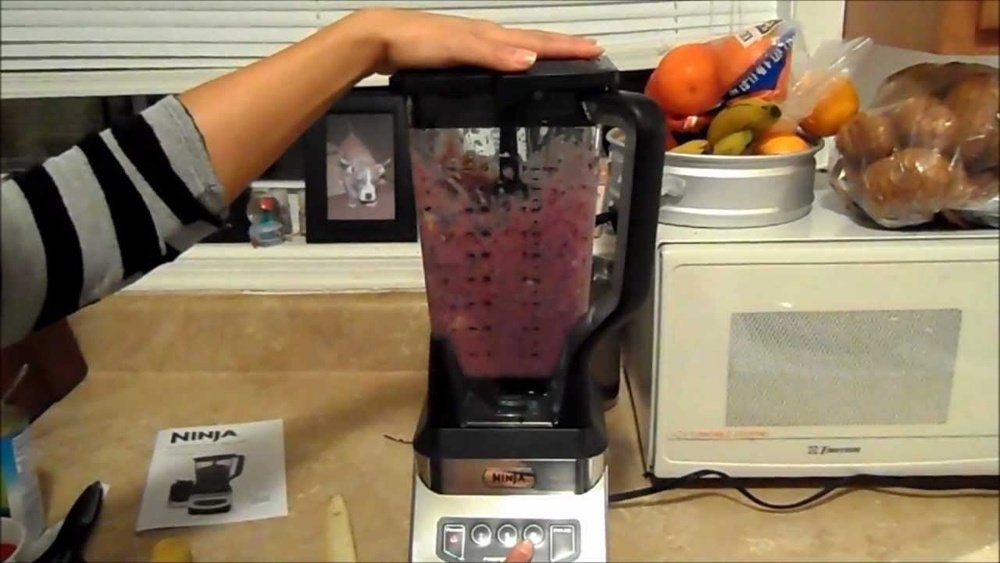
Smoothies are a top reason people buy this blender. Add 1-2 cups of liquid (water, milk, juice), 1 cup fruits/veggies, and ice or frozen fruit. Start on Low, then switch to High for a creamy finish.
For extra nutrition, try adding spinach, kale, or protein powder. If you’re new to green smoothies, combine a banana (for sweetness), a handful of greens, and your favorite milk. The Ninja’s power will break down greens so you don’t taste bits of leaves.
If your smoothie is too thick, add more liquid and blend again. If it’s too thin, add more frozen fruit or ice. Don’t be afraid to experiment—try nut butters, seeds, or oats for different flavors and textures.
Crushing Ice
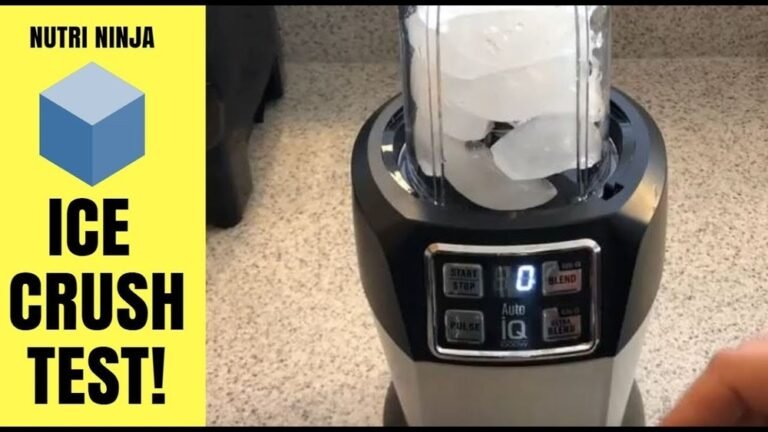
Ninja’s blades and 1000-watt motor can crush ice in seconds. Fill the pitcher halfway with ice, secure the lid, and use the Pulse button in short bursts.
Crushing ice is great for snow cones, frozen cocktails, or chilling drinks. For best results, don’t add too much ice at once. Stop and shake the pitcher gently if ice sticks to the sides, then continue pulsing.
A tip for parties: Add fruit juice or soda over crushed ice for instant slushies. You can also use crushed ice as a base for smoothie bowls or summer desserts.
Sauces And Dips
For salsa, pesto, or hummus, add ingredients and use the Medium or Pulse setting. Scrape the sides as needed to ensure even blending.
If you prefer chunky salsa, pulse only a few times and check the texture. For smooth hummus or pesto, blend on Medium and add extra olive oil or liquid for a creamy finish. Homemade dips taste fresher and can be customized with your favorite herbs or spices.
You can also use your blender for salad dressings—just add oil, vinegar, and seasonings, and blend on Low for a few seconds. The Ninja makes emulsifying (mixing oil and water) easy, so dressings stay creamy and don’t separate.

Credit: us.amazon.com
Safety And Maintenance Tips
- Never operate the blender empty. Running the motor without food can damage the blades and motor.
- Don’t fill past the MAX line to prevent leaks. The pitcher is designed to handle a certain amount—overfilling can lead to messes and uneven blending.
- Unplug before cleaning or touching the blades. The blades are extremely sharp—handle with care.
- All removable parts (except the motor base) are usually dishwasher safe. Place them on the top rack for best results.
- Wipe the motor base with a damp cloth. Never put the base in water or spray it with cleaner.
Two things beginners often miss: Always check the blade assembly is seated before adding food, and don’t use hot liquids (let them cool first) to avoid pressure build-up.
Another overlooked tip: If you use your blender for strong-smelling ingredients (like garlic or onion), soak the pitcher with baking soda and water after washing. This helps prevent odors from sticking.
Creative Uses For Your Ninja Blender
Nut Butters
Blend roasted nuts on High, stopping to scrape the sides. After a few minutes, you’ll get creamy peanut or almond butter.
Making nut butter at home means you control the ingredients. Add a pinch of salt or a drizzle of honey for flavor. Homemade nut butters are often smoother and fresher than store-bought.
If the mixture seems dry, add a small amount of oil (like peanut or coconut oil) to help everything blend. Be patient—it can take a few minutes for nuts to release their natural oils.
Batters And Dough
Pour in batter ingredients for pancakes or cakes. Pulse or use Low/Medium to mix without overworking.
For gluten-free or vegan batters, the Ninja blends ingredients evenly so you don’t get lumps. It’s also great for mixing muffin or waffle batter quickly.
If you want to make dough, add ingredients slowly, and use Pulse to avoid over-mixing. Too much blending can make dough tough.
Frozen Treats
Blend frozen fruit with a little milk or juice for instant sorbet or “nice cream. ”
Try frozen bananas and a splash of milk for a creamy, dairy-free ice cream. Add cocoa powder or vanilla extract for extra flavor.
For kids, blend frozen berries and yogurt for popsicle filling. Pour into molds and freeze for a healthy snack.
Chopping Vegetables
Use Pulse for quick salsas, chopped onions, or veggie prep for soups.
The Ninja’s stacked blades chop evenly, making food prep faster. For salads, chop cucumbers, peppers, and carrots in seconds.
If you need smaller pieces, pulse a few extra times. For larger chunks, check often and stop when you reach the right size.
You can also chop nuts, herbs, or even bread for crumbs. Just use short pulses and check the texture often.
Troubleshooting Common Issues
- Blender won’t start: Check the lid and pitcher are locked in place. Make sure the power cord is plugged in. Sometimes the safety lock isn’t fully engaged—press down on the lid and pitcher until you hear a click.
- Leaking: Do not overfill, and check the blade assembly is tight. If leaks continue, check for cracks in the pitcher or worn gaskets.
- Uneven blends: Layer ingredients properly and don’t overload the pitcher. Stop and stir if needed, then blend again.
- Loud noise or shaking: Make sure the surface is flat and stable. Remove any objects near the base that could vibrate or rattle.
If you smell burning, stop the blender and check for blockages. Too much food or very thick mixtures can strain the motor. Let the blender cool before trying again.
If you hear a grinding sound, check that the blade assembly is seated correctly. Misaligned blades can damage the pitcher and motor.
Cleaning Your Ninja Blender
- Disassemble: Remove the lid, blade, and pitcher.
- Rinse: Wash parts with warm soapy water or put in the top rack of your dishwasher. Rinse thoroughly to remove all soap.
- Clean the base: Wipe with a damp cloth—never submerge the motor base.
- Dry completely before reassembling. Leaving parts wet can lead to mold or odors.
A non-obvious tip: To clean sticky residues, blend a mix of warm water, a drop of dish soap, and a little vinegar on High for 30 seconds, then rinse.
For hard-to-reach spots under the blade, use a bottle brush or old toothbrush. If you blend nut butters or thick doughs, clean right away—dried-on food is harder to remove.
If your pitcher becomes cloudy over time, fill halfway with warm water, add a teaspoon of baking soda, and blend on High for 30 seconds. Rinse well and dry.
Comparison With Other Blenders
Here’s a quick look at how the Ninja Blender 1000 Watts stacks up against two other popular models:
| Feature | Ninja 1000 Watts | NutriBullet 900 | Oster Pro 1200 |
|---|---|---|---|
| Motor Power | 1000W | 900W | 1200W |
| Jar Size | 72 oz | 32 oz | 48 oz |
| Blade Type | Stacked 6-blade | 4-prong extractor | Dual-direction |
| Dishwasher Safe | Yes | Yes | Yes |
| Crushes Ice | Yes | Yes | Yes |
Compared to NutriBullet, the Ninja has a much larger pitcher, making it better for families or batch cooking. The Oster Pro is more powerful, but its jar is smaller and the blade system is different. The Ninja’s stacked blades blend more evenly, especially for large recipes.
Another advantage: the Ninja has a strong base and secure lid, so it stays stable even when blending heavy mixes. The NutriBullet is more compact and better for single servings, while the Ninja is more flexible for different recipes.
Recipes To Try With Your Ninja Blender
Green Smoothie
- 1 cup spinach
- 1 banana
- 1/2 apple
- 1 cup water
- 1/2 cup ice
Blend on High for 45 seconds.
For a thicker smoothie, use frozen banana instead of fresh. Add a tablespoon of peanut butter for extra protein.
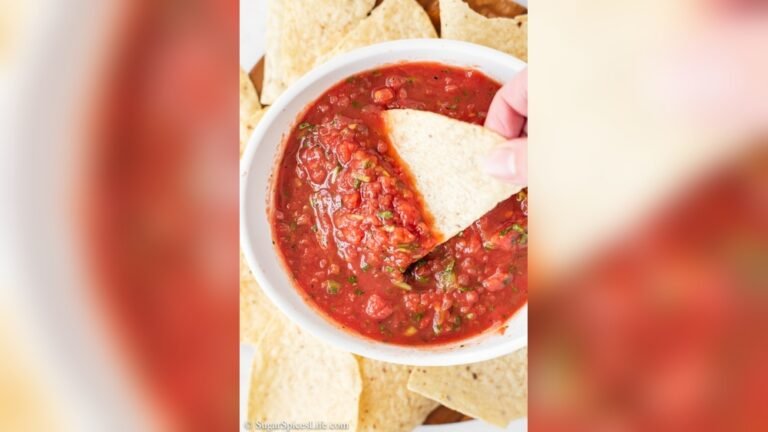
Chunky Salsa
- 2 tomatoes
- 1/2 onion
- 1 jalapeño
- 1/4 cup cilantro
- Juice of 1 lime
- Salt to taste
Pulse 5–6 times for a chunky texture.
If you like spicier salsa, add more jalapeño or a pinch of cayenne. For mild salsa, remove seeds from the jalapeño. Serve with chips or as a topping for tacos.
Protein Pancake Batter
- 1 cup oats
- 1 banana
- 2 eggs
- 1/2 cup milk
- 1 scoop protein powder
Blend on Medium until smooth.
Let the batter rest for 5 minutes before cooking. For extra flavor, add cinnamon or vanilla extract. Cook on a hot skillet until bubbles form, then flip.
Extra: Creamy Hummus
- 1 can chickpeas (drained)
- 1/4 cup lemon juice
- 1/4 cup tahini
- 2 tbsp olive oil
- 1 garlic clove
- Salt to taste
Blend on Medium, adding water as needed for desired thickness.
Serve with pita or veggies. For variety, add roasted peppers or herbs before blending.
How Much Can The Ninja Blender Handle?
| Ingredient | Maximum Amount | Recommended Speed |
|---|---|---|
| Ice Cubes | 4 cups | High/Pulse |
| Frozen Fruit | 3 cups | High |
| Liquid (Water, Milk) | 6 cups | Low/Medium |
| Nuts | 2 cups | High |
When making soups or sauces, start with smaller amounts and blend in batches if needed. Overloading can slow the blades and create uneven results.
If you want to blend hot ingredients (after cooling), fill only halfway and remove the center cap from the lid to allow steam to escape. Cover the opening with a towel to prevent splashes.
Ninja Blender 1000 Watts: Key Benefits
- Powerful motor: Handles tough ingredients with ease. You can blend raw carrots, nuts, and frozen foods without straining the motor.
- Large capacity: Great for families or meal prep. You can make drinks, soups, or batters for several people in one go.
- Versatile: Works for drinks, batters, sauces, and more. The blender replaces several kitchen gadgets, saving space and time.
- Easy to clean: Removable parts and dishwasher-safe. Less time spent cleaning means you’ll use the blender more often.
- Affordable: Offers strong performance for the price. Similar power in other brands often costs more.
An insight: The Ninja’s design makes it good for both quick jobs (like chopping onions) and longer blends (like nut butters). You don’t need separate machines for each task.
How To Store Your Blender
Keep your blender on your kitchen counter if you use it daily, or store it in a cupboard with the pitcher and lid separated (to prevent odors). Always dry all parts before storing to avoid mold.
If you’re short on space, store the blade assembly separately in a drawer or container to avoid damage. Do not stack heavy objects on the pitcher, as it can crack.
If you make smoothies every morning, keep the pitcher and lid handy and pre-pack ingredients in the fridge for fast blending.
Tips For Best Results
- Layer ingredients: Liquid first, then soft, then hard. This order helps the blades spin freely and blend evenly.
- Cut large items: Chop fruits and veggies into smaller pieces before blending. This reduces strain on the motor and gives smoother results.
- Do not overload: Respect the MAX fill line. Overfilling can lead to leaks and uneven blends.
- Secure the lid: Double-check before starting. An unsecured lid can cause messy spills.
- Start slow: Begin on Low and increase speed as needed. This prevents splashing and helps blend all ingredients.
A practical insight: Letting your frozen ingredients sit for 2-3 minutes before blending can reduce motor strain and make blending smoother.
Another tip: Add a splash of lemon juice or vinegar to green smoothies to brighten flavor and reduce bitterness.

Credit: www.amazon.com
Accessories And Add-ons
Some models include extra cups or blade assemblies. You can buy single-serve cups for smoothies on the go, or dough hooks for baking. Always use accessories designed for your model.
Single-serve cups are great for quick breakfasts—you can blend, drink, and wash the cup in minutes. Some Ninja blenders allow you to blend right in the travel cup.
Extra blades or pitchers can be handy if you prepare several recipes at once. Dough hooks are not standard, but if your model offers them, they can mix bread or pizza dough.
What Makes Ninja 1000 Watts Different?
The stacked blade system is unique. It allows for more even blending, especially in tall pitchers. Many competitors use only lower blades, which can leave chunks at the top.
Another difference: The safety locking system means the blender won’t run if the lid or pitcher is not properly set. This prevents kitchen accidents.
The wide base and sturdy design also keep the blender stable, even with heavy loads. Some cheaper blenders “walk” on the counter during blending; the Ninja stays put.
A non-obvious benefit: The pitcher’s spout makes pouring easy, so you can serve drinks or batters without spilling.
Common Mistakes To Avoid
- Trying to blend hot liquids. The pressure can cause the lid to pop off.
- Not securing the lid. Spills can be messy and dangerous.
- Ignoring the MAX line. Overfilling leads to leaks and uneven blends.
- Using metal utensils to stir inside the pitcher (can damage blades).
Another mistake: Using the blender for dry grinding (like coffee beans). The Ninja is not designed for dry grains, which can scratch the pitcher and dull the blades.
If you need to scrape the sides, use a rubber spatula only after the blades have stopped and the pitcher is removed from the base.
Speed Setting Guide
| Task | Suggested Speed | Tips |
|---|---|---|
| Smoothies | Low → High | Start slow for even texture |
| Ice Crushing | Pulse/High | Use short bursts |
| Sauces | Medium | Pulse for chunky style |
| Chopping Veggies | Pulse | Check after each pulse |
If you’re unsure, start slow and increase speed as you see the food blend evenly. For best results, don’t blend too long—over-blending can make mixtures foamy or too thin.
Ninja Blender 1000 Watts For Special Diets
This blender is great for vegan, keto, or gluten-free cooking. You can quickly blend nuts for dairy-free milk, create cauliflower rice, or whip up protein shakes.
For keto diets, blend coconut milk, avocado, and cocoa for a rich smoothie. For vegans, make cashew cream or almond milk by blending soaked nuts with water, then straining.
If you’re gluten-free, the Ninja can grind oats into flour for baking, or blend chickpeas for falafel mix. It’s a flexible tool for many dietary needs.
A tip: If you have allergies, always wash the blender well between recipes to avoid cross-contamination.
When To Replace Blades Or Parts
If you notice dull blades or leaking, it’s time to replace parts. Ninja sells replacements—always buy genuine parts to fit your model.
Blades can dull after years of use, especially if you blend ice often. If your blender struggles with smooth blends or the pitcher leaks, check the seal and blade assembly.
Another sign it’s time to replace parts: cracks in the pitcher or a lid that doesn’t fit tightly.
Credit: www.kardiosystem.pl
Where To Find More Help
The Ninja website offers user manuals, recipe ideas, and support. For more information, you can visit Ninja’s official support page.
Online forums and video tutorials are also helpful for troubleshooting or learning new recipes. Many users share tips and creative uses that can inspire you.
Final Thoughts
A Ninja Blender 1000 Watts is a smart investment for anyone who wants easy, fast blending. With the right techniques, you can make everything from icy drinks to smooth sauces. Remember to use the right speed, layer ingredients, and keep it clean.
With practice, you’ll get pro-level results every time.
Don’t be afraid to experiment—try new ingredients, make your own nut butters or salad dressings, and explore recipes beyond smoothies. The more you use your Ninja, the more you’ll discover how much it can do in your kitchen.
Frequently Asked Questions
How Do I Clean The Ninja Blender 1000 Watts?
Disassemble the pitcher, blade, and lid. Wash in warm soapy water or in the dishwasher (top rack). For tough stains, blend water with a drop of dish soap, then rinse well.
If you blend sticky or oily foods, clean the blender right after use to avoid buildup.
Can I Blend Hot Soups In My Ninja Blender?
No. Wait for hot liquids to cool before blending. Blending hot liquids can create steam pressure and cause the lid to pop off, risking burns.
For pureed soups, cook ingredients, cool them, then blend in batches. Reheat after blending for safe results.
Why Is My Blender Not Turning On?
Check that the pitcher and lid are locked into place. The blender will not start unless all parts are secured. Also, make sure the power outlet is working.
If there’s still no power, try a different outlet or check for blown fuses.
How Can I Avoid Leaks When Blending?
Don’t fill past the MAX line, and always check that the blade assembly is tightly in place. Avoid blending very thin or watery mixtures at high speed.
If leaks continue, inspect the pitcher for cracks and check the gasket under the blade assembly.
What Is The Best Speed For Smoothies?
Start on Low to combine ingredients, then switch to High for a creamy, smooth finish. Add liquid if the mixture is too thick.
If you want extra fiber or protein, blend in oats, seeds, or nut butters.
By following these tips and guidelines, you’ll get the most from your Ninja Blender 1000 Watts. Whether you’re making healthy drinks, prepping meals, or trying new recipes, this blender is ready for anything.