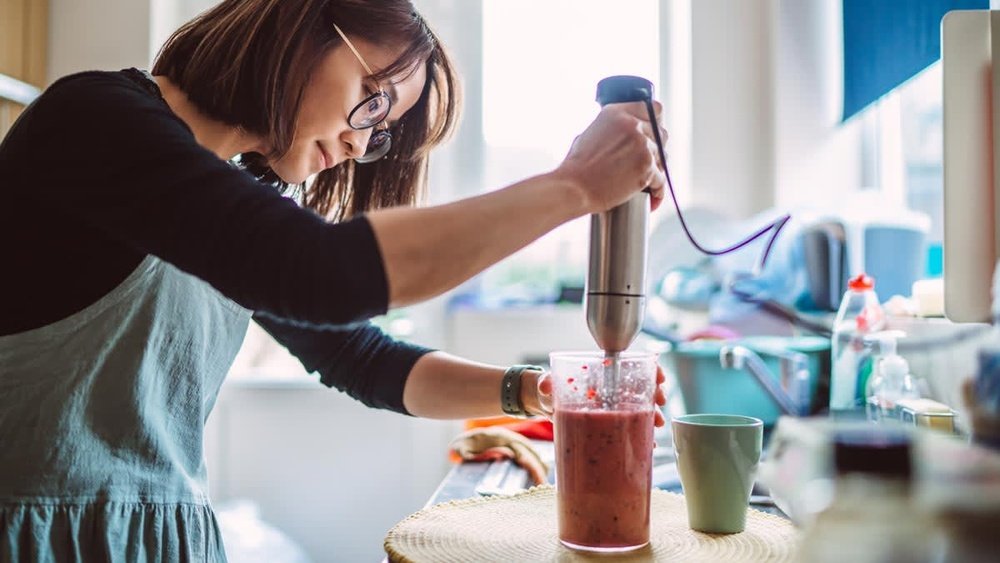
How To Use A Immersion Blender: Easy Steps for Perfect Results
Using an immersion blender can feel like magic in the kitchen. This handheld tool lets you blend, puree, and emulsify directly in pots, bowls, or pitchers. Unlike traditional blenders, you don’t need to transfer hot soup or chunky salsa into a separate machine. That means less mess, more speed, and fewer dishes. Whether you’re new to cooking or just want to make life easier, mastering the immersion blender will help you cook better meals at home.
In this guide, you’ll learn how to use an immersion blender safely and effectively. I’ll share tips, common mistakes, and practical examples you can try right away. By the end, you’ll know how to make soups, smoothies, sauces, and more—all without fuss.
What Is An Immersion Blender?
An immersion blender, also called a stick blender or hand blender, is a small electric device with a motor at one end and a rotating blade at the other. You hold it like a wand and immerse the blade into food. The blade spins, blending everything around it.
Immersion blenders are often used for:
- Pureeing soups directly in the pot
- Mixing smoothies in a glass
- Making salad dressings or mayonnaise
- Chopping small amounts of vegetables
Compared to countertop blenders, immersion blenders are:
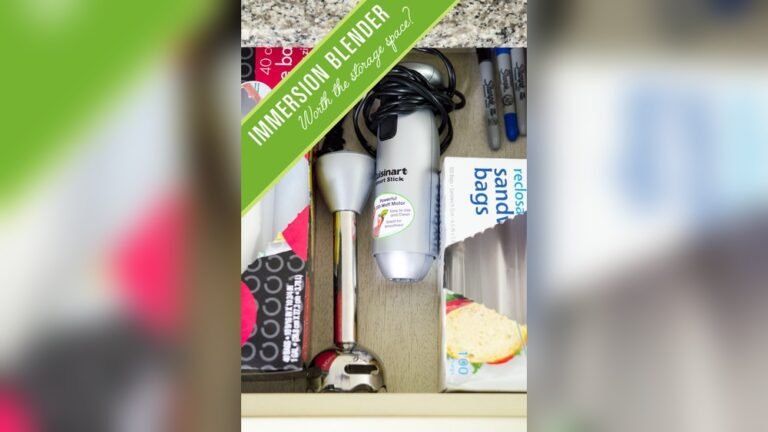
- Lighter and easier to store
- Faster for small jobs
- Safer for blending hot liquids
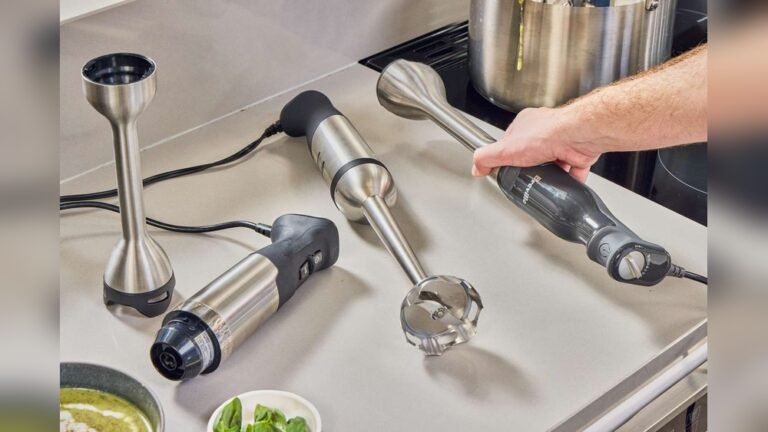
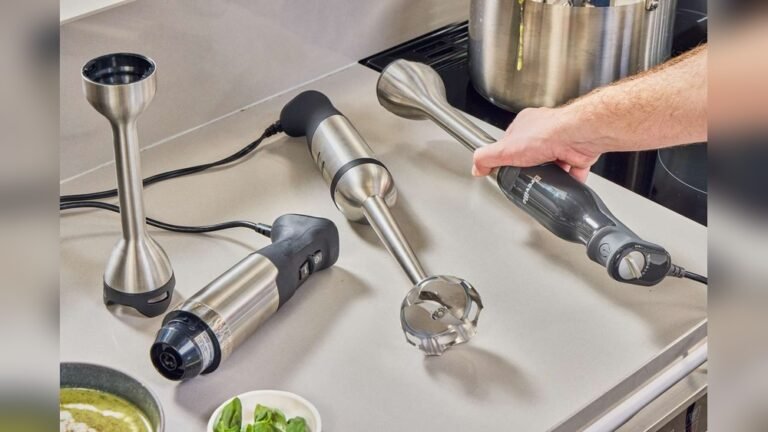
Most models have a detachable shaft for easy cleaning. Some come with extra attachments, like whisks or chopping bowls.
Choosing The Right Immersion Blender
Before you start blending, it’s important to pick the right tool. Not all immersion blenders are equal. Here are the main things to consider:
Power And Speed
Immersion blenders range from 200 to 800 watts. More power means faster blending and smoother results. For thick soups or tough vegetables, choose at least 300 watts.
Many blenders have multiple speed settings. Higher speeds are good for pureeing; lower speeds help avoid splashing.
Blade Design
Blades come in different shapes. Some are curved for smooth blending, while others are flat for chopping. Look for stainless steel blades—they last longer and are easier to clean.
Shaft Length And Material
A longer shaft lets you reach deeper pots. Plastic shafts can stain or melt; metal shafts are more durable.
Attachments
Some models include extra tools:
- Whisk for whipping cream or eggs
- Chopper bowl for nuts or herbs
- Beaker for smoothies or sauces
Price And Brand
Prices can range from $20 to $150. Well-known brands like Breville, KitchenAid, and Braun often have better warranties and quality.
| Brand | Power (Watts) | Speed Settings | Attachments | Price ($) |
|---|---|---|---|---|
| Breville | 280 | 15 | Whisk, chopper, beaker | 120 |
| KitchenAid | 200 | 2 | Whisk, beaker | 80 |
| Braun | 350 | 21 | Chopper, whisk, beaker | 130 |
| Hamilton Beach | 225 | 2 | None | 35 |
Insight: Beginners often buy based only on price, but saving $20 can mean slower blending and less durability. A strong motor and stainless steel shaft matter more for long-term use.
Preparing To Use An Immersion Blender
Getting ready is half the battle. Here’s how to set up for safe and effective blending.
Read The Instructions
Every blender has its own quirks. Check the manual for:
- How to attach/detach shafts
- Maximum run time (most need breaks after 1-2 minutes)
- Cleaning instructions
Choose The Right Container
Immersion blenders work best in tall, narrow containers. This helps keep food close to the blade and reduces splashes.
- For soups: Use the cooking pot
- For smoothies or sauces: Use a tall glass or beaker
Avoid shallow bowls, as they make splattering more likely.
Prepare The Ingredients
Cut large vegetables into small pieces (about 1-inch cubes). For smoothies, use soft fruits and add enough liquid (milk, juice, water).
If blending hot foods, let them cool slightly to avoid burns from splashing.
Safety Checks
- Make sure the blender is unplugged before attaching blades.
- Keep hands and utensils away from the blade during use.
- Use oven mitts for hot pots.
Non-obvious tip: Many beginners forget to check the maximum fill line on their beaker or pot. Overfilling can cause leaks and spills.
Step-by-step: How To Use An Immersion Blender
Now let’s walk through the process. This method works for most recipes, from soups to smoothies.
1. Assemble The Blender
Attach the shaft and blade to the motor unit. Make sure everything clicks in place.
2. Add Ingredients To The Container
Place your ingredients in the pot or beaker. For thick foods, add a bit of liquid to help blending.
3. Submerge The Blender
Insert the blade end into the food. Make sure it’s fully covered to avoid splashing. Hold the blender upright and steady.
4. Start Blending
Plug in the blender. Hold the motor with one hand and use your other hand to steady the container.
Press the power button and blend in short bursts. Move the blender slowly up and down, covering all areas.
- For smooth purees: Blend for 30–60 seconds.
- For chunky salsas: Pulse for a few seconds.
5. Adjust Consistency
If the mixture is too thick, add more liquid and blend again.
6. Stop And Check
Release the power button. Lift the blender slowly to let extra food drip off.
Check the texture. If needed, blend more or scrape sides with a spatula.
7. Clean Up
Unplug the blender. Detach the shaft and rinse under warm water. Use a brush for the blade. Dry completely before storing.
Insight: Many first-time users forget to move the blender around the container. Keeping it in one spot leaves chunks and uneven texture.

Credit: www.fromcooktochef.com
Practical Examples: Recipes You Can Try
Using an immersion blender is more than just soup. Here are a few recipes to get you started.
Creamy Vegetable Soup
Ingredients:
- 2 cups chopped vegetables (carrots, potatoes, celery)
- 4 cups broth
- 1 onion, chopped
- 1 garlic clove
- Salt and pepper to taste
Steps:
- Cook vegetables in broth until soft (about 20 minutes).
- Insert immersion blender into the pot, fully submerge the blade.
- Blend until smooth (about 60 seconds).
- Add salt and pepper, serve hot.
Fruit Smoothie
Ingredients:
- 1 banana
- 1 cup berries
- 1 cup milk or yogurt
- 1 tablespoon honey (optional)
Steps:
- Place fruit and milk in a tall glass.
- Submerge blender and blend until smooth.
- Add honey, blend again for a few seconds.
Homemade Mayonnaise
Ingredients:
- 1 egg
- 1 cup oil
- 1 tablespoon lemon juice
- Salt to taste
Steps:
- Add egg, oil, lemon juice, and salt to a tall jar.
- Put blender at the bottom, turn on, and blend for 10 seconds.
- Slowly lift blender to mix everything.
- Mayonnaise should thicken instantly.
Cooking tip: For mayonnaise, ingredients must be at room temperature to emulsify properly.
Cleaning And Maintenance
Taking care of your immersion blender keeps it working longer and safer.
Immediate Cleaning
Rinse the blade and shaft right after use. Food dries quickly and becomes hard to clean.
- Run under warm water
- Use a small brush for the blade area
- Wipe motor unit with a damp cloth (never immerse)
Deep Cleaning
For stuck-on food, soak the shaft in warm, soapy water for 10–15 minutes. Avoid dishwashers unless the manual says it’s safe.
Storage
Dry all parts fully before storing. Store in a dry area, away from moisture.
Maintenance Checks
- Check for cracks or loose parts
- Sharpen or replace blades every 1–2 years
- Check cord for damage
Non-obvious insight: If you notice a burning smell, stop using immediately. This means the motor is overheating or the blade is blocked.
| Cleaning Step | Frequency | Recommended Tool |
|---|---|---|
| Rinse after use | Every time | Warm water |
| Deep clean | Weekly | Brush, soap |
| Motor wipe | Monthly | Damp cloth |
| Blade check | Yearly | Sharpener or replacement |
Common Mistakes And How To Avoid Them
Even experienced cooks can make errors. Here are the most frequent issues and solutions.
Splashing
Immersion blenders can splash if not used correctly.
- Always submerge the blade fully before turning on.
- Start at a low speed, especially with hot liquids.
- Use tall containers.
Overheating
Running the blender too long can burn out the motor.
- Blend in short bursts (max 1–2 minutes at a time).
- Let the motor rest between batches.
Uneven Blending
If you get chunks, move the blender around the container.
- Use up-and-down motions.
- Blend in circles for even texture.
Staining And Odors
Plastic shafts and blades can pick up stains and smells.
- Clean immediately after use.
- Use baking soda paste for tough stains.
Cutting Yourself
The blade is sharp. Always unplug before cleaning or changing attachments.
Data: In a 2021 kitchen safety survey, 18% of immersion blender injuries happened because users tried to clean while plugged in.
Advanced Uses For Immersion Blenders
Once you know the basics, try these creative ideas.
Whipping Cream
Attach the whisk and whip cream in seconds. Start at low speed to avoid splashes.
Making Nut Butters
Use the chopper bowl attachment to grind nuts into smooth butter.
Baby Food Purees
Cook vegetables, then blend directly in the pot. Add water for smoother texture.
Salad Dressings
Blend oil, vinegar, herbs, and garlic for homemade dressings.
Pancake Batter
Mix flour, eggs, and milk for lump-free batter.
Non-obvious tip: For nut butters, use short pulses and scrape sides often. Immersion blenders can’t handle large quantities at once.

Credit: www.asavoryfeast.com
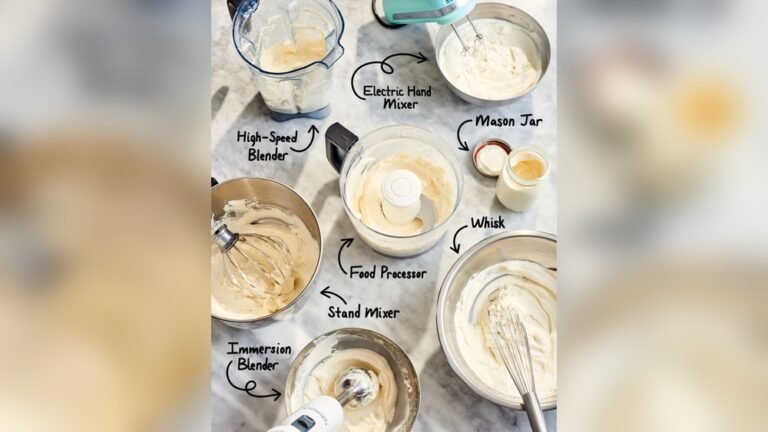
Comparing Immersion Blenders Vs Countertop Blenders
If you’re deciding between an immersion blender and a traditional blender, here’s how they stack up.
| Feature | Immersion Blender | Countertop Blender |
|---|---|---|
| Portability | Lightweight, easy to store | Bulky, needs space |
| Hot Liquids | Safe to use in pots | Can splatter, risk of burns |
| Cleanup | Quick rinse | Multiple parts to wash |
| Power | Lower (200–800W) | Higher (500–1500W) |
| Texture | Good for purees | Better for smoothies |
| Versatility | Attachments for whisking, chopping | Usually only blending |
Insight: Many people think countertop blenders are “always better,” but immersion blenders are safer for hot soup and easier for quick tasks.
Safety Tips For Using An Immersion Blender
Using an immersion blender is generally safe, but follow these rules to avoid accidents.
- Always unplug before cleaning or changing parts.
- Keep fingers and utensils away from the blade.
- Never run the blender empty—it can damage the motor.
- Use heat-resistant gloves when blending hot foods.
- Check cord placement to avoid tripping or tangling.
Non-obvious tip: If your blender has a lock or safety feature, use it. Some models won’t turn on unless assembled correctly.
Troubleshooting: Fixing Common Problems
Sometimes things go wrong. Here’s how to fix issues:
Blender Won’t Start
- Check if it’s plugged in.
- Make sure attachments are locked in place.
- Try another outlet.
Blade Not Spinning
- Food may be stuck—unplug and clear blockage.
- Shaft may not be attached correctly.
Poor Blending
- Add more liquid if mixture is too thick.
- Cut ingredients smaller.
Leaking
- Don’t overfill containers.
- Check for cracks in shaft or beaker.
Overheating
- Let blender rest between batches.
- If problem continues, contact manufacturer.
Frequently Asked Questions
How Do I Clean An Immersion Blender Safely?
Unplug the blender first. Detach the shaft and rinse under warm water. Use a brush for the blade. Never immerse the motor unit. For tough stains, soak in soapy water.
Can I Use An Immersion Blender For Hot Foods?
Yes, you can blend hot soups and sauces directly in the pot. Let food cool slightly to avoid burns from splashes. Use a deep pot and always start at low speed.
What Can’t An Immersion Blender Do?
Immersion blenders can’t crush ice or handle very hard foods. Don’t use for thick dough or large quantities of nuts. For these jobs, a countertop blender or food processor is better.
How Long Can I Run My Immersion Blender?
Most models should run for 1–2 minutes at a time. Let the motor rest between batches. Check your manual for exact limits.
Are Immersion Blenders Dishwasher Safe?
Some shafts and blades are dishwasher safe; motor units are not. Always check your manual. Hand washing is safest for longevity.
Mastering the immersion blender will change the way you cook. It’s simple, fast, and versatile—great for both beginners and experts. With the right technique, you can make creamy soups, smooth sauces, and delicious smoothies in minutes. Follow safety tips, clean regularly, and try new recipes. With practice, your immersion blender will become one of the most useful tools in your kitchen.
If you want more in-depth information, you can check Wikipedia’s Immersion Blender page for technical details and history.
:max_bytes(150000):strip_icc()/sea-primary-immersion-blenders-sep-24-rkilgore-0658-89167e1e4bd44afb93d9c847674b09e4.jpeg)
Credit: www.seriouseats.com