How Do You Spell Immersion Blender: Ultimate Guide for Beginners
Spelling “immersion Blender”: What You Need To Know
Have you ever wondered how to spell immersion blender? Maybe you want to search for recipes, buy one online, or learn how to use it. But typing the right words can be confusing, especially if English is not your first language. This guide helps you spell “immersion blender” correctly, explains the meaning, and shares useful facts. You’ll discover why spelling matters, common mistakes, and tips for remembering the term. Plus, you’ll see how this kitchen tool compares to others and learn its role in cooking.
What Is An Immersion Blender?
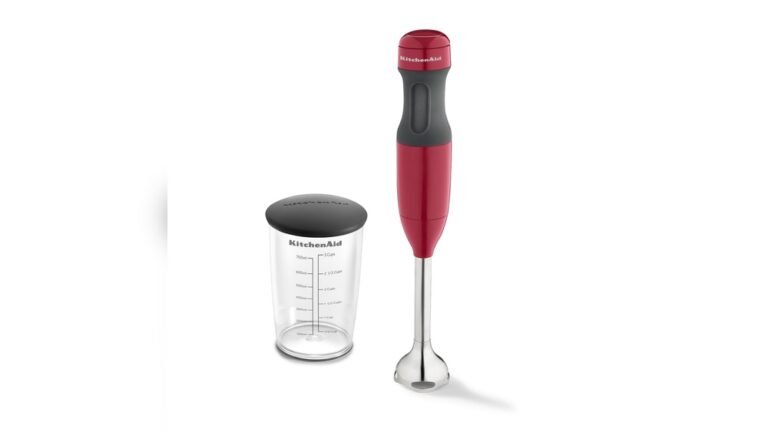
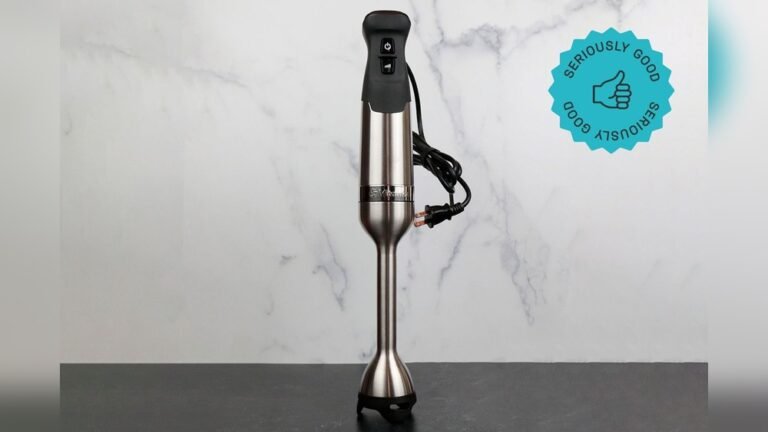
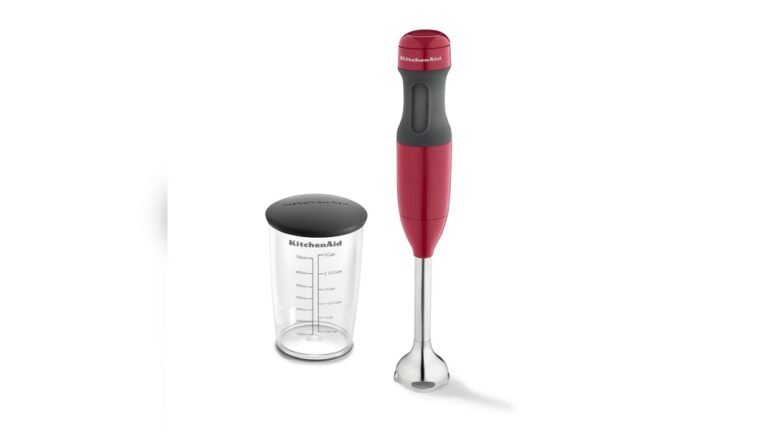
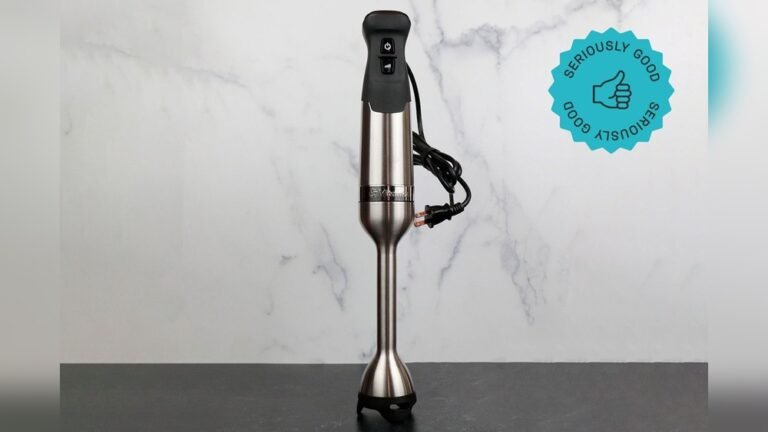
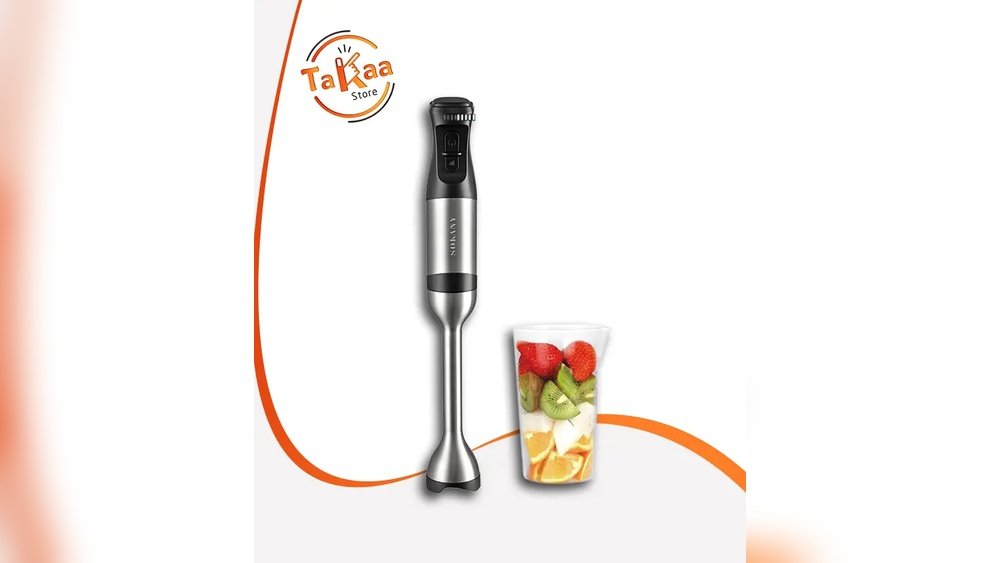
An immersion blender is a handheld kitchen tool used for blending, mixing, and pureeing foods directly in a bowl, pot, or container. Unlike traditional blenders, it doesn’t have a pitcher. You hold it in your hand and dip it (“immerse”) into whatever you want to blend.
This tool is also called a stick blender or hand blender. It’s popular for soups, smoothies, sauces, and baby food. The long shaft and blades let you blend ingredients quickly and easily without pouring them into another container.
Key Features
- Handheld design
- Removable shaft for easy cleaning
- Sharp blades at the end for blending
- One-touch controls
- Variable speeds (in some models)
Immersion blenders are lightweight and compact. They save time, reduce mess, and are easy to store.
Why The Name “immersion Blender”?
The word “immersion” means to put something into a liquid. The blender is “immersed” into the food or drink. That’s why it’s called an immersion blender—you dip it into the mixture rather than pouring the mixture into a blender.
How To Spell “immersion Blender”
The Correct Spelling Is: Immersion Blender
Let’s break it down:
- Immersion (im-MER-shun): The act of putting something into a liquid.
- Blender (BLEN-der): A device for mixing or pureeing food.
Spell it as two separate words: immersion blender. Do not combine them or use a hyphen.
Common Misspellings
Many people make mistakes when spelling “immersion blender.” Here are some frequent errors:
- Eversion blender
- Immersionblender
- Emersion blender
- Emersionblender
- Immersian blender
- Imersion blender
These mistakes happen because the word “immersion” is not common in everyday English. “Eversion” or “emersion” are different words with different meanings.
Pronunciation Guide
If you want to say it correctly, here’s a simple guide:
- “Immersion” sounds like: Im-MER-shun
- “Blender” sounds like: BLEN-der
Try saying both slowly: immersion blender.
Credit: academymuseumstore.org
Why Spelling Matters
Spelling “immersion blender” correctly is important for several reasons:
- Searching online: You’ll find recipes, reviews, and buying options.
- Communication: You can ask questions or write emails clearly.
- Avoiding mistakes: Wrong spelling can lead to confusion or wrong results.
If you use the wrong spelling, search engines may not show the right products or information. This can waste your time or lead to buying the wrong item.
Example: Search Results
Let’s compare how search engines respond to correct and incorrect spelling:
| Spelling | Number of Results | Relevant Links |
|---|---|---|
| immersion blender | 2,500,000+ | High |
| imersion blender | 150,000 | Low |
| emersion blender | 70,000 | Very Low |
As you can see, spelling matters for finding accurate information.
How To Remember The Spelling
Learning to spell immersion blender is easier if you use simple tricks:
- Think of “immerse”: The root word is “immerse,” which means to put into liquid. Remember that you immerse the blender into your food.
- Separate the words: “Immersion” and “blender” are two distinct words. Don’t join or hyphenate them.
- Visualize blending soup: Imagine holding the blender and dipping it into soup. The action is “immersion.”
- Write it down: Practice writing the word several times.
- Use sticky notes: Place a note in your kitchen with the correct spelling.
These tips help you avoid common mistakes and build confidence.
Immersion Blender Vs Other Kitchen Tools
Immersion blenders are often confused with other devices. Let’s see how they differ:
Comparison With Countertop Blender
| Feature | Immersion Blender | Countertop Blender |
|---|---|---|
| Design | Handheld | Stationary with pitcher |
| Usage | Directly in bowl/pot | Requires pouring into pitcher |
| Cleaning | Easy, removable shaft | Pitcher, lid, blades |
| Storage | Compact | Bulky |
| Power | Lower wattage | Higher wattage |
Comparison With Food Processor
| Feature | Immersion Blender | Food Processor |
|---|---|---|
| Function | Blend, puree, mix | Chop, slice, shred |
| Speed | Fast for liquids | Fast for solids |
| Cleaning | Few parts | Multiple parts |
| Versatility | Good for soups, sauces | Good for vegetables, dough |
An immersion blender is best for liquid and soft foods. A food processor is better for chopping and slicing solid foods.
Practical Uses For Immersion Blenders
Immersion blenders are very useful in the kitchen. Here are some common ways people use them:
- Blending soups: You can puree hot soup directly in the pot.
- Making smoothies: Blend fruits and vegetables without a pitcher.
- Mixing sauces: Create smooth sauces or dressings.
- Preparing baby food: Puree vegetables or fruits for babies.
- Whipping cream: Some models can whip cream or eggs.
Real-life Example
A home cook wants to make tomato soup. Instead of pouring hot soup into a traditional blender, she uses an immersion blender directly in the pot. This saves time and avoids spills.

Credit: news.kern.org
Benefits Of Using An Immersion Blender
Why do so many people love immersion blenders? Here are some of the main benefits:
- Convenience: Blend in the same container you cook in.
- Easy cleaning: Only the shaft and blades need washing.
- Quick results: Blends food in seconds.
- Compact size: Fits into drawers and small spaces.
- Safe for hot liquids: Use directly in hot pots.
Data: Popularity
According to market research, over 60% of American households own an immersion blender. Sales have grown by 15% annually, especially after 2020, when home cooking increased.
Common Mistakes With Immersion Blenders
Beginners often make mistakes when using or buying an immersion blender. Here are two that many miss:
- Using the wrong container: Thin or fragile bowls can break. Always use strong pots or bowls that won’t tip over.
- Overfilling the container: If the liquid level is too high, blending can cause splashes and mess. Fill only halfway for safety.
These errors can damage the blender or make cleaning harder.
Buying Mistakes
Some people buy cheap models without checking the power or attachments. Low-wattage blenders can struggle with thick soups. It’s better to check reviews and compare features.
Immersion Blender: Parts And Functions
Let’s look at the main parts of an immersion blender:
- Motor housing: The part you hold, usually plastic or metal.
- Blending shaft: The long tube that connects the blades to the motor.
- Blades: Sharp, stainless steel blades at the end.
- Control buttons: Usually one or two for speed.
- Attachments: Some models include extra tools like whisks.
Each part has a specific job. The motor spins the blades; the shaft lets you reach deep into pots. Attachments add flexibility.
How To Clean An Immersion Blender
Cleaning is simple if you follow these steps:
- Unplug the blender.
- Remove the blending shaft.
- Rinse the shaft and blades under warm water.
- Wash with soap and a sponge.
- Dry before storing.
Some shafts are dishwasher safe. Always read the manual for your model.
Cleaning Tips
- Never immerse the motor in water.
- Clean right after use to avoid dried-on food.
- If blades are stuck, soak in warm water.
Immersion Blender Safety Tips
Safety is important when using any kitchen tool. Here are practical tips:
- Unplug before cleaning: Prevent accidents.
- Keep fingers away from blades: Blades are very sharp.
- Don’t run continuously: Let the motor rest after 30 seconds.
- Use strong containers: Avoid glass bowls that can crack.
Following these tips keeps you safe and protects your blender.
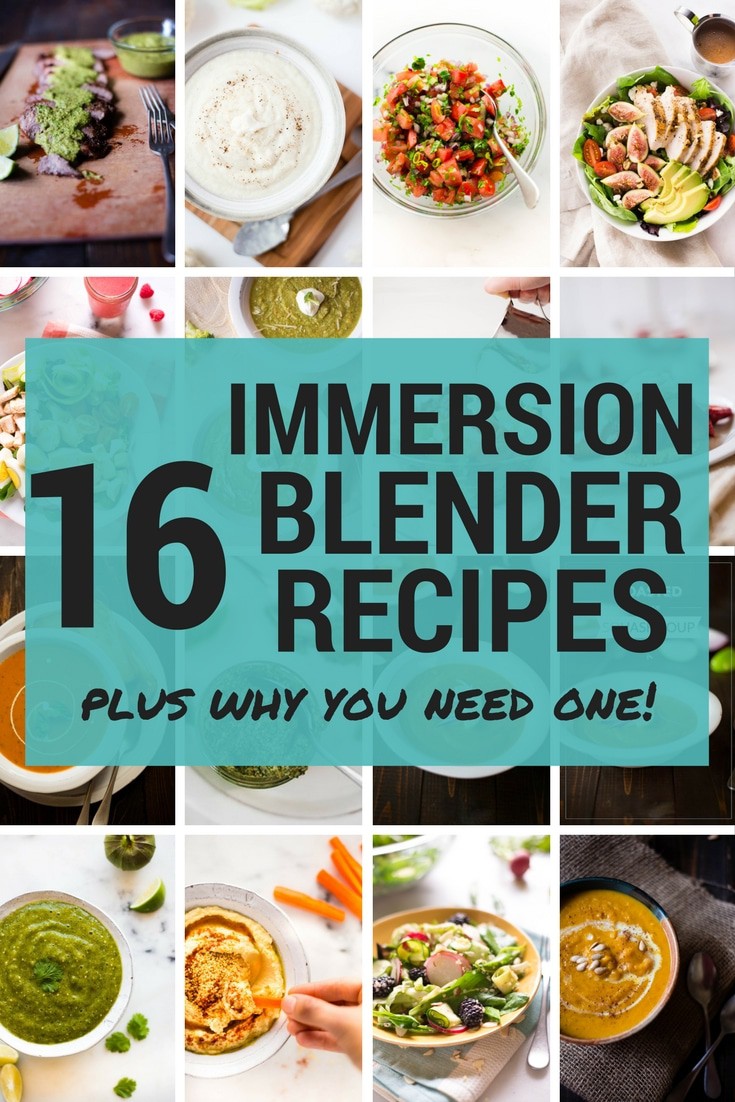
Immersion Blender In Recipes
Many recipes call for an immersion blender. Here are examples:
- Creamy potato soup
- Homemade hummus
- Green smoothies
- Tomato sauce
- Whipped cream
Using an immersion blender makes these dishes smoother and faster.
Recipe Example: Creamy Vegetable Soup
Ingredients:
- 2 cups chopped carrots
- 2 cups chopped potatoes
- 1 cup chopped onions
- 3 cups vegetable broth
- 1 cup milk
- Salt and pepper
Steps:
- Cook vegetables in broth until soft.
- Add milk, salt, and pepper.
- Use immersion blender to puree until smooth.
- Serve hot.
Cooking time: 30 minutes. Serves: 4 people.
Immersion Blender: Brands And Models
There are many brands and models of immersion blenders. Some popular brands include:
- KitchenAid
- Braun
- Cuisinart
- Hamilton Beach
- Breville
Prices range from $20 to $150, depending on features.
What To Look For
- Power (watts): More power is better for thick foods.
- Attachments: Whisks, choppers, extra blades.
- Ease of cleaning: Dishwasher-safe parts.
- Durability: Metal shafts last longer.
- Warranty: Look for at least 1-year warranty.
The Word “immersion” In Other Contexts
The word “immersion” is not only used for blenders. It appears in many English phrases:
- Immersion heater: Device for heating water.
- Immersion education: Learning a language by being surrounded by it.
- Immersion experience: Being fully involved in an activity.
Learning the word helps you understand many topics.
The Word “blender” In English
“Blender” is a common English word. It means a device for mixing food or drink. There are many types:
- Countertop blender
- Immersion blender
- Personal blender
Knowing these terms helps you talk about kitchen tools.
Immersion Blender In Different Languages
If you travel or read recipes in other languages, you may see different names:
- French: Mixeur plongeant
- Spanish: Batidora de mano
- German: Stabmixer
- Italian: Frullatore ad immersione
But in English, always spell it: immersion blender.
Credit: www.asweetpeachef.com
Fun Facts About Immersion Blenders
- The first immersion blender was invented in 1950 by Swiss engineer Roger Perrinjaquet.
- The device was called “bamix,” meaning “mix everything.”
- Some immersion blenders can crush ice, but most are best for soft foods.
- Cooks in professional kitchens use immersion blenders for speed and convenience.
How To Choose The Right Immersion Blender
Here are practical steps for choosing the best model:
- Check power rating: At least 200 watts for soups.
- Look at blade quality: Stainless steel is best.
- Test grip comfort: Choose one that feels good in your hand.
- Review attachments: Whisks and choppers add value.
- Read reviews: Find out about durability and performance.
Avoid buying only based on price. Cheap models may not last or work well.
Environmental Impact Of Immersion Blenders
Immersion blenders use less plastic and energy than large blenders. They help reduce kitchen waste because you don’t need extra containers. Most parts are recyclable, and some brands use eco-friendly materials.
Immersion Blender In Professional Cooking
Professional chefs use immersion blenders for soups, sauces, and emulsions. They choose models with strong motors and metal shafts. Speed and ease of cleaning are important in busy kitchens.
Example: Restaurant Soup Preparation
In a restaurant, chefs use immersion blenders to puree large pots of soup quickly. This saves time and keeps the kitchen running smoothly.
Troubleshooting Immersion Blender Problems
If your immersion blender is not working, try these steps:
- Check power: Is it plugged in?
- Inspect blades: Are they blocked by food?
- Look for damage: Cracks or broken parts.
- Read the manual: Some models have safety locks.
If you can’t fix it, contact customer support or check the manufacturer’s website.
Immersion Blender: Online Resources
You can learn more about immersion blenders on trusted sites like Wikipedia. This source gives history, technical details, and more.
Frequently Asked Questions
How Do You Spell Immersion Blender?
The correct spelling is immersion blender. Remember, two words: “immersion” and “blender.” Avoid misspellings like “imersion,” “emersion,” or “immersionblender.”
Is Immersion Blender The Same As Hand Blender?
Yes, in most cases, immersion blender and hand blender mean the same thing. Both refer to a handheld device used for blending food directly in containers.
What Foods Can I Use An Immersion Blender For?
You can use an immersion blender for soups, smoothies, sauces, baby food, and whipped cream. It works best with soft and liquid foods.
Can Immersion Blenders Blend Ice Or Hard Foods?
Some high-power immersion blenders can handle ice or nuts. But most are designed for soft foods. Check your model’s manual before blending hard ingredients.
How Do I Clean An Immersion Blender Safely?
Unplug the blender, remove the shaft, and rinse under warm water. Wash with soap and sponge. Dry before storing. Never immerse the motor in water.
Spelling “immersion blender” correctly opens up a world of recipes, kitchen tips, and product choices. With this guide, you can be confident in using and searching for this handy kitchen tool. The next time you want to blend soup or make a smoothie, you’ll know the right word—and how to use it.