How Does A Vitamix Compare To A Ninja Blender Performance
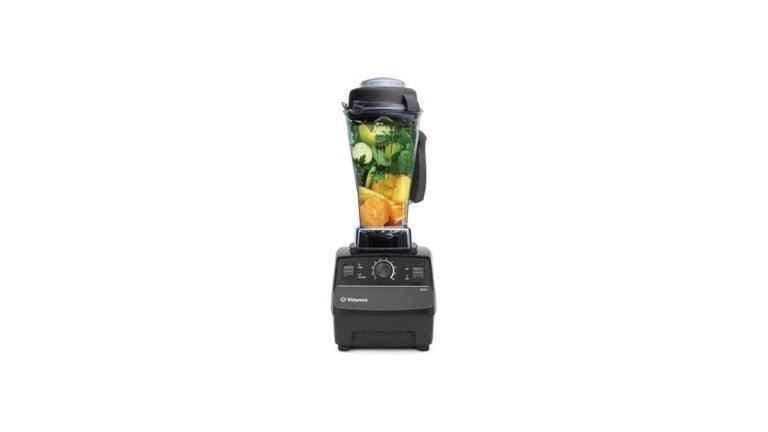
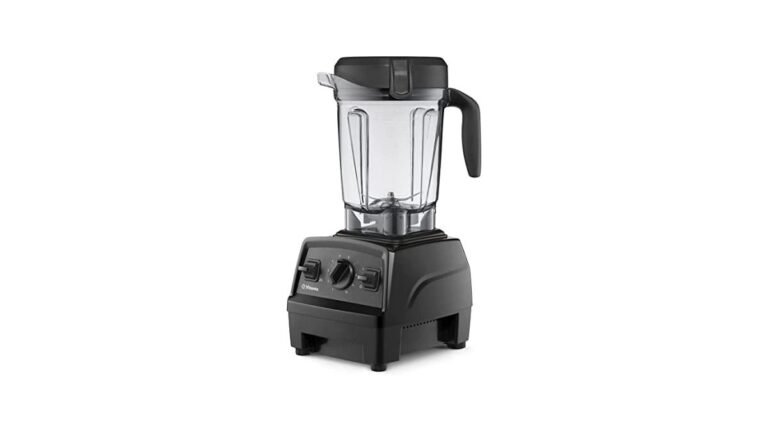
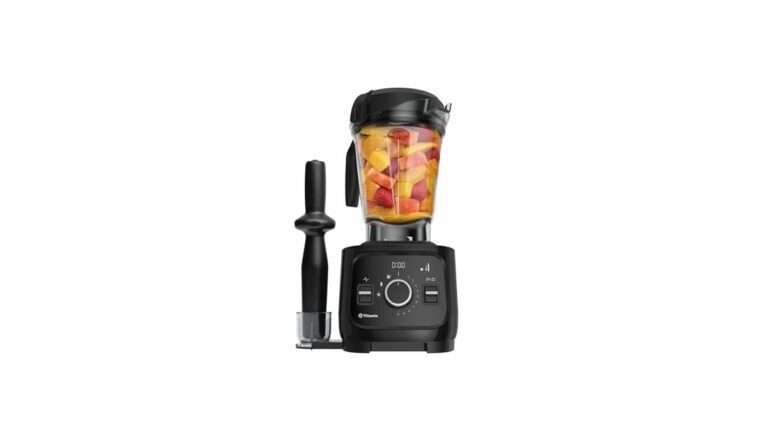
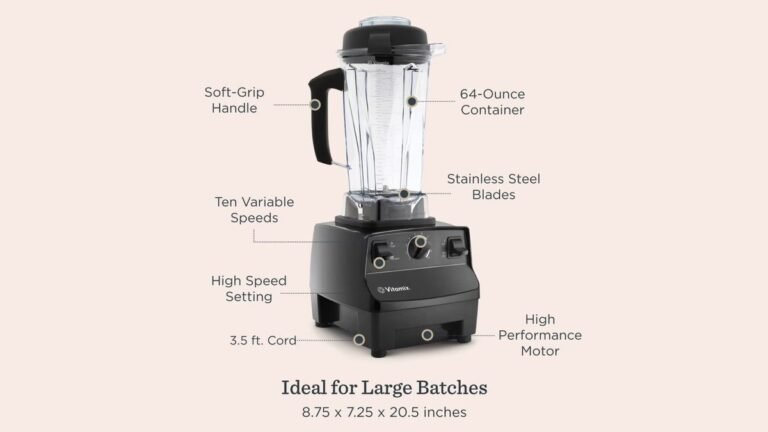
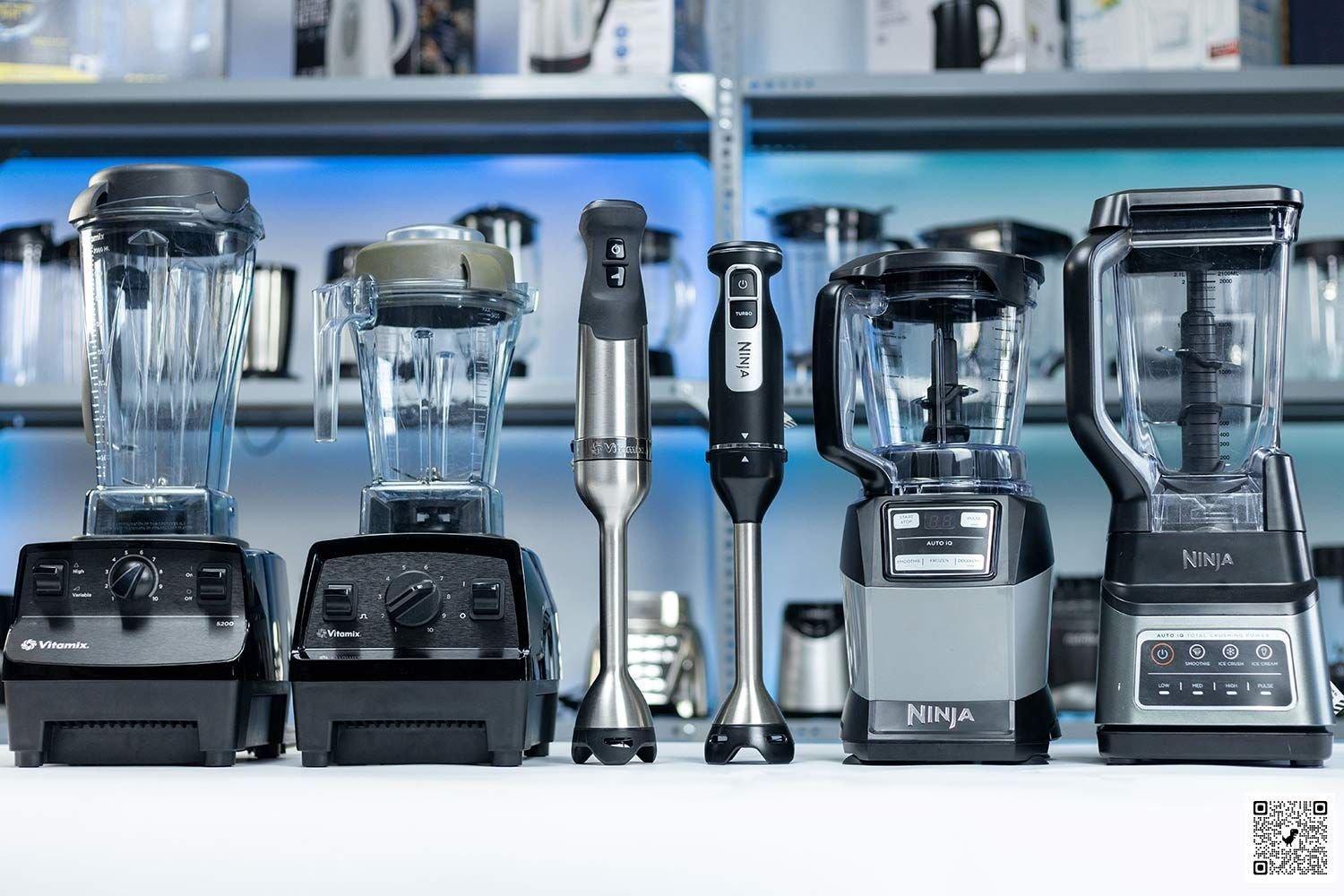
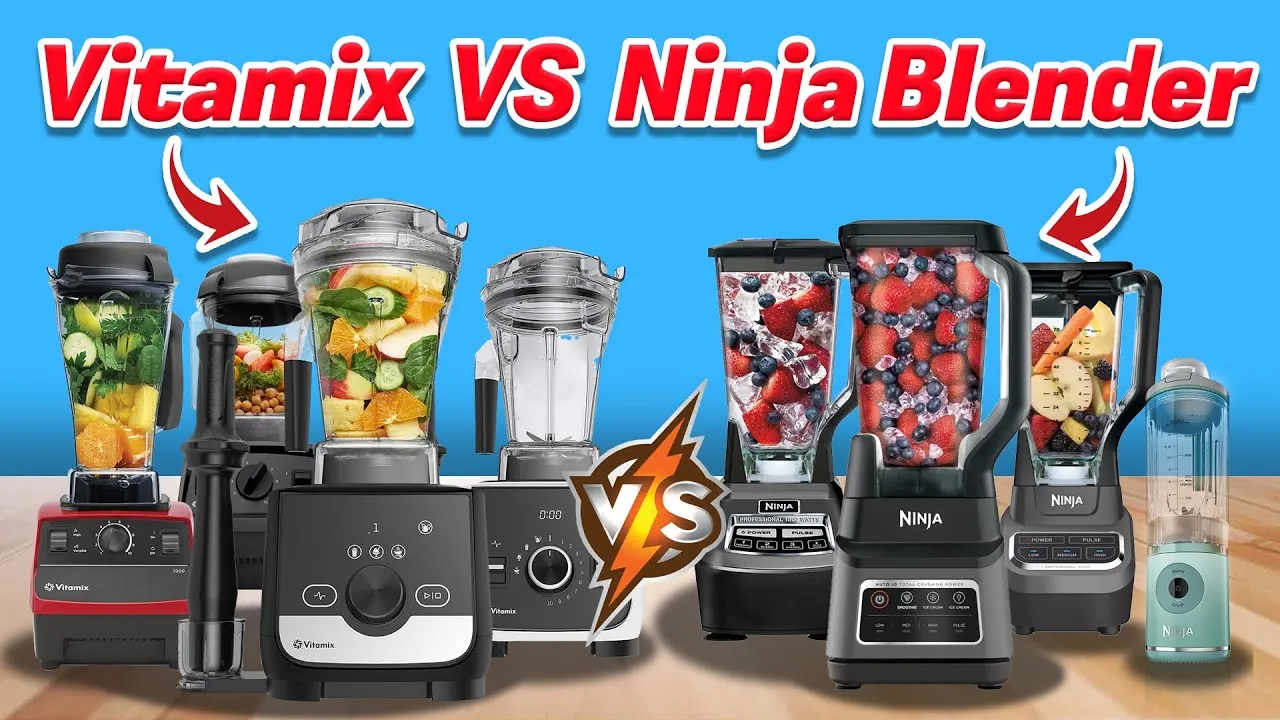
A Vitamix blender uses a high-torque motor and hardened stainless steel blades to liquefy tough ingredients, whereas a Ninja blender relies on a stacked blade assembly to chop and process food into coarser textures. How does a vitamix compare to a ninja blender in terms of performance? A Vitamix creates a smoother, consistent puree for soups and smoothies, while a Ninja offers versatility for tasks like dough mixing or food processing.
These tools differ based on your motor power, your budget, and the specific texture you prefer for your recipes.
Choosing the right blender for your kitchen
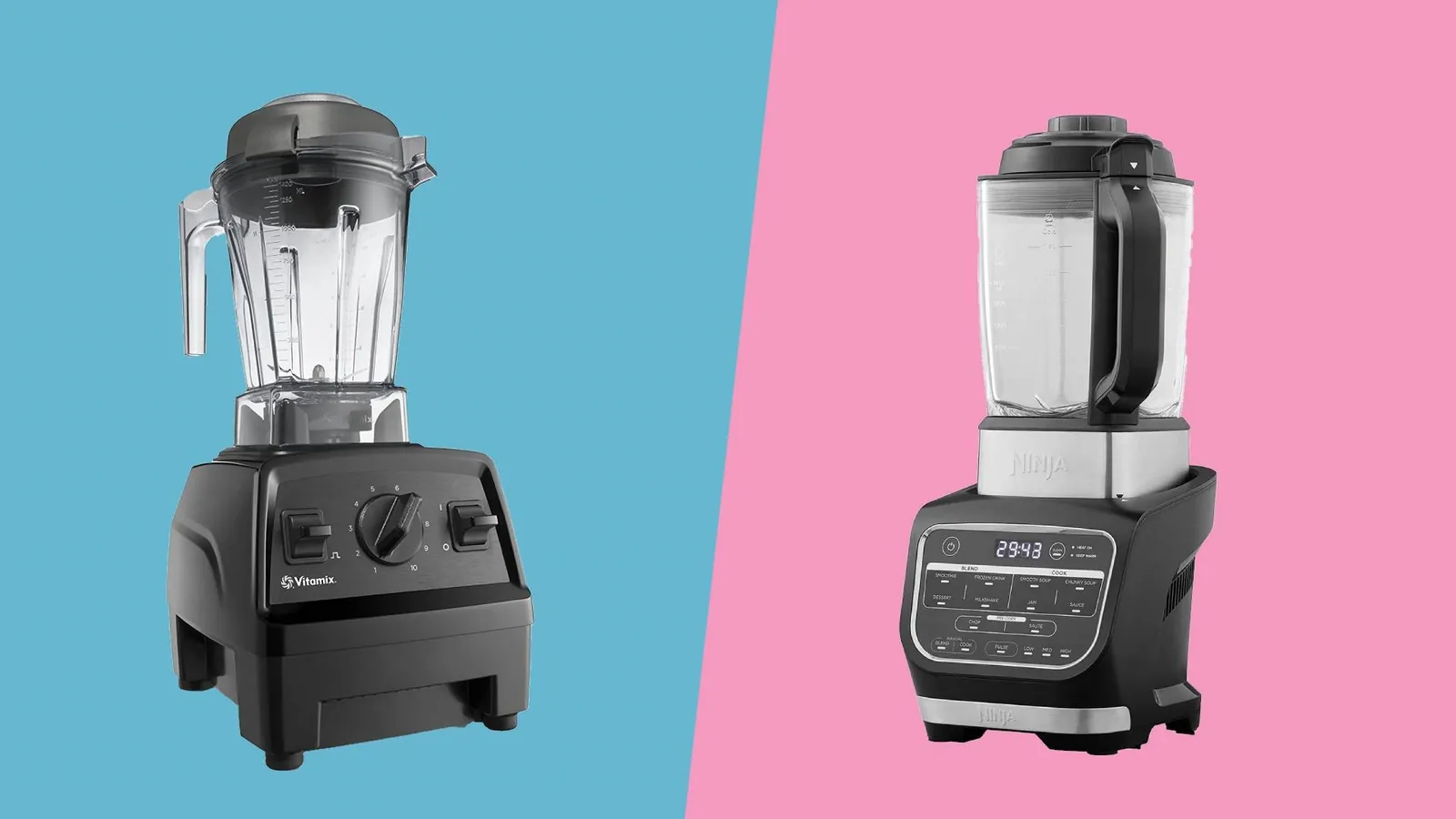
People looking for a new blender often fall into two distinct groups. The first group wants a professional-grade machine that handles daily green smoothies, hot soups, and nut butters without leaving fibers or chunks behind. These users prioritize motor longevity and smooth texture. The second group needs a multipurpose kitchen tool that can handle occasional chopping, dough making, and simple blending tasks at a lower price point.
This page serves the person who needs a clear breakdown of the mechanical differences to decide which model fits their cooking style. If you’re a home cook who prepares complex recipes daily, the Vitamix is usually the better investment.
If you rarely blend and mostly need a machine for occasional food prep or simple drinks, a Ninja is often enough. We assume you want to know about the standard full-size models from both brands, as personal-sized blenders have different motors and capacities.
Key factors that shape your blending results
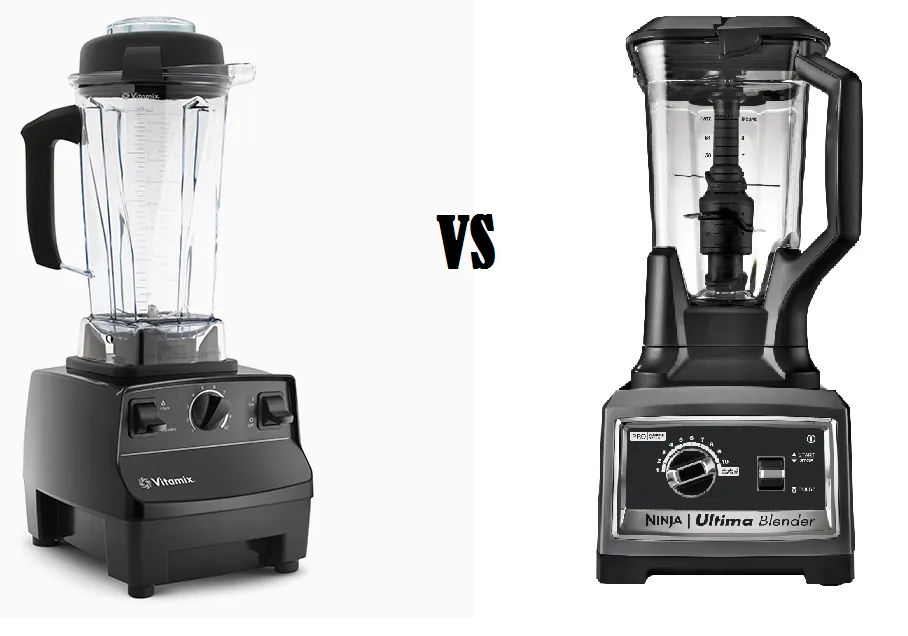
The motor design is the most critical difference. Vitamix blenders use a single set of blades at the bottom of the container, which creates a powerful vortex that pulls food down into the blades. This design ensures that every ingredient is pulverized. If the motor is rated above 1,200 watts, you can expect it to handle tough stalks and seeds with ease.
Blade configuration changes how your food is processed. Ninja blenders often feature a tall central pole with multiple tiers of blades. This design is excellent for chopping vegetables or mixing dough, but it can struggle to create a perfectly smooth puree because the blades don’t pull ingredients downward as effectively as a single-base blade system.
Container shape also plays a role in how your ingredients move. Vitamix containers are typically tapered, which forces food toward the blades. Ninja containers are often wider and flatter, which provides more room for large batches but requires more manual stirring or pulse-blending to get a uniform result.
Your usage frequency determines the value. If you plan to blend daily, the Vitamix motor is engineered for high-heat friction and repeated heavy use. If you only blend once or twice a week, the lower cost of a Ninja model becomes more attractive. People often mistake a Ninja’s high blade speed for high blending power, but power is actually a combination of torque and blade design.
How to compare Vitamix and Ninja blender performance
The choice between a high-performance blender and a food processor hinges on the structural integrity of your ingredients. If your goal is emulsification—turning whole fruits, fibrous greens, or nuts into a uniform liquid—you require the high-blade tip speed of a Vitamix. These machines create a vortex that pulls ingredients down into the blades continuously. Without this force, you’ll find yourself stopping every thirty seconds to scrape down the sides of the jar.
Conversely, if you’re working with solids that need to retain texture, such as mirepoix for a stew or a coarse salsa, use a Ninja. Its lower-speed, multi-tiered blade assembly is designed to chop rather than liquefy. Using a high-speed blender for these tasks often results in “mush,” where the friction from the blades turns crisp vegetables into an unappetizing paste in seconds.
To determine which machine fits your kitchen, look at your primary output. If you produce more than three liters of liquid-based meals per week, the Vitamix justifies its price through sheer motor longevity. If you’re frequently prepping solid ingredients for baking or savory cooking, the Ninja offers superior control.
A common mistake is assuming that wattage equals performance. A high-wattage motor is useless if the blade design can’t handle the torque required for thick doughs. If your mixture feels like heavy clay, prioritize a machine with a lower-speed, high-torque gear ratio to prevent motor burnout.
If you’re blending frozen fruit or ice, prioritize blade tip speed to ensure the friction generates enough heat to prevent stalling. When in doubt, test your most frequent recipe; if the machine requires more than sixty seconds to reach your desired consistency, you’re using the wrong tool for the task.
What experts look for during use
Achieving a consistent texture
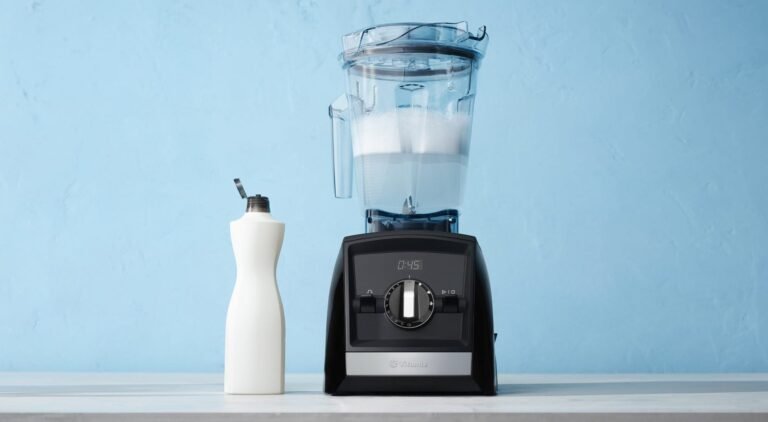
Experienced users know that the secret to a smooth blend is the vortex. You achieve this by ensuring the container is at least half full, which allows the blades to pull ingredients into the center. Beginners often fill the container to the top, which prevents the vortex from forming and leaves large chunks at the top. If you see the food spinning in a circle but not moving downward, stop the machine and add more liquid.
Managing ingredient density
Professional kitchens favor machines that handle density without overheating. When you blend frozen fruit or ice, a Vitamix will maintain a consistent speed under load. A Ninja may require you to pulse the blades several times to ensure all parts of the mix reach the blades. If you’re processing hard ingredients, always start at the lowest speed setting and increase it gradually to prevent motor strain.
Troubleshooting common blending issues
| What you notice | What it usually means | What to do first | How to stop it happening again |
|---|---|---|---|
| Food stops spinning | Air pocket formed | Add more liquid | Use a tamper tool |
| Burning smell | Motor overheating | Turn off immediately | Blend in shorter bursts |
| Leaking base | Seal is worn | Clean the gasket | Don’t submerge base |
| Loud rattling | Loose blade assembly | Tighten the nut | Check for debris |
| Uneven chunks | Overloaded container | Remove some food | Blend in smaller batches |
If your ingredients stop moving, you have created a vacuum. Add liquid in two-ounce increments until the vortex returns. If you’re blending thick nut butters or frozen fruit, use the tamper to push ingredients into the blades. Relying on gravity alone often forces the motor to fight against friction.
A burning smell is your motor’s warning signal. Stop the machine instantly. If you continue, you risk melting the internal drive coupling, a repair that often exceeds the cost of a new machine. Limit your cycles to sixty seconds if you’re processing dense loads.
Leaking usually stems from a dried-out rubber gasket. Remove the seal and soak it in warm, soapy water for ten minutes to restore its elasticity. If the leak persists, the gasket has lost its shape and must be replaced. Never submerge the motor base in water, as moisture destroys the internal bearings and voids your warranty.
Rattling sounds indicate that the blade assembly is vibrating against the pitcher. If you find metal shavings or dark fluid under the base, stop using the unit immediately. This is a sign of a failing bearing.
Uneven chunks occur when the container is filled past the maximum capacity line. The blades need room to pull ingredients down from the top. If you fill the jar to the brim, the top layer remains static. Always leave at least two inches of space at the top to allow for proper circulation. If you’re processing large quantities, split the work into two separate rounds. This prevents the motor from stalling and ensures a uniform texture across your entire batch.
Standards for safe blending operation
Both companies provide specific safety guidelines for their appliances. According to the U.S. Consumer Product Safety Commission, you should never attempt to bypass safety interlocks on any blender. These switches prevent the motor from starting if the container isn’t locked correctly. If your machine fails to start, check the base for any food buildup that might prevent the safety pin from engaging.
Maintenance is key to safety. Never attempt to sharpen the blades yourself, as this can unbalance the assembly and cause vibration that damages the motor. If the blades become dull, contact the manufacturer to order a replacement assembly. Never reach into the container while the machine is plugged in, as the blender could be accidentally activated.
The real cost of your equipment
The price difference is significant. A Vitamix is a premium investment, while a Ninja is much more budget-friendly. You’re paying for a motor designed for a long-term lifespan in a home environment. The lower cost of a Ninja reflects lighter materials and a motor intended for intermittent duty rather than daily heavy-duty cycles.
If you choose the cheaper option but use it daily, you’ll likely replace the machine frequently. This pattern turns a modest purchase into a much larger expense over the same period. If you choose the expensive option but only use it once a month, you’re paying for unused capacity. Your break-even point arrives after many uses. If you blend fewer than three times a week, the high-end motor will likely outlive its relevance before you recoup the investment.
Check the warranty terms on the official brand websites. Vitamix often includes comprehensive coverage for motor parts, which lowers your long-term ownership cost by protecting against internal failures. A common mistake is ignoring the cost of replacement blades. High-end models use stainless steel assemblies that remain sharp for years, while budget models often require blade replacements based on usage frequency as specified in the owner’s manual.
Apply this simple rule to your purchase: if you intend to process frozen fruit, fibrous greens, or grains more than four times per week, invest in the high-torque motor. If your primary goal is occasional protein shakes or soft fruit smoothies, the lighter motor is sufficient.
Buying the higher-end machine for light tasks doesn’t provide a better result; it only provides a heavier footprint on your counter. Match the machine’s duty cycle to your actual kitchen habits to avoid paying for performance you’ll never engage.
Maintaining your blender for long life
After every use, rinse the container with warm water and a drop of dish soap. Run the blender on its highest speed for 30 seconds to clean the blade assembly thoroughly. This prevents food particles from drying and hardening under the blades, which can cause the seals to degrade over time.
If you find stubborn residue, fill the jar halfway with warm water and a teaspoon of baking soda before pulsing. This abrasive slurry lifts dried proteins that soap alone misses. Never submerge the motor base in water or place it in the dishwasher, as internal components are rarely sealed against total immersion.
Don’t store the container on the base if you live in a humid environment. Moisture can seep into the base unit and damage the electronics. Instead, store the container upside down or separately to allow the seal to dry completely.
If you notice a change in the sound of the motor, stop using it and inspect the drive socket for wear. A rounded or stripped socket often indicates the blender was overloaded with frozen ingredients or thick pastes. If the motor smells like ozone or burning plastic, the carbon brushes are likely failing.
Apply a simple rule to avoid these failures: if the mixture doesn’t move freely in a vortex, stop and add more liquid. Forcing the motor to push through stalled, thick ingredients causes the internal coupling to overheat. If the blades spin but the contents remain still, you have exceeded the machine’s torque capacity. Adding two ounces of liquid at a time will prevent the motor from straining and extend the life of your drive assembly by years.
When to look for an alternative
If you’re a commercial chef, neither of these home-grade blenders is the right choice. You’ll need a commercial-rated machine that can run for hours without needing a cool-down period. Home blenders are built with thermal cut-off switches that will shut the machine down if it gets too hot, which happens quickly in a high-volume setting. A commercial unit typically features a stainless-steel coupling rather than plastic, ensuring it survives the torque of continuous, back-to-back blending cycles.
If you specifically need a machine to knead heavy bread dough, a dedicated stand mixer is a better investment. While some high-end blenders can handle dough, they don’t provide the same folding action as a planetary mixer.
Using a blender for heavy dough can void your warranty and cause the motor to burn out prematurely. If your recipe requires more than four cups of flour, the blender’s blades will likely cavitate, leaving you with a dense, unmixed lump at the bottom of the jar.
Check the viscosity of your ingredients before committing to a blender. If the mixture doesn’t flow freely toward the blades, you’re effectively turning the blender into a friction heater. This forces the motor to fight against the resistance of the thick mass, rapidly spiking the internal temperature.
If you find yourself needing to stop the machine every thirty seconds to scrape down the sides or add liquid to keep the vortex moving, you have outgrown the tool. A food processor or a dedicated mixer is the correct upgrade. If the motor smells like ozone or burning rubber, stop immediately. That scent is the internal insulation melting, and the damage is already permanent.
Frequently asked questions
Can a Ninja blend as smooth as a Vitamix?
No, a Ninja can’t achieve the same silky texture as a Vitamix. The blade design of a Vitamix creates a stronger vortex that pulls ingredients down, while the stacked blades of a Ninja are better suited for chopping and processing food into coarser, chunky textures.
How long does a Vitamix last?
A Vitamix typically lasts for a long duration with regular home use. This lifespan assumes you follow the manufacturer’s cleaning instructions and avoid overloading the motor with dry ingredients that can cause it to overheat during the blending cycle.
Is it safe to put blender parts in the dishwasher?
Check the manual for your specific model, as many containers are top-rack dishwasher safe but the blade assemblies are often hand-wash only. Dishwasher heat can warp the plastic containers and damage the rubber seals, which leads to leaks over time.
What happens if I blend hot liquids in a blender?
You must ensure the container is vented properly, or the pressure will cause the lid to blow off. Most Vitamix models have a removable center plug specifically for this purpose, while many Ninja models aren’t designed for high-temperature liquid processing at all.
Does it matter if I use a tamper?
Yes, using a tamper is the only way to process thick mixtures like nut butter or frozen desserts safely. It pushes ingredients into the blades without needing to stop the motor or open the lid, which keeps the vortex active and prevents air pockets.
How often should I replace the blades?
You should replace the blades only when you notice a significant decrease in performance or if the metal shows signs of pitting.
Conclusion
Start by assessing how many times per week you plan to blend. If you prioritize a smooth texture for daily smoothies, buy a Vitamix. If you want a machine for occasional chopping and food prep, a Ninja is the right choice. If the machine begins to smell like burning plastic or makes a grinding noise, stop immediately and contact the manufacturer for a repair assessment.