How Does Ninja Blender Compared To Vitamix: The Key Differences
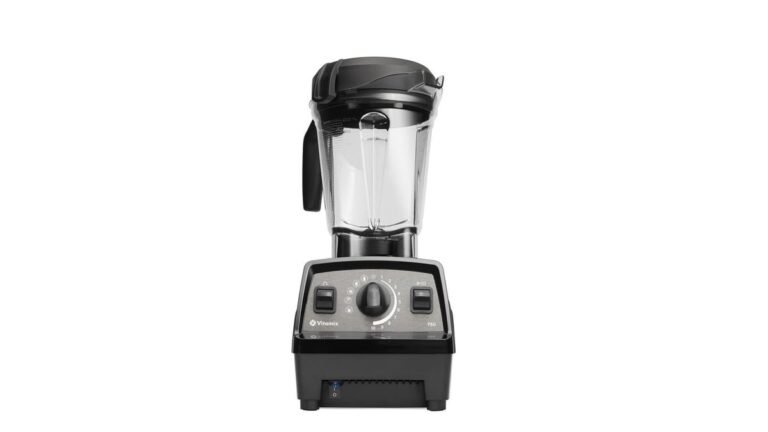
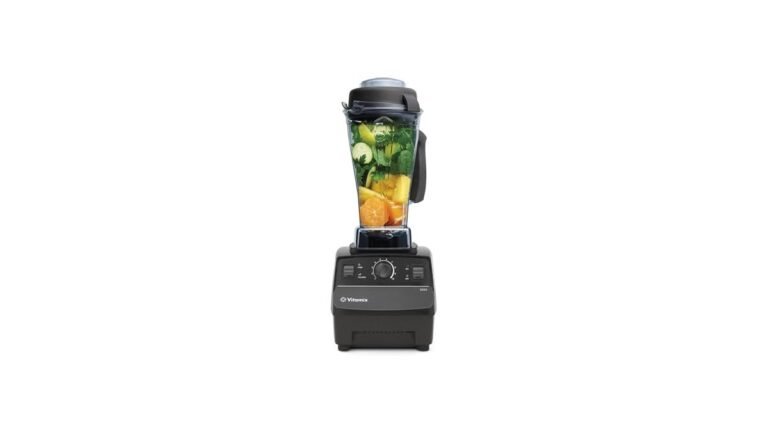
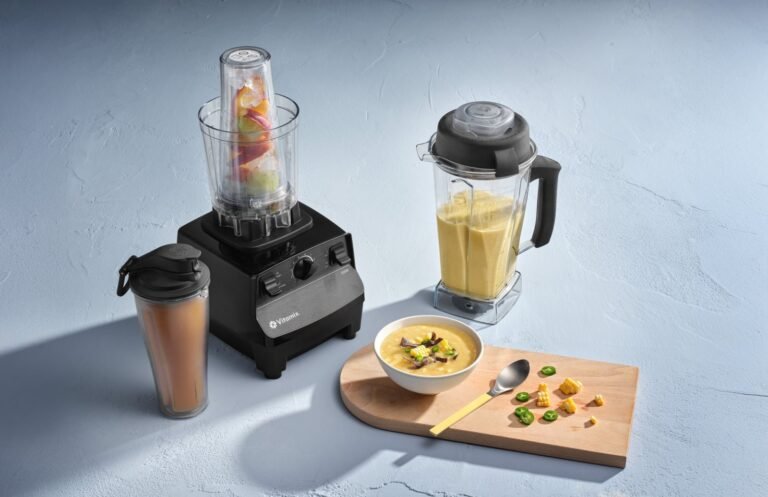
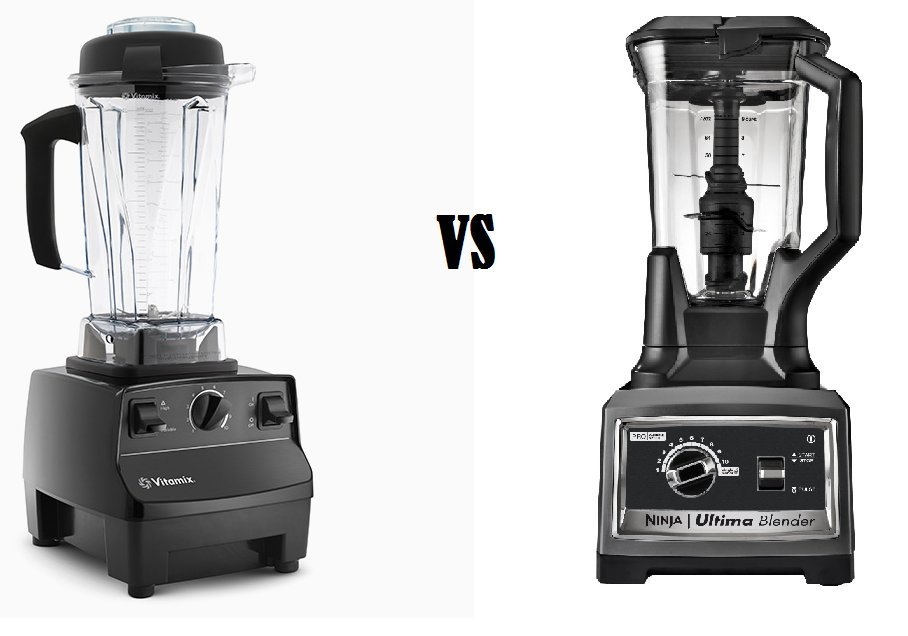
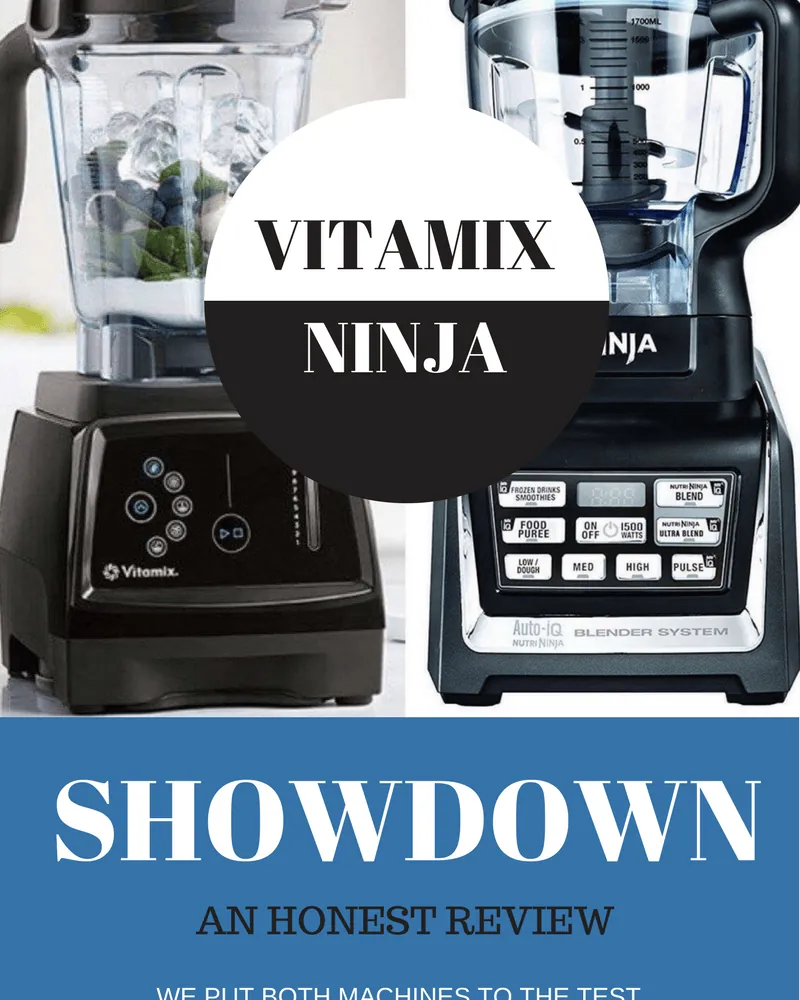
A Vitamix blender is a professional-grade machine built for daily, heavy-duty use, while a Ninja blender is a versatile, budget-friendly option for casual home tasks. Many buyers find that how does a ninja blender compared to vitamix depends on whether they need a motor built for years of high-speed grinding or a multi-purpose tool for occasional smoothies and food prep. If you want extreme texture consistency, choose a Vitamix; if you want a cheaper machine that handles basic chopping, choose a Ninja.
Your choice changes based on your budget, how often you blend, and the ingredients you use most. A Vitamix is a long-term investment for those who make daily green smoothies, nut butters, or hot soups. A Ninja is better for a kitchen that needs a food processor and blender in one unit without a high cost.
Choosing between a Ninja blender and Vitamix
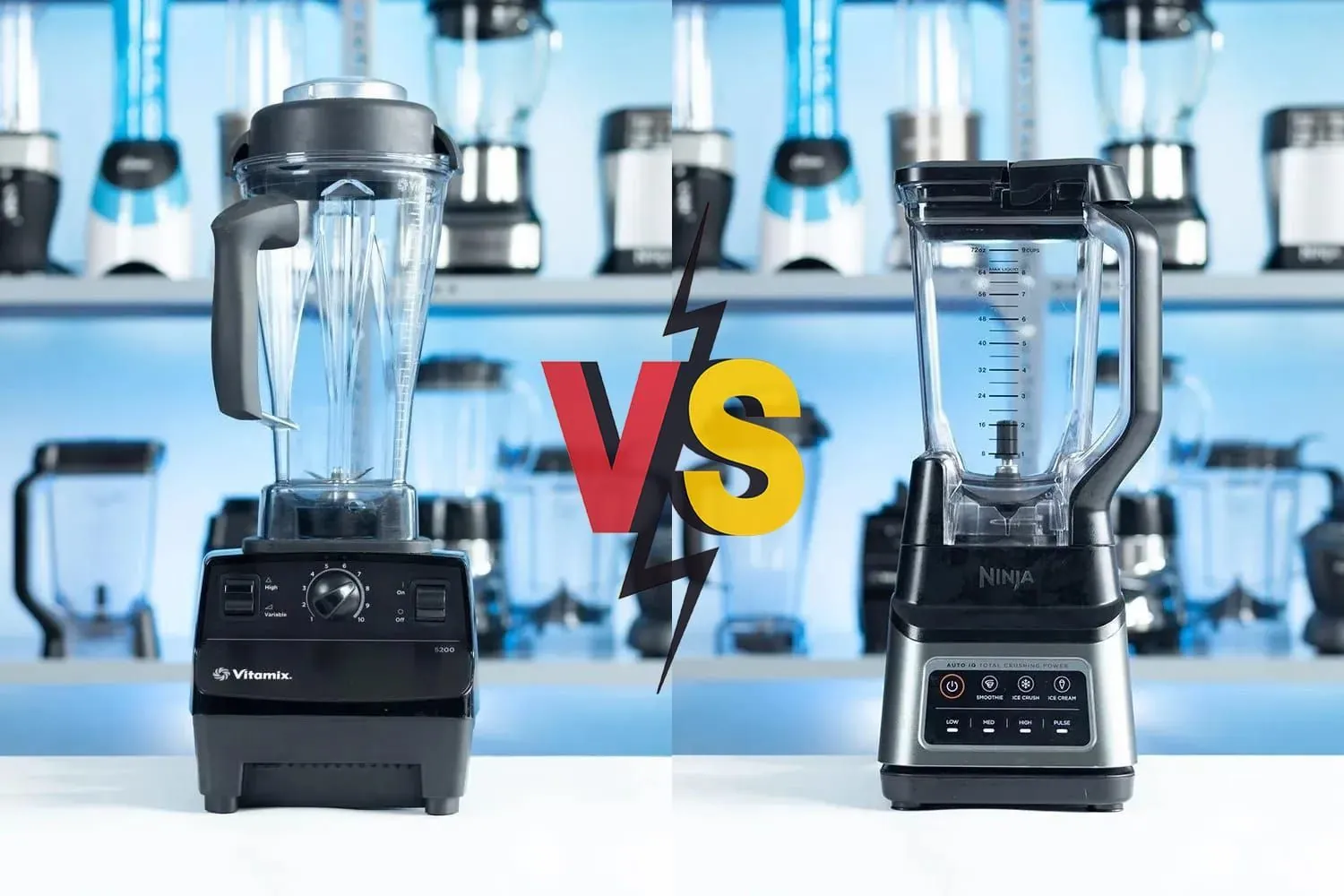
People who search for these brands usually fall into two groups. The first group wants a machine that can turn kale, seeds, and frozen fruit into a perfectly smooth liquid without any grit. These users prioritize performance and are willing to pay for a motor that doesn’t burn out under heavy daily use.
The second group needs a tool for basic kitchen chores like chopping onions, crushing ice for drinks, or making simple fruit smoothies. They look for value and convenience rather than restaurant-quality texture. This page serves both users by highlighting exactly where these machines differ in power and design.
The assumption made here is that you want to know about the current, popular models for home kitchens. We’re focusing on standard full-size blenders from both brands rather than portable or single-serve cup units. If you’re a professional chef or operate a commercial kitchen, you should look at the specific commercial lines offered by the manufacturers instead of these home-use models.
What decides your choice
The motor power is the biggest factor that changes the results. A Vitamix uses a powerful, high-torque motor designed to run for several minutes at a time without overheating. A Ninja motor is often rated at a higher wattage on the label, but its design relies on high speed rather than the same level of torque.
Blade design is the second major factor. Vitamix uses dull, thick stainless steel blades that rely on raw power to pulverize ingredients. Ninja uses sharp, stacked blades that slice through food, which makes them excellent for chopping but less effective at creating a perfectly smooth, creamy texture for tough fibrous greens.
The third factor is the container shape. Vitamix containers are tapered to force food down into the blades, which prevents air pockets from stopping the blending process. Ninja containers are usually wider, which works well for larger batches but often requires you to stop and scrape down the sides more frequently.
The most common mistake people make is looking only at the “peak wattage” printed on the box. A higher number doesn’t always mean better blending performance. A Vitamix with a lower wattage rating often outperforms a high-wattage Ninja because of the way it manages torque and blade speed under load.
Comparing the performance
| Feature | Vitamix | Ninja |
|---|---|---|
| Texture | Very smooth | Slightly chunky |
| Best use | Nut butter, soup | Chopping, ice |
| Blade type | Dull, thick | Sharp, stacked |
| Build | Heavy, durable | Lightweight, plastic |
| Price range | High | Low to mid |
The Vitamix relies on high-speed kinetic energy to pulverize ingredients, which is why it excels at emulsifying fibrous kale or grinding almonds into silky butter. If you prioritize a professional, velvet-like consistency in your morning smoothies, the higher motor torque is essential.
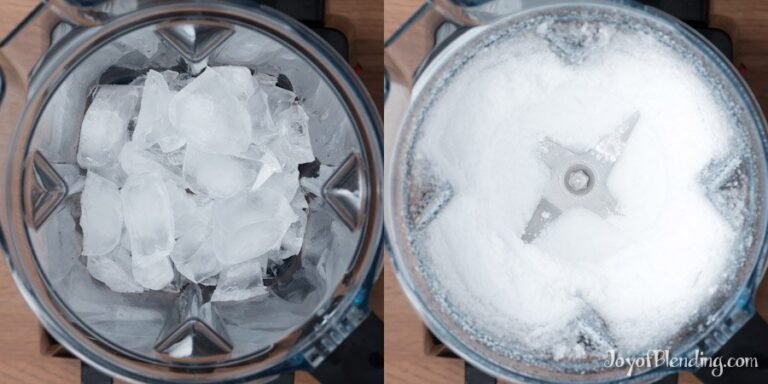
Conversely, the Ninja uses sharp, serrated blades that act like a food processor. This design is superior for tasks where you want distinct pieces, such as salsa, coleslaw, or crushed ice for cocktails. You’ll notice the difference immediately when blending frozen fruit; the Ninja creates a slushy texture, while the Vitamix creates a creamy base.
A common mistake is assuming both machines handle hot liquids equally well. The Vitamix container is designed to withstand the friction heat generated by long blending cycles, allowing you to turn raw vegetables into steaming soup in six minutes. Attempting this in a plastic Ninja jar often leads to warped seals or cracked housing.
Choose the Vitamix if you plan to use your blender daily for complex, multi-ingredient recipes that require total breakdown. If you only need a tool for occasional chopping or simple protein shakes, the Ninja’s lower price point and lighter weight make it the more practical investment. If the machine feels like a chore to lift, it will stay in the cupboard; pick the weight you’re actually willing to move.
How to use these machines
- Fill the container with your liquid base first to help the blades start spinning.
- Add your soft ingredients like yogurt or leafy greens.
- Add frozen fruit or ice cubes last to provide weight that pushes ingredients down.
- Secure the lid tightly; if the machine has a locking mechanism, ensure it clicks.
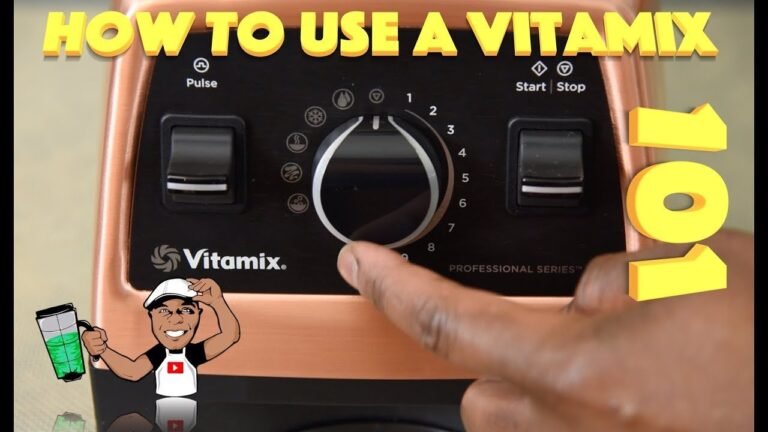
- Start the motor at the lowest speed setting to prevent splashing.
- Increase the speed slowly to the maximum setting over 10 to 15 seconds.
- Use the provided tamper to push ingredients into the blades if using a Vitamix.
- Stop the machine once the mixture looks uniform and smooth.
The judgement call that separates a professional result from a home-style one is patience. A Vitamix requires you to run the machine until the ingredients reach a smooth, vortex-driven state, which can take 45 to 60 seconds. If you stop too early, you lose the benefit of the high-speed motor.
Details that change the outcome
Preparing your ingredients
Experienced users know that cutting large vegetables into one-inch cubes ensures a faster, more even blend. Beginners often drop large chunks into the blender, which causes the motor to struggle and can leave uneven bits in the final drink. A consistent size helps the blades grab every piece, creating a uniform texture throughout the entire batch.
Managing the load
Vitamix users rely on the tamper to keep the vortex moving, especially when making thick items like hummus or nut butter. Ninja users learn to pulse the machine repeatedly rather than running it continuously, as the sharp blades can become dull if they hit hard ice or frozen chunks for too long. Always check the manual for your specific model to see the maximum recommended batch size.
Common issues and fixes
| What you notice | What it means | What to do first | How to stop it |
|---|---|---|---|
| Food gets stuck | Air pocket formed | Use the tamper | Add more liquid |
| Burning smell | Motor overheating | Turn off immediately | Blend smaller batches |
| Leaking lid | Improper seal | Check the gasket | Clean the seal |
| Dull blades | Normal wear | Contact manufacturer | Avoid hard items |
When food stalls, you’re likely dealing with a cavitation bubble. If the blades spin in a void, the vortex collapses and traps ingredients against the walls. Push ingredients into the blades using the tamper while the motor runs at its lowest setting. If you lack a tamper, stop the machine and scrape the sides, but add two ounces of water or broth to ensure the blades maintain consistent contact with the load.
A burning smell usually indicates the motor is struggling against high viscosity. If you detect this odor, shut the power off and contact the manufacturer for service, as the thermal fuse may have permanently tripped. You’re likely overloading the container. If the ingredients don’t move freely within five seconds of starting, you must remove half the volume and blend in two separate cycles.
Leaking often stems from debris trapped under the rubber gasket. If liquid escapes during use, pull the gasket out and scrub it with a soft brush and warm, soapy water. If the gasket appears stretched or brittle, replace it immediately to prevent moisture from reaching the motor base.
Finally, treat blades as precision tools rather than crushers. If you frequently process ice or frozen fruit, use a pulse setting rather than continuous high speed. This prevents unnecessary wear on the blade assembly.
Standards and safety rules
Both companies publish safety guidelines that you must follow to keep your warranty valid. According to the Vitamix user manual, you should never blend hot liquids for more than six minutes, as the pressure can build up inside the container. If you’re processing hot liquids, always remove the center plug from the lid to allow steam to escape. Failing to vent the container can cause the lid to blow off, resulting in severe burns.
Ninja warns that their sharp, stacked blades should be handled with extreme care during cleaning to prevent deep cuts. Never reach into the pitcher to clear debris while the unit is plugged in. If food is stuck, use a long-handled silicone spatula rather than your fingers or metal utensils, which can chip the blade edges or damage the drive socket.
If your blender stops working, don’t attempt to open the motor housing. The internal components, such as the capacitors, can hold a dangerous electrical charge even when the unit is unplugged. Opening the casing immediately voids your warranty and exposes you to the risk of shock.
If you experience a mechanical failure, check the warranty status on the official brand website and contact their support team for a repair or replacement. If your device emits a burning smell or smoke, unplug it immediately and don’t attempt to restart it. This indicates a failing motor or a short circuit that could lead to a fire. If the blender makes a grinding noise, stop use at once to prevent the drive gear from stripping completely.
The real cost of ownership
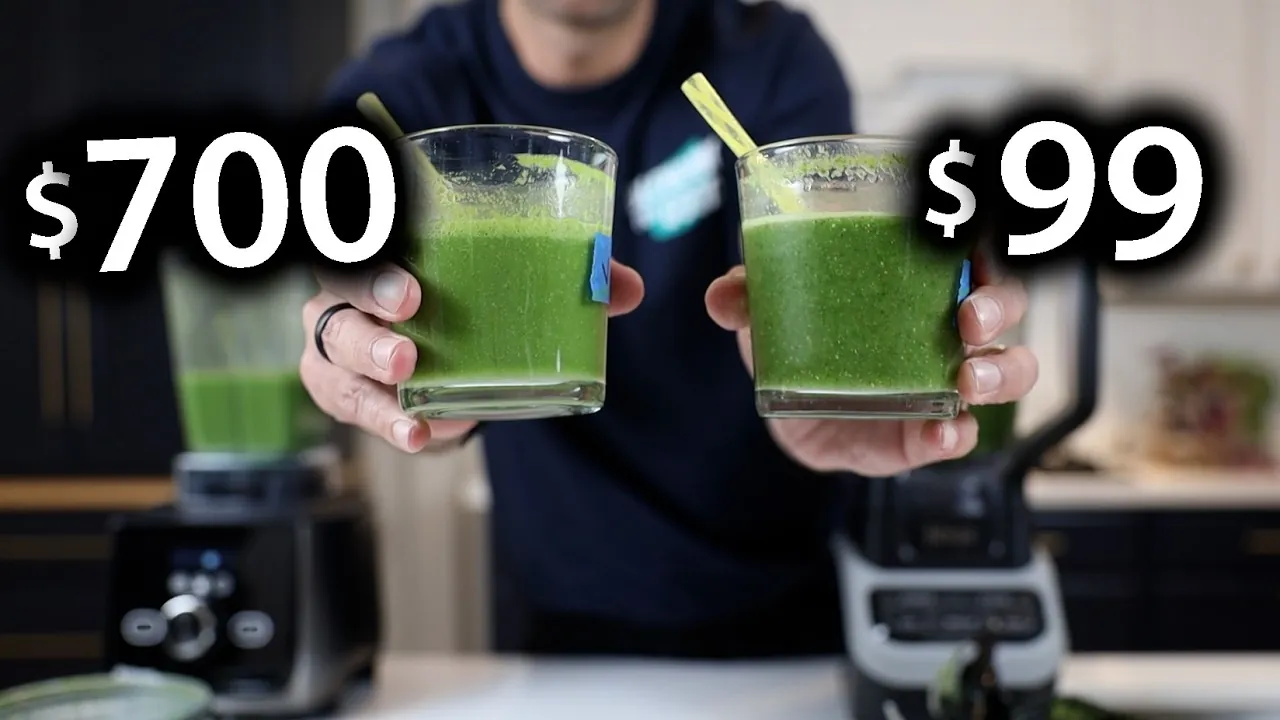
The cost of these blenders goes beyond the initial price tag. A Vitamix is a larger upfront investment, though it remains a cost-effective choice when compared to the frequent replacement of cheaper models. However, these machines are built to last many years, and replacement parts are widely available. You’re paying for the motor’s longevity and the company’s long-term warranty support.
If you blend fibrous greens or frozen fruit daily, the Vitamix pays for itself within three years by avoiding the cycle of replacing cheaper units. Most users mistakenly assume that all blenders handle heavy loads equally. Attempting to crush ice or grind nuts in a plastic-geared machine typically strips the drive socket within six months. When that gear fails, the entire unit usually becomes electronic waste.
A Ninja blender is much cheaper, requiring a smaller initial outlay than a premium machine. While the initial cost is lower, these machines are often made with more plastic components that may wear out faster under heavy, daily use. If you only plan to use your blender a few times a week for soft smoothies or protein shakes, the lower cost of the Ninja offers better value for your specific needs.
Apply this rule: if your recipe requires breaking down tough seeds or frozen solids more than four times per week, choose the metal-drive coupling of a professional-grade machine. If you’re strictly making liquid-based drinks or light purees, the entry-level model will perform just as well without the premium price. Always check the warranty fine print regarding “commercial use,” as heavy domestic blending can sometimes void coverage on cheaper models if the manufacturer deems the wear excessive.
Keeping your blender running
To keep your machine working well, rinse the container immediately after every use. Never leave food residue to dry on the blades or the seal, as this can lead to bacteria growth or damage the gasket over time. A simple way to clean is to add a drop of dish soap and warm water, then run the machine on high for 30 seconds.
If you find yourself scrubbing the base with a damp cloth, take care to never submerge the motor housing in water. Moisture inside the electrical components is the leading cause of short circuits. If you suspect liquid has entered the base, leave it unplugged and upright in a dry, ventilated area for at least 48 hours before testing it again.
If you notice the blender starting to vibrate more than usual or if the motor sounds strained, stop using it immediately. Inspect the base for any debris that might be blocking the cooling vents. If the sound continues after cleaning, the internal bearings may be failing, which is a sign that you need to contact the manufacturer for service.
Listen for a high-pitched grinding noise, which usually indicates the drive socket is wearing down. You can check this by turning the blender off and manually rotating the blades; if they feel loose or wobbly, the assembly needs a replacement part.
Replacing a worn socket early is inexpensive compared to the cost of total motor burnout. If the blades spin freely but the motor hums without movement, the coupling has likely stripped and requires an immediate repair to prevent further mechanical stress.
When to choose a different path
If you’re looking for a machine that can handle industrial-scale food prep for a large family every single day, neither of these might be the right choice. You might be better off looking at a dedicated food processor for chopping tasks or a high-end commercial blender from brands like Blendtec. These alternatives offer different blade configurations that might suit your specific recipes better.
If you have very limited counter space, even the smallest Vitamix or Ninja might feel too bulky. In this case, consider a high-quality immersion blender. It provides the power you need for soups and smoothies without taking up permanent space on your kitchen counter. Always prioritize the amount of space you have available before making a final purchase.
Frequently asked questions
Can I crush ice in a Ninja blender?
Yes, most Ninja models are designed specifically to crush ice into snow for frozen drinks. Use the pulse function in short bursts to ensure the ice is processed evenly without putting too much strain on the motor.
Is a Vitamix worth the extra money?
A Vitamix is worth the cost if you blend daily and require a perfectly smooth texture for fibrous ingredients like kale or seeds. You’re paying for a motor and gear system built for years of heavy use, which justifies the price for regular users.
How long should I blend a smoothie?
For a smooth texture, blend for 45 to 60 seconds on the highest speed setting. This duration allows the machine to fully break down the cell walls of your ingredients, creating a creamy consistency regardless of which brand you use.
Is it safe to put blender parts in the dishwasher?
Most blender containers are top-rack dishwasher safe, but you should check your specific model’s manual to be certain. High heat can warp plastic containers or damage the seals, so hand washing is always the safest way to extend the life of your unit.
What happens if I overfill the container?
Overfilling can cause the mixture to leak out of the lid or create air pockets that stop the blades from spinning. Always keep the contents below the maximum fill line marked on the side of the container to allow enough room for the ingredients to circulate properly.
Does it matter which model I buy?
It matters because base models lack the advanced cooling systems and stronger motors found in professional-grade versions. If you plan to blend tough ingredients every day, choose a higher-tier model from either brand to ensure the motor can handle the repeated load over time.
Conclusion
Start by listing the three most common things you plan to blend each week. If your list includes mostly frozen items or tough greens, look for a machine with a strong motor and a tamper. If you only need to chop veggies or mix protein shakes, a simpler, lower-cost model will provide the result you want without the extra expense.