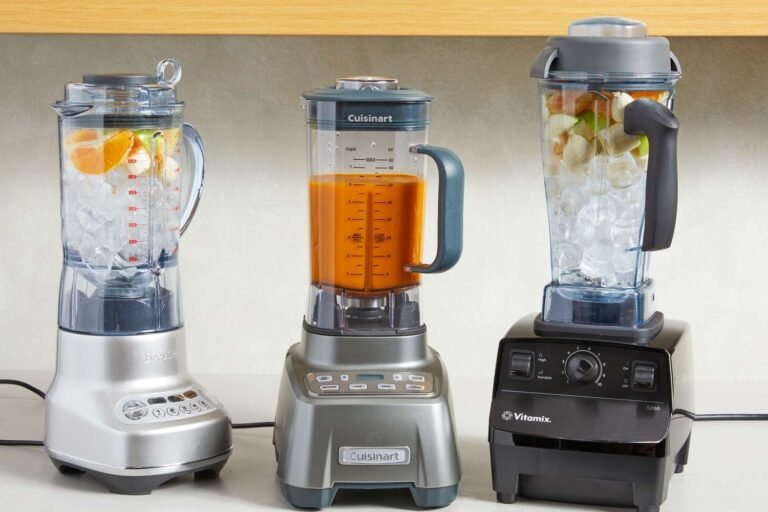
Is Vitamix a Juicer? The Key Differences Explained
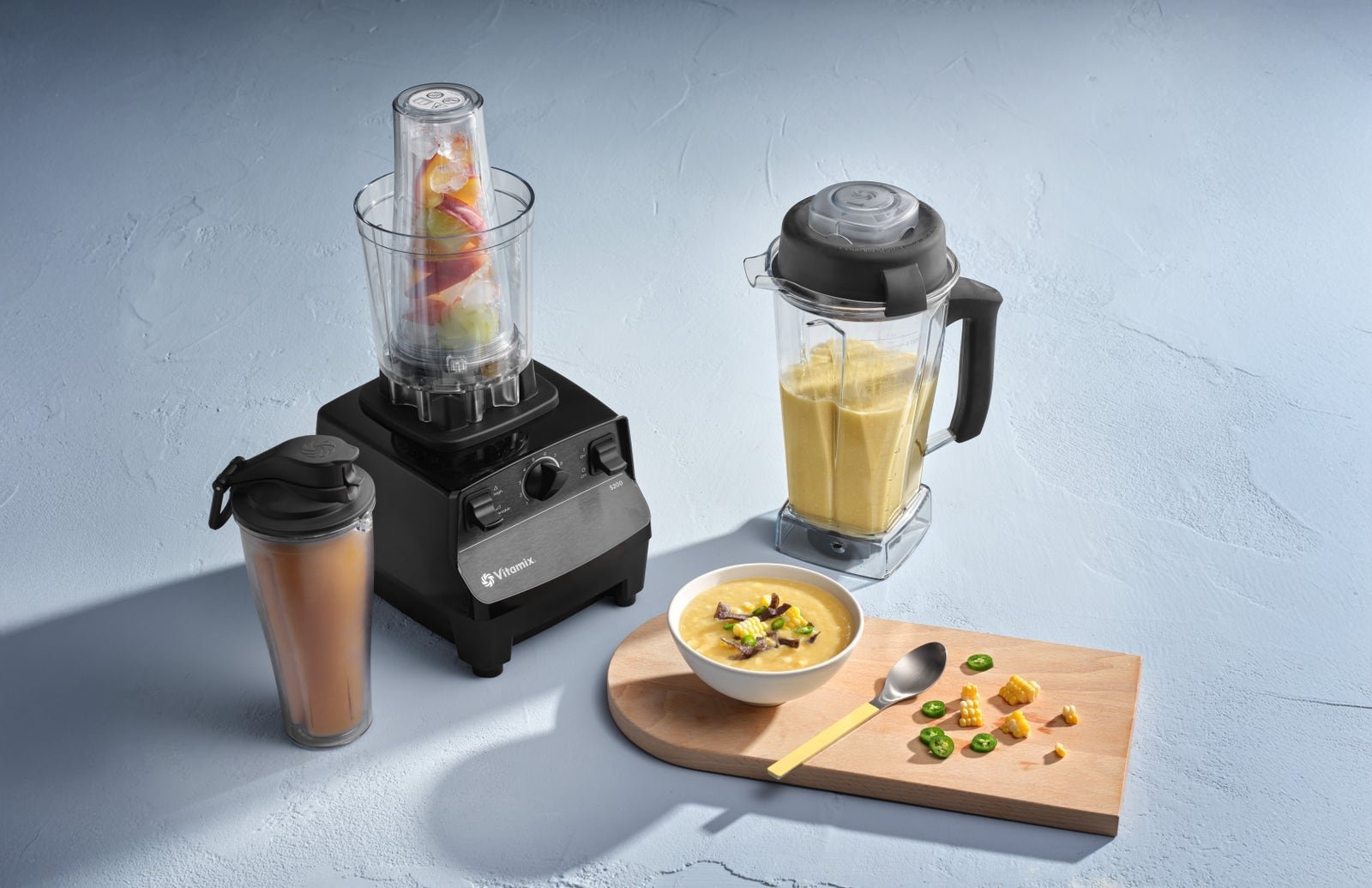
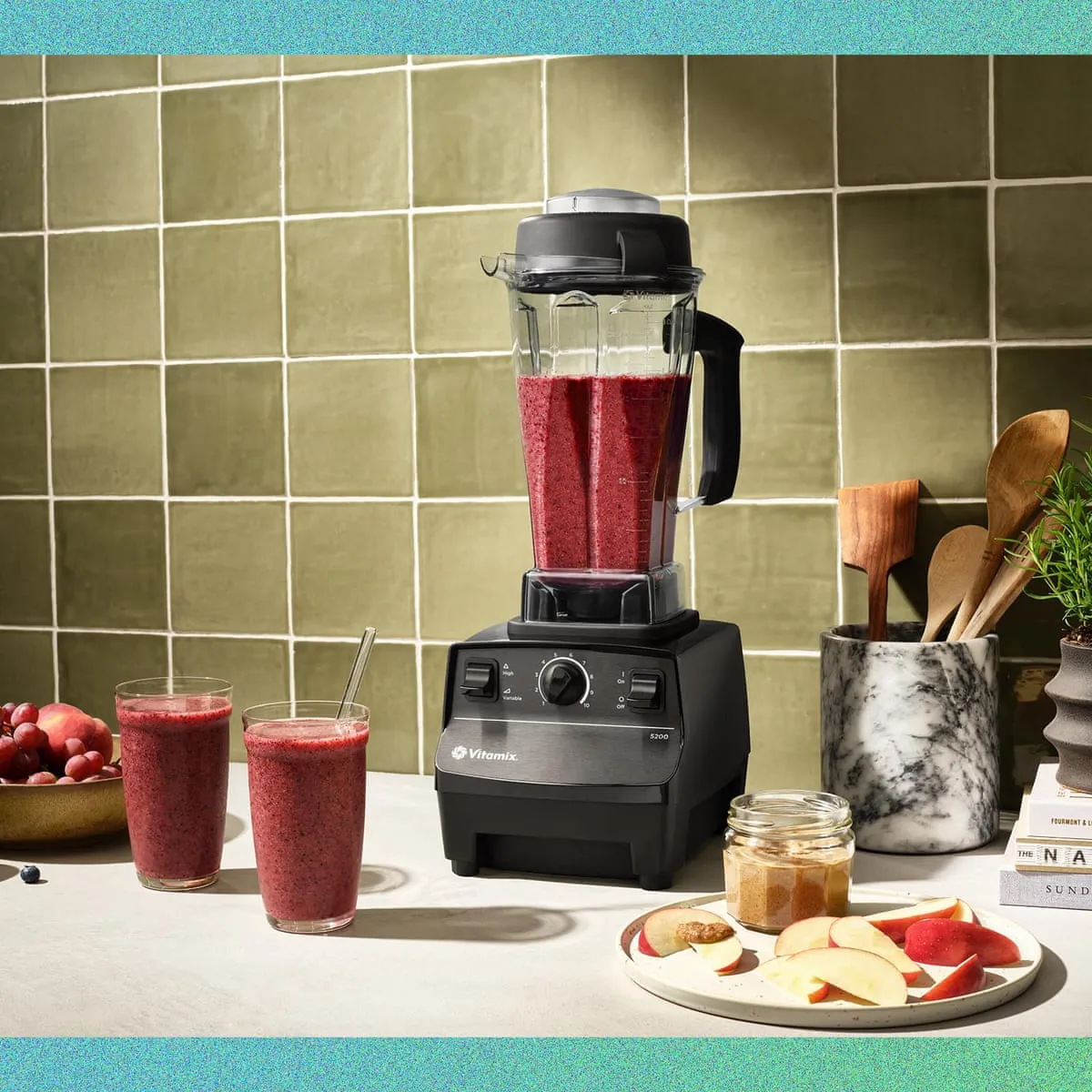
A Vitamix is a high-speed blender, not a juicer, because it keeps the fiber in your drink instead of separating it. While a juicer removes the pulp to create a thin liquid, this machine pulverizes the entire fruit or vegetable to produce a thick, nutrient-dense smoothie.
This answer changes based on your goals, such as whether you want a clear liquid or a fiber-rich drink, and the specific texture you prefer. We look at how these machines work and why the results differ for your health.
Is a Vitamix actually a juicer
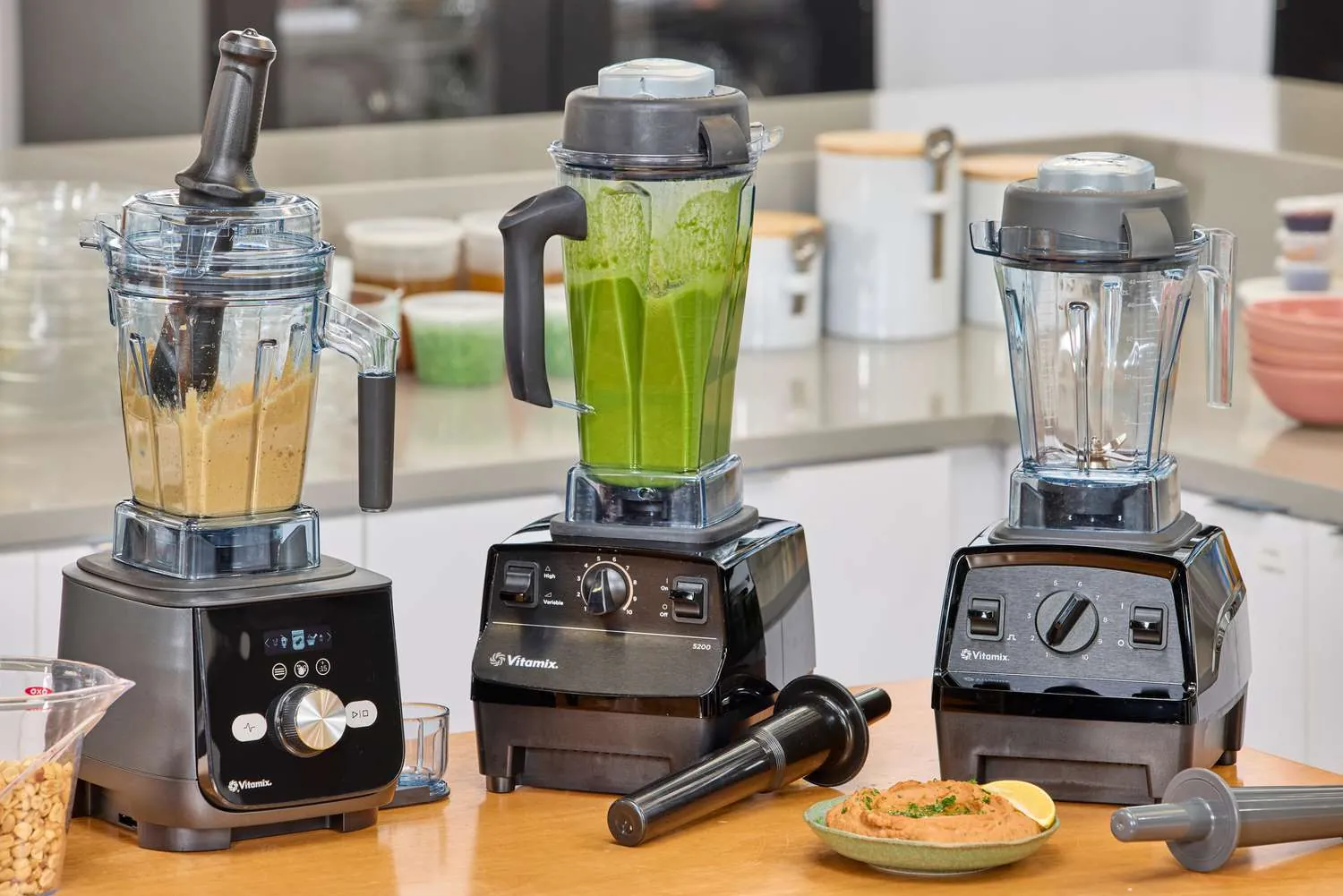
People who search for this usually want to know if they can replace their juicer with a high-speed blender. They might own a Vitamix and wonder if they’re missing out on the benefits of juicing, or they might be looking to buy one machine that does both tasks.
This page serves the person who already owns or is considering a Vitamix and wants to understand the physical output of the machine. If you’re looking for medical advice on specific diets or digestive health, you should consult a doctor or a registered dietitian.
We assume here that you’re comparing a standard centrifugal or masticating juicer against a high-speed blender. You need to know that these tools use different mechanics to process food. One is designed to extract water and vitamins from fiber, while the other is designed to break down cell walls for a whole-food experience.
Why the results are different
The main difference between a juicer and a blender is how they handle fiber. A juicer acts as a separator; it uses blades or an auger to force juice through a fine mesh screen, leaving the dry pulp behind. This results in a liquid that’s very easy for the body to absorb because it contains almost no insoluble fiber.
A Vitamix, by contrast, is a liquidizing blender that keeps every part of the plant inside the container. It uses high-speed blades to break the ingredients into tiny particles, but it can’t separate the solids from the liquids. If you prefer a drink that includes all the natural fiber found in your produce, a blender is the better choice. If you’re specifically following a juice-only diet for medical reasons, a blender can’t provide the same experience.
The texture also differs significantly between the two. Juice from a machine is thin, clear, and smooth, whereas a blend from a Vitamix is thick, creamy, and often contains tiny bits of skin or seeds. People often find that they feel fuller for longer after drinking a smoothie because the fiber stays in the stomach and slows down digestion.
How to make a juice-like drink
You can create a drink that feels similar to juice using your blender by following these steps.
- Peel your fruits and vegetables thoroughly, as thick skins like those on oranges or pineapples will create a bitter, chunky texture.
- Add your produce to the container and pour in 1 cup of filtered water or coconut water to help the blades move.
- Secure the lid tightly and start the machine on the lowest speed setting to prevent splashing.
- Increase the speed to the highest setting quickly and blend for exactly 60 seconds to ensure the fibers are pulverized.
- Stop the machine once the mixture looks smooth and no large chunks remain in the vortex.
- Pour the liquid through a clean nut milk bag or a fine-mesh cheesecloth if you want to remove the remaining pulp.
- Squeeze the bag firmly over a bowl to extract every drop of liquid until only dry fiber remains.
The judgement call here is the straining process. If you skip this step, you have a smoothie; if you strain it, you have effectively turned your blender into a manual juicer. Note that this process requires extra cleaning of the bag and takes more time than using a dedicated juicing machine.
Comparison of blending and juicing
| Method | Output | Fiber Content | Time Required |
|---|---|---|---|
| Centrifugal Juicer | Clear liquid | Very low | Fast |
| Masticating Juicer | Nutrient-rich juice | Low | Slow |
| Vitamix | Thick smoothie | Very high | Fast |
| Strained Blend | Thin juice-like | Moderate | Slow |
Centrifugal juicers rely on high-speed blades to shred produce, which introduces oxygen into the liquid. Drink this immediately, as the oxidation process degrades vitamin C levels by up to 30% within twenty minutes of extraction.
If you prioritize convenience, choose the centrifugal method. However, if you seek maximum enzyme preservation, use a masticating juicer. These machines crush produce slowly, preventing heat buildup that can denature delicate nutrients.
Blending remains the superior choice for blood sugar management. Because you retain the entire fruit, the fiber content slows glucose absorption. If you suffer from energy crashes after a morning drink, switch from juice to a whole-food blend.
Most beginners make the mistake of over-processing greens in a high-speed blender. This generates friction heat that alters the flavor profile of delicate herbs. Pulse your greens for five seconds at the end of the cycle to keep the drink cool and vibrant.
Apply this rule: if your goal is immediate hydration during a workout, choose a centrifugal juice. If your goal is a meal replacement that keeps you full until lunch, always choose a blend. You can tell which you need by checking the fiber content; anything below two grams per serving will leave you hungry within the hour.
Preparing your ingredients
Experienced users know that the secret to a smooth drink is the order of ingredients. They always place liquids at the bottom of the container first to help the blades create a vortex. If you put heavy or frozen items at the bottom, the blades may get stuck, which can cause the motor to overheat or shut off.
Consistent texture
They also remove hard cores, large pits, and thick stems before blending. Even a powerful motor can struggle with the hard woody parts of kale or the pits of peaches. By removing these, you ensure the texture is consistent and pleasant to drink, rather than gritty or fibrous.
Proper maintenance
Experienced users never fill the container past the maximum line, as this prevents the blades from moving the ingredients properly. They also clean the container immediately after use by running it with warm water and a drop of dish soap. This prevents residue from drying onto the blades, which makes the machine harder to clean later.
Common issues and solutions
| What you notice | What it means | What to do first | How to stop it |
|---|---|---|---|
| Large chunks remain | Not enough liquid | Add more water | Use a tamper |
| Machine smells hot | Motor is straining | Turn off immediately | Reduce load size |
| Gritty texture | Fiber is too coarse | Blend longer | Remove tough skins |
| Leaking from bottom | Worn blade seal | Check base bolts | Replace seal ring |
| Loud rattling sound | Loose blade assembly | Tighten nut | Inspect for debris |
If chunks persist despite adding liquid, you’re likely overloading the vortex. Stop the motor and redistribute ingredients manually rather than forcing the blades to cut through air pockets. This prevents the motor from overheating during the struggle.
When you smell ozone or burning plastic, your motor is fighting excessive friction. If you’re blending thick nut butters or frozen fruit, limit your cycle to thirty seconds at a time. Let the machine rest for one minute between pulses to allow the internal cooling fan to dissipate heat.
A gritty texture usually stems from fibrous ingredients like kale or ginger. If the texture remains coarse after two minutes, stop and peel the skins or chop the produce into half-inch cubes. Smaller input sizes reduce the workload on the blades significantly.
Leaking indicates a compromised base seal, often caused by running the dishwasher at temperatures above 140 degrees Fahrenheit. Hand-wash your container to preserve the rubber gasket’s elasticity.
Rattling often occurs when the blade nut loosens from high-speed vibration. If you hear metal-on-metal contact, stop the machine instantly; debris trapped under the blade assembly can permanently score the container base.
Safety and standards
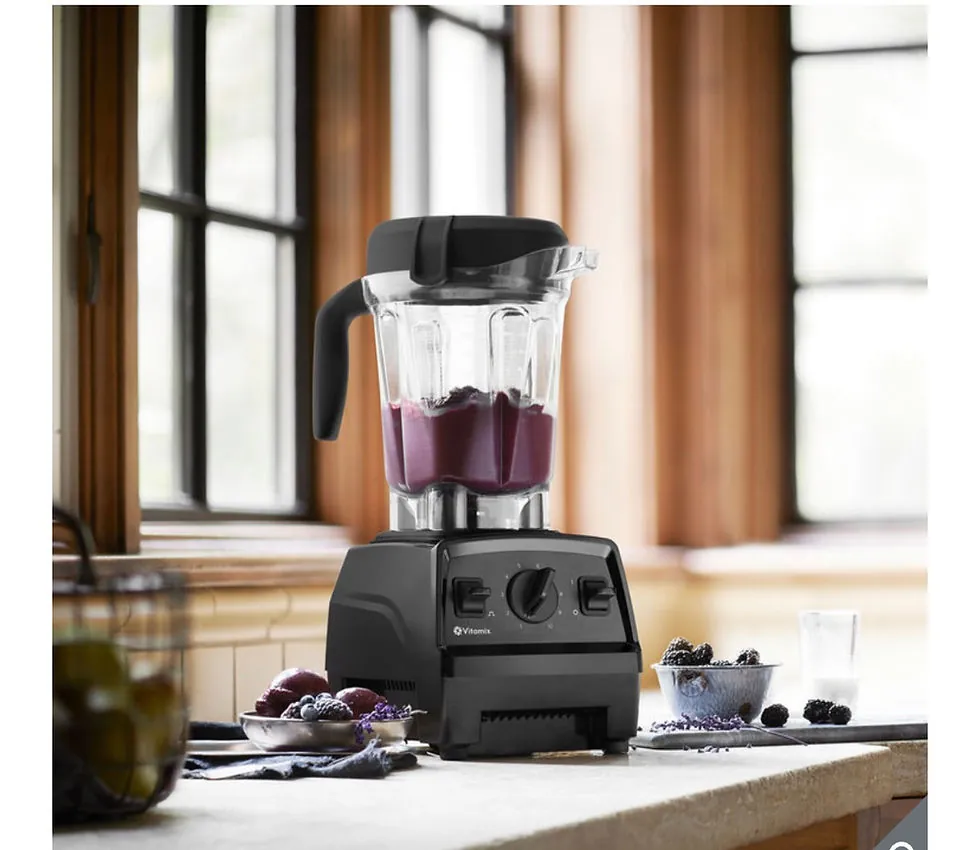
The U.S. Food and Drug Administration provides specific guidance on the safety of fresh-squeezed juices. They note that juice can harbor harmful bacteria if not handled properly, especially when fruits and vegetables are processed in a way that creates a nutrient-rich environment for growth. Because blending keeps the entire plant matter in the container, it’s important to wash all produce under running water before you start.
Scrub firm-skinned produce like melons or cucumbers with a clean brush, even if you plan to peel them. Bacteria on the outer rind can easily transfer to the flesh the moment your blade makes the first cut. If you’re blending for someone with a compromised immune system, avoid raw sprouts or unpasteurized ingredients entirely, as these carry a significantly higher risk of foodborne illness.
If you’re using a Vitamix for heavy-duty tasks, follow the manufacturer’s instruction manual regarding the maximum continuous run time. Most motors are designed for short, high-speed bursts rather than long, slow cycles. If your blend takes longer than 60 seconds to reach a smooth consistency, you’re likely overloading the container.
If you notice the machine struggling or the motor pitch deepening, stop immediately. Let the unit cool down for at least 15 minutes to avoid tripping the internal thermal protection system. If the machine shuts off on its own, it has already reached a critical heat threshold.
Don’t attempt to restart it until the base feels cool to the touch. Neglecting this cooling period can prematurely wear out the carbon brushes in the motor, leading to a permanent loss of torque and eventual mechanical failure.
The true cost of processing
The cost of using a blender for juicing is mostly measured in time and ingredient waste. While a juicer leaves behind a large pile of dry pulp, a blender uses the whole fruit, which means you get more food per dollar. However, you pay for this in the time it takes to strain the liquid manually if you want a clear drink.
If you spend ten minutes straining a liter of juice through a nut milk bag, you’re effectively paying for the blender’s efficiency with your own labor. Most people quit this habit within three weeks because the cleanup of mesh bags and blender jars feels like a chore compared to the rinse-and-go design of a centrifugal juicer. If your priority is speed on a Tuesday morning, the blender is the wrong tool.
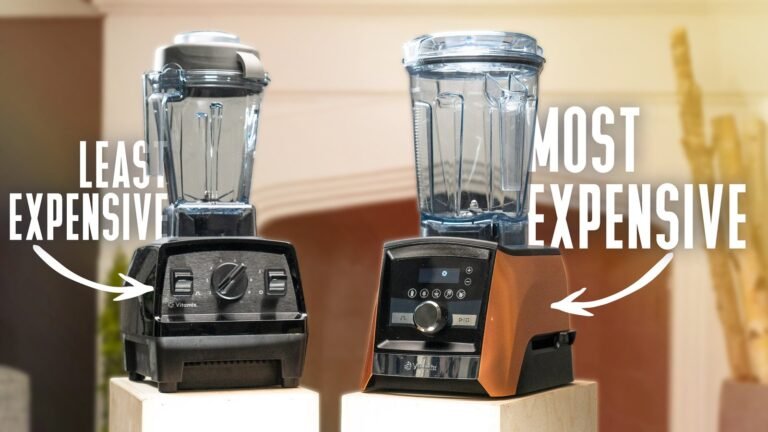
The initial cost of a high-speed blender is often higher than a basic centrifugal juicer. If you only plan to drink juice, the price of a Vitamix may not be worth it unless you also plan to make soups, nut butters, or sauces. You should compare the cost of a dedicated juicer against the versatility you gain from a blender.
A common mistake is assuming a standard blender will achieve the same consistency as a commercial-grade machine. If you can’t reach at least 20,000 rotations per minute, you’ll end up with a gritty, fibrous texture that ruins the experience. If you see smoke, stop immediately; the motor is already failing. Invest in a machine with a metal-to-metal drive coupling if you intend to process fibrous kale or ginger daily.
Keeping your machine in top shape
After you finish blending, rinse the container immediately to prevent food from hardening on the blades.
To deep clean, fill the container halfway with warm water and add a single drop of concentrated dish soap. Run the machine on high for 30 seconds, then rinse and air dry. If you use too much soap, you’ll create a foam overflow that can seep into the motor base, potentially causing a short circuit.
If you notice a cloudy film building up on the inside, it’s likely mineral buildup from hard water. You can remove this by soaking the container in a mixture of one part white vinegar to two parts water for 60 minutes. If the film persists after this treatment, the plastic has likely developed micro-abrasions from abrasive sponges; replace the container to ensure hygiene.
Never put the container in a dishwasher unless the manufacturer specifically labels it as dishwasher-safe for your exact model. Most high-speed blender containers use specialized seals that degrade under the intense heat and harsh detergents of a dishwasher cycle.
If you ignore this, the seals will eventually leak, allowing liquid to drip directly into the motor housing. This failure is rarely covered by warranty, often forcing a total replacement of the machine. Always check the base of the pitcher for a permanent stamp indicating dishwasher compatibility before deciding to skip the manual rinse.
Why a blender might not be enough
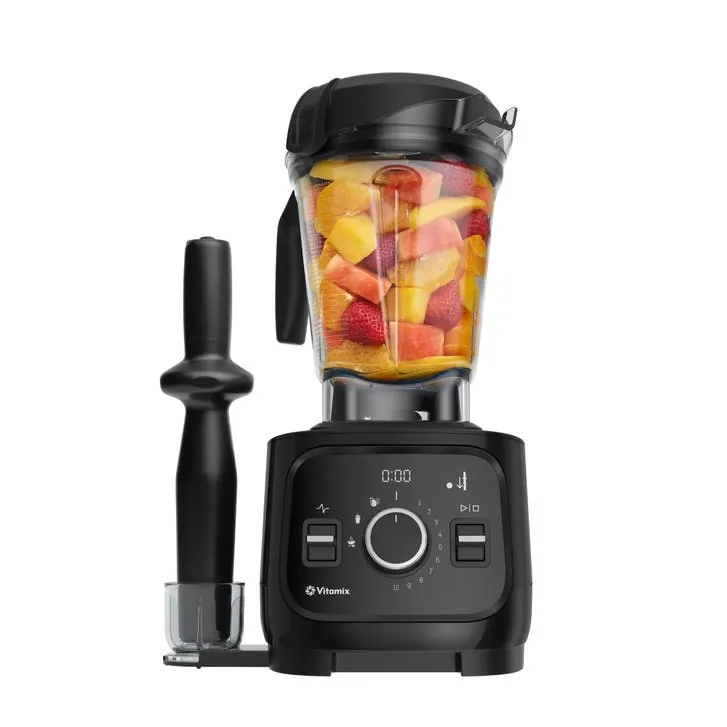
There are situations where a Vitamix is the wrong choice for your needs. If you’re on a strict diet that requires you to consume large amounts of juice without any fiber, a blender won’t work because it can’t remove the pulp effectively. In this case, you should look for a dedicated masticating juicer, which is designed to extract juice while keeping the temperature low to preserve enzymes.
If you have limited counter space and only want to make small glasses of juice, a full-size blender might be too bulky and difficult to clean for daily use. A compact juicer or a personal-sized blender might be a better fit. Always choose the tool that matches your actual daily habits rather than your ideal ones.
Frequently asked questions
Is a Vitamix healthier than a juicer?
A Vitamix is generally considered healthier because it retains all the dietary fiber from the fruits and vegetables. Fiber helps regulate your blood sugar levels and supports healthy digestion, whereas juice removes almost all fiber.
Can I make celery juice in a Vitamix?
You can make a celery drink in a Vitamix, but it will be a thick, pulpy smoothie rather than a clear juice. If you want a clear celery juice, you must strain the blended mixture through a nut milk bag to remove the fibrous pulp.
Does blending destroy the nutrients?
Blending doesn’t destroy nutrients, though the high-speed blades can generate a small amount of heat if you blend for too long. If you worry about heat, use cold ingredients or ice to keep the mixture cool during the process.
How long does a Vitamix last?
A Vitamix is built for long-term use and can last many years with proper care and regular cleaning. The lifespan varies based on how often you use it, the hardness of the ingredients you blend, and whether you follow the manufacturer’s maintenance guidelines.
Is it safe to blend fruit seeds?
It’s safe to blend most fruit seeds, but you should avoid blending large pits from stone fruits like peaches or cherries. These pits are very hard and can damage the blender blades or the container itself during high-speed operation.
Why is my smoothie too thick?
Your smoothie is likely too thick because the ratio of solid ingredients to liquid is too high for the blender. You can fix this by adding more water, juice, or milk until the blades can easily pull the ingredients into the center vortex.
Conclusion
Start by washing your produce thoroughly and cutting it into small pieces that fit easily into the container. Once you blend the ingredients for about 60 seconds, check the consistency to see if it meets your needs. If the machine makes a grinding noise or the motor speed drops significantly, stop immediately and add more liquid to protect the motor from damage.