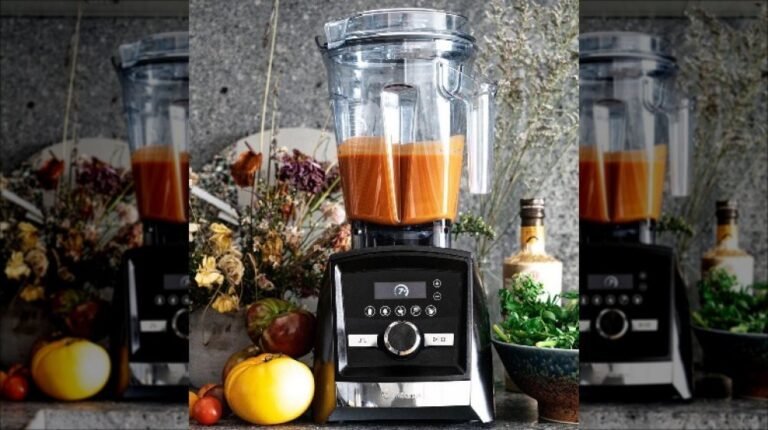
How To Start A Vitamix Blender Safely: Step-by-Step Guide
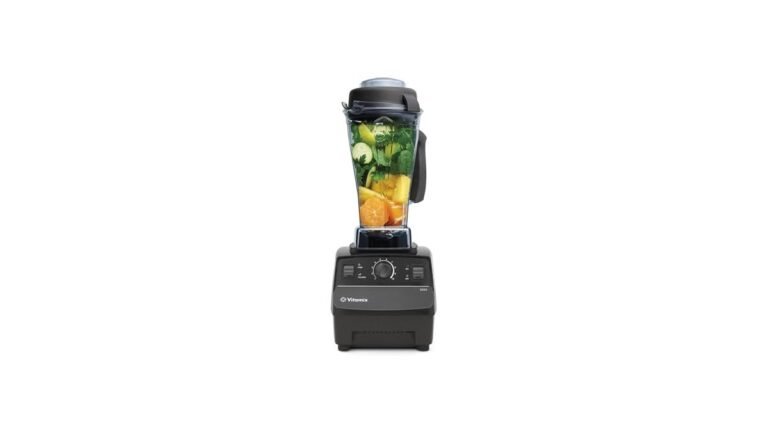
To safely start a vitamix blender, turn the variable speed dial to its lowest setting, flip the start switch to the “on” position, and then slowly increase the speed. You should always ensure the lid is locked in place before you begin to prevent spills or splashing.
The specific steps for operation change slightly depending on whether your model uses a physical toggle switch or a digital interface. This guide covers standard operations for most modern Vitamix machines, but you should always check your specific user manual if you’re unsure about your model’s unique features.
Who should start a Vitamix blender
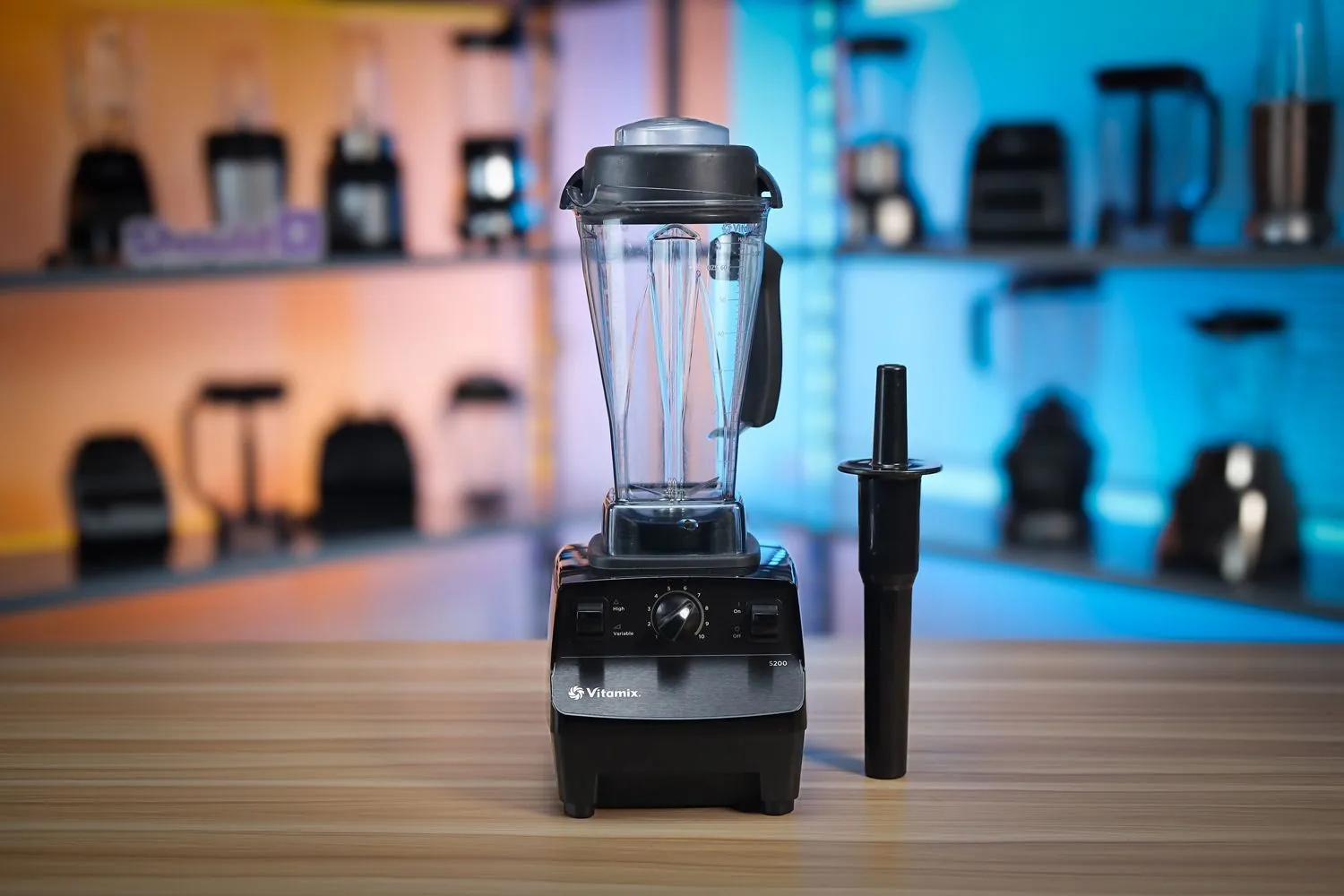
This guide serves home cooks who have recently purchased a Vitamix blender and want to ensure they’re using it correctly to avoid damage or messes. If you’re familiar with basic kitchen appliances, you likely know the dangers of starting a high-powered motor at full speed. This page helps you understand the specific sequence required to engage the motor without causing the contents to spray out of the container.
We assume you’re using a standard Vitamix blender with a variable speed dial. If you own a specialized commercial unit or a very old model with different controls, the exact interface might look different, but the core principle of starting at the lowest speed remains the same.
This guide isn’t for people trying to repair a broken motor or those looking for advanced recipe techniques. If you’re looking for specific pulse settings or advanced blending patterns, refer to the recipe book that came with your unit.
Factors that change your results
The speed at which you turn the dial is the most important factor in your success. If you start at a high speed, the sudden torque can cause the contents to fly upward, potentially forcing the lid off or creating a mess. Always start at the lowest setting and move to the higher range only after the blades begin moving the food.
The amount of liquid you include in the container matters significantly for the blending process. If you have too little liquid, the blades may create an air pocket, which prevents the food from circulating properly. If the machine sounds like it’s struggling or the motor pitch changes drastically, stop the machine and add more liquid.
People often make the mistake of leaving the lid off or not snapping it down completely. This simple oversight leads to food escaping the container at high velocity, which creates a significant cleaning task and can be dangerous. Always press the lid down until the tabs click into the container rim before you flip the switch.
The temperature of your ingredients also affects how the machine behaves. If you’re blending hot liquids, you must remove the center lid plug to allow steam to escape. If you fail to do this, pressure will build up inside the container, which can force the lid open during operation.
Steps for correct operation
- Place the container securely on the base, ensuring it’s flat and aligned with the drive socket.
- Add your ingredients, making sure to put liquids in first and leafy greens or frozen items on top.
- Place the lid on the container and press it down firmly until all sides are snapped into place.
- Ensure the variable speed dial is turned completely to the left, pointing at the lowest number or the “1” setting.
- Flip the power switch to the “on” or “start” position, which will engage the motor at the lowest speed.
- Slowly rotate the dial clockwise toward the higher settings as the ingredients begin to circulate.
- Use the tamper if you notice ingredients getting stuck near the top or sides of the container.
- Turn the speed dial back to the lowest setting before you flip the power switch to the “off” position.
The main judgement call is knowing when to increase the speed. You should wait until you see a steady vortex forming in the center of your ingredients before you turn the dial higher. If you turn it too fast before the food is moving, the blades will simply spin in empty space.
Comparison of blender settings
| Situation | Speed Setting | Action | What to watch |
|---|---|---|---|
| Starting out | Lowest | Turn dial to 1 | Initial blade movement |
| Regular blending | Medium | Rotate to 5-7 | Smooth circulation |
| Pureeing food | High | Rotate to 8-10 | Consistent vortex |
| Using tamper | Low/Medium | Push food down | Blade contact |
| Hot liquids | Low | Remove center plug | Escaping steam |
Always begin on the lowest setting regardless of the recipe. Jumping straight to high speeds causes air pockets to form around the blades, which prevents ingredients from reaching the cutting edge. If the mixture stops moving, you have an air pocket; stop the motor and tap the jar firmly on the counter to settle the contents.
Use the tamper at any speed to push ingredients into the blades. If you push too hard while the blades are at top speed, you risk hitting the blades and damaging the plastic. If your blender has a pulse button, use it for chunky salsas or nut butters to maintain texture.
When working with hot liquids, never fill the jar past the halfway mark. The expansion of steam creates significant pressure that can blow the lid off if the container is too full. If you see liquid creeping up the sides, stop immediately.
Achieving a quality blend
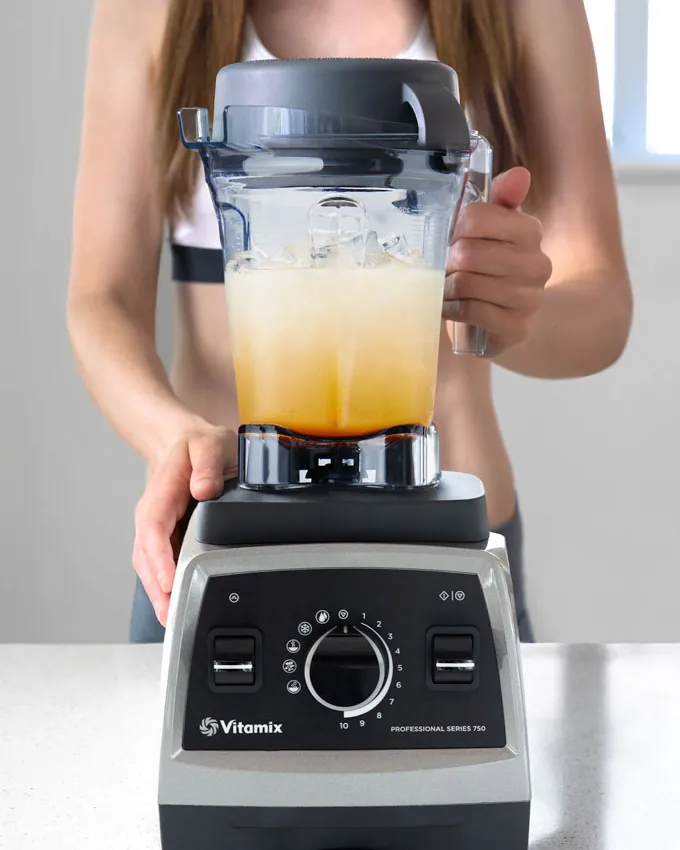
Preparing your ingredients
Experienced users always chop large vegetables or fruits into uniform pieces before adding them to the container. If you add whole, large chunks, the blades have to work harder to break them down, which puts extra strain on the motor. Consistent, small pieces ensure the blender creates a smooth texture without needing to run for a long time.
Watching the motor performance
You should listen to the sound of your machine while it runs. A healthy, high-speed blend should have a consistent, high-pitched hum as the blades move through the food. If the motor sounds like it’s laboring or slowing down, you have likely overloaded the container or the mixture is too thick. Reduce the amount of food or add more liquid to keep the motor running smoothly.
Troubleshooting common issues
| What you notice | What it means | What to do first | How to stop it |
|---|---|---|---|
| Food not moving | Air pocket | Use the tamper | Add more liquid |
| Leaking lid | Not sealed | Snap lid down | Check for debris |
| Motor laboring | Too thick | Add more liquid | Use smaller chunks |
| Excessive shaking | Unbalanced load | Stop and stir | Distribute food evenly |
| Burning smell | Overload | Turn off immediately | Blend in batches |
If the motor emits a sharp, acrid odor, you have likely exceeded the thermal capacity of the internal windings. This happens most often when blending dense, frozen ingredients without enough base liquid. Don’t wait for the unit to cool while plugged in; disconnect the power cord immediately to prevent permanent damage to the motor brushes.
When the machine vibrates violently, check the base for uneven food distribution. Most users make the mistake of adding large, whole vegetables first. Always place liquids at the bottom and hard solids on top to create a vortex. If the blades stall, add two tablespoons of water at a time until the mixture flows freely.
If the motor sounds strained for more than ten seconds, stop the cycle. Running a stalled motor for longer than fifteen seconds can trip the internal breaker, which may require a thirty-minute reset period before the unit will function again.
Safety and usage rules
Vitamix provides specific safety guidelines in their user manuals that all owners should follow. You should never attempt to remove the container from the base while the blades are still moving, as this can damage the drive socket. The manufacturer also warns against using the machine for more than a few minutes at a time when processing very thick ingredients to prevent the motor from overheating.
If you ever see the motor stop unexpectedly, the unit may have triggered its built-in thermal protection. This happens if the motor gets too hot during heavy use. In this case, turn the power switch off and unplug the machine. Don’t attempt to open the motor housing, as this is dangerous and will void your warranty.
Understanding the real cost
The cost of operating a Vitamix is mostly measured in your time and the wear on the drive socket. While the machine is designed to handle heavy loads, running it at maximum speed for extended periods increases the heat on the internal components. You can extend the life of your machine by using the tamper effectively to move food into the blades rather than just turning the speed dial higher to force the food down.
The cost of electricity is negligible for the few minutes of daily use required for most recipes. The real cost occurs if you ignore the signs of an overloaded motor, which can lead to expensive repairs or a full unit replacement. Keeping your container clean and ensuring the drive socket is free of debris will keep your maintenance costs low over the lifespan of the appliance.
Maintaining your equipment
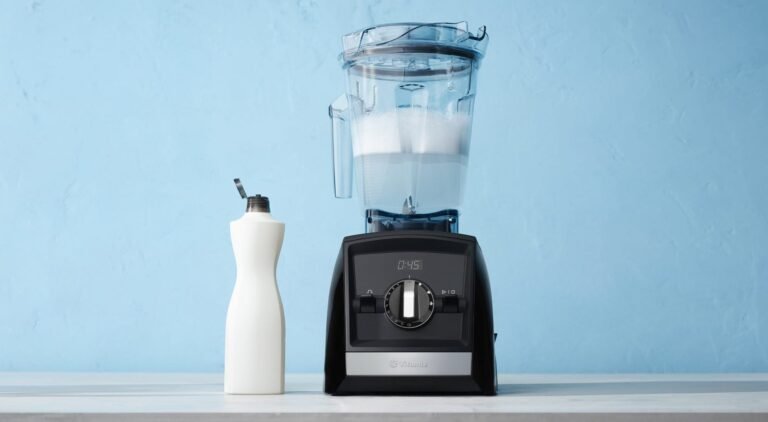
After you finish blending, the easiest way to clean your container is to fill it halfway with warm water and a drop of dish soap. Secure the lid, start the machine on the lowest speed, and quickly increase it to the highest setting for 30 seconds. This process clears food residue from under the blades without you needing to reach inside.
If you notice a stubborn film or persistent odors, add a tablespoon of white vinegar to the soapy water. Let this mixture soak for ten minutes before running the cleaning cycle. This simple step prevents the buildup of mineral deposits that eventually turn clear containers cloudy.
Rinse the container thoroughly and let it air dry upside down to prevent water spots. If you notice the blades becoming dull or the container becoming cloudy after years of use, check the official Vitamix support page for replacement parts.
Never submerge the motor base in water. Instead, wipe the base with a damp cloth if you spill anything on the outside. Using abrasive sponges on the base will strip the finish, so stick to microfiber cloths to keep the exterior pristine.
When to seek professional help
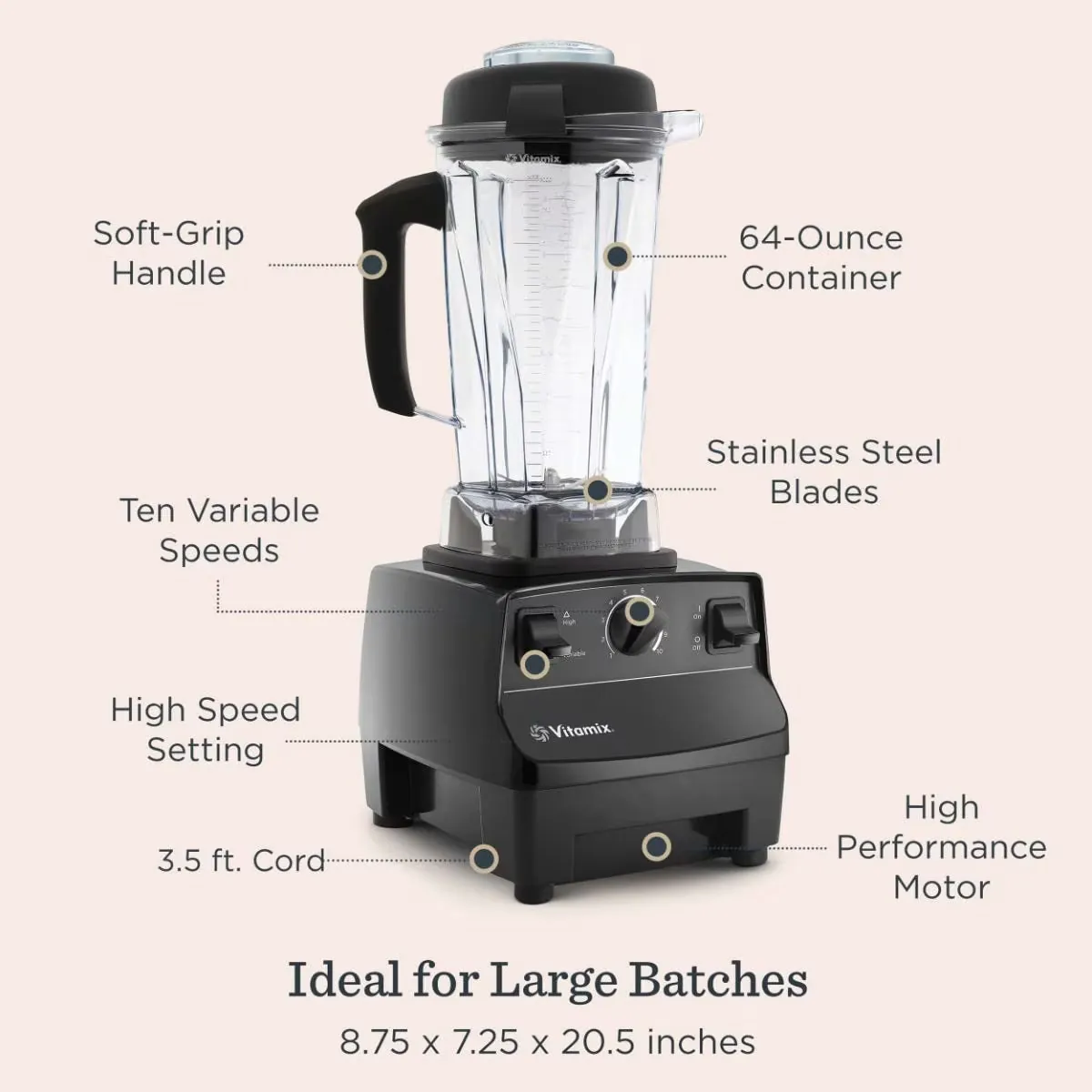
If your blender makes a grinding noise or you smell burning even when the container isn’t overloaded, the internal bearings or the motor may be failing. If the speed dial doesn’t change the motor speed, the control board might have a fault.
Don’t try to take the motor base apart to fix these issues yourself. The internal components carry high voltage, and capacitors can hold a lethal charge long after the unit is unplugged. If you see smoke or hear a high-pitched whine, pull the plug immediately.
If your warranty period has expired, check the manufacturer’s website for a list of certified service centers. Avoid general appliance repair shops, as they often lack the proprietary parts required for specific blender models. Contact the customer support department to arrange for an authorized repair or a professional safety inspection.
Frequently asked questions
Can I put boiling water in my Vitamix?
Yes, you can use boiling water, but you must remove the clear plastic lid plug to allow steam to escape. If you leave the plug in, the steam pressure will build up inside the container and can force the lid off during operation.
How long should I blend a smoothie?
You should blend a smoothie for 45 to 60 seconds on high speed to get a perfectly smooth consistency. Start on the lowest setting for the first 10 seconds, then move to the highest speed to finish the process.
Is it safe to leave the blender running unattended?
No, you should never walk away while the machine is running. High-powered blenders can move across the counter or create an air pocket that stops the blending action, which requires you to use the tamper to fix it immediately.
What happens if I forget the lid plug?
If you forget the lid plug while blending hot liquids, the steam pressure will force the lid open and spray hot food outward. For cold ingredients, it will likely just cause a small mess through the open hole in the lid.
Does the blender need to be on a flat surface?
Yes, the blender must be on a level, dry surface for the rubber feet to grip correctly. If the surface is uneven, the machine can vibrate or shift during the blending cycle, which is a significant safety risk.
How do I know if the blades are dull?
You’ll know the blades are dull if the blender takes much longer than usual to process ingredients to a smooth consistency. Check the blades for visible chips or damage, and contact customer support if you suspect they need replacing.
Conclusion
Place your ingredients into the container and secure the lid before you ever touch the power switch. Once the machine is on, use the speed dial to control the flow, and keep your hand on the tamper if the mixture is thick. If you hear a loud grinding sound, turn the machine off immediately.