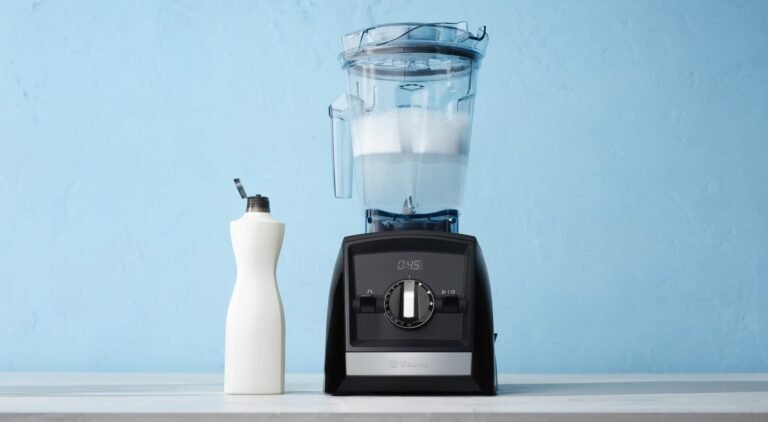
Is The Vitamix Blender Loud? Decibel Levels and Noise Facts
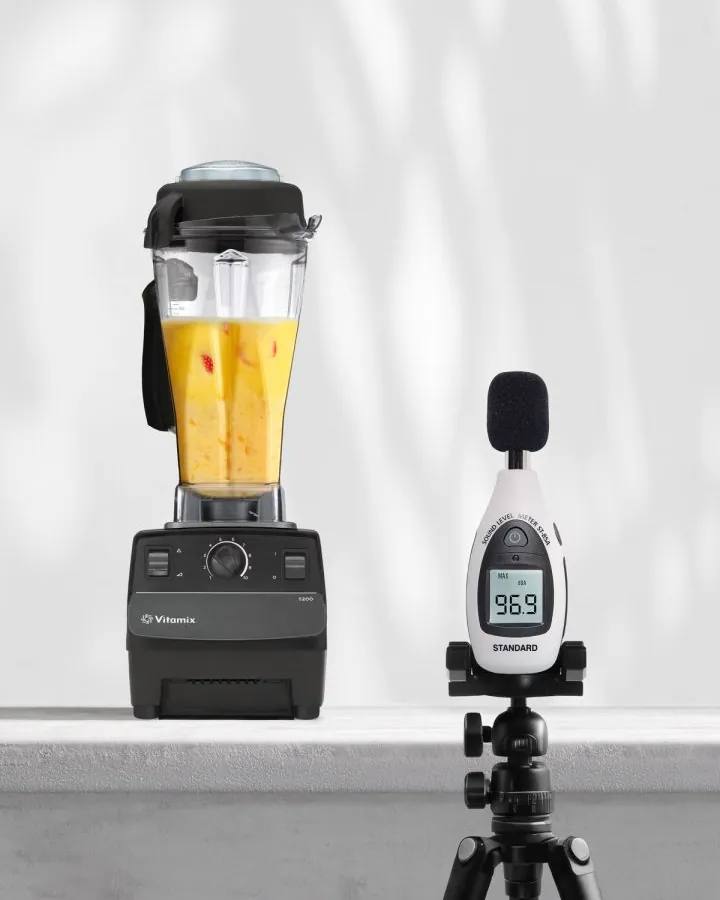
Yes, it’s a fact that the Vitamix blender is loud during operation, typically reaching between 85 and 105 decibels depending on the speed setting and the ingredients being processed. This high volume is the result of the powerful motor and the design of the stainless steel blades, which are meant to crush tough ingredients quickly rather than slice them slowly.
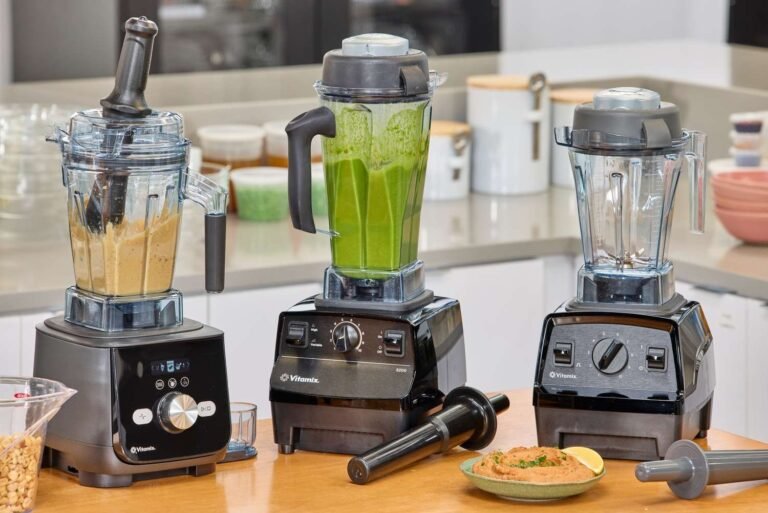
The noise level changes based on the specific model you own, the density of the food, and the surface where the machine sits. If you use the blender on a hard granite countertop, the sound will reflect and seem much louder than if you place it on a rubber mat.
Who finds the Vitamix blender too loud
This guide is for people who already own or are planning to buy a Vitamix and want to know if they can manage the sound in their home. It serves those who live in apartments with thin walls, parents with sleeping children, or anyone who values a quiet kitchen environment.
The article assumes you’re using a standard Vitamix motor base, such as those in the Ascent or Explorian series. If you’re using an older commercial unit, the sound profile may be more intense due to heavy-duty usage. If you need a completely silent experience, this isn’t the right appliance for you, as high-performance blending requires significant energy that creates audible air turbulence and mechanical noise.
We focus here on how to measure the sound and how to dampen it effectively using basic household items. This page doesn’t cover internal repairs, as those require professional service to maintain the safety of the motor and housing.
Factors that influence blender volume
The speed setting is the most significant factor in how much noise the machine produces. Running the motor at its maximum speed creates the highest volume, while lower speeds are noticeably quieter. If you’re processing thick nut butters, the motor works harder and sounds deeper, while blending liquids at high speed creates a high-pitched whine.
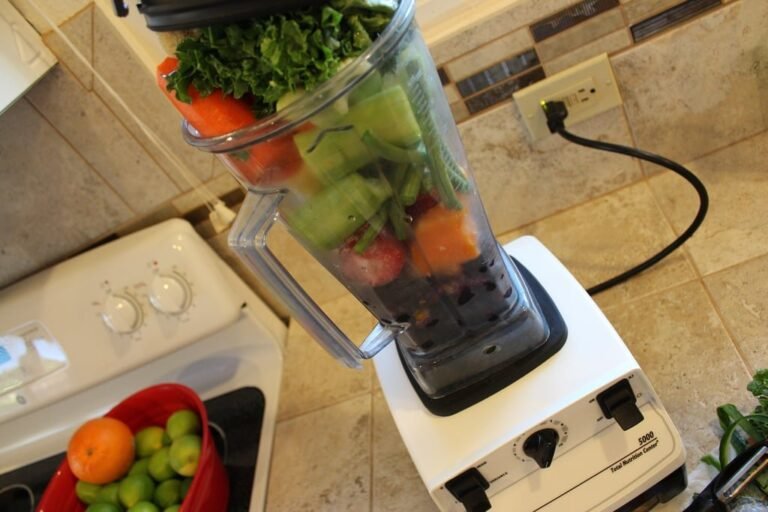
The type of container you use also changes the sound profile. The low-profile containers, common with newer models, tend to have a wider footprint and can vibrate more against the base than the classic narrow containers. People often assume the lid is the source of the noise, but the vibration between the base and the counter is the actual culprit.
The surface material under the blender acts as an amplifier. If you place the unit directly on a hard countertop, the vibrations travel through the stone or wood, creating a rattling sound that spreads through the room. Placing the unit on a thick silicone mat or a dedicated blender pad significantly reduces this structure-borne noise.
Lastly, the load inside the jar affects the outcome. An empty container or one with very few ingredients will cause the blades to spin faster and hit the air with more force, creating a louder, harsher sound. Filling the container to at least the halfway point provides enough resistance to steady the blades and dampen the acoustic output of the motor.
Steps to reduce blender noise
- Place a 1/4-inch thick silicone mat or a piece of heavy-duty rubber under the motor base to absorb vibrations.
- Ensure the base is at least 6 inches away from the wall to prevent sound from bouncing back toward you.
- Check that the container is seated firmly on the rubber centering pad; a loose fit causes unnecessary rattling.
- Add liquids first, then solids, to help the blades move smoothly without stalling, which prevents the motor from straining loudly.
- Start the blender on the lowest speed setting and slowly increase it, as an immediate jump to high speed creates a loud burst of sound.
- Press the lid down firmly with your hand during the first few seconds of blending to ensure a tight seal.
- Use the tamper to push ingredients into the blades, which keeps the flow consistent and stops the air pockets that create loud cavitation sounds.
- Occupational Safety and Health Administration guidelines note that prolonged exposure to sounds above 85 decibels can be harmful, so stay away from the unit while it runs at high speeds.
The main judgement call is knowing when to stop blending. If the mixture is smooth and the sound changes from a choppy, rattling noise to a consistent, smooth hum, the job is likely finished. Over-blending doesn’t make the result better and only exposes you to more noise.
Sound levels by situation
| Situation | Expected Noise Level | Effort Required | What to Watch For |
|---|---|---|---|
| Blending soft fruit | 85 decibels | Low | Consistent motor hum |
| Crushing ice cubes | 100 decibels | Medium | Sharp rattling sound |
| Making nut butter | 105 decibels | High | Straining motor pitch |
| Using a sound enclosure | 75 decibels | Low | Proper lid alignment |
| On a rubber mat | 80 decibels | Low | Reduced counter vibration |
If the motor pitch rises to a high-frequency whine, stop immediately. This indicates the blades are jammed or the ingredients are too dense for the current speed. Forcing the machine through this resistance can strip the drive socket, a repair that’s relatively inexpensive compared to replacing the entire unit.
Use the 85-decibel threshold to gauge your environment. If you can’t hear a person speaking from three feet away, you’re exceeding safe exposure limits for prolonged kitchen work.
When crushing ice, always add at least one cup of liquid to the pitcher. This creates a slurry that prevents the blades from striking the plastic walls directly. If you hear a rhythmic, metallic clicking, the ice is likely too large.
Stop the cycle and break the cubes into smaller pieces. If the machine vibrates across the counter, check for worn rubber feet or internal mechanical issues. Check that the rubber feet aren’t missing or worn down, as these are the primary dampeners for low-frequency noise.
Differences in performance and experience
The impact of motor power
The motor in a Vitamix is designed for high-torque tasks, which naturally requires more energy and creates more noise than standard household blenders. Experienced users know that they don’t need to run the machine at the maximum speed for every task. By using the lowest effective speed for the job, you keep the noise manageable without sacrificing the final texture of your food.
The role of the environment
Beginners often make the mistake of running the blender in a corner of the kitchen, which traps sound and makes it louder. Experienced users move the machine into an open area on the counter, away from cabinets and walls. This simple change allows sound waves to dissipate rather than bouncing back, making the kitchen feel much quieter during use.
Noise issues and quick fixes
| What you notice | What it usually means | What to do first | How to stop it happening again |
|---|---|---|---|
| Loud rattling | Loose base fit | Re-seat the container | Clean the centering pad |
| High-pitched whine | Excessive speed | Turn speed down | Use more liquid |
| Deep grinding | Overloaded container | Stop and stir | Add more water |
| Vibrating counter | Lack of padding | Place on a mat | Keep rubber mat under |
| Loose lid rattle | Poor seal | Press lid down | Check for debris |
Safety and operational standards
The noise generated by high-performance blenders is a standard part of their operation, but it remains important to respect your own comfort. While there are no specific legal noise limits for home kitchen appliances, if you find the volume painful, you should limit your time spent standing near the machine.
If the blender makes a new, grinding, or metallic noise that’s different from its usual sound, stop using it immediately. This could indicate a failing bearing or a damaged drive socket. A common mistake is attempting to “blend through” the sound to finish a recipe, which often turns a simple socket replacement into a total motor burnout.
Contact the manufacturer’s official support page to verify if your unit needs a professional inspection. Opening the base yourself is dangerous due to high-voltage capacitors that hold a charge even when unplugged. If the unit vibrates excessively on the counter or smells like ozone, don’t attempt a reset; these are definitive signs of internal electrical failure.
What the noise really costs
The cost of this noise is measured in your personal comfort and the time you spend in the kitchen. If you need to make smoothies every morning, the 60 to 90 seconds of high-volume noise can become a source of stress.
You can reduce this cost by preparing ingredients the night before, which shortens the time the machine needs to run. If you’re extremely sensitive to sound, the cost of adding a commercial-grade sound enclosure is substantial, but it’s the only way to lower the decibel level by a large margin.
Most users make the mistake of ignoring the motor’s pitch. A machine running at a high-frequency whine is far more fatiguing than one with a low-frequency rumble. If your kitchen has tile or stone surfaces, the noise will bounce and amplify. Laying a thick rubber mat under the base absorbs these vibrations, instantly quieting the kitchen.
Maintaining a quiet kitchen
After you finish blending, wipe the motor base and the rubber centering pad with a damp cloth to remove any food particles. A clean pad ensures the container sits flat and tight, which is the best way to prevent future rattling.
If the rubber pad looks worn or cracked, replace it immediately, as a damaged pad can’t absorb vibrations. A simple test is to press down on the container while it runs; if the noise level drops significantly when you apply pressure, the pad has lost its elasticity and requires a replacement.
If the machine emits a high-pitched grinding sound, stop using it and inspect the drive socket for debris. If the noise persists, the bearings are likely failing. You don’t need to schedule maintenance for the motor, but listening for changes is vital.
When to look for alternatives
If you need to blend food while others are sleeping in the same room, a standard Vitamix is the wrong choice. Its high-torque motor creates a high-frequency whine that penetrates walls and floors, regardless of the speed setting.
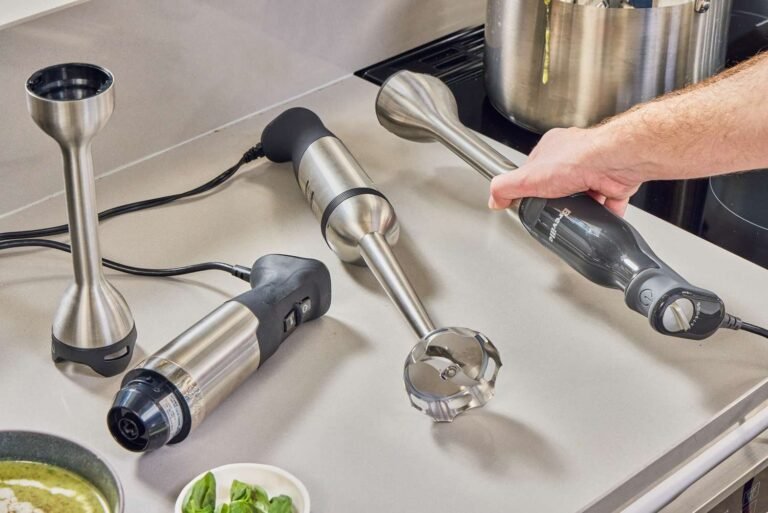
In this case, look for a personal blender with a smaller motor or an immersion blender. These tools operate at lower decibels because they lack the massive cooling fans found in full-sized professional units.
If you’re trying to make recipes that require running the machine for more than 5 minutes at a time, the noise level will likely disturb your household. Most high-performance blenders reach 90 decibels, which is equivalent to a lawnmower running in your kitchen.
If the sound becomes a constant problem, switch to a manual method or a food processor. A food processor uses a lower RPM blade that cuts rather than pulverizes, keeping the volume manageable. If you find yourself wearing earplugs to use your appliance, you have already crossed the threshold where a different tool is required.
Frequently asked questions
Is it safe to use earplugs while blending?
Yes, it’s perfectly safe to wear earplugs if you’re sensitive to the high-pitched sound of a Vitamix. Using foam earplugs will help you manage the noise during the 30 to 60 seconds of blending required for most recipes.
Does the noise get worse as the blender gets older?
Yes, the noise may increase if the bearings in the blade assembly start to wear out over several years of use. If you notice a metallic grinding sound, check the bottom of the container for movement and replace the blade assembly if it feels loose.
How many decibels is a Vitamix on high speed?
A Vitamix typically reaches between 95 and 105 decibels when running on high speed with a full container. This level is similar to the sound of a lawnmower or a power drill, which is why most people prefer to run it for only short bursts.
Why does my blender sound like it’s struggling?
It sounds like it’s struggling because the ingredients are too thick for the current speed setting. Add an extra 1/4 cup of liquid or use the tamper to push the food into the blades to lower the motor’s strain.
Can I put a towel under the blender to stop the noise?
Yes, a folded kitchen towel is a safe and effective way to dampen the vibration noise. Make sure the towel is flat so the blender base doesn’t wobble, which could cause the unit to tip over during high-speed blending.
Is the noise level different between models?
Yes, the newer models with sound-dampening technology or integrated enclosures are quieter than the older, classic motor bases.
Conclusion
Start by placing a rubber mat under your blender today to see how much vibration noise it removes from your countertop. If the sound drops to a level you find acceptable, you have solved the main issue. If the motor itself still sounds too loud, contact support for a check.