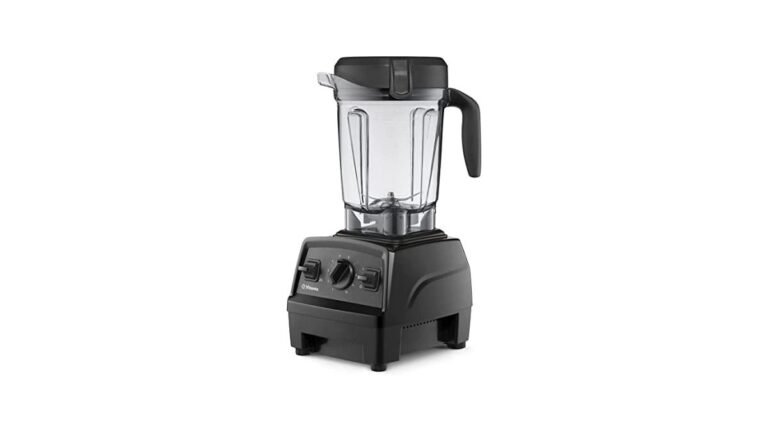
How To Work A Vitamix: Simple 3-Second Start & Blending Rules
To work a Vitamix, start it in 3 seconds and blend most recipes in under a minute — but only if you load it right, use the correct container size, and follow the two-speed rule (low to start, high to finish). Load liquid first, then leafy greens, fruit, and frozen items on top; leave 1 inch of space below the max fill line.
You’re likely searching this because your Vitamix isn’t smoothing greens, overheats on thick batters, or makes loud grinding noises. This page is for people who own a Vitamix made after 2014 (with the variable speed dial and digital display), have read the manual but still get inconsistent results, and want clear, timed steps — not marketing talk. It’s not for people using pre-2014 models like the Vitamix 5200 without a speed dial, or those trying to mill flour without the Dry Grains container (which risks motor strain and voids warranty).
We assume you’re blending at room temperature, using tap water or filtered liquid, and working with standard U.S. voltage (120V). If your goal is commercial-scale juicing, fermentation prep, or nut butter for resale, you’ll need different guidance — this page serves home cooks and wellness-focused users who blend daily but don’t yet trust the machine.
What changes how you work your Vitamix
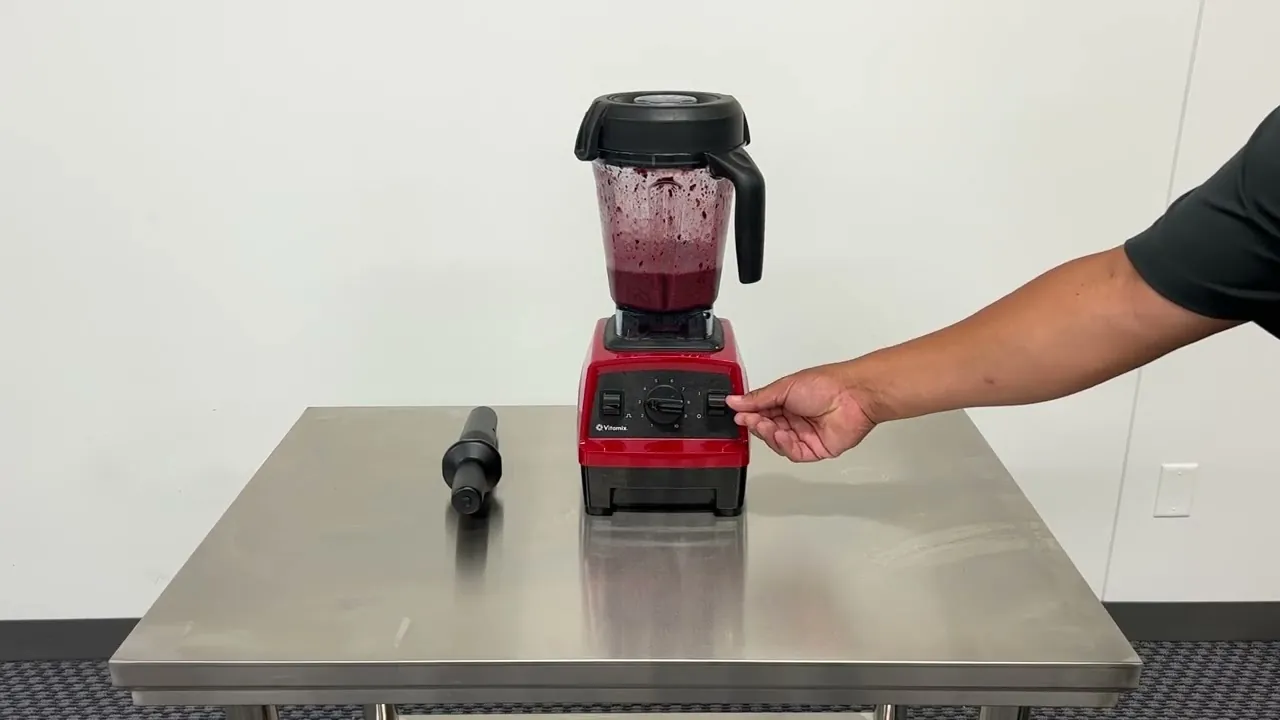
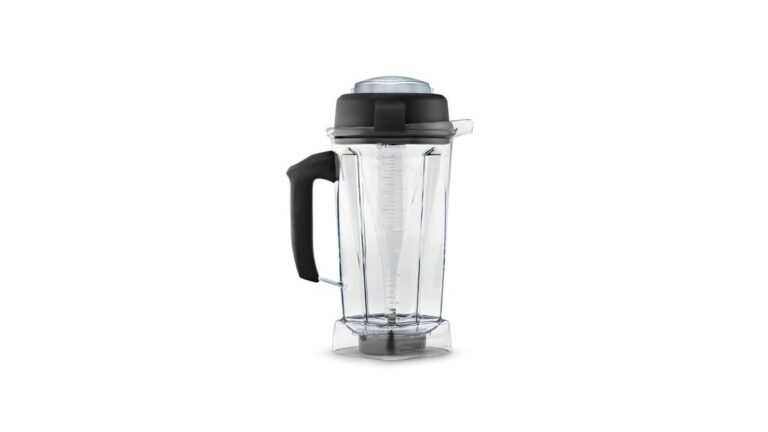
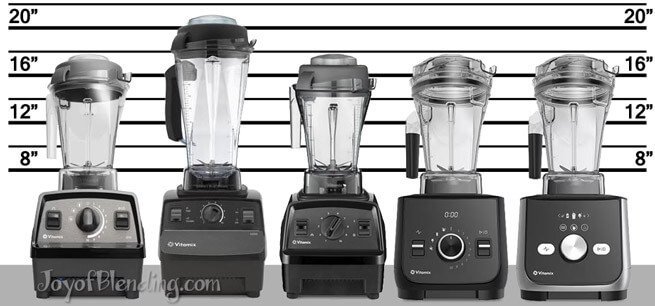
Blending performance depends less on “how hard you push” and more on four physical factors — and people misjudge the first one most often. Container shape and volume set the baseline: the 64-oz low-profile container needs ingredients to reach the bottom blade, not just cover it — so 1 cup of oats + 1 cup liquid won’t vortex; you need at least 1.5 cups total. The 48-oz tall container requires 20% more liquid to create the same pull.
Ingredient temperature matters because cold or frozen items increase viscosity — a smoothie with 1 cup frozen berries and ½ cup almond milk takes 45 seconds at Speed 10; the same recipe with room-temp berries finishes in 28 seconds. Motor generation changes torque: Classic series (2014–2017) delivers 2.2 peak HP; Ascent and Explorian models (2018+) deliver 2.8 HP, cutting thick hummus time by 12–18 seconds.
Liquid-to-solid ratio is the most common mistake: users add too little liquid, then crank speed higher to compensate — which strains the motor and leaves chunks. The fix isn’t more speed; it’s adding 2 tablespoons of water or broth before starting. You’ll know your ratio is right when the mixture swirls smoothly within 5 seconds of starting at Speed 1.
Step-by-step blending guide
- Add liquids first, then soft ingredients (spinach, banana), then frozen or hard items (ice, nuts) — fill no higher than the “max fill” line (4 cups for 64-oz, 3.5 cups for 48-oz).
- Secure the lid tightly, making sure the center cap is closed — you’ll hear a firm click.
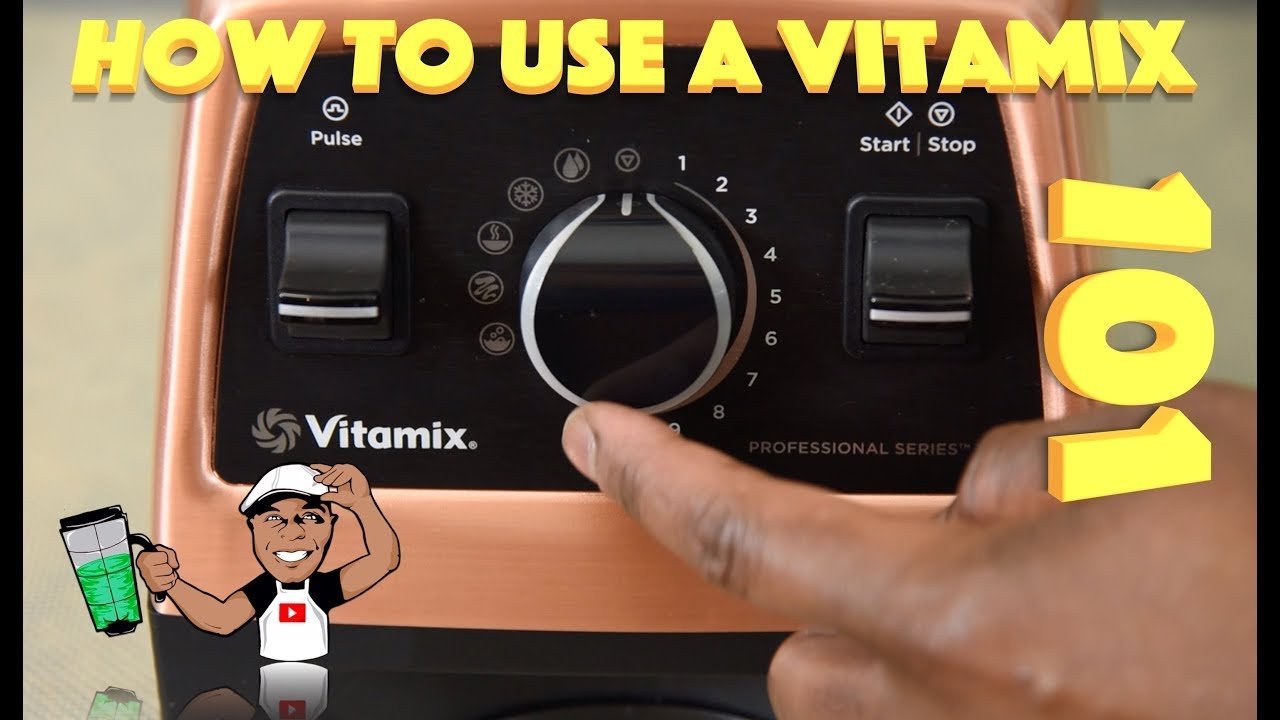
- Turn the speed dial to “1”, then press the “Start/Stop” button once. Let it run for 5 seconds — you should see a smooth vortex form.
- Increase speed gradually: hold at Speed 3 for 10 seconds, then Speed 5 for 10 seconds, then Speed 7 for 10 seconds.
- At Speed 10, hold for 20–30 seconds — stop when the mixture is uniform (no visible flecks, no graininess when tasted).
- Press “Start/Stop” again to halt — wait 2 seconds before lifting the lid to avoid steam burns (for hot soups).
- Scrape sides only if needed: if you see unmixed bits after Speed 10, turn off, wait 10 seconds, then pulse 3 times at Speed 1.
The single judgment call is texture check: dip a clean spoon in, cool it slightly, and rub a dab between thumb and forefinger. If you feel grit or fibers, it needs 10 more seconds at Speed 10 — not more pulsing or higher speed. Don’t exceed 60 seconds total blending time per batch; longer runs overheat the motor and trigger automatic shutdown.
Common situations and how to handle them
This table covers what most Vitamix owners actually face — not theoretical cases, but real variations in ingredients, containers, and goals.
| Situation | What to do | Time & effort | What to watch for |
|---|---|---|---|
| Making hot soup from raw vegetables | Use the 64-oz container; add 1 cup broth + 1 cup chopped carrots/onions before heating | 6–8 minutes, medium effort | Steam pressure — never fill past 3 cups liquid |
| Grinding flax or chia seeds | Use Dry Grains container only; add seeds in ½-cup batches | 30 seconds, low effort | Overheating — stop if container feels warm to touch |
| Blending protein powder with ice | Add liquid first, then powder, then ice last; use 48-oz tall container | 45 seconds, low effort | Foaming — if foam rises above blades, pause and stir down |
| Making nut butter (almonds, cashews) | Use Dry Grains container; start with 1 cup roasted nuts, no oil | 1–2 minutes, medium effort | Motor strain — if sound drops sharply, stop and scrape |
| Prepping baby food (steamed peas/carrots) | Cool fully first; blend with ¼ cup water in 48-oz container | 25 seconds, low effort | Clogging — if blades stall, add 1 tbsp water and restart at Speed 1 |
Getting smooth, consistent results
How pros load and layer
Experienced users measure by volume, not weight, because Vitamix blades respond to fluid dynamics. They add at least ¾ cup liquid first for any 48-oz batch, then packed leafy greens, fruit, and frozen items last — creating natural layering that pulls down as the vortex forms.
How pros adjust mid-blend
They never jump to Speed 10 — they listen. A healthy blend sounds like steady white noise at Speed 7. A gurgling or scraping sound means too little liquid or too much solid; they pause, add 1 tablespoon water, and restart at Speed 1.
They check texture at 30 seconds, not 60 — because over-blending oxidizes greens and breaks down fiber structure. And they never use the “Program” buttons unless making soup or frozen desserts — those presets ignore ingredient temp and container type, causing under- or over-processing.
Troubleshooting common issues
If your Vitamix isn’t performing as expected, match what you see or hear to the cause — then act fast. Most fixes take under 60 seconds and require no tools.
| What you notice | What it usually means | What to do first | How to stop it happening again |
|---|---|---|---|
| Loud grinding noise | Blades hitting frozen chunks or unsoaked nuts | Stop, wait 10 sec, stir with tamper, restart at Speed 1 | Soak nuts 4+ hours; use smaller ice cubes |
| Mixture won’t spin (stalls) | Too thick or too little liquid | Stop, add 2 tbsp liquid, restart at Speed 1 | Always measure liquid first; keep ratio ≥1:3 (liquid:solid) |
| Steam hissing from lid | Soup too full or too hot | Turn off, wait 30 sec, carefully loosen center cap | Fill max 3 cups for hot blends; use vented lid |
| Uneven texture (gritty) | Under-blended or wrong container | Blend 15 sec more at Speed 10 | Use Dry Grains container for powders, wet container for soups |
| Motor shuts off mid-cycle | Overheating from long run or heavy load | Let rest 30 min; check vents for dust | Never blend >60 sec continuous; clean base fan vents monthly |
Safety and usage limits
Vitamix sets clear mechanical limits — and violating them triggers safety cutoffs or voids warranty. The motor is rated for 60 seconds of continuous blending per cycle, then requires a 60-second cooldown before restarting. Exceeding this causes thermal shutdown (red light flashes, machine stops).
For hot soups, Vitamix states a maximum fill of 3 cups — not 4 — to prevent dangerous steam pressure buildup. If your unit shuts off repeatedly, don’t bypass the thermal fuse — contact Vitamix support directly. And never use the blender for non-food tasks — the warranty excludes damage from misuse, and the blades aren’t designed for abrasive materials.
Real costs of daily use
Running a Vitamix costs about $0.02 per 60-second blend on average — based on U.S. Energy Information Administration data for 120V, 1,380-watt draw. But the real cost is time and attention: loading, cleaning, and checking texture adds 3–5 minutes per use. That climbs if you skip the rinse step — dried-on residue takes 2 extra minutes to scrub.
Cost goes up with frozen ingredients (adds 15–20 sec per blend), low-quality water (mineral buildup clogs vents in 6–12 months), and skipping the weekly base wipe-down (dust reduces cooling efficiency by ~12%). You control the biggest variable: how often you let the container soak overnight. That habit alone cuts cleaning time by 70% — but only if you use warm water and mild dish soap, never bleach or dishwasher tablets.
Keeping your Vitamix running smoothly
Clean the container immediately after each use — rinse with warm water, then fill halfway with warm water + 1 drop dish soap, blend 30 seconds at Speed 10, and rinse again. Wipe the base with a damp cloth regularly, focusing on the vent slots near the motor housing — dust here raises operating temperature.
Store the container upside-down on its lid to air-dry fully; never stack containers wet. Check the rubber gasket on the lid periodically — if it’s cracked or stiff, replace it (Vitamix part #11567). You’ll know it’s time for service when the motor sounds labored at Speed 5 (like a strained hum) or the display flickers during blending — that signals capacitor wear, not user error.
When this method won’t work
Don’t use this guide if you’re trying to mill raw wheat into fine flour for baking — the standard container can’t achieve particle fineness below 100 microns, and repeated dry milling wears blades faster. Use the Dry Grains container only, and pulse in 15-second bursts.
Skip this method if your Vitamix is pre-2014 (5200 or older): those lack variable speed dials and rely on timed pulses — use the “pulse 10 times, then blend 45 sec” method instead. And don’t attempt hot soup if your unit is under warranty and lacks the “Hot Programs” button — older models risk thermal stress without software-controlled ramp-up.
Frequently asked questions
How long should I blend a green smoothie?
Blend for 45 seconds total: 5 sec at Speed 1, 10 sec at Speed 3, 10 sec at Speed 5, 10 sec at Speed 7, and 10 sec at Speed 10. This assumes 1 cup spinach, 1 banana, ½ cup frozen mango, and 1 cup unsweetened almond milk in a 48-oz container.
Can I put hot soup directly into the Vitamix?
Yes, but only if the soup is below 170°F and the container is filled to no more than 3 cups. Pour slowly, secure the lid with center cap closed, and start at Speed 1 — never add boiling liquid.
Why does my Vitamix smell like burnt plastic?
That’s usually overheated rubber gasket or dust on motor vents. Unplug, wipe vents with dry cloth, and check gasket for cracks. If smell persists after cleaning, contact Vitamix — it may indicate winding insulation failure.
Is it safe to blend nuts without oil?
Yes, in the Dry Grains container only — and only for 90 seconds max per batch. Almonds and cashews release enough natural oil; walnuts and pecans need 1 tsp added oil to prevent seizing.
What happens if I overfill the container?
Overfilling blocks vortex formation, leaving unmixed pockets and straining the motor. For hot blends, it risks steam explosion — the lid can blow off if filled above 3 cups.
Does container size affect blending time?
Yes — the 64-oz low-profile container blends thick mixtures 12–18 seconds faster than the 48-oz tall one, due to shorter blade-to-surface distance and wider base.
How often should I replace the blade assembly?
Every 3–5 years with daily use, or sooner if you notice wobbling, uneven blending, or visible nicks on the blades. Vitamix recommends replacing the entire assembly (part #11997), not just the blades.
What to do next
Plug in your Vitamix, grab your 48-oz container, and make a simple smoothie: 1 cup almond milk, 1 banana, ½ cup frozen berries. Follow steps 1–6 exactly — no shortcuts. You’ll know it worked when the mixture pours smoothly, with no separation or grit.
If the blender stalls, stops, or sounds strained, stop immediately. First, check that you’ve used at least 1 cup of liquid — too little causes friction and overheating. Then verify the lid is fully seated and the center cap is closed; even a slight gap breaks the vacuum seal needed for proper blade engagement.
If the red light flashes twice after 3 attempts, unplug and contact Vitamix support — this indicates motor protection has activated, not a user error. Don’t restart while warm. Let the unit cool for 30 minutes before trying again with fresh ingredients and verified settings.
Avoid adding thick nut butters or dry protein powders to this first test — they change viscosity and load unexpectedly. Stick to the recipe. Once this runs cleanly, you’ve confirmed basic function and can move to more complex blends.