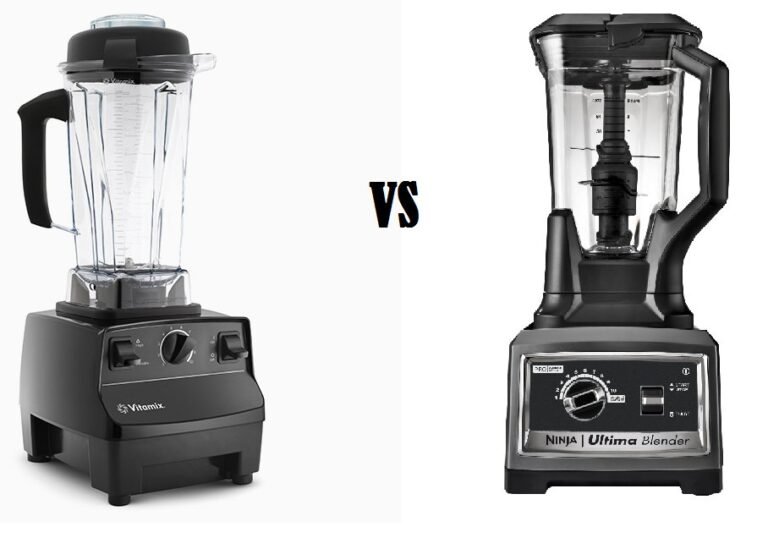
How Does Pampered Chef Blender Compare To Vitamix Performance
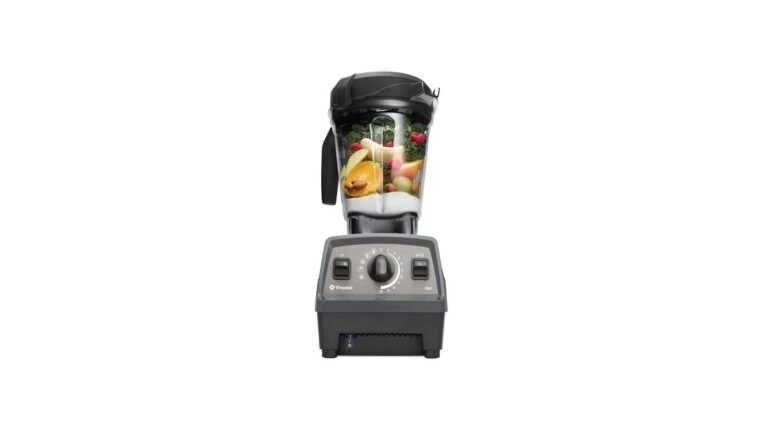
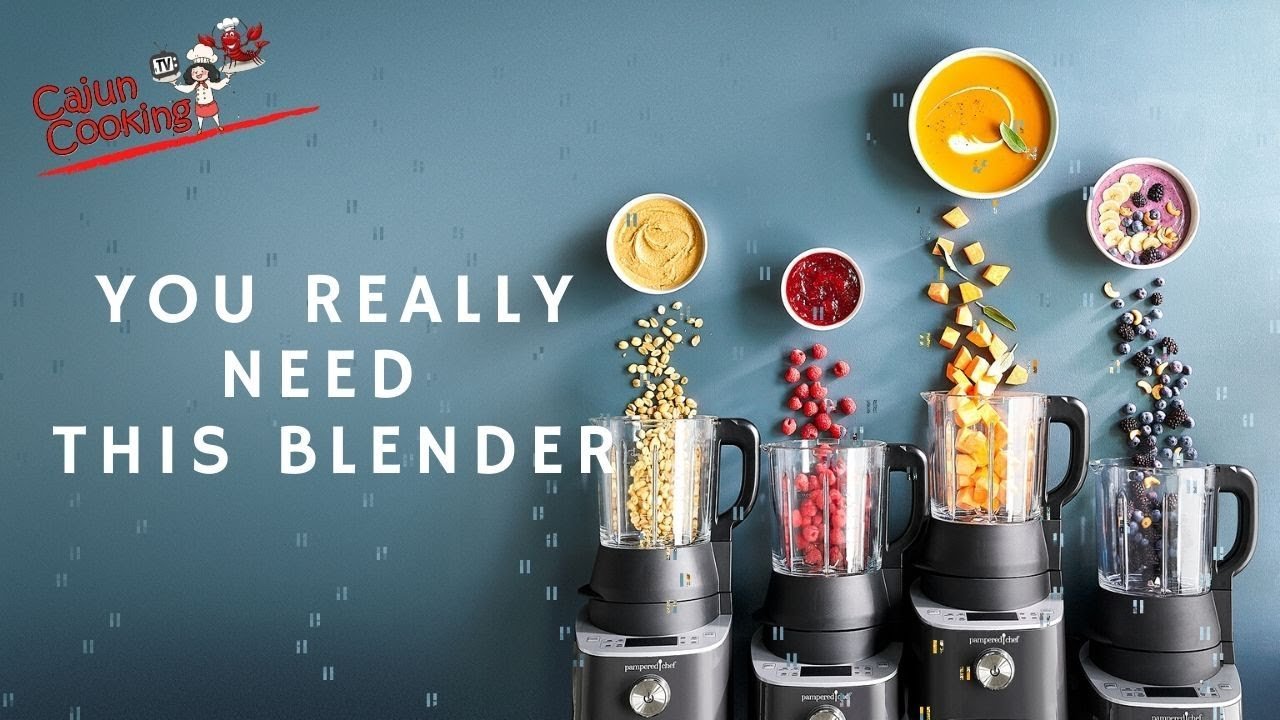
The primary difference is that a vitamix is a high-performance machine built for heavy daily use, while comparing the pampered chef blender to a vitamix shows it’s a multi-function tool designed for both blending and cooking. A Vitamix typically reaches higher motor speeds to pulverize tough fibers, whereas the Pampered Chef Deluxe Cooking Blender uses a heating element to cook soups and sauces inside the jar.
Your choice depends on whether you prioritize raw blending power or the ability to heat ingredients while you blend. The Vitamix is generally better for professional-grade smoothies and nut butters, while the Pampered Chef model excels at convenience for home cooks making hot meals.
Choosing between a Pampered Chef blender and Vitamix
This page serves the home cook who is deciding between a dedicated high-speed blender and a cooking blender. You might be a person who makes daily green smoothies, or you might be someone who wants to simplify making hot soups and jams.
If you already own a stove and a basic food processor, you’re likely looking for a machine that can handle harder tasks. If you rarely cook from scratch, this page will help you avoid buying features you won’t use.
We assume you have a standard kitchen outlet with 120-volt power. If you’re looking for a commercial-grade tool for a small cafe or a catering business, you should look for professional-grade equipment instead. We focus here on typical household use, where you make meals for a family of four or fewer.
If you’re someone who needs to crush ice every single day for professional-style drinks, the Vitamix is the standard choice. If you want to dump raw ingredients into a jar and have a hot meal ready in 30 minutes, the Pampered Chef model is the one you need.
Factors that change the blending result
The motor power is the first thing that matters. Vitamix motors often run at higher peak horsepower, which allows them to break down seeds, kale, and ice into a smooth liquid faster than most other blenders. You can check the wattage rating on the base of any blender to see how much power it draws. A higher wattage usually means it can handle denser loads without stalling.
Jar material and design also change how ingredients move. The Vitamix uses a tapered container that forces food down toward the blades. The Pampered Chef blender uses a wider jar designed to allow heat to circulate evenly. If you try to blend a thick nut butter in a jar not designed for it, the motor may overheat. Always check the manufacturer manual for the maximum capacity of thick versus thin liquids.
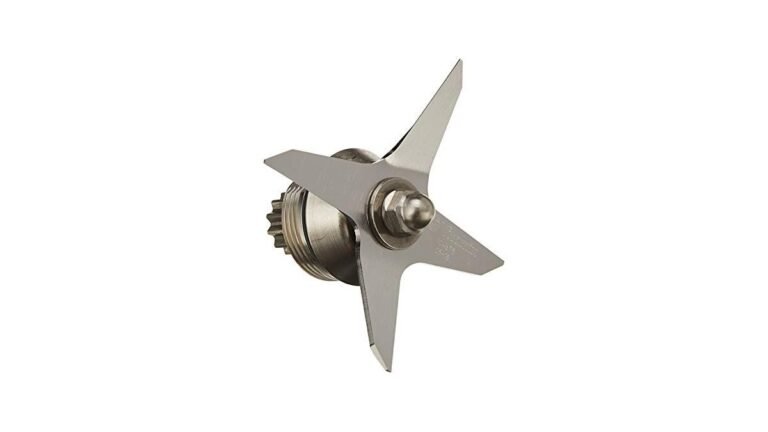
Blade design is another key difference. Vitamix uses hardened stainless steel blades that are dull by design, relying on speed to cut. The Pampered Chef blender also uses stainless steel, but it’s optimized to work with the heating element. If you use a blender for hot liquids, you must ensure the lid is vented. People often make the mistake of overfilling a hot jar, which causes pressure to build up and can pop the lid off.
How to compare blending performance
- Check the motor base for the total wattage, as a 1,200-watt motor handles tough tasks better than a 600-watt one.
- Look at the jar shape; if it’s narrow at the bottom, it’s likely built for high-speed pulverizing.
- Determine if you need a heating element by counting how often you make hot soup or heated sauces.
- Read the weight of the jar; a heavier glass or thick plastic jar is usually more stable during high-speed operation.
- Test the pulse function to see how much control you have over the texture of your food.
- Review the warranty length, as this reflects how long the company expects the motor to last under heavy use.
The final judgement call is the texture you prefer. A Vitamix creates a silky, uniform texture even with difficult ingredients like frozen fruit or fibrous stalks. The Pampered Chef blender produces a great texture for soups and smoothies, but it might leave small bits behind if you’re blending very tough greens. If you want the smoothest result possible, pick the Vitamix. If you value the time saved by having the machine heat your food, pick the cooking blender.
Blending feature comparison at a glance
| Situation | Best Choice | Primary Benefit | Watch For |
|---|---|---|---|
| Daily smoothies | Vitamix | Texture quality | Motor noise |
| Hot soups | Pampered Chef | Saves stove time | Jar cleaning |
| Nut butters | Vitamix | Power and speed | Overheating base |
| Large families | Both | Batch size | Counter space |
| Easy cleaning | Pampered Chef | Heated cycles | Sticky residues |
If you prioritize a silky, professional-grade texture for green smoothies, choose the Vitamix. Its high-torque motor pulverizes fibrous kale and frozen berries in under forty seconds. However, expect significant decibel levels that can disrupt a quiet morning kitchen.
For those who view blending as a shortcut to dinner, the Pampered Chef excels by cooking ingredients simultaneously. It eliminates the need for a separate stovetop pot, saving you twenty minutes of active prep time. Just be aware that the internal heating element requires a thorough soak to prevent stubborn food buildup.
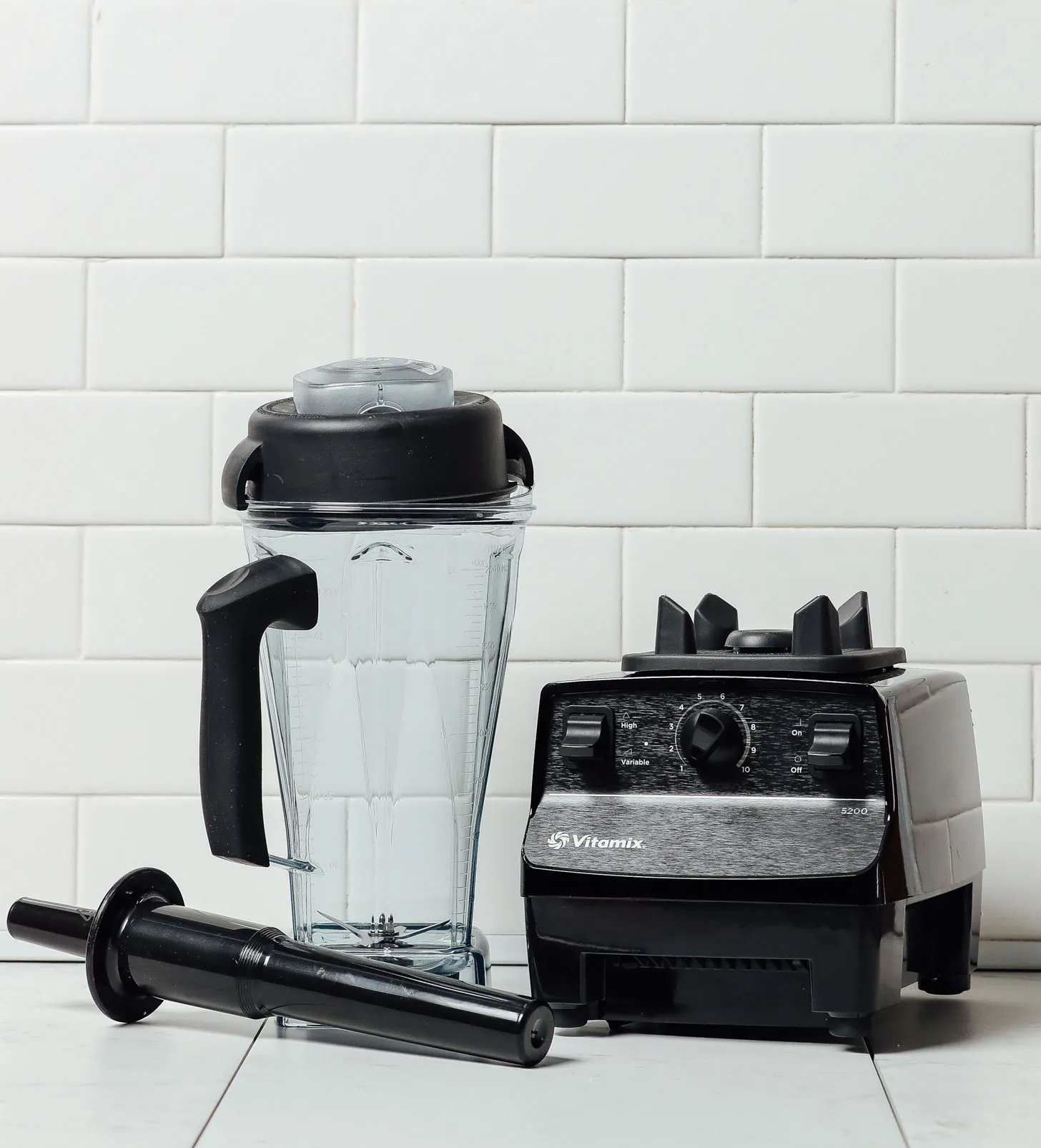
If your primary goal is making dense nut butters, the Vitamix remains the superior tool. Its blade geometry creates a vortex that pulls solids downward, preventing the motor from stalling under heavy loads. Watch the base carefully; if the appliance feels hot to the touch after three minutes of continuous operation, stop immediately to avoid thermal cutoff.
When choosing between these units, consider your available counter space. The Vitamix usually stands taller, potentially clashing with low-hanging cabinets. If you have less than eighteen inches of clearance, measure your height requirements before purchasing. A common mistake is ignoring the footprint; both units require a dedicated, stable power outlet to prevent voltage drops during high-speed cycles.
What separates a professional result
The importance of ingredient order
Experienced users always add liquids first. This creates a vortex that pulls solid ingredients down into the blades. Beginners often toss in frozen fruit or ice first, which causes the blades to spin in empty air. If you hear the motor pitch change or get higher, the blades are likely cavitating. Stop the machine, add a half-cup of liquid, and restart to fix the flow.
Managing the heat and safety
Safety is the most important detail when blending hot liquids. Always ensure the lid is locked in place and the vent cap is open or removed to let steam escape. Never exceed the “max fill” line for hot liquids, as the expansion of steam can force liquid out of the top. A good result is a smooth, hot soup; a poor result is a kitchen covered in hot liquid because the vent was blocked.
Common blender issues and fixes
| What you notice | What it usually means | What to do first | How to stop it |
|---|---|---|---|
| Burning smell | Motor overheating | Turn off immediately | Blend smaller batches |
| Leaking jar base | Seal is worn | Inspect rubber gasket | Hand wash jars |
| Loud rattling | Loose base screw | Tighten jar assembly | Check for debris |
| Food not moving | Air pocket formed | Add more liquid | Use the tamper |
| Dull blade edges | Normal wear | Check manufacturer site | Avoid hard pits |
Leaking at the base often stems from the dishwasher. High-heat cycles warp the rubber gasket, preventing a flush seal. If you see liquid pooling on the base, replace the gasket before the moisture reaches the motor housing.
Rattling usually indicates a loose blade assembly. Check the bottom nut before every use; if it wiggles, the vibration will eventually strip the drive socket.
When food stalls, you likely have an air bubble near the blades. If the contents are thick, stop the machine and scrape the sides toward the center. Adding liquid is a quick fix, but it dilutes flavor.
Dull blades are rarely sharp to the touch. If your smoothies turn chunky rather than creamy, the edges have likely rounded. Never attempt to sharpen them with a stone. This ruins the factory angle and creates uneven drag, which will destroy your motor’s bearings within weeks. When in doubt, replace the entire blade assembly.
Rules for safe blender operation
The Consumer Product Safety Commission provides guidelines for using small kitchen appliances to prevent electrical fires and injuries. You should always plug your blender directly into a wall outlet rather than using an extension cord, as the high current draw can melt cheap cords. If the power cord looks frayed or the plug feels loose in the outlet, stop using the machine immediately.
If you notice the blender motor smoking, unplug it and don’t attempt to open the housing. A capacitor inside the motor base can hold a lethal electrical charge even when the unit is unplugged. This is a job for a professional technician.
Never try to sharpen the blades yourself, as you’ll ruin the balance of the assembly and likely cause the motor to fail. Check the warranty documentation for your specific model to see if you’re eligible for a replacement or a factory repair.
What it costs you to choose
The cost of a blender includes the purchase price and the effort required to maintain it. Vitamix models often have a higher upfront cost, though the Pampered Chef cooking blender is more budget-friendly by comparison. If you buy a cheaper machine and it fails quickly, your cost per year is higher than buying a durable machine that lasts for many years.
Calculate your true cost by dividing the total price by the expected years of service. If you blend daily, a premium machine lasting many years costs less annually than a bargain model that burns out quickly. Most buyers ignore the replacement frequency, assuming all appliances share a similar lifespan.
You also pay in counter space. These machines are heavy and take up significant room. Before you buy, measure your cabinet height to ensure the blender fits underneath. If you have to move the blender into a pantry every time you use it, you’ll likely use it less often.
If your clearance is under 18 inches, look for low-profile containers. A blender hidden in a dark cabinet is a blender that collects dust. Finally, weigh the time saved by self-cleaning cycles against the manual scrubbing required by cheaper models. If you hate cleaning, a machine that rinses itself is worth the modest price difference.
Maintaining your blender for longevity
After each use, clean the jar immediately to prevent food from drying on the blades. Most modern blenders have a self-clean setting where you add warm water and a drop of dish soap, then run the motor on high for 60 seconds. If you have a cooking blender, check the bottom of the jar for any scorched food after making soup. You can remove stubborn spots with a soft sponge and vinegar.
Never submerge the motor base in water. Wipe the base with a damp cloth if it gets dirty, but keep the electrical components dry. If the jar seal starts to leak, check the manufacturer website for a replacement gasket. Replacing a small gasket is much cheaper than replacing the entire jar or motor base.
If the blender begins to sound louder than usual or vibrates excessively, check that the drive socket isn’t worn down. A rounded or stripped socket fails to engage the blades properly, which forces the motor to work harder. If the teeth look rounded or stripped, replace the socket immediately to avoid slipping.
Always wait for the blades to stop spinning completely before removing the jar. Pulling the pitcher off while the motor is still coasting strips the gears over time. If you notice a faint burning smell, stop the machine and check if the jar is seated correctly. A misaligned jar puts uneven pressure on the drive coupling, eventually cracking the plastic housing beyond repair.
When to choose a different approach
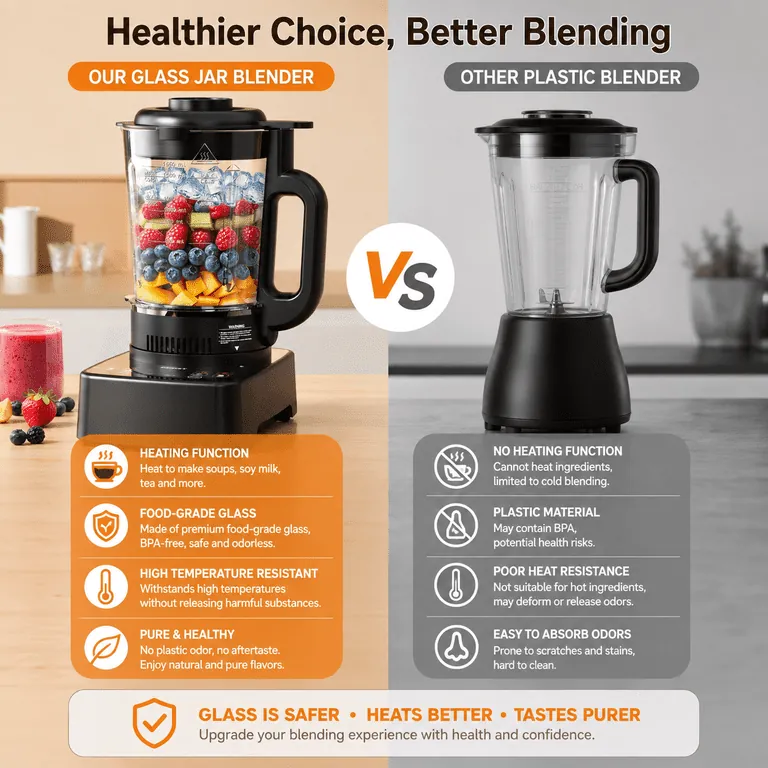
If you only make soft dressings or occasional fruit smoothies, a full-size high-performance blender is the wrong choice. These machines are loud, large, and expensive for light tasks. You should look at a personal-sized bullet blender instead, which is easier to clean and takes up very little space.
If you’re a professional chef needing to process large volumes of food for an event, these consumer blenders aren’t built for that level of stress. You need a commercial-grade machine with a cooling fan designed for back-to-back usage. Attempting to use a consumer blender for professional volume will void the warranty and lead to motor failure within a few months.
Check your recipe frequency before you buy. If you blend frequently, the convenience of a larger jar outweighs the footprint. If you blend less, the hassle of cleaning a large pitcher will eventually cause you to stop using the machine entirely; consult your owner’s manual for recommended maintenance based on your specific usage.
Watch for the motor’s peak horsepower rating. Anything above two horsepower is overkill for soft ingredients and creates unnecessary noise. If you’re crushing ice or grinding grains daily, stick to the higher rating. For everything else, a lower-wattage motor runs cooler and lasts longer.
Frequently asked questions
How long does a high-performance blender last?
A high-performance blender typically lasts 7 to 10 years with daily use in a home kitchen. You can extend this life by keeping the motor base clean and avoiding constant overloading with frozen ingredients. Check your specific manufacturer warranty for the exact expected lifespan and coverage terms.
Is it safe to blend hot soup in any blender?
It’s only safe to blend hot soup in a blender designed for heat, which includes a vented lid. Standard blenders aren’t designed to handle the pressure of expanding steam and can explode if the lid isn’t properly vented. Always check your manual for the maximum temperature rating.
What happens if I overload the blender motor?
The motor will likely trigger an automatic thermal shut-off to prevent permanent damage to the internal wiring. If your blender stops working suddenly during a heavy cycle, unplug it and let it sit for 30 to 60 minutes to cool down before trying to run it again.
Does the blade shape matter for smoothies?
The blade shape determines how effectively the machine creates a vortex to pull ingredients into the cutting zone. A Vitamix uses a specific laser-cut stainless steel blade that works with the container shape to create a smooth, consistent texture. Other blenders may require more liquid to achieve the same result.
How much power do I need for nut butter?
You need at least 1,000 watts of power to handle the dense load of making nut butter without burning out the motor. If you try this with a lower-wattage blender, the motor will struggle and likely overheat within seconds. Always use the tamper tool provided to push ingredients into the blades.
Is a cooking blender worth the extra cost?
A cooking blender is worth the cost if you want to combine the steps of cooking and blending into one machine. This saves time and dirty dishes if you frequently make hot soups, hot sauces, or jams. If you only make cold drinks, the extra heating features won’t add value.
Conclusion
Start by assessing how often you prepare hot meals versus cold beverages. If you want a machine that can do both, the cooking blender will save you significant time in the kitchen. If you find the machine makes a burning smell during your first few uses, stop and reduce the amount of frozen food you’re adding to the jar.