How Does The Vitamix Blending Cup Work: A Simple Guide
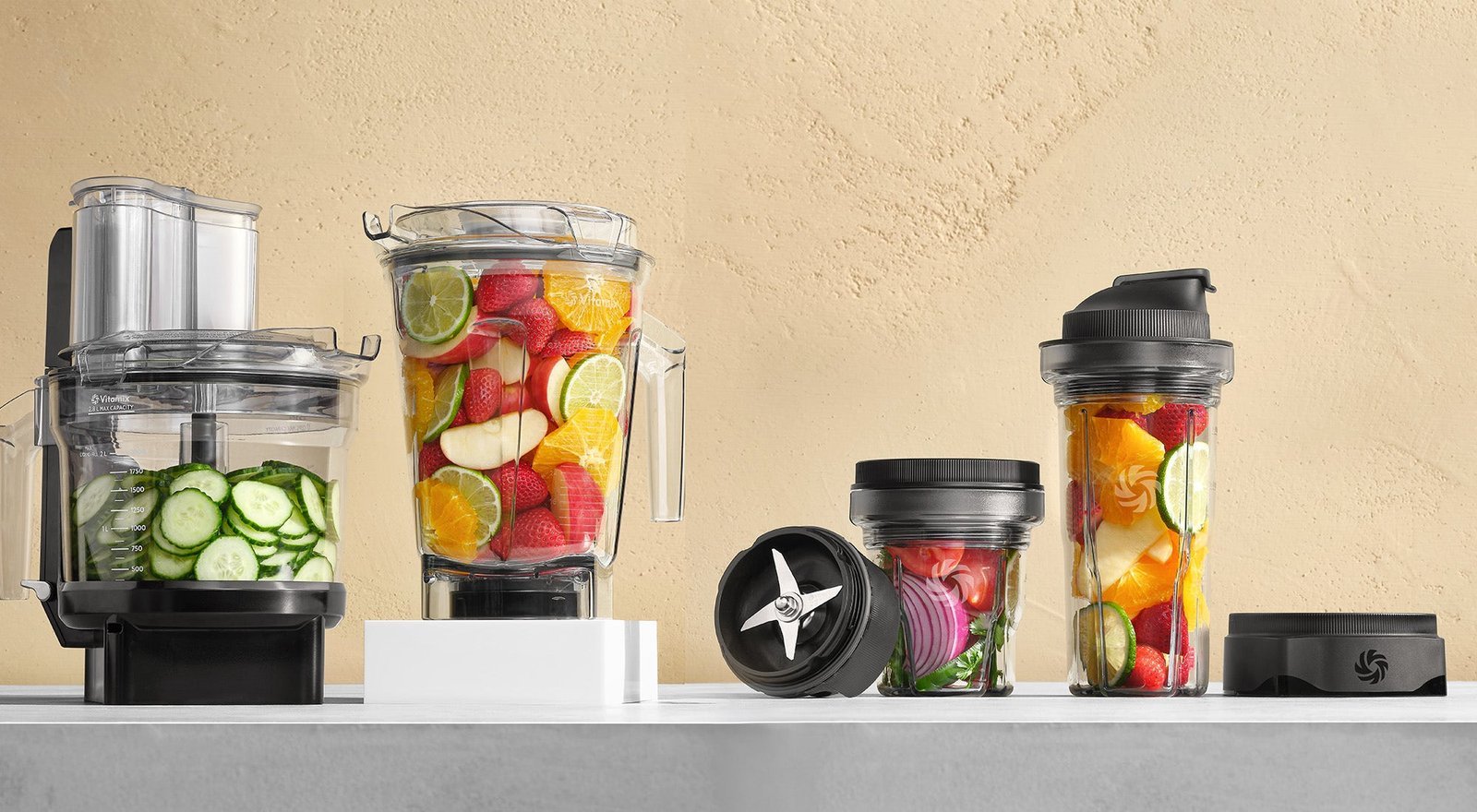
The way a vitamix blending cup works is by attaching directly to the blender base, allowing the machine’s blades to process ingredients inside the container for a single serving. It uses a specialized blade base that screws onto the cup, which then locks into the motor base to create a high-speed vortex that pulls food down into the blades.
Your specific experience depends on the blender model you own and the compatibility of the cup system. Not all cups fit every model, so you must verify your base type to ensure the threads align before you start.
Who should use the Vitamix blending cup
This accessory serves owners of Vitamix Ascent or Venturist series blenders who want to make smaller portions without using the large standard container. It’s ideal for someone who makes single-serve smoothies, salad dressings, or small batches of baby food and doesn’t want to clean a massive jug afterward. If you own a legacy model like the 5200 or 6300, this product isn’t for you, as those machines aren’t designed to connect with these specific blending cups.
This page assumes you have a compatible machine and the correct adapter base. If you’re unsure, check the official Vitamix website to see if your model number is listed as compatible with their self-detect blending cup system. This guide is for people who want to understand the mechanics of the cup to improve their blending results. It isn’t for people who need help with blender motor repairs or electronic troubleshooting.
Factors that change your results
The primary factor is the amount of liquid you add to the cup. If you don’t add enough liquid, the ingredients will sit above the blades and cause an air pocket, which prevents the vortex from forming. You can check your liquid levels by looking at the fill line markings on the side of the cup; always ensure your total volume stays below the maximum fill line.
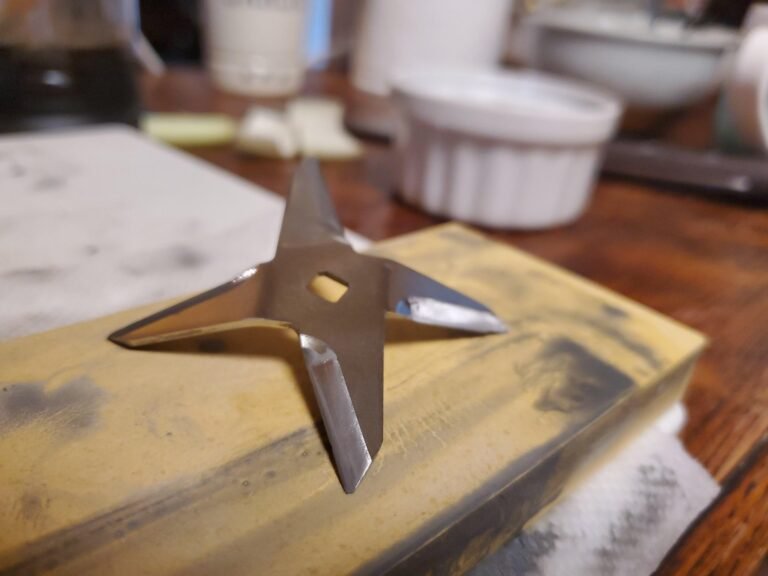
Blade sharpness and condition also matter significantly. Over time, blades can become dull if they’re used to process ice or frozen fruit exclusively without enough liquid. If you notice the blender is struggling to pull ingredients down, your blades may need inspection. You can check the blade assembly by spinning the gears on the bottom; they should rotate smoothly without any grinding noise or resistance.
The type of ingredients you use affects the blending speed. Hard items like frozen berries or nuts require more power and a longer blend time compared to soft items like yogurt or bananas.
User error is most common when people overfill the cup. If the ingredients are packed too tightly, the blades can’t create the necessary circulation. You should leave at least 1 inch of space at the top of the cup to allow ingredients to move freely during the blending process.
How to use the cup
- Add your liquids first, such as water, milk, or juice, to ensure the blades can start moving freely.
- Add soft ingredients like yogurt, nut butter, or protein powder next.
- Place your frozen or solid ingredients like ice, frozen fruit, or nuts on top.
- Screw the blade base onto the cup until it’s hand-tight; don’t use tools to tighten it.
- Turn the cup upside down and align the arrows on the blade base with the icons on the blender motor base.
- Press down until the cup clicks into place, which signals that the self-detect technology has recognized the container.
- Start the blender on the lowest speed and quickly increase to the highest speed for 30 to 45 seconds.
- Turn the speed dial back to zero and wait for the blades to stop completely before removing the cup.
The secret to a perfect texture is the speed transition. If you start on high speed immediately, you risk creating air bubbles that stop the blending action; always start low and ramp up.
Blending cup options
| Situation | Action | Effort | Watch For |
|---|---|---|---|
| Making a smoothie | Start low, go high | Low | Air pockets |
| Chopping nuts | Use pulse setting | Medium | Over-processing |
| Thick dressings | Add extra oil | Low | Blade stalling |
| Grinding coffee | Dry ingredients only | Medium | Blade wear |
| Crushing ice | Add water/liquid | High | Motor strain |
When blending frozen fruit, air pockets often form around the blades. If the motor whirs without moving the contents, stop immediately and use a tamper or a long spatula to push the ingredients down. Relying on the motor to force the blend usually results in a burnt smell, which indicates internal damage.
For nuts, limit your pulse to one-second bursts. Five seconds of continuous blending turns almonds into butter rather than a coarse crumble. If you need a consistent texture for baking, pulse three times, shake the cup, and repeat.
Thick dressings require a steady flow to prevent blade stalling. If the mixture stops moving, add one tablespoon of oil or water at a time. Don’t exceed four tablespoons, or you’ll lose the desired emulsion.
Coffee beans are abrasive. Limit grinding to 30-second intervals to prevent the blades from dulling prematurely. If you notice the plastic interior of the cup becoming cloudy or scratched, switch to a dedicated metal burr grinder.
Ice is the most common cause of motor failure. Always maintain a ratio of one part liquid to two parts ice. If the blades jam, add more liquid before attempting another cycle. Never force the motor through a solid block of ice.
Performance and quality details
Achieving the right texture
Experienced users know that the order of ingredients is the key to a smooth result. By placing liquids at the bottom, you create a base for the vortex to form immediately when the motor starts. If you put heavy frozen items at the bottom, they will block the blades and force the machine to work harder than necessary. Always check that the gasket inside the blade base is clean and flat, as a loose gasket can lead to leaks.
Maintaining the blade base
The blade base is a sealed unit that you should never try to take apart or submerge in water for long periods. Instead, rinse the blades under warm water immediately after use to prevent residue from drying and hardening around the seal. If you notice a faint burning smell, stop the machine immediately; this often means the blades are blocked or the motor is being pushed past its capacity.
Common blending issues
| What you notice | What it means | What it costs | What to do first | How to stop it |
|---|---|---|---|---|
| Leaking liquid | Loose blade base | Motor corrosion | Tighten the base | Check gasket |
| Motor stalling | Overfilled cup | Blown fuse | Remove ingredients | Add more liquid |
| Burning smell | Blocked blades | Ruined motor | Stop motor | Use more liquid |
| Clumpy texture | Low speed | Poor extraction | Increase speed | Blend longer |
| Clicking sound | Misalignment | Stripped gears | Re-seat cup | Check base lock |
If your blender leaks, inspect the rubber gasket for hair-line cracks. Replace it immediately to prevent liquid from entering the motor housing.
When the motor stalls, you have likely ignored the “Max Fill” line. If your ingredients aren’t moving, stop the machine. Adding a half-cup of water or broth usually restores the flow.
If you smell burning, stop the motor before the thermal fuse trips. This often happens because frozen solids are jammed against the blades. Use a tamper to push ingredients down while the motor is off. If you don’t have a tamper, add more liquid to lubricate the blades.
Clumpy textures occur when the speed is too low to create a vacuum. If you’re blending fibrous greens, start at the lowest setting and ramp up to maximum over ten seconds. If the mixture remains uneven, stop and scrape the sides with a silicone spatula.
Safety and usage rules
The Vitamix blending cup system uses self-detect technology, which is a safety feature that prevents the motor from running if the cup isn’t properly locked. According to the Vitamix user manual, you must never force the cup into the base if it doesn’t click easily. If the base doesn’t recognize the cup, remove it and check for any debris on the motor base sensors.
If you’re blending hot liquids, you must follow the safety limits for pressure. Never blend hot ingredients in the personal blending cup, as the buildup of steam can cause the cup to burst or the base to pop off.
Use only the large, vented containers for hot liquids. If you have questions about specific temperature limits, check the safety section of your blender’s manual. Any repair or electrical work on the motor base should only be performed by authorized service centers.
Real costs of use
The cost of using the blending cup is mostly limited to the price of the accessory itself and the energy used during the cycle. Because these cups are smaller, they require less electricity per blend than a full-sized container, usually running for less than 1 minute per cycle.
The biggest cost comes from improper use, such as overfilling. When ingredients exceed the max fill line, the motor experiences increased torque resistance, which leads to premature wear on the blade bearings. If you hear a grinding noise or see dark fluid leaking from the base, the seal has already failed. Replacing a blade base costs roughly 40% of a new container, making it a significant maintenance expense if you ignore the fill limits.
You should compare the cost of replacement blade bases versus the cost of a full container replacement. If the bearings in your blade base become noisy or start to leak, you must replace the entire unit immediately. Continuing to run a compromised blade will eventually damage the drive socket on the motor base itself. That repair costs five times more than a simple blade replacement.
Check the official Vitamix support page to find the current market price for your specific model’s replacement parts. Treat the blade base as a consumable part rather than a permanent fixture of the machine.
Keeping the system clean
After you finish blending, clean the cup by adding a single drop of dish soap and warm water, then running it on the highest speed for 30 seconds. This method removes most residue without requiring you to touch the sharp blades. If you see stubborn buildup around the blade base threads, use a soft toothbrush to gently scrub the area.
Never put the blade base in the dishwasher. The high heat degrades the internal bearings and causes the rubber gasket to lose its seal, leading to permanent leaks. If you notice a burnt smell or dark fluid leaking from the bottom, the bearings have already failed and the unit requires replacement.
The plastic cup itself is often dishwasher safe, but you must check the bottom for the symbol before proceeding. If the cup develops a cloudy appearance, it’s usually a mineral deposit from your water. You can dissolve these deposits by soaking the cup in a mixture of one part white vinegar to three parts water for one hour.
If you blend fibrous ingredients like kale or ginger, rinse the cup immediately. Letting these residues dry creates a film that requires a deep scrub. If you can still feel a sticky texture after the soap cycle, the blades are likely dull. Replace the blade assembly based on your frequency of use and the guidelines in your owner’s manual to ensure consistent performance and prevent motor strain.
When to use a different container

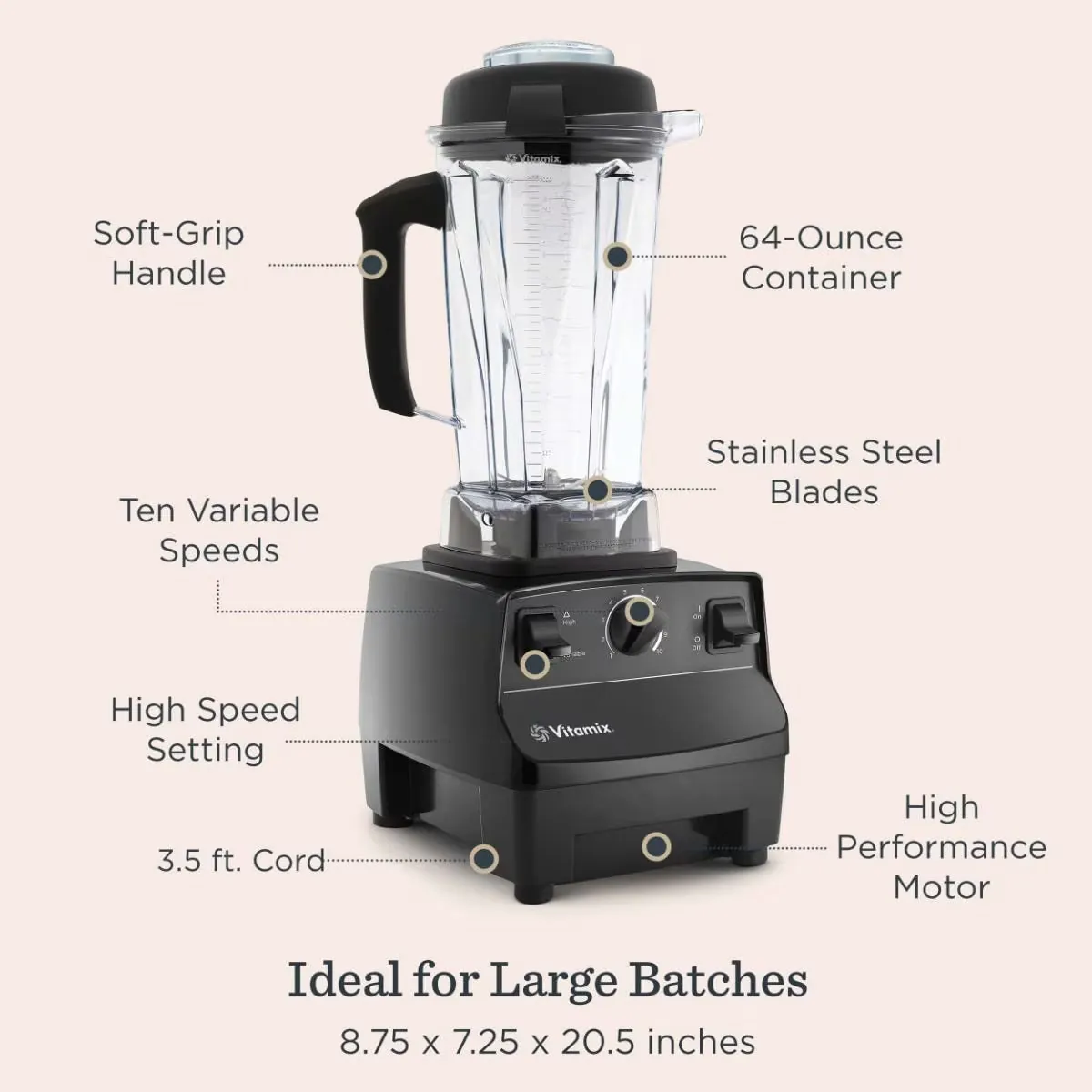
If you’re preparing a large batch of soup or a multi-serving green smoothie, the personal blending cup is the wrong choice. The volume of these cups is limited to 20 ounces, and filling them to the brim will prevent proper circulation. For larger volumes, switch to the standard 64-ounce container that came with your blender.
If your ingredients include very hard, dry items like heavy grains or large coffee beans, the personal cup may not be able to achieve the fine texture you want. In these cases, a standard container with a wider blade radius is more effective. The wider base creates a stronger vortex, pulling dense materials down into the blades rather than letting them hover above the reach of the motor.
If you’re ever unsure about the capacity of your cup, consult the fill lines marked on the side. Exceeding these lines is the most common way to cause a mess or damage the internal seal. If you see liquid leaking from the base during a cycle, you have likely overfilled the vessel or failed to tighten the blade assembly completely.
This extra headspace is necessary for the ingredients to tumble and fold, ensuring a consistent texture without burning out your motor.
Frequently asked questions
Can I blend ice in the vitamix blending cup?
Yes, you can blend ice, but you must include enough liquid to ensure the blades can circulate the ice properly. Always start on the lowest speed and increase to high, and never fill the cup more than halfway with ice to avoid stalling the motor.
How long does it take to blend a smoothie?
It typically takes 30 to 45 seconds to create a smooth texture when using the high speed setting. You should monitor the vortex through the clear plastic; if the ingredients stop moving, stop the machine, stir the mixture, and add a small amount of extra liquid.
Is it safe to blend hot coffee?
No, it isn’t safe to blend hot liquids in the personal blending cup due to the risk of pressure buildup. Use the personal cup only for cold or room-temperature ingredients, and use the vented, full-sized container for any hot liquids or soups.
Why does my blender stop after a few seconds?
Your blender may stop if the self-detect technology doesn’t sense the cup or if the motor detects an overload. If it stops, check that the cup is fully clicked into the base and ensure your ingredients aren’t packed too tightly around the blades.
Can I put the blade base in the dishwasher?
No, you should never put the blade base in the dishwasher because the heat can destroy the internal seals and bearings. Always hand wash the blade base with warm, soapy water and dry it immediately to keep the metal parts in good condition.
How do I know if my cup is compatible?
You can check if your cup is compatible by looking at the model name on your blender base and comparing it to the compatibility list on the official Vitamix website. Only Ascent and Venturist series blenders are designed to work with the self-detect blending cup system.
What happens if I overfill the cup?
If you overfill the cup, the ingredients will block the vortex and the blades will spin without moving the food, which can cause the motor to overheat. Always ensure your ingredients are at least one inch below the maximum fill line to allow for proper movement during the blend.
Conclusion
Start by checking that your blender model is compatible with the cup system before you attach it to the base. Once locked in, you should expect a smooth, consistent texture in under 60 seconds if the liquid-to-solid ratio is correct. If the machine makes a loud grinding noise or the motor stalls, stop immediately and check for an obstruction or an overfilled container.