Is Vitamix Immersion Blender Dishwasher Safe: The Facts
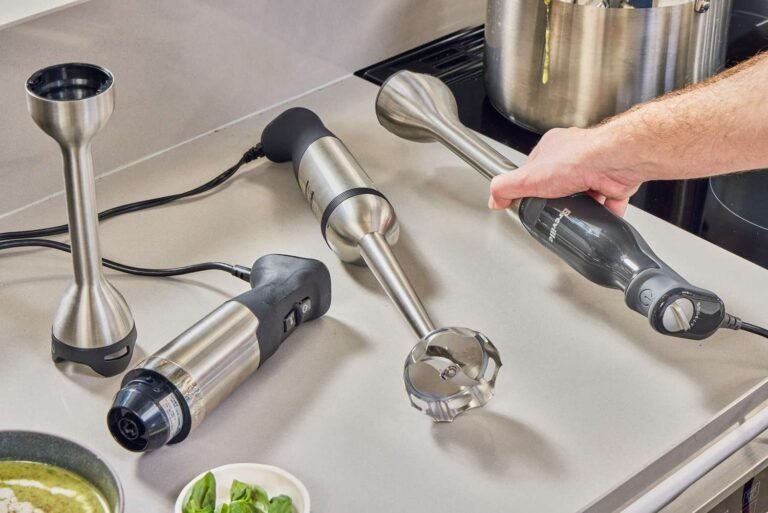
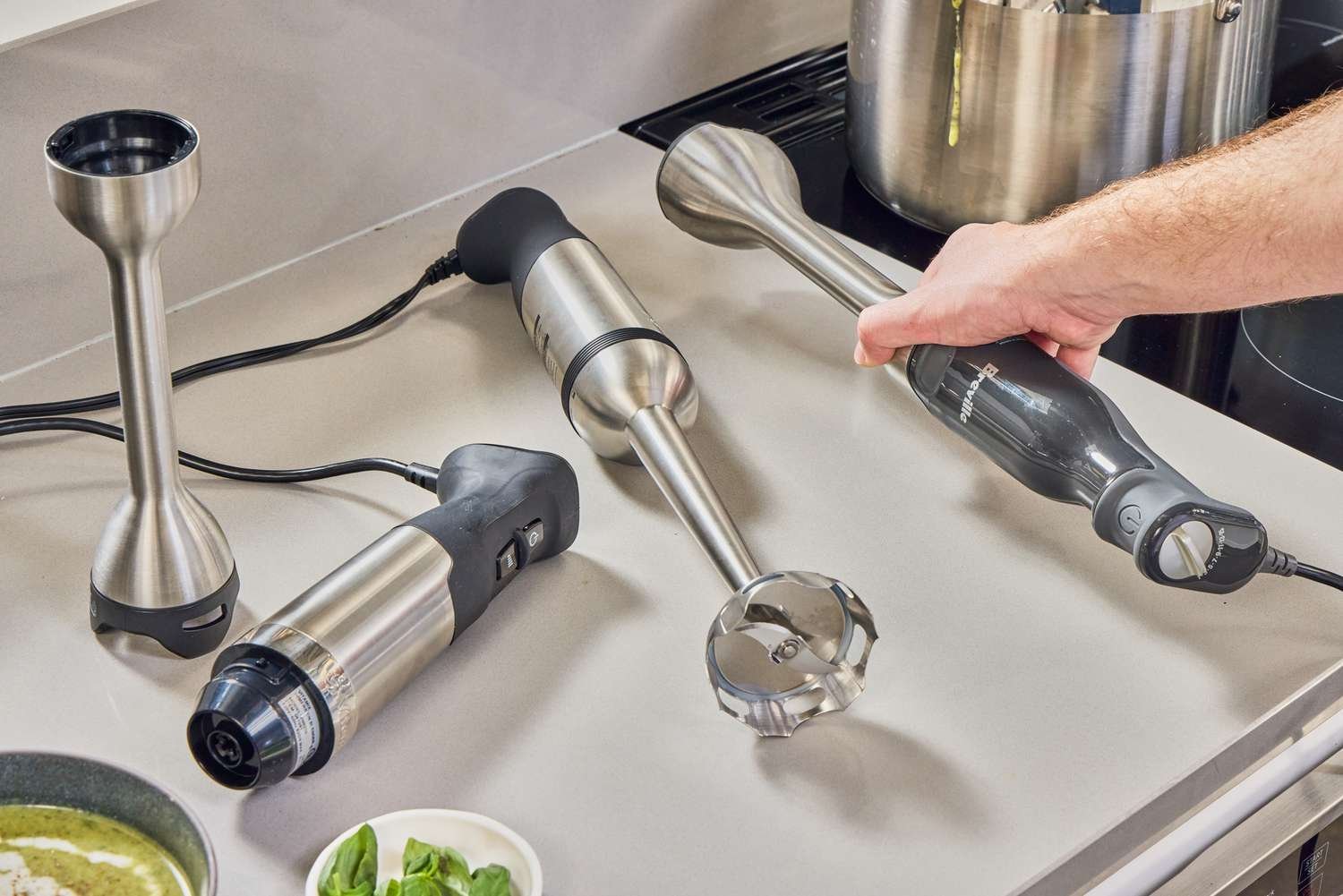
It’s important to understand that a vitamix immersion blender is dishwasher safe only for the detachable blending wand, but the motor body itself is never safe to submerge in water. If you put the motorized handle into a dishwasher, you’ll destroy the internal electrical components and void your manufacturer warranty immediately. Always separate the parts before cleaning to keep the electronic motor safe from moisture and debris.
Vitamix immersion blender dishwasher safety guide
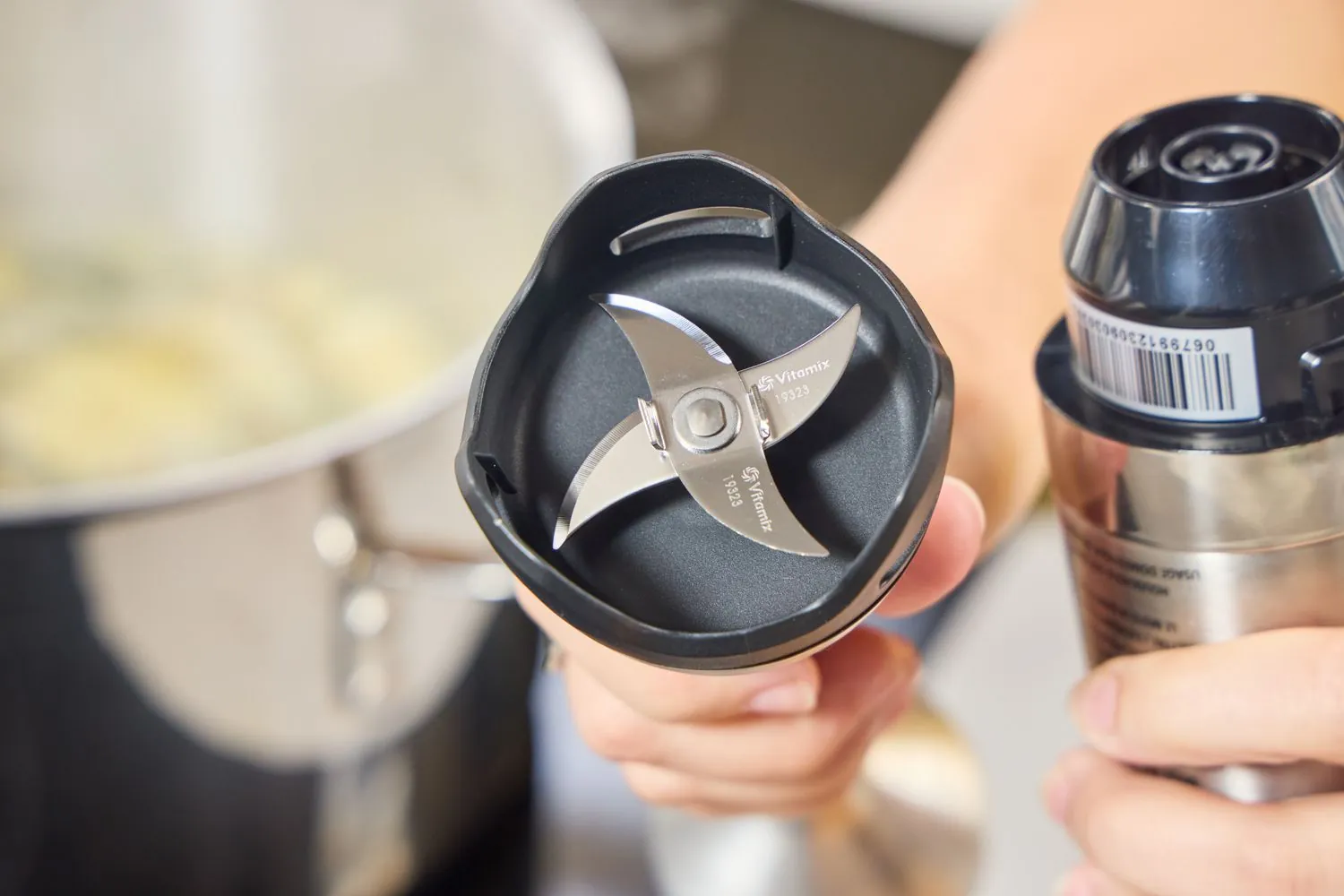
Knowing which parts can go into the dishwasher helps you maintain the tool properly. The following table breaks down the components based on manufacturer guidelines for common immersion blender models.
| Component | Dishwasher Safe? | Why |
|---|---|---|
| Blending Wand | Yes | Stainless steel is heat and water resistant |
| Motor Body | No | Contains sensitive electrical circuits and wiring |
| Power Cord | No | Water causes dangerous short circuits and shocks |
| Whisk Attachment | Yes | Durable materials withstand standard wash cycles |
| Mixing Beaker | Yes | Usually made of BPA-free, heat-resistant plastic |
| Storage Case | No | Often warps or melts at high heat |
Always detach the blade assembly from the wand before loading it into the dishwasher. If the blade remains attached, food particles trap moisture in the seal, which eventually corrodes the internal bearings. You’ll know this is happening if the motor begins to sound strained or emits a faint, metallic grinding noise during operation.
Never submerge the motor body in a sink full of water, even for a quick rinse. If you accidentally drop the housing into liquid, unplug it immediately and stand it upright on a dry towel for at least 48 hours. Don’t attempt to turn it on until the internal components are bone dry.
If you notice the plastic beaker turning cloudy or developing fine cracks, stop using the dishwasher for that piece. This indicates the material has reached its thermal fatigue limit. Switch to hand washing with mild soap and a soft sponge to prevent the plastic from shattering during high-speed blending.
If your model features a rubberized grip, keep it on the top rack of the dishwasher. High heat from the bottom heating element can cause the rubber to become tacky or peel away from the chassis. If the grip feels sticky to the touch, the material is degrading and should be cleaned only with a damp cloth.
Risks of improper cleaning
The main risk of putting the wrong parts in the dishwasher is permanent electrical failure. Because the motor body contains a sealed engine and ventilation ports, water or steam entering the casing will cause rust on the internal bearings and short out the motor. According to the product safety manuals provided by Vitamix, any liquid entering the motor housing is considered consumer damage, which isn’t covered by standard repair policies.
Most users mistakenly believe that a quick rinse or a low-heat cycle mitigates this risk. In reality, the high-pressure spray of a dishwasher forces moisture past the rubber gaskets even during a short cycle. If you see condensation forming behind the control panel or near the base, assume the internal circuitry is already compromised.
The chance of electrical shock is also a significant concern. If moisture remains trapped inside the motor housing after a wash cycle, it can create a path for electricity to reach the exterior casing when you plug the device into a wall outlet.
You should never attempt to dry out a water-damaged motor by leaving it on a radiator or in an oven, as the heat can melt internal plastic gears. If the motor housing becomes submerged, it must be discarded to prevent potential fire or shock hazards.
Furthermore, the high heat of a dishwasher cycle can damage the plastic seals inside the motor body. These seals are designed to keep food particles out of the drive shaft, but they aren’t built to withstand the sustained temperatures found in a heated drying cycle. If these seals degrade, you may notice leaking or strange grinding noises during operation.
If your machine begins to emit a faint ozone smell or the base feels hot to the touch after only a few seconds of use, stop immediately. This indicates that the internal lubricants have been washed away or the motor windings are shorting. Don’t attempt to re-lubricate the unit yourself. Always check the official owner manual for your specific model to see the exact temperature limitations for the plastic components.
Signs to stop using the device
If you notice any of these signs, you must stop using the blender immediately and disconnect it from the power source:
Water droplets or condensation visible inside the clear plastic seams of the motor housing. A burning smell or wisps of smoke coming from the ventilation slots during operation. The device fails to start or runs at an inconsistent, pulsing speed after being near water. Visible rust or brown liquid leaking from the base of the blending shaft where it connects to the motor. The power cord feels warm to the touch or shows cracks in the insulation near the plug.
If you suspect internal water damage, don’t attempt to open the motor housing yourself. Contact a certified service technician or the manufacturer support line for a professional inspection or replacement.
Check the base of the unit for a slight wobble or an uneven rotation speed. If the blades spin at a rhythmic, pulsing tempo rather than a smooth, constant hum, the internal bearings have likely seized. Ignoring this friction causes the motor to draw excess current, which eventually melts the internal wiring insulation.
If the unit vibrates so violently that it shifts across your countertop, stop immediately. This indicates a bent drive coupling or a compromised motor mount. Running the device in this state for more than thirty seconds can strip the plastic gears entirely.
Distinguish between a temporary overload and a permanent failure by checking the reset button. If the device stops after a heavy load, wait ten minutes for the thermal fuse to cool. If the unit still refuses to engage after that time, the internal circuitry is permanently fried. Don’t attempt to bypass the fuse, as this removes the final layer of protection against a fire.
Proper cleaning and maintenance steps
Unplug the blender from the wall outlet before starting any cleaning process to ensure no electricity is flowing through the unit. Even a momentary accidental trigger can cause the blades to rotate while your fingers are near the assembly.
Twist the stainless steel blending wand counter-clockwise to detach it from the motor body, ensuring the two parts are fully separated. If the wand feels stuck, don’t force it with pliers. Instead, run the connection point under warm water for thirty seconds to dissolve any dried food residue acting as a glue.
Place the stainless steel blending wand and any plastic attachments like the whisk or beaker into the top rack of your dishwasher. Keep these items away from the heating element at the bottom of the machine. Intense heat can warp plastic seals and degrade the rubber gaskets that keep your blender watertight.
Run a standard wash cycle, but avoid the “high-heat sanitize” or “heavy duty” modes if the manufacturer manual for your model suggests lower heat. High-heat cycles often exceed 160 degrees Fahrenheit, which can permanently damage the internal gear housing of the blending wand.
Wipe the motor body with a soft, damp cloth using a mild dish soap, ensuring you don’t get water inside the ventilation ports. Liquid intrusion into the motor housing is the primary cause of electrical shorts. If you suspect water has entered the vents, leave the unit unplugged in a dry area for at least 24 hours before attempting to use it again.
Dry the motor body immediately with a clean, lint-free towel and store it in a cool, dry place away from the sink area. Humidity is the silent enemy of internal copper wiring.
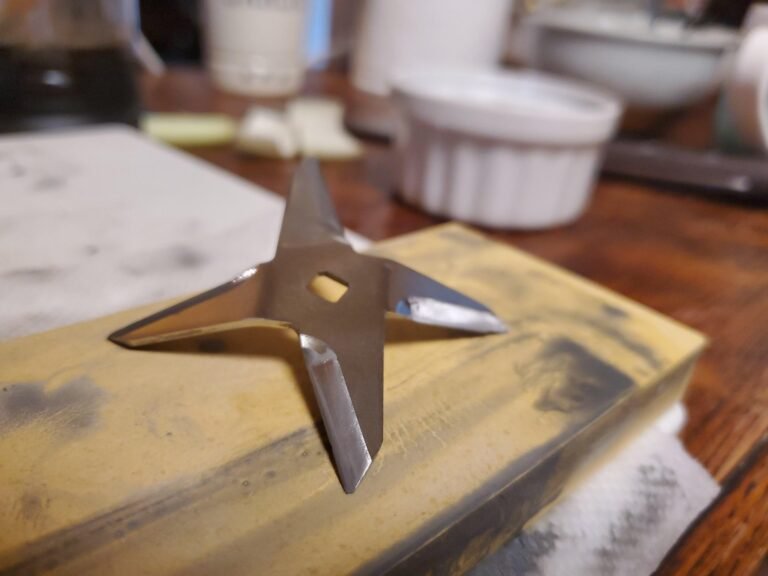
Check the stainless steel blades for any stuck food particles after the dishwasher cycle and rinse them under warm tap water if needed. If you notice a metallic smell or discoloration, soak the wand in a mixture of white vinegar and water for ten minutes to neutralize mineral buildup.
Preventing water damage
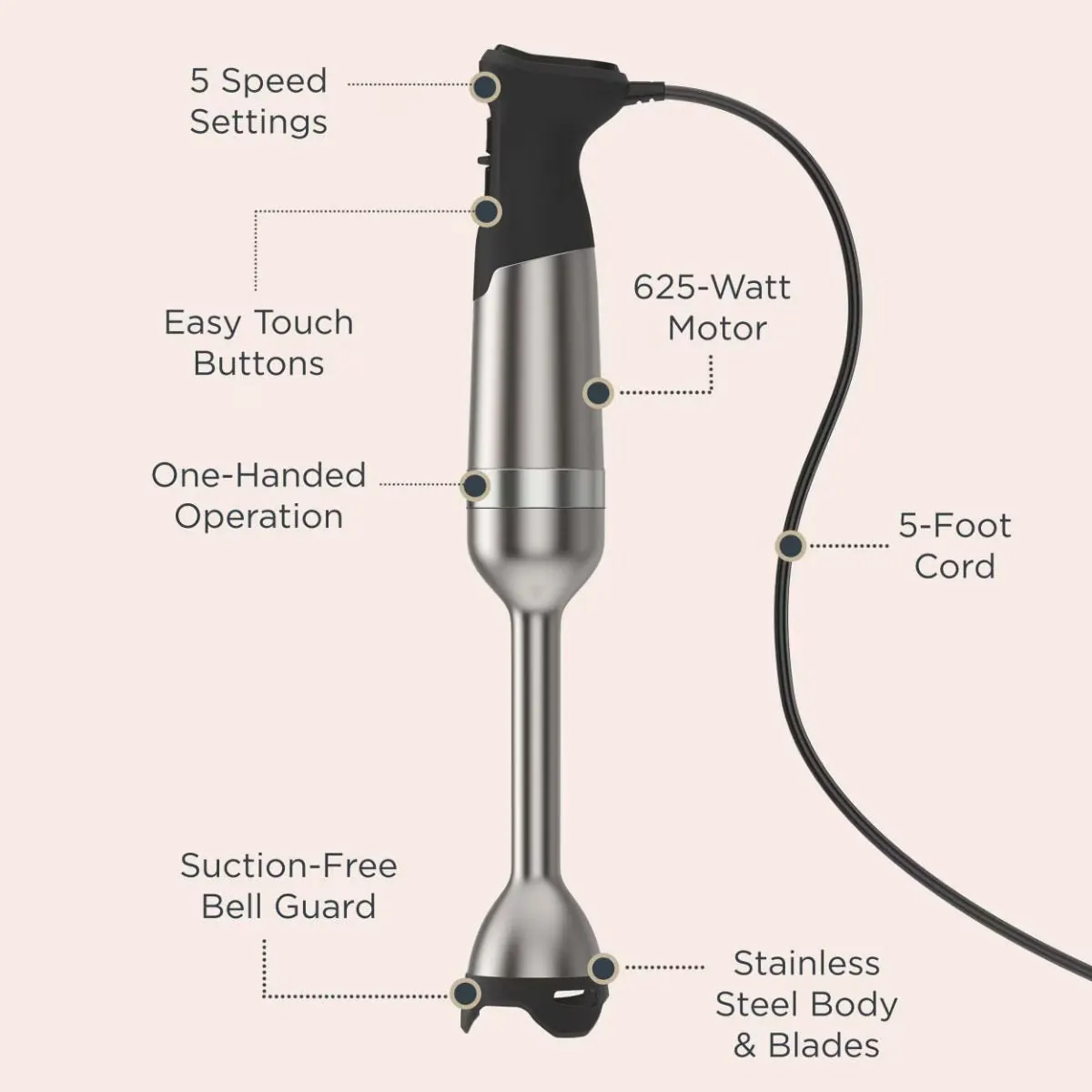
If you have already accidentally submerged your motor body, the most important step is to leave it unplugged and set it aside in a dry area for at least 48 hours. Don’t attempt to turn it on to “see if it works,” as this can create a short circuit that permanently fries the controller board.
If you suspect internal moisture, place the unit near a dehumidifier or in a room with active airflow rather than a sealed closet. Stagnant air traps condensation inside the housing, which leads to slow-forming corrosion on the copper contacts. If the device doesn’t function perfectly after two days of air drying, it’s time to contact the manufacturer.
You should never try to disassemble the motor casing to dry it out, as this will void your warranty and expose you to dangerous electrical components. Most modern casings are sealed with industrial gaskets that lose their integrity once broken. If you see visible water droplets behind the display screen or smell a faint, metallic burning odor, don’t attempt the 48-hour wait. These are signs of an active electrical bridge that will cause catastrophic failure if power is ever reconnected.
In these specific cases, skip the drying phase and contact support immediately. If you’re uncertain about the extent of the damage, shake the unit gently. If you hear a sloshing sound or see water moving behind the seams, the internal seals have been breached. Treat the device as a total loss until a professional technician confirms the integrity of the internal wiring.
Frequently asked questions
Can I submerge the blending wand in a sink full of soapy water?
Yes, you can soak the stainless steel blending wand in soapy water because it doesn’t contain any electrical parts. Ensure the wand is completely dry before you reattach it to the motor body, as trapped water can drip into the drive coupling during your next use. Never submerge the motor end of the wand, even if it looks sealed, as water can seep past the gasket and damage the internal connector.
How do I clean the blades if food is stuck?
You can clean the blades by filling a container with warm water and a drop of dish soap, then running the blender on the lowest speed for 30 seconds. This creates a vortex that cleans the blades without you needing to touch the sharp edges directly. If food remains, use a long-handled bottle brush to gently scrub the area while holding the wand securely away from your fingers.
Is it safe to use a dishwasher tablet for the wand?
Yes, using a standard dishwasher tablet is safe for the stainless steel wand when placed in the top rack. Avoid using abrasive cleaners or steel wool, as these can scratch the finish. If you notice white spots, they’re likely mineral deposits from hard water that can be removed with white vinegar.
What happens if the motor body gets wet?
If the motor body gets wet, you must unplug it immediately and wipe off all external moisture with a dry cloth. Don’t plug it back in until you’re certain the interior is completely dry, which usually takes 48 hours in a well-ventilated room. If you hear crackling or see sparks when you eventually plug it in, the internal electronics are compromised and the device is no longer safe to operate.
How often should I deep clean the wand?
You should deep clean the wand after every use, especially if you’re blending ingredients like raw eggs, meat, or dairy products. These foods can harbor bacteria if left inside the crevice between the blade and the shaft, which is why a thorough rinse or dishwasher cycle is necessary. If you use the blender for simple tasks like smoothies, a quick rinse under hot water is often sufficient for daily maintenance.
Does the dishwasher heat damage the plastic attachments?
Yes, you should place plastic attachments on the top rack to prevent damage from high dishwasher heat. Always check the base of the attachment for a “dishwasher safe” symbol before running a cycle. Note that high-heat settings may still cause warping or discoloration even on rated items.
Conclusion
Taking care of your blender by keeping the motor dry ensures it will last for many years of daily kitchen use.