Is Vitamix A Juicer Or A Blender: The Definitive Answer
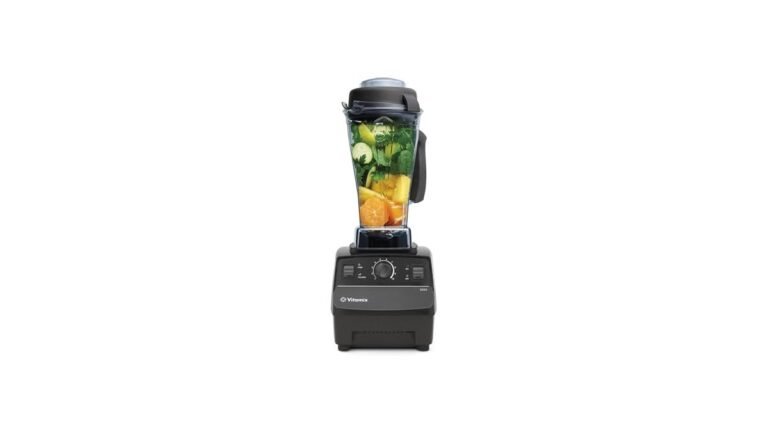
A Vitamix is a high-performance blender, not a juicer. It processes whole fruits and vegetables by pulverizing the entire plant, including the fiber, rather than separating the pulp from the liquid as a centrifugal or masticating juicer does.
This article assumes you own a standard Vitamix blender with a variable speed dial. If you have a model with pre-programmed settings or a different container size, the processing times may shift slightly, but the core function of the machine remains consistent.
Is a Vitamix a juicer or a blender
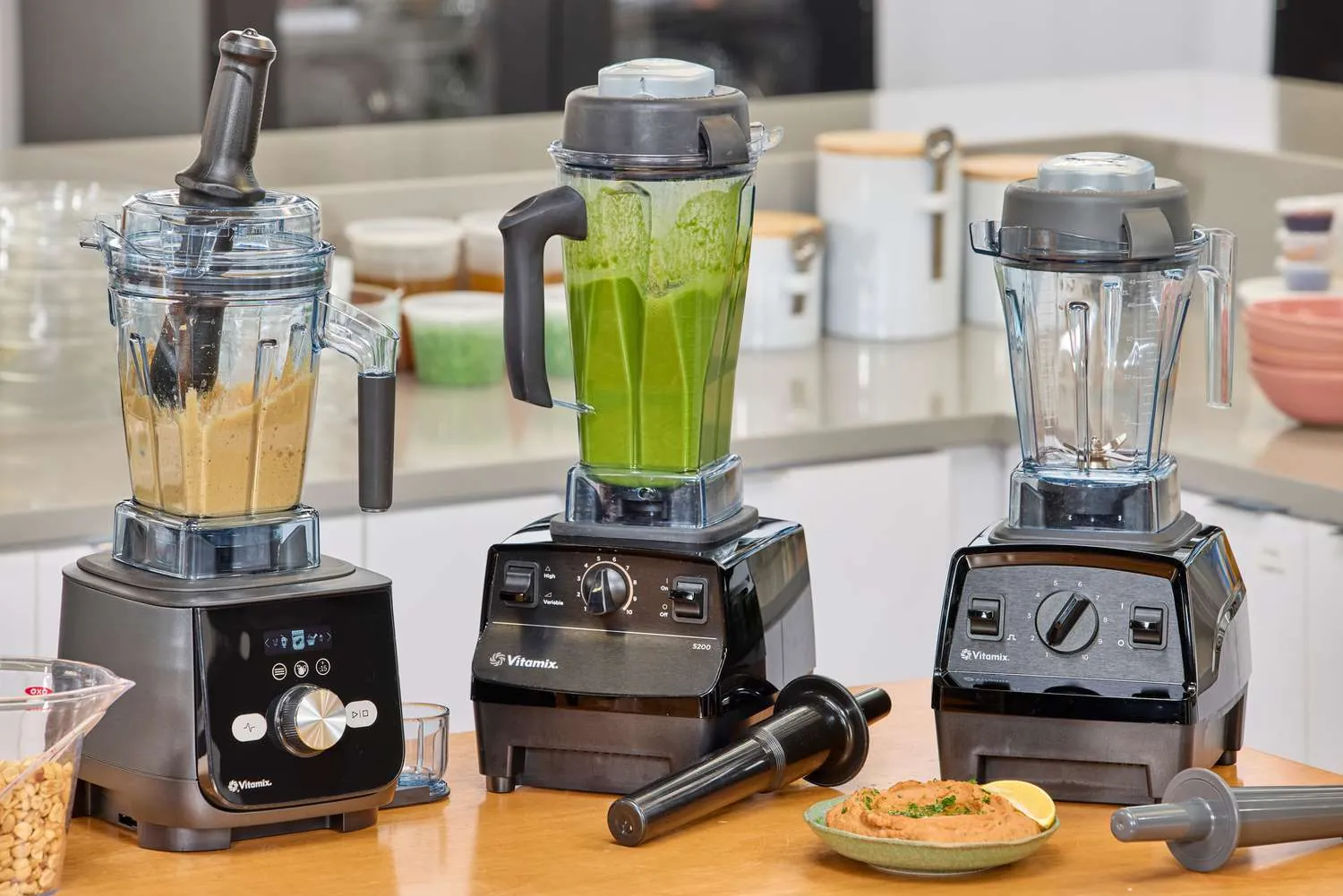
People often search for this comparison because they want to know if they can achieve the same results with one machine. The reader typing this query usually owns a Vitamix and wonders if they need to buy a separate juicer to get “juice,” or they’re shopping for a tool and want to know if the Vitamix can save them the cost of a second appliance.
If you’re looking for a machine that removes all fiber to create a clear, thin liquid, a Vitamix won’t meet your expectations, so this guide focuses on how to use your blender to achieve the best results with whole fruits and vegetables.
What decides the final texture
Three main factors determine whether your blended drink feels like juice or a thick smoothie. The most important factor is the ratio of water to solid produce. If you add more liquid, the consistency becomes thinner and more like a juice.
The speed setting you choose also changes the outcome. A high-speed blend for 45 to 60 seconds is necessary to break down tough fibers like kale stems or carrot skins. If you stop too early, the result will be chunky rather than smooth.
Many users make the mistake of using too little liquid. This forces the blades to struggle and creates a thick puree instead of a drinkable liquid. If your blades cavitate, meaning they spin in a pocket of air, you must stop and add more water.
The freshness of your ingredients is the final variable. Older produce often lacks the water content of fresh harvest, requiring you to add more liquid to reach a drinkable consistency. You can check the moisture level of your produce by squeezing a sample; if it feels dry, adjust your water ratio accordingly.
Preparing whole produce for blending
- Wash all fruits and vegetables thoroughly under cold running water to remove dirt and debris.
- Remove any pits, large stems, or thick rinds that the manufacturer notes are inedible or could damage the blades.
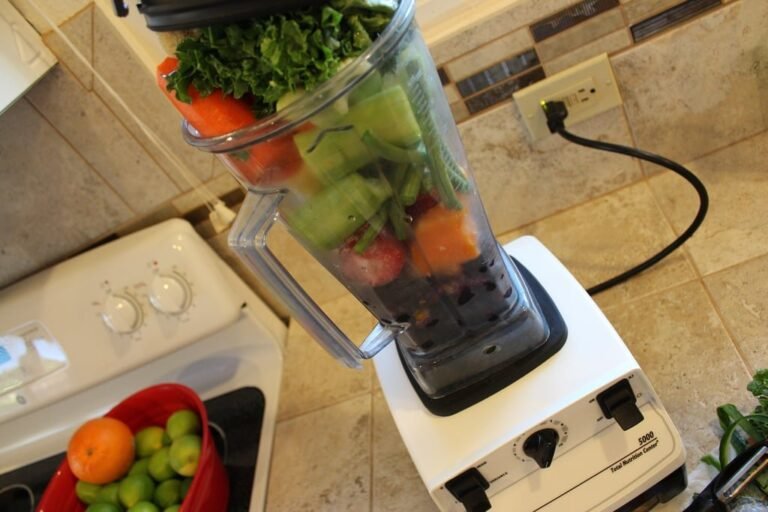
- Chop larger items like apples or carrots into 2-inch chunks to ensure even processing.
- Place your liquid base into the container first; use 1 cup of water for every 2 cups of solid produce.
- Add your leafy greens or softer ingredients on top of the harder vegetables.
- Secure the lid tightly and start the machine on the lowest speed setting.
- Quickly increase the dial to the highest setting and use the tamper to push ingredients into the blades.
- Blend on high for 45 to 60 seconds until the mixture is uniform and smooth.
- Stop the machine once the vortex disappears and the mixture flows evenly.
The key judgment call is the texture. A perfectly blended drink should have no visible bits of skin or fiber. If you see chunks, you haven’t blended long enough or the liquid ratio is too low.
Differences in beverage types
| Beverage Type | Preparation Method | Resulting Texture | Primary Nutrient |
|---|---|---|---|
| Whole juice | Blend all parts | Thick, fiber-rich | Fiber and vitamins |
| Extracted juice | Press and strain | Thin, clear liquid | Concentrated sugars |
| Smoothie | Add yogurt/ice | Creamy and thick | Protein and fats |
Whole juice retains the entire fruit structure, including the pulp and skin. This keeps the glycemic index low because the fiber slows down sugar absorption. If you have a sensitive digestive system, however, the high fiber content can cause immediate bloating.
Extracted juice removes all solids, leaving only the water-soluble vitamins and fructose behind. This provides a rapid energy spike, making it ideal for immediate recovery after intense exercise. Avoid this option if you’re managing blood sugar levels, as the lack of fiber causes a sharp insulin response.
Smoothies function as a meal replacement rather than a simple drink. By adding yogurt, nut butter, or protein powder, you introduce fats that sustain satiety for three to four hours. If your goal is weight loss, track your additions carefully. A single cup of full-fat yogurt or peanut butter can easily push a healthy fruit blend past 600 calories. Use water or unsweetened almond milk as your base if you want to keep the total caloric density manageable.
Why fiber content matters
The nutritional profile
When you use a blender, you consume the entire plant, which keeps the fiber intact. By drinking your produce in a blender, you retain the roughage that a traditional juicer discards as waste.
The mechanical difference
Experienced users know that a blender doesn’t physically separate components. It uses high-speed blades to shear cell walls, making the nutrients more accessible to your body. Beginners often try to strain the result through a nut milk bag to mimic a juicer, but this defeats the purpose of using a high-performance blender. If you want a clear liquid, you must accept that you’re losing the fiber that the machine was designed to keep.
Common blending issues
| What you notice | What it means | What to do | How to stop it |
|---|---|---|---|
| Air pockets | Too little liquid | Add 1/2 cup water | Use more liquid base |
| Chunky bits | Not enough time | Blend 20 seconds more | Run on high speed |
| Bitter taste | Too much pith | Remove white rinds | Peel citrus fully |
| Blade stalling | Overloaded container | Remove some items | Smaller batch sizes |
If the vortex stops spinning and ingredients hover above the blades, you have created a cavitation pocket. This happens when the mixture is too thick to flow downward. Add liquid until the contents create a steady funnel toward the center.
Most blenders struggle with fibrous greens like kale. If you see leafy remnants, you’re likely blending in the wrong order. Always place liquids and soft fruits at the bottom. Save frozen items and ice for the very top to push everything into the blades.
A metallic or burnt smell indicates the motor is straining against resistance. If you hear the pitch of the motor drop significantly, stop immediately. You’re likely processing dry ingredients without enough lubrication. Add a splash of water or oil to reduce friction.
If your smoothie separates within minutes, the emulsification failed. This occurs when you blend at low speeds for too long. Switch to the highest setting for the final ten seconds to force the fats and liquids to bond. If the mixture remains thin, add half an avocado to provide the structure needed for a creamy, stable texture.
Following safety and usage standards
Always follow the manufacturer’s user manual regarding the maximum capacity of your container. Overfilling the container can cause the motor to overheat or the lid to leak. The U.S. Food and Drug Administration provides guidance on washing produce effectively to reduce the risk of foodborne illness, which is vital when you’re consuming the skins and peels of your fruits.
Don’t attempt to modify the machine or remove any safety interlocks. If the motor smells like burning rubber or stops unexpectedly, turn the dial to off and unplug the unit. These machines are designed for short, high-speed bursts; continuous operation for more than a few minutes can trigger a thermal shut-off feature.
The real cost of blending
The cost of using a Vitamix is primarily found in the electricity consumption and the price of fresh produce. Because you’re using the whole fruit, you often need less volume to feel full compared to drinking extracted juice.
Energy costs are negligible for a 60-second blend, but the initial price of the machine is a significant investment that remains quite affordable compared to the long-term cost of replacing cheaper, less durable appliances.
The machine’s lifespan is long if you keep the base clean and avoid overloading the motor with frozen ingredients that are too hard for the blades to handle. If you struggle to blend frozen chunks, add liquid first to create a vortex. This prevents the blades from stalling and protects the internal cooling fan from burnout.
Most users make the mistake of overfilling the container. This causes uneven processing and forces the motor to work twice as hard. Always keep your ingredients below the maximum fill line to ensure efficiency.
Maintaining your blender after use
Clean your container immediately after use to prevent residue from hardening on the blades. Fill the container halfway with warm water and a drop of dish soap, then run it on high for 30 seconds. Rinse thoroughly and let it air dry upside down.
If you notice a dull look on the clear plastic, avoid using abrasive scrubbers that can cause scratches. These scratches harbor bacteria over time, making it harder to sanitize the container. Use a soft sponge or a microfiber cloth instead to preserve the finish.
Neglecting this step often leads to a faint, sour odor that persists even after a deep clean. If you see black flecks in your smoothie, the blade assembly bearings have likely worn out and require replacement.
When cleaning the base, never submerge it in water. Wipe the exterior with a damp cloth and dry it instantly. Moisture trapped inside the motor housing can cause electrical shorts and damage the motor.
When to choose a juicer
You should look for a dedicated juicer if you have a medical need for a low-fiber diet or if you specifically dislike the texture of blended fruit skins. A juicer is also superior if you need to process large quantities of produce at once, such as during a harvest, where you want to store liquid in the fridge.
If you try to force a blender to act like a juicer by straining everything you make, you’ll find it’s a slow and messy process. You lose roughly 20 minutes of cleanup time for every gallon of juice produced when using a nut milk bag or cheesecloth compared to the self-ejecting pulp systems found in centrifugal units.
Choose a masticating juicer if you prioritize leafy greens like kale or wheatgrass, as high-speed blender blades often shred these into bitter, oxidized foam. If you mostly process soft, watery fruits like citrus or melons, a centrifugal juicer is faster and easier to clean.
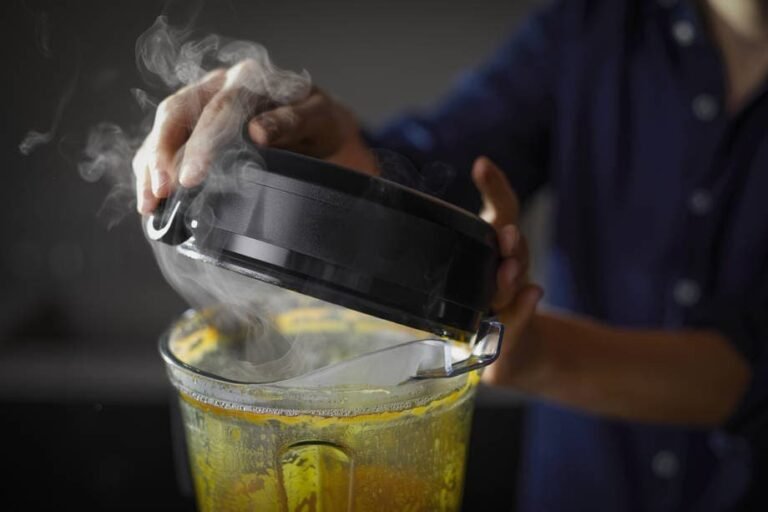
Don’t rely on a blender for high-volume juicing if you value your time. The friction from blender blades heats the liquid, which degrades delicate enzymes and alters the flavor profile of your juice within hours of storage.
Related guides
Frequently asked questions
Can I make clear apple juice in a Vitamix?
No, a Vitamix can’t produce clear apple juice because it doesn’t have a mechanism to press and separate the pulp from the liquid. You’ll always have a cloudy, fiber-rich drink when using a high-speed blender for whole fruits.
Is it safe to leave the seeds in my produce?
Most small seeds are safe, but you should remove large, hard pits like those in cherries or peaches. The manufacturer’s manual lists specific items to avoid, as hard pits can damage the stainless steel blades during high-speed operation.
How long does a whole juice stay fresh?
Whole juice is best consumed within 24 hours when stored in an airtight container in the fridge. Because the fiber is still present, the mixture may separate or oxidize faster than traditional juice, so stir it well before drinking.
Does the blender heat up the juice?
Yes, running a Vitamix on high for more than 60 seconds will begin to warm the contents due to blade friction. If you want a cold drink, add two or three ice cubes to the container before you start the blending process.
Can I process frozen fruit in the blender?
Yes, frozen fruit works well, but it requires more liquid to keep the blades moving. Start with a 1:1 ratio of liquid to frozen fruit and use the tamper to ensure the frozen chunks are pushed down into the blades.
How do I know if the motor is overheating?
If the machine shuts off during use, it has likely triggered a thermal protection sensor. Turn the switch to the off position, unplug the unit, and let it cool for at least 45 minutes before attempting to use it again.
Conclusion
Start by blending a simple mixture of one cup of water and two cups of chopped fruit to test your machine’s power. You should see a smooth, consistent vortex forming within 10 seconds. If the machine makes a loud grinding noise or stops, immediately turn it off and add more liquid.