Is There a Blender as Good as Vitamix? Top Alternatives Found
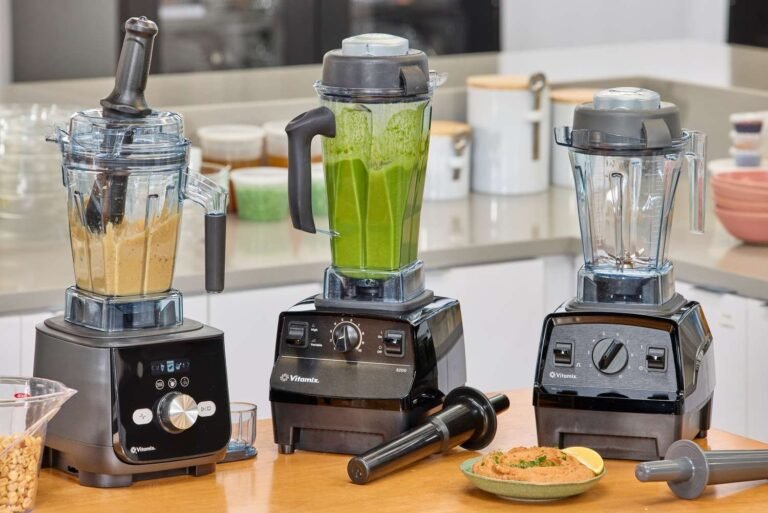
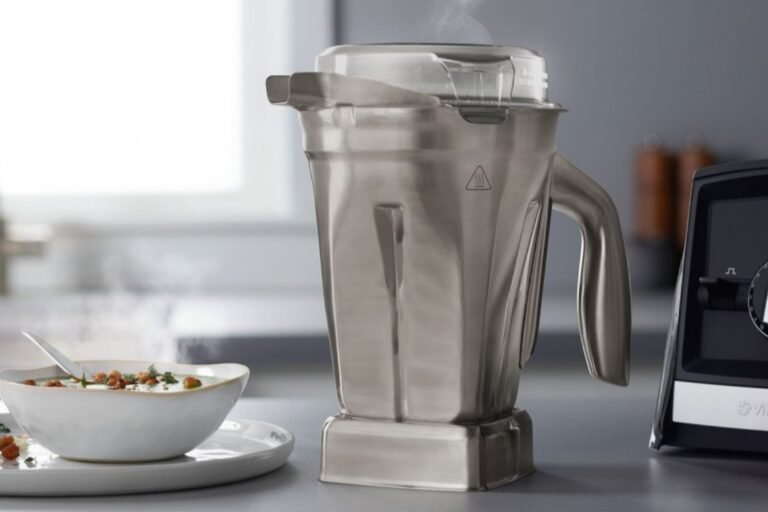
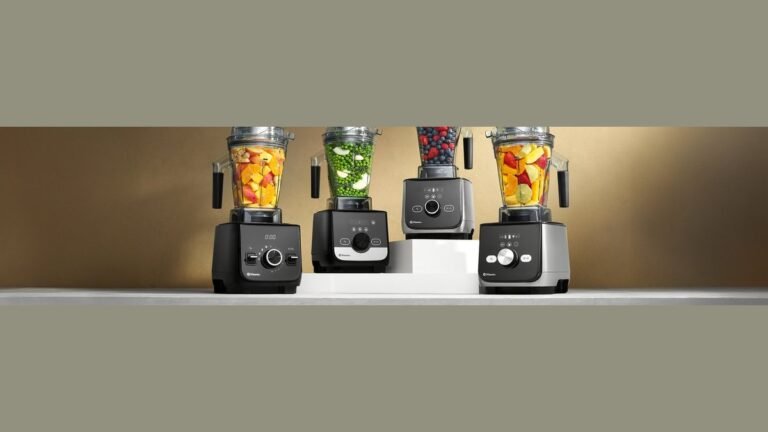
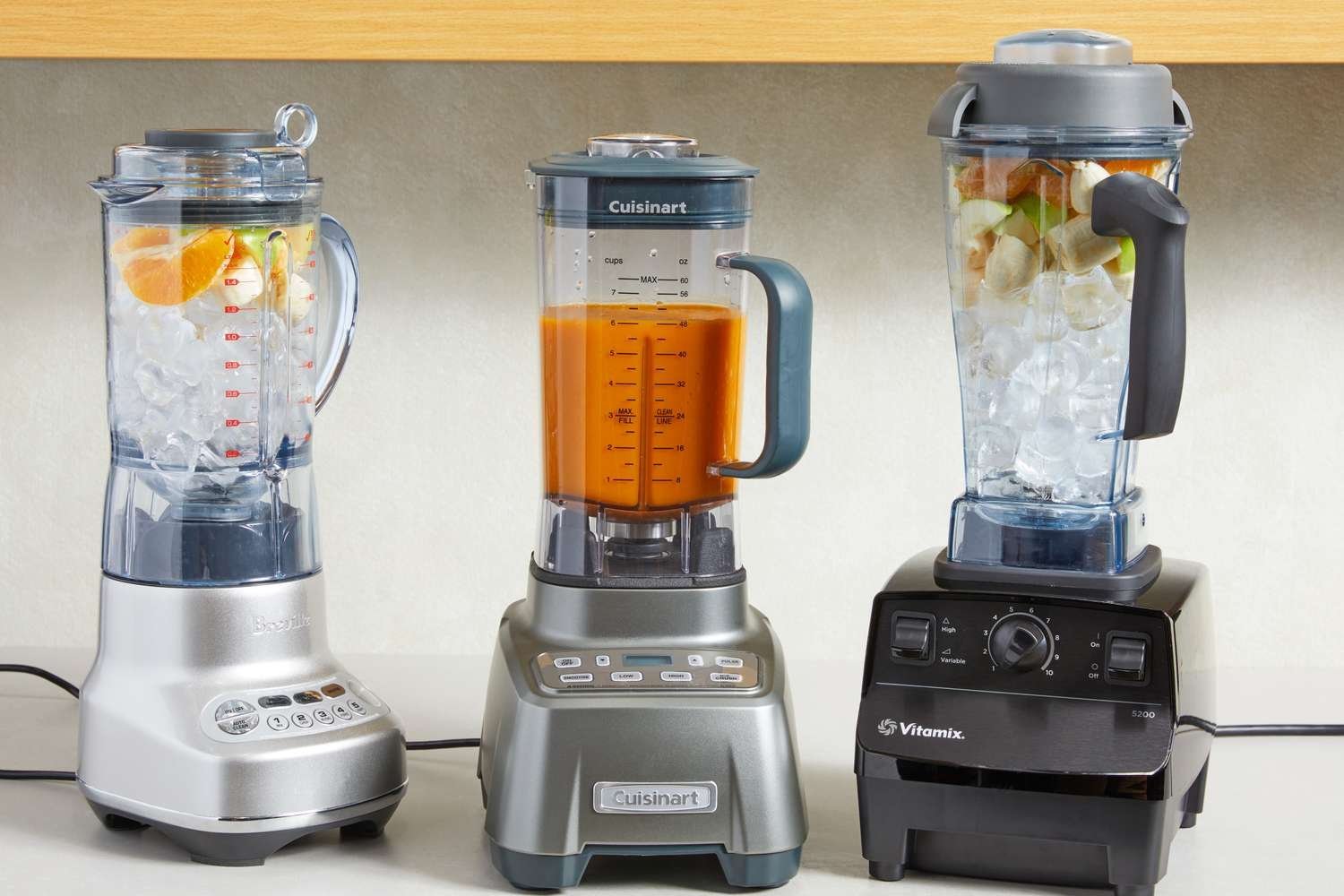
While many high-end machines offer similar power, there’s a blender as good as vitamix when you compare the motor torque and blade speed of top-tier commercial models. Brands like Blendtec and Breville produce machines that achieve the same smooth texture in smoothies and nut butters. Your choice depends on whether you prefer a manual dial control or a digital interface, and if you need a specific container size for your kitchen.
Finding a blender as good as Vitamix
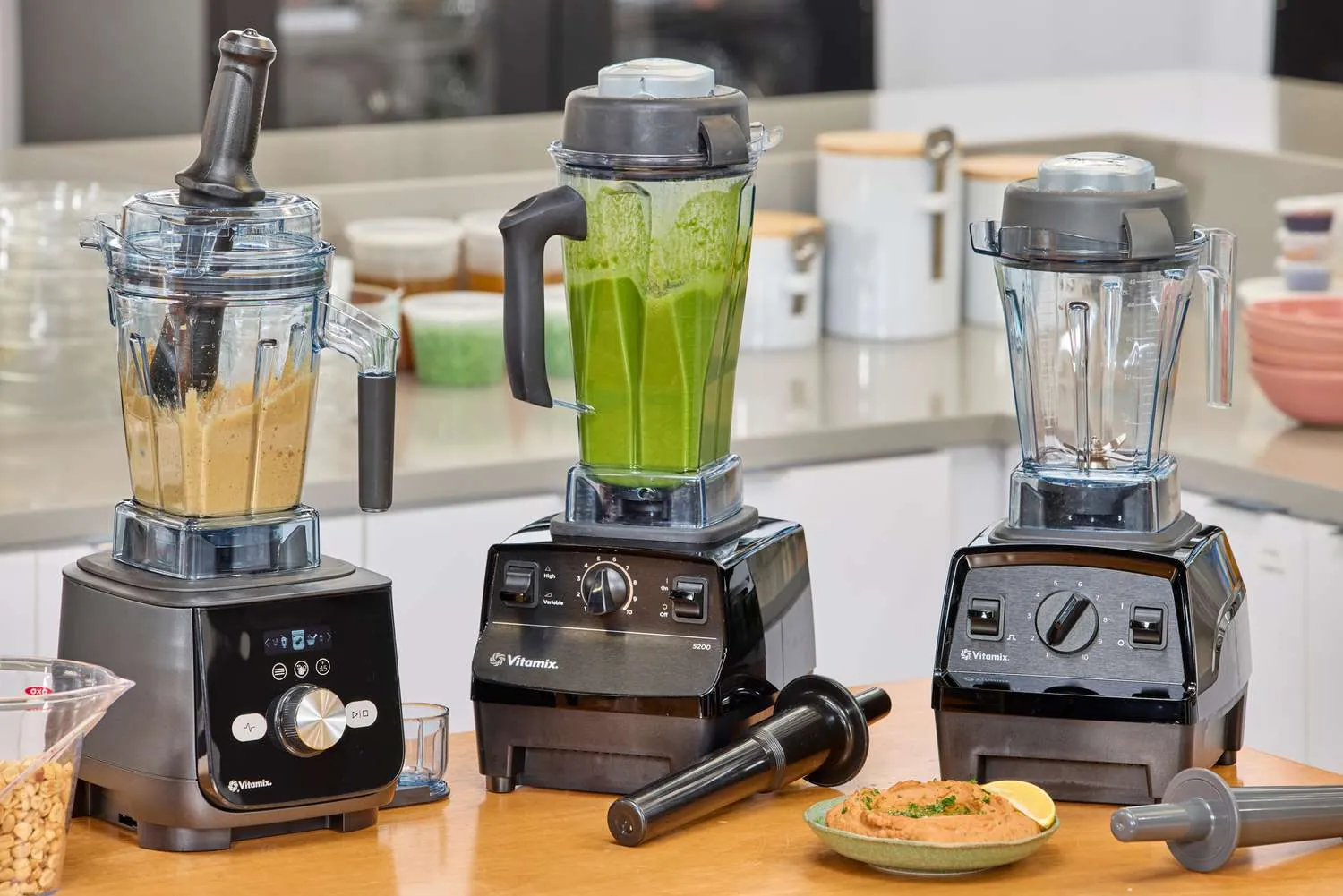
This article serves the home cook who wants professional results but is unsure if they must buy one specific brand to get them. You might be looking to replace a standard kitchen blender that leaves chunks in your smoothies or burns out when processing thick dough. We assume you want a machine that lasts for years and handles tough tasks like grinding grains or making hot soup from scratch.
Readers who want a simple, inexpensive tool for occasional morning shakes should look at personal blenders instead of these heavy-duty units. This page focuses on the premium market where durability and motor power are the main goals. If you already own a professional-grade machine from a major manufacturer, you likely have the performance you need and might only be missing the convenience of a different container shape or a smaller footprint on your counter.
Factors that change your experience
The most important factor is the motor rating, usually measured in peak horsepower. A motor with 2.0 peak horsepower or higher can handle frozen fruit and thick nut butters without stalling. People often mistake high wattage for high performance, but the actual torque under load is what matters. You can check the manufacturer’s specification sheet to see the motor’s peak power and thermal protection features.
Container geometry also changes how well the ingredients circulate. A square or tapered jar forces food back toward the blades, which prevents air pockets from forming during blending. If you use a round jar, you may need to use a tamper more often to push ingredients down.
Another factor is the control interface you prefer. Manual switches give you direct control over the speed, which is helpful if you’re adjusting the texture of a sauce by eye. Digital presets are better if you want to press a button and walk away while the machine runs a timed cycle.
Finally, the height of the unit determines if it will fit under your kitchen cabinets. Most high-performance blenders stand 17 to 20 inches tall. If your cabinets are low, you should check the height of the base and jar combined before you buy. Many brands offer a “low profile” container specifically for this problem, which allows the machine to slide under standard cabinets.
Using a high-performance blender
- Place the blender base on a flat, dry, and clean counter surface.
- Add your liquid ingredients first, such as water, milk, or juice, to ensure the blades can start moving freely.
- Add soft ingredients like yogurt or leafy greens, followed by heavy items like frozen fruit or ice on top.
- Secure the lid firmly and ensure the center cap is locked in place to prevent splashing.
- If using a manual model, start at the lowest speed setting and slowly increase to high over 10 seconds.
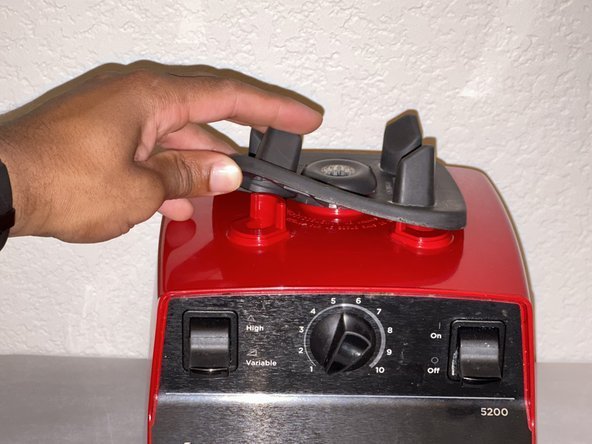
- Use the tamper to push ingredients into the blades if the mixture stops moving or creates an air pocket.
- Blend on high for 45 to 60 seconds for most recipes to achieve a smooth, consistent texture.
- Turn the machine off and wait for the blades to stop moving completely before removing the lid.
The single judgement call is knowing when to stop blending based on the texture you want. If the mixture is too thick, add small amounts of liquid (1 tablespoon at a time) rather than increasing the speed, as too much speed with too little liquid can create friction heat that you might not want for cold smoothies.
Quick guide to blender options
| Situation | Best Choice | Effort Level | What to watch for |
|---|---|---|---|
| Daily smoothies | High-torque base | Low | Blade sharpness |
| Nut butters | Tamper-included jar | High | Motor overheating |
| Hot soups | Heat-safe glass/plastic | Medium | Internal pressure |
| Small batches | Personal cup set | Low | Max fill lines |
| Heavy dough | Wide base unit | High | Motor stalling |
If you make smoothies daily, prioritize a base with at least 1,000 watts to prevent fibrous greens from leaving grit in your glass. Dull blades can affect texture, but they don’t fray; consult your manufacturer’s manual for guidance on blade maintenance or replacement.
When crafting nut butters, use the tamper to force ingredients into the blades continuously. Without this, air pockets form and your motor will likely overheat within sixty seconds. Stop immediately if you smell ozone.
For hot soups, ensure the lid features a vented cap. Steam buildup creates enough pressure to blow the lid off, causing severe burns. If your container lacks a vent, leave the center plug loose.
Avoid overfilling personal cups, as the seal often fails under pressure. If the liquid reaches the threads, you’ll face a messy leak. Stick to the line, even if it feels like you’re wasting capacity.
Details that define professional quality
Blade design and material
Experienced users know that the shape of the blade is more important than how sharp the edge feels to the touch. High-end blenders use blunt, heavy-duty stainless steel blades that pulverize food through sheer speed and force rather than slicing it.
If you try to sharpen these blades, you’ll actually decrease their ability to create a vortex. Beginners often make the mistake of thinking a sharper blade is better, but a blunt blade is safer and more durable for grinding hard ingredients.
Cooling and safety systems
A professional-grade blender includes an internal fan and thermal sensors to protect the motor during long cycles. If the motor draws too much current, the internal Underwriters Laboratories safety standard for household appliances requires the machine to shut down to prevent fire or damage.
Beginners often ignore the smell of a hot motor, but experienced users stop immediately if they notice a change in the sound of the machine. This safety feature saves you from a costly repair bill when you push the machine to its limit.
Troubleshooting common issues
| What you notice | What it usually means | What to do first | How to stop it |
|---|---|---|---|
| Air pocket forms | Not enough liquid | Add more liquid | Use the tamper |
| Burning smell | Motor is strained | Stop and cool | Reduce load size |
| Leaking bottom | Seal is worn | Inspect the gasket | Replace the seal |
| Loud grinding | Bearing failure | Contact manufacturer | Avoid submerging base |
| Uneven chunks | Dull or loose blades | Tighten the assembly | Don’t overfill jar |
If you smell burning, check your load immediately. A motor that runs for more than 60 seconds under heavy resistance will trigger an internal thermal fuse. Once this thermal protector trips, the unit won’t function until it cools down.
When troubleshooting leaks, run a finger along the base of the jar. If you feel moisture, the gasket has likely lost its elasticity. Don’t try to seal it with silicone or tape; these materials will degrade under high-speed friction and contaminate your food.
If the machine makes a rhythmic clicking sound, you have likely overfilled the container. A jar filled past the maximum line prevents the vortex from pulling ingredients down. This forces the blades to spin in empty space, causing them to dull prematurely. Always keep liquid levels at least two inches below the lid to ensure proper circulation.
Legal and safety standards
Safety standards for household blenders are managed by organizations like the Underwriters Laboratories (UL) in the US and the International Electrotechnical Commission (IEC) globally. These bodies test for electrical insulation, thermal overload protection, and stability during operation. If you’re outside the US, check the label on the bottom of your blender for the CE mark or other regional safety certifications.
Never attempt to open the motor housing yourself. If you see a burnt smell or smoke, unplug the unit immediately and don’t plug it back in. These symptoms often indicate a failing thermal fuse, which is a non-serviceable fire hazard.
If the machine stops working or makes a grinding noise, contact the manufacturer’s official customer service department. They will guide you through the warranty process or direct you to an authorized repair center. Attempting a DIY repair on a blender under warranty usually voids your coverage entirely, leaving you responsible for the full replacement cost.
Understanding the real cost
The price of a high-performance blender varies depending on the model features and included accessories. You’re paying for a motor built to last for thousands of cycles, a robust warranty, and the availability of replacement parts like jars or tamper tools. A cheaper blender is more affordable upfront, but you’ll often pay more in the long run because you must replace the entire unit frequently when the plastic gears or motor brushes fail.
If you’re on a tight budget, look for “certified refurbished” units directly from the manufacturer. These machines are tested to meet the same performance standards as new ones but often sell for 30% less. The only trade-off is that the exterior might have small cosmetic scratches.
Keeping your machine in top shape
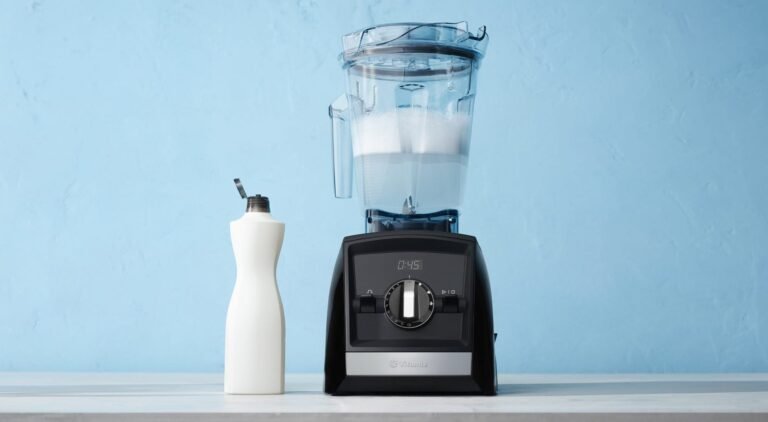
To keep your blender running well, clean the jar immediately after each use by filling it halfway with warm water and a drop of dish soap. Run the machine on high for 30 seconds to clean the blades and the underside of the lid without needing to scrub by hand. This prevents food residue from hardening around the seal, which is the most common cause of leaks over time.
Don’t submerge the blender base in water, as this will destroy the electronics inside. Simply wipe the base with a damp cloth if it gets dirty. If you notice the blender is vibrating more than usual, check that the rubber pad between the jar and the base is clean and seated correctly. A clean connection ensures the power transfers efficiently from the motor to the blades.
When to avoid this approach
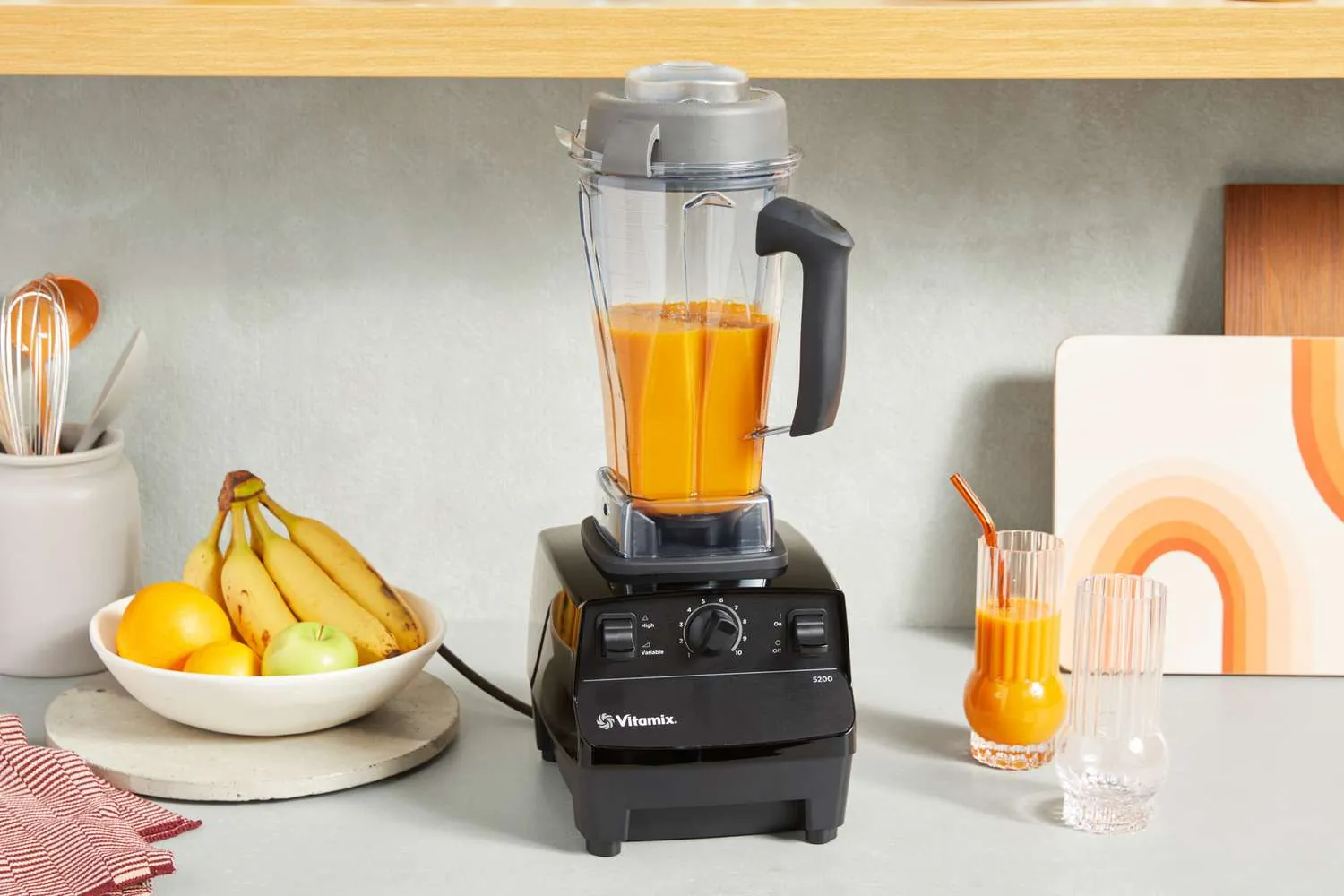
If you only need to blend soft ingredients like protein powder or fruit for a light drink, a full-sized professional blender is likely overkill. A smaller, less expensive personal blender will do the job in less space and is much easier to clean. Using a massive 64-ounce container for a single drink is a waste of time and creates unnecessary cleanup.
If you’re looking for a machine that can also cook, bake, or perform food processor tasks like slicing vegetables, you should look for a dedicated food processor or a multi-cooker instead. A blender is designed for liquids and emulsions, not for chopping dry vegetables into uniform slices. Trying to force a blender to do food processor work will lead to inconsistent results and can damage the machine.
Frequently asked questions
Is it safe to blend hot liquids?
Yes, you can blend hot liquids safely if the container is specifically designed for high heat and has a vented lid. Always fill the jar no more than halfway and start on the lowest speed to prevent pressure buildup that could blow the lid off.
How long should a high-performance blender last?
A high-performance blender should last for many years with regular home use and proper maintenance. This lifespan assumes you follow the manufacturer’s guidelines for maximum load and don’t run the motor at its limit for more than a few minutes at a time.
Why do some blenders have a tamper?
A tamper is a tool used to push ingredients into the blades when they get stuck or form an air pocket. You need a tamper for thick recipes like nut butters or heavy frozen desserts because these mixtures don’t naturally flow toward the blades on their own.
Can I grind coffee beans in a regular blender?
You can grind coffee beans in a high-performance blender, but the results won’t be as uniform as a dedicated burr grinder. Use the pulse setting for a few seconds at a time to keep the grounds from heating up and losing their flavor.
Does a more expensive blender actually blend better?
An expensive blender provides a smoother texture by using higher motor torque and specific blade engineering that standard models lack. While a cheaper blender might get the job done, a premium unit reduces the time required to reach a silky consistency without leaving any grit behind.
Is the motor power the only thing that matters?
No, the interaction between the blade shape, the jar geometry, and the motor torque is what determines the final texture. A high-wattage motor is useless if the jar shape doesn’t force the ingredients back into the path of the blades.
Conclusion
Start by comparing the motor torque and the container shape of the models you’re considering. You should expect a consistent, smooth result within one minute of blending on high power. If the machine struggles or the mixture doesn’t move, stop immediately to avoid motor damage and seek professional support.