Is 48 Oz Pitcher In Vitamix Blender Too Small? The Verdict
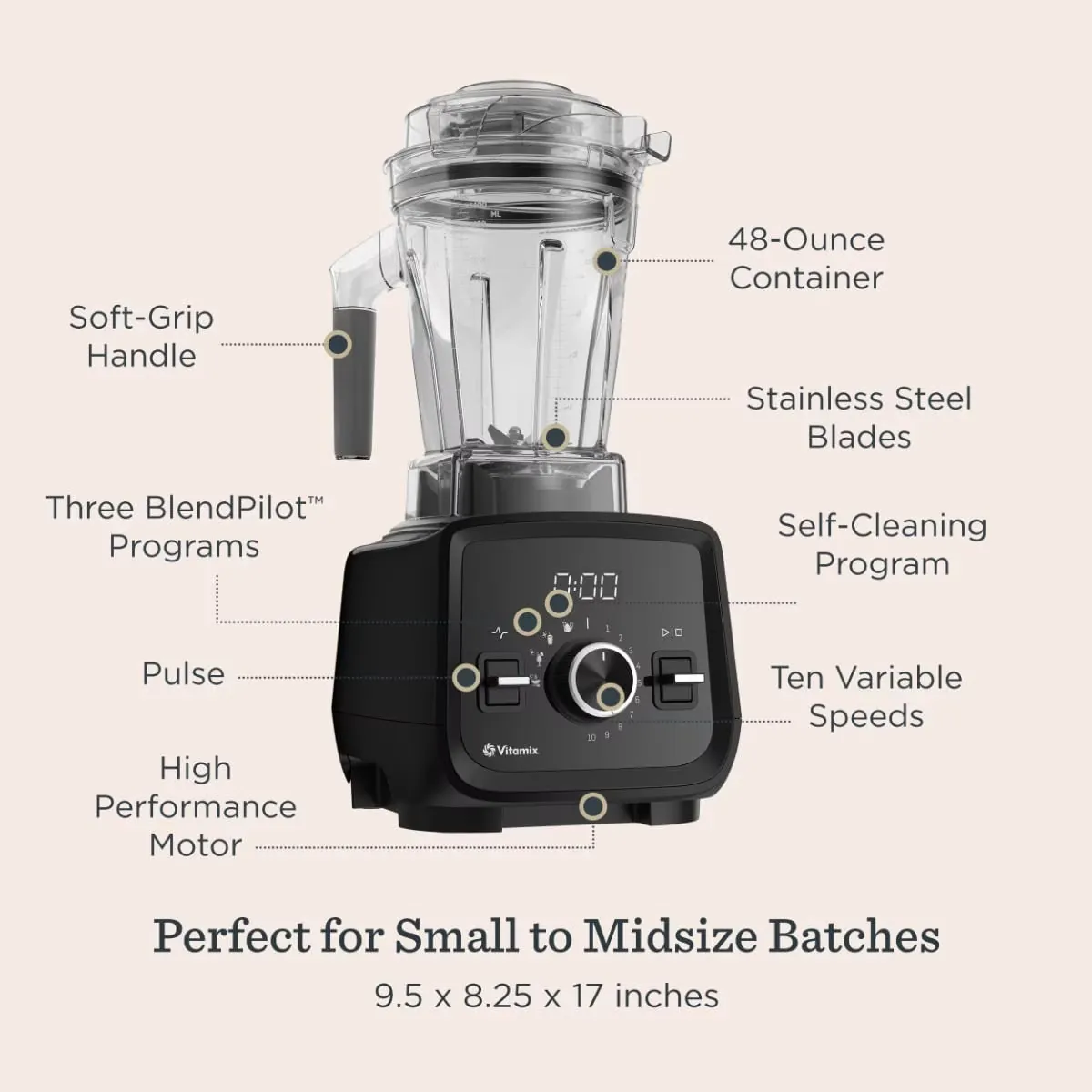
For the average user, the 48 oz pitcher in a Vitamix blender isn’t too small, as it handles standard batches of soups, smoothies, and sauces for three to four people with ease. This size is ideal for everyday kitchen tasks, though it may feel limiting if you frequently process large quantities of dough or massive batches of frozen desserts.
Whether this container fits your needs depends on your household size and how often you cook in bulk. If you regularly prepare meals for five or more people, you might find the 48 oz container requires multiple batches for a single recipe.
Is the Vitamix pitcher too small for you
The 48 oz container serves the needs of small households or individuals who want a versatile, space-saving tool. Many users choose this size because it fits under many standard kitchen cabinets, which are often 18 inches above the counter. If your kitchen has limited storage or low clearance, this pitcher is a practical choice that doesn’t force you to sacrifice power.
This container isn’t for users who prepare large volumes of nut butter, heavy bread dough, or commercial-grade batches of frozen treats. If you’re a high-volume user or frequently host large dinner parties, you’ll likely find the 64 oz container more efficient. We assume throughout this article that you’re using this container for typical household recipes like smoothies, soups, and dips. If your goal is to feed a large family in one go, you should prioritize the larger capacity models instead.
What decides your container choice
The primary factor is the volume of food you process at one time. A 48 oz pitcher works well for up to four servings, but if you exceed this, you risk overfilling the container. Overfilling can prevent the blades from creating the necessary vortex, leading to uneven blending and stalled motor performance.
Your physical storage space is the second most important factor. Measure the distance between your countertop and the bottom of your upper cabinets. Because the 64 oz tall container is approximately 20 inches tall, it won’t slide under standard 18-inch cabinets, forcing you to move the blender every time you use it.
The third factor is the type of ingredients you blend most often. Hard, dry ingredients like grains or thick doughs perform better in smaller containers because the walls keep the contents closer to the blades. If you mostly make liquid-heavy smoothies, you might appreciate the extra room of a larger pitcher.
People often make the mistake of buying the largest container available without checking their cabinet height. This costs them extra counter space and makes the blender harder to store away when it isn’t in use.
How to use the 48 oz pitcher
- Place the blender base on a flat, dry surface where the cooling vents remain clear of obstruction.
- Add liquids to the container first, as this helps pull solids down into the blades during the initial start.
- Add soft ingredients, then greens, and finally frozen items or ice on top.
- Secure the lid firmly by snapping all four tabs into the locking position on the rim.
- Insert the tamper through the lid opening if you’re processing thick mixtures or frozen fruit.
- Start the machine on its lowest speed setting before quickly increasing to the desired speed.
- Use the tamper to push ingredients into the blades if you notice the vortex stopping.
- Turn the speed dial back to the lowest setting before you power the unit off.
The judgement call that separates a professional result from a poor one is knowing when to use the tamper. If the mixture stops moving in a circle, you must stop the machine and use the tamper to release the air pocket.
Container capacity comparison
| Container Size | Best Use Case | Cabinet Clearance | Ideal Household |
|---|---|---|---|
| 32 oz | Small batches/dips | Fits under all | 1-2 people |
| 48 oz | Standard meals | Fits under most | 3-4 people |
| 64 oz Low-Profile | Large batches | Fits under most | 4-6 people |
| 64 oz Tall | High volume | Needs extra height | 5+ people |
Choose the 32 oz container if you primarily process herbs, dressings, or single-serving smoothies. The narrow base prevents ingredients from getting lost in the corners.
Opt for the 48 oz jar for daily cooking. It offers the best balance of vertical reach and base width for emulsifying sauces. If you frequently make nut butters, the 48 oz size helps maintain the circulation needed for a smooth texture.
The 64 oz Low-Profile container is the industry standard for under-cabinet storage. Its wide footprint allows for heavy doughs or thick soups without stalling the motor. However, avoid this size if you only process small amounts; the blades may fail to catch the ingredients.
Select the 64 oz Tall jar only if your kitchen has 18 inches of vertical clearance. This size excels at pulverizing large quantities of fibrous greens. If you regularly feed a family of five, the extra volume prevents the need for multiple batches, saving you significant prep time.
Differences in performance and results
Blade design and vortex
The 48 oz container features a narrower base than the low-profile 64 oz containers. This design creates a more aggressive vortex for smaller amounts of food, which is why it excels at making small batches of nut butter or single-serving smoothies. You’ll find that ingredients catch the blades more reliably in this size, leading to a smoother texture without needing to scrape the sides constantly.
Handling heavy ingredients
The container walls are shaped to direct food back into the center. When you process thick ingredients like hummus or heavy dough, the narrower shape acts as a guide. Beginners often struggle by trying to blend too much at once, which causes the blades to cavitate. If you notice the motor sounds strained, use the tamper to clear air pockets or remove a portion of the ingredients to process in two smaller cycles.
Common problems and solutions
| What you notice | What it means | What to do first | How to stop it |
|---|---|---|---|
| Vortex stops | Air pocket | Use the tamper | Add more liquid |
| Leaking lid | Dirty seal | Clean the rim | Check tab fit |
| Gritty texture | Too much bulk | Blend longer | Use less ice |
| Motor stalling | Overfilled | Remove some food | Use smaller batches |
| Stuck blades | Dried residue | Soak in soap | Rinse after use |
If the vortex stalls, you likely have an air pocket trapped under dense ingredients. Push the tamper straight down into the center to force food toward the blades. If the machine continues to struggle, you’re likely overloading the container.
A common mistake is filling the container to the maximum line for thick blends. This forces the motor to work harder than its cooling fan can manage. If the motor smells like ozone or hot plastic, stop immediately and contact the manufacturer, as this may indicate internal damage.
When you notice a gritty texture, you’re likely blending too many frozen solids at once. If your recipe requires ice, add it last so it hits the blades only after the liquids have started the cycle. For the smoothest results, always add liquids first, then soft ingredients, and finally frozen items. This sequence keeps the blades moving efficiently.
Rules for safe operation
Vitamix provides specific guidance on container maintenance and usage in their owner manuals. You must ensure the lid is fully locked before starting, as high-speed blending can cause the lid to dislodge if it isn’t secure. Never attempt to remove the blade assembly from the bottom of the container, as this is a task for professional service centers only.
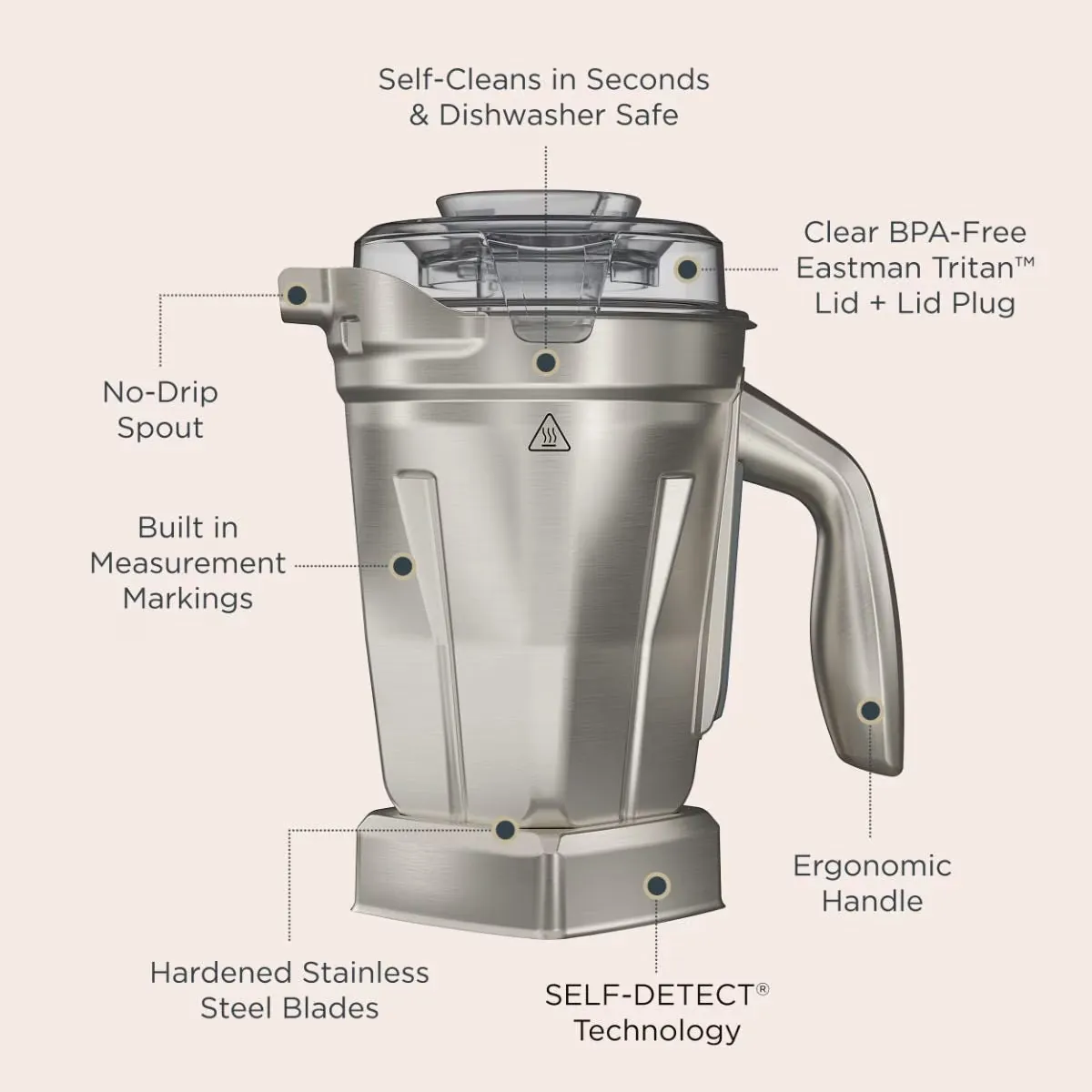
The container is made of BPA-free Eastman Tritan copolyester, which is durable but can scratch if you use metal utensils inside. Always use the provided plastic tamper for pushing ingredients down. If you notice deep cracks in the plastic, stop using the container immediately and visit the official Vitamix website to order a replacement. Using a damaged pitcher poses a risk of breakage during high-speed operation.
If you hear a grinding noise or smell burning rubber, shut the motor off instantly. These symptoms often signal a worn drive socket rather than a faulty container. If the blade spins freely by hand while the machine is off, the assembly is failing. Replace the container before the seal leaks liquid into the motor base.
What it really costs you
The cost of this container is measured in both money and storage convenience. A replacement 48 oz container is relatively inexpensive compared to buying a new blender, depending on whether you purchase it with the lid and tamper included. These prices change frequently based on current promotions on the official Vitamix manufacturer page.
You also pay in time if you choose a size that doesn’t fit your workflow. If you have to blend twice to make a soup for six people, you spend double the time cleaning the pitcher. Most users underestimate the physical footprint of the tall 64 oz model, which often fails to clear standard 18-inch kitchen cabinets. If you can’t fit the pitcher under your cupboards, you’ll eventually stop using it.
If your primary goal is small-batch processing, avoid the wide-bottomed containers. The blades require sufficient liquid to cover the blade assembly to create a proper vortex. If you consistently blend small amounts, opt for the narrow 32 oz container to ensure ingredients remain in contact with the blades. Always match your container to your smallest frequent batch size rather than your largest.
Keeping your container in top shape
To maintain your container, always rinse it immediately after use with warm water and a drop of dish soap. You can also run the blender on high for 30 seconds with warm water and soap to clean the blades without touching them. Never put the container in a dishwasher if you want to extend the life of the drive socket and blade bearings.
If you notice the container becoming cloudy, this is often caused by mineral buildup or microscopic scratches from abrasive ingredients. You can clean this by soaking the container in a mix of vinegar and water for one hour. If the blades become dull or the seal at the bottom starts to leak, contact the manufacturer to check your warranty status, as these parts are generally not intended for user repair.
When to choose a different pitcher
If your daily routine involves making large batches of bread dough or thick smoothie bowls for a large family, this container will frustrate you. In these cases, the 64 oz low-profile container is the better choice because it offers more room and a wider base for easier access.
If you’re only interested in making single-serving protein shakes, you might be better off with the smaller 20 oz or 32 oz blending cups. These attachments allow you to blend directly in the travel cup, which saves you from cleaning the larger pitcher entirely.
Capacity is only half the story. If your recipes rely on heavy, fibrous ingredients like frozen kale or raw carrots, a smaller container often creates a vacuum that stalls the motor. Use the wider pitcher for thick, heavy loads to ensure a consistent vortex.
If the blades spin but the ingredients stay still, you have overloaded the vessel. Switch to a wider base immediately to prevent motor burnout. Always evaluate your kitchen space and your typical batch size before deciding which container model belongs on your counter.
Related guides
- Is There a Better Blender Than Vitamix? The Honest Verdict
- Is There A Blender Better Than Vitamix? The Expert Verdict
- Is The Vitamix Blender Dishwasher Safe: The Official Verdict
Frequently asked questions
Can I use the 48 oz pitcher for hot soup?
Yes, the 48 oz container is designed to handle hot liquids safely. Ensure the lid is vented and locked before starting the blender at the lowest speed, then move to the highest speed to create enough friction to heat the soup in approximately six minutes.
Is the 48 oz pitcher dishwasher safe?
No, the manufacturer recommends hand washing for all Vitamix containers to protect the integrity of the blade bearings and the drive socket. Frequent dishwasher use can cause the bearings to wear out prematurely and lead to leaks at the bottom of the pitcher.
How long does the 48 oz pitcher last?
The container typically lasts for many years with proper care and hand washing. You should check the pitcher for signs of wear, such as deep scratches or cracks in the plastic, and replace it if you notice any structural damage to the body.
Can I blend small amounts in a 48 oz pitcher?
Yes, you can blend small amounts, but you must ensure there’s enough liquid to cover the blades. If the amount is less than 1 cup, the ingredients may not reach the blades effectively, and you should consider using a smaller container instead.
What happens if I overfill the 48 oz pitcher?
Overfilling prevents the creation of a vortex, which is necessary for blending ingredients smoothly. If the mixture doesn’t circulate, the motor may stall or the blades may get stuck, requiring you to remove some contents before continuing.
Does the 48 oz pitcher fit all Vitamix models?
No, container compatibility depends on the specific series of your Vitamix base. You should check the official Vitamix website to confirm which containers are compatible with your specific model number before you make a purchase.
Conclusion
Start by measuring the clear space under your cabinets to see if the 48 oz pitcher fits your storage needs. If you find the capacity matches your typical recipe size, you’ll enjoy the consistent blending performance. Stop using the container immediately if you notice any cracks in the plastic body.