Where To Buy Starbucks Vitamix Cold Foam Blender: Sourcing Guide
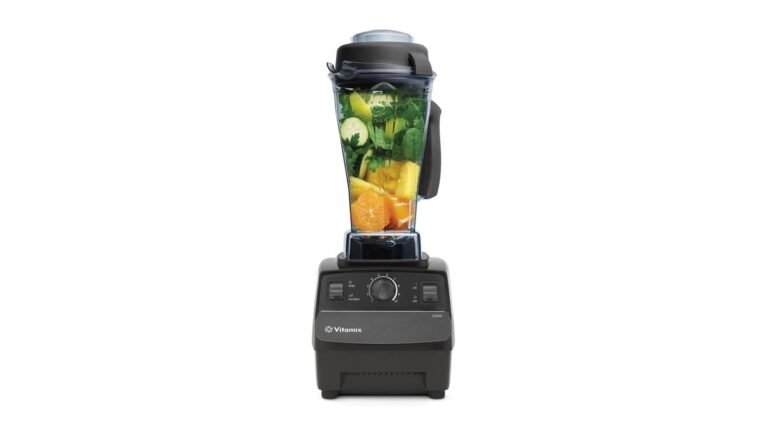
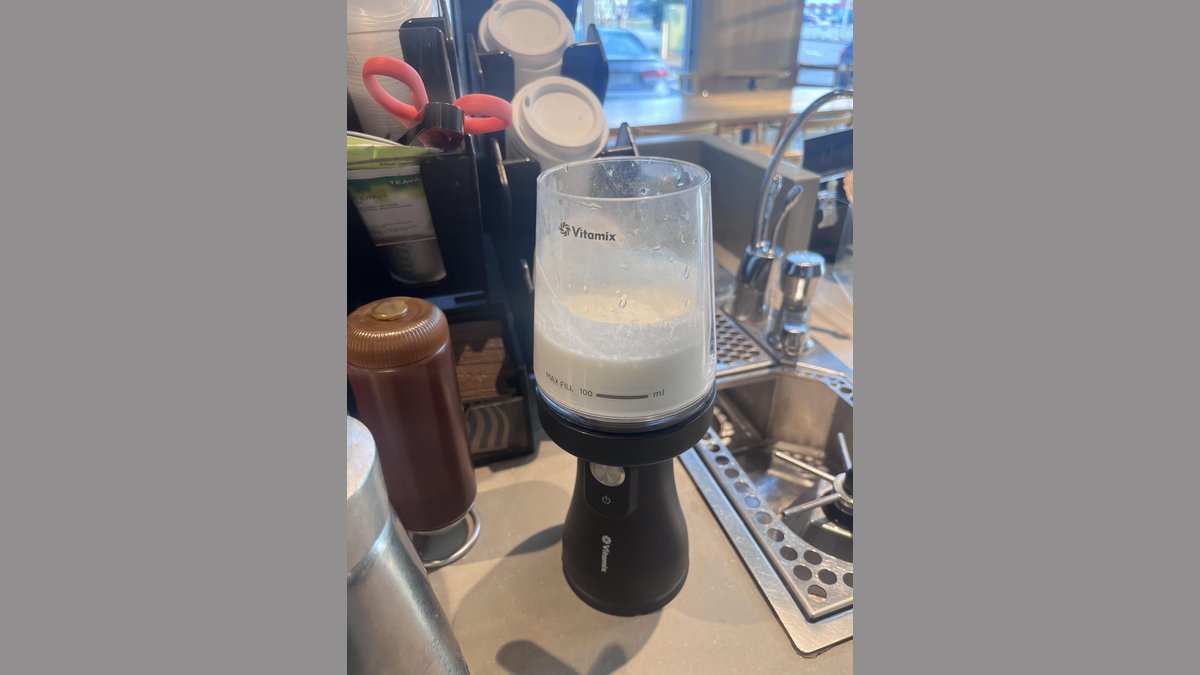
You can find a starbucks vitamix cold foam blender through commercial restaurant supply dealers or secondary market retailers that specialize in used foodservice equipment. These units are proprietary industrial tools, so they aren’t sold in standard retail stores or on the official Starbucks website.
Your ability to buy one depends on your access to wholesale commercial networks or the availability of decommissioned units. If you’re a casual home user, you’ll likely need to monitor online auction sites; if you’re an owner of a coffee shop, you should contact a regional commercial kitchen distributor.
Who Buys Professional Cold Foam Blenders
This equipment serves two distinct groups: commercial cafe owners and home coffee enthusiasts. A cafe owner typically needs a reliable, high-volume machine that fits into an existing POS or workflow system. These buyers usually have relationships with local restaurant equipment suppliers who can source specific models through manufacturer catalogs.
Home coffee enthusiasts often look for this specific brand because they want to replicate a professional cafe experience in their own kitchen. These buyers are usually comfortable buying used or refurbished equipment, as these blenders are expensive and rarely sold as new units to the general public.
This page serves the home enthusiast who is looking for a way to source professional-grade equipment, rather than a business owner looking for a warranty-backed service contract. We assume you’re looking for a singular unit rather than a bulk order for a franchise.
Factors Influencing Your Search
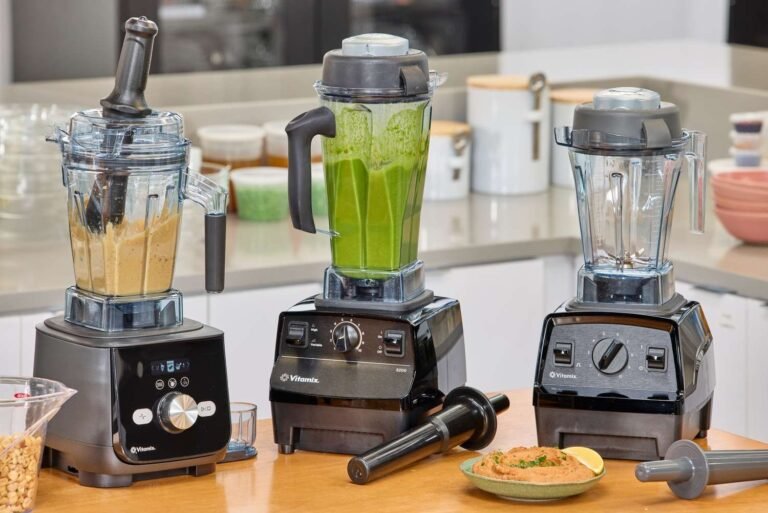
The most important factor is the specific model number, as Starbucks uses custom-tuned versions of commercial Vitamix blenders. These machines are built for high-speed, repetitive tasks and often feature a specific container shape optimized for aerating cold foam. You can check the exact model number on the rating plate located on the base of the machine to ensure you’re buying the correct version.
Voltage requirements also change the outcome significantly. Commercial blenders often require a dedicated 15-amp or 20-amp circuit. If you plug a high-power commercial blender into a standard household outlet that’s already sharing power with other appliances, you may trip your breaker. Always check your kitchen’s electrical capacity before committing to a commercial-grade purchase.
Condition of the blades and motor is the primary concern for second-hand buyers. Industrial blenders are designed for thousands of cycles, but a machine that has been used in a busy cafe for three years will have more wear than one from a low-volume setup. Always ask for the estimated “cycle count” if the seller has a digital display unit, as this is the most accurate way to measure remaining life.
How To Locate And Acquire A Unit
- Search specialized commercial restaurant equipment websites for “Vitamix Quiet One” or “Vitamix Aerating Container,” which are the standard components used in most cold foam setups.
- Check the “used” or “refurbished” sections of major restaurant supply liquidators, as they often receive stock from closing cafes.
- Verify the electrical plug type in the photos to ensure it matches your wall outlet, or prepare to hire an electrician to install a commercial-grade receptacle.
- Confirm that the container includes the lid and the tamper, as these parts are often sold separately and can be costly to replace.
- Ask the seller for a video of the motor running at both low and high speeds to check for unusual grinding noises.
- Complete the transaction through a secure platform that offers buyer protection, as these machines are heavy and expensive to ship.
The single judgement call that separates a smart buyer from a bad one is the willingness to walk away from a “deal” that lacks a clear service history or clear photos of the motor base. If you can’t confirm the machine powers on and holds speed, the cost of a factory repair often exceeds the price of a newer unit.
Comparison Of Sourcing Options
| Sourcing Channel | Ease Of Purchase | Expected Cost | Reliability |
|---|---|---|---|
| Equipment Liquidators | Moderate | High | High |
| Online Auctions | Low | Moderate | Variable |
| Direct Cafe Buyout | Difficult | Low | Variable |
| Restaurant Supply Store | High | Very High | Guaranteed |
Equipment liquidators offer the most consistent quality for startups, but they charge a premium for the convenience of refurbished, tested gear. Expect to pay roughly 60% of the original retail price. If you need a machine that works on day one without technical intervention, this is your safest path.
Online auctions often hide significant defects behind stock photography. If you bid, assume the unit requires an inexpensive maintenance overhaul before it can serve a single customer. Only participate if you have the technical skill to perform basic repairs yourself.
Direct buyouts from closing cafes offer the lowest prices, often pennies on the dollar. However, you must move the equipment immediately, often within 48 hours. If you lack a truck or a professional installer on standby, the logistics costs will quickly erase your savings.
When in doubt, prioritize the supply store for mission-critical items like espresso machines. The warranty protection justifies the higher upfront cost.
Distinguishing Quality From Wear
Assessing The Motor Base
Experienced buyers inspect the cooling vents for signs of heavy dust or burnt smells. A motor that smells like ozone or old coffee grounds indicates heavy use and potential bearing failure. Beginners often overlook the smell, which is the most reliable sign of a machine near the end of its functional life.
Checking The Container Integrity
Professional baristas look for micro-cracks in the plastic container, especially near the blade assembly. These cracks aren’t just cosmetic; they can harbor bacteria and eventually leak during high-speed blending. Always run a finger along the inside base of the container to feel for rough edges or deep scratches that could indicate metal fatigue.
Troubleshooting Common Equipment Issues
| What you notice | What it usually means | What to do first | How to stop it |
|---|---|---|---|
| Machine won’t start | Tripped safety switch | Check the main breaker | Don’t overload the jar |
| Grinding noise | Worn drive socket | Inspect the rubber coupling | |
| Leaking from bottom | Damaged blade seal | Stop using immediately | Replace the blade assembly |
| Foam is thin | Dull blades | Check blade sharpness | Only blend cold liquid |
If your machine fails to start, check the reset button on the base before calling for repairs. An overloaded jar triggers a thermal sensor that shuts down the motor to prevent a fire. Wait ten minutes for the internal components to cool before attempting a restart.
When you hear a grinding noise, check the rubber coupling for missing teeth. If the coupling is smooth, the motor shaft is likely slipping. Continuing to run the unit in this state will strip the drive gear, resulting in a repair cost exceeding half the price of a new machine.
Leaking from the base indicates a failed gasket. Don’t attempt to tighten the nut yourself, as this often cracks the plastic housing. Replace the entire blade assembly to restore the water-tight seal.
If your foam remains thin, the blades have lost their edge. Test this by running a finger carefully along the blade; if it feels rounded rather than sharp, it’s time to replace the assembly.
Standards For Commercial Equipment
Commercial kitchen appliances must meet the safety standards set by the National Sanitation Foundation (NSF) for food contact. When buying a used blender, look for the NSF mark on the base and the container to ensure it’s rated for health-code-compliant environments. If the unit doesn’t have this mark, it may be a consumer-grade version that lacks the durability required for commercial cold foam production.
Furthermore, electrical safety is governed by the Underwriters Laboratories (UL) standards. Any modification to the power cord or the housing voids the UL listing and creates a fire risk. Never attempt to replace the plug or open the motor housing to bypass internal safety switches. If the unit fails to operate safely, contact a certified commercial equipment technician rather than attempting a DIY repair.
Financial Considerations And Value
The cost of these blenders varies based on the age, model, and the included accessories. A new, professional-grade Vitamix setup can cost between $600 and $1,200 depending on the specific series. Used units typically sell for 40% to 60% of that price, but you must account for the cost of potential replacement parts like containers or blade assemblies.
The most significant hidden cost is shipping. Because these units are heavy and often contain delicate electronic controls, shipping costs can add $50 to $100 to the total price. Always calculate the total delivered cost before deciding if a “cheap” auction unit is actually a good value. If the total price approaches 75% of a new unit’s price, you’re likely better off buying a new one with a full manufacturer warranty.
Maintaining Your Equipment
Proper maintenance ensures your blender continues to perform at a professional level for years. After every use, clean the container with warm water and a drop of mild detergent. Avoid putting the container in a dishwasher unless the manufacturer specifically labels it as dishwasher-safe, as high heat can warp the seals and crack the plastic over time.
Listen for changes in the sound of the motor. A smooth, consistent hum is the sign of a healthy machine, while a high-pitched whine often indicates that the bearings are starting to fail. If you notice the blender struggling to reach full speed, stop using it and have a professional inspect the brushes and the motor cooling system.
Most users make the mistake of overfilling the jar, which forces the motor to fight against excess friction. If the blender smells like ozone or burning rubber, cut your batch size by 25 percent immediately. If the smell persists, the internal thermal sensor has likely tripped, requiring a cooling period of 10 to 20 minutes before the next attempt.
When To Choose A Different Path
If you only need to make cold foam occasionally, buying a commercial blender is an unnecessary expense. A high-quality handheld milk frother or a dedicated electric unit costs significantly less and requires minimal counter space. These alternatives excel in home kitchens where you don’t need to process large volumes of foam in under 30 seconds.
If you aren’t comfortable managing the electrical requirements or potential repairs of a commercial machine, don’t buy one. Most commercial units are designed to operate on standard 15-amp household circuits. If your kitchen outlets aren’t wired for this load, you risk frequent tripped breakers.
When your daily output stays under four drinks, the time saved by a commercial motor is negligible compared to the maintenance burden. Stick to residential appliances if your primary goal is a single morning latte. If you find yourself cleaning the machine more than you’re using it, you have already crossed the line into over-investing.
Related guides
Frequently Asked Questions
Can I use a regular home blender for cold foam?
You can use a home blender, but it won’t produce the same dense, creamy texture as a commercial model. Commercial blenders use specific aerating blades that whip air into the liquid at higher speeds than standard household units.
How long do these blenders last?
These machines typically last for a moderate duration in a moderate-use environment, assuming you perform regular maintenance. The exact lifespan depends on the daily cycle count and how often you clean the motor vents.
Is it safe to buy a used blender from a closed cafe?
It’s safe if you verify the mechanical condition, but you must clean and sanitize the unit thoroughly before use. Check for any signs of water damage or insect infestation in the motor base before you bring the unit into your home.
Why is my foam not holding its shape?
Your foam won’t hold shape if the liquid isn’t cold enough or if the fat content is too low. Always ensure your milk or cream is chilled to 40°F or below, and use a high-fat dairy product for the best results.
Does it matter if the container is scratched?
It matters because deep scratches can trap bacteria and compromise the structural integrity of the plastic. If you see deep grooves in the plastic, the container should be replaced for health and safety reasons.
Can I fix a broken commercial blender myself?
You can’t safely fix the internal motor or electronic components yourself because a capacitor inside can hold a lethal charge even when unplugged. You must take the unit to a certified technician for any internal repairs.
Conclusion
Start by checking your available counter space and electrical outlets to ensure they can handle a commercial-grade machine. When you find a unit, verify its serial number and request a video of it running at full speed. Stop immediately and call a certified technician if the motor produces smoke or a burning smell.