Is Vitamix A Blender Or Food Processor? The Definitive Answer
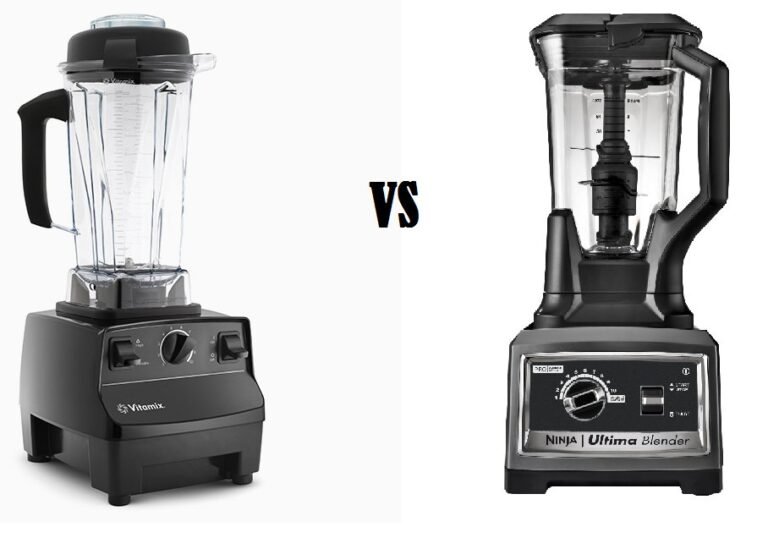
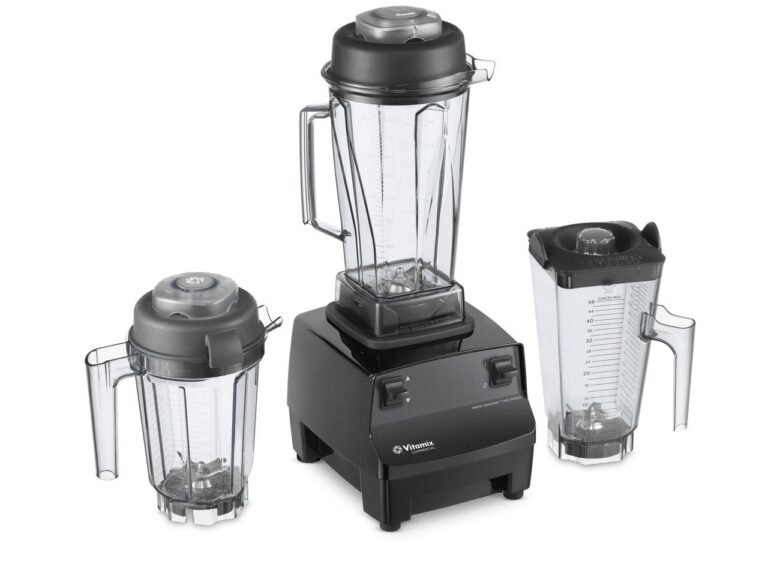
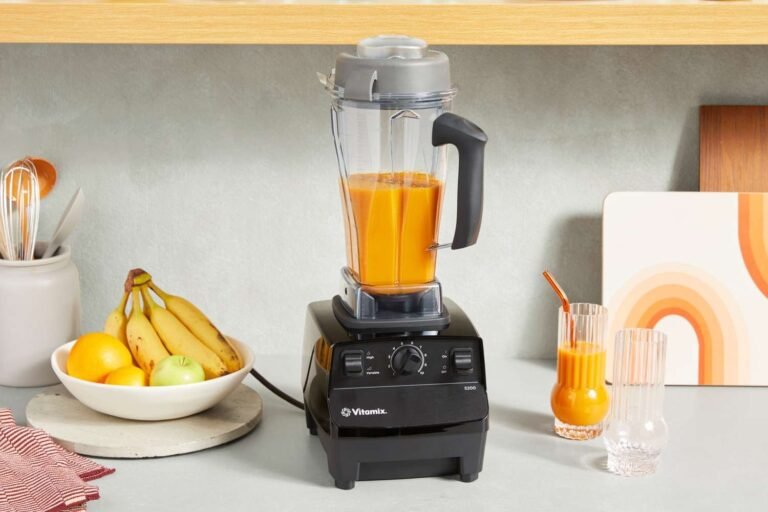
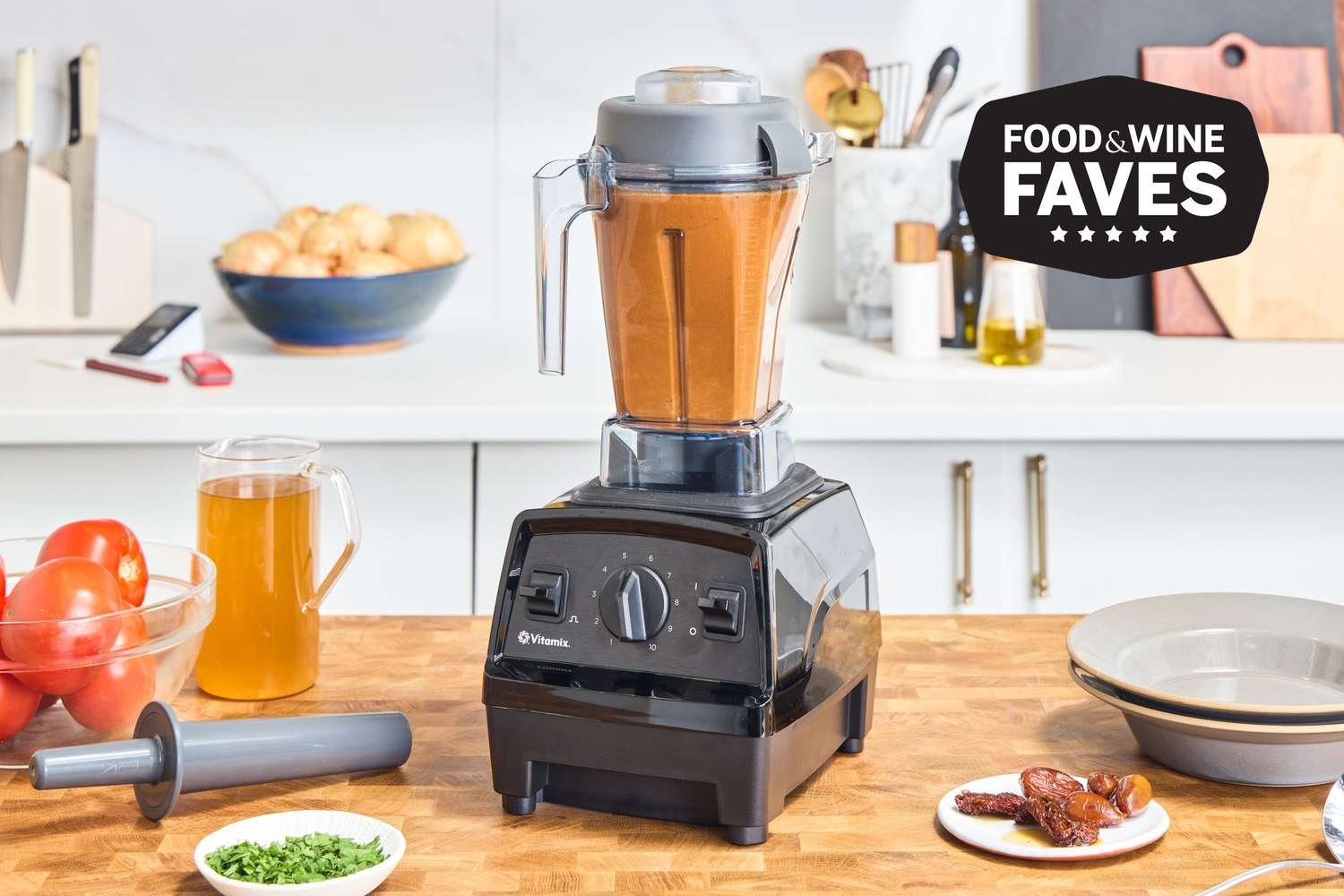
A Vitamix is a high-performance blender, not a food processor, though its powerful motor allows it to perform some tasks usually reserved for processing. While it excels at liquefying, emulsifying, and grinding, it lacks the specific blade attachments and the wide-bowl geometry that define a food processor’s ability to slice, shred, or knead dough with precision.
The distinction between these machines depends largely on blade design, motor speed, and container shape. A Vitamix uses fixed, dull blades that rely on high-speed kinetic energy to pulverize ingredients, whereas a food processor uses sharp, interchangeable disks and blades to cut through solids. Readers who need to process large batches of dry ingredients or require uniform slices will find that a standard food processor is the superior choice for those specific culinary needs.
Understanding your kitchen equipment needs
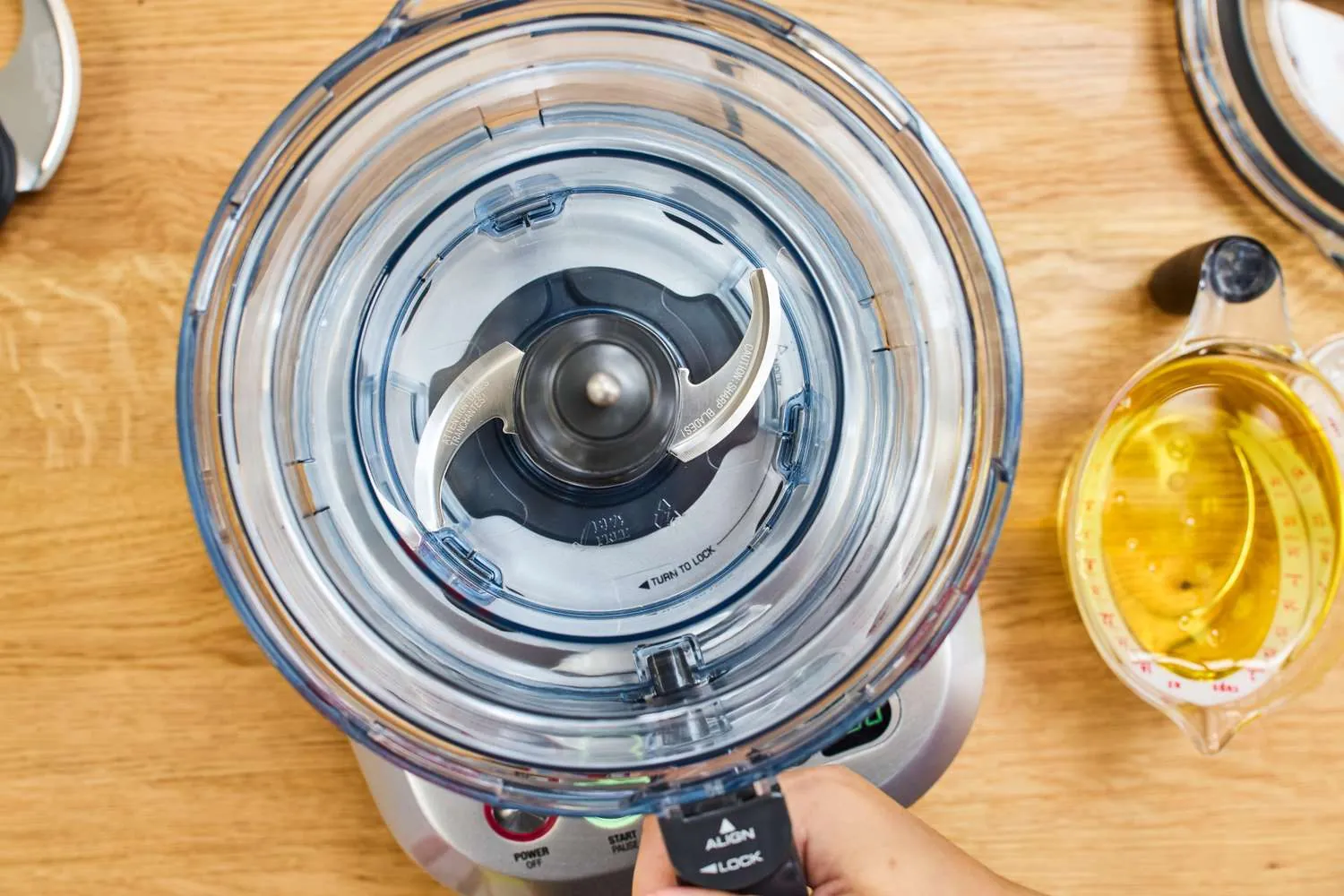
Different home cooks choose these machines for very different reasons, and understanding your primary goal is essential. Some people want to make daily green smoothies, hot soups, and nut butters, which requires the high-speed blending power of a Vitamix. Others prioritize meal prep tasks like shredding blocks of cheese, slicing cucumbers for salads, or quickly chopping vegetables for a mirepoix, which are the specific functions of a food processor.
This page serves the reader who already owns or is considering a Vitamix and wants to know if they can retire their food processor to save counter space. We assume you’re looking for a versatile machine that can handle a variety of kitchen tasks without needing a full suite of appliances. If you’re a professional chef requiring precise, uniform cuts for aesthetic plating, you’ll likely find that a dedicated food processor remains a necessary addition to your kitchen arsenal.
Factors that change the result
The most significant factor is the blade type. A Vitamix uses blunt, stainless-steel blades that work by force and speed; they’re designed to shear ingredients into a smooth consistency. Food processors utilize razor-sharp, removable blades that slice through produce. Using a blender for tasks like slicing results in mush, whereas using a processor for smoothies often leads to uneven chunks and overtaxed motors.
Container geometry also changes the outcome. Vitamix containers are tall and narrow, which creates a vortex that pulls ingredients down into the blades. Food processors are wide and shallow, which allows solids to circulate without turning into liquid. If you try to make a thick dip in a narrow blender, you’ll constantly need to stop and use a tamper, while the wide bowl of a processor handles it easily.
Another factor is motor speed versus torque. Vitamix motors are designed for high-speed, sustained operation to liquify ingredients. Food processors have high-torque motors that can handle the resistance of heavy dough or dense vegetables. Attempting to knead heavy bread dough in a blender can overheat the motor, while the FDA food safety guidelines emphasize that proper temperature control is essential when prepping ingredients, especially when switching between raw and cooked items in different tools.
Using a blender for food prep
- Secure the container firmly on the base and ensure the lid is locked.
- Add liquids first to help the vortex form properly.
- Place soft ingredients like greens or fruit on top of the liquid.
- Add hard ingredients like ice or frozen fruit last.
- Start the blender at the lowest speed setting.
- Increase the speed slowly until you reach the desired consistency.
- Use the tamper to push ingredients toward the blades if they stick.
- Stop the motor before removing the lid or the container.
The most important judgment call is knowing when to stop blending. Because a Vitamix is so powerful, it can turn a coarse chop into a puree in just a few seconds. Experienced users pulse the machine manually rather than letting it run on high. If you’re aiming for a salsa, watch the texture closely; if you wait even three seconds too long, you’ll end up with a liquid sauce instead of a chunky dip.
Comparison of machine capabilities
| Task | Vitamix Blender | Food Processor |
|---|---|---|
| Smoothies | Excellent | Poor |
| Slicing vegetables | Not possible | Excellent |
| Shredding cheese | Poor | Excellent |
| Nut butters | Excellent | Good |
| Kneading dough | Limited | Excellent |
| Hot soups | Excellent | Fair |
A blender uses high-speed blades to pulverize ingredients into a liquid state, which makes it ideal for emulsifying fats or breaking down fibrous kale. Choose the blender if your primary goal is texture-free smoothness.
Conversely, a food processor relies on a wide bowl and interchangeable discs to cut ingredients into uniform pieces. If you need clean slices for a gratin or shredded cheese that holds its shape, the processor is the only tool that works.
Home cooks often mistakenly try to shred cheese in a blender, which creates a gummy, unusable mess. This error wastes ingredients and clogs the blade assembly. If you’re preparing a recipe that requires distinct, separate pieces of food, always reach for the processor. If the final consistency should be uniform and pourable, use the blender. Using the wrong machine forces you to compensate with extra prep time or results in a compromised finished dish.
Achieving the best texture
Controlling the texture
To get a chunky result in a blender, you must use the pulse function in short, one-second bursts. Never fill the container past the halfway mark when you want a coarse texture, as the ingredients need room to move away from the blades. If you fill it to the top, the weight of the ingredients will force them into the blades, resulting in a puree regardless of your pulse timing.
Preparing ingredients
Always cut your vegetables into uniform, one-inch cubes before putting them into the blender. This ensures that everything is processed at the same rate. If you leave large chunks, the bottom layer will turn to liquid before the top layer even begins to break down. This prep work is vital for achieving consistent results without the need for constant stopping and restarting.
Troubleshooting common issues
| What you notice | What it usually means | What to do first | How to stop it |
|---|---|---|---|
| Air pocket forms | Not enough liquid | Add more fluid | Use the tamper |
| Uneven chopping | Overfilled container | Remove some food | Process in batches |
| Motor smells hot | Overworked motor | Turn off immediately | Use lower speeds |
| Leaking seal | Worn gasket | Check base seal | Hand wash only |
| Stuck ingredients | Too thick | Scrape the sides | Use more liquid |
If you smell burning, stop the motor for at least ten minutes before checking the base. A hot motor often indicates the blades are jammed by ingredients larger than one inch. Always chop dense vegetables into uniform cubes to prevent this strain.
If your seal leaks, inspect the rubber gasket for hairline cracks or mineral buildup. A damaged gasket must be replaced immediately to prevent liquid from entering the motor housing, which causes permanent electrical failure. If you see liquid pooling under the base, stop using the unit until the seal is swapped.
When processing fibrous greens, you might notice the blades spinning without moving the contents. This happens when the mixture lacks enough surface tension to pull ingredients down. If the motor sounds strained, add two tablespoons of liquid at a time until a vortex forms.
Avoid the common mistake of pushing ingredients down with a metal spoon while the machine is running. This ruins the blade edge and poses a significant safety risk. Always use the provided plastic tamper to safely guide food into the blades.
Rules for safe operation
Safety standards for household appliances are set by organizations like Underwriters Laboratories (UL). These standards ensure that motors have thermal protection to prevent fires during heavy use. When using high-speed blenders, ensure the container is properly seated on the drive socket to prevent vibration and potential damage to the coupling.
Never attempt to bypass the safety interlock switches on the lid, as these are designed to prevent the blades from spinning while the container is open. If your machine requires repair, only use authorized service centers; opening the base yourself can expose you to high-voltage capacitors that may hold a lethal charge even when the unit is unplugged.
Understanding the cost of versatility
The initial purchase price of a Vitamix is significantly higher than most food processors. While this is a major investment, the cost per use drops if you replace multiple smaller appliances.
If you only need to slice vegetables occasionally, a manual mandoline is a much cheaper alternative to buying a separate food processor. Most people mistakenly buy a high-end blender expecting it to replace a food processor for tasks like dicing onions or grating cheese. You’ll find that the blender turns these ingredients into mush. If your primary goal is texture, stick to a dedicated processor.
Always compare the warranty length, as Vitamix models often include comprehensive coverage that adds value over time. If you use the machine daily, that extended coverage effectively halves your annual cost of ownership. Check the manufacturer’s website for specific pricing to see how it fits your budget.
Long-term care and maintenance
To keep your equipment performing well, wash the container immediately after use with warm water and a drop of dish soap. Run the blender on high for thirty seconds to clean the blades and the underside of the lid.
Never submerge the motor base in water, as this will destroy the electrical components. If you spill liquid into the base, unplug the unit immediately and contact the manufacturer for service, as internal liquid can cause permanent electrical damage.
If the blades seem dull, check the drive socket for wear. Often, the issue is a worn-out gear rather than the blades themselves. If the gear teeth appear rounded or stripped, replace the drive socket immediately to prevent permanent damage to the motor coupling.
If you notice a burnt smell or the machine loses power during normal operation, stop using it immediately. Contact the manufacturer for a professional inspection. Ignoring these warning signs often leads to a complete motor failure, which typically costs more to repair than purchasing a replacement unit.
When to choose a Vitamix blender or food processor
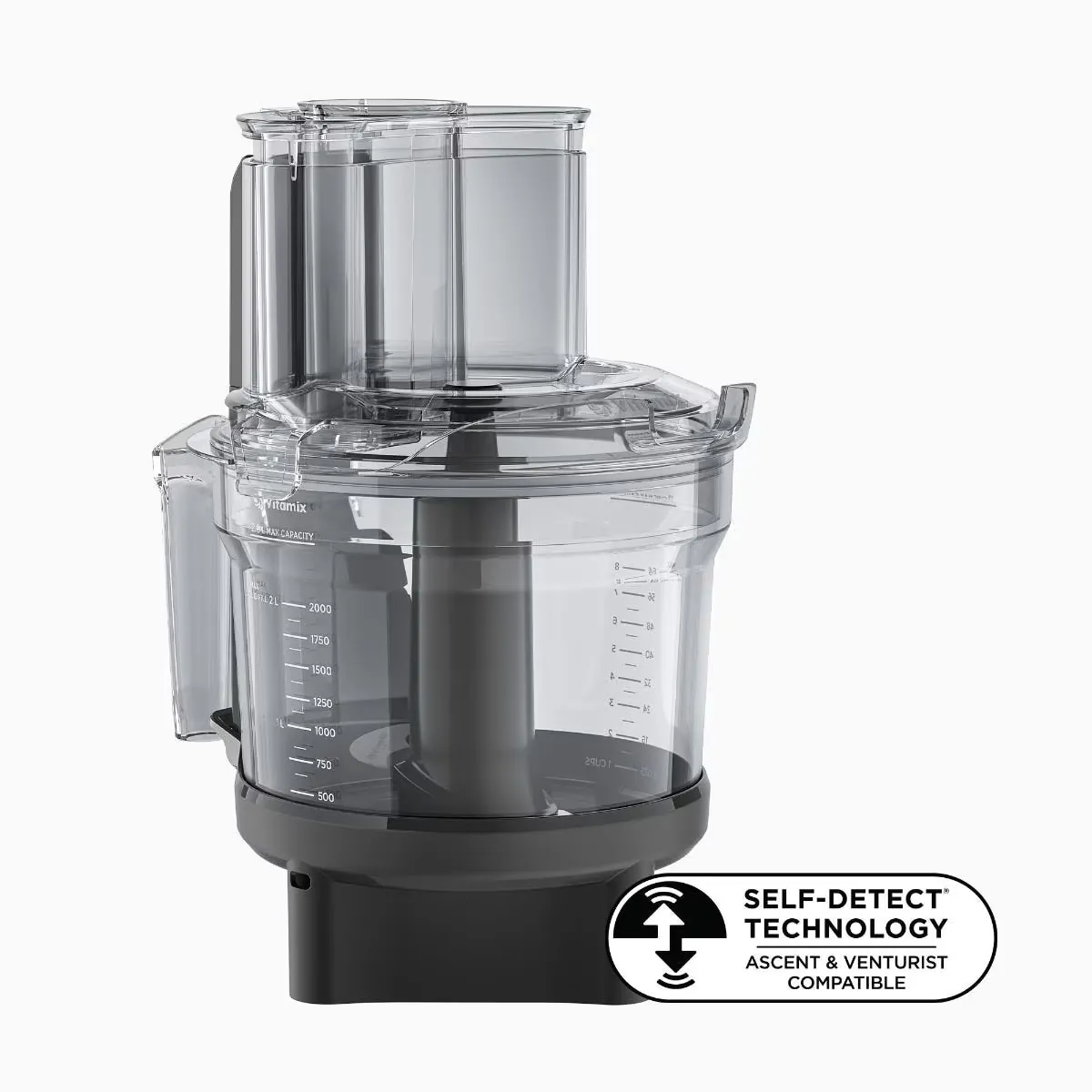
If your primary goal is meal preparation rather than drink making, a food processor is the better choice. You should look for a food processor if you frequently need to slice large quantities of vegetables, shred cheese, or knead heavy dough for bread. These tasks require the flat, wide workspace and the specific slicing disks that a blender simply can’t provide.
Attempting to use a blender for these tasks will result in frustration and poor results, regardless of how high-end the blender is. If you find yourself needing these features more than once a week, it’s time to invest in a dedicated food processor.
Use a processor when you need uniform cuts for even cooking. Blenders rely on gravity and high-speed blades that turn solids into puree. If your recipe calls for a specific texture—like diced onions for a mirepoix or thin zucchini rounds—a blender will only produce mush.
If you’re unsure which tool fits, check your blade. If the task requires a stationary disk that rotates against a feed tube, a blender is the wrong machine.
Related guides
- Best Immersion Blender Food Processor Combo: 7 Top Picks
- 10 Best Buy Ninja Blender and Food Processor Combo Picks
Frequently asked questions
Can a Vitamix knead bread dough?
A Vitamix can knead dough, but it’s limited to smaller batches and requires constant supervision to prevent the motor from overheating. If you make bread regularly, a dedicated stand mixer or food processor is more efficient and provides a better texture.
Is it safe to put hot ingredients in a blender?
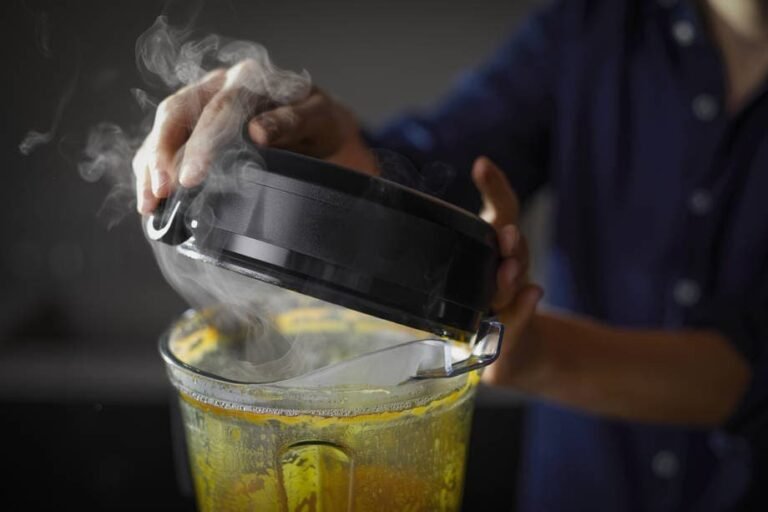
It’s safe to blend hot ingredients as long as you leave the center cap of the lid loose to allow steam to escape. Always start on the lowest speed and increase it slowly, as the expansion of steam can cause the lid to blow off if the pressure is too high.
Can I use a blender to shred cheese?
You can’t effectively shred cheese in a blender because the heat generated by the blades will turn the cheese into a soft, sticky paste. A food processor with a shredding disk is the only way to achieve consistent, separated shreds of cheese.
How do I stop my blender from making liquid?
You can prevent liquid results by using the pulse function instead of a continuous speed setting. Keeping the container less than half full also allows ingredients to move freely without being pulled continuously into the blades.
Why does my blender smell like burning?
A burning smell usually means the motor is being overworked by ingredients that are too thick or too hard. Stop the machine immediately, add more liquid to the container, and ensure you’re using the tamper to keep ingredients moving.
Does a Vitamix replace a food processor?
A Vitamix doesn’t fully replace a food processor because it lacks the attachments needed for slicing and shredding. It’s a powerful supplement for blending, but it can’t handle the specific mechanical tasks that define a food processor’s utility.
How long should I blend for a chunky salsa?
You should blend for no more than two to four seconds using the pulse button to achieve a chunky consistency. Any longer than five seconds will begin to break down the vegetables into a liquid puree.
Conclusion
Start by assessing how often you need to slice or shred vegetables versus how often you make smoothies or soups. If your priority is drinkable results, start with a Vitamix; if you need meal prep help, start with a food processor. If the machine fails to start, check the power outlet first.