Where Can I Buy A Vitamix 40 Oz Blender Bottle: Retailer Guide
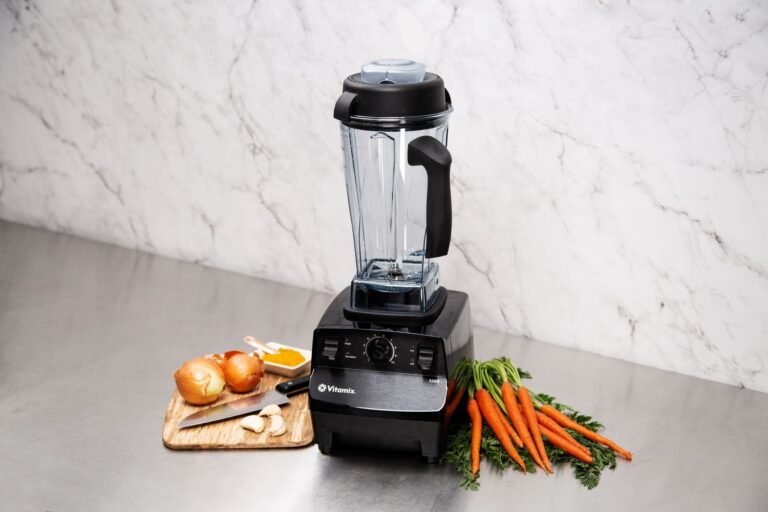
You can buy a vitamix 40 oz blender bottle directly from the official Vitamix website, major kitchen appliance retailers, or authorized online marketplaces. It’s important to verify that the container is compatible with your specific blender model before you purchase it, as Vitamix offers several different container designs that aren’t interchangeable.
Whether this accessory fits your machine depends on your blender’s series. The 40-ounce container is typically designed for the Ascent and Venturist series, which use a self-detect technology. If you own an older Legacy series machine, such as the 5200 or 6300, this specific container won’t lock into place or function.
Who should buy this Vitamix blender bottle
This page serves owners of Vitamix Ascent or Venturist series blenders who want a smaller container for daily tasks. These users often find the standard 64-ounce container too large for single-serving smoothies or small batches of dressing. You likely have a machine that accepts the “low-profile” or “narrow” containers and are looking to expand your kitchen capabilities.
If you own a Classic or Legacy series machine, this page isn’t for you. Those machines use a different locking mechanism and motor base design. You should instead look for containers specifically labeled for the “Classic” series to ensure the safety interlocks engage correctly. This guide assumes you have already confirmed your blender base is compatible with the “Self-Detect” container line, which is a requirement for the 40-ounce model to operate.
Factors that change your choice
The most important factor is your blender model’s series. The 40-ounce container uses a wireless connection to tell your blender which settings are safe to use. If your base doesn’t have this technology, the machine won’t start when the container is placed on it.
Your intended use also matters. This size is ideal for small batches, but it isn’t built for massive multi-person meals. If you frequently blend for more than two people, the 64-ounce container remains the better choice. People often make the mistake of buying the 40-ounce model hoping it will fit a 5200 series machine. This results in a return process that costs you shipping fees and time.
The blade sharpness and condition of your drive socket are secondary factors. If your drive socket is worn down, even a new container may not spin properly. You can check the condition of your drive socket by looking for rounded edges on the metal teeth. If they’re worn, the container won’t engage, and you may need to contact Vitamix support for a replacement part.
How to purchase the container
- Check your blender base for the model name, usually found on the bottom or back label.
- Visit the official Vitamix website and navigate to the “Containers” section.
- Filter the results by your blender series to ensure you only view compatible options.
- Select the 40-ounce container and confirm it includes the matching tamper tool.
- Review the return policy before you finalize your order to ensure you can exchange it if it doesn’t fit.
- Complete the checkout process using a secure payment method.
- Wait for the delivery and check the container for any cracks or shipping damage before first use.
- Place the container on your base and listen for the “click” that confirms the safety interlock is engaged.
The judgment call that separates a proper setup from a problem is the physical fit of the container. A correctly seated container will sit flush against the rubber pad on your motor base. If it wobbles or feels loose, don’t turn the machine on, as this can damage the drive socket and the container base.
Compatibility and options
| Container Type | Best Use | Compatibility | Estimated Effort |
|---|---|---|---|
| 40 oz Container | Small batches | Ascent/Venturist | Low |
| 64 oz Low-Profile | Large meals | Ascent/Venturist | Low |
| 32 oz Wet | Nut butters | Legacy Series | Moderate |
| 48 oz Stainless | Hot soups | Various models | Moderate |
| 20 oz Cup | Travel drinks | Ascent/Venturist | Low |
The 64 oz low-profile container is the industry standard for family-sized batches, but it struggles with volumes under two cups. If you consistently process small amounts of herbs or spices, the blades will fail to catch the ingredients, leaving you with uneven, chunky results. In those cases, switch to the 40 oz container to maintain the necessary vortex.
Many users assume all containers are interchangeable across the entire product line. This is a costly mistake that can damage your motor base. Always check the drive socket shape on your machine before purchasing a replacement. If your base has a self-detect icon, you must use Ascent or Venturist series containers to trigger the safety sensors.
Legacy series machines require the 32 oz wet container for nut butters because the taller, narrower profile forces ingredients back into the blades. Using a wide-bottom container for thick, viscous mixtures often leads to cavitation, where the blades spin in a pocket of air while the product sits stagnant against the walls.
If you see the motor straining but the contents aren’t moving, stop immediately and use a tamper to push the ingredients into the blades. This prevents the thermal protection circuit from tripping and shutting down your machine mid-cycle.
Getting the best result
Preparing for the switch
Experienced users always clean their motor base before attaching a new container. Any debris on the rubber pad can cause the container to sit unevenly, which leads to excessive vibration during high-speed blending. Beginners often skip this step and blame the container for the resulting noise. A clean contact surface ensures the sensors can communicate correctly with the blender base.
What to leave alone
Don’t attempt to modify the base of the container or the locking pins. These parts are calibrated to ensure the blender stops immediately if the container is lifted. Modifying these components voids your warranty and creates a significant safety risk. If the container doesn’t lock, the issue lies with the base or the container model, not a lack of force.
Troubleshooting common issues
| What you notice | What it usually means | What to do first | How to stop it |
|---|---|---|---|
| Machine won’t start | Container not detected | Re-seat container | Clean base pad |
| Loud rattling | Unstable base | Check rubber feet | Ensure level surface |
| Leaking liquid | Worn seal | Inspect gasket | Hand wash only |
| Blade won’t turn | Jammed food | Remove excess mass | Use more liquid |
| Error code E3 | Sensor fault | Restart blender | Check compatibility |
Official standards and safety
Vitamix maintains strict safety standards for its containers, as outlined in their owner’s manuals. The company specifies that containers must be used only with the blender bases they’re designed for to prevent motor damage. You can find the specific model compatibility chart on the official Vitamix support page.
If your container is damaged or the seal is broken, stop using it immediately. Contact the Vitamix service team for a replacement, as a damaged container can lead to motor burnout or food contamination.
Check the drive socket at the base of the blender before every use. If the teeth are rounded or the rubber is frayed, don’t attach the container. Running a machine with a compromised socket forces the motor to work harder, often leading to a total system failure within three to five cycles.
If you notice a burning smell or liquid leaking into the base, unplug the unit at once. Never attempt to repair a cracked jar with adhesive. Food particles trapped in the fissure create a breeding ground for bacteria that standard cleaning cycles can’t remove.
What it costs you
The cost of a container is quite affordable compared to the alternative, depending on current promotions and whether you purchase it as a standalone item or a bundle. The price fluctuates based on the inclusion of the tamper and the storage lid. You can find the most current pricing on the official Vitamix website.
Avoid third-party sellers that offer “compatible” containers at significantly lower prices, as these often lack the necessary safety sensors and can damage your blender’s motor. A genuine container features a metal drive socket designed to snap securely into the base.
You should always verify the serial number on the container base against the manufacturer’s compatibility list before buying. If your blender model number begins with an “E” or “A,” you require a specific low-profile container to avoid calibration errors. If you find a deal that seems too good to be true, check the weight; authentic containers are reinforced with high-impact polycarbonate and feel noticeably heavier than generic alternatives.
Keeping it right afterwards
To keep your container in top shape, wash it by hand with warm water and a drop of dish soap immediately after use. Avoid putting the container in the dishwasher, as the high heat can damage the seals over time.
You’ll know it needs attention if you notice liquid pooling under the container after blending. If this happens, the seal is compromised and you should stop using it to prevent liquid from entering the motor base.
If you blend sticky ingredients like nut butters or dates, a quick rinse isn’t enough. Fill the container halfway with warm water and two drops of soap, then run it on the highest speed for thirty seconds. This clears residue from under the blades that a sponge can’t reach.
Hold the base firmly and try to wiggle the blade shaft. If you feel any movement or hear a grinding sound, the bearings are failing. Replacing the assembly now is inexpensive, but ignoring the wobble will eventually destroy the drive socket on your motor base, which is a significantly more expensive repair.
If your container develops a cloudy film, soak it in a mixture of one part white vinegar to four parts water for one hour. This restores clarity without scratching the polycarbonate.
When to choose a different path
If you’re looking for a container to perform tasks like heavy dough mixing or large-batch grain grinding, the 40-ounce model is the wrong choice. Its narrow footprint causes thick ingredients to cavitate, leaving you with a stalled motor and uneven textures. Instead, look for the specialized dry grains container or the larger 64-ounce classic container. These are built with different blade geometries that pull dense ingredients down into the vortex rather than pushing them away.
If your goal is strictly to save money, don’t buy a used container unless you can verify the blade assembly isn’t rusted or stuck. A seized bearing creates immense friction, which eventually burns out the drive socket of your base unit. This mistake often costs more in motor repairs than the price of a new pitcher.
If you notice a metallic grinding sound or see dark, oily residue beneath the jar, stop using it immediately. These are signs of a failing seal. If the container is cracked or the plastic appears cloudy and etched, replace it. Micro-fractures harbor bacteria that no dishwasher cycle can fully sanitize. Always prioritize structural integrity over the initial savings of a discounted, pre-owned part.
Frequently asked questions
Can I use a 40 oz container on a 5200 blender?
No, the 40-ounce container isn’t compatible with the 5200 series. The 5200 requires containers specifically designed for the Classic series, which lack the electronic “self-detect” sensors found in the 40-ounce model.
Is the 40 oz container dishwasher safe?
No, Vitamix recommends washing the container by hand with warm water and soap. Dishwasher heat can warp the plastic or damage the drive socket seal over time.
How long does a Vitamix container last?
A container can last for many years with proper care and hand washing. The lifespan depends on your usage frequency and whether you regularly blend hard ingredients like ice or frozen fruit.
Does it matter if I use a knock-off container?
Yes, using a non-official container can cause permanent damage to your blender base. These items often lack the safety sensors required to protect the motor from overloading.
How do I know if my container is compatible?
Check the model number on your blender base and compare it to the compatibility list on the official Vitamix website. The 40-ounce container is primarily for the Ascent and Venturist series.
What happens if the blender doesn’t recognize the container?
The blender won’t start or will show an error code on the digital display. Ensure the container is pressed firmly onto the base until it clicks.
Is the 40 oz container BPA free?
Yes, all Vitamix containers are made from BPA-free Eastman Tritan copolyester. This material is designed to withstand high-speed impact and temperature changes.
Conclusion
Start by checking your blender base model number against the list on the manufacturer’s website. Once you confirm compatibility, you can order the container directly from the source to ensure you receive the correct part. If the container doesn’t sit flat on your base, stop immediately and contact customer support for help.