Where To Buy Used Vitamix Blenders: Best Reliable Sources
You can find a used vitamix blender on the official Vitamix website under their certified reconditioned section, or through reputable online marketplaces like eBay and Facebook Marketplace. Buying directly from the manufacturer provides a full warranty and quality inspection, while third-party sites often offer lower prices if you’re willing to accept a shorter warranty or no guarantee at all.
Your final choice depends on how much protection you need for your investment versus the amount of money you want to save.
Who needs a used blender
This guide helps people who want the power of a high-performance blender but can’t justify the cost of a new model. You’re likely a home cook looking to make smoothies, soups, or nut butters without paying full retail prices. If you already own a basic blender and find it struggles with tough ingredients like frozen fruit or kale, you’re the ideal reader for this information.
We assume you’re looking for a machine that still functions like new. This page serves those who want to balance cost savings with the safety of a working appliance. If you’re a professional chef needing a machine for a commercial kitchen, you should look for new units with commercial-grade warranties instead. We focus on residential models designed for home use.
Factors that change the price
The price of a used unit changes based on the model series and its physical condition. Newer series like the A-series or Ascent models hold their value better than older Classic series machines. If the motor base is clean and the container has no cracks, the value stays near the higher end of the range.
The seller type is the most important factor in the final cost. When you buy from a private seller, you pay less but take the risk that the motor might fail soon. Buying from a store or the manufacturer adds a premium for the service of testing the machine. Many people make the mistake of buying the cheapest unit without checking the jar condition. A replacement jar can be quite expensive, which often wipes out your initial savings.
Where to find a machine
You should evaluate these common sources to see which fits your budget and risk tolerance.
- Vitamix Certified Reconditioned: These machines are inspected by the company and come with a 3-year warranty. They’re the safest option but cost more than private listings.
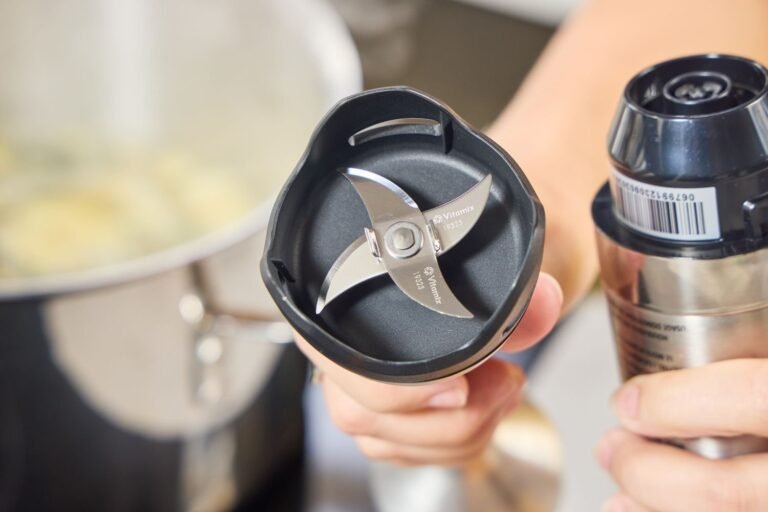
- eBay: You can find many models here, but check the seller’s rating and photos of the actual item. Always look for clear images of the blade assembly.
- Facebook Marketplace: This allows local pickup, which is helpful because you can test the machine before handing over cash. Always plug it in and run it on high speed to listen for grinding noises.
- Local Thrift Stores: These are the cheapest sources, but they rarely test the items. Only buy here if you’re comfortable fixing minor issues or finding replacement parts.
The condition of the blade bearings is the main limit. If the blades feel loose or sound like a jet engine when running, the bearings are failing and the unit needs professional service.
Inspecting a used blender
Follow these steps to ensure you get a working machine when meeting a private seller.
- Check the base for any signs of liquid damage or burnt smells, which indicate the motor was overworked.
- Inspect the container for deep scratches or cracks; a clear container is safer than one that’s cloudy or damaged.
- Place the container on the base and lock it in place to ensure the drive socket isn’t stripped or wobbling.
- Plug the machine into a standard 120-volt outlet and turn the speed dial to the lowest setting.
- Slowly increase the speed to the maximum setting to listen for smooth operation without clicking or rattling.
- Look for any leaks around the blade assembly when the machine runs with water inside.
- Verify the serial number on the base to check if it’s still eligible for any remaining factory warranty.
If the machine makes a loud grinding noise, stop immediately. A bad motor is a fire hazard and isn’t worth buying.
Comparing where to buy a used Vitamix blender
| Source | Warranty | Inspection | Typical Savings |
|---|---|---|---|
| Official Site | 3 Years | Factory Tested | 20-30% |
| eBay | Varies | Seller Rated | 40-50% |
| None | You Test | 50-60% | |
| Thrift Store | None | None | 70-80% |
Buying directly from the manufacturer guarantees a certified product with a full three-year safety net. You pay a premium for this assurance of quality, but it protects you against early mechanical failure.
If you choose the secondary market, always check the seller’s rating history for at least fifty recent transactions. A seller with a rating below 95% is a red flag, regardless of the price.
When buying via local marketplaces, insist on testing the item under load for at least ten minutes before handing over cash. If the seller refuses to let you plug it in or verify the serial number, walk away immediately.
Thrift store finds are final sales. Only buy these items if you have the technical skills to perform repairs yourself. If you aren’t comfortable troubleshooting, the 80% savings will vanish the moment you need a professional repair or a replacement motor base.
Getting the best result
Check the container
Experienced buyers know the container is just as important as the motor. A container with dull blades or worn-out seal gaskets won’t blend ingredients smoothly. If the container is cloudy, it often means it was cleaned in a dishwasher, which can damage the plastic over time. Always check the bottom of the jar for signs of leaking fluids, as this is a common failure point.
Test the speed controls
Beginners often forget to test the variable speed dial. A faulty dial might jump from low to high speed without control, which makes it dangerous to use with hot liquids. Turn the dial through every setting to ensure the motor speed increases steadily. If the dial feels loose or skips steps, the internal speed control board may need to be replaced.
Troubleshooting common issues
| What you notice | What it means | What to do first | How to stop it |
|---|---|---|---|
| Burnt smell | Motor overheating | Stop use immediately | Don’t overfill jars |
| Loud rattling | Worn bearings | Check blade base | Clean after use |
| Leaking liquid | Damaged seal | Replace container | Hand wash only |
| Unit won’t start | Tripped breaker | Reset your outlet | Check power load |
| Dull blades | Normal wear | Sharpen or replace | Avoid hard pits |
If you smell ozone or burning plastic, touch the motor base. If the casing feels hot to the touch, you have exceeded the unit’s thermal limit. Let it sit unplugged for at least thirty minutes before attempting to restart.
Rattling often stems from food debris trapped under the blade assembly. If the noise persists after cleaning, inspect the rubber gasket for cracks. A hairline fracture here will cause liquid to seep into the motor housing, leading to permanent electrical failure.
When the unit fails to start, check if you’re sharing a circuit with high-draw appliances like a microwave. If the breaker trips repeatedly, the motor may be drawing excessive current due to a fault; discontinue use and have the unit inspected.
Finally, never sharpen blades with a standard kitchen stone, as this can damage the precision-engineered blade geometry. Always replace the blade assembly once you notice it takes more than sixty seconds to reach a smooth consistency.
Legal and safety rules
The Consumer Product Safety Commission provides guidelines for using electrical kitchen appliances. Always ensure the blender has its original, intact two-prong polarized plug; don’t use the appliance if the cord or plug has been modified. If you buy a unit that looks modified or has an altered power cord, don’t use it under any circumstances.
If you find a model with a recall notice, check the official company website to see if the serial number is affected. Most manufacturers offer a free repair or replacement for recalled items if you provide the necessary documentation.
Never attempt to open the motor base yourself. Internal capacitors can hold a lethal charge even when the unit is unplugged. If your blender emits a burning smell or sparks during operation, stop using it immediately. These signs indicate a failing motor or degraded insulation.
If the unit is under warranty, contact the manufacturer before attempting any third-party repairs. Using an unauthorized service center often voids your coverage and may introduce new safety hazards that aren’t covered by standard insurance policies.
Real costs of ownership
The true cost includes the purchase price plus any parts you must replace. A new container is a significant additional expense. If you buy a used unit and need a new container, your total increases substantially. Compare this to the price of a factory-reconditioned unit, which includes a new container and a warranty.
If you choose a private sale, expect to spend extra on cleaning supplies and potential replacement gaskets. These costs shift based on the specific model you choose. Always search for the current price of parts for your specific model before you buy the base.
Most buyers fail to account for shipping fees on heavy replacement parts, which can add a notable amount to the final bill. If the seller can’t provide a service history, assume the motor brushes are worn and factor in a repair cost. If the unit runs quietly, you’re likely safe. If it rattles, walk away.
Keeping it in good shape
After you buy your machine, keep it clean to extend the life of the motor. You should rinse the container with warm water and a drop of soap immediately after every use. Never leave food residue to dry inside the jar, as this makes the blades harder to turn and puts stress on the motor.
If the machine begins to smell like burning rubber, turn it off and let it cool for 30 minutes. This usually happens when the machine is overloaded with too much frozen food or thick dough. If the smell persists after the machine cools, the motor brushes may be worn out. At that point, you should contact a professional repair center to evaluate if the motor is worth saving.
When to avoid used models
You should avoid buying a used unit if the seller can’t provide a video of it running under a load. A machine sold “as-is” without a power-on test is a gamble that rarely pays off. If you aren’t comfortable cleaning internal debris or troubleshooting basic mechanical issues, save your money for a new model.
Buying a used unit is the wrong choice if you need a machine for daily heavy-duty use. Internal components have a finite lifespan measured in total run-time hours. If you intend to use the blender more than five times a day, the cost of replacing worn seals and bearings will quickly exceed the price of a new, reliable machine.
Check the motor brushes if you can open the casing. If they’re worn down to less than a quarter-inch, the motor is nearing total failure. If you see excessive dark dust inside the housing, it may indicate significant wear on the motor brushes.
Frequently asked questions
Is it safe to buy a used blender?
It’s safe if you test the motor and inspect the jar for cracks before buying. Always verify the power cord isn’t frayed and the unit doesn’t smell like burning plastic when running at high speeds.
How long does a used machine last?
A well-maintained machine can last for many years in a home kitchen. The lifespan depends on how many times the previous owner used it and if they followed the cleaning instructions provided in the manual.
What happens if the blender smokes?
Smoke usually means the motor is overloaded or the internal brushes are failing. Stop using the machine immediately to prevent a fire and don’t try to restart it until a technician inspects the motor base.
Does it matter which model I buy?
It matters because parts for older models are harder to find than for newer ones. Check the manufacturer’s website to ensure they still sell containers and blade assemblies for the specific model number you’re considering.
How much should I pay for a used one?
You should pay 40% to 60% of the current retail price for a used machine in good condition. Check recent completed listings on auction sites to see the average price for the specific model you want.
Can I get parts for an old Vitamix?
You can get parts for most models, but some very old units are no longer supported. Check the parts section on the official website by entering your model name to see if the items you need are still in stock.
Conclusion
Start your search by checking the official manufacturer’s reconditioned inventory first to set your price baseline. If those are too expensive, look for local listings where you can see the machine run in person. If the motor sounds like metal grinding on metal, walk away and keep looking.