What Can A Vitamix Blender Do: Complete Guide to Capabilities
A Vitamix blender can process ingredients into textures ranging from coarse chunks to perfectly smooth liquids by using high-speed blades that generate heat through friction. You’ll find that the versatility of a Vitamix blender in your kitchen depends on the motor power and the specific container size you’re using.
These machines work best for people who want to blend tough ingredients like frozen fruit, fibrous greens, or nuts into smooth purees. If you have a professional-grade model, you can even make hot soups by running the machine for six minutes. This guide focuses on standard full-size models used in home kitchens.
Selecting the best Vitamix blender for you
People who buy these machines usually fall into one of three groups. First, there are the health enthusiasts who want to make daily green smoothies with kale or spinach. Second, there are home cooks who want to replace multiple kitchen tools, such as food processors and soup makers, with one device. Third, there are professional chefs who need consistent results for sauces and dressings every time.
This page serves the home cook who wants to understand the machine’s true potential. We assume you have a standard full-size container, which is the most common setup. If you’re using a smaller personal-sized cup, your maximum capacity for hot liquids will be much lower.
If you need to blend large batches of heavy dough, you should look for a model with a wide-base container rather than the narrow, tall ones. This guide helps you decide if your current model is enough for your specific goals.
Factors that change your blending results
The most important factor is the blade speed. At lower speeds, the blades act like a food processor to chop vegetables for salsa. At high speeds, the blades turn ingredients into a liquid or a fine puree. You must start at the lowest speed and increase it slowly to avoid splashing.
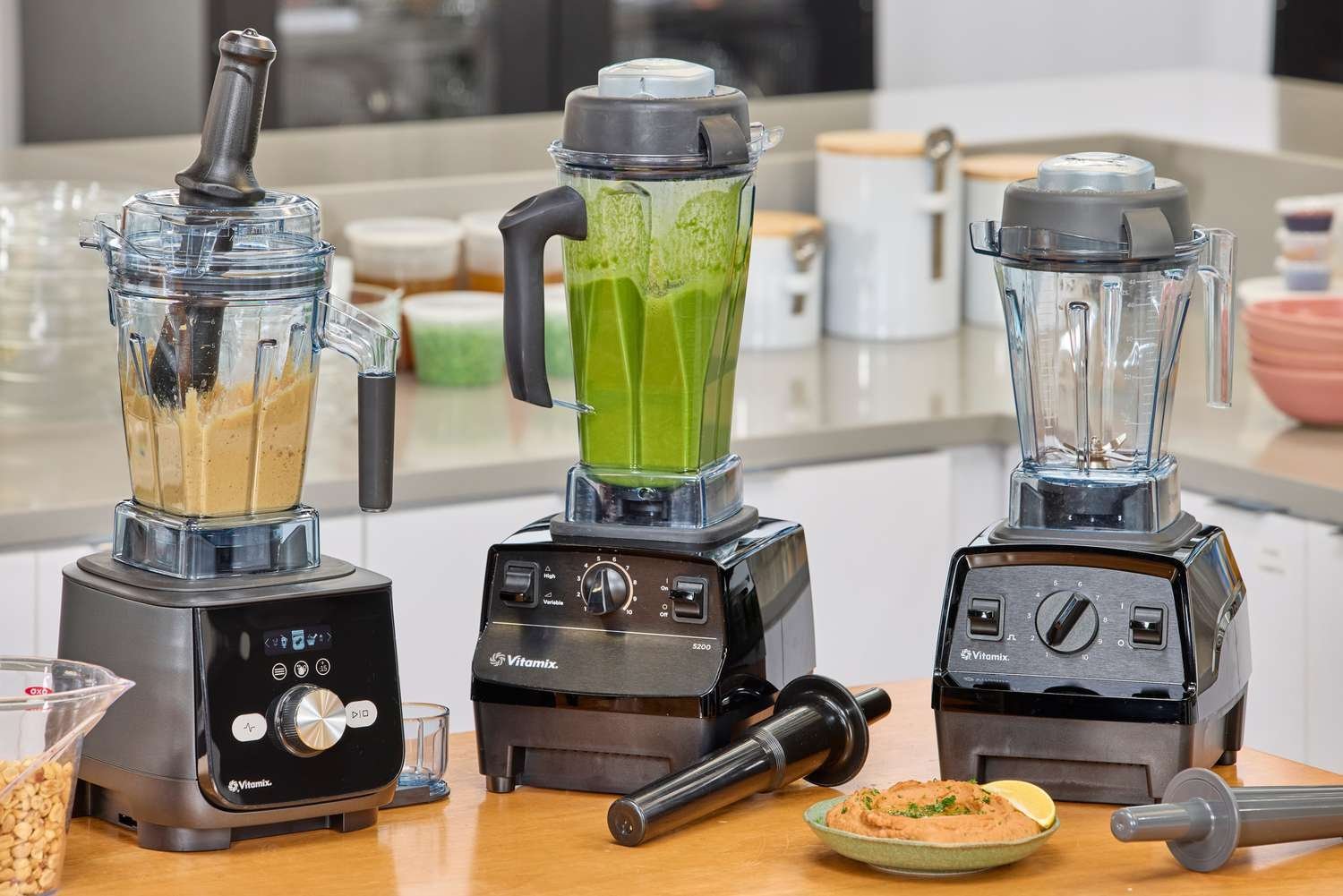
Container shape also plays a big role in how food moves. A tall, narrow container forces ingredients down toward the blades, which is ideal for making smooth nut butters. Wide containers are better for heavy mixtures like thick dips or hummus because they provide more room for the food to circulate. People often make the mistake of overfilling the container, which prevents the ingredients from reaching the blades.
The texture you want dictates the time you spend blending. For a quick smoothie, 45 seconds is usually enough. For a completely smooth soup or a silky almond butter, you might need to run the machine for two to three minutes. If you’re blending something very thick, use the tamper provided with your machine to push ingredients into the blades. This prevents air pockets from forming around the blades.
Preparing ingredients for the perfect blend
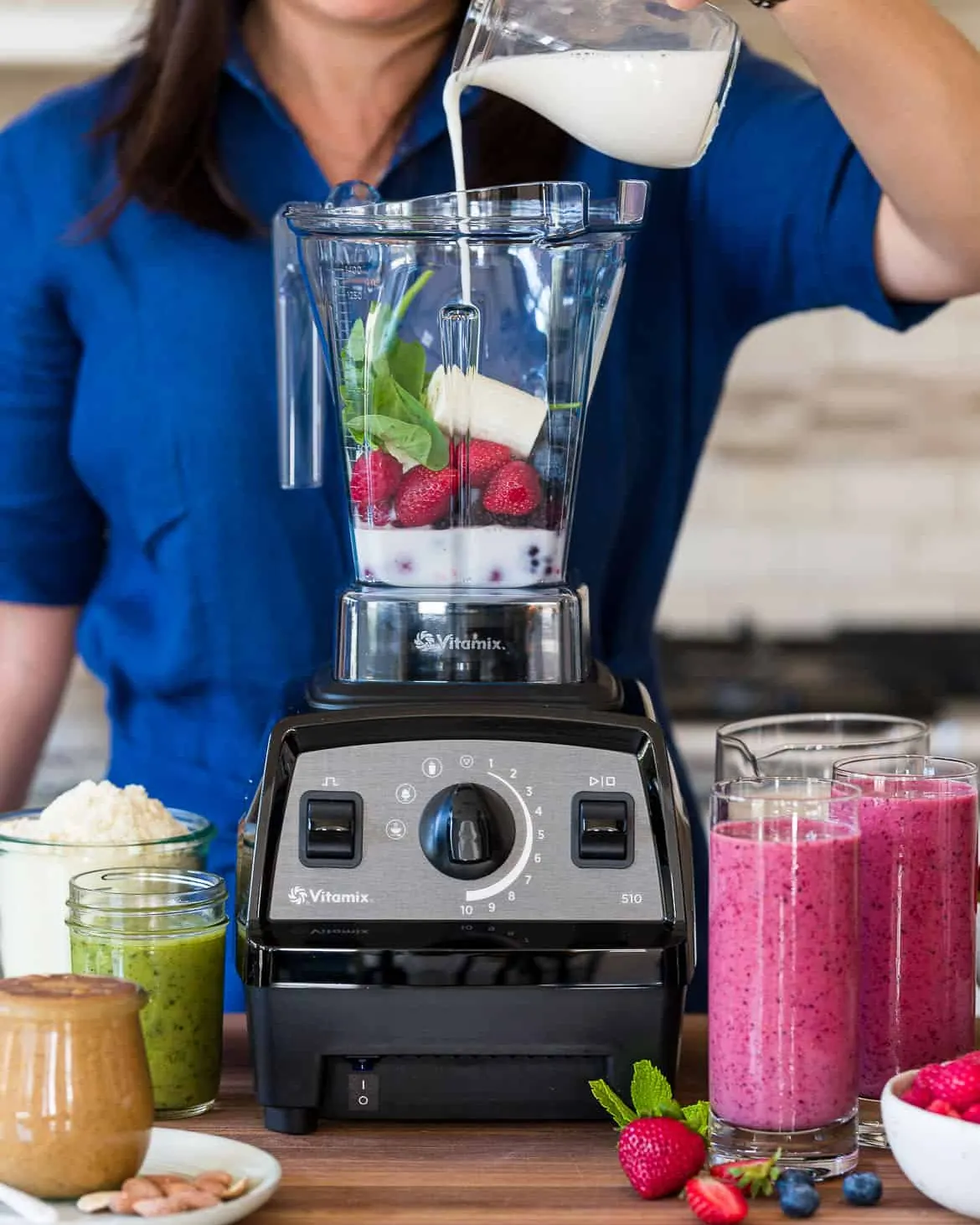
- Add your liquids first, such as water, milk, or juice, to help the blades start moving easily.
- Add soft ingredients like yogurt or leafy greens next.
- Add hard items like frozen fruit, ice, or nuts on top.
- Secure the lid tightly and place the center plug in the opening.
- Start the machine on the lowest speed setting to prevent the motor from straining.
- Increase the speed to the highest setting within 10 seconds.
- Use the tamper to push ingredients down if the mixture stops moving.
- Blend for the desired time until the mixture looks uniform.
The single judgement call that separates a good result from a poor one is knowing when to stop. If you blend too long, you might create too much heat, which can change the flavor of delicate ingredients like fresh herbs. Always check the consistency every 30 seconds once you reach the one-minute mark.
Blending methods for different textures
| Goal | Speed Setting | Time | Best Tool |
|---|---|---|---|
| Chopped Veggies | Low | 5-10 seconds | Pulse button |
| Smooth Smoothie | High | 45-60 seconds | Standard container |
| Hot Soup | High | 5-6 minutes | Vented lid |
| Nut Butter | High | 2-3 minutes | Tamper |
| Thick Dips | Medium-High | 60 seconds | Wide container |
For chopped vegetables, use the pulse button in one-second intervals. If you run the motor continuously, you’ll end up with a watery puree rather than a clean dice.
When blending hot soup, never fill the container past the halfway mark. Steam expansion creates immense pressure that can blow the lid off if the container is too full. Always remove the center cap to allow heat to escape.
If you’re making nut butter, the mixture will suddenly transition from a thick paste to a creamy liquid. Watch the vortex closely. Once the blades begin to spin freely without the tamper, stop immediately to avoid overheating the motor.
If your dip isn’t moving, don’t add more liquid. Instead, stop the machine and scrape the sides toward the center. Adding extra oil or water will ruin the emulsification. If the blades still cavitate, you’re likely using a container that’s too narrow for the volume of ingredients.
Precision in the kitchen
Master the speed control
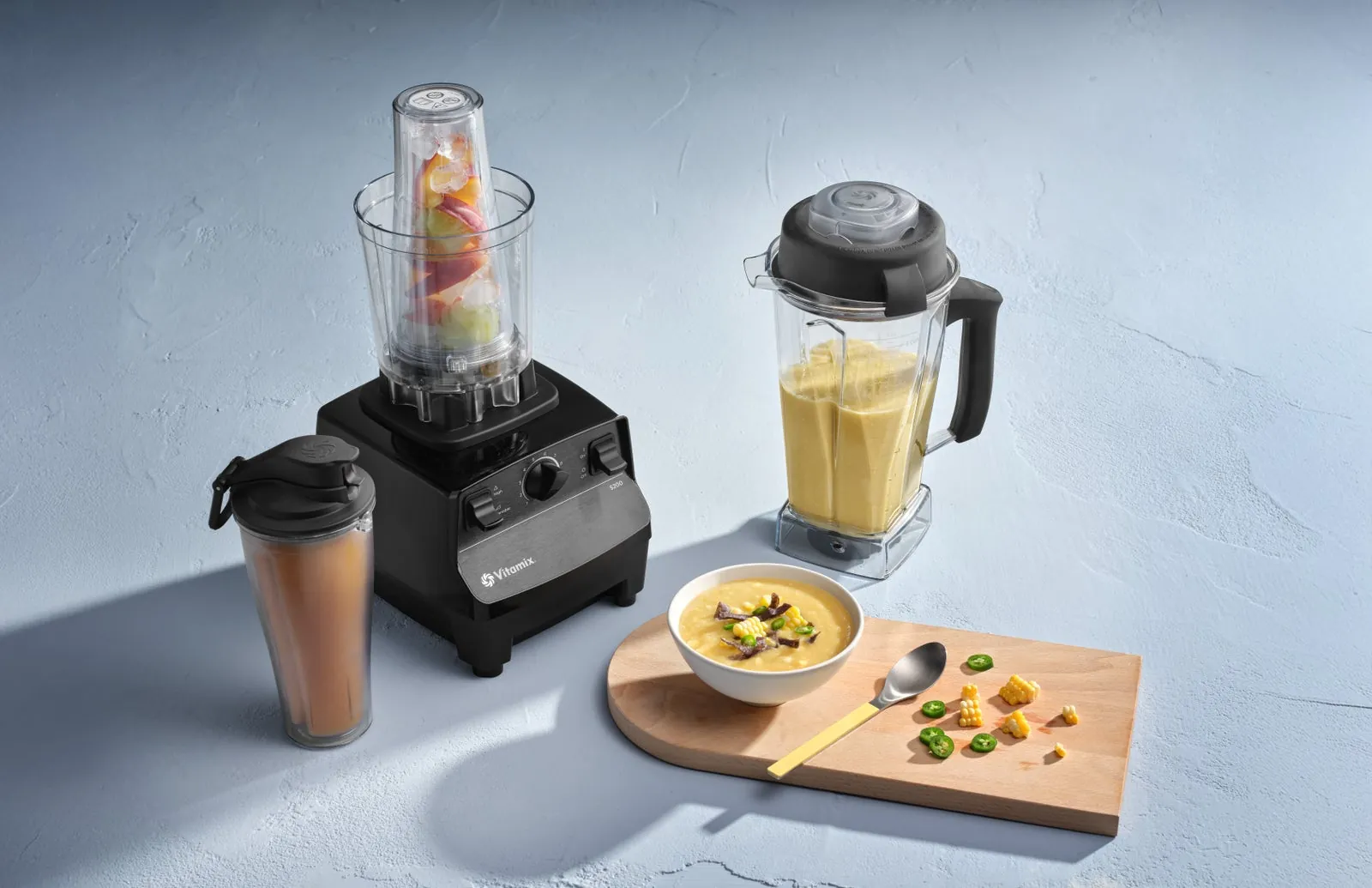
Experienced users never start their blender on high speed. Starting on low allows the ingredients to settle into the blades, which protects the motor from unnecessary stress. Beginners often rush this, which causes the ingredients to spin uselessly on top while the blades turn in an air pocket. Always increase the speed to maximum only after the ingredients have started to circulate.
Manage the heat buildup
The friction of the blades generates heat, which is a feature, not a failure. You can use this to your advantage to make hot soup directly in the blender. However, you must be careful with cold ingredients like ice cream. If you blend ice cream for too long, it will melt, so keep your pulses short and precise.
Troubleshooting common blending issues
| What you notice | What it usually means | What to do first | How to stop it |
|---|---|---|---|
| Air pocket forms | Not enough liquid | Add 1/4 cup liquid | Use the tamper |
| Blades not moving | Overfilled container | Remove some food | Blend in batches |
| Mixture is chunky | Speed is too low | Increase to high | Increase blend time |
| Burning smell | Motor is straining | Turn off immediately | Add more liquid |
| Leaking lid | Lid not secure | Clean the seal | Check for debris |
When an air pocket forms, the blades spin in the air without engaging the ingredients. If adding liquid fails, your ingredients are likely too dense; cut solid items into one-inch cubes to ensure they fall toward the blades naturally.
If the blades stall, stop the motor before the internal thermal protection kicks in. A common mistake is packing the container to the brim, which prevents the vortex from cycling food downward. If the container is more than two-thirds full, you must split the load.
A burning smell indicates the motor is working against friction, not just density. If you smell ozone, stop for ten minutes to let the coils cool. Never force the motor to finish a cycle when it sounds labored.
For leaking lids, inspect the rubber gasket for tiny food particles that prevent a vacuum seal. If the gasket is warped, replace it immediately to avoid damaging the base. Always ensure the container rim is dry before snapping the lid into place.
Safety and operational standards
Always follow the manufacturer’s user manual regarding the maximum capacity for liquids and solids. Overfilling creates internal pressure that can compromise the seal, leading to motor burnout or container cracking. If the manual provides a “fill line” for hot ingredients, treat it as a hard limit rather than a suggestion.
The FDA provides general guidance on food safety, but you must consult your specific blender manual for the maximum temperature limits of your container. Polycarbonate jars often warp or leach chemicals above 175 degrees Fahrenheit. If you’re processing liquids near boiling, remove the center cap of the lid to allow steam to escape.
Never attempt to service the motor or the internal wiring yourself. A capacitor inside these machines can hold a lethal electrical charge even when the power cord is unplugged. Opening the housing to “save” on repair costs often voids your warranty and risks a fatal shock.
If you hear grinding noises or smell burning, stop using the machine immediately. Contact the manufacturer’s support team while the unit is still under warranty. If the motor is smoking, unplug it from a distance and leave the room until the air clears.
The real cost of your machine
The cost of using a Vitamix blender is mostly about your time and the price of high-quality ingredients. While the initial price of the unit is high, you save money by buying whole foods in bulk rather than pre-processed items. You should expect to spend about 5 to 10 minutes cleaning the machine after each use.
The cost of electricity is negligible for the few minutes of blending, even on the highest power setting. If you use the machine daily, the cost per use drops significantly over the machine’s lifespan. Always compare the price of the model against the specific features you need, as extra power is only useful for heavy-duty tasks like grinding grains or making large batches of thick dough.
Maintaining your blender for longevity
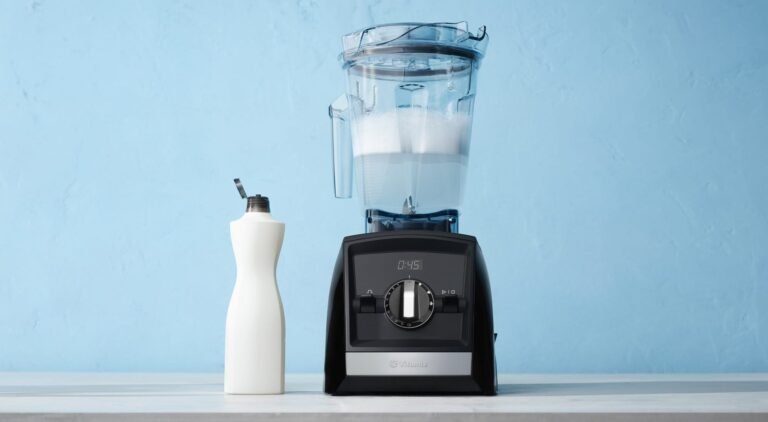
Cleaning your machine is simple if you do it right after you finish. Fill the container halfway with warm water and one drop of dish soap. Run the machine on high for 30 seconds, then rinse it thoroughly and let it air dry.
Never put the container in a dishwasher unless the manufacturer specifically states it’s dishwasher-safe. High heat and harsh detergents degrade the rubber gaskets that seal the blade assembly, leading to leaks that can ruin the motor base. If the base smells like ozone or you see dark residue under the jar, the seal has already failed.
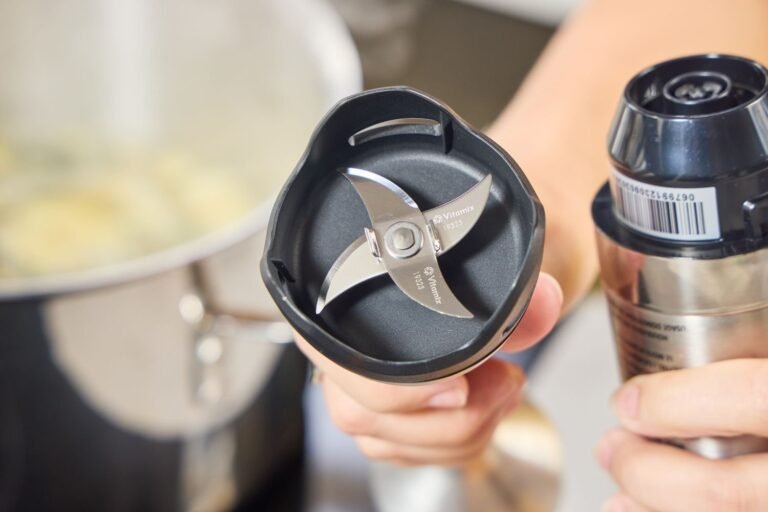
If you notice the blades seem dull or the container looks cloudy, check the official manufacturer website for replacement parts. Dull blades are usually a sign of wear from grinding hard materials like ice or frozen fruit over many years of use.
If you frequently process abrasive ingredients, replace the blade assembly based on your usage and the manufacturer’s recommendations to prevent motor strain. A motor struggling to turn a dull blade draws more current, which generates excess heat and shortens the lifespan of the internal coils.
When to choose a different tool
This blender isn’t the right choice for every task in the kitchen. If you need to whip a small amount of cream or egg whites, a hand mixer or a whisk will give you better control over the volume.
For tasks requiring precise slicing, such as cutting vegetables into even matchsticks for a salad, a mandoline or a sharp chef’s knife is superior. Don’t use your blender for tasks that require a specific physical texture that only manual cutting can provide.
If you’re dealing with very small portions, like a single tablespoon of herbs, the blender won’t be able to catch the ingredients effectively. The blades will simply spin above the contents, leaving you with whole leaves rather than a mince.
If your recipe calls for fewer than four ounces of total volume, reach for a mortar and pestle instead. This avoids the frustration of scraping the bottom of a wide jar.
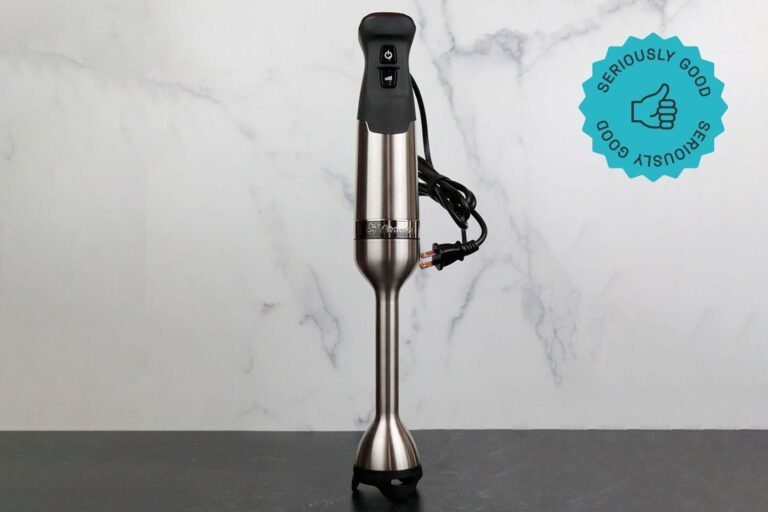
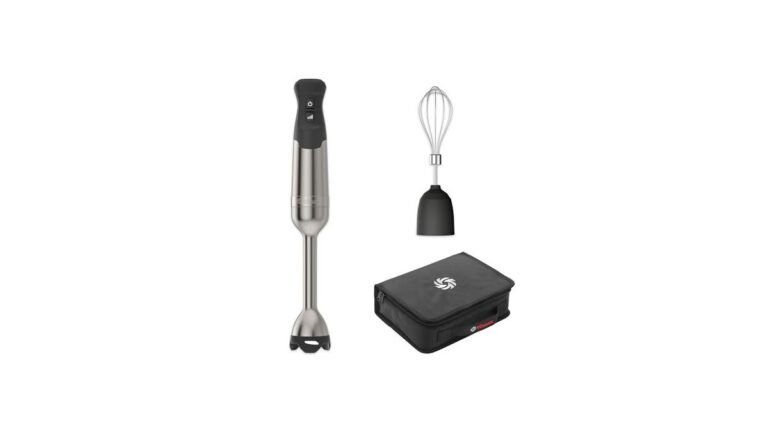
Many users mistakenly attempt to process hot liquids in the blender without removing the center cap. This prevents steam from escaping, which can cause the lid to blow off under pressure. Always switch to an immersion blender when working with soups directly in the pot.
Frequently asked questions
Can I blend hot liquids in my blender?
Yes, you can blend hot liquids safely if you use the vented lid. Always fill the container no more than halfway and start on the lowest speed to prevent the pressure from building up.
How do I know if my blender blades are dull?
You’ll notice the machine takes longer to achieve a smooth texture or leaves large chunks in your smoothies. Check the manufacturer’s website for their specific guidelines on when to replace the blade assembly based on your model.
Is it safe to blend ice every day?
Yes, you can blend ice daily as long as you use enough liquid to keep the mixture circulating. Always start on low speed and move to high speed once the ice begins to crush.
Why does my blender smell like burning?
This usually happens because the motor is straining against ingredients that are too thick or frozen. Add more liquid to the container immediately and turn the speed down to help the blades move more freely.
How long does a Vitamix blender last?
These machines are designed for long-term use, often lasting over a decade with regular care. You can find the specific warranty terms for your model on the official company website to see what is covered over time.
Can I make bread dough in a blender?
You can make certain types of dough, but it depends on the thickness and the power of your motor. Check the recipe book provided by the manufacturer to see if your specific model is recommended for heavy dough.
Conclusion
Start by adding your liquids and soft ingredients to the container to ensure a smooth flow. You’ll know the machine is working well when the mixture creates a steady vortex toward the blades. If the mixture stops moving or you hear a change in the motor sound, turn it off and get help.