How To Choose An Immersion Blender: Expert Tips for Smart Buyers
If you love cooking, you know that some kitchen tools make life much easier. An immersion blender is one of those tools. It helps you blend, puree, and mix right in the pot or bowl. You don’t need to transfer hot soup or messy ingredients to a big blender. But with so many options, choosing the right immersion blender can be confusing. What features matter? How do you pick one that suits your needs? This guide will help you understand everything about immersion blenders and how to choose one that fits your kitchen perfectly.
What Is An Immersion Blender?
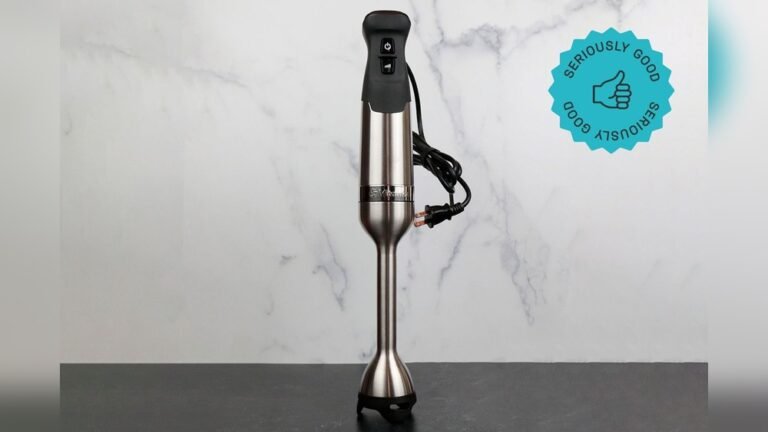
An immersion blender, sometimes called a hand blender or stick blender, is a handheld device with a long shaft and blade at the end. You hold it in your hand and place the blade directly into your ingredients to blend or puree them. Unlike countertop blenders, immersion blenders are light, portable, and easy to clean.
Most people use immersion blenders for soups, sauces, smoothies, and baby food. Some models come with attachments for chopping or whisking. Understanding how immersion blenders work is the first step to choosing the right one.
An immersion blender usually has a motor in the handle, which drives the blade at the end of the shaft. When you press the button, the blade spins quickly and blends the food. Because you move the blender around, you can target specific parts of your mixture and blend just as much as you need.
For example, if you make tomato soup, you can blend it right in the pot until you get the texture you like. If you want to leave some chunks, just blend for a shorter time or in certain spots. Immersion blenders are also great for blending directly in a cup or small bowl—perfect for single servings.
Another advantage is how easy they are to store. Many immersion blenders fit in a drawer or small cabinet, unlike big countertop blenders that take up valuable kitchen space.
Why Choose An Immersion Blender?
Many home cooks wonder if they need an immersion blender. You might already have a regular blender or food processor. Here are some reasons why immersion blenders are unique:
- Convenience: You can blend directly in the pot, reducing dishes and mess.
- Portability: Immersion blenders are small and easy to store.
- Speed: They quickly puree soups, sauces, or shakes.
- Easy cleaning: Most models have detachable parts that are dishwasher safe.
A countertop blender is good for large batches, but immersion blenders work better for small amounts or when you want quick results. They are also safer for hot liquids, as you don’t have to transfer boiling soup to another container.
Another reason people choose immersion blenders is the control they offer. You blend only as much as you want, adjusting texture easily. For instance, if you like your soup partially chunky, you can stop blending before it becomes too smooth.
This level of control is harder to achieve with a countertop blender, which often purees everything completely.
Immersion blenders are also perfect for recipes that need blending in multiple steps. For example, if you’re making mayonnaise, you can blend the oil in slowly while keeping the other hand free to pour. Or, if you’re making whipped cream, you can adjust the blending as you watch the texture change.
Some people use immersion blenders for making salad dressings, salsas, or even pancake batter. The tool’s versatility means you can use it for many quick kitchen tasks instead of pulling out several different appliances.
Non-obvious benefit: Immersion blenders work well for blending in containers of all sizes—even narrow jars. This is helpful for small portions, sauces, or when you want to blend just a little at a time.
:max_bytes(150000):strip_icc()/sea-primary-immersion-blenders-sep-24-rkilgore-0658-89167e1e4bd44afb93d9c847674b09e4.jpeg)
Credit: www.seriouseats.com
Types Of Immersion Blenders
Not all immersion blenders are the same. Some are simple with one speed, while others offer multiple speeds and attachments. Here are the main types:
Basic Models
These are affordable and simple. Usually, they have one or two speed settings and no extra attachments. They are good for blending soft foods or making simple smoothies.
A basic model is ideal if you only need to blend cooked vegetables, mix protein shakes, or make pancake batter. They are lightweight and easy to operate, making them a great choice for beginners or people with limited kitchen space.
However, basic models may struggle with harder foods like raw carrots or nuts. They usually have less power and a plastic shaft, which may not hold up well with frequent use.
Multi-speed Models
More advanced blenders have several speed settings. This helps you control how smooth or chunky your food becomes. Multi-speed models are useful for tough ingredients or thicker mixtures.
For example, if you want to puree cooked beans for a dip, start with a low speed to break them down, then switch to high for a smooth finish. Multi-speed models are also good for recipes that need gentle mixing first, then full blending.
Some models offer a turbo button for extra power. This is useful for breaking up stubborn chunks or blending frozen fruit quickly. Variable speed control gives you more options and better results for different recipes.
Models With Attachments
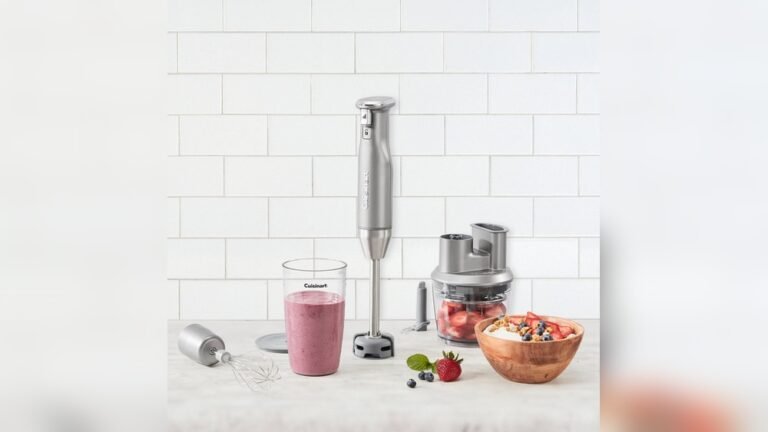
Some immersion blenders come with extra tools like whisk attachments, chopper bowls, or measuring cups. These are great for making whipped cream, chopping herbs, or preparing sauces.
For example, a whisk attachment can turn your immersion blender into a hand mixer, perfect for whipping egg whites, cream, or making light batters. A chopper bowl is helpful for dicing onions, garlic, or nuts quickly.
When choosing a model with attachments, check how easily they connect and disconnect. Some brands use a simple twist-on system; others have a button release. If you cook a variety of dishes, these add-ons make your blender more useful.
Corded Vs. Cordless
Corded immersion blenders need to be plugged in, which gives you steady power. Cordless models run on batteries, offering more flexibility but sometimes less power. If you have limited outlets or like cooking outdoors, cordless might be best.
Corded models are usually lighter because they don’t include a heavy battery. They are also reliable for long blending jobs—no battery running out halfway through a recipe.
Cordless models are convenient if you want to blend directly at the table, outdoors, or far from outlets. However, battery life varies. Some models last 15–20 minutes per charge, which is enough for most tasks. If you blend large batches or several times a day, corded may be more practical.
One more tip: Cordless models sometimes take longer to recharge. Check the charging time and battery replacement options before buying.
Key Features To Consider
When choosing an immersion blender, several features matter. Understanding these will help you make a better choice.
Power And Wattage
The power of an immersion blender is measured in watts. Higher wattage means more strength for tough jobs. Basic models usually have 200-300 watts. Advanced ones can reach 600 watts or more.
- For soups and liquids, 200-300 watts is enough.
- For chopping raw vegetables or making nut butter, choose 400 watts or higher.
Higher power also means faster blending, but it can be heavier and louder.
If you plan to use your immersion blender for smoothies with ice, nuts, or raw vegetables, aim for higher wattage. For tasks like blending cooked vegetables or making milkshakes, lower wattage is fine.
A non-obvious point: More wattage isn’t always better for every user. High-powered blenders can be harder to control, especially for delicate tasks like whipping cream or mixing thin batters. Beginners may prefer moderate power for more control.
Speed Settings
Some blenders offer only one speed. Others have two or more. Multiple speeds help you control texture:
- Low speed: For gentle mixing or soft foods.
- High speed: For pureeing tough ingredients.
If you often prepare thick soups or sauces, look for models with variable speeds.
Some immersion blenders use a dial or trigger to adjust speed. This is helpful if you want to start slowly, then gradually increase speed as your mixture thickens. More speed options mean better results for recipes that need both mixing and blending.
Blade Design
The blade is the most important part. Some blades are straight, while others are curved or have special shapes. Curved blades blend more evenly and reduce splashing. Stainless steel blades are stronger and last longer than plastic.
Some advanced models use multi-blade systems, where two or more blades spin at different angles. This design helps pull ingredients toward the blade, blending faster and more evenly. For example, a model with a bell-shaped blade guard can minimize suction and splashing, keeping your kitchen cleaner.
Beginners often overlook blade shape. A wide blade can blend more quickly, but may not fit in small jars. If you plan to blend in narrow containers, check the blade size.
Shaft Material
The shaft connects the handle to the blade. It can be made of plastic or stainless steel. Plastic shafts are lighter but can stain or crack. Stainless steel shafts are durable and safe for hot liquids. If you often blend hot soups, go for stainless steel.
Stainless steel shafts are also easier to clean and less likely to absorb odors or colors from foods like tomato sauce or curry. Some high-end models use reinforced plastic, which can be both light and strong, but always check if it’s heat-resistant.
If you have non-stick cookware, be careful with metal shafts or blades. Some models have special guards to prevent scratching pots.
Detachable Shaft
A detachable shaft makes cleaning easier. You can remove it and wash separately. Some models offer dishwasher-safe shafts.
This feature is especially useful if you use your blender for different foods. For example, you can blend tomato sauce, then detach the shaft and clean it before making whipped cream. It also makes storage easier, as you can keep the shaft and motor separate.
Some brands design their shafts with a simple twist-off or button-release system. Test this before buying to make sure it’s easy to use.
Ergonomics
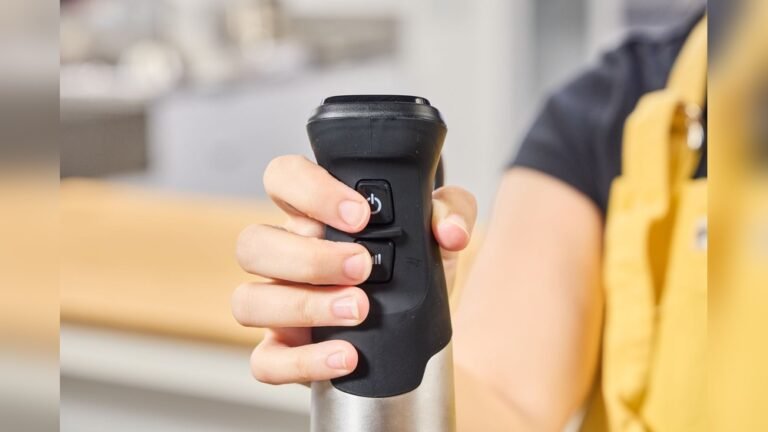
Comfort matters, especially if you blend often. Look for a handle that fits your hand and has non-slip grips. Some blenders are heavy, so check the weight before buying.
If you have small hands, try holding the blender to see if you can reach the speed controls easily. Some handles are thick or curved, making them harder to grip for long periods.
A well-balanced blender puts most of the weight in the handle, not the shaft. This reduces wrist fatigue. If possible, check the blender’s balance in-store.
Attachments
Many immersion blenders come with extras:
- Whisk: For whipping cream or eggs.
- Chopper bowl: For chopping vegetables or nuts.
- Measuring cup: For blending small quantities.
Attachments add flexibility but also cost more. Decide what you really need.
If you bake often, a whisk attachment is worth the investment. If you do a lot of food prep, a chopper bowl can save time. For most people, a basic blending attachment is enough. Avoid buying sets with many extras unless you plan to use them.
Some models allow you to buy attachments later. This can be a good option if you want to try the basic blender first.
Cord Length And Flexibility
A long cord helps you move around the kitchen. Some models have swivel cords that don’t tangle. Cordless models eliminate cords but need charging.
Standard cord lengths range from 3 to 6 feet. If your outlets are far from your cooking area, choose a model with a longer cord. Swivel cords also reduce wear and make the blender easier to handle.
Noise Level
Blenders can be loud. If you have babies or sensitive ears, look for quieter models. Power affects noise, so high-wattage blenders are usually louder.
Some brands design their motors and blades to minimize vibration and noise. If you blend early in the morning or late at night, quieter models are worth the extra cost.
Safety Features
Some blenders have safety locks or guards around the blade. This prevents accidents, especially with children.
For example, a safety lock may require you to press two buttons at once to operate the blender. Blade guards can prevent accidental cuts if you touch the blade while cleaning.
If you have children at home, safety features are important. Even adults can be injured if the blender turns on unexpectedly.
Warranty And Customer Support
A good warranty protects your investment. Most brands offer 1-2 years, but some offer longer. Reliable customer support helps if something goes wrong.
Check if the warranty covers both the motor and attachments. Some brands also offer replacement parts for a small cost, which can extend the life of your blender.
Comparing Popular Immersion Blender Brands
Let’s look at some popular brands and how they compare. This table shows key features for three top brands.
| Brand | Power (Watts) | Speeds | Shaft Material | Attachments | Warranty |
|---|---|---|---|---|---|
| Breville | 300 | 15 | Stainless Steel | Whisk, Chopper, Jug | 1 Year |
| Cuisinart | 200 | 2 | Stainless Steel | Whisk, Chopper | 3 Years |
| KitchenAid | 180 | 2 | Plastic | Whisk, Cup | 1 Year |
Breville offers many speed options and strong attachments, but is pricier. Cuisinart has a longer warranty and sturdy shaft. KitchenAid is lighter, but has fewer speeds and a plastic shaft.
There are also other brands like Braun, Hamilton Beach, and Philips, each with their own strengths. Braun is known for quiet operation and comfortable grips. Hamilton Beach offers affordable models with basic features. Philips makes high-powered models with strong motors.
When comparing brands, check for replacement parts, customer service reviews, and the availability of attachments. Some brands have wide networks for repair or replacement, which is useful if you plan to use your blender often.
How To Match An Immersion Blender To Your Needs
Choosing the best immersion blender depends on how you cook. Here are some scenarios:
For Soup Lovers
If you often make soups, look for:
- Stainless steel shaft (safe for hot liquids)
- Medium to high power (300+ watts)
- Curved blade for smooth blending
A stainless steel shaft prevents melting or staining when blending hot soup. High power lets you blend quickly, even if you add potatoes or other dense vegetables. Curved blades help avoid splashing and make the soup smoother.
Some soup recipes require pureeing only part of the soup. With an immersion blender, you can blend directly in the pot, controlling the texture easily.
For Smoothie Fans
For smoothies, you need:
- High power (400+ watts for frozen fruits)
- Multiple speeds
- Large measuring cup or jug attachment
Smoothies often include frozen fruit, ice, or seeds. Higher power ensures a smooth texture without lumps. A large jug attachment lets you blend and serve in the same container.
Some blenders have special blades for crushing ice. If you make green smoothies with leafy greens, look for models with strong motors and sharp blades.
For Baby Food
If you prepare baby food:
- Low to medium power (200-300 watts)
- Compact design
- Easy-to-clean detachable shaft
Baby food needs to be extra smooth. A compact blender is easier to handle, especially if you make small batches. Easy cleaning is important to avoid leftover food or bacteria.
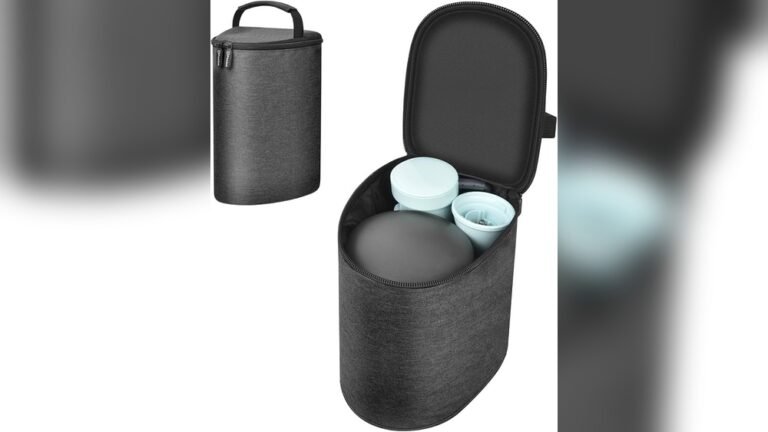
Tip: Some brands offer travel cases or pouches for the shaft and attachments, making it easy to store or carry when visiting friends or family.
For Baking And Whipping
If you bake often:
- Whisk attachment
- Comfortable handle
- Multiple speeds
A whisk attachment saves time and effort when whipping cream or eggs. Multiple speeds give you control for delicate mixtures. A comfortable handle is important for long mixing sessions.
Advanced bakers can use immersion blenders for making meringues, batters, or even light doughs, as long as the motor is strong enough.
For Chopping And Food Prep
For chopping vegetables or nuts:
- Chopper bowl attachment
- High power
- Safety locks
A chopper bowl turns your immersion blender into a mini food processor. High power is needed for chopping nuts, hard cheese, or root vegetables. Safety locks prevent the bowl from opening while in use.
If you make salsa, dips, or pestos, this attachment is very useful. It also saves space compared to owning a separate food processor.
You don’t need every feature. Focus on what matches your cooking style. If you mostly make soup, don’t pay extra for a chopper bowl you won’t use.
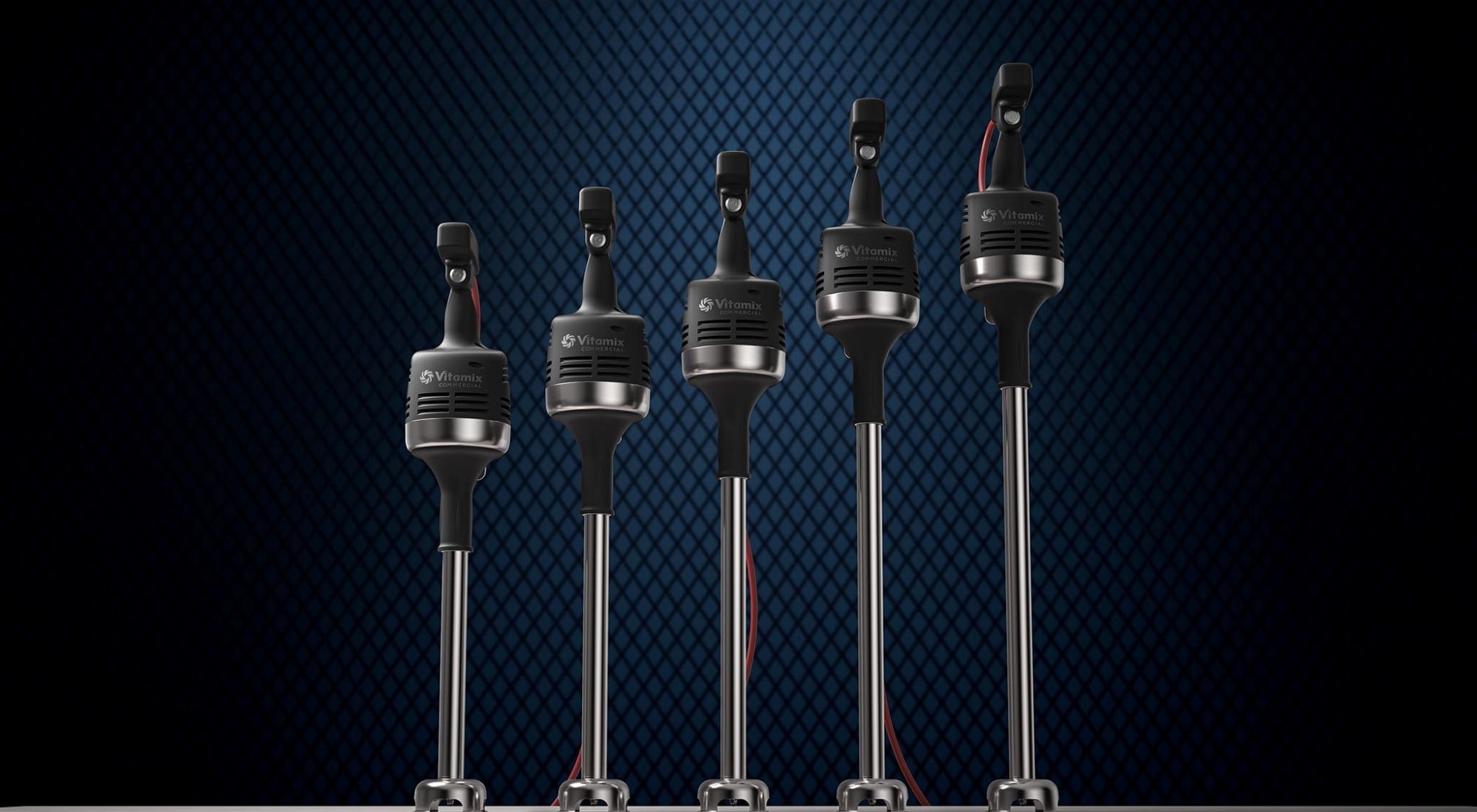
Credit: www.vitamix.com
Comparing Corded And Cordless Models
Corded and cordless immersion blenders each have pros and cons. Here’s a quick comparison.
| Feature | Corded | Cordless |
|---|---|---|
| Power | Higher | Lower |
| Flexibility | Limited by cord | Free movement |
| Weight | Lighter | Heavier (battery) |
| Price | Lower | Higher |
| Charging | Not needed | Regular charging |
Corded models are better for long blending sessions and tough jobs. Cordless models are good for outdoor cooking or small kitchens.
If you have a small kitchen with few outlets, cordless offers more freedom. For example, you can blend soup on the stove, then move to the table to mix drinks—all without unplugging.
However, if you often make large batches or blend thick mixtures, a corded model will not run out of power. Battery life and charging time are important for cordless blenders. Some newer models use lithium-ion batteries, which hold charge longer and recharge faster.
Real-life Examples And Data
Immersion blenders are popular in the US and Europe. According to a recent report, over 12 million immersion blenders were sold in the US in 2023. Most buyers choose models with detachable shafts and multiple speeds.
A survey found that:
- 65% of users prefer stainless steel shafts for durability.
- 50% of buyers want at least two speed settings.
- 40% of users value attachments like chopper bowls.
These numbers show what most people look for. Stainless steel and multiple speeds are top priorities.
Real-life example: Maria, a home cook in New York, uses her immersion blender three times a week for soups and smoothies. She chose a model with a stainless steel shaft and two speeds. She says the detachable shaft is her favorite feature because it makes cleaning easy, especially after blending tomato soup.
Another user, Jason, is a busy parent who prepares baby food. He prefers a compact, light model with a low noise motor so he can blend while his baby naps. He values the simple design and dishwasher-safe parts.
A beginner mistake: Some people buy high-powered models expecting them to blend everything perfectly. However, they later find the blender too heavy or noisy for daily use. Matching the blender to your real needs is key.
How To Use An Immersion Blender Safely
Safety is important. Here are some tips:
- Always unplug before cleaning.
- Don’t immerse the motor part in water.
- Hold the blender firmly to avoid splashing.
- Let hot liquids cool slightly before blending.
- Use the right speed for the job.
Some models have safety locks or blade guards. If you have children, choose models with extra safety features.
Always check the manufacturer’s instructions before using new attachments. For example, a chopper bowl usually has a safety lock—never try to use it without the lid securely fastened.
For hot foods, avoid filling the pot too full. Hot liquid can splash when blending. Keep the blade below the surface and start at a low speed.
Don’t touch the blade, even when it is stopped. Use a brush for cleaning. If your blender has a detachable blade, remove it before washing.
If you blend thick foods, avoid running the motor for more than 30 seconds at a time to prevent overheating. Let it rest for a few seconds between bursts.
Cleaning And Maintenance Tips
Cleaning an immersion blender is easy if you know the steps:
- Detach the shaft and blade.
- Rinse immediately after use to prevent food from drying.
- Use warm, soapy water.
- For tough stains, soak the shaft.
- Dry completely before storing.
If your blender is dishwasher-safe, use the top rack. Avoid harsh chemicals or scrubbing the blade.
Maintaining your blender keeps it working longer. Check the cord for wear and keep the motor dry. Store attachments together to avoid losing parts.
For sticky foods like nut butters, soak the blade end in soapy water for a few minutes before washing. For tough odors, like garlic or onion, rub the blade with a lemon wedge.
If you notice the blade getting dull or bent, check with the manufacturer about replacement options. A sharp blade is important for smooth blending.
For cordless models, recharge the battery after each use. Don’t leave the battery empty for long periods—it shortens battery life.
Common Buyer Mistakes And How To Avoid Them
Many buyers make simple mistakes. Here’s how to avoid them:
- Choosing low power for tough jobs: If you need to blend hard foods, choose high wattage.
- Ignoring shaft material: Plastic shafts can crack or stain. Stainless steel is better for hot soups.
- Buying extra attachments you don’t need: Attachments add cost. Only buy what you will use.
- Not checking warranty: Some brands offer long warranties. It helps if something breaks.
- Buying a model that’s too heavy: Heavy blenders are tiring to use.
- Skipping speed settings: Multiple speeds give you more control.
Take time to read reviews and check specifications. Many online stores offer detailed descriptions and user feedback.
Another common mistake is not testing the blender’s grip or weight. In the store, hold the blender as if you’re using it. If it feels awkward or too heavy, try another model.
Also, check if the attachments are easy to clean. Complicated designs with many small parts may take more time to wash.
Finally, avoid buying based only on looks or color. Focus on features and build quality instead.
Price Range And What You Get
Immersion blenders come in many price ranges. Here’s a breakdown:
| Price Range | Features | Recommended For |
|---|---|---|
| $20-$40 | Basic, single speed, plastic shaft | Simple blending, soft foods |
| $40-$80 | Multiple speeds, stainless shaft, some attachments | Soups, smoothies, sauces |
| $80-$150 | High power, many attachments, cordless options | Heavy-duty blending, chopping, baking |
Don’t just buy the cheapest model. Consider what features you need. Sometimes paying a bit more means better performance and longer life.
Within each price range, compare the warranty, power, and included accessories. Some brands offer sales or bundles with extra attachments.
If you are on a tight budget, a mid-range model with a stainless steel shaft and two speeds is a good balance of price and features.
How To Test An Immersion Blender Before Buying
If you can, test an immersion blender before buying. Here’s what to check:
- Grip: Hold it to see if it feels comfortable.
- Weight: Make sure it’s not too heavy.
- Noise: Listen to the motor.
- Speed control: Try changing speeds.
- Attachments: Attach and detach to check ease.
- Cord length: Move around to see flexibility.
Some stores offer demo units. Ask staff for help or look for videos online.
You can also check if the shaft fits in your pots or containers. Some wide blending heads may not fit in narrow jars.
If you shop online, read user reviews for comments on comfort, durability, and cleaning. Videos can show how the blender works in real kitchens.
Immersion Blender Vs. Countertop Blender
You might wonder if you need both. Here’s how they compare:
- Immersion blenders are best for small batches, hot liquids, and quick jobs.
- Countertop blenders handle large quantities, ice, and tougher ingredients.
If you often make smoothies for many people, a countertop blender is better. For soup and sauces, immersion blenders win.
Countertop blenders are larger and more powerful, but take up more space and require more cleaning. Immersion blenders are more flexible for day-to-day cooking, especially if you work with hot or messy foods.
Some kitchens use both: a countertop blender for big jobs, and an immersion blender for everyday tasks.
Non-obvious Insights For Beginners
Most guides repeat the same advice. Here are two things beginners often miss:
- The shape of the blending head matters: Wide heads cover more area and blend faster. Narrow heads fit in small jars.
- Splash guards prevent mess: Some models have special guards to stop soup from splashing. This is useful for beginners.
Also, remember that some attachments only fit certain models. Check compatibility before buying extras.
Another tip: The length of the shaft matters if you use deep pots. A longer shaft keeps your hands away from hot liquids.
If you want to blend directly in glass jars or delicate bowls, look for blenders with soft or rounded edges on the blade guard to prevent scratching.
Environmental And Health Considerations
If you care about health and the environment, here are tips:
- Choose BPA-free plastic if buying a plastic shaft.
- Stainless steel is safer for hot foods.
- Some brands use recycled materials.
- Energy-efficient motors save power.
Check labels and product descriptions for these features.
Some companies now offer eco-friendly packaging or use less plastic in their products. If you want to reduce your kitchen’s environmental footprint, look for these details in product descriptions.
For health, avoid using immersion blenders with damaged or cracked plastic parts, as they can leach chemicals into food. Stainless steel is always a safer choice for hot or acidic foods.
Where To Buy And Trusted Retailers
You can buy immersion blenders at many places:
- Online stores like Amazon, Walmart, or Best Buy.
- Kitchen specialty stores.
- Department stores.
Look for brands with good reviews and reliable customer service. For more information on immersion blenders, visit Wikipedia.
Shopping online usually offers more choices and better prices. Check return policies before buying, in case the blender does not fit your needs.
Specialty kitchen stores often let you test blenders and ask staff for advice. This can help you find a model that feels right in your hand.
Frequently Asked Questions
What Is The Difference Between An Immersion Blender And A Regular Blender?
An immersion blender is handheld and blends directly in the pot or bowl. A regular blender is stationary and blends inside its own jar. Immersion blenders are better for soups and small batches, while regular blenders handle larger amounts and tougher ingredients.
Can I Use An Immersion Blender For Hot Liquids?
Yes, you can use an immersion blender for hot soups and sauces. Choose models with stainless steel shafts for safety. Let hot liquids cool a bit before blending to avoid splashes.
How Do I Clean An Immersion Blender?
Detach the shaft and blade, rinse them under water, and use soapy water for tough stains. Many shafts are dishwasher safe. Never immerse the motor part in water.
Are Cordless Immersion Blenders As Powerful As Corded Ones?
Cordless models are flexible but often have less power. They are good for light jobs but may struggle with tough ingredients. Corded models are better for heavy-duty blending.
What Should I Do If My Immersion Blender Stops Working?
Check the power source and attachments. If the blender still doesn’t work, contact customer support or use the warranty. Avoid fixing it yourself if you don’t have experience.
Choosing the right immersion blender can transform your cooking. Whether you blend soups, make smoothies, or whip cream, the right model saves time and effort. Focus on features that matter to you, test if possible, and avoid common mistakes. With these tips, you’ll find an immersion blender that fits your kitchen and makes cooking more enjoyable.

Credit: www.reddit.com