How Does Nutribullet Differ From a Blender?
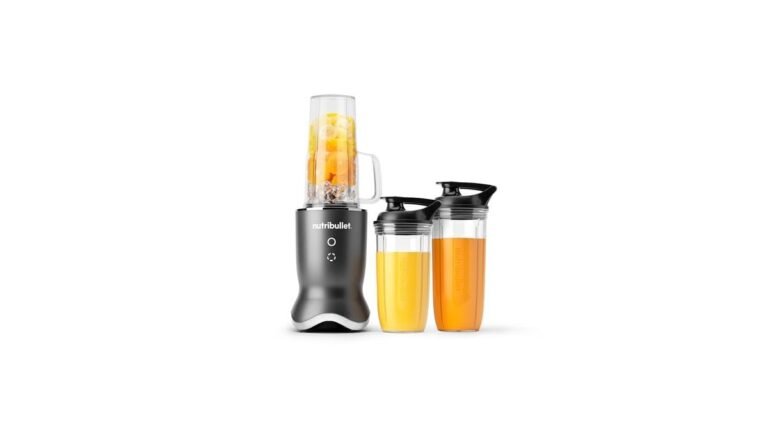
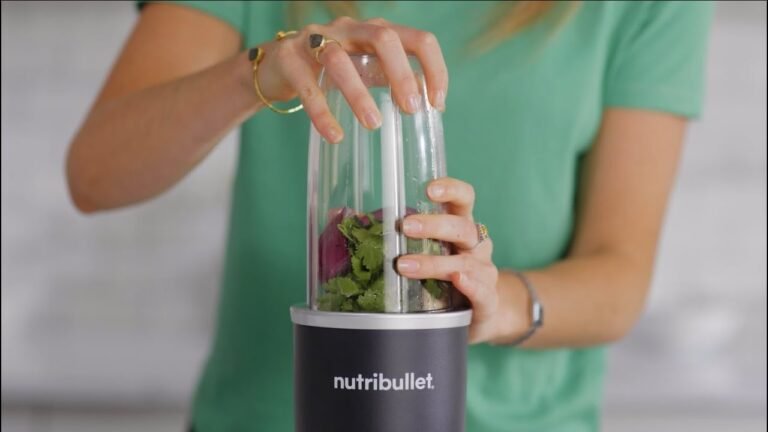
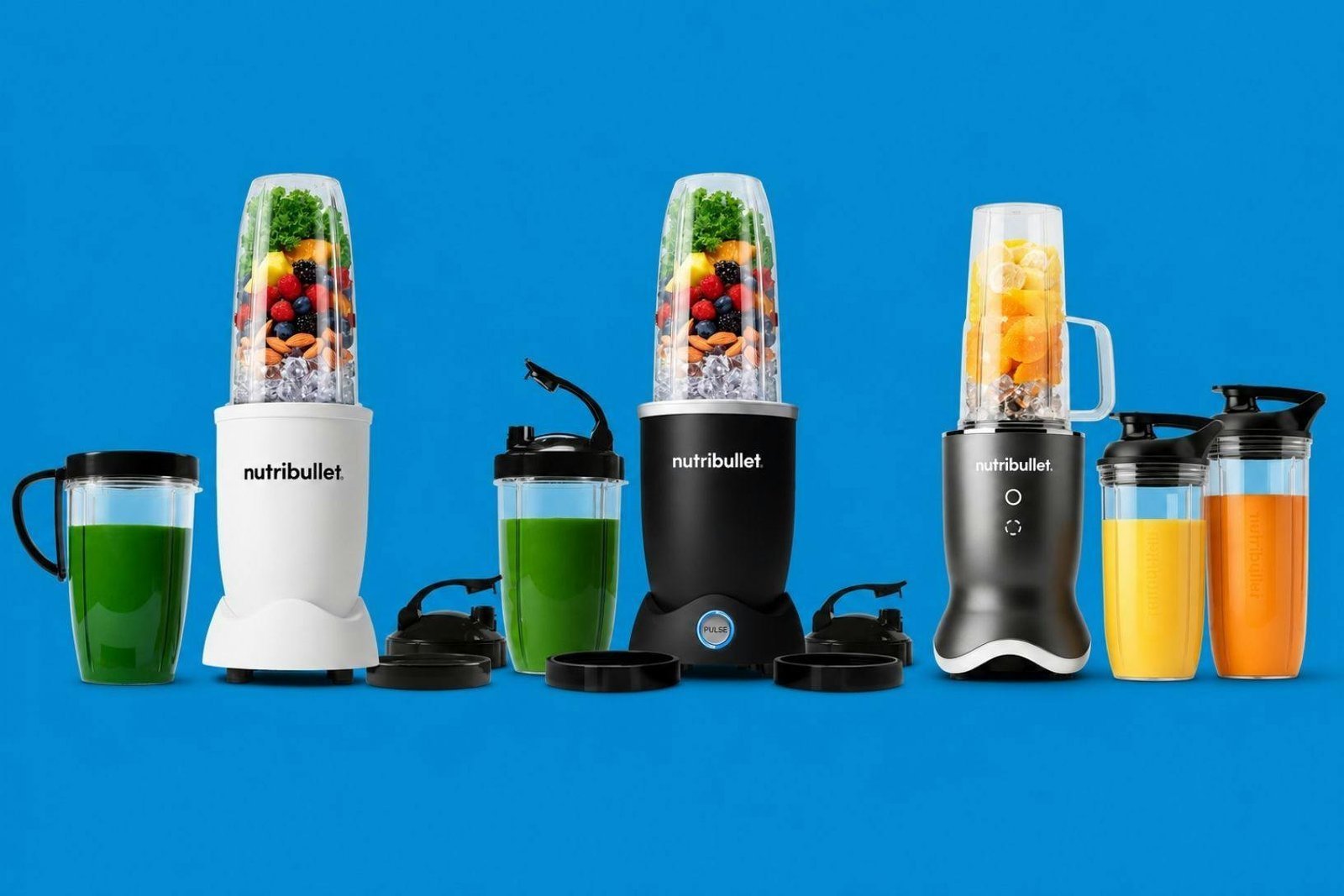
A Nutribullet is a small countertop blender built around one cup, not a jug. You load fruit, leafy greens, ice and liquid into a tall cup, screw on a blade lid, flip the cup onto the motor base, and press down. The blades spin fast and pull everything into a vortex. Thirty to sixty seconds later you have a thick drink you can sip straight from the same cup.
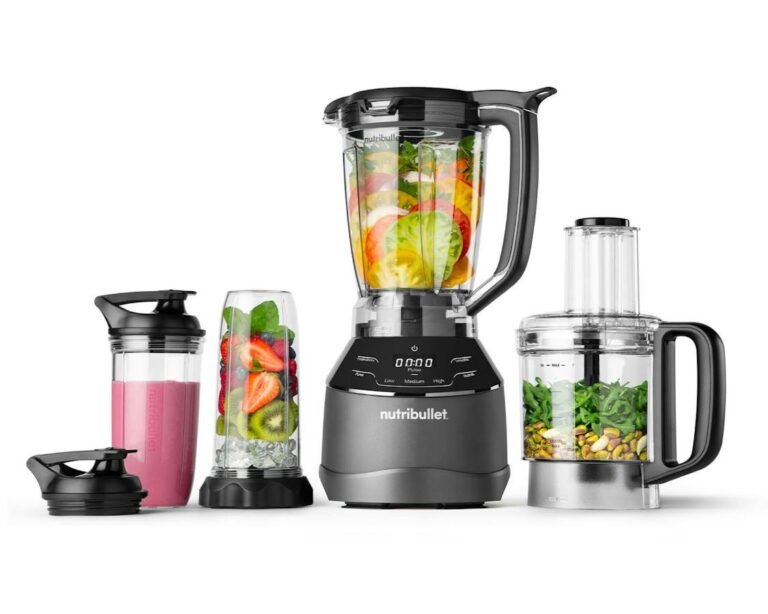
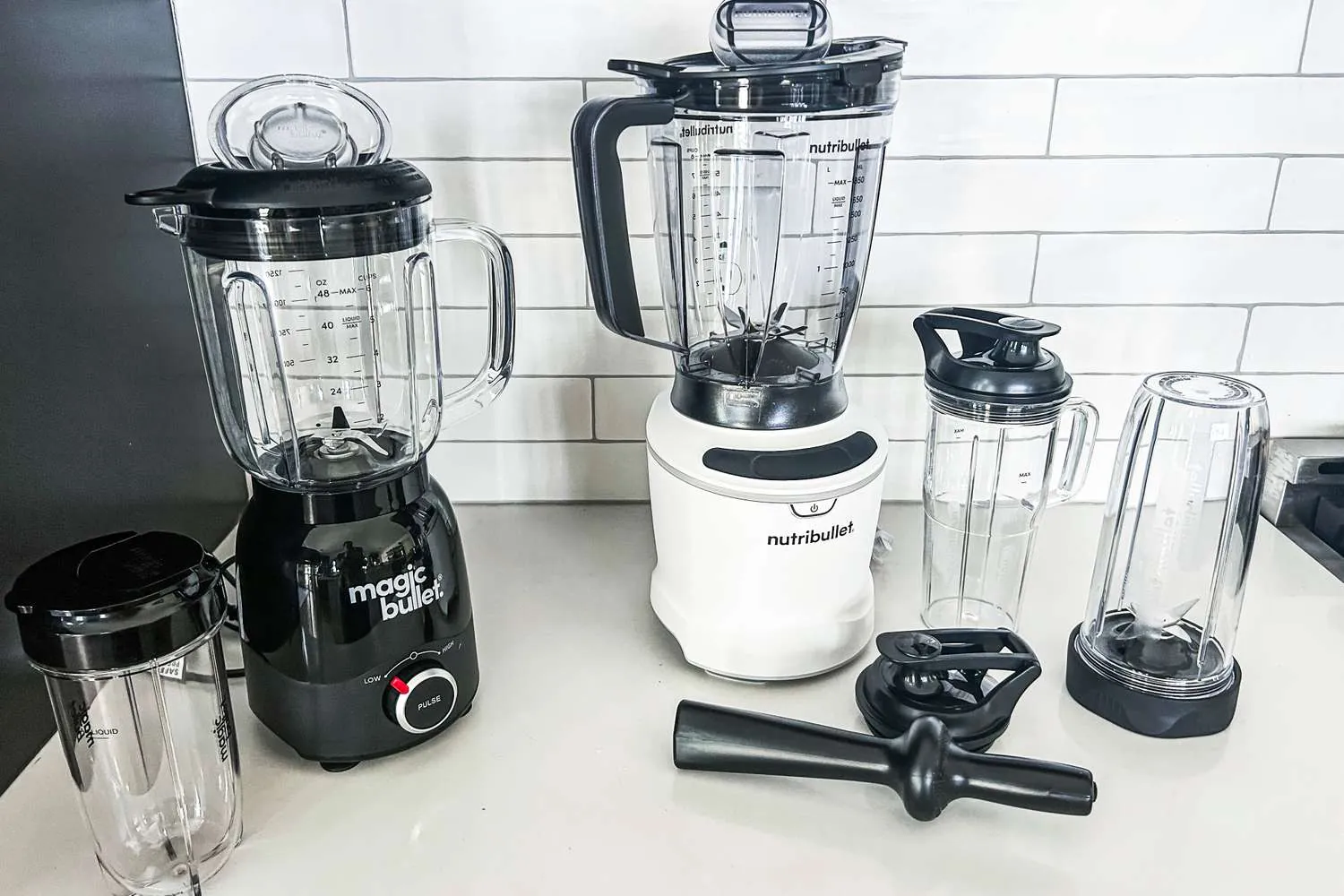
A full-size blender works differently: you fill a wide jug, blend, then pour into a glass and wash the jug. So the real difference isn’t power alone — it’s the shape of the container, the amount you can make at once, and how much you clean afterward.
One makes a single serving; the other makes a batch. That single-serving limit is the part people underestimate. If you’re blending for one person, the cup is the whole point, and you’ll use it most days. If you’re blending for three or four, you’ll fill the cup, pour, and fill it again, and the machine will feel like a chore.
Buy the small one only if single servings are what you actually drink.
Parts of a Nutribullet and a blender
| Part or input | What it does | What you notice when it goes wrong |
|---|---|---|
| Motor base | Spins the blades at high speed | Weak spin, burning smell, or it stops |
| Blade assembly | Cuts and pulls food into a vortex | Dull blades leave chunks and strings |
| Cup or jug | Holds the food being blended | Overfilling causes leaks and jams |
| Lid and seal | Closes the container safely | Leaks at the rim, or the motor won’t start |
| Liquid | Lets food circulate around the blades | Too little: powder sticks to the walls |
| Food load | What you’re actually breaking down | Hard chunks stall small motors |
A full blend from start to finish
Pick your container and fill it. For a Nutribullet, add liquid first, up to the fill line marked on the cup — usually about halfway. Then add soft items, then leafy greens, then hard items like ice or frozen fruit on top. In a jug blender, the order is the same but the jug holds several cups at once. Takes about a minute.
Don’t pass the maximum line. The Nutribullet cup has a max mark; going past it leaves no air gap, and the blades can’t create a vortex. A jug blender has its own max line near the top. Overfilling is the single most common cause of a leak or a stalled blade. Check the mark on your own cup before you start.
Lock the blade on, or seat the lid. Screw the blade assembly onto the Nutribullet cup until it’s snug — hand tight, not forced. On a jug blender, press the lid down and lock the cap. If the cup or lid isn’t fully seated, the motor won’t run on most models. This is a safety interlock, not a fault.
Run it in short bursts. Pulse for 1-2 seconds at a time, three or four times, then hold for 20-30 seconds. Short bursts break up hard pieces before they jam the blade. A jug blender on its lowest speed does the same job. Total blending time for a smooth drink is usually 30-60 seconds.
Stop and shake if it stalls. Turn it off, take the cup off the base, and shake it to move the food back into the blades. Never reach in with your fingers or a spoon while it’s on the base. Repeat the burst pattern. Most stalls clear in one shake.
Check the texture, not the clock. Stop when the drink is smooth and no chunks remain. Leafy greens and frozen fruit take longer than soft fruit. If you want it thinner, add liquid 1-2 tablespoons at a time and pulse again. Thicker drinks need less liquid, not more blending.
Drink from the cup, or pour from the jug. A Nutribullet cup usually comes with a to-go lid, so you unscrew the blade, screw on the lid, and drink. A jug blender needs a glass. That one extra step is the whole reason small blenders sell.
Clean right away. Rinse the cup, blade and lid within a few minutes of use — dried fruit and protein powder stick hard. Most Nutribullet cups, blades and lids are top-rack dishwasher safe, but check your model’s manual, since some blade assemblies aren’t. A jug blender’s jug is often the awkward part to wash.
Why the shape changes everything
A Nutribullet and a jug blender don’t fail in the same way, and that’s the clearest way to tell them apart. The small cup forces food down into a narrow column of blades. That’s why it handles a single smoothie well and struggles with a full batch of soup.
A jug blender’s wide base lets food fall back toward the blades, so it can run longer and handle bigger loads. If your Nutribullet leaves chunks at the top of the cup, the load is too big or too dry. If a jug blender leaves chunks, you probably need a longer run or a tamper.
Power is the second difference, and it’s the one people misread. A Nutribullet’s motor is small — that’s the trade-off for its size and price. Small motors handle soft fruit, leafy greens, protein powder and ice in small amounts. They don’t handle frozen blocks, whole nuts in volume, or thick dough.
Push a small motor past that and it overheats, smells hot, or shuts down. A full-size blender with a bigger motor can run longer under load. Neither one is “better” — they’re built for different amounts of work.
The blade design explains the texture you get. Nutribullet blades are stacked and angled to pull food down and inward, which is why the cup needs liquid and a vortex to work. Without enough liquid, food just spins around the walls and never reaches the blades.
Jug blenders use wider blades with a broader sweep, so they tolerate drier, thicker mixtures. That’s why hummus and nut butter are usually a job for a bigger machine, or for a small one working in tiny batches with scraping between pulses.
Cleaning is the difference people feel every day, and it’s not about the motor at all. The Nutribullet cup, blade and lid come apart and go in the sink or dishwasher, and the cup becomes your glass. A jug blender leaves you with a jug, a lid, a tamper and a glass.
Over a week of daily smoothies, that’s a real amount of extra washing. How often you need to replace, clean or service any of these parts depends on how you use the blender, and the owner’s manual is the authority on it. This is why small personal blenders exist at all — not because they blend better, but because the cleanup is shorter.
The safety rules are the same for both, and they’re worth stating plainly. Never put your hand or a utensil into a container while it’s on the base. Never blend hot liquid in a sealed container — steam builds pressure and can blow the lid off.
Let cooked food cool before blending, and if you’re reheating anything afterward, the USDA Food Safety and Inspection Service sets the safe internal temperature for reheated leftovers at 165°F, checked with a food thermometer. That’s a real number, and it applies to the soup you just blended, not to the blending itself.
What you control, and what you don’t
What you control
- Load size. Stay under the max line on your cup or jug. This fixes most jams and leaks.
- Liquid amount. Add liquid first and top up 1-2 tablespoons at a time until the vortex forms.
- Burst pattern. Pulse in 1-2 second bursts before holding. This saves the motor and the texture.
- What you put in. Soft fruit and greens are easy; frozen blocks and whole nuts are not.
- Cleaning speed. Rinse within a few minutes. Dried residue is the hardest thing to remove.
What’s fixed by design
- Motor size. You can’t add power to a small base, and running it longer won’t make it stronger.
- Container shape. A narrow cup can’t hold a family-sized batch, no matter how you load it.
- Blade geometry. The stacked blades need liquid and a vortex; you can’t blend dry in them.
- Safety interlock. The motor won’t run unless the cup or lid is fully seated. That’s intentional.
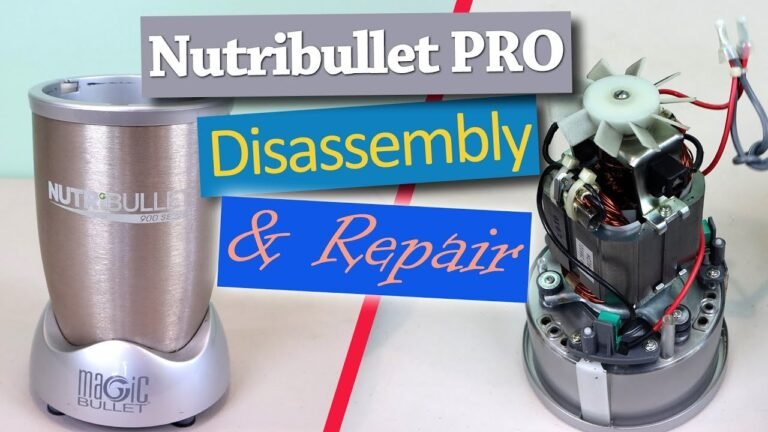
If your base smells hot, shuts down repeatedly, or the blade assembly won’t turn freely, stop using it and contact the manufacturer or a qualified repair service. Don’t open the motor base yourself — the internal components, including the capacitor, can hold a dangerous charge even when unplugged. That work belongs to a technician.
Getting more out of a small blender
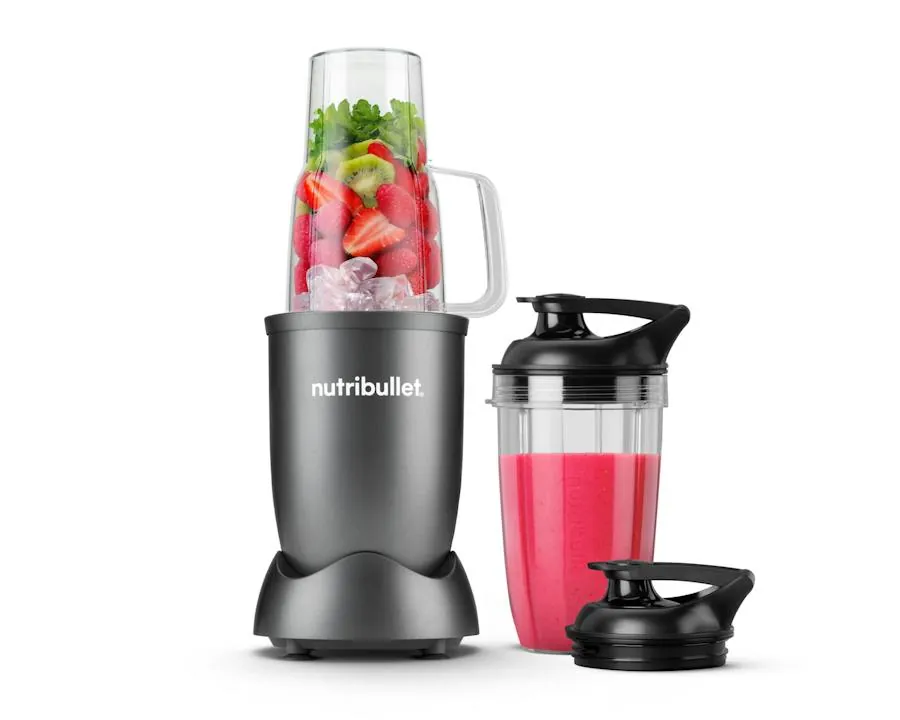
Add liquid before anything else. The blades need a vortex to pull food down, and liquid is what creates it. Start at about half the cup’s fill line, then adjust. If powder sticks to the walls, you had too little liquid, not too little power.
Load in order: liquid, soft, leafy, hard. Soft fruit blends first and gets the mix moving. Leafy greens go in the middle so they sit above the soft fruit and get pulled down toward the blades. Ice and frozen fruit go on top, so they end up at the bottom of the inverted cup, nearest the blades. This single habit prevents most stalls.
Pulse, then hold. Three or four 1-2 second pulses break up hard pieces before the motor faces a full load. Then hold for 20-30 seconds. This is gentler on a small motor than one long run, and it gives you a smoother drink.
Work in batches instead of overfilling. If you need two servings, blend two cups rather than filling one past the line. It takes about the same total time and the texture is far better. Overfilling is the mistake that costs people a burnt-out motor.
Rinse the blade assembly immediately. Fruit and protein powder dry hard within minutes. A quick rinse under warm water before anything sets saves you scrubbing later. Check your manual for which parts are dishwasher safe.
Frequently asked questions
Can a Nutribullet do everything a blender can?
No. It handles single servings of soft and frozen fruit, leafy greens, protein shakes and small amounts of ice. It can’t do large batches, thick nut butter, dough, or hot soup in volume. A full-size blender with a bigger motor and a wide jug covers those jobs. If you mostly make one drink a day, the small one is enough. If you cook for a family, you’ll want both.
Why does my Nutribullet leave chunks?
Too much food or too little liquid. The blades need a vortex, and a full cup blocks it. Take the cup off, shake it, and add liquid 1-2 tablespoons at a time. Also check your blade assembly — dull or damaged blades cut poorly and should be replaced. If it still leaves chunks after that, your load is simply too hard for a small motor.
How long should I blend a smoothie?
Thirty to sixty seconds total, using short bursts. Start with three or four 1-2 second pulses, then hold for 20-30 seconds. Frozen fruit and leafy greens sit at the top of that range; soft fruit sits at the bottom. Stop when the texture is smooth, not when a timer ends. Over-blending warms the drink and doesn’t improve texture.
Is it safe to blend hot soup in a Nutribullet?
No — not in a sealed cup. Steam builds pressure and can blow the lid off and scald you. Let cooked food cool first, then blend in small batches with the lid vented if your model allows it.
What happens if I overfill the cup?
You get leaks, jams, or a motor that shuts down. The cup’s max line exists to leave an air gap so the blades can form a vortex. Past that line, food can’t circulate, the blades stall, and liquid pushes past the seal. If it happens, stop, unplug the base, empty some out, and start again. Repeated stalling under load is what shortens a small motor’s life.
Does a Nutribullet use more electricity than a blender?
It uses less, because the motor is smaller and the runs are shorter. A personal blender typically draws a few hundred watts, while full-size blenders draw considerably more — the exact figure is printed on the rating label on your own base. Since a smoothie takes under a minute, the total energy per use is small either way. Check your label for the wattage your model states.
Can I put the cup and blades in the dishwasher?
Usually yes for the cup and lid, and often for the blade assembly — but it depends on your model. Check your model’s manual or the manufacturer’s official product page before assuming. When in doubt, hand wash the blade assembly in warm soapy water and let it air dry.
Why won’t my Nutribullet start?
The cup or blade isn’t fully seated on the base. Most models have a safety interlock, so the motor won’t run until the cup is pressed down and locked. Take it off, reseat it, and press firmly. If it still won’t run with a properly seated cup, check the outlet and the breaker. If those are fine, the fault is inside the base — that’s technician work, not a home fix.
Conclusion
A Nutribullet and a blender do the same job at different scales, and knowing which scale you’re working at settles most of the confusion. The small cup wins on speed, cleanup and single servings. The jug wins on volume, thick mixtures and long runs. Buy for the amount you actually make, load it the way the container wants, and rinse it before anything dries.