Is Nutribullet Portable Blender Good? Honest Verdict
The Nutribullet Portable Blender is a solid buy for smoothies, shakes, and protein drinks on the go, but it isn’t a juicer, not a hot-soup maker, and not a replacement for a full-size kitchen blender. It earns its price for commuters, gym-goers, and travelers who want a single-serve drink blended in about 30 seconds and then rinsed clean. It falls short for anyone crushing ice by the tray, blending fibrous greens into silk, or feeding a family. Whether it is “good” depends entirely on which of those two people you are.
Key Takeaways
- Best for single servings. The 16-oz cup handles one smoothie or shake; it won’t blend for two people at once.
- Battery life is the real limit. Expect roughly 15–20 blends per charge depending on what you load in, so plan on charging every few days with daily use.
- It isn’t an ice crusher. Small cubes in a liquid-heavy mix work; a cup of solid ice will stall the motor.
- Order of ingredients matters. Liquid first, then soft items, then frozen or hard items on top — reversing this is the number-one cause of weak blends.
- Cleaning is genuinely easy. Add warm water and a drop of soap, run a pulse cycle, rinse. No disassembly required for daily use.
- Check the blade and cup are locked. The motor won’t start unless the cup is fully seated, which trips up most first-time owners.
What the Nutribullet Portable Actually Is
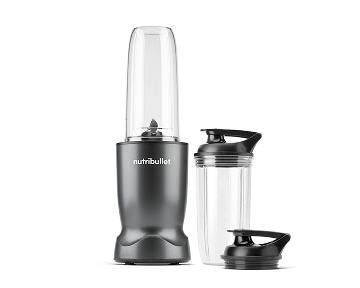
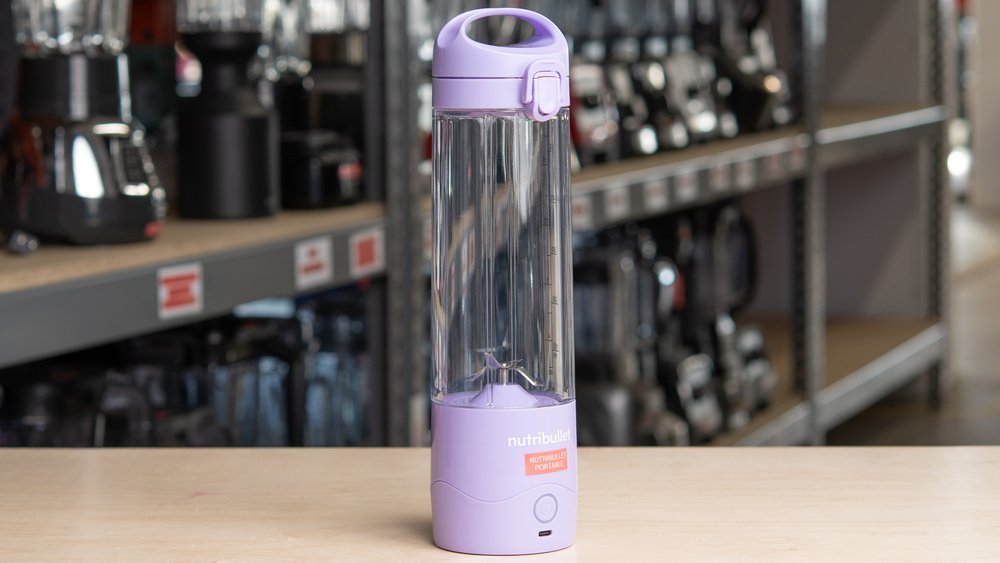
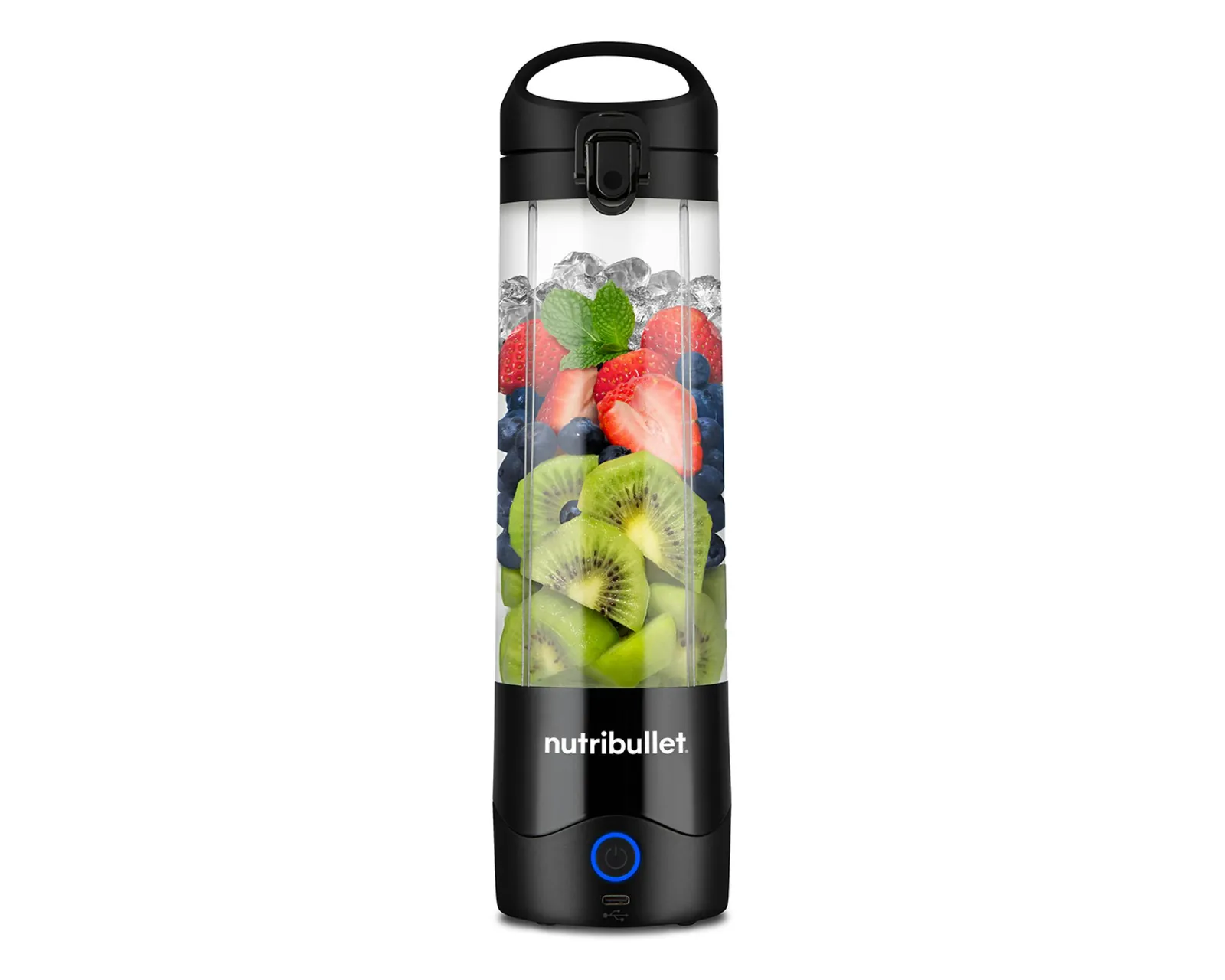
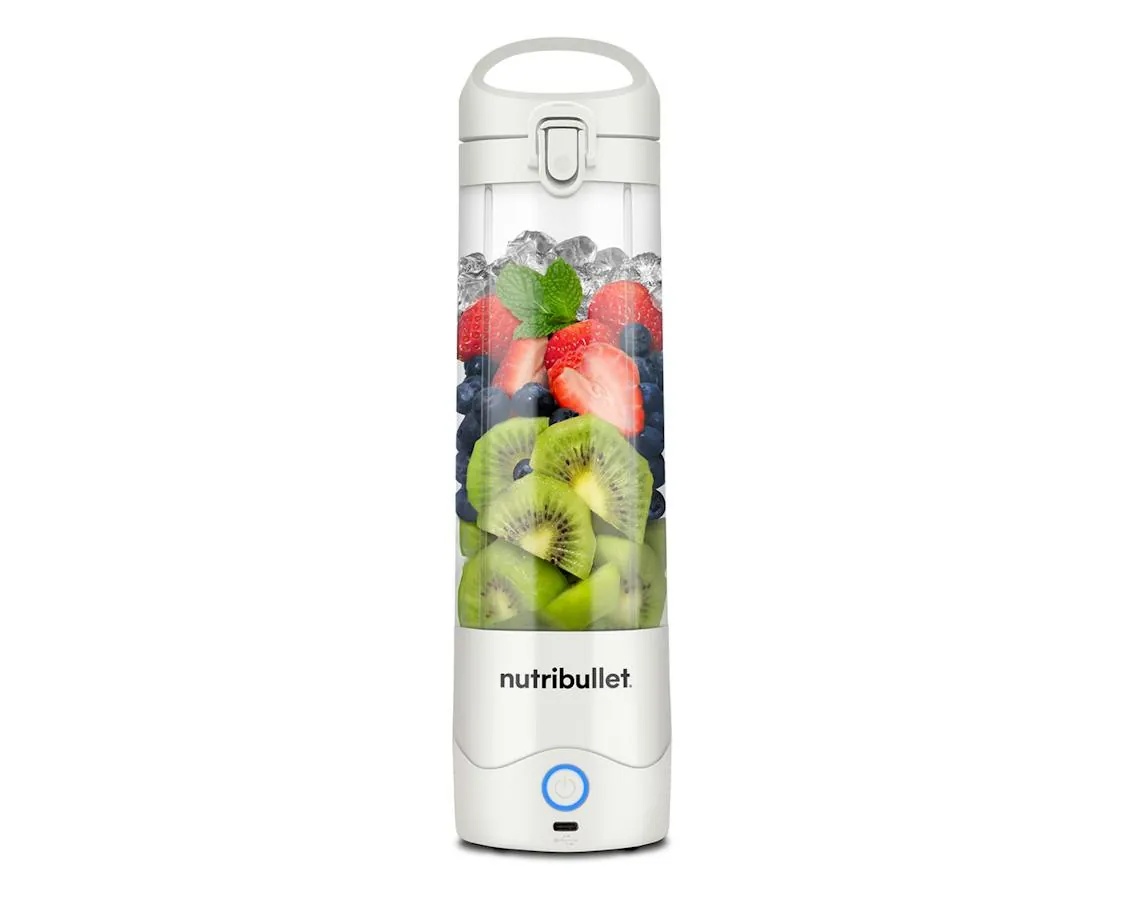
Nutribullet sells more than one portable model, and the differences matter when you’re deciding. The most common one people mean is the Nutribullet Portable Blender, a rechargeable, cordless unit with a 16-oz cup and a USB-C charging port. It sits in the same family as the classic Nutribullet Pro and the Nutribullet Go, but it’s the middle option: more powerful than the tiny Go, less powerful than a plug-in Pro.
The core specs you should know before buying:
- Capacity: 16 oz (about 475 ml), which is one large smoothie or two small ones.
- Motor: a low-wattage, battery-powered motor — nowhere near the 900–1200 watts of a corded Nutribullet.
- Power source: rechargeable lithium-ion battery, charged via USB-C.
- Blade: a fixed stainless steel extractor blade built into the base or lid, depending on the exact model.
- Controls: typically a single button that handles both short pulses and a continuous run.
The important mental shift is this: a portable blender is a convenience appliance, not a power appliance. It trades wattage for portability. Once you accept that trade, most of the disappointment people report disappears.
How It Performs on Real Ingredients
This is where the “is it good” question actually gets answered. Performance varies enormously by what you put in it.
| Ingredient | How it handles it | Notes |
|---|---|---|
| Banana, soft fruit | Excellent | Blends in 20–30 seconds |
| Frozen berries | Good | Add liquid; don’t overload |
| Protein powder + milk | Excellent | The ideal use case |
| Leafy greens (spinach) | Good | Chop roughly first |
| Kale, celery, fibrous stalks | Fair | Needs longer runs and more liquid |
| Ice cubes | Fair to poor | Small amounts only, with liquid |
| Nuts, seeds | Poor | Won’t break them down |
| Hot liquids | Not safe | Sealed cup + heat = pressure risk |
What it blends well
Soft and medium ingredients are its home turf. Bananas, mango, berries, yogurt, milk, oat milk, protein powder, peanut butter, and cooked oats all blend into a smooth drink quickly. If your daily routine is a protein shake or a fruit smoothie, this device does the job with no fuss.
What it struggles with
Anything hard, dry, or fibrous. Whole ice cubes, raw almonds, flax seeds, thick chunks of kale, and frozen fruit blocks will either stall the motor or leave grit. You can work around some of this by chopping, thawing slightly, or adding more liquid — but you can’t turn a low-wattage portable into a high-speed blender.
Pro Tip: If a blend stalls, stop immediately. Pulse in short bursts and add a splash of liquid rather than holding the button down. Holding a stalled motor is what shortens battery and motor life.
Battery Life and Charging Reality
The battery is the single biggest factor in daily satisfaction, and it’s also the spec most people underestimate.
Real-world expectations, assuming a full charge and typical smoothie loads:
- Light use (1 blend/day): roughly 2–3 weeks between charges.
- Moderate use (2–3 blends/day): about 5–7 days.
- Heavy use (4+ blends/day): 2–3 days, and you’ll notice weaker performance as it drains.
Two things degrade performance before the battery dies completely: blend speed drops as charge falls, and thick mixtures get harder to process. If your smoothie suddenly seems chunky, charge it before you blame the recipe.
Charging itself is straightforward via USB-C, which is a genuine advantage — one cable for your phone, laptop, and blender. A full charge typically takes a few hours. There’s usually an indicator light; learn what its colors mean for your specific model, because “blinking red” and “solid red” often mean different things.
Warning: Don’t leave the blender charging in a hot car or in direct sun. Heat is the main killer of the lithium-ion cells these devices use, and it will permanently reduce how long each charge lasts.
Ease of Use and Cleaning
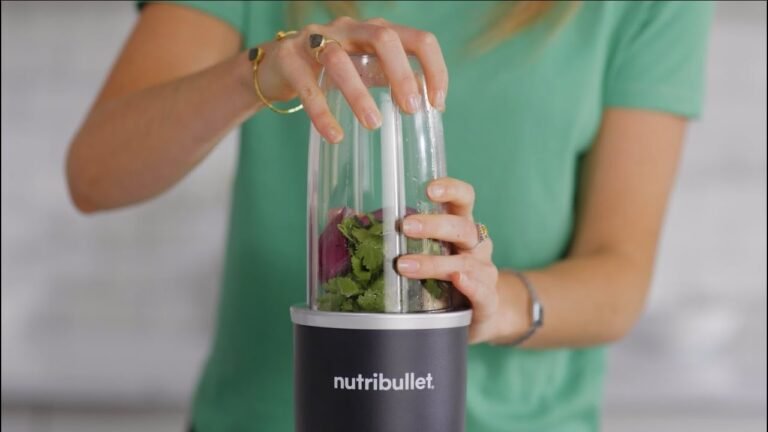
This is where portable blenders quietly win. The workflow is short:
- Add liquid first.
- Add soft ingredients.
- Add frozen or hard ingredients last.
- Twist the cup on until it locks.
- Press to blend, pulse as needed.
- Unscrew, drink from the cup, or pour.
Cleaning is the part people rave about. Because the cup is the drinking vessel, you aren’t cleaning a separate pitcher. Add warm water and a drop of dish soap, run a pulse or two, rinse, and let it air dry. For sticky residues like peanut butter, a second soap cycle handles it.
A few maintenance habits keep it working:
- Rinse immediately after use; dried smoothie is much harder to remove.
- Don’t submerge the motor base in water — ever.
- Check the gasket on the lid periodically; a worn or misplaced seal causes leaks.
- Hand-wash the cup and lid unless your model explicitly says they’re dishwasher-safe.
Portability, Size, and Build
The appeal is obvious: it fits in a backpack, a gym bag, or a car cup holder, and it doesn’t need an outlet. That makes it genuinely useful for commuters, students, gym members, hotel travelers, and office workers who want a fresh drink without a kitchen.
The trade-offs are equally real:
- It isn’t silent. It’s quieter than a full-size blender, but it isn’t discreet in a quiet office.
- It isn’t leak-proof under pressure. Overfill it or blend hot liquid and you risk a mess.
- The cup is the limit. You can’t blend a large batch and store it.
Build quality is reasonable for the price point, but this is a plastic-bodied appliance. Treat it as something to carry, not something to toss around.
Nutribullet Portable vs. the Alternatives
If you’re comparison shopping, this table is the fastest way to see where the Portable fits.
| Option | Power | Portability | Best for | Main drawback |
|---|---|---|---|---|
| Nutribullet Portable | Battery, low wattage | High | One fresh drink anywhere | Weak on ice and fiber |
| Nutribullet Pro (corded) | High wattage | Low | Daily family smoothies | Needs an outlet |
| Nutribullet Go | Very low | Very high | Powder shakes only | Struggles with fruit |
| Full-size countertop blender | Highest | None | Ice, batches, soups | Bulky, loud, cleanup |
The pattern is simple: the more portable it is, the less it can crush. Pick the row that matches your actual routine, not the one that sounds most impressive.
Who Should Buy It
Buy it if you recognize yourself here:
- You make one smoothie or protein shake a day.
- You’re often away from a kitchen at the time you want it.
- You value fast cleanup over maximum power.
- You mostly blend soft fruit, yogurt, milk, and powders.
Who Should Skip It
Skip it — or buy a corded blender instead — if any of these describe you:
- You blend large batches for a family.
- You make ice-heavy frozen drinks regularly.
- You rely on kale, celery, or nut-heavy recipes.
- You want to make hot soups (this isn’t a heated blender).
- You expect it to replace a full-size kitchen blender entirely.
Common Problems and Fixes
Most complaints trace back to a handful of fixable issues.
| Problem | Likely cause | Fix |
|---|---|---|
| Won’t start | Cup not fully locked | Twist until it seats and clicks |
| Weak blending | Low battery | Charge fully before use |
| Chunky result | Wrong ingredient order | Liquid first, frozen last |
| Motor stalls | Too much hard food | Remove half, add liquid, pulse |
| Leaking | Overfilled or bad gasket | Fill below max line; check seal |
| Short battery life | Heat exposure or age | Store cool; replace if cells degrade |
If your unit won’t charge at all, try a different USB-C cable and adapter before assuming the blender is faulty — cable quality is a common culprit.
What to Check Before You Buy
A short pre-purchase checklist saves returns:
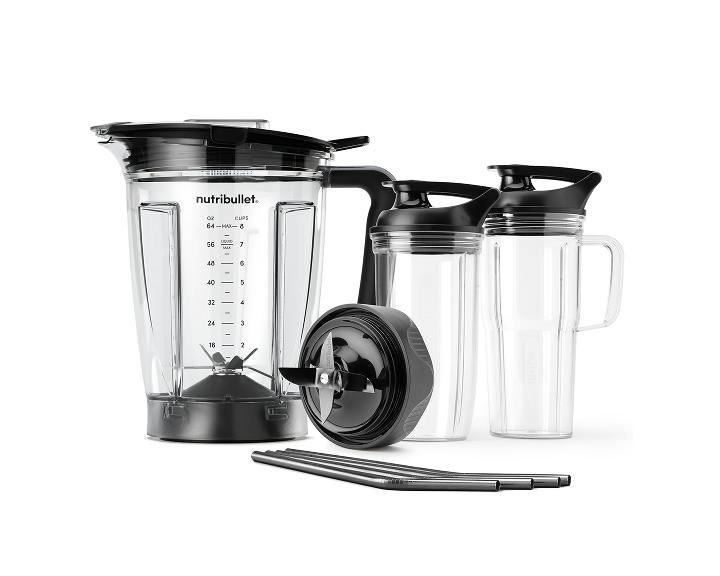
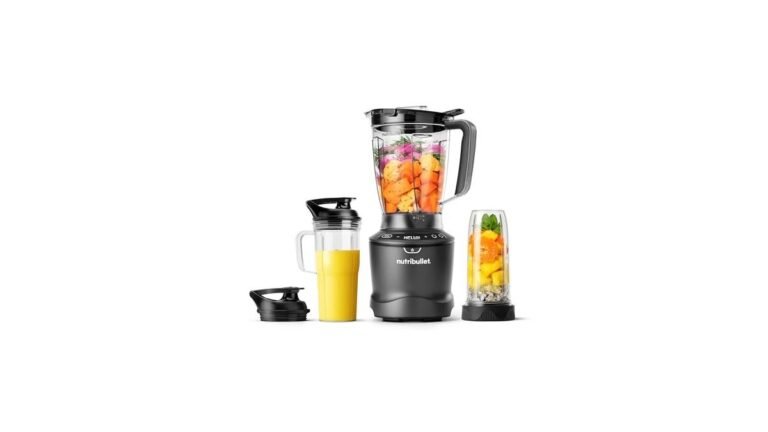
- Confirm the exact model. Nutribullet makes several portables; specs differ.
- Check the included accessories. Some bundles add extra cups or lids.
- Read the wattage and capacity so your expectations match reality.
- Verify the warranty length for your region.
- Check the return window at the retailer, since “good” is personal.
For cordless kitchen appliances sold in the US, the underlying electrical safety expectations come from standards work overseen by organizations like UL Standards & Engagement, which is worth knowing if safety certification matters to you.
Frequently Asked Questions
Is the Nutribullet Portable Blender good for smoothies?
Yes, for soft and medium smoothies. Bananas, berries, yogurt, milk, and protein powder blend smoothly in about 30 seconds. It struggles with heavy ice, raw nuts, and thick fibrous greens, so keep those to a minimum or pre-chop them. For a standard fruit or protein smoothie, it performs well.
How long does the battery last on one charge?
With typical single-serving smoothies, expect roughly 15–20 blends per full charge. Light users get two to three weeks; heavy users get a few days. Performance weakens as the battery drains, so charge before a big blend rather than pushing it to empty.
Can it crush ice?
Only small amounts, and only with plenty of liquid. A full cup of solid ice will stall the motor. If frozen drinks are a regular habit, a corded high-wattage blender is the better tool. Use it for ice-assisted chilling, not ice crushing.
Is it hard to clean?
No — it’s one of its best features. Add warm water and a drop of soap, run a short cycle, rinse, and air dry. Rinse right after use to prevent residue from drying. Never submerge the motor base, and hand-wash unless your model states otherwise.
Can I blend hot liquids in it?
No. Sealed cups plus hot liquid create pressure that can cause leaks or burns when opened. Let hot ingredients cool first. This device is designed for cold and room-temperature blends, not soups or heated drinks.
Is it worth the price compared to a corded blender?
It’s worth it if portability and fast cleanup matter more to you than raw power. A corded blender costs similar or less and blends far more, but it stays on your counter. Buy the portable for convenience, not as a full replacement.
Conclusion
The honest answer is that the Nutribullet Portable Blender is good at exactly one job: making a single fresh drink wherever you happen to be, with almost no cleanup. If that job matches your routine, buy it and follow the liquid-first rule from day one. If you need power, ice, or batch blending, put the money toward a corded blender instead.