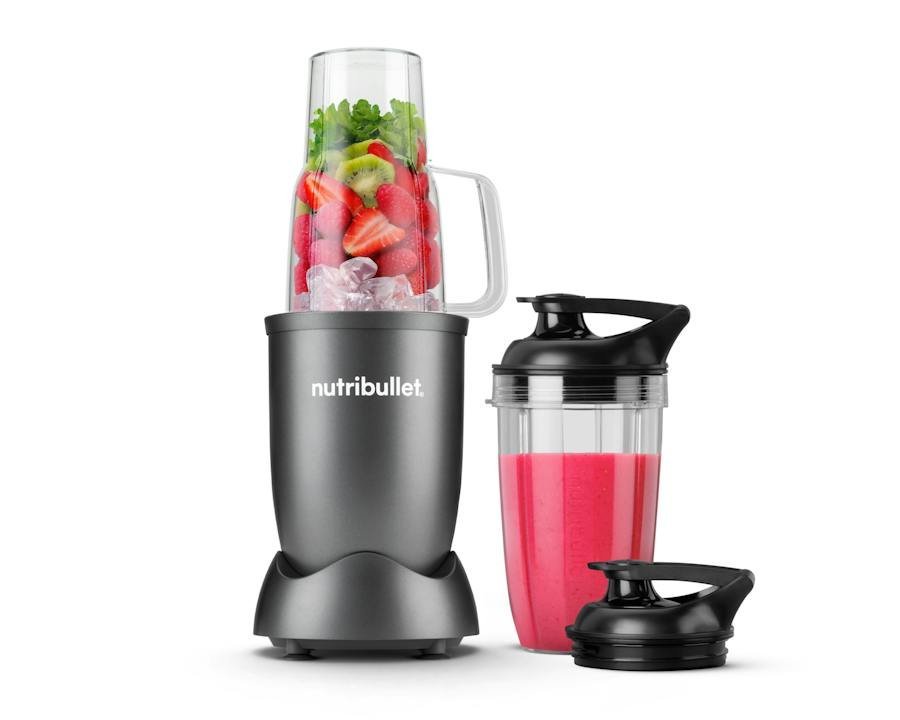
Can Nutribullet 900 Blend Frozen Fruit? Yes, With Limits
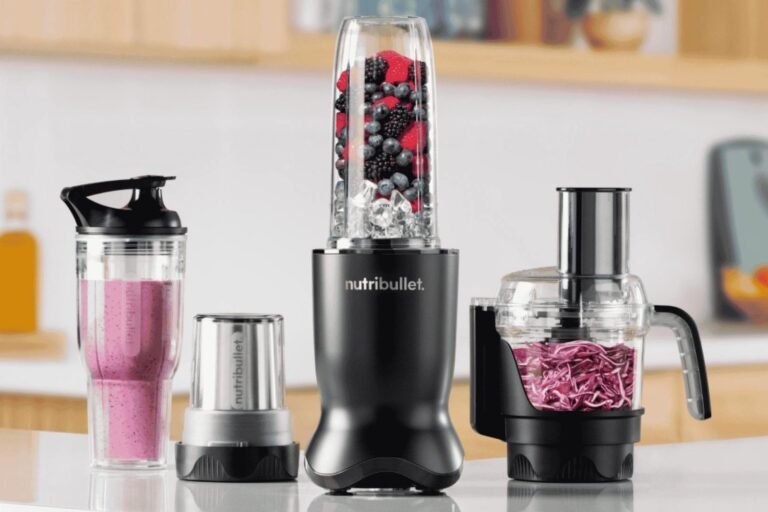
Yes, a Nutribullet 900 can blend frozen fruit, as long as you keep the frozen pieces to about half the cup and add enough liquid to get things moving. The one condition that flips that answer is the fruit itself: small frozen berries and mango chunks break down fine, while whole frozen strawberries or big blocks of frozen banana can stall the blades and leave you with lumps. Next time you load the cup, fill it half with frozen fruit, add liquid to the max line, and pulse twice before you run it steady.
Frozen fruit in a Nutribullet 900: what works and what doesn’t
The machine handles frozen fruit well when the pieces are small and there’s enough liquid to keep them moving. It struggles when the fruit is large, packed too tight, or sitting in a cup with almost no liquid.
| Your situation | Answer | Why |
|---|---|---|
| Frozen berries, half the cup | Yes | Small pieces move freely |
| Frozen mango or pineapple chunks | Yes | Chunks are already bite-sized |
| Whole frozen strawberries | Usually not | Big pieces jam the blades |
| Frozen banana, cut in coins | Yes, with liquid | Coins break down fast |
| Cup packed full of frozen fruit | No | No room for the fruit to move |
| Frozen fruit with no liquid | No | Blades spin without pulling fruit down |
| Frozen fruit plus ice cubes | Yes, in small amounts | Too much hard material stalls it |
The pattern is simple: size and space decide everything. A cup that’s half frozen fruit and half liquid will blend. A cup that’s mostly frozen fruit will not, no matter how long you run it.
Start with liquid. Pour it in before anything else, at least a cup for a full load of fruit. Liquid is what carries the fruit down into the blades. Without it, the blades spin in an air pocket and the fruit just sits there.
Add frozen fruit in stages rather than all at once. Fill to about half, blend, then add the rest. This takes an extra thirty seconds and saves you from stopping every few seconds to shake the cup.
Cut anything bigger than a golf ball. Strawberries are the usual offender. Halve them while still frozen and they blend fine. A whole frozen strawberry is wide enough to bridge across the blades and stall them.
Let the fruit sit in the liquid for two or three minutes before you start. The outside softens just enough to catch the blades. This matters most with banana coins and mango chunks, which otherwise bounce around whole.
If the machine stalls, stop. Don’t pulse through it. A stall means the blades are jammed, and running it longer heats the motor without moving the fruit. Take the cup off, shake it, add liquid, and start again.
If your fruit is frozen into one solid block, break it up first. A block can’t be blended no matter how much liquid you add, because the blades can’t get into it.
Why the 900-watt motor and cup load decide this
The 900-watt motor is strong enough for frozen fruit, but power isn’t the real limit. The limit is whether the blades can reach the fruit and pull it into the spinning zone. When frozen pieces sit packed at the top, the blades spin in a pocket of air and liquid, and the fruit just sits there.
Liquid is what carries the fruit down. Without it, frozen chunks stay where they’re and the motor heats up without doing useful work. That’s why the same machine blends one cup perfectly and fails on the next one — the difference is the load, not the wattage.
Size matters just as much. A whole frozen strawberry is a hard, round object that rolls away from the blade. A frozen berry or a mango chunk is small enough to get caught and cut. Cut larger fruit into pieces about the size of a blueberry before freezing, and the machine does its job.
Temperature plays a part too. Fruit frozen solid is harder than fruit that’s been out for a few minutes. If your fruit is frozen solid, let it sit on the counter for 5 minutes before blending. It softens the surface just enough without turning the fruit to mush.
The order you load the cup decides more than the recipe does. Put liquid in first, then soft fresh items, then the frozen fruit on top. If you dump frozen fruit in first and pour liquid over it, the pieces at the bottom stay dry and the blades never catch them.
Fill line matters as well. Most cups blend best when filled to about two-thirds, not to the top. A cup packed to the brim has no room for the fruit to move, and moving is how it reaches the blades.
If your fruit is small and you’ve added liquid to the max line, blend it; if the fruit is large or the cup is packed tight, cut it down or add more liquid first.
Steps to blend frozen fruit without stalling
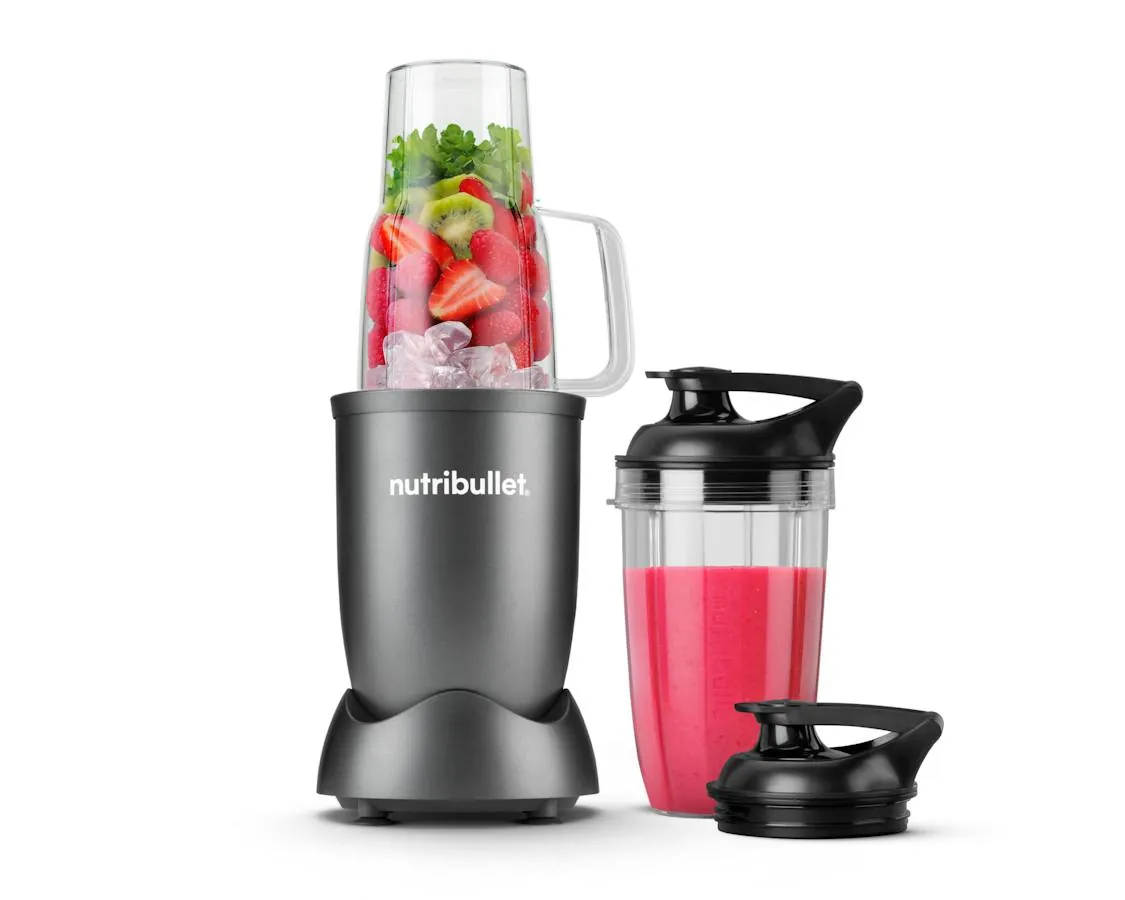
Load liquid first, then frozen fruit. Pour your liquid — water, milk, or yogurt — to the max line before adding anything solid. This gives the blades something to pull the fruit into.
Keep frozen fruit to half the cup. Fill the rest with fresh fruit, greens, or ice. A cup that’s half frozen and half soft blends cleanly; a cup that’s three-quarters frozen usually stalls.
Cut large fruit into small pieces before freezing. Strawberries, banana, and pineapple should be in pieces about the size of a blueberry. Small pieces get caught by the blades instead of rolling away.
Pulse two or three times to break the fruit up. Short pulses knock the frozen chunks loose before you run it steady. You’ll hear the motor change pitch when the fruit starts moving.
Run it for 30 to 60 seconds, then check. Stop and shake the cup if you see whole pieces stuck at the top. Add a splash more liquid if the mix looks thick and dry.
Add liquid in small amounts if it stalls. One or two tablespoons at a time is enough. Too much liquid turns a smoothie into juice.
The sign a step worked is sound and movement: the blend should swirl, not sit still. If you hear the motor straining and see no motion, stop and fix the load before you run it again.
Order matters more than speed. If you add the frozen fruit first and the liquid last, the blades hit a solid block and the liquid sits on top doing nothing. Pouring liquid in first costs you nothing and prevents most stalls.
Frozen fruit straight from the freezer is harder than fruit that sat out for five minutes. Let the fruit sit on the counter while you gather everything else. That short wait softens the surface just enough for the blades to bite.
Never run the machine continuously for more than a minute hoping it will catch. If it hasn’t moved by then, more time only heats the motor. Stop, shake, add a tablespoon of liquid, and start again.
This method isn’t for you if you want to blend a cup that’s almost entirely frozen fruit with no liquid. No 900-watt machine does that well, and pushing it just wears the motor.
The mistake that stalls the blend
Packing the cup to the top with frozen fruit and expecting the blades to chew through it’s the most common error. People fill the cup, press the button, and hear the motor grind without any movement. What it costs them is a burnt-out motor over time and a smoothie full of whole fruit chunks right now.
The check that avoids it takes five seconds: look at the cup from the side before you blend. If you can see more frozen fruit than liquid, you’ve overloaded it. Take some fruit out, add liquid, and try again.
The order you add things matters as much as the amount. Put the liquid in first, then the soft fresh items, then the frozen fruit on top. Most blenders pull from the bottom of the cup, so the liquid sits closest to the blades and gets things moving before the hard pieces arrive. Load it the other way and the blades hit a wall of frozen fruit with nothing to carry it.
If your blender has a tamper, use it through the lid rather than stopping to shake the cup. If it doesn’t, stop, take the cup off, shake it, and start again — running it while you wait for the chunks to drop just heats the motor.
Start with short pulses for ten seconds, then run it steady. Starting with a long continuous run is what strains the motor in cheaper models.
One more thing: give frozen fruit five minutes on the counter first if it’s frozen solid. Slightly softened fruit blends in half the time and saves the motor the worst of the work.
When frozen fruit blending needs a different tool
The motor smells hot or shuts off mid-blend. This means the machine is overheating from too heavy a load. Unplug it and let it cool for 15 minutes, then blend smaller batches. If it keeps happening, the motor is wearing out and a repair shop or the manufacturer handles it.
You need to blend large amounts at once. The 900 is a single-serve machine with a small cup. For family-size batches, a full-size blender is the right tool, and a kitchen appliance store can help you pick one.
The blades are dull or damaged. Never try to sharpen or replace blades yourself — they’re sharp and the assembly is sealed. Contact Nutribullet support or a repair service.
The cup or blade base is cracked. A cracked cup can fail under pressure and leak or spray. Stop using it and order a replacement from the manufacturer.
Frozen fruit is the hardest thing you’ll ask this machine to do, so it’s also where a real fault shows up first. Thawed fruit and leafy greens blend in seconds and rarely stress anything. Ice and frozen mango or strawberry demand far more torque, and they demand it in bursts.
That difference is how you tell a load problem from a machine problem. If the 900 handles soft ingredients fine and only struggles with frozen ones, the motor is probably healthy and the batch is simply too big. If it now labors on a banana and a splash of milk, the machine is the issue.
Count what you put in. A cup packed to the fill line with frozen fruit is a heavy load for a 900-watt motor. Start with half that, add liquid first, and shake the cup between pulses so the fruit doesn’t pack into a solid block above the blades.
Give the motor a break between runs. Back-to-back blends don’t let it shed heat, and heat is what kills these motors. One blend, then a pause of a minute or two.
None of this applies to a cracked cup or a bent blade. Those aren’t load problems and no technique will fix them.
The line is simple: if the problem is the load, you can fix it. If the problem is the machine itself, that’s a job for the manufacturer or a repair service, not for you.
Related guides
- Can a Nutribullet Blend Nuts? Yes, With the Right Method
- Can a Nutribullet Blend Frozen Fruit? Yes, With the Right Ratio
- Best Immersion Blender for Frozen Fruit: Top 10 Picks
Frequently asked questions
Can a Nutribullet 900 crush ice and frozen fruit together?
Yes, in small amounts. Add about 4 to 6 ice cubes with your frozen fruit, not a full cup. Ice and frozen fruit together make a very hard load, so keep the total frozen material to about half the cup and add liquid to the max line. If the blend stalls, remove some ice before running it again.
How long does it take to blend frozen fruit in a Nutribullet 900?
About 30 to 60 seconds for a standard cup that’s half frozen fruit and half liquid. Harder loads take longer, but never run it more than 60 seconds without stopping to check. If it’s still chunky after a minute, the problem is the load, not the time — add liquid or remove fruit.
Why does my Nutribullet 900 stop when I add frozen fruit?
It stops because the load is too heavy and the motor is protecting itself from overheating. Frozen fruit packed tight with little liquid makes the blades work too hard. Take out some fruit, add liquid to the max line, and blend in smaller batches. Let the machine cool for 15 minutes first if it feels hot.
Is it safe to blend frozen fruit in a plastic Nutribullet cup?
Yes, the cups are made for it. The risk isn’t the plastic — it’s overloading the cup, which can stress the seal and the blade base over time. Keep frozen fruit to half the cup, check the cup for cracks before each use, and replace any cup that’s damaged rather than blending with it.
What happens if I blend frozen fruit with no liquid?
The blades spin without pulling the fruit down, so nothing blends and the motor heats up fast. You’ll hear it strain and see the fruit sitting still. Always add liquid to the max line first. If you’ve already started, stop, add liquid, and pulse a few times to get it moving.
Does it matter if the frozen fruit is soft or rock-hard?
Yes, it matters a lot. Fruit frozen solid is harder to break down than fruit that’s sat out for 5 minutes. Let the fruit rest on the counter briefly before blending. Softer surface, easier blend, same result in the cup.
Can I blend frozen fruit without cutting it first?
Only if the pieces are already small. Frozen berries and mango chunks are fine as they are. Whole strawberries, big banana chunks, and large pineapple pieces should be cut to about blueberry size before freezing. Large pieces roll away from the blades and stall the blend.
How much frozen fruit fits in one Nutribullet 900 cup?
About half the cup, with liquid filling the rest to the max line. That’s roughly 1 to 1.5 cups of frozen fruit in a standard cup, depending on the fruit’s size and how tightly it packs. If you can see more frozen fruit than liquid from the side, you’ve added too much.
Conclusion
Start by loading your cup half with frozen fruit and filling the liquid to the max line, then pulse twice before running it steady. You’ll know it worked when the blend swirls on its own and pours smooth, with no whole pieces left behind. If the motor smells hot, shuts off, or the cup shows cracks, stop and contact Nutribullet support or a repair service instead of pushing it further.