Can You Blend Hot Food in a Nutribullet? Safe Steps
Yes, but only if you let the steam out first and never seal the blade on. Blending hot food in a Nutribullet is only safe when the food has cooled well below scalding temperature and you vent the cup, because a sealed cup of hot liquid builds pressure fast. Hot liquid at any temperature can spray and scald, and a sealed cup lets pressure build until the lid blows off.
When hot blending works and when it doesn’t
The table below sorts the situations people actually run into. Find the row closest to yours, then read the “why” before you decide.
| Your situation | Answer | Why |
|---|---|---|
| Soup cooled until no longer steaming | Yes, with care | Less steam and pressure |
| Soup straight off the stove, still boiling | No | Steam builds pressure fast |
| Cup filled past the MAX line | No | No room for steam to rise |
| Sealed lid, no vent | No | Pressure has nowhere to go |
| Thick stew or mashed potato | Yes, with care | Low liquid, less steam |
| Thin broth or stock | No, unless cooled | Thin liquid turns to steam |
| Baby food, cooled to warm | Yes, with care | Cool enough to limit steam |
The pattern is simple: the thinner and hotter the food, the more dangerous the blend. A thick stew holds its heat and steam in the food itself. A thin broth releases that steam the moment the blades spin.
Temperature is the part people get wrong most often, because a pot that has sat for ten minutes still looks calm. Steam pressure doesn’t care how the surface looks. Use a food thermometer to check the temperature rather than your hand.
Thickness cuts the other way. A stew or a mash traps steam in pockets, so it releases slowly and mostly spits at the lid. That’s a mess, not an injury. Thin liquid has nothing to trap the steam, so it flashes all at once.
Fill level decides the rest. Leave the top quarter of the cup empty, always. A cup filled to the MAX line has no headspace, and steam with nowhere to rise will push the lid off or lift the contents out.
When in doubt, wait. Five extra minutes costs you nothing. A burn on the forearm or the chest costs you weeks.
Why temperature decides everything
When you blend hot food, the blades throw the liquid against the cup walls. That motion releases steam that was trapped in the food. In a sealed cup, that steam has nowhere to go, so pressure climbs with every second the motor runs.
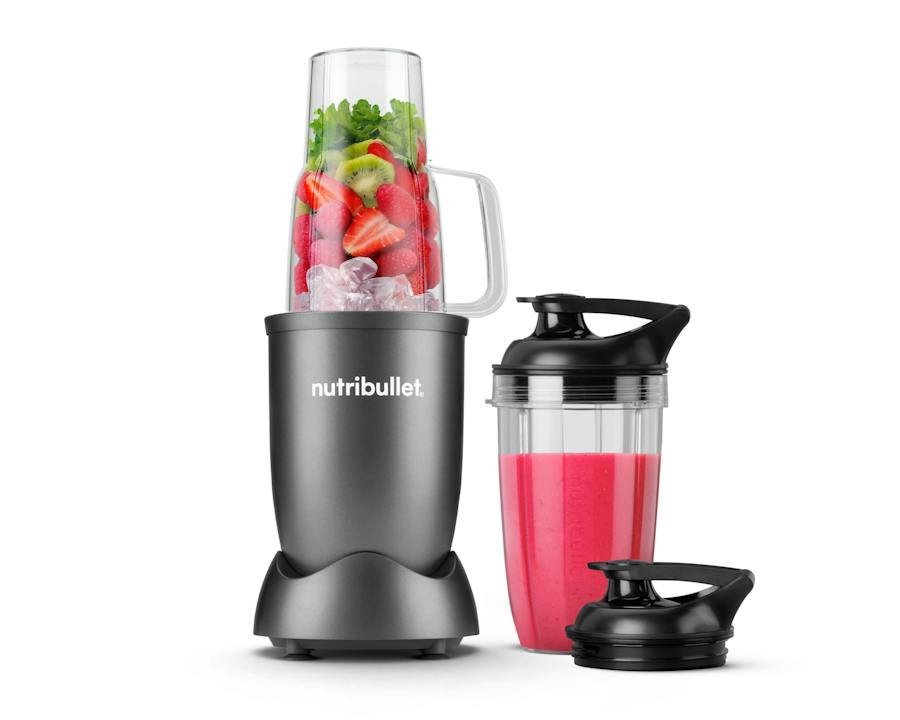
A Nutribullet cup is designed to be sealed — that’s how it stops leaks during normal cold blending. The same seal that keeps smoothies inside also traps hot air and steam. The result is a lid that pops off, or a sudden spray of scalding food when you open it. Neither is a small problem: hot liquid burns skin in under a second.
Temperature matters more than time. Water at 160°F is below boiling but still gives off steam. At 200°F, you’re close to boiling and steam forms quickly. The gap between those two numbers is the gap between a safe blend and a trip to the sink with a burn.
Nutribullet’s own guidance says not to blend hot ingredients, and the reason is this pressure build-up, not the motor. The motor can handle warm food fine. It’s the sealed cup that can’t handle the steam.
There’s also a texture cost. Hot food blended in a small cup can turn gummy, especially starchy things like potato or rice. The blades shear the starch while it’s hot, and you get a gluey result instead of a smooth one.
If your food is above 160°F, wait; if it’s at or below 160°F and you vent the lid, you can blend in short bursts.
That’s the rule. Everything else is detail.
How to blend hot food the safe way
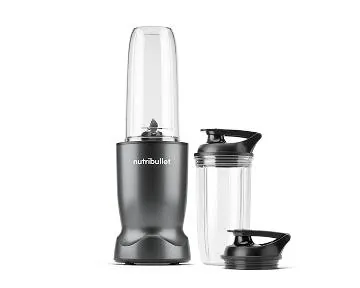
Follow these steps in order. Each one has a sign that tells you it worked.
Cool the food to 160°F or below. Use a food thermometer, not your hand — a finger can’t tell 160°F from 190°F. The sign it worked: the thermometer reads 160°F or lower in the thickest part.
Fill the cup no more than halfway. Hot food needs headroom for steam. If your cup holds 24 oz, stop at 12 oz of hot food. The sign it worked: you can see clear space above the food.
Vent the lid. Crack the lid open, or leave the small cap off if your model has one. Never lock a sealed lid on hot food. The sign it worked: steam can escape and you feel no pressure when you press down.
Blend in 5-second bursts. Press for 5 seconds, stop, let the steam out, then press again. Never run it continuously. The sign it worked: no hiss of escaping pressure when you pause.
Hold a towel over the lid. A folded towel over the top catches any spray and protects your hand. The sign it worked: the towel stays dry.
Let it rest 1 minute before opening. Steam settles, pressure drops. The sign it worked: no rush of steam when you lift the lid.
Check the texture, then serve. If it’s gummy, add a splash of warm liquid and pulse twice. The sign it worked: it pours smoothly.
These steps assume a standard Nutribullet cup and a 160°F starting temperature. If your food is thicker — like a stew — still cool it thoroughly and vent the lid, because trapped steam can release suddenly. If it’s a thin broth, stay at 160°F or lower. For a larger cup, keep the same half-full rule, not the same ounce amount.
The mistake that causes burns
The most common error is blending hot food with the lid sealed tight, because people assume the seal is what makes it safe. It’s the opposite. A sealed lid on hot food is the single biggest cause of burns and kitchen messes from small blenders.
What it costs you: a lid that blows off mid-blend, hot food across your counter, and in the worst case a scald on your hand or face. Hot liquid burns are painful and can need medical care. The cleanup alone can take 20 minutes, and you lose the whole batch of food.
The one check that avoids it: before you press the button, ask “can steam get out?” If the answer is no, crack the lid or take the cap off. That single question prevents almost every hot-blend accident.
People also skip the cooling step because they’re in a hurry. Waiting 10 to 15 minutes for soup to drop from 200°F to 160°F feels slow, but it’s faster than treating a burn. Set a timer and walk away — don’t stand there stirring it to speed things up.
Some blenders make this harder than others. A lid with a removable center cap vents steam without you holding anything. A one-piece lid with no cap gives you no way to release pressure except tilting the lid, which lets more food escape. If yours has no vent, blend in two or three shorter bursts instead of one long run, and hold a folded towel over the lid.
Thick mixtures behave differently from thin ones. A puree or a heavy soup traps steam in pockets that release all at once, so it needs a longer cool and a wider vent than broth. If the mixture mounds on a spoon instead of dripping off it, treat it as thick.
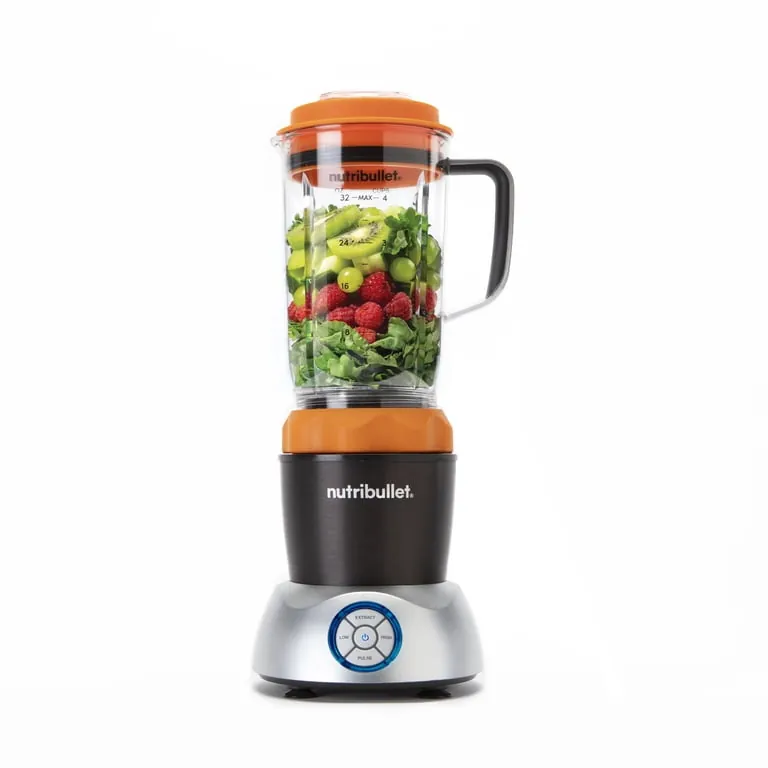
Never fill past the maximum fill line with hot food, even with the lid cracked. Hot liquid expands as it heats, and the headspace above the line is what absorbs the surge.
When to stop and get help
Some situations aren’t a do-it-yourself question. Stop and get proper help if any of these apply.
- You’ve been burned by hot food or steam. Run cool water over the burn for 20 minutes, then see a doctor or nurse if the skin blisters, looks white, or the burn is bigger than your palm. Don’t pop blisters yourself.
- Your blender’s lid won’t seal even when cold. That’s a parts problem, not a technique problem. Contact Nutribullet support or buy a replacement lid — don’t force it.
- The motor smells hot or stops mid-blend. Unplug it and let it cool. If it keeps happening, the unit needs service, not another try.
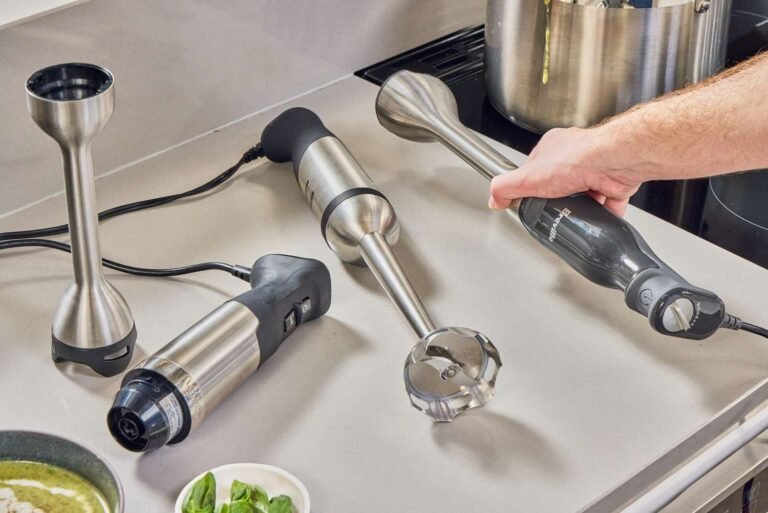
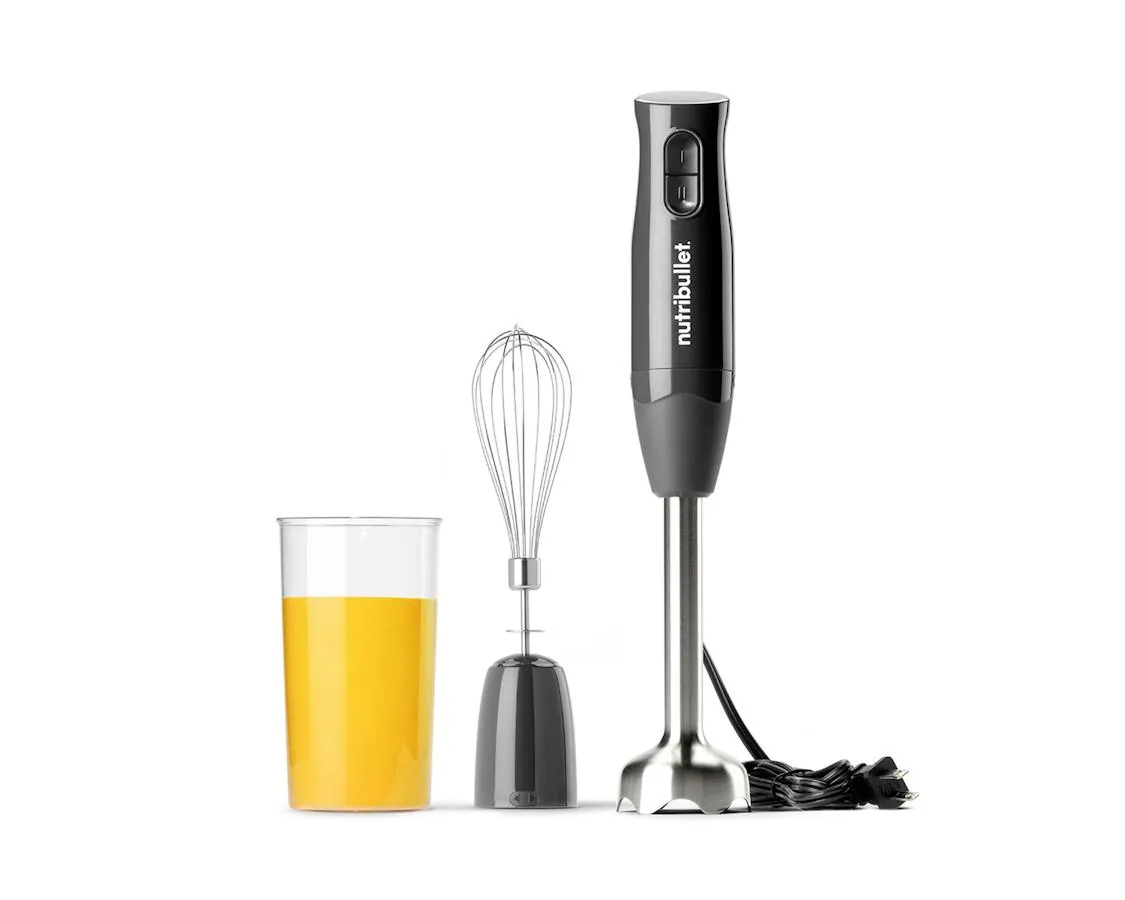
- You need to blend large batches of hot soup often. A small personal blender isn’t built for that. A full-size blender with a vented lid, or an immersion blender, handles hot liquid safely — that’s the tool for the job.
If a burn looks serious, or you’re unsure, treat it as a medical question and call your doctor or a nurse line. That’s not something a blender guide can settle.
One more case catches people out: a jar that leaks only when it’s full. Fill it halfway with cold water, seal it, and turn it upside down over the sink. If it drips now, the gasket or the threads are worn, and no amount of tightening will fix it. If it stays dry, the leak is coming from overfilling or from liquid that’s too hot, and you can fix that yourself.
Two things decide most of these calls. Is the problem the machine or the way you’re using it? And is anyone hurt? A burn or a cut means stop and get medical advice, full stop. A leak, a smell, or a stalled motor with no injury means unplug it, let it cool, and contact support before you try again.
Frequently asked questions
Can I blend hot food in a Nutribullet?
Yes, but only if it’s cooled to 160°F or below and you vent the lid. Above that, steam builds pressure inside the sealed cup and can blow the lid off or spray scalding food. Nutribullet’s own guidance advises against blending hot ingredients, so treat this as a careful exception, not a normal habit. Cool first, vent always, blend in short bursts.
Why can’t I blend boiling soup in a Nutribullet?
Because boiling soup is around 212°F, and at that heat the water turns to steam fast. In a sealed cup, that steam has nowhere to go, so pressure climbs with every second. The lid pops, or hot soup sprays out when you open it. Wait until the soup drops to 160°F or lower — usually 10 to 15 minutes off the heat — before you blend.
How long should I wait for hot food to cool before blending?
Wait until a food thermometer reads 160°F or lower in the thickest part. For a pot of soup starting near 200°F, that’s typically 10 to 15 minutes at room temperature, longer if the pot is deep or the room is cold. Don’t guess with your hand — a finger can’t tell 160°F from 190°F, and the difference is a burn.
Is it safe to put hot food in the Nutribullet cup?
It’s safe only under 160°F with the lid vented. The cup itself handles warm food fine — it’s the sealed lid that’s the problem. Never lock a sealed lid onto hot food. Crack it open or remove the small cap so steam can escape, and hold a towel over the top to catch any spray.
What happens if I blend hot food with the lid sealed?
Pressure builds inside the cup and the lid can blow off, sending hot food across your kitchen. In the worst case you get scalded on your hand or face. Hot liquid burns skin in under a second. If it happens, run cool water over any burn for 20 minutes and see a doctor if the skin blisters or looks white.
Does blending hot food damage the Nutribullet motor?
Not usually — the motor handles warm food fine. The real risk is the cup and lid, not the motor. That said, running the motor in long continuous bursts with thick hot food can make it work harder and smell hot. Stick to 5-second bursts, and if the motor smells hot or stops, unplug it and let it cool before trying again.
Can I blend hot food in a Nutribullet if it’s thick, like stew?
Yes, thick food is safer than thin liquid because there’s less free liquid to flash into steam. Cool it thoroughly and blend in short bursts with the lid vented. Keep the cup half full so steam has room. Thin broth is the opposite — stay at 160°F or lower, or skip the blender and use an immersion blender instead.
Does it matter which Nutribullet model I have?
It matters less than the temperature and the lid. All Nutribullet cups seal the same way, so the steam problem is the same across models. Some models have a removable cap you can leave off to vent — check your own cup and manual for that. If you’re unsure, look at the lid on your unit or the official Nutribullet page for your model.
What to do first with hot food and your Nutribullet
Cool the food to 160°F or below and check it with a thermometer before anything else — that’s your first move. Expect a smooth blend with no hiss and no spray when you pause between 5-second bursts; that quiet pause is the sign it’s working.
If you feel pressure building, hear a hiss, or the lid starts to lift, stop right away and let it cool further — that’s the signal it’s time to step back rather than push through. A soup that has been off the heat for ten minutes is usually still too hot; twenty to thirty minutes in the pot, lid off, gets most batches under the line.
Stir before you check. The top of a pot of soup cools faster than the middle, so a thermometer dipped straight into the surface can read 150°F while the center is still near boiling.
If you’re reheating rather than cooking fresh, the same rule holds, and a microwave makes it harder, not easier — a bowl can come out with cool edges and a scalding pocket in the middle. Stir it, wait two minutes, then check in two spots.
Never fill past the max line with hot liquid. Hot food expands and foams in a way cold food does not, and the headspace is what keeps it inside the cup.