Can I Blend Hot Things in a Nutribullet? Safe Steps
Yes, you can blend hot things in a Nutribullet, but only if you let the food cool to room temperature first and never fill the cup past its maximum line.
The one condition that flips this answer is steam: a sealed blade cup traps hot air and pressure, which is why hot liquid in a closed Nutribullet cup is a burn risk and a mess waiting to happen.
So yes, you can blend warm, cooled food in a NutriBullet, but not anything still steaming. Your next minute: take the lid off, let the steam escape, and wait before you press that button.
Room temperature is the cutoff, not lukewarm. If you can hold the cup against your wrist without flinching, it’s fine. If it feels hot enough that you want to set it down, it’s still too hot, even if no steam is visible.
Soups are where people get caught. A pot off the stove can sit for twenty minutes and still be hot enough to pressurize the cup, because the middle of a thick liquid holds heat far longer than the surface. Stir it, then check again.
Never fill past the max line with warm food either. Warm contents expand and foam more than cold ones, so a cup that was safe with a cold smoothie can overflow through the blade assembly when the food inside is warm.
If you’re set on blending something hot right now, blend in small batches and pulse rather than running it continuously. Then hold the lid down with a folded towel, not your bare hand, and open it facing away from you.
When hot blending is fine and when it isn’t
The table below sorts the situations people actually run into. Find the row closest to yours and follow that answer.
| Your situation | Answer | Why |
|---|---|---|
| Soup cooled to room temp | Yes | No steam pressure builds |
| Soup straight off the stove | No | Steam seals and pressurizes the cup |
| Warm cooked veg, no liquid | Yes | Little steam, thick texture |
| Hot coffee or tea | No | Thin hot liquid scalds fast |
| Room-temp sauce or puree | Yes | Safe and easy to pour |
| Boiling stock for soup | No | Highest burn and burst risk |
| Baby food, lukewarm | Yes, blended then cooled | Check temp before feeding |
Cooling takes about 15 to 20 minutes for a bowl of soup at room temperature, longer in a cold kitchen. If you’re not sure, touch the outside of the cup — if it’s warm to your hand, wait longer.
Thick is the part people get wrong. A dense puree and a thin broth at the same temperature hold the same steam pressure, so a warm mash is no safer than a clear stock of the same warmth. The test is texture plus temperature together, not temperature alone.
Lid on or lid off changes the answer too. Blending with the lid off, or holding a folded towel over the opening, lets steam escape as it builds. That single habit is what makes hot blending survivable for people who do it daily — it doesn’t make it safe, it just lowers the pressure inside the jar.
Never fill past the halfway mark with anything hot. Hot liquid expands and foams as the blades hit it, and a jar filled to the top has nowhere for that to go but out.
If you’re blending for a baby or anyone with a compromised swallow, cool to lukewarm first, then blend, then check the temperature again on your wrist before it goes anywhere near them.
When in doubt, wait. Five extra minutes costs you nothing. A scalded hand or a burst jar costs you an evening in urgent care.
Steam pressure is what decides this
Steam is the whole reason this question exists. When you blend something hot in a sealed cup, the heat turns liquid into vapor, and that vapor has nowhere to go. Pressure builds inside the cup, and when you twist the lid off, it can release all at once. That’s how people get burned.
The Nutribullet blade cup is designed to keep liquid in during normal blending. That same containment is what makes hot contents dangerous. It’s not the blades alone that hurt you — it’s the hot liquid and steam thrown out when the cup is opened.
Thick foods behave differently from thin ones. A dense puree of warm potatoes holds water just as a broth does, so at the same temperature it creates the same steam pressure. A thin broth or a hot smoothie with lots of water creates far more. That’s why “hot soup” and “warm mash” aren’t the same risk level, even at the same temperature.
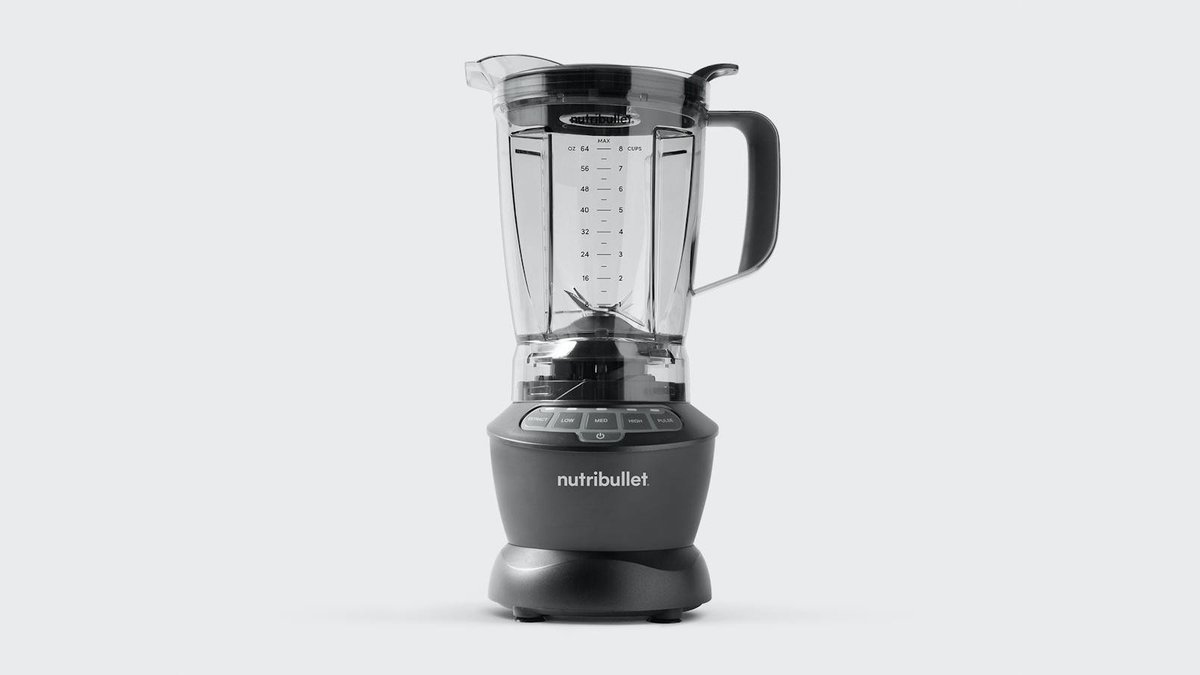
The fill line matters too. Every Nutribullet cup has a max fill mark, and going past it with warm food leaves less headroom for expansion. Stay under the line, and you keep a cushion of air that absorbs some of the pressure.
Temperature is the part you can actually measure. Steam rising off the surface, or a cup that’s too warm to hold against your wrist, means it’s still too hot to seal. Wait for it to stop steaming.
Venting helps only if you do it right. Pulse the machine in short bursts, then stop and let the cup sit a minute before you open it. Cracking the lid while the motor is still running is unsafe — food can escape and spray, so stop the machine before you open it.
Here’s the rule: if the food is cool enough to touch comfortably, blend it; if it’s still steaming or too hot to hold, wait until it isn’t.
How to blend warm food safely
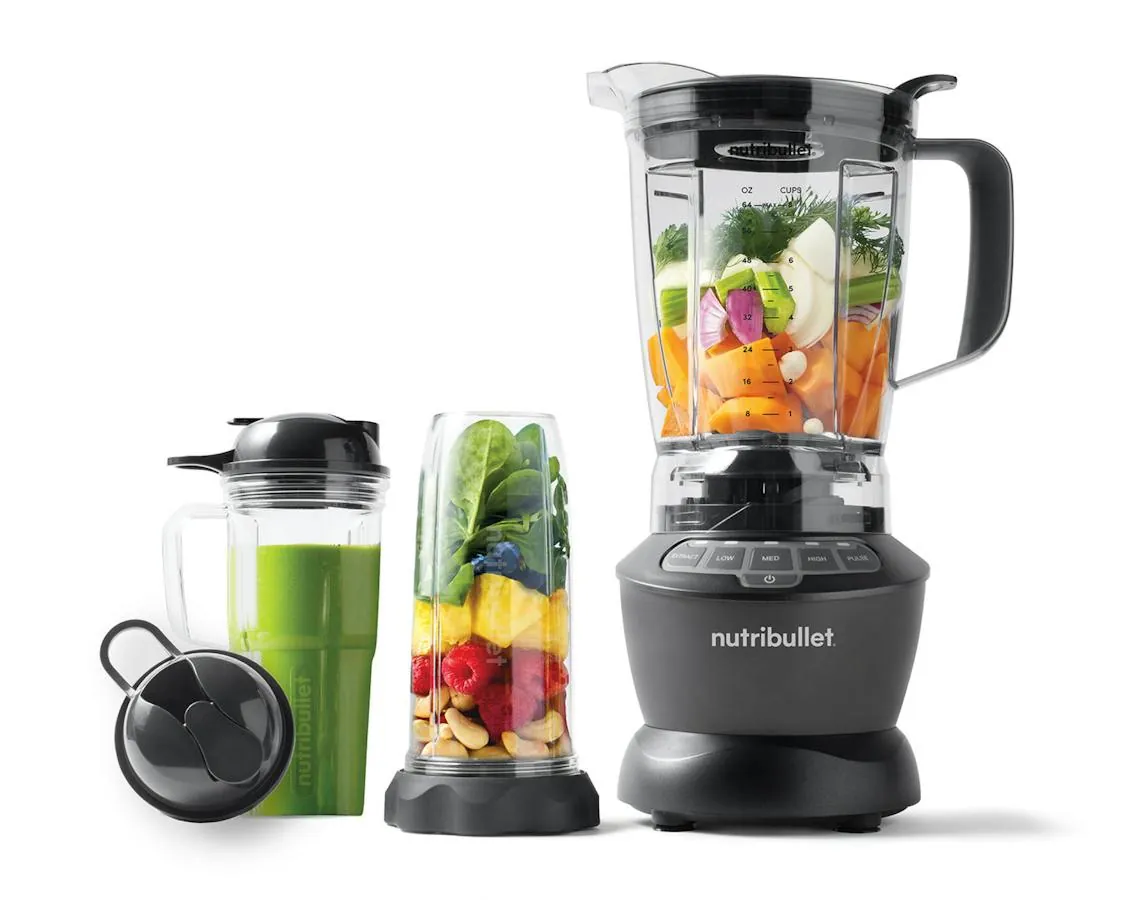
Follow these steps in order. Each one has a sign that tells you it worked.
Cool the food to room temperature first. Spread it in a shallow dish to speed this up — a thin layer cools faster than a deep pot. Sign it worked: the outside of the container feels neutral, not warm, to your hand.
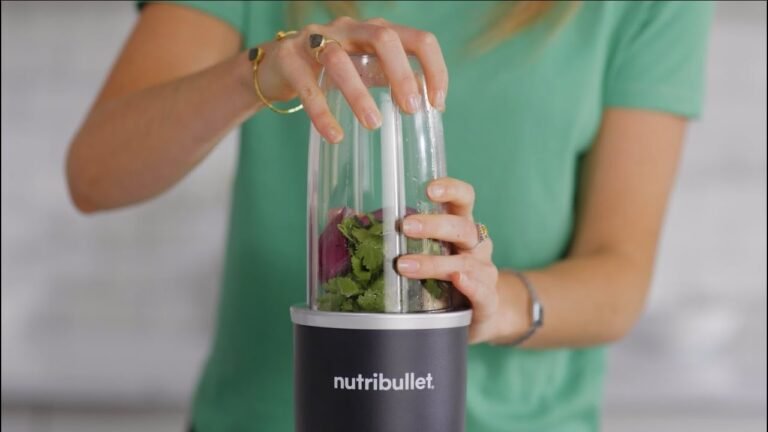
Check the fill line and stay under it. Leave at least an inch of empty space at the top of the cup. Sign it worked: you can see clear space above the food.
Add liquid in small amounts. Pour in about a quarter cup at a time rather than all at once. Sign it worked: the mixture moves freely when you tilt the cup.
Pulse in short bursts, not one long run. Press for 2 to 3 seconds, stop, and let it settle before the next pulse. Sign it worked: no steam fogs the cup and nothing sputters.
Vent before you open. Crack the lid away from your face and let any pressure hiss out. Sign it worked: you hear a small release, not a pop.
Reheat after blending, not before. Once it’s smooth, pour it into a pot and warm it back up. Sign it worked: it reaches your serving temperature without ever going back in the cup hot.
A trade-off here: pulsing takes longer than one continuous blend, so a full cup of soup might take 30 to 45 seconds of pulsing instead of 15 seconds straight. That extra time is the price of not getting burned.
This method isn’t for anyone trying to blend boiling liquid or a large batch of hot stock. For those, use an immersion blender in the pot instead — it’s built for hot contents and stays open to the air.
The mistake that burns people
The biggest mistake is sealing hot food in the cup and blending it right away, thinking the lid will hold everything in. It does hold it in — that’s the problem. Pressure builds, and the moment you twist the lid, hot contents can spray out.
That mistake costs you a scald, and a scald on your hand or forearm can mean a trip to urgent care and days of pain. It also costs you the batch of food and, sometimes, a cracked or warped cup. Nutribullet’s own guidance tells users not to blend hot liquids, and that warning exists because people got hurt doing it.
The check that avoids all of this: before you blend, ask whether the food is still giving off steam. If you can see steam rising, or the cup feels hot to touch, stop and wait. Ten more minutes of cooling beats a burn every time.
The second version of this mistake is quieter, and it catches people who already know better. You let the soup cool, you blend it, and then you pour it back into the pot while the pot is still on the burner. The blender cup is fine. The pot is not, because the splash hits you instead.
So the rule runs in both directions. Nothing goes into a sealed cup while it’s steaming, and nothing blended goes back into a hot pan without the heat off and the pan moved to a cold burner.
There’s one case where you can blend warm food safely, and it’s narrow: the food is cool enough that the cup no longer feels warm against your wrist, and you blend it in small batches with the lid properly sealed. If either of those isn’t true, wait.
What people get wrong is judging by the clock instead of the cup. A soup that sat out ten minutes can still be steaming under the surface, because the middle holds heat longer than the top. Touch the outside of the cup, not the air above it.
When to stop and get help
Most warm-food blending is a kitchen task you can handle yourself. These signs mean it isn’t.
- The food is still boiling or steaming heavily — that’s a burn risk no home method fixes, so use an immersion blender or wait it out.
- You already got a scald with blisters or spreading redness — that’s a medical question, so contact a doctor or urgent care rather than treating it at home.
- The cup is cracked, warped, or the seal looks damaged — a failing seal can burst, so replace the cup or contact Nutribullet support.
- You’re blending for a baby or someone with a weakened immune system — food safety rules are stricter, so check with a healthcare provider on safe temperatures.
Steam is the sign people ignore most often, because it looks like progress. If you can see vapor rising off the food, the top of that jar is hot enough to burn you on contact, and closing the blade on it traps that heat and pressure together. Wait until the food stops steaming before it goes anywhere near a sealed cup.
A small crack near the rim is easy to miss and easy to make worse. Run a fingernail around the top edge and the threads; if it catches, or the cup rocks when you set it on the counter, retire it. A cup that has gone through a dishwasher cycle on the heated dry setting is worth the same check.
Blistered skin is the one sign you shouldn’t wait on. A scald that keeps spreading past the first hour, or any burn on a child, needs a clinician, not a home remedy.
The line is simple: heat you can’t control with your own hands is where this stops being a do-it-yourself job. Past that point, the right tool or the right professional handles it — not a sealed blade cup.
Frequently asked questions
Can I blend hot soup in a Nutribullet?
No, not while it’s hot. Let the soup cool to room temperature first, which usually takes 15 to 20 minutes in a shallow bowl. Once it’s cool, blend it, then reheat it in a pot. Blending hot soup in a sealed cup traps steam and pressure, and that pressure releases when you open the lid.
Why does Nutribullet say not to blend hot liquids?
Because a sealed cup traps steam, and trapped steam builds pressure that can spray hot food when you open it. The manufacturer’s guidance exists to prevent burns. The blades aren’t the danger — the pressure and the splash are. Keeping the lid off until the food cools removes that risk entirely.
How long should I wait before blending warm food?
Wait until the food reaches room temperature, which is about 15 to 20 minutes for a bowl of soup and less for a small portion of soft vegetables. The exact time depends on how deep the container is and how cold your kitchen is. Touch the outside of the container — if it’s not warm, it’s ready.
Is it safe to blend warm baby food?
Yes, if it’s lukewarm and you check the temperature before feeding. Blend it, then test a drop on your inner wrist — it should feel neutral, not warm. If it’s still hot, let it cool further. For babies and anyone with a weakened immune system, ask a healthcare provider about safe food temperatures.
What happens if I blend hot liquid anyway?
Pressure builds inside the sealed cup, and when you twist the lid, hot contents can spray out fast. That can cause a scald on your hands, arms, or face. The food may also overflow and make a mess. If you already did it and got burned, treat the burn and seek medical help for blisters or spreading redness.
Can I blend hot things if I leave the lid loose?
No — a loose lid on a running blender lets food escape and doesn’t fix the steam problem. The cup needs a proper seal to blend at all. The safe path is cooling the food first, not loosening the lid. A loose lid also risks the blades throwing food out of the cup.
Does a Nutribullet cup crack from hot food?
It can warp or crack over time if you keep putting hot contents in it, especially if the plastic is stressed by heat and pressure together. If your cup is already cracked or the seal looks worn, replace it. Check the cup and gasket before each use, and follow the manufacturer’s temperature guidance.
Can I use the Nutribullet for hot sauce or gravy?
Cool it first, same as soup. Gravy and thin sauces are mostly liquid, so they create more steam than thick foods and carry a higher burn risk when hot. Let them cool to room temperature, blend, then warm them back up in a saucepan on the stove.
Conclusion
The first thing to do is simple: take the lid off and let the food cool until it’s no longer warm to the touch. Expect a smooth blend with no steam and no pressure when you open the cup — that’s your sign it worked. If you see steam, feel heat on the cup, or notice a cracked seal, stop and either wait longer or switch to an immersion blender in the pot.