Can a Nutribullet Blend Frozen Fruit? Yes, With the Right Ratio
Yes, a Nutribullet can blend frozen fruit, but only if you keep the frozen pieces to about half the cup and add enough liquid to get the blades moving. If you fill the cup with frozen fruit and no liquid, the motor will stall or the blades will spin without pulling anything down. So before you press the button, add your liquid first, then your frozen fruit, and never go past the MAX line on the cup.
When frozen fruit works and when it doesn’t
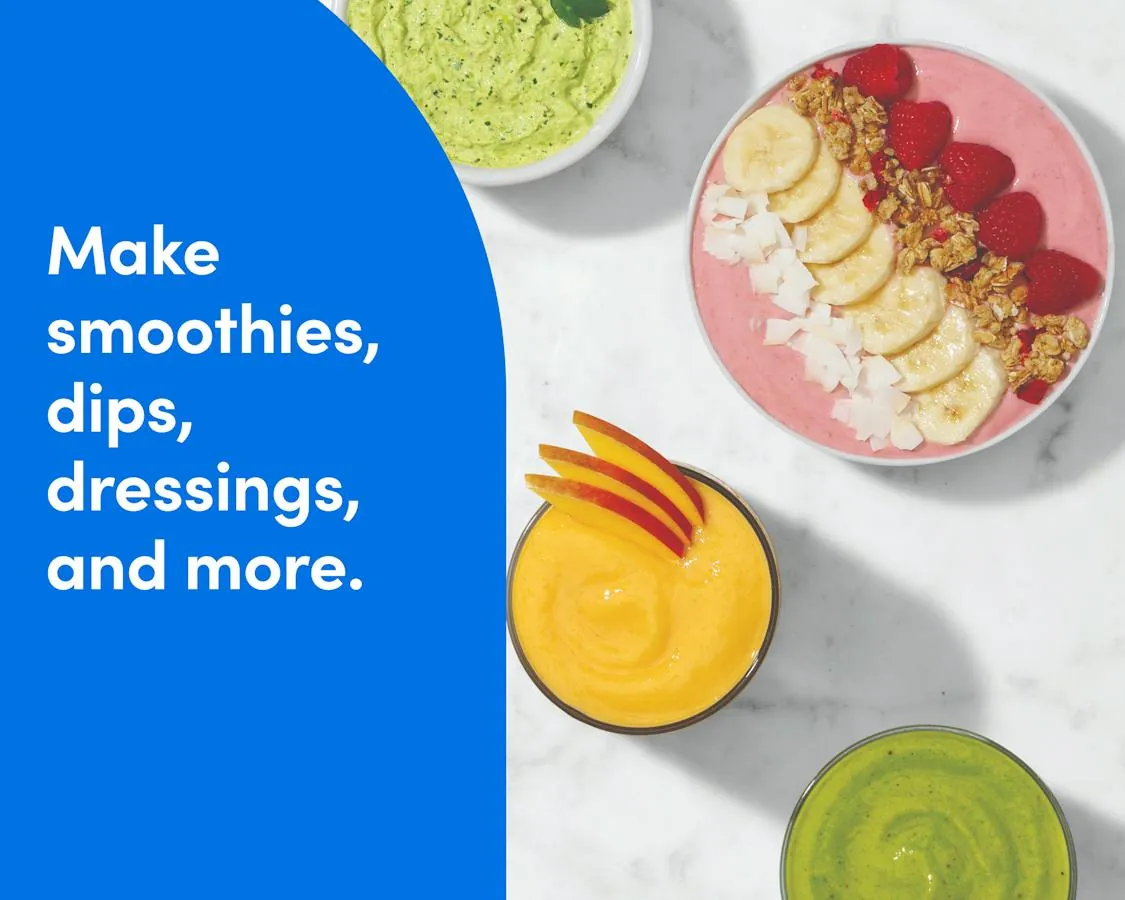
A handful of frozen berries with yogurt and milk blends fine. A cup packed solid with frozen mango and nothing wet won’t move.
| Your situation | Answer | Why |
|---|---|---|
| Frozen berries plus milk or juice | Yes | Liquid lets the blades pull fruit down |
| Frozen fruit only, no liquid | No | Blades spin in air, fruit stays stuck |
| Frozen fruit filled to the MAX line | No | Too much solid, motor stalls |
| Frozen fruit plus fresh banana | Yes | Fresh fruit adds moisture and space |
| Large frozen chunks, like whole strawberries | Yes, with care | Cut them smaller first |
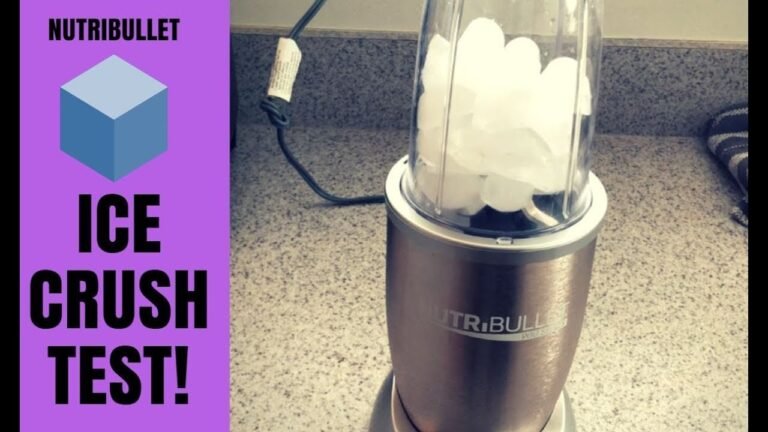
| Frozen fruit plus ice cubes | Risky | Two hard solids overload the cup |
| Thick frozen smoothie bowl mix | No | Needs a food processor instead |
The pattern is simple: frozen fruit needs a wet partner and room to move. If your cup is mostly frozen fruit, you’re asking the motor to do something it wasn’t built for.
Order matters as much as ingredients. Put the liquid in first, then the fresh fruit, then the frozen fruit on top. Blades reach the liquid immediately and the frozen pieces get dragged down into it.
If your blender stalls, stop. Don’t pulse through the noise, because that’s how motors burn out. Take the cup off, shake it, and add two tablespoons of liquid before you start again.
Small batches beat full ones here. Half a cup of frozen fruit with a cup of milk blends in seconds. The same fruit piled to the MAX line will stall every time.
Frozen fruit that has thawed slightly is easier on the motor than fruit straight from the freezer. Ten minutes on the counter is enough. If the pieces still clink together, they’re too hard.
Watch for the moment the sound changes from a whir to a grind. That grind means the blades have lost the fruit. Add liquid, not speed.
If you only have frozen fruit and no liquid at all, use a food processor. It has a wider bowl and a blade that keeps contact. A personal blender can’t do that job, no matter the setting.
What actually decides if it blends
Liquid is the deciding factor. A Nutribullet works by pulling food down into the blades with a vortex, and that vortex only forms when there’s enough liquid to carry the fruit. Frozen fruit alone has no moisture to spare, so the blades spin under it and the fruit just sits there.
The amount matters too. Nutribullet’s own guides say to fill the cup with liquid first, then add soft ingredients, then hard ones like frozen fruit on top. They also say not to fill past the MAX line. That line isn’t decoration. Go past it and the cup can’t create the circular flow that drags fruit into the blades.
Frozen fruit is harder than fresh, so it puts more load on the motor. A small amount of frozen fruit in a mostly liquid mix is easy work. A cup of solid frozen chunks is heavy work, and the motor will either slow down or stop.
The size of the pieces matters as well. Whole frozen strawberries or big mango chunks can jam under the blades. Smaller pieces blend faster and put less strain on the machine.
Thawing is the shortcut most people miss. Ten minutes on the counter softens the surface of frozen berries just enough for the blades to bite, without turning the fruit to mush. If you’re blending straight from the freezer, that step alone often decides whether the cup moves or stalls.
Watch the sound, not the clock. A machine that’s working sounds steady and low. A machine that’s struggling goes high and thin, and that’s your signal to stop and add liquid rather than keep pulsing. Running it through that noise is how motors burn out.
Here’s the rule: if you have at least as much liquid as frozen fruit, then blend in short pulses; if frozen fruit is more than half the cup, then add more liquid or switch to a food processor.
How to blend frozen fruit without wrecking the motor
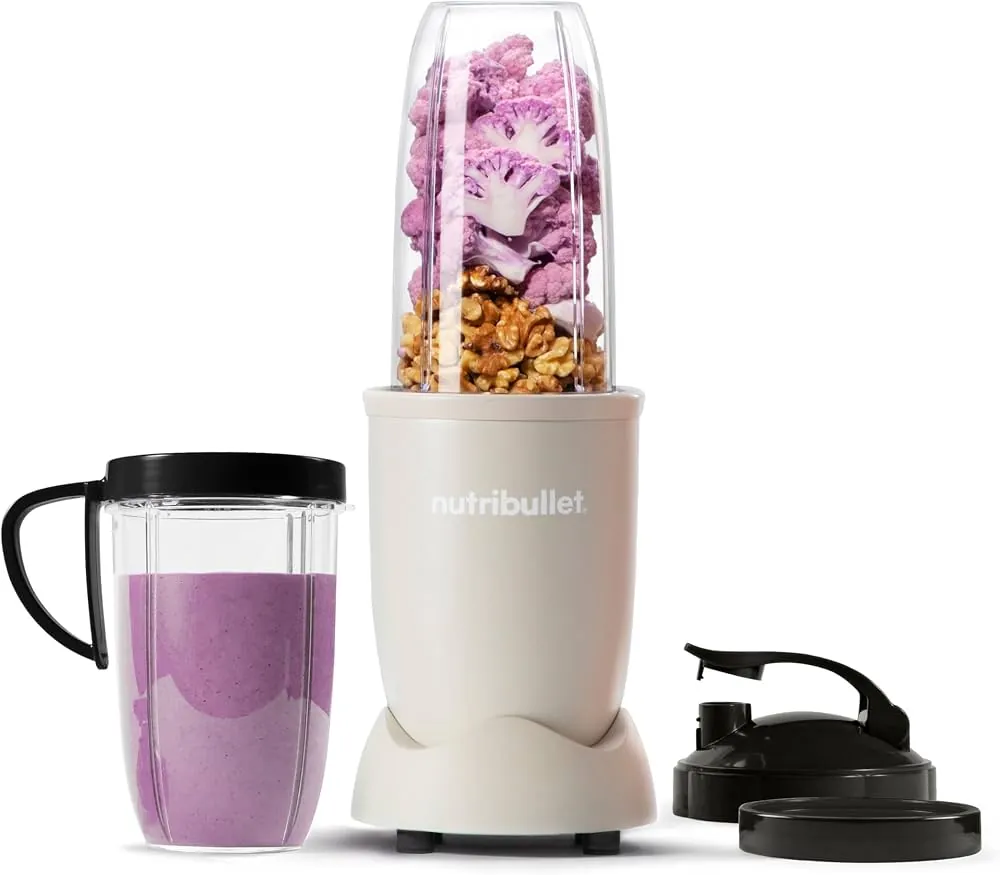
Pour liquid in first. Add 1 cup of milk, juice, or water for every 1 cup of frozen fruit. The liquid goes in before anything else, so the blades have something to grab. You’ll see the fruit start to circulate within a few pulses.
Add soft ingredients next. Put in yogurt, banana, or fresh fruit before the frozen pieces. These soften the mix and help the vortex form. The cup should look about half full at this point.
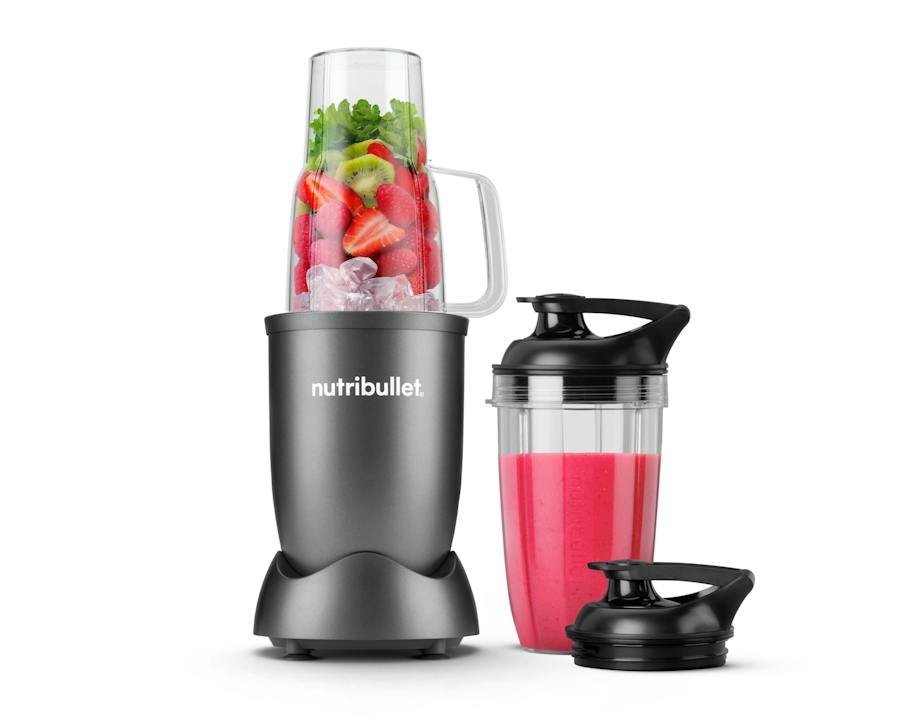
Add frozen fruit last, and keep it under half the cup. Use 1 cup of frozen fruit for a 24-ounce cup. Cut large pieces like strawberries or mango chunks into smaller bits first. The fruit should sit on top of the liquid, not packed to the rim.
Stay below the MAX line. Leave at least an inch of space at the top. If you’re over the line, scoop some out before blending. An overfilled cup won’t circulate, and the motor will strain.
Pulse, don’t run it steady. Press in short bursts of 2 to 3 seconds, then stop and shake the cup. Repeat 5 to 8 times. You’ll hear the motor speed up as the fruit breaks down and the mix starts moving freely.
Shake or scrape if it stalls. Turn the machine off, take the cup off, and shake it. If fruit is stuck on the walls, push it down with a spatula. Never use your fingers or a spoon while the blade is attached.
Check the texture before you pour. The smoothie should flow when you tilt the cup. If it’s still chunky, add 2 to 4 tablespoons of liquid and pulse again. Lumpy, thick mix means you need more liquid, not more time.
The mistake that kills the motor
Packing the cup with frozen fruit and no liquid is the mistake that costs people a machine. The blades spin freely under the fruit, the motor overheats, and in some cases the unit shuts down or burns out.
The fix is simple. Before you press the button, tilt the cup. If the contents don’t slide when you tilt it, there’s not enough liquid. Add 1/2 cup of milk, juice, or water and try again. That one check takes five seconds and saves the motor.
Hard frozen fruit is the second half of the problem. Strawberries and mango chunks straight from the freezer sit as one solid block, and no amount of liquid gets the blades through it. Let them soften on the counter for five minutes first. If you’re in a hurry, run the cup under warm water for thirty seconds before you fill it.
Watch how it sounds on the first run. A healthy blend starts rough and smooths out within a few seconds as the fruit breaks up. If the motor is still straining after ten seconds, stop. Open the cup, stir the contents with a spoon, and add liquid before you start again.
Never top up while the blade is spinning. The lid has to come off to add anything, and the motor stops as soon as the cup is unlocked from the base.
When to stop and get help
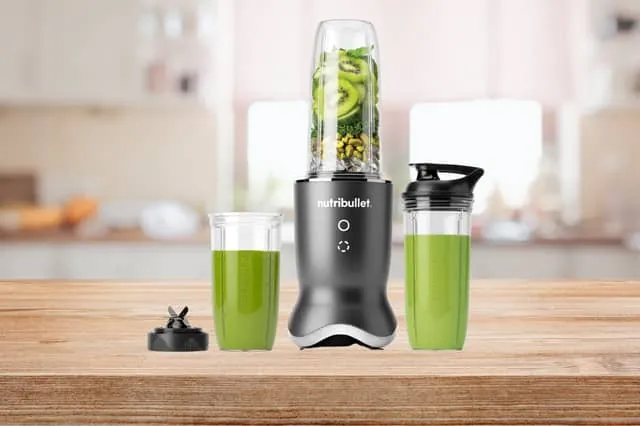
The motor smells hot or makes a grinding noise. Stop immediately and let it cool for 30 minutes. If the noise returns, contact Nutribullet support — the motor or bearings may be damaged. A hot smell that fades after cooling usually means you pushed a thick mix too long. Run shorter bursts next time. A grinding noise that comes back is different: stop using the machine until support advises you.
The blade assembly wobbles or leaks. A worn gasket or bent blade needs a replacement part from Nutribullet, not a home fix. Using it anyway can spray liquid or throw metal. If the blade rocks when you touch it, stop — that one can let go mid-blend.
The cup cracks near the base. Stop using it. A cracked cup can shatter under pressure, and that’s a cut risk. Order a new cup from Nutribullet. Retire the cup the day you spot one.
You need to blend large amounts of frozen fruit often. A high-powered blender or food processor handles this better. A Nutribullet is built for single servings, not bulk frozen work. If you fill the cup past the max line to stretch a batch, you’re working the motor harder than it was made for.
You’re blending for someone with swallowing trouble. Texture matters for safety. Talk to a doctor or speech therapist about what consistency is safe before you rely on any blender.
Frequently asked questions
Can a Nutribullet blend frozen fruit with no liquid?
No. Frozen fruit alone won’t blend in a Nutribullet. The blades need liquid to create the flow that pulls fruit down into them. Without it, the blades spin in empty space and the motor overheats. Add at least as much liquid as frozen fruit — 1 cup of milk or juice for every 1 cup of frozen fruit — before you start.
How long does it take to blend frozen fruit in a Nutribullet?
About 30 to 60 seconds of pulsing, in bursts of 2 to 3 seconds each. This assumes a standard 24-ounce cup with 1 cup of frozen fruit and 1 cup of liquid. If your cup is fuller or the fruit is in large chunks, add 15 to 30 seconds. Stop as soon as the mix flows smoothly.
Is it safe to put frozen fruit in a Nutribullet?
Yes, it’s safe for the machine and for you, as long as you stay under the MAX line and use enough liquid. The risks come from overfilling — the cup can leak or the blade can jam. Never push fruit down with your fingers while the blade is attached. Use a spatula with the cup off the base.
Why does my Nutribullet stop when I add frozen fruit?
Frozen fruit puts more load on the motor than fresh fruit, so a packed cup can trigger it. Unplug the unit, let it cool for 20 to 30 minutes, then blend with more liquid and less frozen fruit.
Can I blend frozen fruit and ice together in a Nutribullet?
It’s possible but risky. Two hard solids at once overload the motor fast. If you want both, use 1/2 cup of frozen fruit, 1/2 cup of ice, and 1 1/2 cups of liquid. Pulse in short bursts and stop if the motor slows. For a thick, icy texture, a high-powered blender handles it better.
What happens if I fill my Nutribullet past the MAX line with frozen fruit?
The cup can’t circulate the mix, so the blades spin without pulling fruit down. The motor strains, the cup may leak at the seal, and in bad cases the contents push the lid off. Scoop out the extra before blending. Leave at least an inch of space below the MAX line.
Does frozen fruit blend better than fresh in a Nutribullet?
Fresh fruit blends faster because it has more water and softer fibers. Frozen fruit is harder and needs more liquid and more pulsing. That said, frozen fruit gives a colder, thicker smoothie. If you want the cold texture without the strain, use half frozen and half fresh fruit.
Can a Nutribullet crush frozen fruit for baby food?
Yes, if you blend it smooth and thin it with liquid. Use 1 cup of frozen fruit with 1 cup of water or breast milk, and pulse until no chunks remain. Check the texture by pressing a drop between two spoons — it should be fully smooth. Ask your pediatrician which textures are safe for your baby’s age.
What to do next
Start with 1 cup of liquid in the cup, then add 1 cup of frozen fruit on top, and pulse in short bursts until the mix flows. You’ll know it worked when the smoothie moves freely and pours without lumps.
If the blades stall and the fruit just spins, you have too much solid and not enough liquid. Add liquid 2 tablespoons at a time, not a full cup, or you’ll thin the smoothie past the point of saving. If the mix sloshes but never breaks down the fruit, you pulsed too gently. Run 5-second bursts instead of tapping the button.
Hard seeds and frozen chunks are what kill these motors. Cut fruit into pieces smaller than a golf ball before freezing, and never fill past the max line. Overfilling can cause leaking at the base.
If the motor smells hot, makes a grinding noise, or the cup leaks at the base, stop and contact Nutribullet support or replace the part before you blend again.