Can I Blend Hot Liquid in a Nutribullet? Safe Temps
Yes, you can blend hot liquid in Nutribullet cups, but only after it has cooled to room temperature — around 70°F to 80°F (21°C to 27°C) is safe. The one thing that flips this answer is steam: a sealed blending cup traps hot air, pressure builds, and the lid can blow off. So don’t fill and blend straight from the stove or microwave.
Instead, let the liquid sit uncovered for 10 to 15 minutes, then check the side of the cup with your hand. If it feels warm but not hot, you’re good to go. If it still burns your palm, wait longer.
Thick liquids hold heat far longer than thin ones. A pot of soup or a blended squash puree can still be scalding in the middle after the surface has stopped steaming, so stir it and check again rather than trusting the top.
Never fill past the max line with anything warm. Warm liquid expands and foams more than cold, and an overfilled cup gives the pressure nowhere to go but up into the lid.
If you’re in a hurry, divide the batch between two cups and blend in shorter bursts, or transfer the liquid to a wide bowl and set it in a sink of cold water for a few minutes. Both bring the temperature down faster than waiting on the counter.
One mistake people make here is sealing the cup and shaking it to speed cooling. That traps the steam you were trying to release. Leave the lid off until the cup is cool to the touch.
When blending hot liquid in a Nutribullet is fine
The table below sorts the situations people actually run into. Find the row that sounds like you, and follow that answer — not the one above it.
| Your situation | Answer | Why |
|---|---|---|
| Soup cooled 15 minutes on the counter | Yes | Steam has mostly escaped, pressure is low |
| Liquid still steaming from the pot | No | Trapped steam builds pressure fast |
| Cup filled past the MAX line | No | Less headspace means faster pressure buildup |
| Small batch, half-full cup | Yes, once cooled | More room for steam to expand safely |
| Thick sauce or puree, cooled | Yes | Less steam than thin liquids |
| Boiling water for tea or broth | No | Near-boiling liquid releases constant steam |
| Reheating already-blended soup in the cup | No | Never blend, then heat, in the same sealed cup |
The pattern is simple: the cooler the liquid and the more empty space in the cup, the safer the blend. A half-full cup of warm soup is a very different risk than a full cup of boiling stock.
Two rows catch people most often. The first is reheating. Soup you blended yesterday and put in the fridge is fine cold, but the moment it goes into a sealed cup and into the microwave, you have built the exact setup the lid can’t hold. Heat it in a pot or a bowl, then move it.
The second is the half-full cup. People read “small batch” as “safe” and skip the cooling step entirely. Headspace buys you time, not immunity. If the liquid is still steaming, wait.
When you’re unsure, touch the outside of the cup. Warm is workable. Too hot to hold comfortably means wait ten more minutes. Nothing in this list is worth a burn or a kitchen ceiling.
Steam pressure is what decides it
A Nutribullet cup is a sealed container. When you screw the blade base on and flip it onto the motor, that seal has nowhere to release. Hot liquid keeps giving off steam, and steam takes up far more space than the water it came from. In a closed cup, that expanding steam has only one place to go: out through the lid, often suddenly.
This is why the manufacturer’s own guidance says to let hot ingredients cool before blending. Nutribullet’s user manuals and safety pages tell you not to blend hot liquids in a sealed cup. That’s not a marketing line — it’s the same physics that makes a sealed thermos hiss when you open it.
The temperature matters more than the clock. A thin broth at 180°F (82°C) releases steam constantly. The same broth at 75°F (24°C) releases almost none. So the real question isn’t “how long has it sat?” But “how hot is it right now?”
You can check without a thermometer. Press the back of your hand near the cup’s side. If you can hold it there comfortably for a few seconds, it’s cool enough. If you pull away, it’s not.
One more thing decides the outcome: headspace. Fill the cup no more than two-thirds full when the liquid is warm. The empty third gives expanding steam somewhere to go instead of straight at the lid.
If the liquid is still steaming or too hot to touch, wait; if it’s room temperature and the cup is two-thirds full or less, you can blend.
How to blend warm liquid without a mess
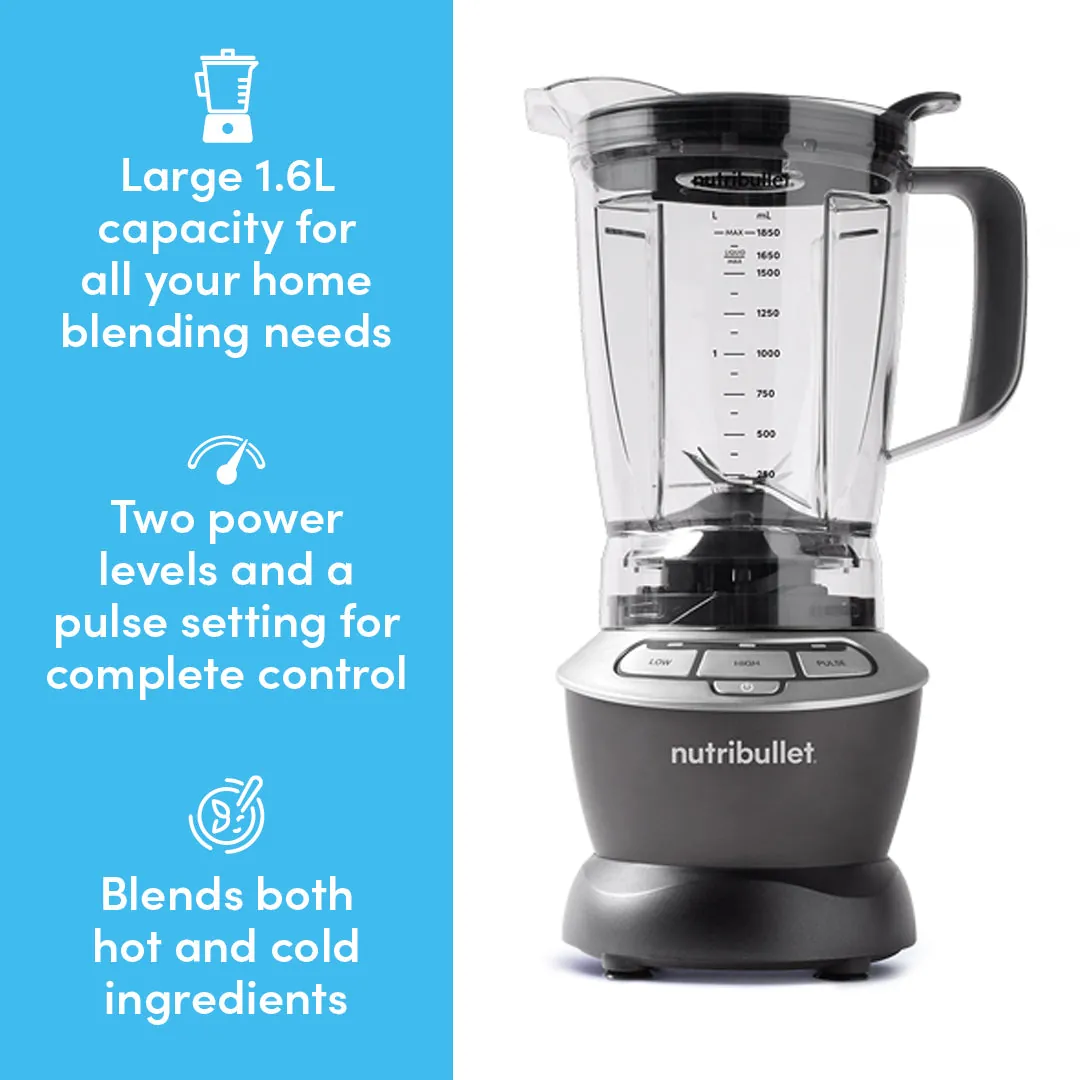
Follow these steps in order. Each one has a sign that tells you it worked before you move on.
Cool the liquid to room temperature. Spread it in a shallow bowl instead of a deep pot — more surface area means faster cooling. It’s ready when the bowl feels neutral against your wrist, usually 15 to 20 minutes for a single serving.
Fill the cup no more than two-thirds full. Leave the top third empty for steam. If you’re blending for two people, do it in two batches rather than one full cup.
Don’t seal the cup until the liquid is cool. If you must blend warm liquid, leave the lid off or use a blender with a vented lid so steam can escape.
Start on the lowest speed and pulse. Short bursts, not one long run. Long continuous blending heats the liquid back up and rebuilds the pressure you just released.
Hold the cup with a towel and point the lid away from you. If it does pop, it pops toward the counter, not your face. This is the step most people skip.
Release pressure before unscrewing. Wait a few seconds, then open the lid slowly. If the lid resists, stop — there’s still pressure inside.
Clean the blade base right away. Warm liquid dries and sticks. Rinse the blade base under warm water within a few minutes, before anything sets.
If you’re blending something thick like a cooled soup or sauce, you may need to add a splash of cool liquid to keep it moving. Add 2 to 4 tablespoons at a time — not more, or you’ll thin the texture you wanted.
The mistake that costs you a lid and a counter
The most common error is blending a liquid that’s “cooled a little” but still hot — say, 10 minutes off the stove when it’s still around 150°F (65°C). People assume a short wait is enough. It usually isn’t, because a deep pot holds heat far longer than a shallow bowl.
What it costs: a blown lid, soup on the ceiling, and sometimes a cracked cup. Nutribullet cups are made of plastic or Tritan, and they don’t enjoy sudden pressure plus heat. A replacement cup and blade base isn’t free, and hot liquid can scald skin if the lid gives way while you’re holding it.
The check that avoids all of it: touch the outside of the cup with the back of your hand before you screw the blade on. If you can’t hold your hand there for 3 full seconds, it’s still too hot. Wait 5 more minutes and check again. That single habit prevents almost every hot-blend accident.
One more cost people don’t expect: flavor. Blending a hot liquid releases aromatics into the air instead of keeping them in the food. Cool it first, and your soup tastes more like soup.
The wait is longer than you think for thick liquids. A pot of split pea or potato soup can sit for 30 minutes and still feel too hot on the back of your hand, because thick liquids retain heat longer than thin ones. Clear broth cools in half that time. If you’re blending something you could pour through a strainer, 15 minutes is often plenty. If a spoon stands up in it, give it 45.
Steam is the other half of the problem. Even at a safe temperature, a cup filled past the max line traps steam above the liquid with nowhere to go. Fill to the line, never above it, and start on the lowest speed for 5 seconds before you go higher. That vents the first rush of vapor before the blade spins fast.
Never blend in two batches back to back without letting the motor rest. The base can overheat, and a hot base plus a warm cup is hard on the motor. Give it a minute between runs.
If you already blended something hot and the lid held, don’t assume you got away with it. Inspect the cup threads for hairline cracks before the next use. A cup that survived once often fails on the second try, and that’s when it’s full.
When this stops being a DIY question
Most warm-liquid blending is fine to handle yourself once you know the cooling rule. But some situations need more than a kitchen habit.
- The cup or lid is cracked, warped, or the seal looks stretched. A damaged seal can’t hold pressure safely — replace the cup or contact Nutribullet support rather than blending anyway.
- You’ve already had one lid blow off. That cup may now have a weakened seal or a hairline crack. Stop using it and check with the manufacturer.
- You’re blending for a baby, an elderly person, or anyone with a weakened immune system. Food safety rules get stricter here. Ask a doctor or a dietitian about safe cooling and storage times for their situation.
- The liquid is a medical or prescribed drink. Follow the instructions from your pharmacist or doctor, not a general blending guide.
- You scalded yourself and the skin is blistered or white. That’s a burn, not a blending problem. See a doctor or nurse.
The limit is simple: anything involving a damaged cup, a medical diet, or a burn belongs with a professional, not a kitchen workaround.
Two of these are worth acting on before you blend again, not after. A stretched seal and a lid that has already popped are the same failure waiting to repeat, and the second one usually happens with a fuller cup and a hotter liquid.
Replacing a cup costs far less than a scar.
There’s one case where you can keep going without a call. A faint smell of warm milk in the cup after washing means it needs a more thorough wash. Wash it with hot soapy water, dry it fully, and blend. A seal that stays tacky or leaves a film after drying is the one to retire.
If you’re unsure which of the two you have, press a fingernail into the seal. Rubber that springs back is fine. Rubber that stays dented, or feels slick and gummy, is done.
The same test applies to the lid’s gasket, which most people never remove. Pull it out, check it, and put it back the way it came.
Frequently asked questions
Can I blend hot liquid in a Nutribullet?
No, not while it’s hot. Nutribullet’s own safety guidance says to let hot ingredients cool before blending in a sealed cup. Steam trapped inside builds pressure, and the lid can pop off. Wait until the liquid is room temperature — roughly 70°F to 80°F (21°C to 27°C) — before you screw the blade base on.
How long should I wait before blending hot soup?
Wait 15 to 20 minutes for a single serving cooled in a shallow bowl, or 30 minutes or more if it’s still in a deep pot. The clock isn’t the real measure — temperature is. Check the cup’s side with the back of your hand. If you can hold it there for 3 seconds, it’s ready.
Why does the lid pop off when I blend warm liquid?
Because steam takes up far more space than the water it came from, and a sealed cup gives it nowhere to go. The pressure pushes against the lid until the seal fails. This happens faster with thin liquids like broth and slower with thick ones like puree, but it can happen with any warm liquid.
Is it safe to blend boiling water?
No. Boiling water releases constant steam, and a sealed cup can’t vent it. Even a small amount of near-boiling water can build enough pressure to blow the lid. Let it cool completely first, or use an open blender with a vented lid instead.
What happens if I blend hot liquid anyway?
Usually the lid pops off and hot liquid sprays out, which can scald your skin and make a serious mess. Less often, the pressure cracks the cup. You may also lose the cup’s seal for good, meaning future blends leak. None of that’s worth skipping a 15-minute wait.
Can I blend warm milk or coffee?
Yes, once it’s cooled to room temperature. Warm milk behaves like any other warm liquid — steam builds pressure in a sealed cup. Coffee straight from the pot is too hot. Let it sit for 10 to 15 minutes, or add cold milk to bring the temperature down faster.
Does the Nutribullet have a hot-blend setting?
No. Nutribullet’s standard personal blenders don’t have a hot-liquid mode, and the manuals say not to blend hot ingredients. If you need to blend something hot regularly, a countertop blender with a vented lid is the safer tool for that job.
Does it matter which cup size I use?
Yes. A larger cup with more empty space handles warm liquid better than a small cup filled to the top. Whatever size you use, keep it two-thirds full or less when the liquid is warm, and never fill past the MAX line.
Conclusion
Start by letting your liquid cool in a shallow bowl and checking the cup with the back of your hand before you blend. Expect a smooth blend with no hiss, no spray, and a lid that unscrews easily — that’s your sign it worked. If the lid resists, if you hear pressure escaping, or if the cup is cracked or warped, stop and replace the cup or contact Nutribullet support before you blend again.