How Does a NutriBullet Blender Work? The Simple Answer
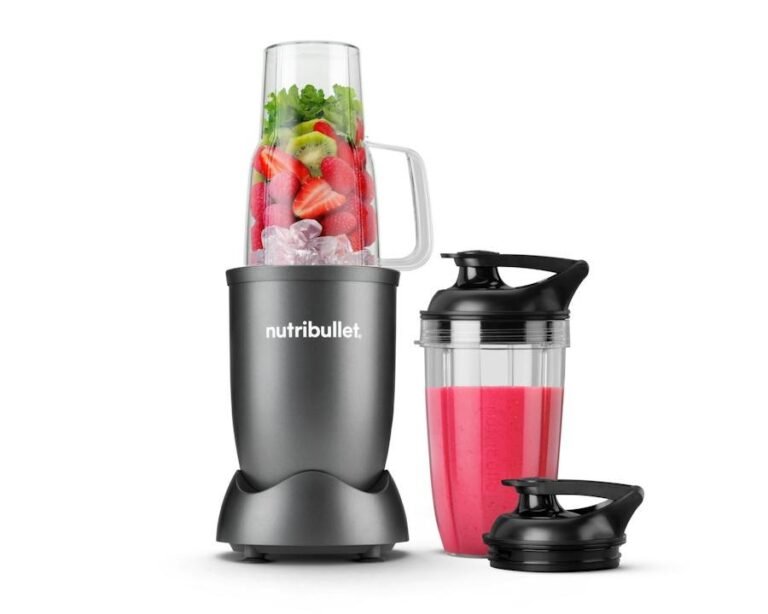
A NutriBullet blender works by spinning a small blade at high speed inside a sealed cup, so the food hits the blade again and again instead of sitting in a big jug. You fill the cup, twist on the blade lid, flip it onto the motor base, and press down. The blades spin, a vortex pulls everything to the center, and you get a drink in 30 to 60 seconds.
The cup is the part people underestimate. A narrow cup keeps the food close to the blade, so a full cup blends faster than a half-empty one. If your smoothie stalls, add liquid rather than shaking harder.
Three things change that: the wattage of your base, how much liquid you add, and how hard or fibrous the food is.
The base matters less than the marketing suggests. A 600-watt motor and a 900-watt motor both turn leafy greens and frozen banana into a drink; the bigger one just does it with less stopping and starting. What no wattage fixes is a cup packed with dry, hard food and no liquid to move it.
This page covers all three, plus what the machine can’t do.
Who this page is for
Three kinds of people search for this. The first just bought a NutriBullet and wants to know if it chops, grinds, or only makes smoothies. The second has one already and it’s not blending the way it used to. The third is comparing it to a full-size blender before spending money.
If you just unboxed it, you need the fill order and the liquid minimum — get those wrong and nothing else matters. If yours is underperforming, you need the troubleshooting signs, because a worn blade, a packed cup and a weak base all look the same from the outside.
This page serves the first two best. It assumes you own a NutriBullet or you’re about to, you have a standard 600-watt or 900-watt base, and you’re blending soft to medium foods — fruit, leafy greens, protein powder, ice. If you want to make hot soup, nut butter in volume, or flour from whole grains, read a full-size blender guide instead. A personal blender won’t do those jobs well, and no technique fixes that.
What actually decides the result
Motor wattage. The base sets the ceiling on everything. NutriBullet’s own product pages list the wattage for each model, so check the label on your base or the box before you blame your technique. A 600-watt base struggles with frozen fruit and ice; a 900-watt or higher base handles them. This is the factor people get wrong most often — they buy a low-wattage unit, then load it like a high-wattage one.
Liquid amount and order. Liquid goes in first, always. It creates the vortex that drags solid pieces down into the blade. Too little liquid and the food just spins around the walls without touching anything. Most NutriBullet manuals give a minimum fill line — follow the one printed on your cup, not a guess.
How full you fill the cup. There’s a max line for a reason. Overfill it and there’s no room for the food to move, so the blade spins without circulating the contents and the motor heats up. Underfill it and the blade can’t reach the food. Stay between the minimum liquid line and the max line.
Food size and hardness. Big chunks jam. Cut fruit into pieces roughly an inch across. Frozen strawberries straight from the freezer are harder than fresh ones, and fibrous things like celery and kale stems need more liquid and more time.
Blade condition. A dull or bent blade cuts poorly and makes the motor work harder. If your blend times have crept up over months, the blade is a likely reason.
Step by step: blending in a NutriBullet
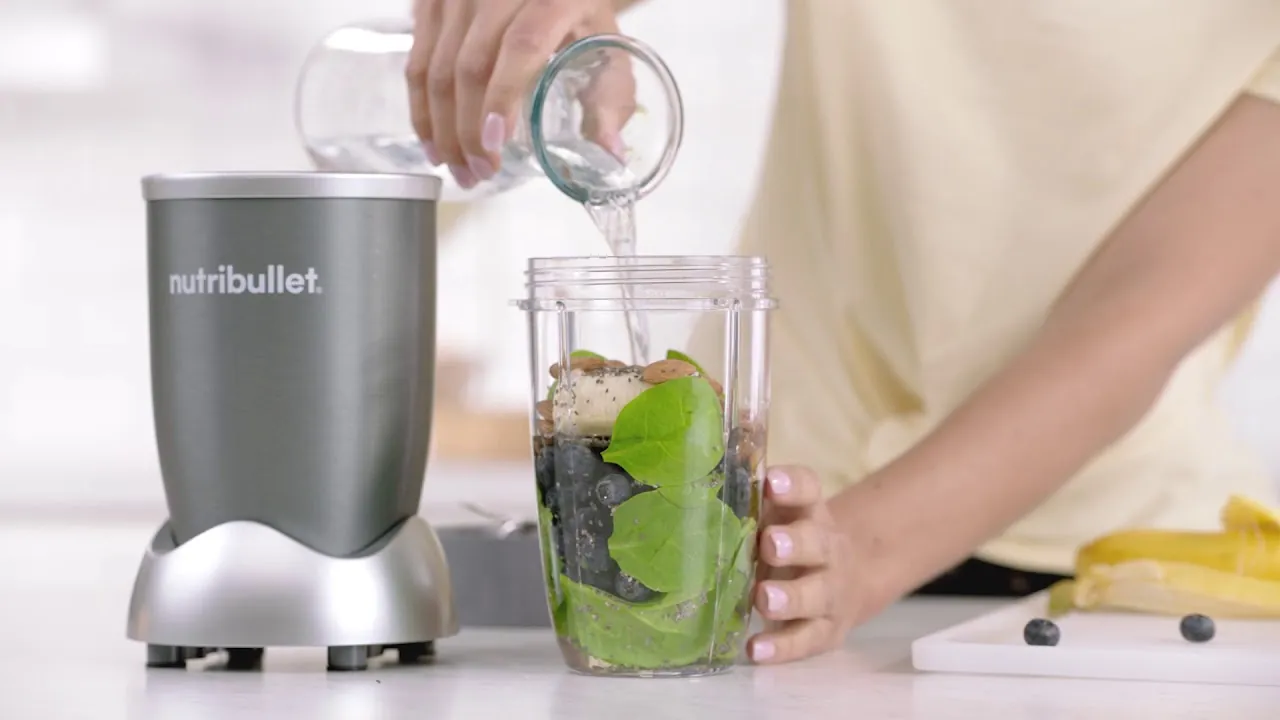
- Add liquid first. Pour in water, milk, or juice up to the minimum line marked on your cup — usually around 8 to 12 oz depending on cup size. Check your own cup’s marking, since sizes differ. You’ll know it’s right when the liquid sits below the max line with room left for food.
- Add soft ingredients next. Yogurt, protein powder, soft fruit, and nut butters go in on top of the liquid. This keeps them from sticking to the walls.
- Add leafy greens, then hard items last. Kale and spinach go in before ice, frozen fruit, or nuts. The hard items end up closest to the blade when you flip the cup. The sign it’s loaded right: you can see distinct layers, not a mixed pile.
- Leave headroom. Stop filling at the max line. If you’re at the line and still adding, remove some — an overfilled cup won’t blend, it’ll just shake.
- Twist the blade lid on firmly. Line up the tabs and turn until it stops. Tug the lid gently; if it moves, it’s not locked, and liquid will escape.
- Flip the cup onto the base and press down. Push straight down and hold. The motor runs only while you press. Release and it stops. That’s the whole control system on most models.
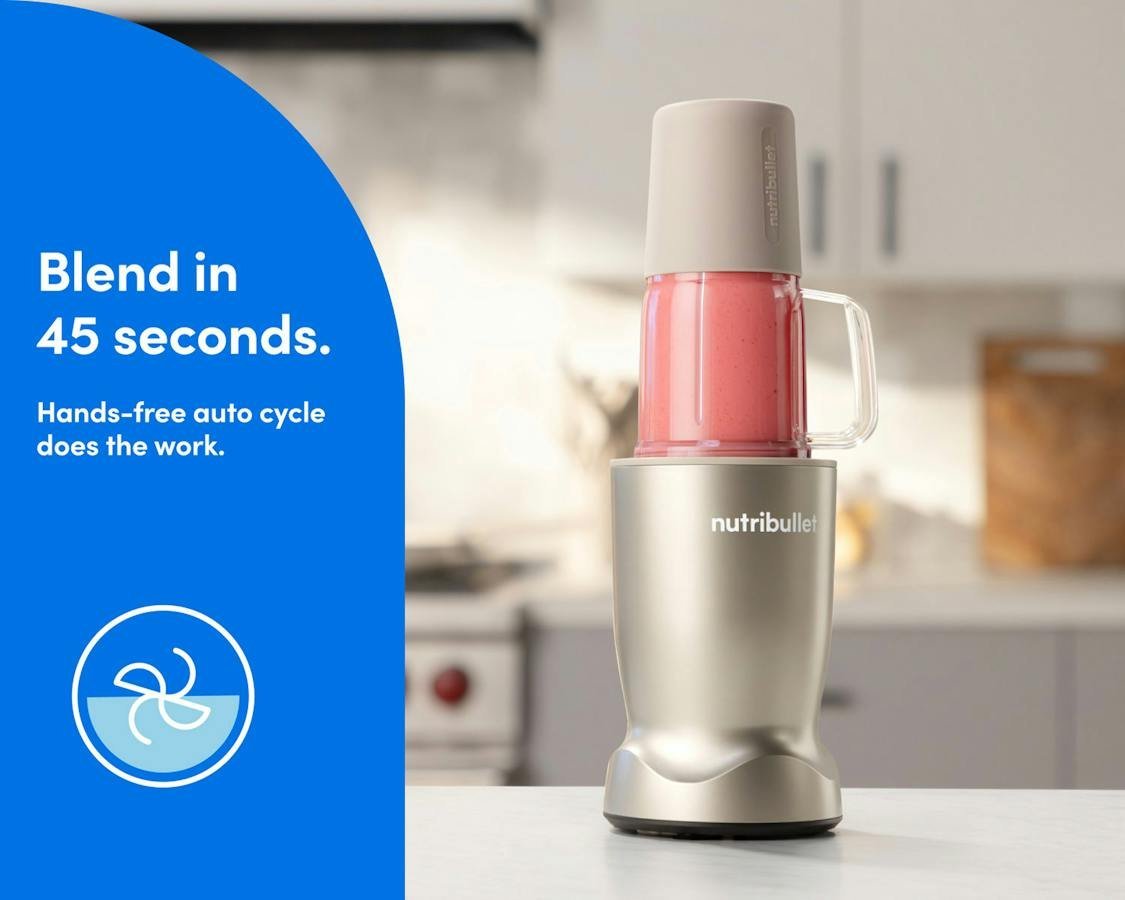
- Run it in short bursts. Hold for 5 to 10 seconds, release, shake the cup, repeat. Total time is usually 30 to 60 seconds for a smoothie. Stop when the mixture moves as one smooth mass with no chunks visible through the cup.
- Let it settle, then unscrew. Wait a few seconds so the liquid drops back down. Twist the blade lid off with the cup upright on the counter, blade side up.
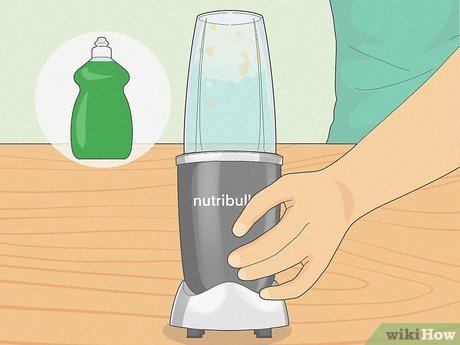
- Rinse the blade lid right away. Food dries hard on blades. Rinse under warm water before it sets, and wash the cup normally.
The judgement call is when to stop and shake. If the blend stalls — food spinning but not moving down — stop pressing, take the cup off, shake it, and put it back. Pressing harder doesn’t help and heats the motor.
Variations at a glance
| Situation | What to do | What it takes | What to watch for |
|---|---|---|---|
| Fresh soft fruit smoothie | Liquid first, fruit on top, 30 seconds | 30-45 seconds | Don’t overfill past max line |
| Frozen fruit or ice | Add extra liquid, pulse in bursts | 45-60 seconds | Motor smell means stop and rest |
| Leafy greens | Pack greens mid-cup, blend longer | 45-60 seconds | Stems jam; remove thick ones |
| Protein shake | Liquid, powder, then ice | 20-30 seconds | Powder clumps if added last |
| Nut or seed paste | Small amounts only, add oil | 60+ seconds, scraping | Overheating; small batches only |
| Thick dip or hummus | Add liquid gradually, scrape sides | 60 seconds, in bursts | Stalls without enough liquid |
| Hot ingredients | Never blend hot liquid in a sealed cup | Not safe | Pressure builds; steam burns |
What experienced users do differently
They load in layers, not piles
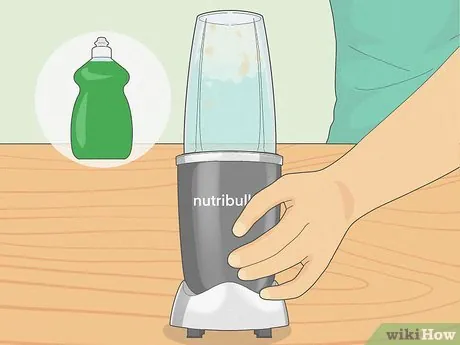
Order is the whole trick. Liquid at the bottom, soft items next, hard items last so they sit nearest the blade when the cup flips. Someone who dumps everything in at once gets a jammed cup and blames the machine. Layering takes ten extra seconds and removes most stalls.
They pulse instead of holding
Short bursts of 5 to 10 seconds, with a shake between, move food down and let the motor cool. Holding the button for a full minute straight heats the base and, on a low-wattage model, can trip the thermal cutout. The cutout resets after the base cools, but repeated overheating shortens the motor’s life.
They stop before it looks perfect
A smoothie that’s 95% smooth will finish blending as it sits. Chasing the last tiny fleck means another 30 seconds of motor heat for almost no gain. Experienced users pour at “smooth enough” and let the drink stand a moment.
What goes wrong, and what to do
| What you notice | What it usually means | What to do first | How to stop it happening again |
|---|---|---|---|
| Food spins but won’t blend | Not enough liquid | Add 2-4 oz liquid, shake, pulse | Start with liquid at the fill line |
| Motor smells hot or stops | Thermal cutout tripped | Unplug, let it cool 15-30 minutes | Pulse in bursts, don’t overfill |
| Liquid leaks from the lid | Blade lid not locked | Re-twist until tabs stop | Check the gasket is seated |
| Chunks left after a minute | Cup overfilled | Remove a third, blend again | Stay under the max line |
| Blend takes longer than before | Blade dull or bent | Replace the blade lid | Rinse blades right after use |
| Cup cracks near the base | Thermal shock or over-tightening | Stop using that cup | Never blend hot liquid; hand wash |
The rules that apply
NutriBullet publishes its own use-and-care manual with each model, and that manual is the authority on your machine — fill lines, wattage, run times, and what’s dishwasher safe. Follow it over anything you read online, including this page.
Two safety limits matter. Never blend hot liquid or hot ingredients in a sealed cup: steam builds pressure, and the lid can blow off and scald you. Let cooked food cool to room temperature first, or use a blender designed for hot liquids.
Never put your hand, a spoon, or a spatula into the cup while the blade lid is on. If food is stuck, take the lid off first. The blades are sharp enough to cut you badly, and they don’t stop instantly.
If your base sparks, smokes, or trips your home’s breaker, stop using it and contact NutriBullet support or a qualified appliance technician. Don’t open the base yourself — the internal parts aren’t user-serviceable, and there’s no safe do-it-yourself repair inside.
What it costs you
The machine itself is the main cost, and prices vary by model and by where you buy — check NutriBullet’s official site or a retailer for today’s price rather than trusting an old figure. Replacement blade lids and cups are sold separately, and they’re the parts that wear out first.
Running cost is small. A 600-watt base used for one minute a day uses very little electricity — a fraction of a cent at typical US rates, though your exact rate is on your utility bill. Compare that to a coffee shop smoothie and the machine pays for itself in weeks.
The real cost is time and attention. Forty-five seconds of blending, plus loading, plus washing the cup and blade lid by hand within a few minutes of use. Skip the rinse and you’ll spend several minutes scraping dried food off blades later.
What moves the cost up: buying frozen fruit and protein powder in small packs, replacing blades often because you never rinse them, and buying a second cup set. What moves it down: buying frozen fruit in bulk, rinsing immediately, and hand washing instead of running the dishwasher on a blade lid the manual says to hand wash.
Keeping it right afterwards
Rinse the blade lid and cup with warm water within a few minutes of every use. Dried food on blades is hard to clean off and can harbor residue, but a blender that seems to get weaker over time usually has a dull or bent blade.
If something starchy or fibrous dries on anyway, soak the lid in warm water for ten minutes before washing. Scraping at it with a sponge only risks nicking your hand on the blades.
Check the gasket in the blade lid regularly. It’s the rubber ring that seals the cup. If it’s cracked, stretched, or missing, liquid will leak. How often it needs attention depends on how much you use the blender, so your owner’s manual is the authority. Most models sell replacement gaskets or full blade lids.
A gasket that smells sour or has gone tacky should be replaced, even if it looks whole.
Watch for these signs that it needs attention: blend times creeping up, a rattling sound, visible nicks in the blade, or a cup that no longer locks firmly. Any of those means replace the part rather than push through.
Store the cup and blade lid assembled but loose, not cranked tight. Storing it locked down compresses the gasket and shortens its life. Keep the base on a dry counter, unplugged when not in use.
When a NutriBullet is the wrong tool
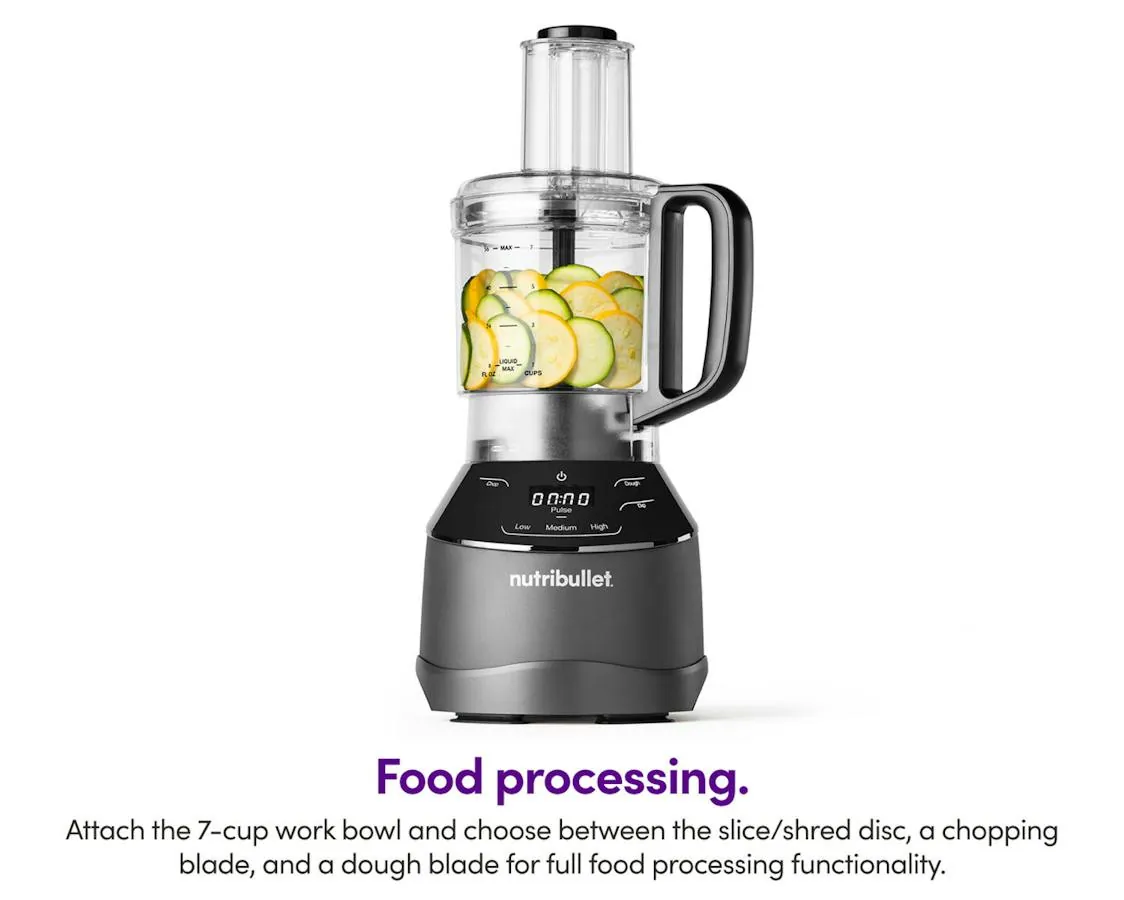
If you’re blending more than about 24 oz at a time for a family, a full-size blender with a 64-oz jug is the better buy. A NutriBullet makes single servings, and running it twice for two people is slower than one jug.
If you want hot soup, don’t blend hot liquid in a sealed cup. Use an immersion blender or a blender built for hot liquids, or let the soup cool fully first.
If you’re grinding dry grains, coffee beans, or spices in volume, a dedicated grinder does it better and won’t wear out your blender blades. Small spice amounts are fine in a NutriBullet with a dry blade, but whole-grain flour isn’t.
Ice is the case people get wrong. A few cubes for a smoothie are fine. Crushing a full tray for cocktails asks the motor to run long and hard, and that’s what burns out the base on these machines. If crushed ice is a regular job in your kitchen, buy a countertop ice crusher instead.
And if your base sparks or smokes, that’s not a technique problem. Stop and get it looked at by a qualified technician or replaced.
Frequently asked questions
Can a NutriBullet crush ice?
Yes, on most models, but it needs liquid in the cup first and short pulses rather than one long hold. Check your model’s manual, since lower-wattage bases handle ice poorly. Add ice last, pulse 5 seconds at a time, and stop if the motor smells hot.
Why is my NutriBullet not blending?
The most common cause is too little liquid, so the food spins without reaching the blade. Add 2 to 4 oz of liquid, shake the cup, and pulse again. If that doesn’t fix it, the cup may be overfilled or the blade dull.
How long does it take to blend a smoothie?
About 30 to 60 seconds of total run time for a standard fruit smoothie, done in 5-to-10-second bursts with a shake between. Frozen fruit and ice push it toward 60 seconds. A 600-watt base takes longer than a 900-watt one.
Is it safe to put hot liquid in a NutriBullet?
No. Blending hot liquid in a sealed cup builds steam pressure, and the lid can blow off and burn you.
What happens if I overfill the cup?
The food has no room to move, so the blade can’t circulate the contents and the motor heats up. You’ll hear it strain and the blend will stall. Remove about a third of the contents and blend in two batches instead.
How often should I replace the blade?
There’s no fixed schedule — replace it when you see nicks, when it rattles, or when blend times clearly get longer. Rinsing immediately after each use and hand washing keeps blades sharp far longer than letting food dry on them.
Does the order I add ingredients matter?
Yes. Liquid goes in first, then soft items, then hard items like ice and frozen fruit last so they sit closest to the blade. Wrong order is a common reason a cup stalls even when the liquid amount is right.
Can I use a NutriBullet for nut butter?
Only in small amounts, and only with added oil. Nuts alone stall the motor and overheat it. A food processor handles nut butter far better. If you try it, work in small batches and pulse rather than holding the button.
Conclusion
Add your liquid first, load soft items then hard ones, and pulse in short bursts — that’s the whole method, and it works on any NutriBullet model. Expect a smooth drink in about 30 to 60 seconds, with no visible chunks when you tilt the cup. If the base sparks, smokes, or keeps tripping its thermal cutout even after cooling, stop and contact NutriBullet support or a qualified technician rather than pushing it further.