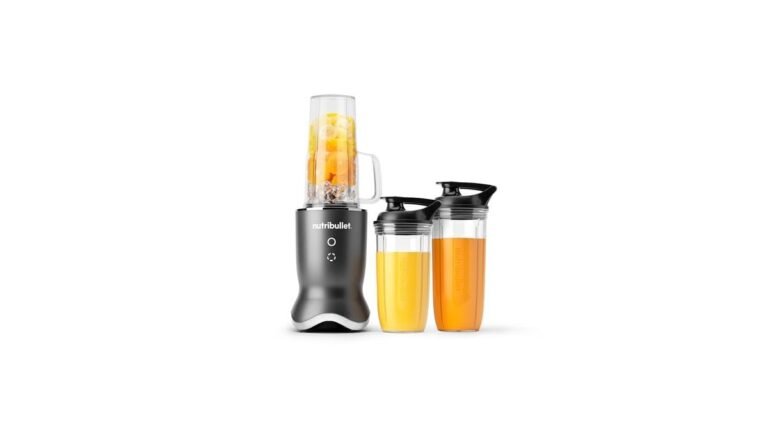
How To Turn On a NutriBullet Blender: Press, Twist, Blend
To turn on a NutriBullet blender, press the cup down onto the power base and twist it clockwise until it locks — the motor only runs while the cup is pressed down. Release the pressure and it stops. There’s no on button on most models.
Three things change the answer: which model you own, whether the cup is locked properly, and whether the base has power at all. Each one has its own fix, and you’ll find yours below.
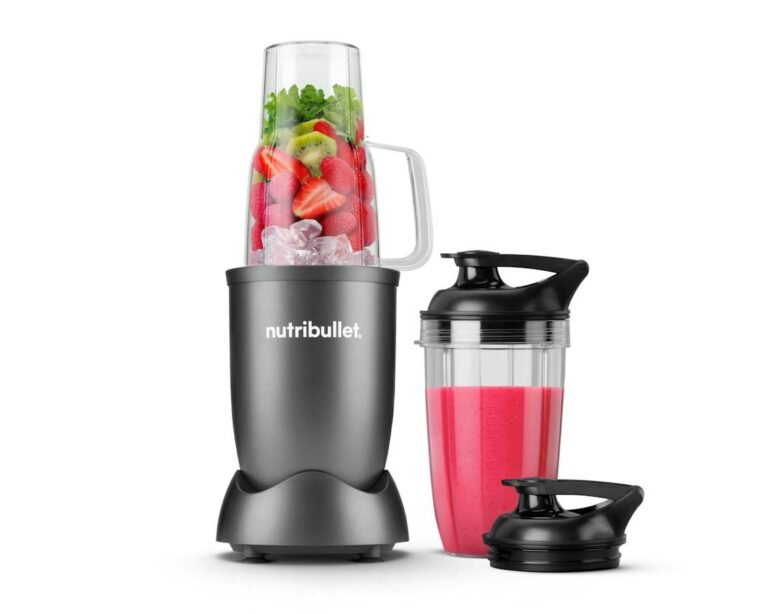
On the 600 and 900 series, the cup twists on and you push to run. If yours has a dial, turn it to the speed you want before you press.
Most “it won’t start” calls come down to the cup not being seated all the way. The tabs on the cup have to clear the slots on the base before the motor will engage. Press down firmly, then twist. A half turn is usually enough; if it spins freely, it isn’t locked.
If the cup is locked and nothing happens, unplug the base and plug it back in. Some NutriBullet bases have a thermal cutoff that trips when the motor overheats. Let it sit for about 15 minutes, then try again.
Who’s actually reading this

Three kinds of people search this. The first just unboxed a NutriBullet and can’t find a power button anywhere. They need one thing: the push-and-twist motion, and the fact that the motor runs only while they hold the cup down.
The second has used the blender for months and it suddenly won’t start. They’ve already tried pressing it. What they need is a fault order — outlet, then cup, then the overload reset — because the cause is usually not the motor.
The third is deciding whether to buy one and wants to know how it operates before paying. That’s a different question, and the buying pages answer it better.
This page serves the first two. It assumes you have the blender in front of you, the cup and blade assembly are clean and dry, and you can reach the outlet it’s plugged into. If your unit is still under warranty and something inside the base has failed, stop here and contact NutriBullet support — opening the base yourself voids the warranty and, on mains-powered machines, a capacitor can hold a lethal charge even when unplugged.
What decides whether it starts
The cup lock is the one people get wrong most. The motor has a safety interlock: it only completes the circuit when the cup is pushed down and turned fully into the locked position. If you press straight down without twisting, nothing happens. You’ll feel and hear a small click at the lock point — that’s your confirmation.
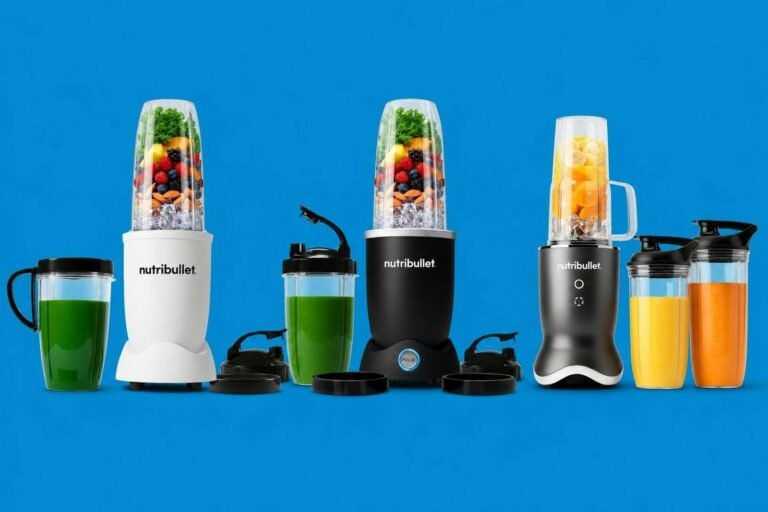
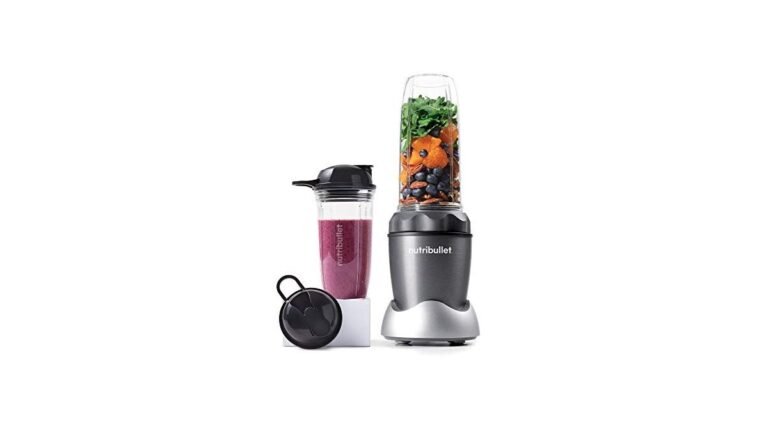
Model matters more than most people expect. The original 600 and 900 series use the press-and-twist method with no button. Check the base for a dial or button before you assume yours is broken.
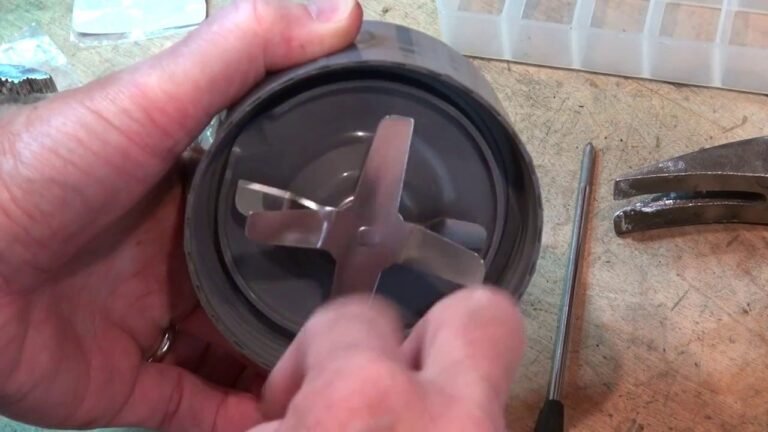
The blade assembly has to be tight. If the blade base isn’t screwed onto the cup firmly, the cup sits too high to reach the lock. Hand-tight is enough — you don’t need to force it.
Power at the outlet is the third factor, and the easiest to test. Plug something else into the same outlet. If that item works, the outlet is fine and the problem is in the cup, the blade, or the base.
The fourth is the overload protector. Some bases have a reset button on the bottom. If the motor overheated and cut out, it won’t restart until it cools and you press that reset. Give it 10 to 15 minutes first.
Turning it on, step by step
Set the base on a flat, dry counter. The feet need full contact. A wobbly base can stop the interlock from engaging. Check by pressing one corner — it shouldn’t rock.
Plug the cord into the outlet. Push it in fully. If your model has a cord wrap on the bottom, unwind it first so the plug reaches without tension.
Fill the cup no higher than the MAX line. Overfilling pushes liquid into the blade threads and can stop the cup seating. Leave the top inch clear.
Add liquid first, then soft items, then hard items. Liquid at the bottom keeps the blades moving. Hard items on top get pulled down as the vortex forms.
Screw the blade assembly onto the cup. Turn it clockwise until it stops. It should feel snug with no gap at the rim. A loose blade means the cup won’t reach the lock.
Turn the cup upside down and place it on the base. Line up the tabs on the cup with the slots on the base. It should sit flat, not tilted.
Press down and twist clockwise until it locks. You’ll feel a click and the cup will stop turning. This is the step that turns the motor on — most models have no separate switch.
Hold the pressure for 5 to 10 seconds, then release. The motor stops the moment you let go. For a full blend, press in short bursts of about 5 seconds each.
If nothing happens, check the dial or button. On models with a speed control, set it to the lowest speed first. The motor won’t start if the dial sits at zero.
The judgement call is how hard to press. Firm downward pressure with a twist is right; forcing it’s not. If the cup won’t lock with normal pressure, something is misaligned — usually the blade assembly or too much food. Stop and fix that rather than pushing harder, because a cracked cup tab means a new cup.
The variations at a glance
Different models and situations need different moves. Here’s the short version.
| Your situation | What to do | What it takes | What to watch for |
|---|---|---|---|
| Original 600 or 900 | Press cup down, twist clockwise | 2 to 3 seconds | Wait for the click |
| Pro or model with a dial | Set dial, then press and twist | 3 to 5 seconds | Dial must be off zero |
| Cup won’t lock | Reseat blade, remove some food | 30 seconds | Don’t force the tabs |
| Nothing at all happens | Test the outlet with another item | 1 minute | Try a different circuit |
| Motor stopped mid-blend | Let it cool, press the reset button | 10 to 15 minutes | Button is on the base bottom |
| Blades spin but food sits still | Add liquid, pulse in short bursts | 20 seconds | Don’t exceed the MAX line |
| Cord is too short | Use an extension cord rated for the wattage | Depends on the cord | Check the amp rating label |
What a good result looks like
Before you press anything
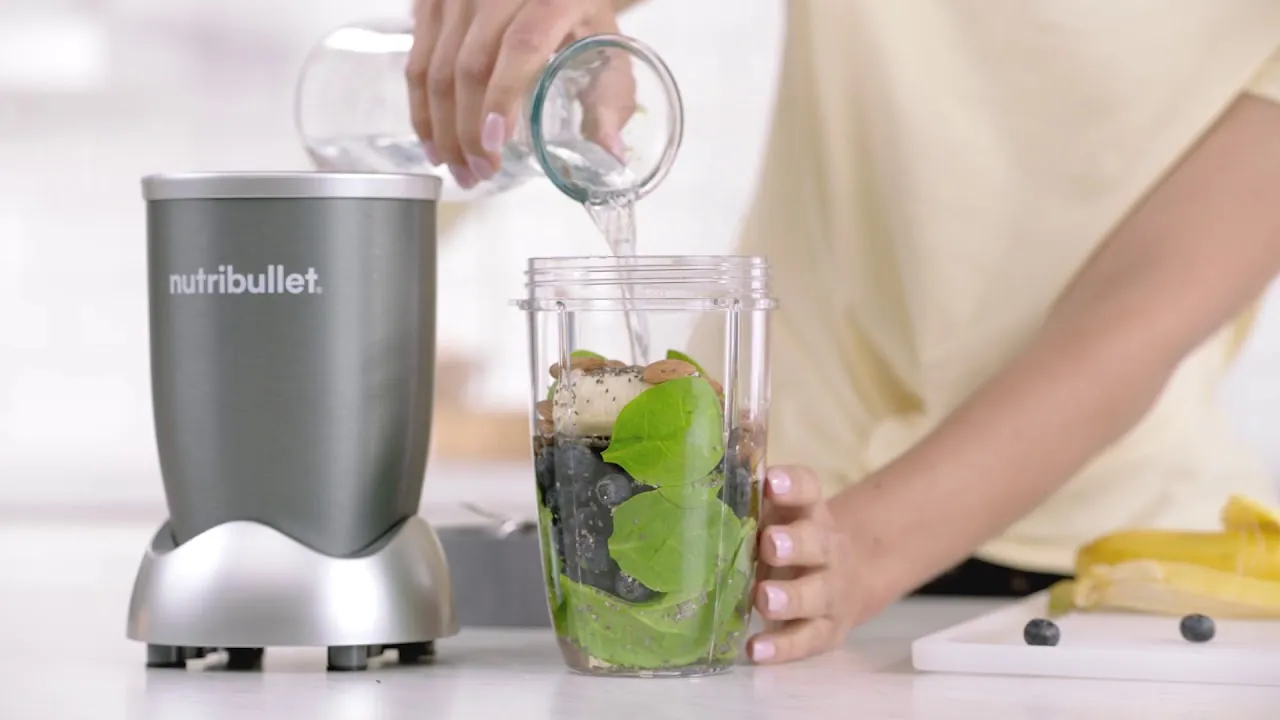
Experienced users build the cup in the right order every time: liquid first, then soft ingredients, then hard ones, then ice or frozen fruit last. That order lets the blades pull everything down instead of cavitating on a pocket of air. They also stop at the MAX line without exception, because overfilling is the single most common cause of a cup that won’t seat.
While it’s running
Short bursts beat one long press. Five seconds on, release, then again — that keeps the motor from heating up and gives the food time to fall back onto the blades. If the blend stalls, they stop and shake the cup rather than pressing harder. And they listen: a labored, dropping tone means too much food or too little liquid, and the fix is to open the cup and adjust, not to keep going.
What goes wrong, and what to do
Most failures have a simple cause and a one-minute fix. Work down this table from the top.
| What you notice | What it usually means | What to do first | How to stop it happening again |
|---|---|---|---|
| No sound, no movement | No power at the outlet | Test outlet with another item | Use a circuit that isn’t overloaded |
| Cup spins but motor won’t start | Cup isn’t locked | Press down and twist to the click | Line up tabs before pressing |
| Motor runs, blades don’t turn | Blade assembly loose | Tighten blade onto cup | Hand-tighten every time |
| Motor stops after 30 seconds | Overload cutout tripped | Cool 10 to 15 minutes, press reset | Blend in shorter bursts |
| Loud grinding noise | Something hard jammed the blades | Unplug, remove the cup, clear it | Add liquid, don’t overfill |
| Liquid leaking at the base | Cup overfilled or blade cross-threaded | Empty, clean, reseat the blade | Stay under the MAX line |
| Burning smell | Motor overheating | Stop, unplug, let it cool fully | Never run more than 1 minute at a time |
If the motor still won’t run after the outlet, the cup lock, and the reset have all been checked, the fault is inside the base. That’s technician work — don’t open it. Contact NutriBullet support or a qualified repair shop.
The rules that apply
NutriBullet’s own user guide is the document that governs your model, and it’s the one to read before anything else. It states the run limits, the MAX fill line, and which parts are dishwasher-safe. Those differ between the 600, 900, Pro, and Magic Bullet lines, so the guide for your exact model is the only one that applies to you.
In the US, UL is a private testing organization, and a UL mark on the base or cord indicates the unit was tested to UL’s safety standard.
Warranty terms vary by model and by country. NutriBullet publishes the length and what’s covered on its own website, and the receipt is what proves your purchase date. Keep it.
One hard limit: never put your hand, a spoon, or a spatula into the cup while the blade assembly is attached. Unplug the base first, then remove the blade, then use a spatula. The blades are sharp enough to cut badly, and the motor can start if the cup is pressed down.
What it costs you
The fix itself is usually free. Checking the outlet, reseating the blade, and pressing the reset button cost nothing but a few minutes. Most “broken” NutriBullets aren’t broken at all — they’re unlocked, overloaded, or plugged into a dead outlet.
Where money enters is replacement parts. Cups, blade assemblies, and seals are sold separately, and prices change with the model and the seller. Check NutriBullet’s own site and a major retailer for today’s price before you buy, because a third-party blade that doesn’t fit your cup is money wasted.
If the base has failed and it’s out of warranty, a new base often costs close to a new unit. Compare both prices before deciding. Under warranty, the repair or replacement is covered — but only if you haven’t opened the base yourself.
Time is the other cost. A full diagnostic from outlet to reset takes about 5 minutes. Waiting for an overheated motor to cool takes 10 to 15 minutes. Both are cheaper than a replacement.
Keeping it running after the first blend
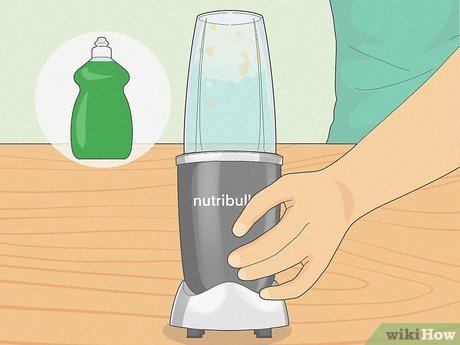
Clean the blade assembly right after each use. Warm water, a drop of dish soap, and a 10-second pulse with clean water in the cup clears most residue. Then rinse and dry the blade before storing it.
Check the rubber gasket on the blade assembly regularly. How often depends on how much you use it, so follow the owner’s manual for the schedule. If it’s cracked, stretched, or missing, the cup will leak and won’t seal properly. Replacement gaskets are cheap and sold separately.
The sign it needs attention again is a change in sound. A blend that used to run smooth and now labors, or a cup that needs more pressure to lock, means something has shifted — usually the gasket or a worn cup tab.
Store the cup and blade assembled but loose, not cranked tight. That keeps the threads and the gasket from compressing over time. And keep the base unplugged when it’s not in use.
When a NutriBullet is the wrong tool
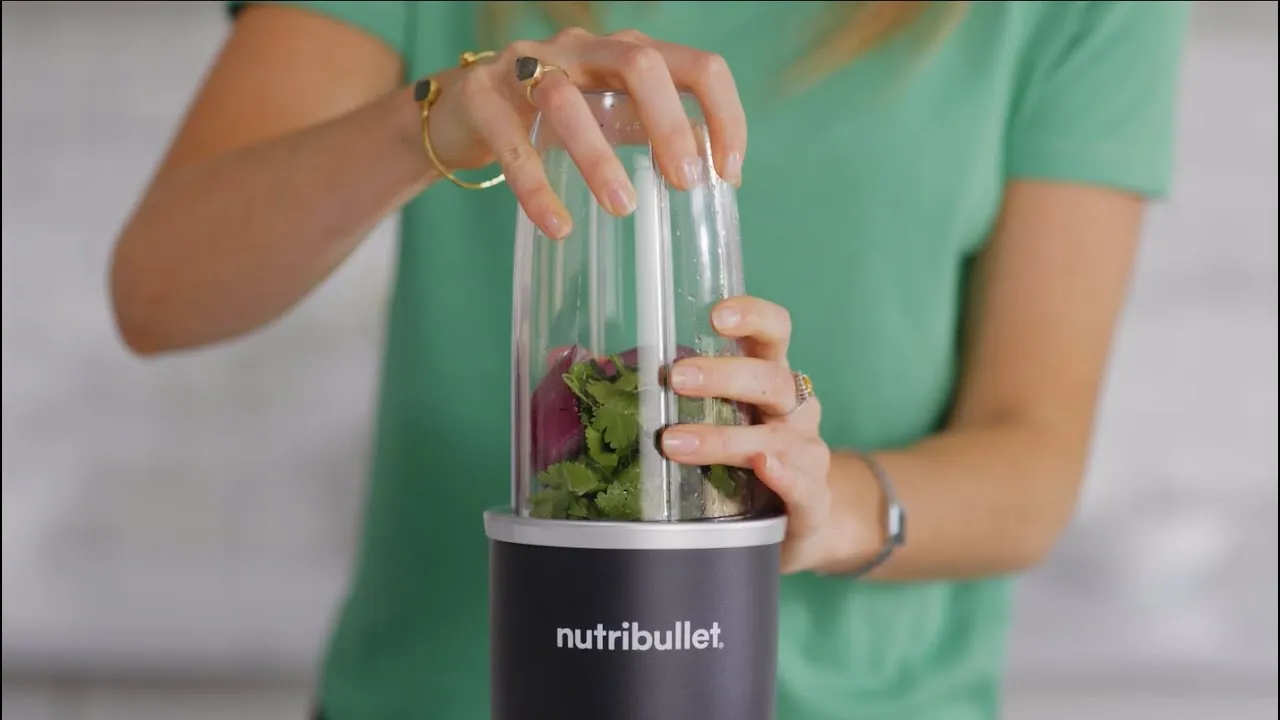
If you’re blending fibrous greens, frozen blocks of fruit, or nut butters in volume, a full-size countertop blender handles it better. A NutriBullet is built for single servings, and pushing it past that overheats the motor and shortens its life.
If the base has an electrical fault — a burning smell that returns, a cord that’s frayed, a base that trips the breaker — stop using it. That’s not a do-it-yourself repair on a mains-powered appliance. Contact NutriBullet support or a qualified appliance technician, and don’t open the housing.
If you need to blend hot liquids, a NutriBullet isn’t the right machine either. Hot liquid in a sealed cup builds pressure and can blow the lid off. Let food cool first, or use a blender designed for hot contents.
Related guides
- How Do You Turn On Ninja Blender: Quick Start Guide
- How To Turn On A Vitamix Blender: Simple Power Button Steps
- How To Turn On Cuisinart Immersion Blender: Quick Start Guide
Frequently asked questions
Can you turn on a NutriBullet without the cup?
No. The motor only runs when the cup is locked onto the base, because the interlock completes the circuit. There’s no way to run the blades with the cup off, and you shouldn’t try — it’s a safety feature, not a fault.
Why won’t my NutriBullet turn on when I press it?
The cup isn’t locked. Press down and twist clockwise until you feel a click. If it still won’t start, test the outlet with another appliance, then check for a reset button on the base bottom.
How long do you hold the cup down to blend?
Hold for 5 to 10 seconds per burst on most models. For a full smoothie, use 3 to 5 bursts with a short pause between each. Running longer than 1 minute at a time overheats the motor.
Is it safe to leave the NutriBullet plugged in?
Yes, when it’s not in use and the cup is off. The interlock is designed so the motor won’t run without the cup locked. Unplug it if you’ll be away for days, or during a storm, to protect the base from power surges.
What happens if I overfill the cup?
Liquid pushes into the blade threads and the cup won’t seat properly, so the motor won’t start. Overfilling also causes leaks and can force the lid off. Stay under the MAX line and leave the top inch clear.
How do I know if my NutriBullet motor is burnt out?
The motor may be dead if it won’t run after you’ve checked the outlet, locked the cup fully, and pressed the reset button after cooling. A burning smell that returns is another sign. Contact NutriBullet support rather than opening the base.
Does the NutriBullet have an on and off switch?
Most models don’t. The original 600 and 900 series turn on only when you press and twist the cup. Some newer Pro models add a dial or button on the base, and the motor won’t run until that’s set above zero.
Can I use a NutriBullet in another country?
Only with a step-down transformer rated above the blender’s wattage. Plugging a 120V US model into a 230V outlet will damage it. Check the label on the base for the voltage your unit needs, and use a converter that matches or exceeds its watt rating.
Start with the outlet, then the lock
Plug the base into an outlet you know works, then press the cup down and twist until it clicks. Expect the motor to start the moment it locks and stop the second you release — that’s normal on most models.
Test the outlet with something else first. A phone charger that lights up proves the socket is live, which clears the outlet and points at the base.
If you’ve checked the outlet, the lock, and the reset button and it still won’t run, stop and contact NutriBullet support. A base that smells burnt or trips the breaker isn’t a home fix.
One trap: forcing the cup past the click can crack the locking tabs, and a base with broken tabs won’t run no matter how hard you press. If the cup spins freely without clicking, stop twisting.