Can a Nutribullet Blend Nuts? Yes, With the Right Method
Yes, a Nutribullet can blend nuts, but only the small amount that fits in the cup with enough liquid to keep them moving. If you fill the cup with dry nuts and nothing else, the blades spin in air and you get chunks, not butter. Start with a small handful — about 2 tablespoons per cup — add liquid, and pulse in short bursts.
When nuts blend fine and when they don’t
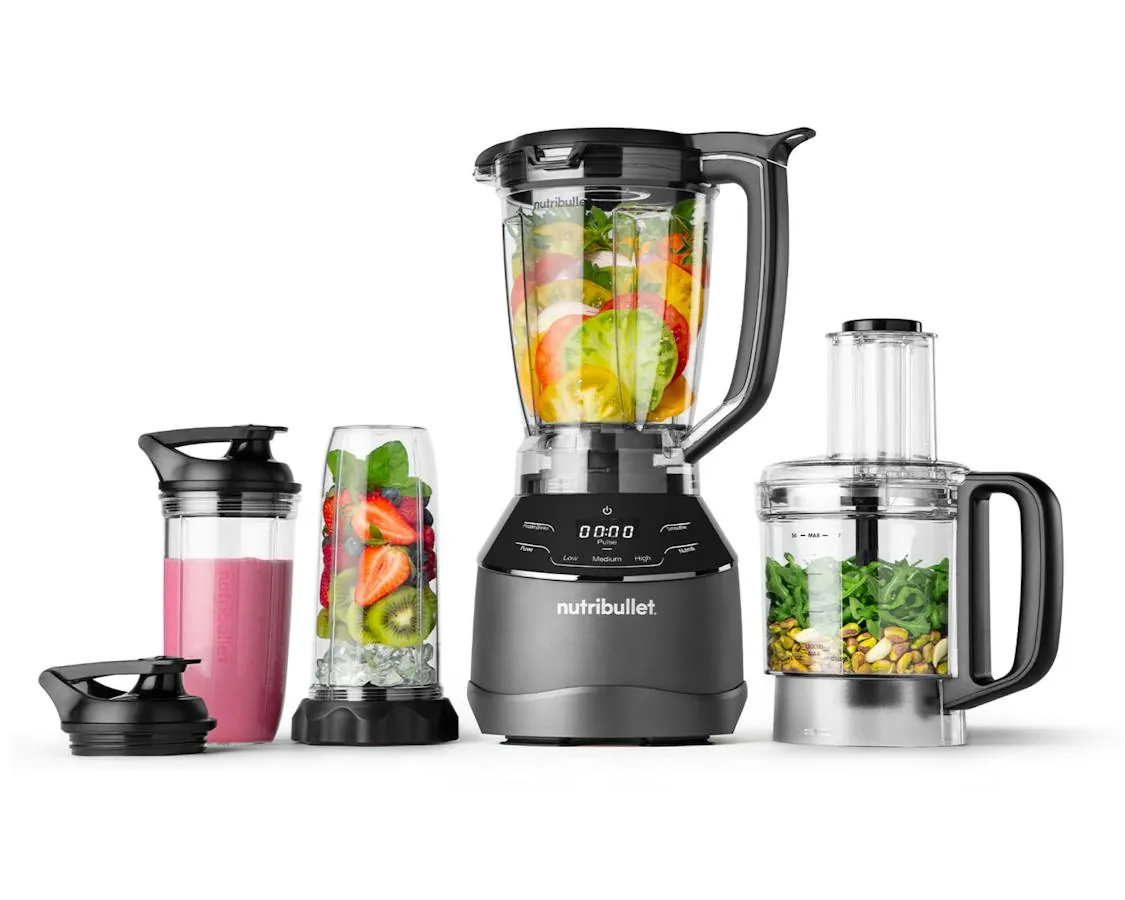
The answer turns on one thing: whether the nuts stay in contact with the blades. A Nutribullet pulls liquid down through the blades, so anything floating on top never gets cut. Add too little liquid and the mix turns into a thick paste that stalls the motor.
| Your situation | Answer | Why |
|---|---|---|
| Handful of nuts + water or milk | Yes | Liquid carries nuts into the blades |
| Nuts in a smoothie with fruit | Yes | Fruit adds moisture and weight |
| Dry nuts only, no liquid | No | Blades spin without pulling anything down |
| Nut butter from scratch | Usually not | Paste is too thick for a small motor |
| Whole almonds, dry | No | Too hard and too light to reach the blades |
| Soaked nuts | Yes, easier | Soft nuts break down faster |
| Nuts plus ice | Risky | Ice blocks the blades from the nuts |
Soaked cashews blend into a smooth cream in most Nutribullet models. Raw almonds stay gritty unless you soak them first, and even then you’ll feel small pieces. For a genuinely smooth nut butter, a food processor with a wide bowl handles the job better because the paste has room to move.
The liquid line is the one that decides most failures. If the nuts sit above the liquid, they never come down, no matter how long you run the machine. Pour enough that everything is under the surface before you start.
Run it in short bursts, not one long press. Ten seconds on, then stop and shake the cup so the nuts fall back into the blades. A single long run heats the motor and lets the nuts pack against the wall, where nothing reaches them.
Soaking changes the result more than the machine does. Four hours in cold water, or an hour in hot, turns almonds from gritty to creamy. Skip the soak and you get a grainy drink with a fine sand at the bottom.
If you want a thick paste rather than a drink, stop adding liquid and switch machines. A small cup can’t move a paste, and pushing it just wears the motor down.
Watch the amount, too. A handful of nuts in a full cup blends. The same handful in a cup with a splash of milk jams. Same nuts, same blades, different result, and the liquid is the only thing that changed.
What decides whether the blades reach the nuts
Liquid is the deciding factor, and it’s the one thing most people get wrong. A Nutribullet is a cyclone blender — the blade sits at the bottom and pulls the mixture down into a vortex. Nuts are light and float, so without enough liquid they sit above the blade and never get touched. With liquid, the whole batch cycles through the blades again and again.
The second factor is how much you load. The cup has a fill line for a reason. Go past it and the top layer never reaches the blade, no matter how long you run it. Keep nuts to roughly 2 tablespoons per cup when you’re blending them alone, or up to a quarter cup when they’re part of a smoothie with fruit and liquid.
Nut hardness matters too. Cashews, walnuts, pecans and pistachios break down quickly. Almonds and hazelnuts are denser and stay gritty unless soaked for at least 4 hours in the fridge. Brazil nuts and macadamias are hard enough that they can dull the blade over time.
Higher wattage handles thicker mixes, but no model turns dry nuts into butter — the cup is too narrow for the paste to circulate.
If your mix is mostly nuts with a splash of liquid, expect a coarse meal; if it’s nuts plus a full cup of liquid, expect a smooth drink.
Order matters more than people expect. Drop the liquid in first, then the soft items, then the nuts on top. Nuts sitting at the bottom get packed under everything else and stall the vortex before it forms.
The mistake that costs the most is adding liquid a little at a time while the machine runs. Stop it, take the cup off, shake, and add in one go. Pouring while it spins lets the top layer stay dry.
Cold matters for the harder nuts. Soak almonds and hazelnuts in the fridge, not on the counter, and drain them before blending. Warm soaked nuts go soft and gummy and coat the blade instead of breaking apart.
If you hear the motor pitch drop and the mixture stop moving, you have overloaded it. Pull the cup, stir once with a spoon, and split the batch. Running it that way for a minute or more is what wears the machine out.
How to blend nuts without wrecking the motor
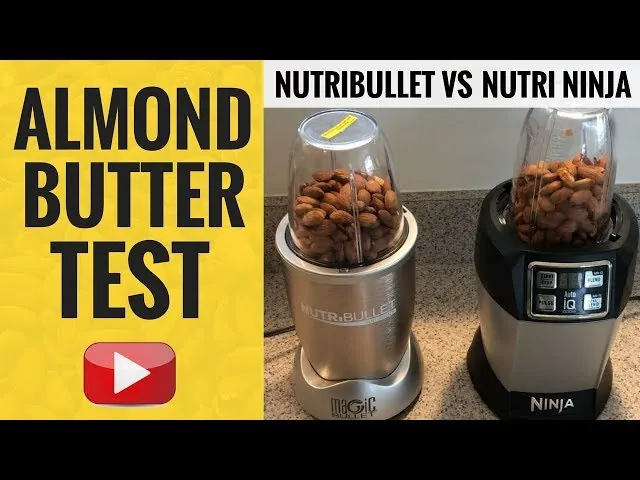
Soak hard nuts first. Cover almonds or hazelnuts with water and refrigerate for at least 4 hours, then drain. They should feel soft when you press one between your fingers. Almonds need the full soak. Cashews and pistachios soften in about 2 hours, and walnuts and pecans need no soaking at all — they break down in a few pulses.
Add liquid before nuts. Pour 1 cup of water, milk or plant milk into the cup first. This stops the nuts from packing at the bottom and jamming the blade. Add nuts on top of the liquid, never the other way around. Nuts dropped into a dry cup sink straight to the blade and sit there.
Measure the nuts. Add 2 tablespoons for nuts alone, or up to 1/4 cup if fruit and liquid are also in the cup. The mix should sit below the max line. Overfilling is the second most common way to stall the motor, right behind skipping the soak.
Pulse in 5-second bursts. Run 5 seconds, stop, shake the cup, repeat. You’ll hear the motor speed up and the sound even out when the nuts break down — that’s your sign it’s working. A motor that keeps the same flat, strained note is telling you the load is too heavy. Take some out.
Stop before it smells hot. If the motor note drops or the cup feels warm, stop and let it cool for a minute. A stalled motor is the main way people burn these out.
Scrape and repeat if needed. Turn off, unplug, and push the mix down with a spatula. Run 2 more bursts. Small, even pieces mean you’re done. Never scrape while the blender is plugged in, even if the blade looks still.
The result you’re after is a smooth, pourable mix with no grit when you rub a drop between your fingers. If you still feel sand, soak longer next time or use a softer nut.
The mistake that kills the motor
Running the blender with too little liquid is the mistake that costs people a machine. Nuts pack into a thick paste at the bottom, the blade can’t turn, and the motor overheats in seconds.
The motor isn’t built for the load of a dry, thick paste.
The cost is a burnt-out motor, and that’s usually a replacement rather than a repair, since these units aren’t designed to be serviced. People also wreck the cup threads by over-tightening after a jam, which leads to leaks.
The check that avoids all of it: tilt the cup before you blend. If the nuts sit on top of the liquid and move when you swirl it, you’re fine. If they’re stuck in a dry clump at the bottom, add more liquid before you press go.
How much liquid is enough depends on what you’re blending. Soft fruit needs far less, since it releases its own juice almost immediately.
If you’re already mid-blend and the sound drops to a low grind, stop. Don’t pulse your way through it. That grind is the blade losing speed under a load it can’t clear, and every extra second pushes the motor closer to the point where it won’t restart. Scrape the paste down, add liquid, and start again.
When to stop and use something else
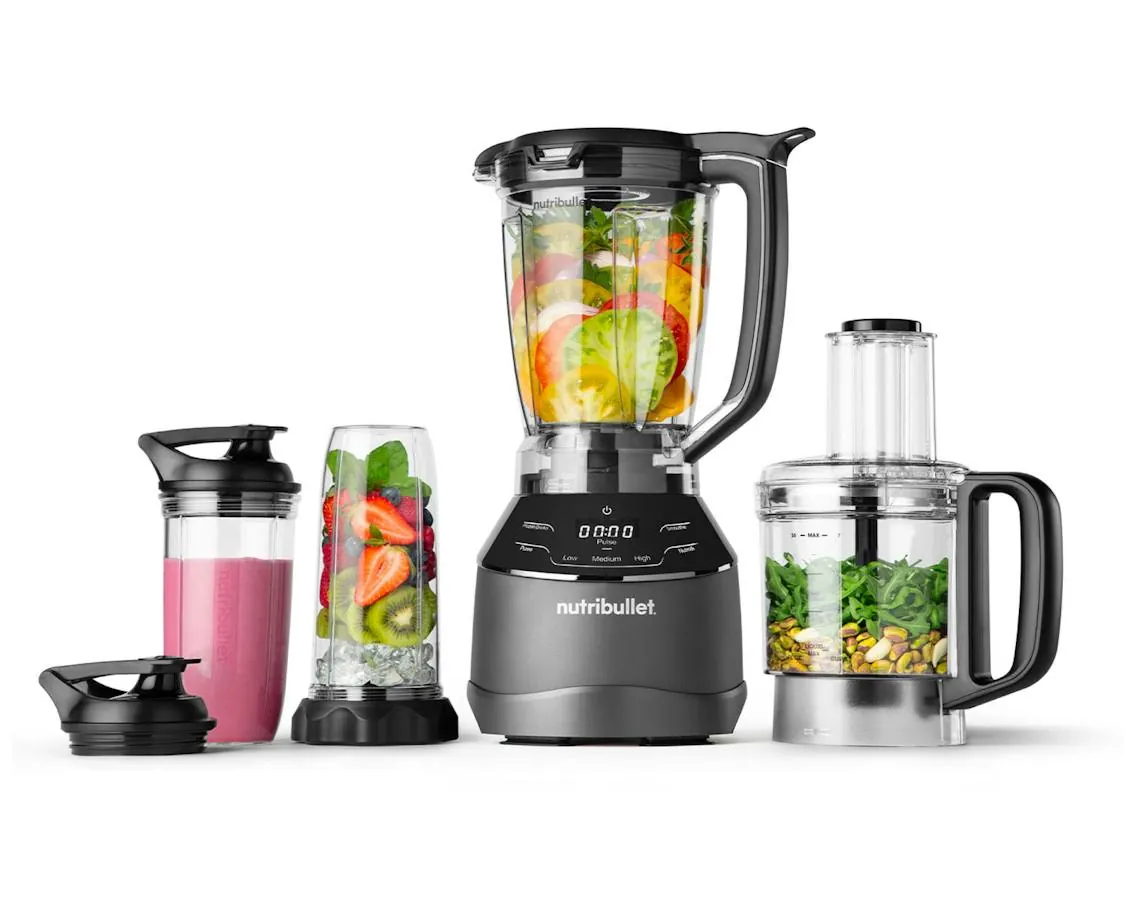
The motor stalls or smells hot. Unplug it and let it cool for 10 minutes. If it stalls again on the same mix, the batch is too thick for this machine. Thin it with water or milk and run it in shorter bursts. If it stalls a third time, stop — the motor is working harder than it was built to.
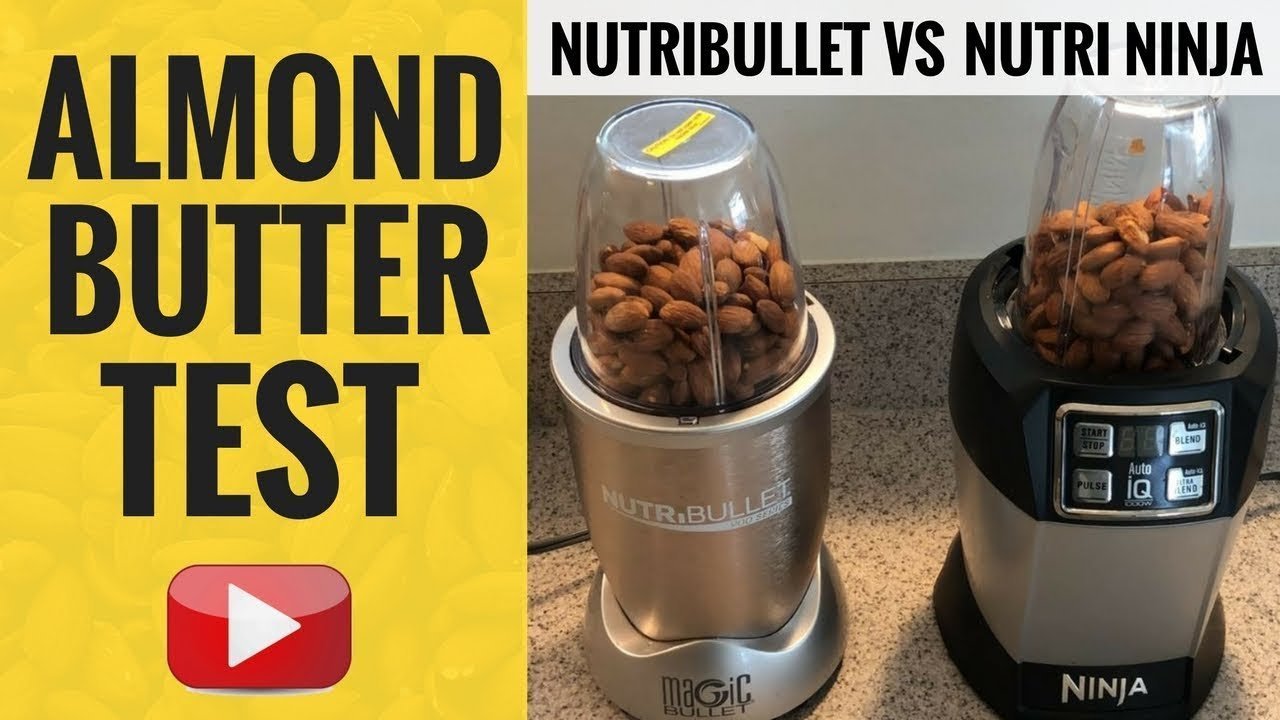
You want smooth nut butter. A food processor with an S-blade and a wide bowl is the right tool. Nutribullet cups are too narrow for paste to circulate. You can still make nut butter in a Nutribullet, but it comes out grainy and you’ll run it far longer than the recipe says.
You’re blending for someone with a nut allergy. Cross-contact between batches is a real risk. Talk to a doctor about safe equipment, not a blender forum. A second cup and blade kept only for nut-free blends is the usual answer, but confirm that with a clinician.
You need large volumes. A high-power blender like a Vitamix handles bigger batches. Check the manufacturer’s own specs for cup size before buying. If you’re blending more than once a day for a family, the upgrade pays for itself; for one smoothie a morning, it does not.
The blade feels loose or the seal is torn. Stop using it and contact Nutribullet support. A damaged blade assembly can come apart mid-blend. Don’t finish the batch first, and don’t run it just to see whether the wobble is real.
Blade assemblies and motor bases aren’t user-serviceable, and opening the base voids the warranty and risks a shock. Nutribullet’s support page and your model’s manual are the right places to check what’s covered.
Frequently asked questions
Can a Nutribullet blend almonds?
Yes, if you soak them first. Raw almonds are dense enough that dry blending leaves grit and strains the motor. Soak 1/4 cup of almonds in water in the fridge for at least 4 hours, drain, then blend with 1 cup of liquid in 5-second pulses. You’ll get a smooth drink, but not a smooth almond butter.
Why do my nuts stay chunky in the Nutribullet?
Not enough liquid is the usual reason. Nuts float above the blade, so they never get cut. Add liquid until the nuts swirl when you tilt the cup, and keep the total below the max fill line. If they still stay chunky, the batch is too big — remove half and blend in two rounds.
How long does it take to blend nuts in a Nutribullet?
About 30 to 60 seconds of pulsing, in 5-second bursts with a shake between each. Soaked cashews break down in roughly 30 seconds; soaked almonds take closer to a minute. If it’s still gritty after 60 seconds, stop — more time won’t fix a batch that’s too dry or too full.
Is it safe to blend nuts in a Nutribullet?
Yes, for the machine and for you, as long as you keep the motor from stalling and never reach into the cup with the blade attached. Unplug before you scrape. The bigger safety issue is allergens: if someone in your home has a nut allergy, don’t share the cup or blade with their food.
What happens if I blend dry nuts with no liquid?
The motor stalls and overheats. Dry nuts pack into a paste that the blade can’t push through, and the unit shuts down or burns out. Let it cool for 10 minutes before trying again with more liquid.
Does it matter which Nutribullet model I have?
It matters for how much you can load, not for whether nuts blend at all. No model turns dry nuts into butter, because the cup shape limits how the paste moves. Check your model’s wattage on the base or in its manual.
Can I make nut flour in a Nutribullet?
Only a coarse meal, not fine flour. The cup is too small for dry grinding, and the nuts heat up as they spin, which releases oil and turns the meal sticky. For real nut flour, use a dedicated spice or coffee grinder, or buy it pre-ground. A food processor works better for larger amounts.
Can I blend nuts and ice together?
It’s possible but risky. Ice sits on top of the nuts and blocks them from the blade, so the motor works harder with no result. Blend the nuts with liquid first, then add ice and pulse. Keep ice to about 1/2 cup per batch, or the mix jams.
Conclusion
Start with 2 tablespoons of soaked nuts and 1 cup of liquid, pulse in 5-second bursts, and stop the moment the motor note drops. You’ll get a smooth, pourable mix in under a minute, and the even sound of the motor tells you it worked. If it stalls twice on the same batch, or you need truly smooth nut butter, that’s your signal to switch to a food processor.