Cuisinart Immersion Blender How To Start: Easy Beginner Guide
The Cuisinart immersion blender is a popular kitchen tool for anyone who loves cooking at home. It is compact, easy to use, and versatile. You can blend soups, mix smoothies, puree vegetables, or even whip up sauces with just one device.
But for many first-time users, starting and using this blender can feel confusing. You might worry about how to put it together, which buttons to use, or how to avoid common mistakes. This guide will help you understand every step, from unpacking your Cuisinart immersion blender to making your first delicious recipe.
You will also learn safety tips, troubleshooting advice, and helpful comparisons with other brands. Whether you are a beginner or want to improve your blending skills, this article gives you everything you need to start confidently.
Understanding Your Cuisinart Immersion Blender
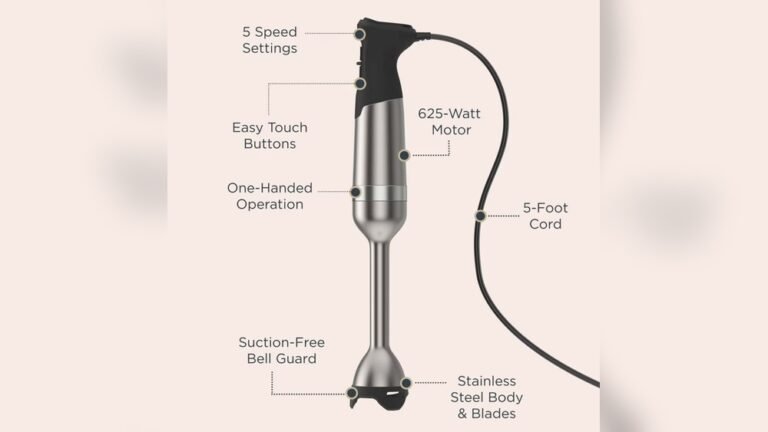
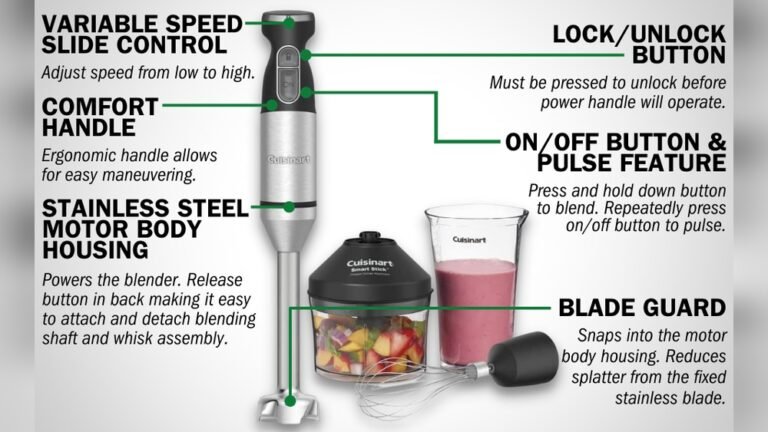
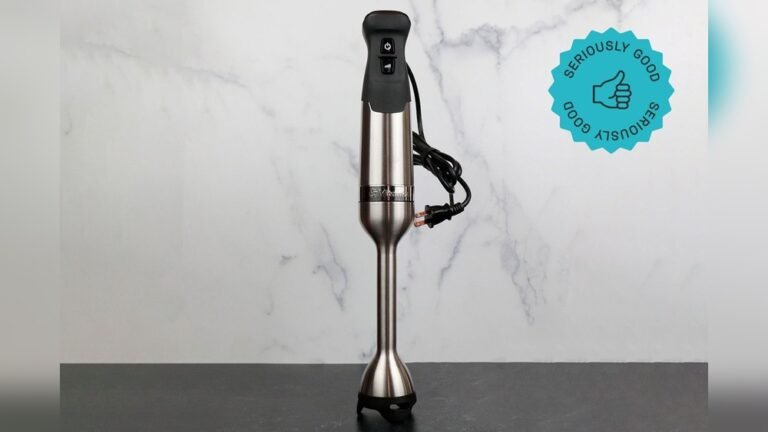
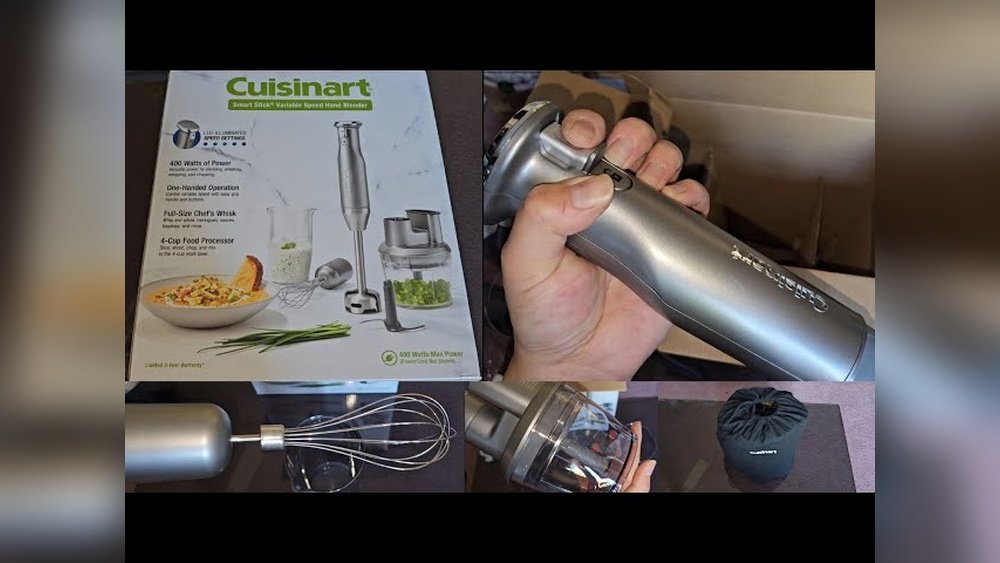
Before you begin, it is helpful to know the basic parts of your Cuisinart immersion blender. Most models include:
- The motor body (handle with controls)
- The blending shaft (detachable for cleaning)
- A blade guard (covers the blade for safety)
- Control buttons (often a power button and speed settings)
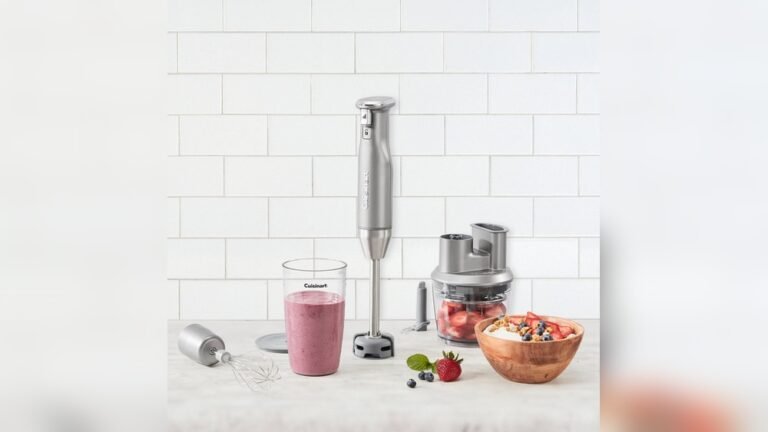
- Accessories (sometimes a whisk, chopper, or mixing cup)
Knowing these parts will make assembly and operation much easier. Cuisinart immersion blenders are designed for simple, one-handed use. You press a button to start blending, and you can change speed for different foods.
Key Features
Some models offer special features:
- Variable speed control: Lets you adjust blending power.
- Turbo or pulse function: For short bursts of high speed.
- Ergonomic handle: Comfortable grip for long blending sessions.
- Detachable shaft: Makes cleaning safer and easier.
A few models include extra attachments, like a whisk for whipping cream or a chopper bowl for vegetables. If your blender has these, check the manual for assembly instructions.
Safety Considerations
Immersion blenders are powerful but safe if used correctly. Always keep fingers away from the blade. The blade guard helps prevent accidents, but you should never touch the blade when the blender is plugged in. Most Cuisinart models have a safety lock, so you must press two buttons to start.
Unpacking And Assembling Your Blender
Getting your Cuisinart immersion blender ready is straightforward. Here’s how to do it step by step:
- Open the box: Remove all parts and check for damage.
- Identify parts: Lay them out so you can see the motor body, shaft, and any accessories.
- Wash removable parts: Before first use, wash the blending shaft, mixing cup, and accessories with warm soapy water. Dry them thoroughly.
- Attach the blending shaft: Align it with the motor body and twist until it clicks.
- Check the power cord: Make sure it is not tangled or damaged.
If your model has extra attachments (like a whisk or chopper), follow the manual’s instructions for connecting them. Most shafts and attachments connect with a simple twist or click.
Assembly Tips
- The shaft should fit snugly to avoid wobbling.
- Never force parts together. If they don’t fit, check alignment.
- Some models require a gentle push and twist. Others just click into place.
If you have trouble, watch a video tutorial online or read the user manual. Cuisinart’s official website has guides and troubleshooting tips.
How To Start Your Cuisinart Immersion Blender
Once your blender is assembled, starting it is easy. Here’s how:
- Plug in the blender: Always use a dry hand and a dry outlet.
- Place the blender in the food: Insert the blade end into your bowl, pot, or cup before turning it on. This avoids splashing.
- Hold the handle firmly: Grip the motor body with one hand.
- Press the power button: Most Cuisinart blenders have a main button you must hold down to blend.
- Choose speed: If your model has speed controls, select the desired setting.
- Move the blender gently: Up and down or around the bowl for even blending.
Release the button to stop blending. For models with a safety lock, press the lock button first, then the power button. Some newer models have a trigger-style button for more control.
Common Mistakes When Starting
- Not inserting the blender before starting: This causes food to splash everywhere.
- Wrong speed setting: Start slow for thick foods, increase speed for liquids.
- Overfilling the container: The blade must be fully submerged, but leave room for movement.
- Not securing attachments: Loose shafts or accessories can cause shaking or noise.
Using The Blender For Different Tasks
Your Cuisinart immersion blender can handle many kitchen jobs. Here are some examples:
Blending Soup
For hot soups, let them cool slightly before blending. Insert the blender into the pot, keep the blade submerged, and blend in short bursts. Move up and down for smooth results. Never fill the pot too high—hot liquids expand and can splash.
Making Smoothies
Use a tall mixing cup or pitcher. Add liquids first, then soft fruits or vegetables. Insert the blender, start at a low speed, and increase as needed. For thicker smoothies, pulse with the turbo function.
Pureeing Vegetables
Cook vegetables until soft. Place them in a bowl, add a little liquid, and blend until smooth. Use low speed to avoid splashing.
Whipping Cream Or Eggs
If your blender has a whisk attachment, connect it and use a tall bowl. Start slow, then increase speed. Move the whisk around for even mixing.
Chopping
Some models include a chopper bowl. Attach the bowl, add ingredients, and blend in short bursts. Check texture frequently.
Credit: www.thehappycook.com
Cleaning And Maintenance
Keeping your Cuisinart immersion blender clean is essential for safety and performance. Here’s how to do it:
- Unplug the blender: Always disconnect from power before cleaning.
- Remove the shaft: Detach for easy washing.
- Wash parts: Clean the shaft, blade guard, and accessories with warm soapy water.
- Wipe motor body: Use a damp cloth, never submerge this part.
- Dry completely: Moisture can cause rust or electrical problems.
For tough stains, soak the blending shaft in warm water before scrubbing. Never use abrasive cleaners. Some parts are dishwasher-safe—check your manual to confirm.
Cleaning Tips
- Clean immediately after use: Food dries quickly and becomes hard to remove.
- Avoid harsh chemicals: They can damage the finish.
- Store dry: Moisture causes rust and mold.
Troubleshooting: Problems And Solutions
Even the best blenders can have issues. Here are common problems and how to fix them:
Blender Won’t Start
- Check power: Is it plugged in? Is the outlet working?
- Safety lock engaged: Press the lock button before the power button.
- Attachments not secured: Remove and reattach the blending shaft.
Strange Noises
- Loose parts: Check that the shaft and attachments are tight.
- Foreign object stuck: Unplug and check the blade area.
Poor Blending Performance
- Overfilled bowl: Reduce the amount of food.
- Blade not submerged: Add more liquid or use a deeper container.
- Dull blade: Blades wear out over time; replacement may be needed.
Splattering
- High speed with little liquid: Start slow, add more liquid.
- Blade not fully submerged: Always keep the blade under food.
Comparing Cuisinart To Other Immersion Blenders
Many brands offer immersion blenders. Here’s how Cuisinart compares to two top competitors: Breville and KitchenAid.
| Brand | Power (Watts) | Speed Settings | Attachments | Price Range (USD) |
|---|---|---|---|---|
| Cuisinart | 200-300 | 2-5 | Whisk, chopper, mixing cup | 40-80 |
| Breville | 240 | 15 | Whisk, chopper, blending jug | 100-130 |
| KitchenAid | 200 | 2 | Whisk, chopper, blending jar | 60-110 |
Cuisinart offers good power and useful attachments at an affordable price. Breville is more expensive but has more speed settings. KitchenAid is reliable and has a strong reputation.
Unique Cuisinart Advantages
- Easy assembly: Most models snap together quickly.
- Affordable: Lower price for similar features.
- Good customer support: Replacement parts are available.
Beginner Insights
Many new users think more speed means better blending. In reality, starting slow prevents splashing and gives smoother results. Also, some believe all attachments are dishwasher-safe, but some must be washed by hand.
Safety Tips For Beginners
Using an immersion blender is safe if you follow these rules:
- Never touch the blade: Even when unplugged, blades are sharp.
- Unplug before cleaning: Always disconnect power before handling the blade.
- Keep children away: Blenders are not toys.
- Use deep containers: Prevent splashing and accidents.
- Don’t operate continuously: Run in short bursts, let the motor cool.
Non-obvious Safety Advice
- When blending hot liquids, tilt the container slightly. This lets steam escape and avoids pressure build-up.
- If you need to scrape the bowl, use a rubber spatula—never a metal spoon.

Credit: www.ebay.com
Practical Recipes For Your Cuisinart Immersion Blender
You can make many recipes with your blender. Here are three simple examples:
Creamy Tomato Soup
Ingredients:
- 2 cups canned tomatoes
- 1 cup vegetable broth
- 1/2 cup cream
- 1/2 onion, chopped
- 1 garlic clove
- Salt and pepper
Instructions:
- Cook onion and garlic in a pot until soft.
- Add tomatoes and broth, simmer 10 minutes.
- Insert immersion blender, blend until smooth.
- Stir in cream, season to taste.
Fresh Fruit Smoothie
Ingredients:
- 1 cup orange juice
- 1 banana
- 1/2 cup strawberries
- 1/2 cup Greek yogurt
- Ice cubes
Instructions:
- Add all ingredients to a tall mixing cup.
- Insert blender, blend until smooth.
- Pour and enjoy.
Simple Mashed Potatoes
Ingredients:
- 3 potatoes, peeled and boiled
- 1/2 cup milk
- 2 tbsp butter
- Salt
Instructions:
- Place potatoes in a bowl, add milk and butter.
- Blend until creamy.
- Season and serve.
How Cuisinart Models Differ
Cuisinart makes several immersion blender models. Here’s a comparison of three popular types:
| Model | Power (Watts) | Speed Settings | Main Attachments | Weight (lbs) |
|---|---|---|---|---|
| CSB-75 | 200 | 2 | Blending shaft, mixing cup | 2 |
| CSB-100 | 300 | 5 | Whisk, chopper, mixing cup | 2.5 |
| CSB-300 | 700 | Variable | Whisk, chopper, blending jar | 3 |
Higher-end models (like CSB-300) have more power and attachments. For most kitchens, the CSB-75 is enough for everyday blending.
Maintenance And Longevity
A well-maintained Cuisinart immersion blender can last 5–7 years. Common causes of early failure are improper cleaning, dropping the unit, or running it too long without rest.
Maintenance Tips
- Store in a dry place: Moisture damages electronics.
- Check cord regularly: Frayed cords are dangerous.
- Replace dull blades: Sharp blades blend better.
- Use original parts: Generic attachments may not fit well.
Energy Use And Efficiency
Cuisinart immersion blenders are efficient. Most models use between 200–300 watts, which is much less than countertop blenders. You can blend most foods in under two minutes, saving both time and electricity.
Energy Saving Advice
- Blend in batches: Don’t overload the blender.
- Use lower speeds: High speeds use more power.
Cleaning Up After Use
After blending, follow these steps for quick cleanup:
- Unplug the blender.
- Detach the shaft and accessories.
- Rinse immediately: Prevents food from drying.
- Wash with mild soap.
- Dry thoroughly.
- Wipe the motor body: Never immerse in water.
If you blend sticky foods (like peanut butter), soak the shaft for a few minutes before washing.
Environmental Considerations
Cuisinart immersion blenders are made with durable materials. Most parts are BPA-free and recyclable. Using an immersion blender saves water and energy compared to traditional blenders.
Eco-friendly Tips
- Use the blender for small batches—reduces food waste.
- Choose models with fewer plastic parts.

Credit: www.amazon.com
Non-obvious Insights For Beginners
- Immersion blenders work best with soft foods. Hard foods (like raw carrots) can damage the blade or motor. Cook tough ingredients first.
- Always blend in tall containers. Wide, shallow bowls cause splattering and uneven results. A pitcher or deep pot is ideal.
Many beginners think immersion blenders can replace all kitchen tools. In reality, they are perfect for soups, sauces, and drinks but not for very hard or dry foods.
Accessories And Upgrades
Cuisinart offers extra attachments for some models. Common upgrades include:
- Whisk attachment: For whipping eggs or cream.
- Chopper bowl: For cutting vegetables or nuts.
- Mixing cup: For smoothies and shakes.
If you buy accessories, make sure they fit your model. Using the wrong attachment can cause damage.
Storing Your Cuisinart Immersion Blender
Proper storage keeps your blender safe and ready to use. Here’s how:
- Detach and dry all parts: Prevents mold and rust.
- Store in a cool, dry place: Avoid humidity.
- Keep blades covered: Use the blade guard or wrap in cloth.
- Organize accessories: Keep whisks and chopper bowls together.
Some models have a wall mount or storage case. If yours does, use it to save space.
User Reviews And Experiences
Most users rate Cuisinart immersion blenders highly. Common praise includes:
- Easy to use
- Quick cleanup
- Affordable price
Some users mention that the power cord can get in the way or that the blender is heavy after long use. Most agree that it is reliable for daily blending tasks.
According to a recent consumer survey, 87% of owners use their blender at least once a week. The most common uses are soups, smoothies, and sauces.
Where To Find More Information
If you need more help starting your Cuisinart immersion blender, visit the official site for manuals and support. You can also read expert reviews at Cuisinart Official.
Frequently Asked Questions
How Do I Safely Start My Cuisinart Immersion Blender?
Insert the blender into the food before pressing the power button. Hold the handle firmly, and always start at a low speed to avoid splashing. Make sure the shaft is attached securely. Unplug after use.
Can I Use The Blender For Hot Liquids?
Yes, but let hot liquids cool slightly before blending. Use deep pots and keep the blade submerged. Blend in short bursts, and tilt the pot to let steam escape.
What Should I Do If The Blender Won’t Start?
Check that it is plugged in and the safety lock is not engaged. Make sure the blending shaft is attached correctly. If it still won’t start, try a different outlet or consult the manual.
Are All Parts Dishwasher Safe?
Most blending shafts and mixing cups are dishwasher safe. The motor body should never be immersed in water or placed in the dishwasher. Check your manual for specific instructions.
How Can I Prevent Splattering When Blending?
Use deep containers and always keep the blade fully submerged. Start at a low speed, and don’t overfill the bowl. If blending thick foods, add a little liquid.
Getting comfortable with your Cuisinart immersion blender takes just a little practice. Once you know how to start and use it, you can make everything from soups to smoothies in minutes. Always follow safety steps, clean up quickly, and use the right attachments.
With these tips, your blender will become a favorite kitchen tool for years to come.