Breville Immersion Blender How To Use: Quick Start Guide
Every kitchen needs tools that make cooking easier, faster, and more enjoyable. One such tool is the Breville Immersion Blender. This device is known for its powerful motor, sleek design, and versatility. Whether you’re making creamy soups, smooth sauces, or homemade mayonnaise, the Breville Immersion Blender can handle it all. But to get the best results, you need to know how to use it properly. In this guide, you’ll learn everything from setup, safe operation, cleaning, and practical tips. You’ll also discover what makes Breville different from other brands and how to avoid common mistakes. By the end, you’ll feel confident using your immersion blender for any recipe.
Understanding The Breville Immersion Blender
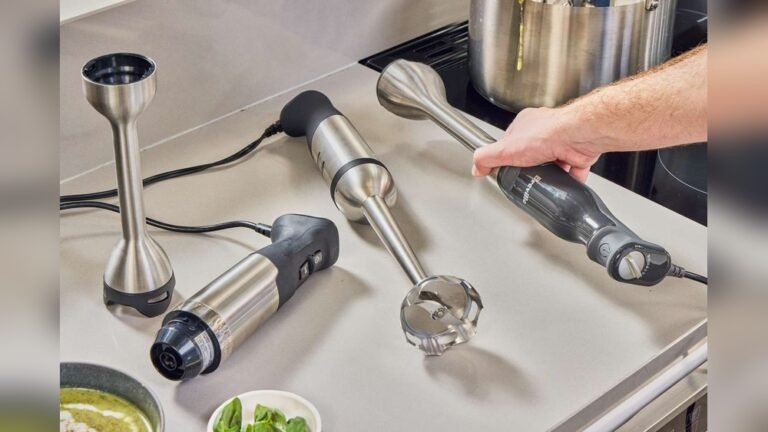
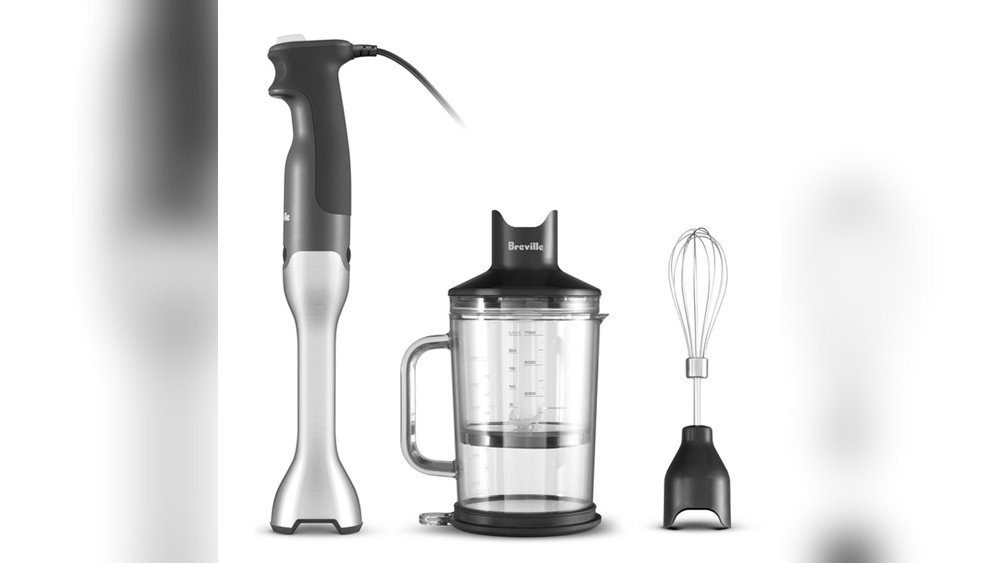
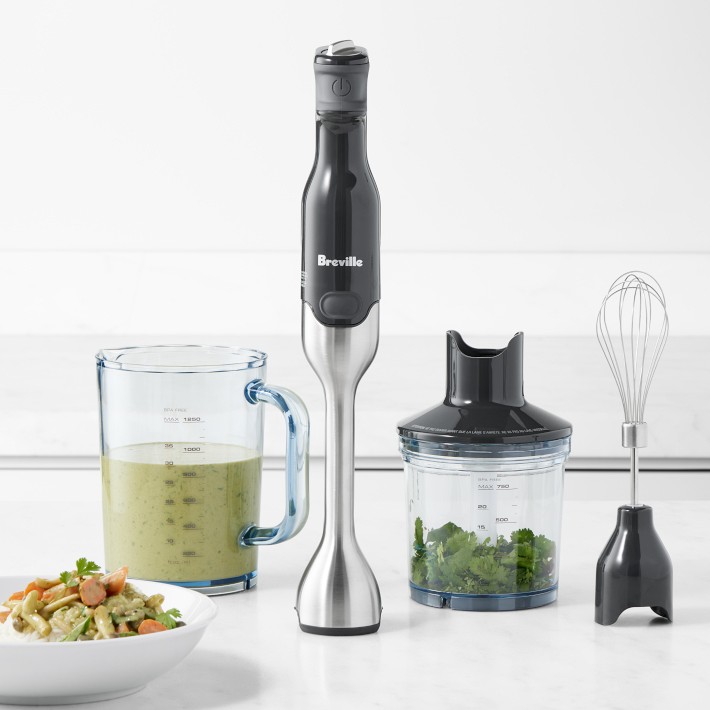
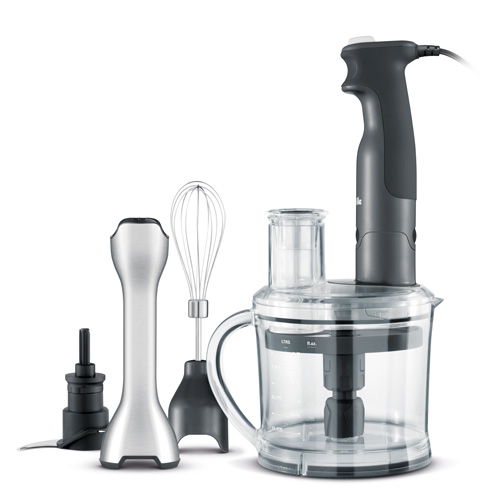
The Breville Immersion Blender is also called a stick blender or hand blender. It’s designed for blending directly in the pot, bowl, or cup you’re using. Unlike a countertop blender, it’s handheld and compact, so you don’t need to transfer food between containers. Breville models stand out for their strong motors (often 200–280 watts), ergonomic grip, and extra attachments like whisk, chopper, or blending jug.
The main parts are:
- Motor unit: The handle contains the motor and controls.
- Blending shaft: The stick that connects the blade to the motor.
- Blade assembly: The cutting blades at the end of the shaft.
- Attachments: Some models offer a whisk, chopping bowl, or beaker.
Key Features
Breville offers several models, such as the Breville Control Grip and Breville All-in-One. Features include:
- Variable speed control (up to 15 speeds)
- Trigger-style grip for comfort
- Stainless steel blades
- Removable blending shaft for easy cleaning
- Extra attachments for multi-use
These features help you blend, chop, whisk, and puree almost anything.
How The Breville Differs From Other Brands
Many immersion blenders are similar, but Breville stands out for:
- Ergonomic handle: Designed for easy holding, reducing hand fatigue
- Trigger control: Allows more precise blending speed
- Wide base: Reduces splashing when blending liquids
- High wattage: Handles tough ingredients like nuts or raw vegetables
Here’s a quick comparison with two popular competitors:
| Brand | Motor Power | Speed Settings | Attachments | Unique Feature |
|---|---|---|---|---|
| Breville Control Grip | 280W | 15 | Whisk, Chopper, Jug | Ergonomic trigger handle |
| Cuisinart Smart Stick | 200W | 2 | Whisk, Chopper, Cup | Simple push button |
| KitchenAid KHB1231 | 200W | 2 | Blending jar | Twist-lock shaft |
Breville’s higher wattage and more speed options mean smoother blending and better control.
Preparing To Use Your Breville Immersion Blender
Before you start blending, there are steps to follow for safety and best results.
Unboxing And Assembly
When you open your Breville Immersion Blender, you’ll find the main handle (motor unit), blending shaft, and possibly extra attachments. Carefully remove all parts and read the instruction manual.
- Connect the blending shaft: Insert the shaft into the motor unit until it clicks.
- Attach other accessories: If using a whisk or chopper, connect them as described in the manual.
- Check for damage: Make sure blades are sharp and clean, and there are no cracks.
Safety Checks
Immersion blenders are powerful. Always follow these rules:
- Never plug in before assembly.
- Keep fingers away from blades.
- Don’t operate near water or wet hands.
- Always unplug before cleaning or changing attachments.
Preparing Ingredients
For best blending, cut solid ingredients into smaller pieces. This reduces motor strain and ensures even blending. For soups or sauces, let hot liquids cool slightly before blending to avoid splashes and burns.
Using Your Breville Immersion Blender: Step-by-step Guide
Using the Breville Immersion Blender is simple, but technique matters for smooth results and safety.
Step 1: Choose The Right Attachment
The main blending shaft is for soups, smoothies, and purees. Use the whisk attachment for whipping cream or eggs, and the chopper bowl for nuts, herbs, or vegetables.
Step 2: Place Ingredients In A Suitable Container
Always use a deep container to prevent splashing. The included blending jug works well, but you can use a pot, bowl, or cup. Avoid shallow dishes.
Step 3: Insert The Blender Shaft
Place the shaft into the container, making sure the blade is fully submerged. This prevents splashing and ensures even blending.
Step 4: Plug In And Set Speed
Plug in the blender and choose your speed. Breville offers variable speeds:
- Use low for thin liquids or soft foods.
- Medium for soups or sauces.
- High for tough ingredients or thicker mixtures.
Step 5: Blend Carefully
Hold the blender firmly and press the trigger or button. Move the blender up and down and around the container. Don’t tilt too much — keep the blade below the surface.
For thick mixtures, pulse the blender by pressing and releasing the trigger. For smoother results, blend longer.
Step 6: Stop And Check Consistency
Release the trigger and lift the blender carefully. Check your mixture. If needed, blend longer or change speed.
Step 7: Unplug And Clean
Always unplug before removing the shaft or attachments. Rinse the shaft under water, or use soapy water for tougher messes. Dry before storing.
Example: Making Creamy Tomato Soup
Here’s how you’d use the Breville Immersion Blender for soup:
- Cook tomatoes, onions, and garlic in a pot.
- Let cool slightly.
- Insert blender shaft, fully submerge blade.
- Set speed to medium.
- Blend up and down until smooth.
- Add cream, blend briefly.
- Unplug, clean, and serve.
This process works for most soups and sauces.
Tips For Best Results With Your Breville Immersion Blender
Even experienced cooks can miss some tricks. Here are tips to make blending easier and better.
1. Start Slow
Begin blending on a low speed, especially with liquids. This reduces splashing. Increase speed as needed.
2. Use The Right Container
Deep and narrow containers give the best results. Wide, shallow bowls can cause splashing and uneven blending.
3. Move The Blender Around
Don’t keep the blender still. Move it up, down, and side to side for even blending.
4. Don’t Overfill
Only fill your container halfway. This gives the blender room to work and prevents spills.
5. Pulse For Tough Ingredients
For nuts, seeds, or fibrous vegetables, use the pulse function (press and release the trigger).
6. Clean Immediately
Food dries fast on blades. Rinse or wash your blender right after use.
7. Use Ice Carefully
Breville blenders are powerful but avoid blending large ice cubes. Use crushed ice if needed.
8. Avoid Hot Splashes
If blending hot liquids, let them cool slightly and hold the blender steady.
9. Don’t Run For Too Long
Run the blender in short bursts. Continuous blending can overheat the motor.
10. Try Attachments
Experiment with whisk and chopper attachments. The whisk is great for pancakes, the chopper for salsa or pesto.
Cleaning And Maintaining Your Breville Immersion Blender
Keeping your blender clean is important for safety and performance.
Daily Cleaning
- Unplug the blender.
- Detach the blending shaft.
- Rinse the shaft and blade under warm water.
- For tough messes, soak in soapy water and use a brush.
- Wipe the motor unit with a damp cloth. Never immerse in water.
Deep Cleaning
Once a week, wash all removable parts with warm soapy water. Check for food buildup in the blade area.
Preventing Odors
Sometimes strong flavors (like garlic) stick to the blender. Soak the shaft in a mix of water and baking soda for 15 minutes to remove odors.
Storing
Dry all parts fully before storing. Keep attachments together in a box or drawer. Store the motor unit away from moisture.
Maintenance Tips
- Inspect blades regularly for dullness or damage.
- Avoid blending very hard foods (like bones).
- If the motor gets hot or smells, stop and let cool.
Common Mistakes When Using The Breville Immersion Blender
Even with a powerful blender, mistakes can happen. Here are frequent errors and how to fix them.
1. Using Too Shallow Containers
Blending in shallow bowls or pans leads to splashing. Always use a deep container.
2. Overfilling
Too much food in the container can cause spills and uneven blending. Fill halfway or less.
3. Not Submerging The Blade
If the blade isn’t fully in the food, it won’t blend properly and may splash.
4. Running Continuously
Running the blender for long periods overheats the motor. Use short bursts.
5. Ignoring Attachments
Many users forget to use the whisk or chopper. These make the blender more versatile.
6. Not Cleaning Immediately
Food dries and sticks quickly. Clean the blender right after use.
7. Using With Hot Liquids Carelessly
Blending boiling liquids can cause splashes and burns. Let cool before blending.
8. Trying To Blend Large Ice Cubes
Large ice cubes strain the motor and dull the blades. Use crushed ice instead.
9. Forcing The Blender
If the blender struggles, cut ingredients smaller or add liquid.
10. Using Damaged Parts
Cracked shafts or dull blades reduce performance and can be unsafe.
Credit: www.marinacortez.com
Recipes You Can Make With The Breville Immersion Blender
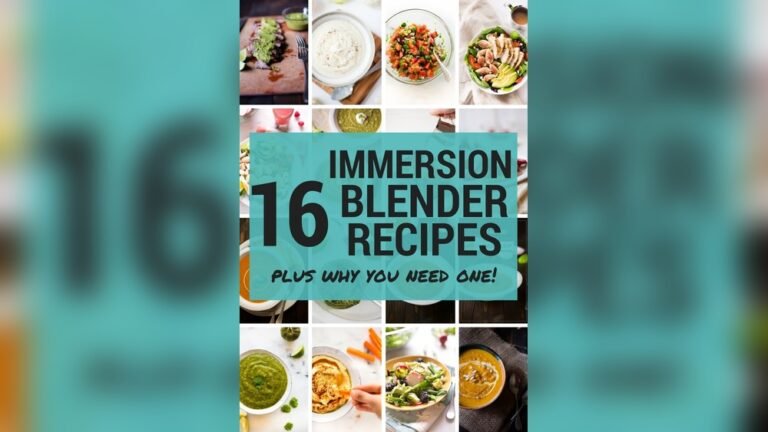
The Breville Immersion Blender is not just for soups. Here are popular recipes you can try.
1. Smoothies
Blend fruit, yogurt, and ice for a quick smoothie. Use crushed ice, and start slow.
2. Mayonnaise
Combine egg yolk, oil, and lemon juice in a tall container. Blend until thick and creamy.
3. Whipped Cream
Use the whisk attachment. Pour cold cream into a bowl and blend until fluffy.
4. Salsa
Chop tomatoes, onion, cilantro, and jalapeno in the chopper bowl.
5. Pesto
Blend basil, garlic, pine nuts, and olive oil for fresh pesto.
6. Pancake Batter
Use the blending shaft to mix flour, milk, eggs, and baking powder.
7. Hummus
Blend chickpeas, tahini, lemon juice, and garlic until smooth.
8. Soup Purees
Make carrot, potato, or butternut squash soup. Cook vegetables, blend, and add seasoning.
9. Salad Dressings
Blend olive oil, vinegar, mustard, and herbs for homemade dressing.
10. Baby Food
Puree cooked vegetables or fruits for baby-friendly meals.
Troubleshooting: Fixing Common Breville Immersion Blender Issues
Sometimes your blender won’t work as expected. Here’s how to fix issues:
Blender Won’t Start
- Check if plugged in.
- Make sure attachments are connected properly.
- Press the trigger firmly.
Poor Blending
- Cut ingredients smaller.
- Use more liquid.
- Check if blades are dull.
Motor Overheats
- Stop and let cool.
- Use short blending bursts.
Attachment Won’t Fit
- Check for debris.
- Align properly before connecting.
Loud Noise
- Remove hard objects from the mixture.
- Check if blade is loose.
Splashes Or Spills
- Use deeper containers.
- Start blending at low speed.
Comparing Breville Immersion Blender Models
Breville makes several immersion blenders. Here’s a comparison of key models:
| Model | Motor Power | Speed Settings | Attachments | Price Range |
|---|---|---|---|---|
| Control Grip | 280W | 15 | Whisk, Chopper, Jug | $100–$120 |
| All-in-One | 240W | 15 | Whisk, Chopper, Jug | $120–$140 |
| Hand Blender | 200W | Variable | Blending shaft only | $60–$80 |
The Control Grip and All-in-One are more expensive but come with extra attachments and higher power.
When To Use A Breville Immersion Blender Vs. A Countertop Blender
Immersion blenders are convenient, but sometimes a countertop blender is better. Here’s a comparison:
| Task | Immersion Blender | Countertop Blender |
|---|---|---|
| Soup Purees | Excellent | Good |
| Smoothies | Good (small batches) | Excellent (large batches) |
| Chopping Vegetables | Good (small amounts) | Excellent (large amounts) |
| Whipping Cream/Eggs | Excellent (with whisk) | Fair |
| Crushing Ice | Fair (crushed only) | Excellent |
| Cleaning | Easy | More effort |
| Storage | Compact | Bulky |
Use your Breville Immersion Blender for quick jobs, small batches, and easy cleanup. For big tasks, a countertop blender may be better.

Credit: www.breville.com
Safety Tips For Using The Breville Immersion Blender
Safety is important when using any kitchen appliance.
Always Unplug Before Cleaning
Never clean or change attachments while plugged in.
Keep Fingers Away From Blades
Blades are sharp. Handle attachments with care.
Don’t Operate Near Water
Avoid blending near sinks or with wet hands.
Supervise Children
Don’t let kids use the immersion blender unsupervised.
Let Hot Liquids Cool
Blending boiling liquids can cause splashes and burns.
Inspect Before Use
Check for cracks, dull blades, or loose parts.
Don’t Overload
Too much food can cause spills or motor strain.
Real-world Performance: What Users Say
Breville Immersion Blenders are highly rated. According to a survey by Consumer Reports, 90% of users report smooth blending and easy operation. Average rating on major retail sites is 4. 5 out of 5 stars.
Users praise:
- Easy grip and comfortable handling
- Fast, smooth blending of soups and sauces
- Simple cleaning and storage
- Versatility with attachments
Some mention:
- Slightly higher price compared to other brands
- Noise at highest speed
But overall, satisfaction is high.
How Breville Immersion Blender Saves Time
Time is important for cooks. The Breville Immersion Blender saves time in several ways:
- Direct blending: No need to transfer soup to a blender, just blend in the pot.
- Quick cleanup: Rinse the shaft and you’re done.
- Multi-use: Chop, whisk, and blend with one device.
- Fast operation: Powerful motor blends in seconds.
A study by Food & Wine magazine found immersion blenders save up to 20 minutes per meal compared to traditional blenders.
Non-obvious Insights For Better Results
Many beginners miss these:
Use The Chopper Bowl For Garlic And Herbs
Instead of chopping by hand, use the chopper attachment. It gives even results and saves time.
Make Frothy Milk For Coffee
Blend hot milk with the blending shaft for a frothy texture. This is cheaper than buying a milk frother.
Blend Directly In Cooking Pots
After cooking, blend soup right in the pot. This reduces dishes and keeps flavors intact.
Buying And Replacement Tips
If you’re buying a Breville Immersion Blender, consider:
- Attachments: If you cook a variety, choose a model with whisk and chopper.
- Power: Higher wattage for tough foods.
- Warranty: Breville offers 1–2 years warranty.
- Price: Compare prices on official sites and trusted retailers.
For replacement parts, check Breville’s website or authorized dealers. Never use non-official parts, as they may not fit or could be unsafe.
Frequently Asked Questions
What Foods Can I Blend With The Breville Immersion Blender?
You can blend soups, sauces, smoothies, dressings, baby food, whipped cream, pancake batter, and pesto. It handles both liquids and soft solids. For very hard foods or large ice cubes, use a countertop blender.
How Do I Clean The Breville Immersion Blender Safely?
Unplug the blender, detach the shaft, and rinse under warm water. For tough messes, soak in soapy water and use a brush. Wipe the motor unit with a damp cloth. Never immerse the motor in water.
Can I Use The Breville Immersion Blender With Hot Liquids?
Yes, but let liquids cool slightly before blending. Always fully submerge the blade and use a deep container to avoid splashes. Never blend boiling liquids directly.
What Should I Do If The Blender Stops Working Or Overheats?
Unplug and let it cool. Check for blockages or overloaded food. If it still won’t start, inspect attachments and connections. For persistent issues, contact Breville customer support or consult the manual.
Where Can I Find More Recipes For The Breville Immersion Blender?
Many recipe sites, including Breville’s official recipe page, offer ideas. You can make everything from soups to desserts.
Credit: www.breville.com
Final Thoughts
The Breville Immersion Blender is a powerful and flexible kitchen tool. With the right technique, attachments, and care, it can make cooking faster, simpler, and more fun. Whether you’re blending soup, whipping cream, or chopping herbs, Breville’s design and performance stand out. Remember to follow safety steps, clean promptly, and use the right speed and container for best results. With this guide, you’ll unlock the full potential of your Breville Immersion Blender and create delicious dishes with confidence.