Is An Immersion Blender The Same As A Hand Mixer? Key Differences
Is An Immersion Blender The Same As A Hand Mixer?
Many people walk into a kitchen store and see two similar-looking tools: the immersion blender and the hand mixer. Both are handheld appliances. Both have metal rods and whirring blades or beaters at the end. And both promise to make life easier for anyone who cooks or bakes. But are they really the same thing? Or do they serve different purposes? Understanding the difference can save you wasted money, better recipes, and a lot of frustration.
If you’ve ever tried to whip cream with the wrong tool, or blend soup with a gadget that just splatters everywhere, you know why it matters. This article will help you understand the true differences between immersion blenders and hand mixers.
We’ll look at how each tool works, what jobs they’re best for, and some features that set them apart. There are also practical tips and insights that most beginners miss. By the end, you’ll know exactly which tool to reach for, no matter what’s on your menu.
What Is An Immersion Blender?
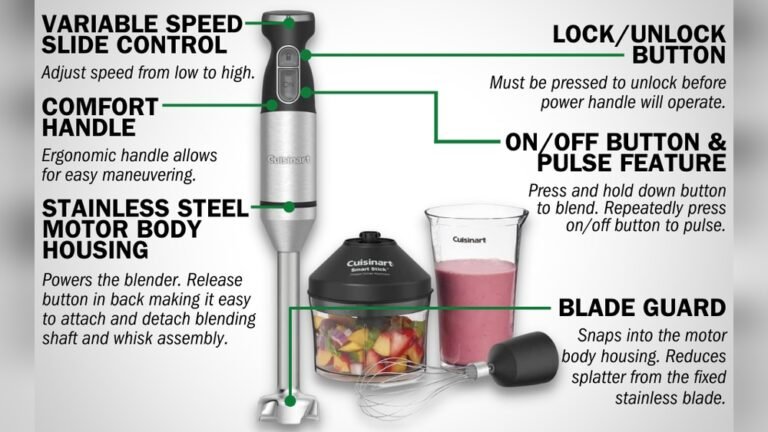
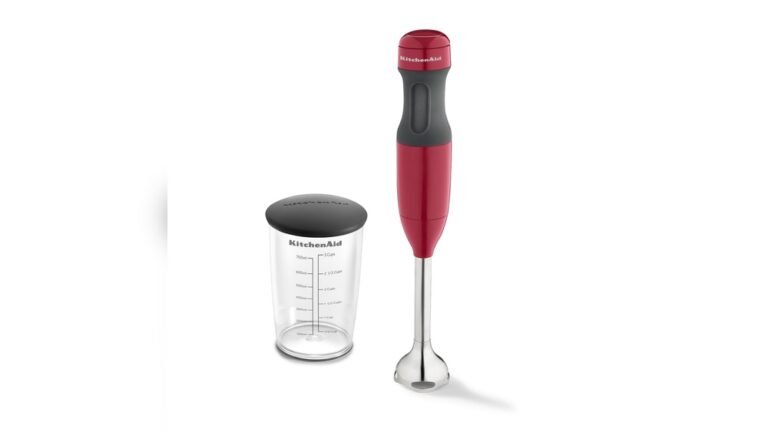
An immersion blender is sometimes called a stick blender or hand blender. This kitchen tool has a motor in the handle and spinning blades at the end of a long shaft. Unlike a countertop blender, you place the immersion blender directly into the food to blend it.
How Does It Work?
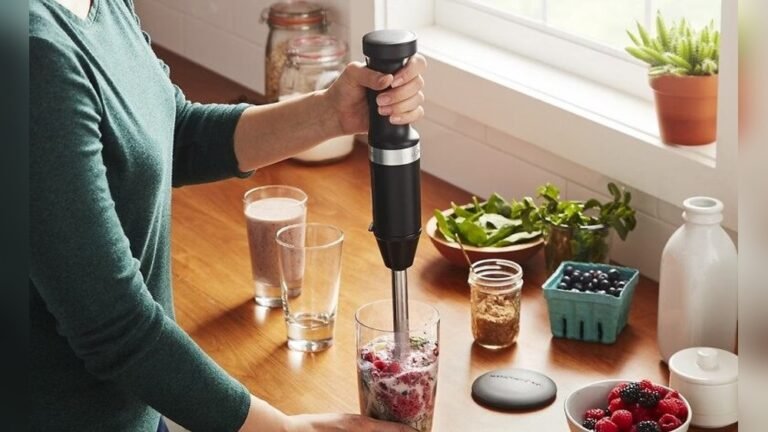
When you press the power button, the blades spin very fast. You move the blender up and down or around the container to blend, puree, or emulsify the food. Immersion blenders work directly in the pot, bowl, or cup, so you don’t need to pour hot soup into another machine.
Typical Uses
Immersion blenders are great for:
- Blending soups right in the pot, so you avoid hot splashes.
- Pureeing baby food or cooked vegetables.
- Making smoothies and milkshakes.
- Emulsifying sauces like mayonnaise or salad dressing.
- Mixing pancake or crepe batter without lumps.
They are not the best choice for thick doughs, heavy creams, or aerating ingredients.
Key Features
- Long, slim design for reaching into deep containers.
- Sharp blades at the end for chopping and pureeing.
- Variable speed settings on some models.
- Easy to clean, with removable blades or shafts.
- Portable and lightweight.
What Is A Hand Mixer?
A hand mixer is another handheld kitchen tool, but its design and function are quite different. It has a motor in the handle and two beaters (sometimes whisks or dough hooks) that spin when powered.
How Does It Work?
You hold the hand mixer above a bowl, and lower the beaters into your ingredients. When you turn it on, the beaters rotate to mix, whip, or knead. You control the speed and move the mixer around the bowl as needed.
Typical Uses
Hand mixers are especially good for:
- Whipping cream or egg whites.
- Mixing cake batter, cookie dough, or brownies.
- Kneading bread or pizza dough (with dough hooks).
- Making meringue or frosting.
- Combining wet and dry ingredients for baking.
Hand mixers are not designed to puree soups or chop ingredients.
Key Features
- Two beaters or attachments for different tasks.
- Multiple speed settings for control.
- Sturdy handle for easy gripping.
- Lightweight and compact for storage.
- Easy to clean—just remove the beaters.
Key Differences Between Immersion Blender And Hand Mixer
While both tools are handheld and electric, their designs, purposes, and results are very different. Let’s look at the main differences.
| Feature | Immersion Blender | Hand Mixer |
|---|---|---|
| Primary Function | Blend, puree, emulsify | Mix, whip, beat, knead |
| Attachment Type | Sharp spinning blades | Rotating beaters/whisks |
| Best For | Soups, sauces, smoothies | Cakes, cream, doughs |
| Container | Works in pot, bowl, or cup | Works in mixing bowl only |
| Texture Produced | Smooth, blended, pureed | Fluffy, aerated, mixed |
Design And Attachments
The immersion blender has a blade at the end of a long shaft. It’s made for chopping and liquefying. The hand mixer uses beater attachments—not blades—to whip air into mixtures or combine ingredients.
Speed And Power
Immersion blenders often have strong motors to handle tough vegetables or hot liquids. Hand mixers are designed for lighter tasks. Some advanced hand mixers have stronger motors, but they still can’t blend chunky soups or crush ice.
Cleaning
Immersion blenders are usually easier to clean if you use them for small tasks or liquids. Hand mixers can be messier, especially with thick batters that climb up the beaters.
Portability And Storage
Both tools are small and easy to store, but immersion blenders are usually slimmer. If you have limited kitchen space, this might matter.
When To Use An Immersion Blender
Choosing the right tool can make a big difference in your recipe’s outcome. Here are situations where an immersion blender shines.
Blending Hot Soups
If you want creamy tomato soup or butternut squash soup, you can puree the soup right in the pot. There’s no need to transfer hot liquid to a blender. This is safer and cleaner.
Making Smoothies Or Shakes
Immersion blenders make quick work of small servings. Place your ingredients in a tall cup, blend, and rinse the blender—done in seconds.
Emulsifying Sauces
Mayonnaise, aioli, and vinaigrette require emulsification. The sharp spinning blades of an immersion blender quickly mix oil and eggs or vinegar, creating a stable, creamy sauce.
Pureeing Baby Food
For parents, an immersion blender is a favorite. You can puree steamed vegetables or fruit directly in the cooking bowl. It’s fast, and you control the texture.
Quick Salsas Or Dips
You can make hummus, salsa, or guacamole with an immersion blender. It breaks down chickpeas, tomatoes, or avocados smoothly.
Non-obvious Insight: Volume Matters
Immersion blenders work best with a minimum amount of liquid. If there’s not enough, the blades won’t blend well and can splatter. If you’re blending a very small quantity, use a smaller container.
Non-obvious Insight: Avoid Overheating
If you use the immersion blender for thick or heavy mixtures, the motor can overheat. Allow it to cool between batches, especially with tough jobs.
When To Use A Hand Mixer
Hand mixers are a baker’s best friend. They excel in tasks where air or light mixing is important.
Whipping Cream Or Egg Whites
A hand mixer is the go-to tool for fluffy whipped cream or stiff egg whites for meringue. The beaters add air, making the mixture light and airy.
Mixing Batters And Doughs
For cake, brownie, or pancake batters, a hand mixer quickly combines wet and dry ingredients. With dough hooks, you can even knead light bread or pizza dough.
Making Frosting And Icing
Butter, powdered sugar, and flavorings need to be creamed together until smooth. A hand mixer does this easily, and with less mess than by hand.
Combining Multiple Ingredients
When you need to mix dry and wet ingredients without overmixing (like muffins), the hand mixer gives you control. You can start slow and increase speed as needed.
Non-obvious Insight: Bowl Size Matters
Hand mixers work best in wide, deep bowls. If the bowl is too shallow, ingredients can splatter. If it’s too narrow, the beaters may not spin freely.
Non-obvious Insight: Attachments Make A Difference
Many hand mixers come with more than just regular beaters. Whisks add more air, while dough hooks are designed for kneading. Using the right attachment produces better results.
What Happens If You Use The Wrong Tool?
Choosing the wrong kitchen tool can lead to problems:
- Using an immersion blender instead of a hand mixer: If you try to whip cream or beat eggs with an immersion blender, you’ll notice it doesn’t get fluffy or aerated. The blades cut through the mixture, but they don’t add air.
- Using a hand mixer instead of an immersion blender: If you try to blend soup or puree cooked vegetables, the beaters will just splash the liquid and won’t break down the solids well. You may end up with a lumpy, uneven texture.
This can ruin recipes or waste ingredients. Always match the tool to the task.
Key Factors To Consider Before Buying
If you’re buying your first immersion blender or hand mixer, or upgrading, here’s what really matters:
1. Main Purpose
Ask yourself: What do you cook or bake most often? If you love baking, a hand mixer is essential. If you cook soups, sauces, or baby food, you’ll use an immersion blender more.
2. Motor Power
Immersion blenders with higher wattage (200-300W or more) handle tough jobs. Hand mixers with more speeds and higher wattage (250-400W) mix thicker batters and doughs better.
3. Attachments
Some immersion blenders come with extra attachments like whisks, choppers, or frothers. Hand mixers may offer dough hooks, balloon whisks, or storage cases.
4. Cleaning And Maintenance
Check if parts are dishwasher safe. Some immersion blenders have removable shafts; some hand mixers have eject buttons for beaters.
5. Price And Brand Reputation
Trusted brands often mean better durability and customer service. Prices range widely, but spending a bit more can mean a tool that lasts for years.
Common Buyer Mistakes
- Buying a multi-purpose tool expecting it to do everything well. Most immersion blenders or hand mixers can’t truly replace the other.
- Focusing only on price and ignoring motor strength or build quality.
- Choosing a tool with few speed settings, which limits your control.
- Not considering storage space or how easy the tool is to clean.
Detailed Comparison: Immersion Blender Vs Hand Mixer
Let’s take a closer look at how these tools measure up in real kitchen situations.
Blending Soup
Immersion blenders make soup smooth with little effort. Hand mixers just splash liquid.
Whipping Cream
Hand mixers create stiff peaks in a few minutes. Immersion blenders do not whip well and may even turn cream to butter if overused.
Making Smoothies
Immersion blenders work for single servings, but a hand mixer cannot chop fruit or ice.
Mixing Dough
Hand mixers with dough hooks can knead soft doughs. Immersion blenders are not designed for dough and may burn out.
Making Mayonnaise
Immersion blenders are perfect for emulsifying mayo. Hand mixers cannot blend oil and egg yolk smoothly.
Table: Task Suitability
Here’s a quick look at which tool is better for common kitchen tasks.
| Task | Immersion Blender | Hand Mixer |
|---|---|---|
| Soup | Excellent | Poor |
| Smoothie | Good (small servings) | Poor |
| Whipping Cream | Poor | Excellent |
| Cake Batter | Poor | Excellent |
| Dough | Poor | Good (with hooks) |
| Mayonnaise | Excellent | Poor |
| Salsa/Dip | Good | Poor |
:max_bytes(150000):strip_icc()/sea-primary-immersion-blenders-sep-24-rkilgore-0658-89167e1e4bd44afb93d9c847674b09e4.jpeg)
Credit: www.seriouseats.com
Which Should You Buy First?
If you’re starting your kitchen tool collection, decide based on your cooking style.
- Love baking? Get a hand mixer first. It’s essential for cookies, cakes, and whipped cream.
- Cook a lot of soup or sauces? Start with an immersion blender. It’s safer and faster for purees.
- On a budget? Choose the tool you’ll use most, and consider a model with extra attachments.
Some people eventually buy both. But it’s better to start with the tool that matches your favorite recipes.
Are There Any Overlaps?
There is some overlap, but it’s limited.
- Some immersion blenders come with whisk attachments. These can whip small amounts of cream or eggs, but not as well as a hand mixer.
- Some hand mixers have blending rods, but they rarely match the power of a true immersion blender.
For best results, use each tool for what it’s designed to do.
Real-life Examples
Example 1: Making Soup
Sarah loves making carrot-ginger soup. She boils the vegetables in a pot, then uses her immersion blender to puree everything right in the pot. If she used a hand mixer, the soup would splash everywhere and stay chunky.
Example 2: Baking A Cake
John bakes chocolate cake every week. He uses his hand mixer to cream the butter and sugar, beat in the eggs, and mix in the flour. If he tried an immersion blender, the blades would overmix and make the batter tough.
Example 3: Smoothie For One
Maria likes a banana smoothie in the morning. She puts her ingredients in a tall cup and blends with the immersion blender. It’s fast, with little cleanup. A hand mixer wouldn’t chop the fruit well.
Example 4: Whipped Cream For Dessert
Ali tops his pie with whipped cream. He uses a hand mixer to get soft peaks in two minutes. An immersion blender would not produce the same airy texture.
Example 5: Mayonnaise At Home
Evelyn makes homemade mayonnaise with her immersion blender. The oil and egg yolk blend instantly to a thick, creamy spread. A hand mixer would just splash oil everywhere.
These examples show why the right tool matters.
Are There Combo Devices?
Some brands offer multi-purpose hand blenders with extra attachments, like whisks or mini choppers. While these are handy for small jobs, they rarely do all tasks equally well. For example, a whisk attachment on an immersion blender can whip cream, but only in small amounts and not as fluffy as a hand mixer.
Be careful with “all-in-one” products. They are useful for small kitchens, but don’t expect professional results in every job.
Maintenance And Longevity
Both tools can last for years with proper care.
Immersion Blender Care
- Rinse the blade and shaft right after use to prevent food from drying.
- Remove and wash attachments in warm, soapy water.
- Avoid submerging the motor in water.
- Check for food stuck around the blade—clean carefully to avoid cuts.
Hand Mixer Care
- Eject and wash beaters or hooks after each use.
- Wipe the body with a damp cloth.
- Avoid immersing the motor in water.
- Store attachments in a safe place to prevent bending.
Common Mistakes
- Letting batter or dough dry on beaters or blades—this makes cleaning harder.
- Forcing the tool through very thick mixtures—this burns out the motor.
- Not reading the manual—each tool has limits for time and thickness.
Price And Value
Prices vary based on brand, motor power, and attachments.
- Immersion blenders: $20 to $150. Basic models are affordable, but high-end models with variable speeds and extra tools cost more.
- Hand mixers: $15 to $120. Cheaper models have fewer speeds and weaker motors. Higher-priced mixers are more powerful and durable.
You don’t always need the most expensive model. Choose based on what you really need and how often you’ll use it.
Environmental And Health Factors
Both tools are electric, so they use some energy. However, they help you cook more at home, which is often healthier than eating processed foods.
- Immersion blenders can help you make fresh soups, dips, and baby food with fewer preservatives.
- Hand mixers let you bake at home, so you can control ingredients like sugar and fat.
If you want to reduce waste, look for models with replaceable parts and durable design.
Safety Tips
Both tools have sharp or fast-moving parts. Here’s how to stay safe:
- Always unplug before attaching or removing blades/beaters.
- Keep fingers away from blades and beaters during use.
- Don’t let children use these tools unsupervised.
- Be careful blending hot liquids—start slow to avoid splashes.

Credit: www.youtube.com
Pros And Cons At A Glance
Here’s a quick look at the strengths and weaknesses of each tool.
| Tool | Pros | Cons |
|---|---|---|
| Immersion Blender | – Blends soups and sauces in the pot – Purees quickly – Easy to clean – Compact size | – Not for whipping or aerating – Can splatter if used wrong – May overheat with heavy use |
| Hand Mixer | – Whips cream and eggs – Mixes dough and batter – Multiple attachments – Easy to use | – Not for blending or pureeing – Can be messy with thin liquids – Needs large bowls for best results |
What Most Beginners Miss
- Immersion blenders need enough liquid to blend smoothly. If the mixture is too thick or dry, the blades just spin in place.
- Hand mixers can overmix batter if you use too high a speed or mix too long. This makes baked goods tough.
- Some recipes call for both tools: For example, blend soup with an immersion blender, then whip cream with a hand mixer for topping.
Understanding these details will help you avoid common kitchen mistakes.
How To Choose The Right Model
Here are some tips to help you pick the best immersion blender or hand mixer for your kitchen.
For Immersion Blenders
- Choose a model with at least 200 watts for most home tasks.
- Removable shafts make cleaning much easier.
- Stainless steel blades last longer and cut better.
- Look for a comfortable grip if you’ll use it often.
- If you want to make smoothies or chop nuts, consider a model with extra cups or chopper attachments.
For Hand Mixers
- At least 5 speed settings allow more control.
- A burst or turbo button is helpful for tough ingredients.
- If you bake bread, get one with dough hooks.
- Lightweight models reduce arm fatigue during long mixing.
- Storage cases for attachments keep your kitchen organized.
Popular Brands
Some brands are known for quality and reliability. For immersion blenders, Braun, Breville, and KitchenAid are favorites. For hand mixers, Cuisinart, Hamilton Beach, and Sunbeam are well-reviewed.
Check online reviews and warranty information before buying. Trusted brands often have better customer service and replace defective parts.

Credit: www.tasteofhome.com
Cleaning And Storage Tips
- Rinse attachments right after use to prevent dried-on food.
- Most parts can go in the dishwasher, but check the manual.
- Store immersion blenders in a drawer or hang them on a hook.
- Keep hand mixer beaters in a case or bowl to avoid losing them.
- If you use the tool daily, keep it on the counter for easy access.
Sustainable Choices
If you want to reduce your environmental footprint, consider:
- Buying one high-quality tool instead of several cheap ones.
- Choosing brands that offer repair services or replacement parts.
- Donating or recycling old appliances responsibly.
Troubleshooting Common Problems
Immersion Blender Doesn’t Blend Well
- Add more liquid to the mixture.
- Move the blender up and down for better results.
- Check if the blade is clogged with food.
Hand Mixer Motor Gets Hot
- Let the mixer cool between batches.
- Don’t use on very thick doughs for too long.
- Use the right attachment for the job.
Food Sticks To Attachments
- Grease beaters or blades lightly if allowed.
- Use a spatula to scrape food off during mixing or blending.
Alternatives
If you don’t have an immersion blender, you can use a countertop blender for soups or smoothies, but this means transferring hot liquids, which can be risky. For hand mixers, you can mix by hand with a whisk or spoon, but it’s slower and requires more effort.
Final Thoughts
An immersion blender and a hand mixer may look similar, but they do very different things. The immersion blender is your best friend for soups, sauces, and purees, while the hand mixer is essential for baking, whipping, and mixing. Choosing the right tool will improve your cooking and baking results and make your time in the kitchen more enjoyable.
Remember, the best kitchen tool is the one that fits your needs. If you cook a variety of dishes, you may eventually want both. But start with what matches your everyday recipes.
For more details on the science behind kitchen appliances, you can check out this Wikipedia page on blenders.
Frequently Asked Questions
Is It Safe To Use An Immersion Blender In A Hot Soup Pot?
Yes, immersion blenders are designed to work in hot liquids. However, always start blending at a low speed to avoid splashing. Keep the blade fully submerged, and never touch the pot’s bottom with the blade if it’s non-stick, as this can scratch the surface.
Can A Hand Mixer Puree Vegetables For Soup?
No, a hand mixer is not meant for pureeing. Its beaters are for mixing and whipping, not chopping or blending. For smooth soups, use an immersion blender or a countertop blender.
Can I Make Whipped Cream With An Immersion Blender?
It is possible, but not ideal. Immersion blenders don’t add as much air to cream as a hand mixer does. You might get a thicker, denser texture, and it’s easy to over-whip and end up with butter.
Are There Any Kitchen Tasks That Both Tools Can Do Equally Well?
Only a few. Some immersion blenders come with whisk attachments that can whip small amounts of cream or eggs, but not as well as a hand mixer. Some hand mixers have blending rods, but they don’t puree as smoothly as an immersion blender.
For most tasks, each tool is best at its specialty.
What Is The Main Reason To Own Both An Immersion Blender And A Hand Mixer?
Owning both gives you the flexibility to handle a wide range of recipes. You can blend soups, sauces, and smoothies with the immersion blender, and mix batters, whip cream, and knead dough with the hand mixer. If you often cook and bake, having both tools saves time and effort.