Is Immersion Blender Machine Washable? Expert Guide & Tips
Is Immersion Blender Machine Washable
Immersion blenders are everywhere in kitchens today. You see them in cooking shows, recipe blogs, and maybe even in your own home. Their popularity comes from their simplicity and power. You can blend soups, sauces, or smoothies right inside the pot or bowl. But here’s the question many people ask: Is an immersion blender machine washable? Can you toss it in the dishwasher, or clean it safely under running water? If you’re worried about damaging your blender, or you want to make cleaning easier, this article will help you understand what’s possible and safe.
This guide will explain how immersion blenders work, which parts you can wash, how to clean them correctly, and common mistakes to avoid. You’ll learn what manufacturers recommend, plus some tips that even experienced users sometimes miss. If you want your immersion blender to last longer and work better, knowing how to clean it is a big step.
Understanding Immersion Blenders
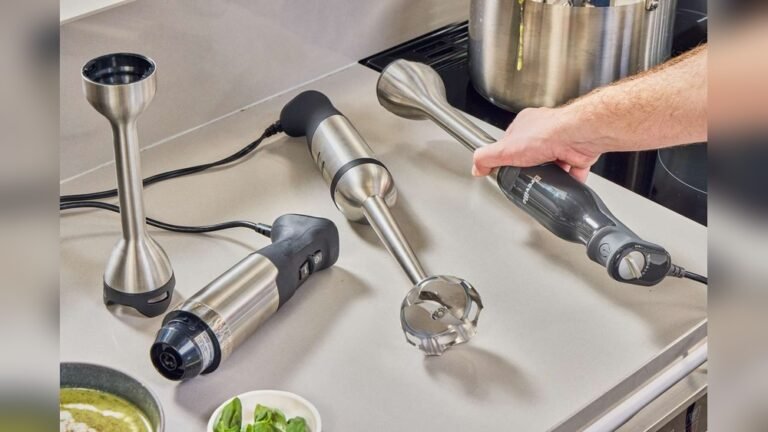
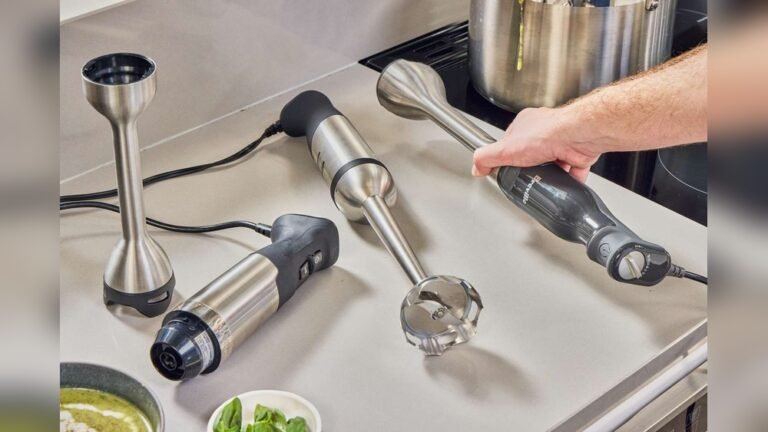
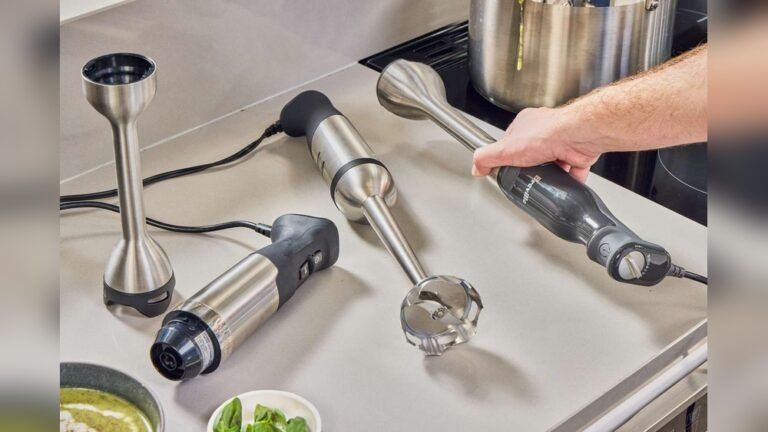
Immersion blenders, also known as hand blenders or stick blenders, are compact kitchen tools designed for blending directly in containers. Unlike countertop blenders, which have a jug and base, immersion blenders are handheld and have a shaft with blades at the end. This design makes them easy to use for soups, purees, and drinks.
Most immersion blenders have two main sections:
- Motor housing: The upper part, where you hold the blender, contains the motor and control buttons.
- Blending shaft and blades: The lower part, often made of stainless steel or plastic, contains the blades and sometimes a guard to protect your cookware.
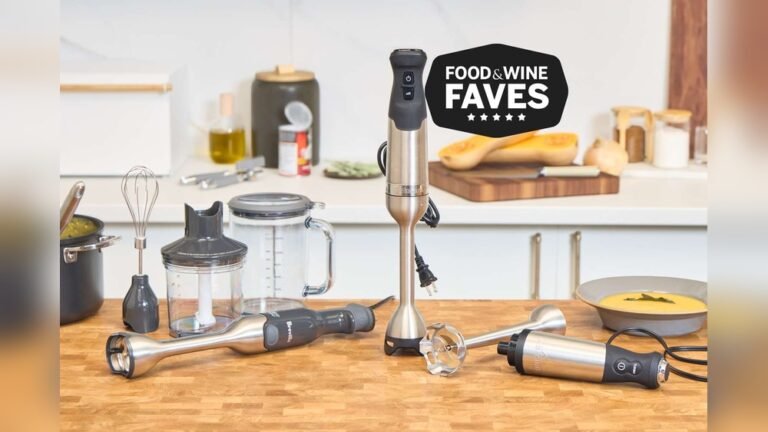
Some models include extra attachments like whisk or chopper accessories. The basic model usually has just the blending shaft.
Why Cleaning Matters
Blending food creates messes. Bits of soup, smoothie, or sauce stick to the blades and shaft. If you don’t clean your immersion blender correctly, old food can dry, smell bad, or even cause bacteria to grow. Keeping your blender clean helps it last longer and work properly.
It also keeps your kitchen safe and hygienic.
Which Parts Of An Immersion Blender Are Washable?
Not every part of an immersion blender can be washed the same way. Understanding which pieces are safe to wash will help you avoid damaging your device.
1. Motor Housing
The motor housing contains electrical components. You should never submerge it in water or put it in the dishwasher. Only wipe the outside with a damp cloth. If you spill food on it, unplug the blender first, then use a soft cloth to clean.
2. Blending Shaft
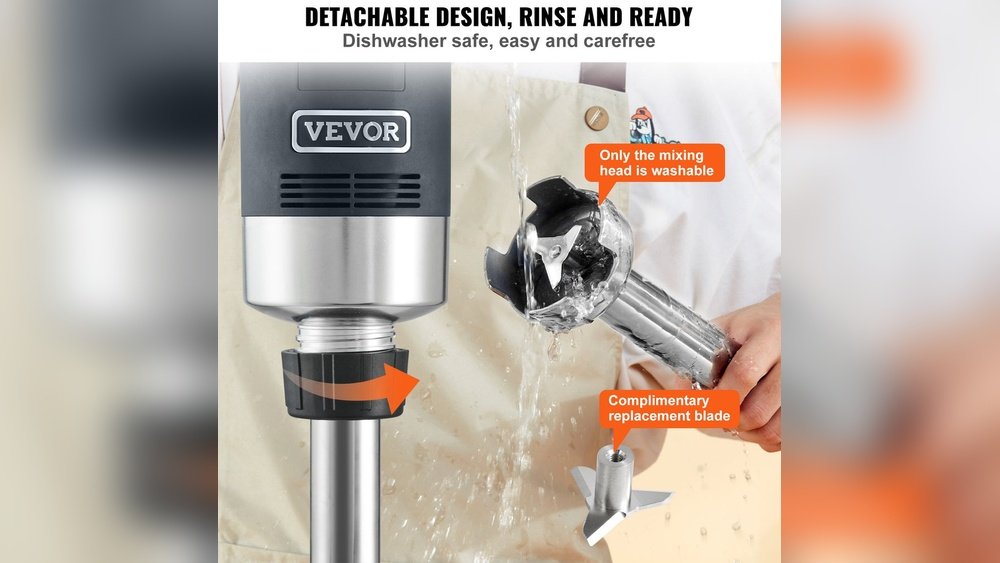
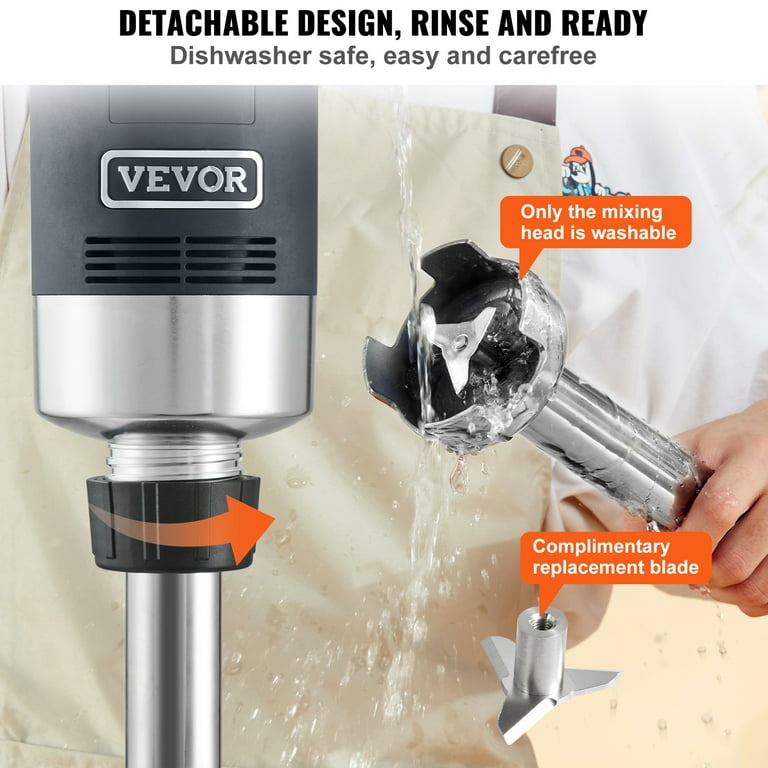
The blending shaft is usually detachable. Most manufacturers design this part to be washable. You can rinse it under running water, use soap, and even put it in the dishwasher if the manual says it’s safe.
Some shafts are made of stainless steel, which is durable and dishwasher-safe. Plastic shafts may be less heat-resistant, so always check the manual.
3. Blade Assembly
The blade assembly is attached to the end of the shaft. Most blades are stainless steel and can be washed like the shaft. But be careful; blades are sharp. Use a brush or sponge, not your fingers.
4. Extra Attachments
Attachments like whisks or choppers are sometimes dishwasher-safe, but always check the instructions. Some parts have small gears or electrical connections, which should be cleaned by hand.
5. Accessories
Accessories like mixing cups or bowls are usually safe for dishwashers. They’re made of plastic or glass.
Here’s a clear comparison showing which parts are washable:
| Part | Washable by Hand | Dishwasher Safe | Submersible |
|---|---|---|---|
| Motor Housing | Yes (surface only) | No | No |
| Blending Shaft | Yes | Usually | Yes |
| Blade Assembly | Yes | Usually | Yes |
| Whisk Attachment | Yes | Sometimes | Yes |
| Chopper Attachment | Yes | Sometimes | Yes |
| Mixing Cup/Bowl | Yes | Yes | Yes |
How To Clean An Immersion Blender Safely
Cleaning your immersion blender is simple, but you must follow certain steps to avoid damage and injury. Here’s a practical cleaning process:
1. Unplug Before Cleaning
Always unplug your immersion blender before cleaning. This prevents accidental activation and protects you from electric shocks.
2. Detach Washable Parts
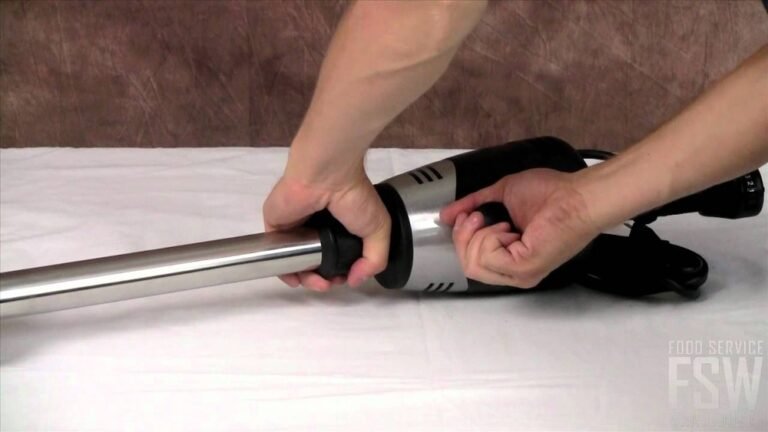
Remove the blending shaft and attachments from the motor housing. Most immersion blenders have a button or twist mechanism for easy detachment.
3. Clean The Shaft And Blade
- Rinse the shaft and blades under warm running water.
- Use mild dish soap and a brush to remove food bits.
- Avoid touching sharp blades with your fingers.
- For tough stains, soak the shaft in soapy water for 5-10 minutes.
4. Dishwasher Cleaning
If your blender’s manual says it’s safe, place the shaft and attachments in the dishwasher. Always use the top rack to avoid high heat.
5. Clean The Motor Housing
- Wipe with a damp cloth.
- Never submerge or wash under running water.
- For stubborn stains, use a gentle cleaning spray and wipe.
6. Dry Completely
After washing, dry all parts thoroughly before reassembling. Moisture can cause rust or electrical damage.
7. Reassemble And Store
Once everything is dry, reconnect the shaft and store your blender in a dry place.
Quick Cleaning Trick
If you’re short on time, fill a cup with warm water and a drop of dish soap. Insert the blending shaft and turn on the blender for a few seconds. This “self-cleaning” method loosens food from the blades. Rinse afterward.
Common Cleaning Mistakes
Even experienced users sometimes make mistakes when cleaning immersion blenders. Here are some common errors to avoid:
- Submerging the motor housing: This can ruin the electrical parts.
- Using abrasive cleaners: Scrubbing with harsh materials can scratch the shaft or blades.
- Forgetting to unplug: Always unplug before cleaning to prevent accidents.
- Not drying properly: Wet parts can rust or cause mold.
- Dishwashing non-safe parts: Not every part is dishwasher-safe. Always check your manual.
Are All Immersion Blenders Machine Washable?
Not every immersion blender is the same. Some brands and models are more washable than others. Let’s look at some popular examples:
Kitchenaid Immersion Blenders
KitchenAid’s blending shafts are usually dishwasher-safe. The motor housing is not. Attachments like whisks and choppers may be safe for hand washing or dishwashers, depending on the model.
Braun Immersion Blenders
Braun often uses stainless steel shafts, which are durable and dishwasher-friendly. But the motor housing and gear parts must be wiped only.
Cuisinart Immersion Blenders
Cuisinart blending shafts and blades are often dishwasher-safe. Their chopper and whisk attachments may need hand cleaning.
Cheap Brands
Some inexpensive blenders use plastic shafts, which may warp in dishwashers. Always check the manual before machine washing.
Here’s a comparison of popular brands:
| Brand | Blending Shaft Dishwasher Safe | Attachments Dishwasher Safe | Motor Housing Washable |
|---|---|---|---|
| KitchenAid | Yes | Some | No |
| Braun | Yes | Some | No |
| Cuisinart | Yes | Some | No |
| Generic/Low Cost | Sometimes | Sometimes | No |
Manufacturer Guidelines And Warnings
Most immersion blender manuals give clear cleaning instructions. Here are some examples:
- KitchenAid: “Do not immerse motor housing in water. Blending shaft is dishwasher-safe on top rack.”
- Braun: “Detach shaft and wash by hand or in dishwasher. Wipe motor housing only.”
- Cuisinart: “Blending shaft and attachments may be cleaned in dishwasher. Motor housing should never be submerged.”
Manufacturers also warn against using harsh chemicals, abrasive pads, or soaking electrical parts. If you lose your manual, many brands offer digital copies on their websites.
For more details, you can check official guidelines at Wikipedia.
Extra Tips For Deep Cleaning
Sometimes, regular cleaning isn’t enough. Sticky sauces, thick soups, or dried-on food can be tough to remove. Here are some tips for deep cleaning:
- Soak the shaft: Fill a bowl with warm, soapy water and soak the shaft for 10–20 minutes.
- Use a toothbrush: A soft toothbrush helps clean around the blade and inside the shaft.
- Vinegar solution: Mix equal parts vinegar and water to remove tough stains or odors.
- Baking soda paste: For stubborn grime, make a paste with baking soda and water. Apply gently and rinse well.
- Inspect for residue: After cleaning, check the blade area for any leftover bits.
Deep cleaning every few weeks keeps your blender smelling fresh and working well.
Immersion Blender Safety During Cleaning
Safety is important when cleaning any electrical appliance. Here are some key safety tips:
- Unplug first: Never clean while plugged in.
- Handle blades carefully: Blades are sharp. Use brushes, not your fingers.
- Avoid water near motor: Water in the motor housing can cause electric shocks or damage.
- Dry before use: Moisture in the shaft or motor can cause short circuits.
- Check for damage: If you notice cracks or loose parts, stop using the blender and contact the manufacturer.
Dishwasher Vs. Hand Washing: Which Is Better?
Many people wonder if hand washing or dishwashing is best. Both methods have pros and cons.
Dishwasher Pros
- Convenient: Just place parts in the machine.
- Thorough: High heat removes germs.
- Less effort: Saves time and energy.
Dishwasher Cons
- Plastic warping: Some plastic parts may melt or deform.
- Blunt blades: Dishwasher chemicals can dull blades over time.
- Limited parts: Not all parts are dishwasher-safe.
Hand Washing Pros
- Gentle cleaning: Less risk of damage.
- Blade care: You control how you clean sharp areas.
- Flexible: You can clean all parts, including non-dishwasher-safe ones.
Hand Washing Cons
- Time-consuming: Takes longer.
- Requires more effort: You must scrub and rinse.
Here’s a direct comparison:
| Cleaning Method | Pros | Cons |
|---|---|---|
| Dishwasher | Fast, kills germs, easy | Can damage plastic, dull blades, not all parts safe |
| Hand Wash | Gentle, protects blades, flexible | Slower, more effort |
Real-life Examples And User Experiences
Many users share stories about cleaning immersion blenders. Here are some examples:
- Sarah (home cook): “I always detach the shaft and put it in the dishwasher. No problems so far. But I ruined one by washing the motor housing. Don’t do that!”
- Tom (restaurant chef): “Deep cleaning is important. I use a toothbrush for the blade. Dishwashers are fine for stainless steel, but hand washing keeps blades sharp.”
- Jia (student): “My cheap blender’s plastic shaft melted in the dishwasher. Now I only hand wash.”
These stories show that following the manual is important. Machine washing works for most shafts, but not all parts.
Non-obvious Insights For Beginners
Many beginners overlook key details:
- Dishwasher heat can dull blades: Even if the shaft is dishwasher-safe, blades may lose sharpness after repeated washes.
- Hidden food in blade guard: Food can get trapped around the blade guard. Check and clean this area thoroughly.
- Plastic stains: Tomato sauces and spices can stain plastic shafts. Baking soda or vinegar helps remove stains.
Understanding these details helps you avoid problems and keep your blender clean.
How To Tell If Your Immersion Blender Is Machine Washable
If you’re unsure about your blender, check these signs:
- Manual icons: Look for a dishwasher icon on the shaft or attachments.
- Material: Stainless steel is usually dishwasher-safe. Plastic is not always.
- Detachable parts: If the shaft detaches easily, it’s likely washable.
- Brand reputation: Well-known brands usually offer clear cleaning instructions.
If you cannot find information, hand wash to be safe.
:max_bytes(150000):strip_icc()/sea-primary-immersion-blenders-sep-24-rkilgore-0658-89167e1e4bd44afb93d9c847674b09e4.jpeg)
Credit: www.seriouseats.com
Cleaning Frequency: How Often Should You Clean?
Immersion blenders should be cleaned after every use. Even small amounts of food can dry and cause smells. For deep cleaning, once every 1–2 weeks is recommended.
- After each use: Quick rinse and soap wash.
- Every week: Deep clean blade and shaft.
- Every month: Inspect attachments and clean motor housing surface.
Regular cleaning keeps your blender working well and prevents bacteria.
Environmental Impact Of Washing
Machine washing uses water and energy. Hand washing can be more eco-friendly if you use a small amount of water and avoid harsh chemicals. Stainless steel parts last longer and are easier to recycle than plastic.
Using eco-friendly soaps and drying parts naturally can reduce your environmental footprint.
How To Store Your Immersion Blender After Cleaning
Proper storage keeps your blender safe and ready to use.
- Dry thoroughly: Moisture causes rust.
- Assemble or disassemble: Some users prefer to store detached. Others keep it assembled.
- Safe location: Store in a dry cabinet or drawer.
- Avoid stacking heavy objects: Heavy items can bend blades or shafts.
Troubleshooting Cleaning Problems
Sometimes, cleaning doesn’t go as planned. Here are solutions for common issues:
- Stuck food: Soak in warm, soapy water and scrub with a brush.
- Blade rust: Clean with vinegar. If rust continues, replace the blade.
- Bad smell: Use baking soda paste or vinegar rinse.
- Stained plastic: Sunlight can help fade stains. Baking soda paste also works.
If your blender doesn’t work after cleaning, check for moisture in the motor housing. Let it dry completely before use.
:max_bytes(150000):strip_icc()/sea-immerison-blenders-criteria-b7c39d149076405481659d9eb8b1da10.png)
Credit: www.seriouseats.com
Immersion Blender Vs. Countertop Blender: Cleaning Differences
Immersion blenders are easier to clean than countertop blenders. Here’s why:
- Fewer parts: Countertop blenders have jars, lids, and gaskets.
- No base cleaning: Immersion blenders don’t have heavy bases.
- Direct blending: You blend and clean in the same container.
Countertop blenders often require disassembling and careful cleaning of seals. Immersion blenders save time and space.
Washing Immersion Blenders In Commercial Kitchens
Professional kitchens use immersion blenders often. Cleaning is strict for safety and hygiene.
- Deep cleaning: Shafts and blades are cleaned multiple times daily.
- Dishwasher use: Stainless steel shafts go in commercial dishwashers.
- Motor housing care: Wiped only; never submerged.
- Regular inspection: Chefs check for wear, rust, or damage.
Commercial kitchens often have larger models. Cleaning rules are similar, but frequency is higher.
What Happens If You Machine Wash Non-safe Parts?
If you wash the motor housing or non-safe parts in the dishwasher:
- Electrical damage: Water enters motor, causing failure.
- Void warranty: Manufacturers may not cover damage from improper cleaning.
- Safety risks: Electric shock or fire hazard.
If you accidentally wash a non-safe part, let it dry completely before use. If it shows damage, contact the manufacturer.
Is Machine Washing Better For Hygiene?
Dishwashers use high heat, which kills germs. For stainless steel shafts and blades, machine washing is very hygienic. Hand washing with hot water and soap is also effective.
For parts that cannot be machine washed, wipe with disinfectant and dry well.
Credit: www.walmart.com
Replacement And Spare Parts
If you damage a shaft or blade during cleaning, many brands sell replacements. You can order new shafts, blades, or attachments. This is cheaper than buying a new blender.
Always check compatibility before buying spare parts.
Immersion Blender Cleaning For Specific Foods
Some foods are harder to clean:
- Sticky sauces: Soak and scrub.
- Greasy soups: Use warm water and soap.
- Herbs and seeds: Brush blades thoroughly.
- Milk-based blends: Clean quickly to prevent sour smells.
For tough foods, use deep cleaning methods.
How Washing Affects Blender Lifespan
Proper cleaning increases lifespan. Machine washing safe parts is fine, but avoid dishwashing non-safe parts. Drying well prevents rust and electrical issues.
Immersion blenders usually last 3–5 years with regular cleaning and care.
Immersion Blender Cleaning Myths
There are some myths about cleaning immersion blenders:
- “All parts are dishwasher-safe”: Not true. Only certain parts are.
- “Submerging is fine if unplugged”: No. Never submerge the motor housing.
- “Dishwasher cleans everything”: Some food remains stuck. Inspect after washing.
Knowing the truth keeps your blender safe.
Frequently Asked Questions
Can I Put My Immersion Blender In The Dishwasher?
You can machine wash the blending shaft and some attachments if the manual says they are dishwasher-safe. The motor housing should never go in the dishwasher.
What Should I Do If Food Is Stuck In The Blade?
Soak the shaft in warm, soapy water for 10–20 minutes. Use a soft brush or toothbrush to scrub around the blade. Avoid using your fingers.
Is It Safe To Wash The Motor Housing With Water?
No. Only wipe the motor housing with a damp cloth. Never submerge or rinse under running water. Water can damage electrical parts and cause shocks.
How Often Should I Deep Clean My Immersion Blender?
Deep clean your blender every 1–2 weeks, especially after blending sticky or greasy foods. Quick cleaning after each use is also important.
What If My Blender Smells Bad After Washing?
Try cleaning with a baking soda paste or a vinegar solution. Soak and scrub the shaft and blade. Dry completely and store in a dry place.
Keeping your immersion blender clean is easy if you know which parts are washable and follow the right steps. Always check your manual, use safe cleaning methods, and avoid common mistakes. With proper care, your immersion blender will last longer and help you make delicious foods with less hassle.