Is Immersion Blender Better Than Blender? Pros and Cons Explained
Blenders are essential tools in many kitchens. But when you stand in an appliance aisle or shop online, you may wonder: Is an immersion blender better than a blender? The answer is not simple. Both appliances blend food, but they serve different needs. Choosing the right tool depends on what you cook, your kitchen space, and how you like to work. Let’s explore the differences, strengths, and weaknesses of each, so you can make a confident choice for your kitchen.
What Is An Immersion Blender?
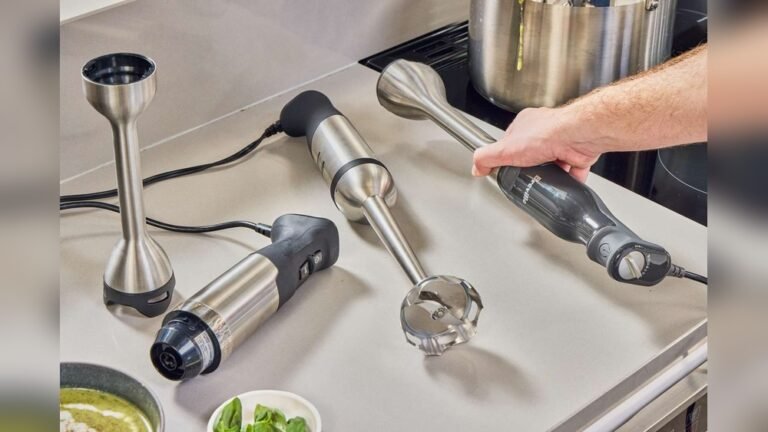
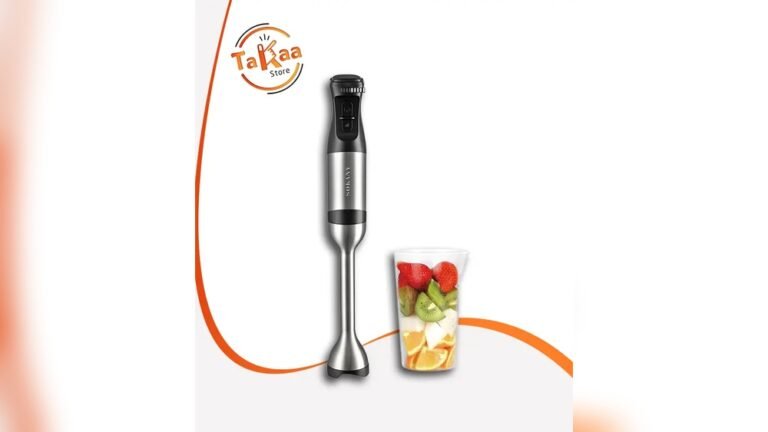
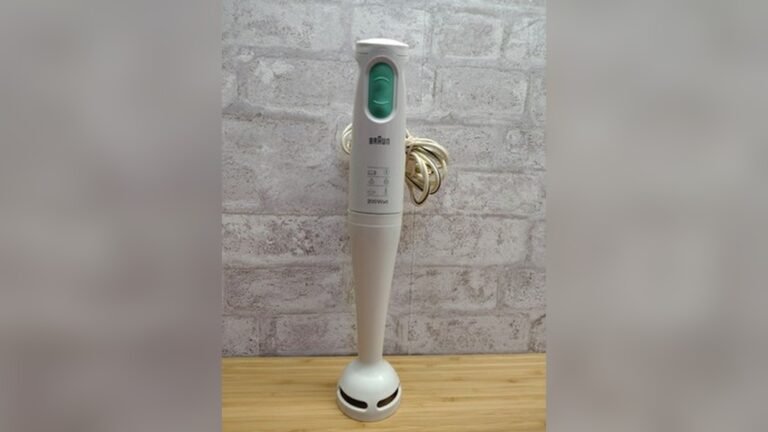
An immersion blender (also called a hand blender or stick blender) is a handheld device with a spinning blade at the end. You hold it in your hand and put the blade directly into your food, often in a pot, bowl, or cup. This means you can blend hot soup right in the pot or puree a smoothie in your glass.
Immersion blenders are slim, often less than 16 inches long, and usually weigh between 1. 5 to 3 pounds. Most plug into a wall, but some are cordless. They’re easy to store in a drawer or hang on a hook.
What Is A Blender?
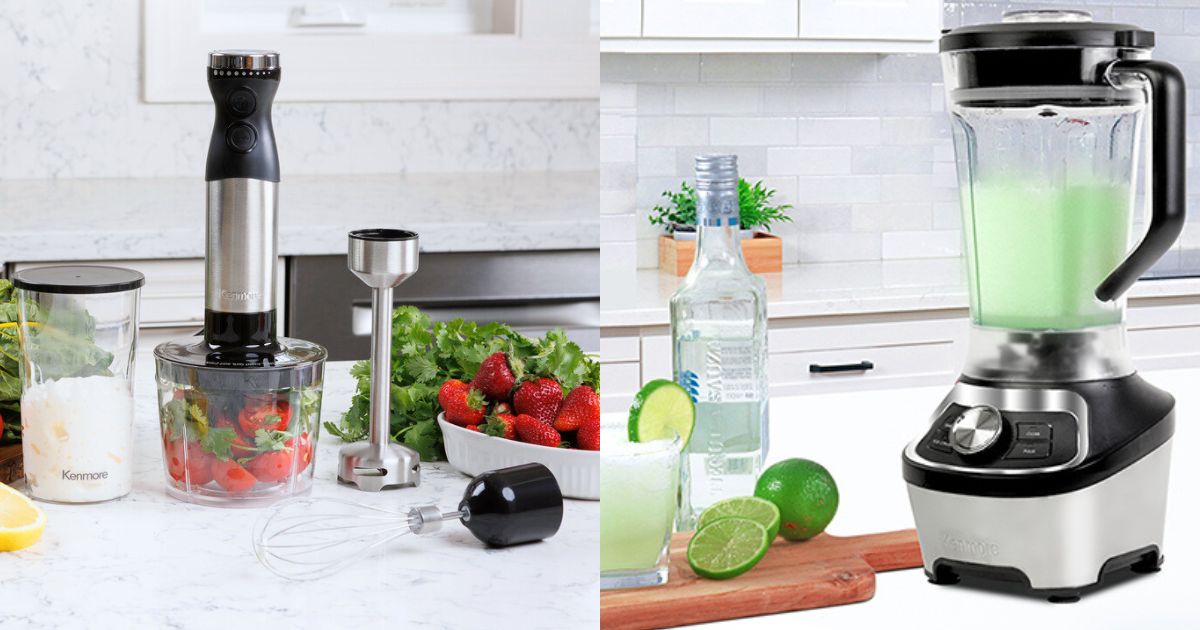
A blender, sometimes called a countertop or jug blender, is a kitchen appliance that stands on your counter. It has a base with a motor and a jug (or pitcher) with blades at the bottom. You put your ingredients into the jug, place the lid on top, and press a button. The motor spins the blades, blending everything inside.
Blenders are larger and heavier, usually weighing 5 to 10 pounds or more. They need more space for storage and use. High-powered blenders, like those from Vitamix or Blendtec, can even make hot soups by spinning so fast they heat ingredients.
Core Differences At A Glance
To see the main differences quickly, here’s a side-by-side comparison:
| Feature | Immersion Blender | Blender |
|---|---|---|
| Size & Storage | Compact, handheld | Large, countertop |
| Blending Capacity | Small batches | Large batches |
| Power | Lower (100–300W) | Higher (300–1500W+) |
| Ease of Cleaning | Simple, fewer parts | More parts, jug cleaning |
| Versatility | Soups, sauces, small blends | Smoothies, ice, nut butters |
When Immersion Blenders Shine
Immersion blenders are very popular because of their simplicity and flexibility. Here’s where they truly shine:
- Blending Hot Liquids: With an immersion blender, you can blend hot soup right in the pot. There’s no need to pour boiling liquid into another container, which can be dangerous and messy.
- Quick Tasks: If you want to whip cream, mix a protein shake, or puree baby food, an immersion blender does the job fast. You don’t need to set up a big machine.
- Easy Cleaning: Most immersion blender blades detach. Rinse under running water, and you’re done. Some are even dishwasher-safe.
- Small Kitchens: If you have limited counter or cabinet space, an immersion blender fits easily in a drawer.
- Control: Because you move the blender, you can blend a little or a lot, reach the corners of a pot, and avoid over-processing.
Real-life Example
Imagine you’re making tomato soup. With an immersion blender, you just cook your soup, unplug the pot, and blend directly inside. There’s no risk of spilling hot liquid, and you only have to clean one tool.
When Countertop Blenders Are Better
Blenders are powerful. They’re built for tough jobs and larger quantities. Here’s where a traditional blender is the better choice:
- Crushing Ice and Frozen Ingredients: Most immersion blenders can’t handle ice. Countertop blenders, especially high-powered ones, crush ice for smoothies and frozen drinks.
- Smoothies and Shakes: If you make smoothies for several people, a blender’s jug can hold 1–2 liters (about 4–8 cups). The result is very smooth, even with tough ingredients like kale or frozen fruit.
- Nut Butters and Dips: Thick mixtures like peanut butter or hummus need serious power and a closed container to blend evenly.
- Emulsifying Sauces: Mayonnaise, aioli, and salad dressings sometimes need the fast, even blending only a countertop blender provides.
- Consistency: For very silky textures, like creamy soups or purees, a blender’s strong motor and sharp blades give a smoother result.
Real-life Example
If you want to make a green smoothie with kale, frozen banana, and ice, a good countertop blender will break down tough fibers and frozen bits. You’ll get a drink with no chunks or rough texture.
Common Uses: Side By Side
It helps to see which tool is best for different kitchen tasks.
| Task | Immersion Blender | Blender |
|---|---|---|
| Hot soups (in pot) | Excellent | Needs transfer, risk of spills |
| Cold smoothies | Okay (if no ice) | Excellent |
| Baby food | Excellent for small batches | Good for large batches |
| Whipping cream | Very good | Possible, but less efficient |
| Nut butters | Rarely works | Excellent (with strong motor) |
| Salad dressing | Excellent (in a cup) | Excellent (in jug) |
| Chopping ice | Not recommended | Yes, if powerful |
| Pureeing beans/legumes | Good for soups, dips | Very good for large amounts |
Power And Performance
Immersion Blender Power
Most immersion blenders have motors ranging from 100 to 300 watts. This is enough for soups, light batters, or soft fruits. Some premium models go up to 600 watts, but even then, the blade size and shape limit their strength. They’re not made for crushing hard items.
Blender Power
Countertop blenders vary widely. Simple models start at 300–500 watts, while high-performance units (like Vitamix or Ninja) go up to 1500 watts or more. More power means better ability to crush ice, blend nuts, and puree tough vegetables.
Real Impact
A beginner might think wattage tells the whole story, but blade design, jug shape, and motor quality all affect blending. Some 600-watt blenders perform better than 1000-watt machines because of better engineering.
Cleaning And Maintenance
Immersion Blender
Cleaning is quick. Most come with detachable blades. Rinse the end under water or place it in the dishwasher. There’s no big jug, no lid, and no seals to scrub. But, if you blend in shallow bowls, splattering can happen.
Blender
Cleaning takes more work. You need to wash the jug, lid, and sometimes the blade assembly. Some blenders let you add soapy water and run a cleaning cycle. Thick mixtures (like nut butter) may stick to the walls. Some parts are dishwasher safe, but not all.
Practical Tip
If you use a blender, clean it right away. Dried-on food is much harder to remove, especially under the blades.
Credit: www.koolatron.com
Storage And Kitchen Space
Immersion blenders are easy to store. They fit in a drawer or hang from a hook. Some come with wall mounts.
Blenders take more space. You need room on your counter or in a deep cabinet. The jug and base are bulky, and the cord must be stored too.
This matters in a small apartment or if you have many other appliances.
Price And Value
Prices vary widely, but here’s a general guide:
- Immersion blenders: $20 to $150. Entry-level models work for basic tasks. Premium ones offer more power and attachments.
- Blenders: $30 for basic units, $100–$200 for mid-range, and $400+ for professional models.
A $50 immersion blender can last years with light use. High-end blenders are an investment, but they handle tough jobs and last a long time.
Versatility: Attachments And Accessories
Many immersion blenders come with attachments: whisks, mini food processors, and choppers. This makes them useful for more than just blending. You can whip cream, chop herbs, or mix batter.
Blenders rarely come with attachments, but some high-end brands offer personal blender cups, dry containers, or special blades.
Non-obvious Insight
If you want a tool that can chop nuts, whisk eggs, and puree soup without buying three devices, a good immersion blender set is very handy. But, these attachments are often smaller and less powerful than a dedicated tool.
Texture And Finish: How Smooth Is Smooth?
Immersion blenders make food smooth, but some textures (like potato puree) may be a little chunky. For silky-smooth sauces or nut butters, a countertop blender is better. This is because the jug creates a vortex, pulling food into the blades over and over.
If you love creamy bisques, silky smoothies, or velvety hummus, a blender will do a better job.
Practical Example
A chef making fine-dining soup will use a countertop blender for a perfect, smooth finish. A home cook making rustic vegetable soup may prefer an immersion blender for speed and easier cleanup, even if the result is less smooth.

Credit: www.nytimes.com
Noise Level
Both types make noise, but blenders are usually louder. High-powered models can be very noisy, like a vacuum cleaner. Immersion blenders are quieter, but can still be loud in metal pots.
If you have noise-sensitive family or neighbors, this can be a factor.
Safety
Immersion blenders feel safer because you control them by hand, but the blade is still exposed. Always unplug before cleaning. Blenders have sealed containers, so there’s less risk of touching the blade during blending.
However, pouring hot liquids into a blender can be risky. Steam can build up and blow the lid off. Always follow safety instructions and blend in small batches, removing the center lid plug to let steam escape.
Durability And Repair
Immersion blenders have fewer moving parts, so less can go wrong. But, if the motor fails, repair is rare. Most people just replace the unit.
Countertop blenders have more complex motors and parts. High-end brands offer repair or replacement parts. A good blender can last 5–10 years or more with care.
Environmental Impact
Buying fewer, better-quality appliances is more eco-friendly. If you only need simple blending tasks, an immersion blender uses less energy and materials. But if you need to blend tough foods, buying several cheap immersion blenders (because they keep breaking) creates more waste than investing in a good blender once.
Which Is Healthier?
Both appliances help you eat healthier by making it easy to cook from scratch. Smoothies, soups, and sauces are all possible with either tool. A blender’s power makes green smoothies and nut milks easier, but an immersion blender is perfect for quick, fresh salsas or purees without preservatives.
Tip: If you want to eat more fruits and vegetables, either tool will help, but a blender makes it easier to hide tough greens or seeds in smoothies.
Common Mistakes When Choosing
- Ignoring Your Main Use: If you mostly make soup, you don’t need a high-powered blender. If you want daily smoothies with ice, don’t buy a weak immersion blender.
- Buying on Price Alone: Cheap appliances break easily. It’s better to spend a little more for quality, especially if you’ll use it often.
- Not Checking Size: Some immersion blenders are too short for deep pots. Some blenders are too tall for your cabinets.
- Forgetting About Cleaning: Fancy blenders with many parts can be hard to clean. Think about how much time you want to spend cleaning up.
- Overestimating Attachments: Many people buy a set with lots of extras, but only use the main blade. Make sure you’ll really use all the features.
How To Choose For Your Kitchen
Ask Yourself These Questions
- What foods do I make most often? If you love soup, an immersion blender may be best. If you love smoothies, a blender is better.
- Do I have space for a large appliance? If not, an immersion blender wins.
- Do I need to blend hot liquids? Immersion blenders are safer and easier.
- Do I want the smoothest texture possible? Get a countertop blender.
- Will I blend ice or nuts? Only a strong blender will work well.
Smart Steps
- List your top 3 blending jobs (e.g., soup, smoothies, sauces).
- Check kitchen space (drawers, counter, cabinets).
- Decide your budget (remember: Quality matters).
- Read reviews and watch videos to see the tools in action.
- Try before you buy if possible (some stores offer demos).
Real User Stories
Sarah: Soup Lover
Sarah lives in a small apartment and loves making fresh soups. She bought a $40 immersion blender. “It’s perfect for blending soup right in the pot,” she says. “Cleanup takes seconds. I don’t miss my old blender at all. ”
Mike: Smoothie Fan
Mike makes a family-sized smoothie every morning. He tried an immersion blender but found bits of kale and ice left unblended. He switched to a $100 blender and never looked back. “I get the creamy texture I want, and everyone gets a glass.
”
Priya: Versatile Cook
Priya makes everything from dips to cakes. She uses both tools: an immersion blender for soups and sauces, and a blender for smoothies and nut butters. “They both have a place in my kitchen,” she says.
Non-obvious lesson: Many cooks use both tools for different jobs. If you cook a lot, owning both isn’t wasteful—it’s practical.
Popular Models And Their Strengths
Immersion Blenders
- Braun MultiQuick 5: Reliable, strong motor, good for soups and sauces.
- KitchenAid 2-Speed: Simple, sturdy, and affordable.
- Cuisinart Smart Stick: Dishwasher-safe parts, good attachments.
Blenders
- Vitamix 5200: Powerful, long-lasting, makes ultra-smooth blends.
- Ninja Professional: Good value, strong for ice and smoothies.
- Oster Pro 1200: Affordable, strong motor, glass jar.
Tip: Pay attention to warranty length and customer service. A good warranty means the company stands behind their product.
The Science: How Blending Works
Both appliances use spinning blades to break down food. The main difference is vortex vs. immersion:
- Blender jugs are designed to pull food into the blades repeatedly, making for smoother blends.
- Immersion blenders only blend where the blade touches. Moving it around covers more area, but it’s easier to leave chunks.
Fun Fact
Some chefs use immersion blenders for foams and fancy sauces. The precise control makes it possible to add air for texture.
New Trends In Blending
Technology has improved both types:
- Cordless immersion blenders are now available. They’re convenient but have less power than plug-in models.
- Personal blenders (single-serve) are popular for quick smoothies. They don’t replace full-size blenders but are handy for one person.
- Smart blenders with pre-set programs, Bluetooth, and self-cleaning are becoming common.
But at the core, the choice is still about your needs, space, and cooking style.
Blending On A Budget
If you’re on a tight budget, start with an immersion blender. You can do most blending jobs, even if the texture isn’t always perfect. Over time, if you want smoother results or larger batches, upgrade to a good blender.
Don’t buy the cheapest option. Look for trusted brands, and read reviews from real users. Sometimes, used or refurbished appliances are a smart way to save money.
Professional And Home Uses
Restaurants use both types. Immersion blenders are handy for blending soup in huge pots. Blenders are used for sauces, purees, and drinks. For home cooks, most daily jobs can be done with one tool or the other, but knowing what each does best will save time and effort.
How To Clean Both Tools Safely
Immersion Blender
- Unplug before cleaning.
- Detach the blade (if possible).
- Rinse under running water.
- For sticky foods, soak the blade end.
- Dry before storing.
Blender
- Add warm water and a drop of soap to the jug.
- Run the blender for 30 seconds.
- Rinse well.
- Remove and clean the lid and blade area.
- Dry before reassembling.
Some blenders have dishwasher-safe jugs, but always check the manual.
Energy Use
Immersion blenders use less electricity for short jobs. For heavy or long blending, a countertop blender’s power is more efficient. If you blend small amounts often, you’ll save energy (and money) with an immersion blender.
Safety Tips
- Never touch blades while plugged in or running.
- Don’t blend boiling hot liquids in a closed blender (danger of explosion).
- Hold blenders steady; keep hands away from moving parts.
- Store blades safely, out of children’s reach.
Environmental Factors
If you want to reduce plastic waste, some blenders offer glass jugs. Immersion blenders have less plastic overall. Choose appliances with replaceable parts and long warranties for less waste.
Making The Final Choice
There’s no single answer to whether an immersion blender is better than a blender. Each tool has its best uses. Many kitchens have both, but if you must choose, think carefully about your main tasks, space, and budget.
If you’re still unsure, visit a store to try both types in your hand. The feel and comfort can make a big difference in everyday use.
For more detailed research, check out this Wirecutter guide to see trusted reviews and tests.
Both tools make cooking easier, healthier, and more fun. The right tool will help you cook with confidence for years to come.

Credit: www.tasteofhome.com
Frequently Asked Questions
Is An Immersion Blender Safe For Hot Liquids?
Yes, immersion blenders are safe for blending hot liquids directly in the pot. Always remove the pot from heat first, and keep the blade fully immersed to avoid splashing. Be careful of steam burns, and unplug before cleaning.
Can An Immersion Blender Replace A Regular Blender?
For many tasks—like soups, sauces, and small batches—an immersion blender can replace a blender. But for smoothies with ice, nut butters, or large quantities, a countertop blender is better. Many cooks use both for different jobs.
Why Does My Immersion Blender Leave Food Chunky?
This happens because the blade only blends what it touches. Move the blender around to cover all the food. For extra-smooth results, blend in small batches, or finish in a countertop blender if needed.
Are Immersion Blenders Hard To Clean?
No, most immersion blenders are easy to clean. Detach the blending arm, rinse under water, and dry. Some parts are dishwasher-safe. Always unplug before cleaning to avoid accidents.
How Long Do Blenders And Immersion Blenders Last?
A good immersion blender can last 3–7 years with regular use. Countertop blenders, especially high-quality ones, may last 5–10 years or longer. Durability depends on how often you use them and the quality of the model.
Blenders and immersion blenders both have their place in a modern kitchen. Understanding the strengths and limits of each will help you cook smarter, save time, and enjoy tastier food. Choose the tool that fits your life, and your cooking will become easier every day.