What Does An Immersion Blender Do: Essential Uses Explained
Many people see an immersion blender and wonder what makes it so special compared to regular blenders. The truth is, this simple kitchen tool brings a surprising amount of power, speed, and versatility into your cooking routine. If you’re looking for a gadget that blends, purees, chops, and even whips, all without needing extra bowls or complicated setups, the immersion blender is worth knowing about.
This article explains exactly what an immersion blender does, how it works, and why it stands out from other blending tools. Whether you’re a beginner cook or someone curious about improving your kitchen skills, you’ll discover practical uses, real examples, smart buying tips, and things most beginners overlook. By the end, you’ll understand how this tool can save you time and help you make smoother soups, creamy sauces, and much more.
What Is An Immersion Blender?
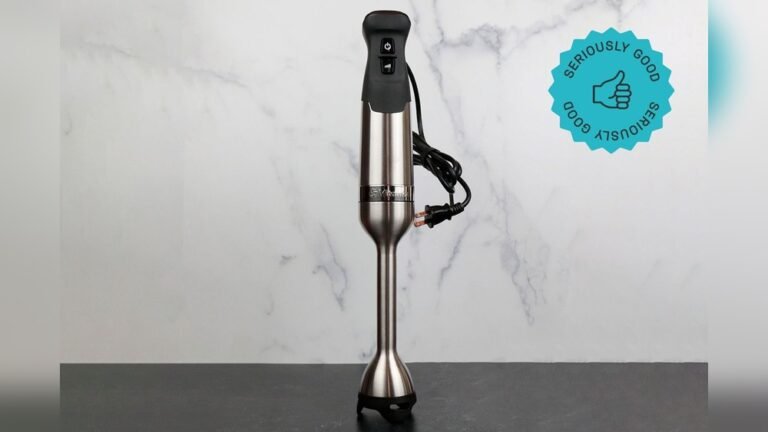
An immersion blender, sometimes called a stick blender or hand blender, is a small, handheld device used to blend, puree, and mix foods directly in the container where they’re being prepared. Unlike traditional countertop blenders, immersion blenders don’t require you to pour ingredients into a separate pitcher.
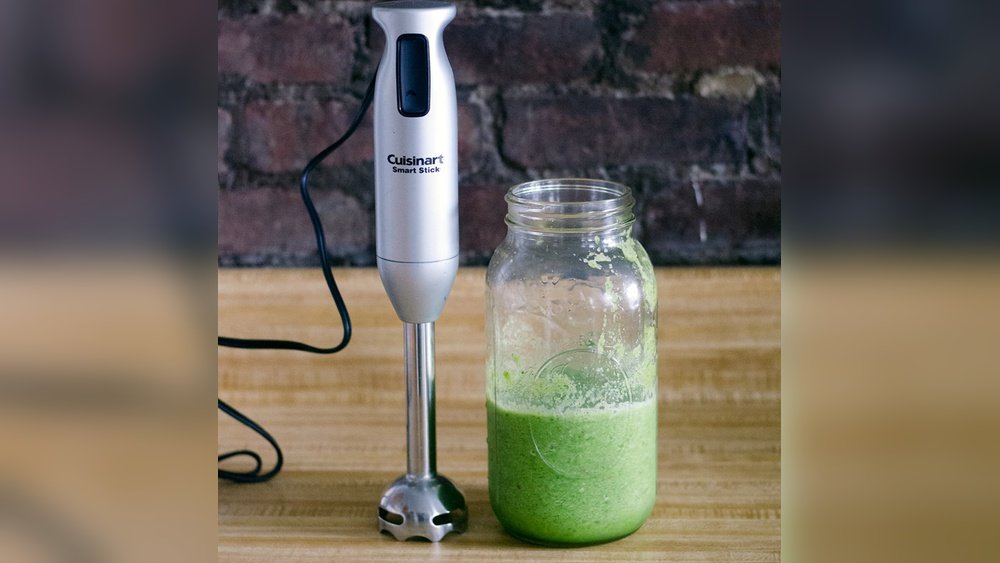
The main parts of an immersion blender include:
- Motor handle: The top part you hold, which contains the motor and controls.
- Blending shaft: The long metal or plastic tube connecting the motor to the blades.
- Blade end: The bottom, with sharp blades protected by a guard.
Most immersion blenders plug into a wall socket, but some are cordless for easier movement. The shaft can usually be detached for cleaning, making it simple to rinse and store.
How Does An Immersion Blender Work?
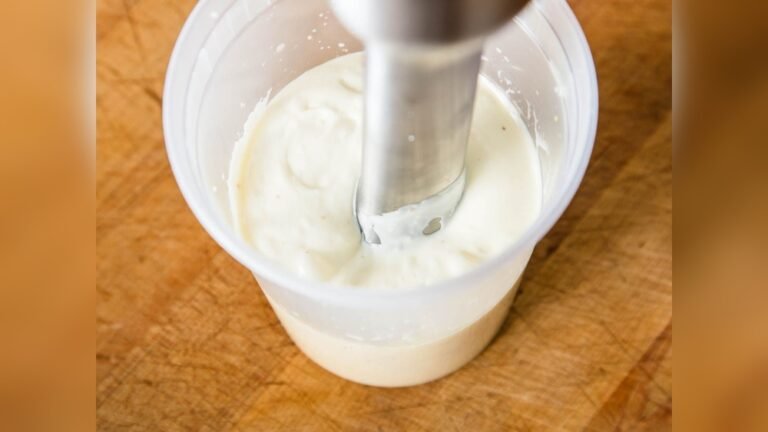
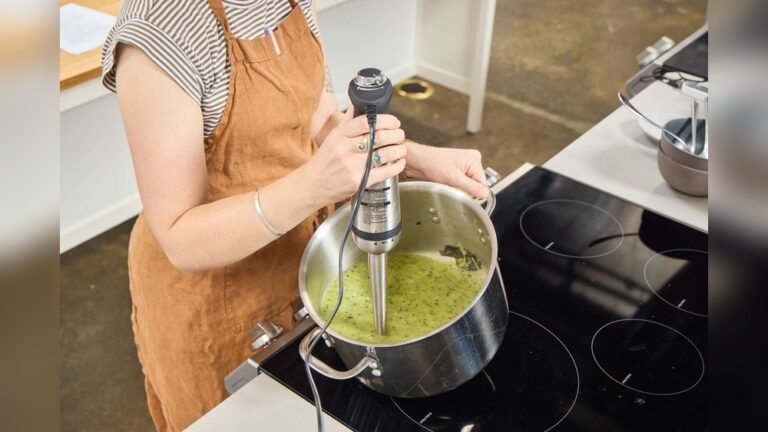
The immersion blender works by spinning its small blades at high speed. You lower the blade end directly into the food or liquid you want to blend—usually inside a pot, bowl, or tall cup. When you press the power button, the blades quickly chop, mix, or puree whatever’s around them.
Because you control the blender by hand, you can move it up and down or side to side, blending food evenly. This direct approach means less mess and faster results, especially for hot liquids or large batches.
Key Mechanisms
- Direct immersion: The blade sits inside the food, so you don’t need to transfer ingredients.
- Variable speeds: Most models let you adjust speed for different textures—from chunky to smooth.
- Quick pulse: Some blenders have a pulse function for short bursts, ideal for chopping.
Common Uses For An Immersion Blender
Immersion blenders are known for their flexibility. Here are the most frequent ways people use them:
- Pureeing soups: You can make creamy soups (like tomato or potato) right in the pot, even while hot.
- Making smoothies: Blend fruits, vegetables, and yogurt in a tall cup for a quick drink.
- Creating sauces: Mix ingredients for pesto, salsa, or hollandaise without extra mess.
- Whipping cream: Use the blender to quickly whip cream or egg whites for desserts.
- Baby food: Puree cooked vegetables or fruits for homemade baby meals.
- Emulsifying dressings: Blend oil and vinegar for smooth, stable salad dressings.
- Chopping nuts and herbs: Some models have attachments to chop dry ingredients.
Less Obvious Uses
- Blending hot liquids safely: Traditional blenders can splatter hot soup, but immersion blenders let you work directly in the pot.
- Mixing pancake or waffle batter: Avoid lumps by blending flour and liquids smoothly.
Immersion Blender Vs. Regular Blender
Many people wonder whether an immersion blender can replace a regular blender. Let’s compare the two:
| Feature | Immersion Blender | Regular Blender |
|---|---|---|
| Portability | Handheld, easy to move | Large, fixed base |
| Cleaning | Quick, fewer parts | More parts, harder to clean |
| Hot liquids | Blends safely in pot | Can cause splashes |
| Batch size | Good for small/medium batches | Best for large batches |
| Texture control | Easy to adjust while blending | Requires stopping and checking |
| Attachments | Can include whisk, chopper | Usually only pitcher and lid |
Immersion blenders are best for tasks where you want quick blending, easy cleaning, and flexibility. Regular blenders are better for crushing ice, making large batches, or handling tougher ingredients.
Types Of Immersion Blenders
There are several kinds of immersion blenders, each with their own features and price points.
Basic Models
- Single-speed: Simple on/off switch, good for basic pureeing.
- Fixed blade: Blending shaft and blade are not removable.
Advanced Models
- Variable speed: Multiple settings for different textures.
- Detachable shaft: Easier to clean and store.
- Cordless: Rechargeable battery, more freedom of movement.
Models With Attachments
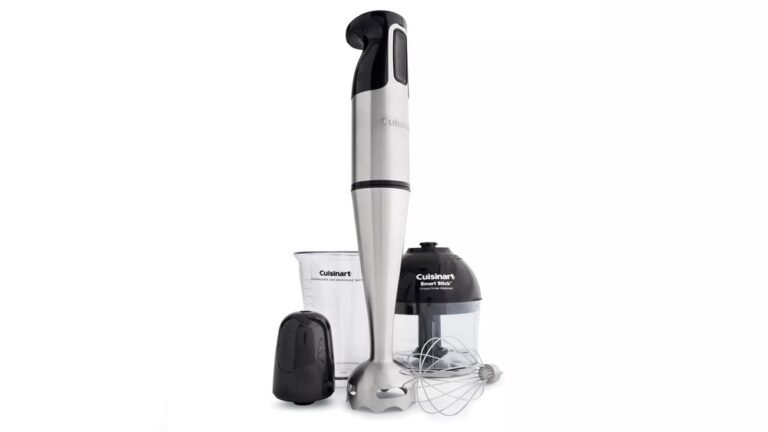
Some immersion blenders come with extra tools:
- Whisk attachment: For whipping cream or eggs.
- Chopper bowl: For chopping nuts, herbs, or vegetables.
- Beaker: Tall cup for blending smoothies or dressings.
Price Range
Immersion blenders can cost from $20 for basic models up to $150+ for high-end brands. More expensive models usually have stronger motors, more speed options, and extra attachments.
How To Use An Immersion Blender Safely
Using an immersion blender is simple, but there are some key safety tips to remember:
- Keep the blade submerged: Always make sure the blade is under the surface before turning it on. This prevents splashes.
- Turn off before removing: Never lift the blender out of the food while it’s running.
- Hold firmly: The motor can be strong; keep a steady grip.
- Avoid metal pots: Some blenders can scratch non-stick or metal surfaces. Use in stainless steel or heat-resistant plastic.
- Unplug before cleaning: Always disconnect power before washing or detaching parts.
Cleaning Tips
- Detach the shaft and rinse under warm water.
- Use a brush to clean around blades if needed.
- Some models are dishwasher safe—check your manual.
Real-life Examples: What Can An Immersion Blender Make?
Let’s look at some real dishes and drinks you can make with an immersion blender:
Creamy Tomato Soup
Cook chopped tomatoes, onion, garlic, and stock in a pot. When soft, use the immersion blender to puree until smooth. Add cream and blend again.
Fruit Smoothie
Add banana, berries, milk, and yogurt to a tall cup. Blend until creamy. The stick blender makes it easy to adjust thickness.
Whipped Cream
Pour cold cream into a bowl. Use the whisk attachment to whip until stiff peaks form—usually in under a minute.
Salsa
Combine tomatoes, onion, jalapeño, lime juice, and cilantro in a bowl. Blend lightly for chunky salsa or longer for smooth salsa.
Baby Food Puree
Steam carrots or peas, then blend with a little water for a smooth texture. Portion into containers for easy storage.
Immersion Blender Attachments And Accessories
Many immersion blenders include attachments that expand their usefulness:
- Whisk: Makes whipping eggs or cream faster.
- Chopper: Lets you chop onions, nuts, or garlic in seconds.
- Beaker: Tall, narrow cup for smoothies or dressings.
Some brands offer additional accessories like potato mashers or milk frothers. While these extras are helpful, the core blending shaft is still the main tool.
Which Attachments Are Most Useful?
For most people, the whisk and chopper attachments are most valuable. The whisk saves time when making desserts, while the chopper helps with meal prep. Beakers are handy for single drinks or small batches.
Immersion Blender: Advantages And Disadvantages
Every kitchen tool has strengths and weaknesses. Here’s a breakdown:
| Advantages | Disadvantages |
|---|---|
| Quick blending | Can’t crush ice |
| Easy cleaning | Less powerful than countertop blenders |
| Works in any container | Blade is small—may struggle with tough foods |
| Portable and lightweight | Not ideal for large batches |
| Safe for hot liquids | Must keep blade submerged |
| Multiple attachments possible | Some models can scratch pots |
Buying Guide: Choosing The Right Immersion Blender
If you’re thinking about buying an immersion blender, there are some important factors to consider:
- Motor strength: Measured in watts. More watts = more power. For soups and smoothies, 200–300 watts is usually enough.
- Speed settings: More speeds offer better texture control.
- Attachments: Decide if you need a whisk or chopper.
- Shaft material: Stainless steel shafts are stronger and resist stains; plastic shafts are lighter but less durable.
- Ease of cleaning: Detachable shafts make cleaning easier.
- Cord vs. cordless: Cordless models are convenient but may have shorter battery life.
Common Buying Mistakes
- Choosing a model with too few speeds: Limits texture control.
- Ignoring shaft length: Short shafts don’t reach deep pots.
- Overlooking cleaning: Fixed shafts are harder to wash.
- Paying for unnecessary attachments: Only buy extras you’ll use.
Popular Brands
Well-known brands include Braun, KitchenAid, and Cuisinart. Each has models with different features and price levels.
Practical Tips For Getting The Best Results
To get the most from your immersion blender, try these tips:
- Use a deep container: Blending in a tall, narrow cup reduces splashes.
- Move the blender slowly: Up and down motion ensures even blending.
- Blend in batches: If you have a lot of food, work in smaller amounts.
- Let hot liquids cool slightly: Blending boiling liquids can cause burns.
Non-obvious Insights
- Air pockets: If you hear a loud noise or see splashing, you may have trapped air. Move the blender to release it.
- Blade guard shape: Some models have a wider guard, which helps prevent scratching pots and improves blending of thick foods.
Cleaning And Maintenance
Keeping your immersion blender clean helps it last longer and prevents cross-contamination. Here’s how to do it efficiently:
- Unplug and detach the shaft.
- Rinse the shaft and blade under running water immediately after use.
- For sticky foods, soak the shaft in warm soapy water for a few minutes.
- Use a small brush to clean around the blade guard.
- Dry fully before reassembling.
- Occasionally check for wear on the blades or motor.
Dishwasher Safety
Some blending shafts are dishwasher safe, but always check your user manual. Never put the motor part in water.

Credit: www.consumerreports.org
Immersion Blender For Different Cuisines
Immersion blenders are used in kitchens worldwide. Here’s how they fit into different cuisines:
- Italian: Blend tomato sauce, pesto, or soups.
- French: Puree vegetable soups (potage), or make mayonnaise.
- Mexican: Blend salsa, guacamole, or smooth out mole.
- Indian: Puree lentils for dal, or mix spice pastes.
- American: Make smoothies, pancake batter, or creamy soups.
This global reach shows how immersion blenders adapt to many cooking styles.
Immersion Blender For Healthier Cooking
If you’re focused on health, an immersion blender is a useful tool. It lets you control ingredients, avoid preservatives, and make foods like:
- Fresh vegetable purees
- Low-fat smoothies
- Homemade nut butters
- Sugar-free sauces
This control is especially helpful for people with allergies or dietary needs.
:max_bytes(150000):strip_icc()/sea-primary-immersion-blenders-sep-24-rkilgore-0658-89167e1e4bd44afb93d9c847674b09e4.jpeg)
Credit: www.seriouseats.com
Immersion Blender Vs. Food Processor
Some people confuse immersion blenders with food processors. Here’s a comparison:
| Feature | Immersion Blender | Food Processor |
|---|---|---|
| Blending | Excellent for liquids | Good for dry and wet ingredients |
| Chopping | Basic, with attachments | Powerful, handles big jobs |
| Pureeing | Very smooth | Can be chunky or smooth |
| Cleaning | Quick, few parts | More parts, more cleaning |
| Size | Small, handheld | Large, needs counter space |
Food processors are best for chopping, slicing, and shredding. Immersion blenders excel at blending and pureeing.
Immersion Blender For Busy Lifestyles
If you’re short on time, an immersion blender can speed up meal prep:
- Fewer dishes: You blend in the cooking container.
- Quick cleanup: No need to wash big pitchers or bowls.
- Faster recipes: Smooth soups or batters in under a minute.
Many busy families use immersion blenders for weekday dinners, snacks, and quick desserts.
Immersion Blender For Beginners
If you’re new to cooking, the immersion blender is easy to use:
- Lightweight and simple controls
- No need for advanced skills
- Mistakes are easy to fix—just blend longer for smoother results
- Affordable models available
Beginners often skip using an immersion blender because they don’t realize how much it simplifies everyday cooking.
Immersion Blender In Professional Kitchens
Professional chefs use immersion blenders for tasks like:
- Pureeing large pots of soup
- Creating smooth sauces
- Whipping cream or eggs quickly
- Emulsifying dressings
In restaurants, immersion blenders save time and reduce the need for multiple appliances.
Energy Efficiency And Environmental Impact
Immersion blenders use less energy than large countertop blenders. A typical model uses about 200–300 watts, compared to 600–1200 watts for regular blenders. This means lower electricity costs and less environmental impact.
Material Choices
Some brands use recyclable plastics or stainless steel, which are more eco-friendly. Look for models with long-lasting parts to reduce waste.
Troubleshooting Common Issues
Immersion blenders are reliable, but sometimes problems occur:
- Blender won’t turn on: Check the power connection and safety lock.
- Blade stuck: Food may be jammed—turn off and clear the blockage.
- Overheating: Don’t run the blender for more than a minute at a time; let it cool.
- Unusual noise: Air pockets or hard ingredients can cause this—move the blender or reduce batch size.
Immersion Blender Recipes To Try
Here are a few simple recipes to start with:
Classic Potato Soup
- 3 cups diced potatoes
- 1 cup diced onion
- 2 cups chicken or vegetable broth
- 1 cup milk
- Salt, pepper to taste
Cook potatoes and onion in broth until soft. Blend in the pot, then stir in milk.
Green Smoothie
- 1 banana
- 1 cup spinach
- 1/2 cup Greek yogurt
- 1 cup water
Blend until smooth. Add honey for sweetness if desired.
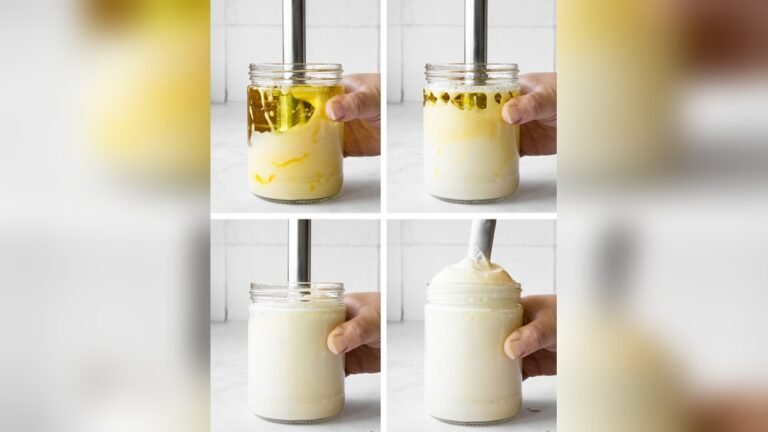
Quick Mayo
- 1 egg
- 1 cup oil
- 1 tbsp lemon juice
- Salt
Blend ingredients in a tall cup for 30 seconds.
Immersion Blender Care And Storage
To keep your immersion blender in good shape:
- Store with the blade covered, away from children.
- Avoid wrapping the cord tightly—this can damage it.
- Check attachments for cracks or wear.
If you use your blender often, it’s worth investing in a model with a sturdy shaft and strong motor.
Immersion Blender In Modern Kitchens
Today, immersion blenders are more advanced than ever. Some models have digital controls, quieter motors, and smart safety features. They fit well in modern kitchens where space and speed matter.
Smart Features
- Automatic speed adjustment
- LED indicators
- Safety locks
These upgrades make immersion blenders even easier for home cooks.
Immersion Blender: Frequently Asked Questions

Credit: www.wayfair.com
How Is An Immersion Blender Different From A Hand Mixer?
A hand mixer is mainly for whipping and mixing dough, not for blending or pureeing. The immersion blender has blades for chopping and blending, while the hand mixer uses beaters for mixing ingredients.
Can An Immersion Blender Crush Ice?
Most immersion blenders can’t crush ice well. Their blades are small and not strong enough for hard ingredients. For ice, use a countertop blender.
Is It Safe To Use An Immersion Blender In Hot Liquids?
Yes, immersion blenders are designed for hot liquids. Always make sure the blade is fully submerged and let liquids cool slightly to avoid splashing.
Can I Use An Immersion Blender For Baking?
You can use it to mix batters, puree ingredients, or whip cream. However, for heavy dough or thick batter, a hand mixer or stand mixer may work better.
What Is The Best Way To Clean An Immersion Blender?
Detach the blending shaft and rinse under warm water. For sticky foods, soak in soapy water. Some shafts are dishwasher safe, but never immerse the motor part.
If you want more technical details, visit Wikipedia.
Immersion blenders are simple tools, but they open up a world of easy cooking. Whether you’re blending soups, whipping cream, or making smoothies, this device can save time and reduce mess. With the right model and a few smart techniques, you’ll see why many cooks—both beginners and pros—choose an immersion blender for their kitchens.
The next time you’re cooking, consider how this flexible tool might help you get smoother, faster, and tastier results.