What To Use Instead Of Immersion Blender: Top Alternatives
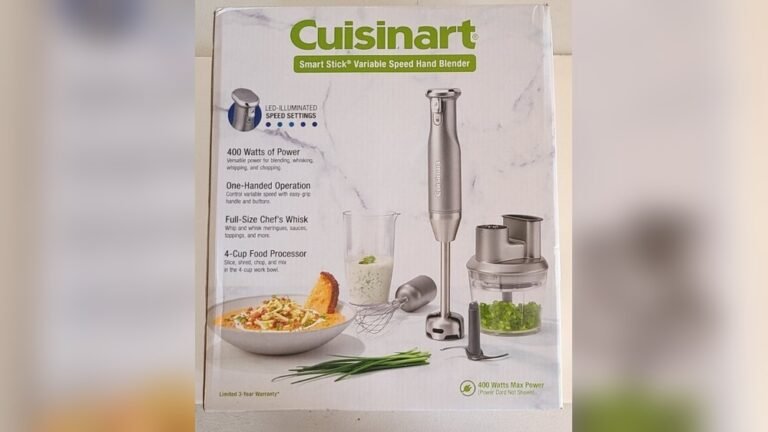
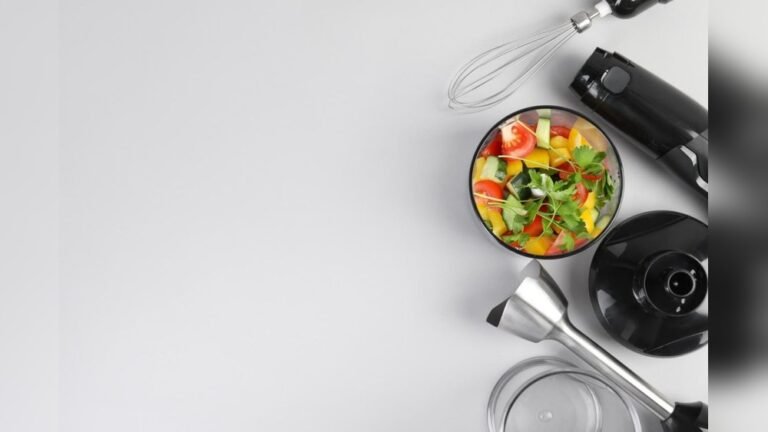
Many people love the immersion blender for its speed and convenience in the kitchen. It can puree soups right in the pot, whip up smoothies, or quickly blend sauces. But what if you don’t have one? Maybe yours broke, or you never bought one. Don’t worry—there are many other tools you can use to get great results. You might even find that some work better for your recipe or are easier to clean. This guide explores the best alternatives to an immersion blender, helping you choose the right tool for your needs and avoid common mistakes.
Why People Use Immersion Blenders
Immersion blenders, also called stick blenders or hand blenders, are popular for several reasons. They’re compact, easy to store, and can blend hot liquids directly in the pot. With a quick spin, you can create creamy soups, smooth sauces, or whipped cream without transferring food to another container. This saves time and reduces cleanup.
But not everyone owns an immersion blender. Some people don’t want extra gadgets, others have small kitchens, and sometimes the blender breaks at the worst moment. The good news is: you can still blend, puree, or mix using other tools. Some options are already in your kitchen right now.
What To Use Instead Of An Immersion Blender
Let’s look at the most effective alternatives, their best uses, and what to watch out for.
1. Countertop Blender
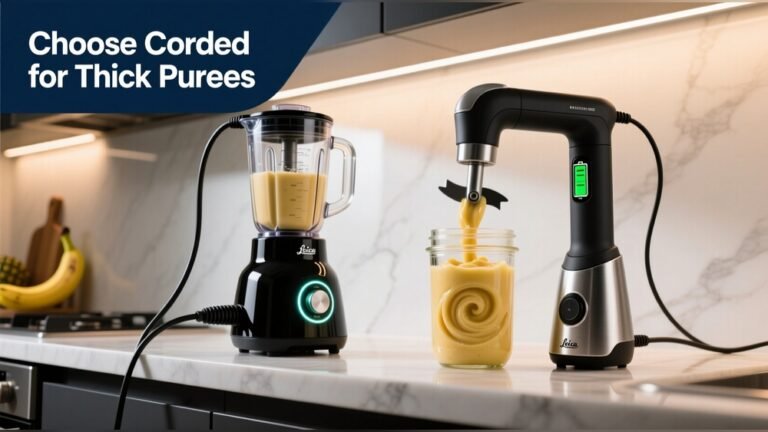
The countertop blender is a classic kitchen appliance. It’s powerful, fast, and can handle many tasks an immersion blender does.
When To Use
- Pureeing soups and sauces
- Making smoothies or milkshakes
- Blending batters or pancake mix
How To Use It
Let your soup or sauce cool slightly before pouring it into the blender jar. Fill only halfway—hot liquids expand and can cause splashes or even blow the lid off. Start blending on the lowest speed, then gradually increase. For best results, blend in batches for larger quantities.
Advantages
- Handles tough ingredients, like ice or nuts
- Makes very smooth purees
Disadvantages
- Cleaning can be harder
- Moving hot liquids is risky
Example
If you want to make a creamy tomato soup, ladle the cooked vegetables and liquid into your blender in batches. Blend until smooth, then return to the pot to reheat.
2. Food Processor
A food processor is another strong choice. It’s designed for chopping, slicing, grating, and pureeing.
When To Use
- Chunky salsas or dips
- Hummus or bean purees
- Nut butters
How To Use It
Add cooked or soft ingredients to the bowl. Use the “puree” or “pulse” setting for a few seconds at a time. Scrape down the sides as needed. Food processors work best with less liquid than blenders, so adjust your recipe if necessary.
Advantages
- Good for thick mixtures
- Handles big batches
Disadvantages
- Doesn’t work well for hot soups
- Can be bulky to clean and store
Example
If you want a chunky guacamole, a food processor gives you control over the texture. Pulse a few times for a rustic result.
3. Stand Mixer
The stand mixer is usually used for baking, but it can mix or whip many foods.
When To Use
- Whipping cream or egg whites
- Mixing batters or doughs
- Making mashed potatoes
How To Use It
Attach the whisk or paddle. Add your ingredients to the bowl. Start at a low speed to avoid splashing, then increase.
Advantages
- Great for airy mixtures
- Useful for large quantities
Disadvantages
- Can’t puree chunky soups or sauces
- Not suitable for blending liquids
Example
For fluffy mashed potatoes, cook your potatoes until soft, add butter and cream, and let the stand mixer whip them into a smooth, light texture.
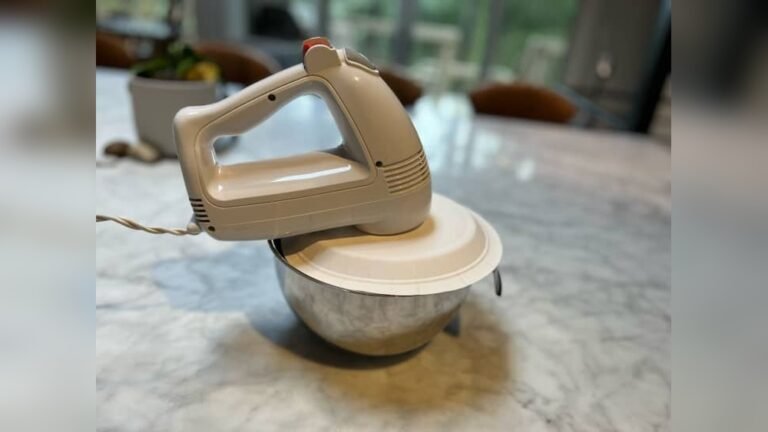
4. Hand Mixer
A hand mixer is smaller than a stand mixer but still powerful.
When To Use
- Mixing batters for cakes or pancakes
- Whipping cream or eggs
- Light blending tasks
How To Use It
Place the beaters in the bowl with your ingredients. Start on low speed. Move the mixer around the bowl for even mixing.
Advantages
- Easy to use and clean
- Good for small batches
Disadvantages
- Not for pureeing or heavy blending
- Struggles with chunky ingredients
Example
To make whipped cream, chill your bowl and cream first, then use the hand mixer at high speed until soft peaks form.
5. Potato Masher
A potato masher is a simple tool, but it works well for some foods.
When To Use
- Mashed potatoes or sweet potatoes
- Chunky guacamole
- Mashing beans for dips
How To Use It
Cook ingredients until soft. Place them in a bowl or pot. Press down with the masher repeatedly. Add liquid if the mixture is too thick.
Advantages
- No electricity needed
- Control over texture
Disadvantages
- Results are chunky, not smooth
- Takes more effort
Example
For rustic mashed potatoes, add butter and cream, then mash by hand. You’ll get a classic, homey texture.
6. Fork Or Whisk
Sometimes, basic tools like a fork or whisk are enough.
When To Use
- Beating eggs for omelets
- Mixing dressings or sauces
- Mashing small amounts of soft foods
How To Use It
Place ingredients in a bowl. Use fast, circular motions with the whisk or fork. For best results, use when ingredients are warm and soft.
Advantages
- Everyone has them
- Quick cleanup
Disadvantages
- Only for small amounts
- Not suitable for hard or tough foods
Example
To mix a vinaigrette, add oil, vinegar, mustard, and spices to a bowl. Whisk until the dressing comes together.
7. Mortar And Pestle
The mortar and pestle is one of the oldest kitchen tools. It’s great for crushing and grinding.
When To Use
- Making pesto or spice blends
- Grinding garlic, herbs, or ginger
- Crushing nuts
How To Use It
Add ingredients to the mortar. Use the pestle to crush and grind in a circular motion. Work in small batches for best results.
Advantages
- Brings out strong flavors
- Total control over texture
Disadvantages
- Labor intensive
- Not for large quantities
Example
If you want fresh pesto, grind basil, garlic, pine nuts, and cheese with olive oil until you reach your desired texture.
8. Sieve Or Food Mill
A sieve or food mill strains and purees foods by hand.
When To Use
- Tomato sauces or seedless fruit purees
- Baby food
- Smooth mashed potatoes
How To Use It
Place the sieve over a bowl. Add cooked ingredients and push through with a spoon or spatula. For a food mill, turn the handle to press food through the holes.
Advantages
- Removes seeds and skins
- Makes smooth purees
Disadvantages
- Takes longer than a blender
- Some food is lost in the process
Example
To make a smooth tomato sauce, cook tomatoes, then press through a sieve to remove skins and seeds.
9. Chopper Or Manual Food Processor
A manual chopper is a small, hand-powered device with spinning blades.
When To Use
- Chopping onions, peppers, or herbs
- Making salsa
- Small purees
How To Use It
Add ingredients to the container, close the lid, and pull the cord or press the button to spin the blades.
Advantages
- No electricity needed
- Safe for kids with supervision
Disadvantages
- Not suitable for liquids
- Small capacity
Example
For a quick salsa, add tomatoes, onions, peppers, and cilantro, then chop to your preferred size.
10. Rolling Pin And Plastic Bag
This method is less common, but it works for some recipes.
When To Use
- Crushing crackers or cookies for crusts
- Mashing cooked vegetables
- Breaking ice
How To Use It
Place food in a strong plastic bag. Seal well. Roll and press with the pin until crushed or mashed.
Advantages
- No special tools needed
- Good for dry or cooked foods
Disadvantages
- Not suitable for liquids or fine purees
- Can break the bag if too full
Example
To make a cookie crust, crush cookies in a bag, then mix with melted butter for your pie base.
How The Alternatives Compare
Choosing the right tool depends on your recipe, food texture, and how much you want to clean up. Here’s a quick look at how some of these tools compare for common tasks:
| Task | Best Alternative | Texture Result | Effort Level |
|---|---|---|---|
| Puree soup | Countertop blender | Very smooth | Medium |
| Mash potatoes | Potato masher / Stand mixer | Chunky or fluffy | Low |
| Make pesto | Mortar and pestle | Rustic, flavorful | High |
| Whip cream | Hand mixer / Whisk | Airy | Low to medium |
| Chop salsa | Manual chopper | Chunky | Low |
Key Factors When Choosing An Alternative
Before you pick a tool, consider these important points:
Safety With Hot Foods
Immersion blenders work directly in the pot, so you don’t have to move hot liquids. If you use a countertop blender, let foods cool slightly first. Never fill the blender jar more than halfway, and always hold the lid down with a towel to prevent burns.
Texture Control
Some tools, like the mortar and pestle or potato masher, give you a chunkier texture. This is perfect for rustic soups or salsas. If you need a silky-smooth puree, go for a blender or food mill.
Batch Size
Manual tools are best for small batches. If you’re cooking for a crowd, a countertop blender or food processor will save you time.
Cleanup
Some alternatives have many parts to wash. If you want a quick cleanup, stick to simple tools like a whisk, fork, or masher.
Power Source
Manual tools are great if you don’t want to use electricity, or for outdoor cooking. Electric appliances are faster but need a plug and sometimes make more noise.
Common Mistakes And How To Avoid Them
Switching to a new tool can lead to problems if you don’t know what to expect. Here are some common mistakes:
- Overfilling the Blender: Hot foods expand. Always blend in small batches, and vent the lid.
- Using Food Processor for Soups: Food processors can leak liquids. Only blend cool soups, or work in small amounts.
- Expecting Smooth Results with a Masher: Manual mashing leaves small chunks. For creamy purees, use a blender or food mill.
- Using a Whisk for Thick Foods: Whisks are best for liquids or soft foods. Don’t try to mash potatoes or beans with a whisk.
- Not Securing Plastic Bags: When crushing with a rolling pin, seal the bag tightly to avoid mess.
- Choosing Wrong Blade Attachment: If your stand mixer has several attachments, use the correct one. The whisk is for whipping, the paddle for mixing, and the dough hook for bread.
- Forgetting to Scrape Sides: With a food processor or blender, stop and scrape down the sides for even mixing.
- Burning Yourself: Always let hot foods cool slightly before transferring to any blender or processor.
Non-obvious Tips Beginners Miss
1. Add Liquids Gradually: If you’re using a manual tool, add liquid slowly. Too much at once makes mashing or pureeing hard.
2. Use a Ladle for Transferring: When moving hot foods to a blender or processor, use a ladle instead of pouring. It’s safer and easier to control.
3. Chill Your Bowl for Whipping: For whipped cream, a cold bowl and beaters make better, faster peaks.
4. Pre-Cut Large Pieces: Before blending or processing, cut foods into smaller chunks. This helps avoid jams and uneven textures.
5. Use a Damp Towel Under Bowls: When using manual tools, put a damp towel under the bowl to keep it from sliding.
6. Combine Tools: Sometimes, using two tools gives the best results. For example, use a masher first, then a whisk for extra smoothness.
Recipes You Can Make Without An Immersion Blender
You might wonder if you’ll have to give up favorite recipes. The answer is no! Here are some popular dishes, and the best tools to use:
Creamy Soups
- Use a countertop blender or food mill.
- Example: Butternut squash soup. Cook squash, onions, and broth until soft. Puree in blender, then return to pot.
Guacamole
- Use a potato masher or fork.
- Mash avocados, then mix in lime, onion, and cilantro.
Hummus
- Use a food processor.
- Blend chickpeas, tahini, lemon juice, and garlic until smooth.
Salsa
- Use a manual chopper or food processor.
- Chop tomatoes, onions, peppers, and cilantro.
Whipped Cream
- Use a hand mixer or whisk.
- Beat heavy cream with sugar until soft peaks form.
Pesto
- Use a mortar and pestle for rustic texture, or food processor for smooth.
Mashed Potatoes
- Use a potato masher, then a whisk for extra fluffiness.
When You Might Still Want An Immersion Blender
While the alternatives work, there are times an immersion blender is hard to beat:
- Blending soups directly in the pot
- Making smooth sauces fast
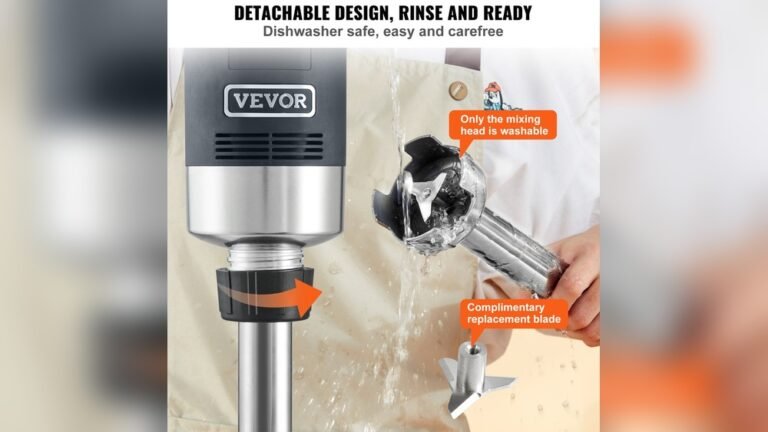
- Minimal cleanup with just a detachable blade
However, for most home cooks, the alternatives listed above cover nearly every kitchen need. You might even enjoy the different textures and flavors these methods create.

Credit: www.consumerreports.org
Data: Tool Ownership In Us Kitchens
To see how common these tools are, here’s a look at US kitchen ownership rates based on a recent survey.
| Tool | % of Homes (2026) |
|---|---|
| Countertop blender | 82% |
| Food processor | 59% |
| Stand mixer | 38% |
| Hand mixer | 66% |
| Potato masher | 45% |
| Mortar and pestle | 18% |
| Manual chopper | 27% |
| Sieve or food mill | 23% |
This shows most homes have at least one suitable tool already.
Cleaning Tips For Alternative Tools
Some people avoid using alternatives because of cleaning worries. Here’s how to clean them easily:
- Blender/Processor: Rinse immediately, then fill halfway with warm water and a drop of dish soap. Run the machine for 30 seconds, then rinse.
- Manual Tools: Wash by hand with hot, soapy water. A brush helps with potato mashers and whisks.
- Mortar and Pestle: Rinse and scrub with a stiff brush. Avoid soap for stone or wood types.
- Plastic Bags: Discard after use.
- Sieve/Food Mill: Soak in water immediately after use to loosen stuck food.
:max_bytes(150000):strip_icc()/sea-primary-immersion-blenders-sep-24-rkilgore-0658-89167e1e4bd44afb93d9c847674b09e4.jpeg)
Credit: www.seriouseats.com
When Not To Use An Alternative
Some recipes really need an immersion blender for safety or best texture. For example, very hot soups or very thin sauces may not work well in a food processor or manual chopper. If you make these often, you may eventually want to buy a replacement.
Environmental Impact
Manual tools, like mashers and whisks, use no electricity and last for decades. Replacing a broken immersion blender with a manual tool can reduce waste and save energy. Electric tools use more power and may wear out faster.
Credit: www.reddit.com
How To Decide What’s Best For You
Here are smart questions to ask yourself before picking an alternative:
- What recipe am I making?
- How smooth or chunky do I want the result?
- Do I have enough time for manual work?
- How much food am I preparing?
- Do I want less cleanup or more speed?
Your answers will guide you to the right tool.
Table: Which Tool For Which Food?
Here’s a summary to help you choose quickly.
| Food/Recipe | Best Tool | Texture |
|---|---|---|
| Soup (hot) | Countertop blender | Silky smooth |
| Mashed potatoes | Potato masher, stand mixer | Chunky to fluffy |
| Pesto | Mortar and pestle, food processor | Rustic or smooth |
| Salsa | Manual chopper, food processor | Chunky |
| Whipped cream | Hand mixer, whisk | Airy |
| Guacamole | Fork, masher | Chunky |
| Nut butter | Food processor | Smooth |
| Baby food | Food mill, blender | Very smooth |
Frequently Asked Questions
What Is The Best Alternative To An Immersion Blender For Hot Soups?
A countertop blender is usually the best choice for hot soups. Let the soup cool slightly, blend in small batches, and always hold the lid down with a towel to prevent splashes.
Can I Use A Food Processor Instead Of An Immersion Blender?
Yes, for many recipes. A food processor is good for dips, spreads, and thicker purees. But it’s not ideal for hot or very liquid foods, as it can leak or spill.
Is It Safe To Blend Hot Liquids In A Regular Blender?
It’s safe if you do it carefully. Fill the jar halfway, let the liquid cool a bit, and always start blending on the lowest speed. Hold the lid firmly with a towel. Never use a sealed blender for boiling liquids.
What’s The Easiest Tool To Clean After Blending?
Manual tools like a potato masher or whisk are easiest to clean. For electric blenders and processors, run with warm soapy water, then rinse. Always clean immediately to prevent food from drying on the blades.
Are There Recipes That Really Need An Immersion Blender?
Some recipes, like very fine purees or blended soups in large pots, are much easier with an immersion blender. If you make these often, consider getting a replacement. For most other tasks, the alternatives listed above work well.
If you want to learn more about kitchen tool comparisons, visit the Wikipedia page on blenders for more details.
Switching from an immersion blender may seem hard at first, but with the right tools and a little practice, you’ll find that great results are possible. You might even discover new textures and flavors that you enjoy more than before.
Try these alternatives, see what works in your kitchen, and enjoy cooking with confidence.