How To Operate The Ninja Blender: Step-by-Step Guide
If you want to make smoothies, soups, or sauces at home, a Ninja Blender can be your best friend. This popular kitchen tool is known for its power, simple controls, and ability to handle almost any food. But if you are new to blenders, or using a Ninja for the first time, you may feel a bit lost. Do you need to assemble it each time? How do you clean it? What settings should you use for different recipes? This guide will answer all these questions and more. You’ll learn how to set up, use, and clean your Ninja Blender safely and efficiently. Along the way, you’ll discover practical tips and insights that most beginners miss. By the end, you’ll be confident making everything from icy drinks to creamy soups—no guesswork, no stress.
Understanding The Ninja Blender Models
Ninja offers several types of blenders. Each has its own features, but the basic operation is similar. The most common models include the Ninja Professional, Ninja Auto-iQ, and Ninja Nutri series. Knowing your model helps you use it correctly and get the best results.
| Model | Power (Watts) | Key Features | Best For |
|---|---|---|---|
| Ninja Professional | 1000–1200 | Manual controls, large pitcher | Family-sized batches |
| Ninja Auto-iQ | 1000–1500 | Preset programs, timer | Automated blending |
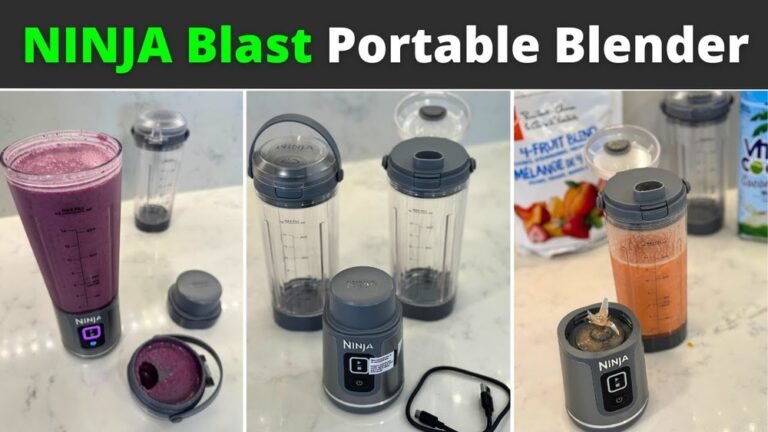
| Ninja Nutri | 700–900 | Single-serve cups, compact | Individual drinks |
Most Ninja blenders come with a pitcher, blade assembly, and a base. Some include single-serve cups for quick smoothies. The Auto-iQ models feature digital displays and preset buttons. Always check your user manual for specific instructions related to your model.
Setting Up Your Ninja Blender
Before you blend anything, proper setup is key. Follow these steps to assemble and prepare your Ninja Blender safely:
- Choose a flat, stable surface. Place the blender base where it won’t wobble or tip.
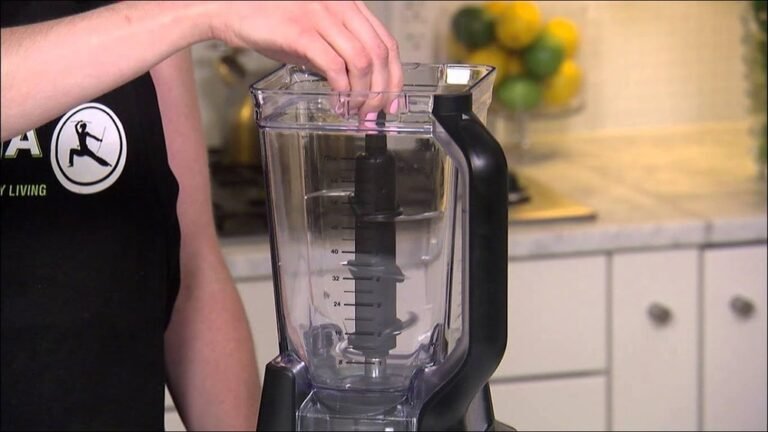
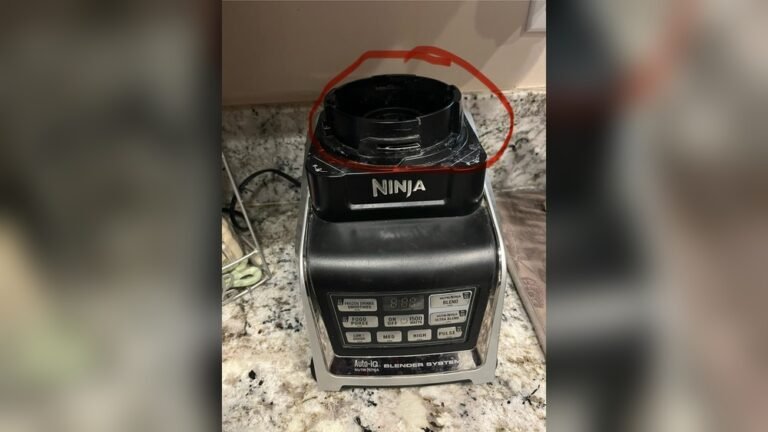
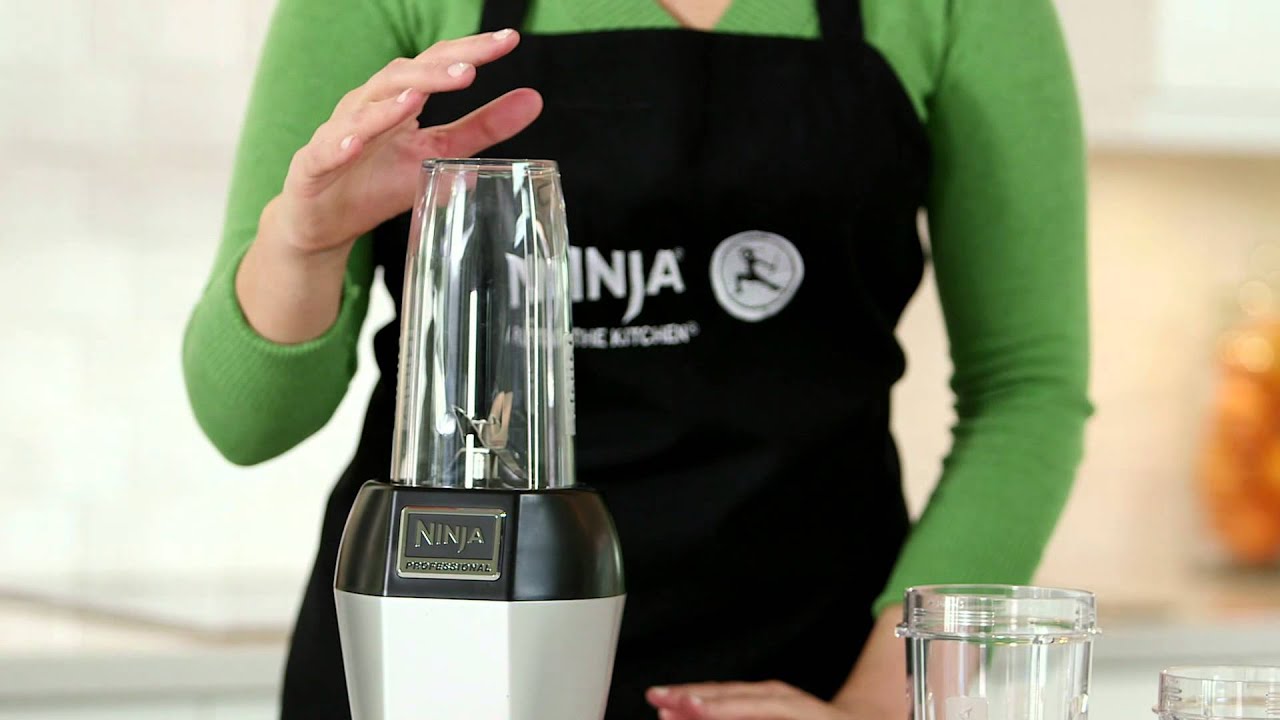
- Attach the pitcher or cup. Make sure it fits snugly onto the base. If you hear a click, it’s locked in place.
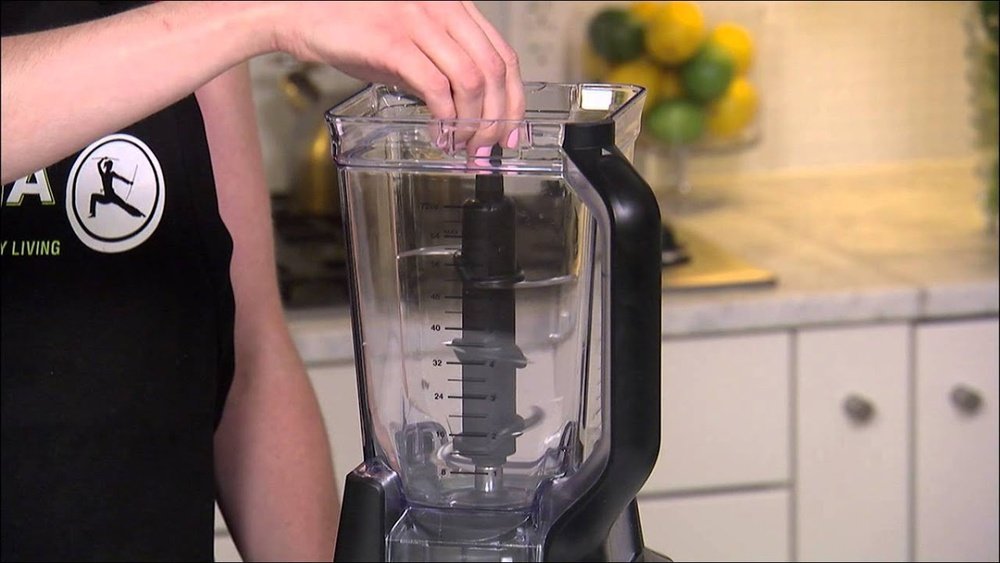
- Insert the blade assembly. For pitchers, drop the blade into the center. For cups, screw the blade onto the cup before placing it on the base.
- Check for proper alignment. The blender will not start unless everything is correctly assembled. Many models have a safety feature that prevents operation if parts are misaligned.
- Plug in the blender. Use a dedicated outlet if possible. Avoid using extension cords for powerful appliances.
Common Beginner Mistake
Some users forget to lock the pitcher or cup into the base. If the blender doesn’t turn on, double-check the alignment and locking mechanism. This safety feature prevents accidents and protects the motor.

Credit: thedaringkitchen.com
Preparing Ingredients For Blending
A Ninja Blender can handle tough foods, but preparing your ingredients helps get smoother results and prevents damage. Here’s what you need to know:
- Cut large items into smaller pieces. For example, slice apples or carrots into chunks.
- Remove pits and hard seeds. Stone fruits (like peaches) should be pitted.
- Use cold or frozen ingredients for smoothies and drinks. This helps make thicker, colder blends.
- Add liquids first. Water, milk, or juice should go in before solid foods. This reduces air pockets and helps the blades work efficiently.
Example: Making A Smoothie
Suppose you want to make a berry smoothie. Add 1 cup of milk, 1 cup of frozen berries, half a banana, and a handful of spinach. Place the milk in first, then the solids. This simple layering helps the blender start smoothly and prevents jams.
Non-obvious Insight
Don’t overload the pitcher or cup. Ninja recommends filling it only up to the MAX line. Going past this mark can cause leaks or prevent the blender from starting.
Using The Ninja Blender Controls
The control panel is where you choose speed, program, or time. Different Ninja models offer different controls, but most include:
- Power button: Turns the machine on or off.
- Speed settings: Low, medium, and high.
- Pulse button: Blends in short bursts for chunky mixes.
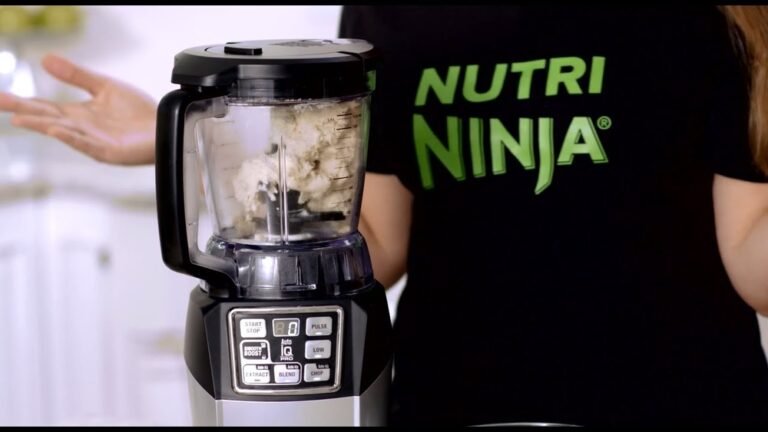
- Preset programs: Auto-iQ models have options like “Smoothie,” “Ice Crush,” or “Puree.”
| Control Type | Function | Typical Use |
|---|---|---|
| Power | Start/stop blender | All recipes |
| Speed (Low/High) | Adjust blending force | Soft vs hard ingredients |
| Pulse | Quick bursts | Chopping, salsa |
| Preset (Auto-iQ) | Automated blending | Smoothies, ice crush |
How To Use Manual Controls
If your blender has manual speeds, start with Low for soft foods and move to High for tough or frozen items. Always begin blending for 10–20 seconds, then pause and check texture. If needed, blend again.
How To Use Auto-iq Presets
Press the preset button for your recipe. The blender will run a timed cycle, mixing, pausing, and pulsing automatically. This is helpful for consistent results. For example, pressing “Smoothie” usually blends for 45–60 seconds.
Non-obvious Insight
The Pulse function is perfect for recipes that need texture, like chunky salsa or chopped nuts. Many new users overlook it, but it gives you better control over the final result.
Credit: www.youtube.com
Blending Different Recipes
A Ninja Blender can make a wide range of foods. Here are some common recipes and the best settings for each:
Smoothies
Use fresh or frozen fruits, greens, yogurt, and liquid. Start on Low, then switch to High. If your model has a “Smoothie” preset, use it.
Soups
Cook ingredients first. Blend on Medium or High until smooth. Allow hot foods to cool slightly before blending—never blend boiling liquids.
Nut Butters
Add roasted nuts. Use Pulse for coarse, or High for creamy. Stop every 30 seconds to scrape the sides and prevent overheating.
Ice Crushing
Add ice cubes and a splash of liquid. Use the “Ice Crush” preset or High speed. Blend in short bursts to prevent blade damage.
Dough
Some Ninja models include a dough blade. Add flour, water, and yeast. Use Low speed or the “Dough” preset if available.
Example Recipe: Green Smoothie
- 1 cup spinach
- 1 banana
- 1 cup frozen mango
- 1 cup water
Add water first, then spinach, banana, mango. Blend on High for 45 seconds. If needed, pulse for a few extra seconds.
Cleaning Your Ninja Blender
Keeping your blender clean is important for safety and taste. Follow these steps after each use:
- Unplug the blender.
- Remove the pitcher or cup.
- Take out the blade assembly carefully.
- Rinse parts immediately to prevent food from drying.
- Wash in warm, soapy water. Most parts are dishwasher safe, but check your manual.
- Dry thoroughly before reassembling.
Cleaning Tips
- Use a small brush for the blade area. Food can get stuck and cause odors.
- If you blend sticky foods (like peanut butter), soak parts for 10–15 minutes before washing.
- Never submerge the base or motor in water. Wipe with a damp cloth only.
Non-obvious Insight
Once a month, deep-clean your blender by blending warm water with a few drops of dish soap for 60 seconds. Rinse well. This removes hidden residue and keeps parts fresh.
Safety Tips When Operating The Ninja Blender
Blenders are powerful tools. Follow these safety guidelines to prevent accidents:
- Keep hands and utensils away from blades while blending.
- Do not blend boiling liquids. Hot steam can cause pressure and pop the lid off.
- Lock the lid tightly. Many Ninja lids have a safety latch—use it every time.
- Do not operate with damaged parts. Replace cracked pitchers or dull blades.
- Unplug after use. This prevents accidental starts.
Common Beginner Mistake
Some users forget to secure the lid, causing spills or leaks. Always double-check before pressing “Start. ”
Troubleshooting Common Blender Problems
Even with careful use, you may face issues. Here are solutions to frequent Ninja Blender problems:
Blender Won’t Start
- Check that the pitcher or cup is locked into the base.
- Make sure the lid is securely fastened.
- Try a different power outlet.
- Look for blinking lights; many Ninja models use these to show assembly errors.
Blender Leaks
- Avoid overfilling past the MAX line.
- Inspect seals and gaskets for damage.
- Tighten blade assembly before blending.
Blender Makes Loud Noise
- Cut ingredients smaller.
- Don’t blend hard objects (like bones or frozen chunks too big).
- Place blender on a stable surface.
Blends Are Not Smooth
- Add more liquid.
- Blend longer or use Pulse.
- Stop, scrape sides, and restart.
Maintenance And Blade Care
Proper maintenance extends your blender’s life and keeps food safe.
- Sharpen or replace blades every 1–2 years, depending on use.
- Check seals and gaskets monthly. Replace if cracked or worn.
- Store blender dry. Moisture can cause mold or odor.
Blade Care Tips
- Handle blades with care. They are sharp and can cut easily.
- Use only Ninja-approved replacement parts for best fit.
Making The Most Of Your Ninja Blender
Now that you know the basics, you can get creative. Here are advanced ways to use your Ninja Blender:
- Frozen desserts: Blend frozen fruit and yogurt for instant ice cream.
- Homemade sauces: Puree tomatoes, garlic, and herbs for fresh pasta sauce.
- Protein shakes: Add protein powder, milk, and fruit for a healthy snack.
- Baby food: Blend cooked veggies and fruits for smooth purees.
Example: Homemade Salsa
- 3 tomatoes
- 1 onion
- 1 jalapeño
- 1/4 cup cilantro
- 1 tablespoon lime juice
Roughly chop ingredients. Add to pitcher. Use Pulse function until desired texture. Enjoy fresh salsa with chips!
Comparing Ninja Blender To Other Brands
If you’re wondering how Ninja stacks up against other brands, here’s a comparison:
| Brand | Power (Watts) | Price Range (USD) | Unique Feature |
|---|---|---|---|
| Ninja | 700–1500 | $60–$180 | Auto-iQ presets, multi-function |
| Vitamix | 1200–1800 | $350–$600 | Variable speed, commercial grade |
| NutriBullet | 600–1200 | $50–$140 | Single-serve, compact |
Ninja blenders offer strong power and preset programs at a lower price than most competitors. They are suitable for most home users, while Vitamix is preferred for heavy-duty or commercial use.
Non-obvious Tips For Ninja Blender Success
Many beginners miss these tips, but they can make your blending easier and safer:
- Layer ingredients properly: Always put liquids first, then soft foods, then hard or frozen items last. This improves blending and reduces motor strain.
- Let frozen items thaw for 2–3 minutes: Slightly softened frozen foods blend smoother and protect the blades.
- Don’t run the blender continuously for more than 2 minutes: This prevents overheating and extends motor life.
- Use short pulses for chopping: Instead of blending, pulse for 1–2 seconds to achieve chunky mixtures.
- Clean immediately after use: Dried food is harder to remove and can cause odors.
Blending For Special Diets
Ninja Blenders are ideal for people with special dietary needs:
- Vegan recipes: Blend nuts, seeds, and plant-based milks for creamy sauces.
- Gluten-free diets: Make nut flour or oat flour by pulsing dry ingredients.
- Weight loss: Prepare low-calorie smoothies with greens and fruits.
- Diabetic-friendly options: Control sugar by making homemade blends instead of store-bought drinks.
Example: Vegan Cheese Sauce
- 1 cup cashews (soaked)
- 1/2 cup water
- 2 tablespoons nutritional yeast
- 1 garlic clove
- Pinch salt
Blend all ingredients on High for 60 seconds. Pour over steamed veggies or pasta.
Storing Blended Food
Once you’ve made your recipe, storing it properly is important:
- Use airtight containers. This keeps food fresh and prevents odors.
- Refrigerate immediately. Most blends last 24–48 hours in the fridge.
- Freeze for longer storage. Smoothies or soups can be frozen for up to 3 months.
Storage Tip
Label containers with the date and recipe name. This helps track freshness and avoid waste.

Credit: edibleethics.com
Common Mistakes To Avoid
Even experienced users can make errors. Here are mistakes to watch for:
- Overfilling the pitcher or cup. This causes leaks and messy spills.
- Blending hot liquids. Let soups cool before blending.
- Ignoring cleaning. Old residue can affect taste and safety.
- Using the wrong speed. Hard foods need High, soft foods can start with Low.
- Forcing stuck ingredients. Stop, scrape sides, and restart instead of running the motor harder.
Ninja Blender Accessories And Add-ons
You can enhance your blending experience with accessories:
- Extra cups: For single-serve drinks or meal prep.
- Travel lids: Take your smoothie to go.
- Dough blades: For bread and pastry recipes.
- Food processor attachments: Chop, slice, or grate foods.
Check your model’s compatibility before purchasing add-ons.
Environmental Impact And Recycling
Ninja blenders are durable, but if you need to dispose of parts, follow local recycling guidelines. Pitchers and cups are usually made of BPA-free plastic. Blades and bases are metal and electronic.
- Recycle plastics according to local rules.
- Dispose of electronics at approved e-waste centers.
- Reuse cups for storage or as drinkware.
For more information on recycling, visit the US EPA Recycling Guide.
Frequently Asked Questions
What Foods Can I Blend In A Ninja Blender?
You can blend fruits, vegetables, ice, nuts, seeds, cooked grains, and liquids. Avoid bones, hot liquids, or very sticky foods like thick dough unless your model supports it.
How Do I Prevent My Ninja Blender From Overheating?
Do not run the blender for more than 2 minutes at a time. Allow it to cool between batches. If blending thick mixes, use short pulses and scrape the sides often.
Are Ninja Blender Parts Dishwasher Safe?
Most pitchers, cups, and blades are top-rack dishwasher safe. Check your user manual for your specific model. The base and motor should never be submerged or washed in a dishwasher.
Why Is My Ninja Blender Leaking?
Common reasons include overfilling, loose blade assembly, or damaged seals. Always check that parts are tight and do not go past the MAX fill line.
Can I Use My Ninja Blender For Hot Foods?
You can blend warm (not boiling) foods. Let soups or sauces cool slightly before blending. Never blend boiling liquids as they can cause pressure and spills.
Using your Ninja Blender can change the way you cook and eat. Whether you want fast smoothies, healthy soups, or creative sauces, following these steps and tips will help you get the most from your machine. Practice makes perfect, and soon you’ll be blending like a pro.
Remember to keep safety in mind, clean your blender regularly, and try new recipes to expand your skills. With the Ninja Blender, healthy and delicious foods are just a button away.