How Much Does A Ninja Blender Cost? Ultimate Price Guide 2026
Every home cook wants kitchen tools that make life easier. For many, the Ninja Blender is that tool. You’ve seen Ninja blenders in stores, online, and on TV. They promise to crush ice, make smoothies, blend soups, and even help you prep dough. But how much does a Ninja Blender really cost? And what do you get for your money? Prices change depending on the model, the features, where you buy, and even the time of year. If you want to buy a Ninja Blender, understanding the price range and what affects cost can help you make a smarter choice.
Let’s break down the prices, explore what makes one Ninja Blender more expensive than another, and find out if these blenders are worth your investment.
What Makes Ninja Blenders Popular?
Ninja has become a household name because its blenders are known for powerful motors, sharp blades, and multi-use designs. Many people choose Ninja over other brands because the machines can do more than just blend. Some Ninja blenders also chop, puree, crush ice, or even cook soup.
Why does this matter for price? Features like extra cups, smart programs, or higher wattage often mean a higher cost. But Ninja blenders are also famous for offering these features at more affordable prices than some high-end brands.
Types Of Ninja Blenders And Their Price Ranges
Ninja makes several types of blenders. Each type has different features and price ranges. Here’s a closer look:
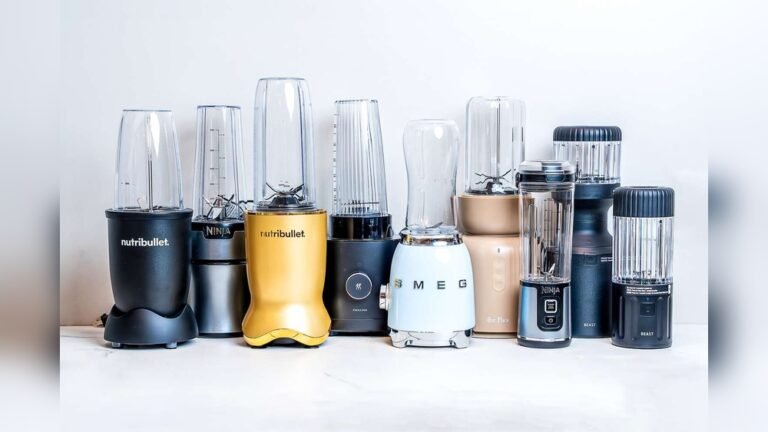
1. Personal Blenders
These are small blenders designed for single servings. You blend right into a cup and take it with you.
- Typical price: $50–$90
- Popular models: Ninja Fit, Ninja Nutri-Blender, Nutri Ninja Pro
Personal Ninja blenders are great for smoothies, protein shakes, or small batch sauces. They are affordable, compact, and easy to clean.
2. Full-size Countertop Blenders
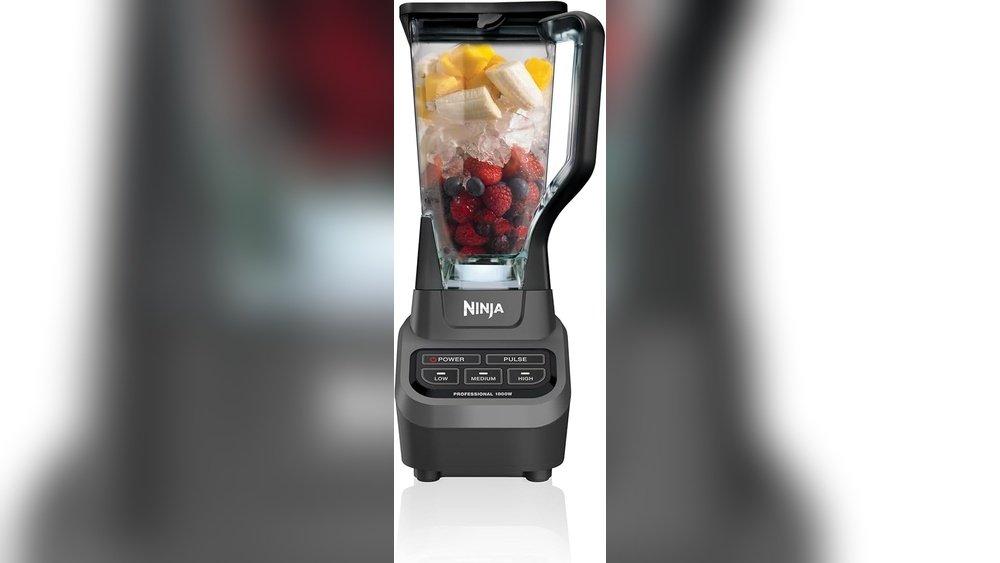
These are the classic jug blenders used for larger batches. They often come with bigger jars and more power.
- Typical price: $70–$180
- Popular models: Ninja Professional Blender, Ninja BL610, Ninja BL660
Full-size blenders handle everything from icy drinks to soups. They usually have larger capacity (up to 72 oz) and are a good fit for families.
3. Professional And Smart Blenders
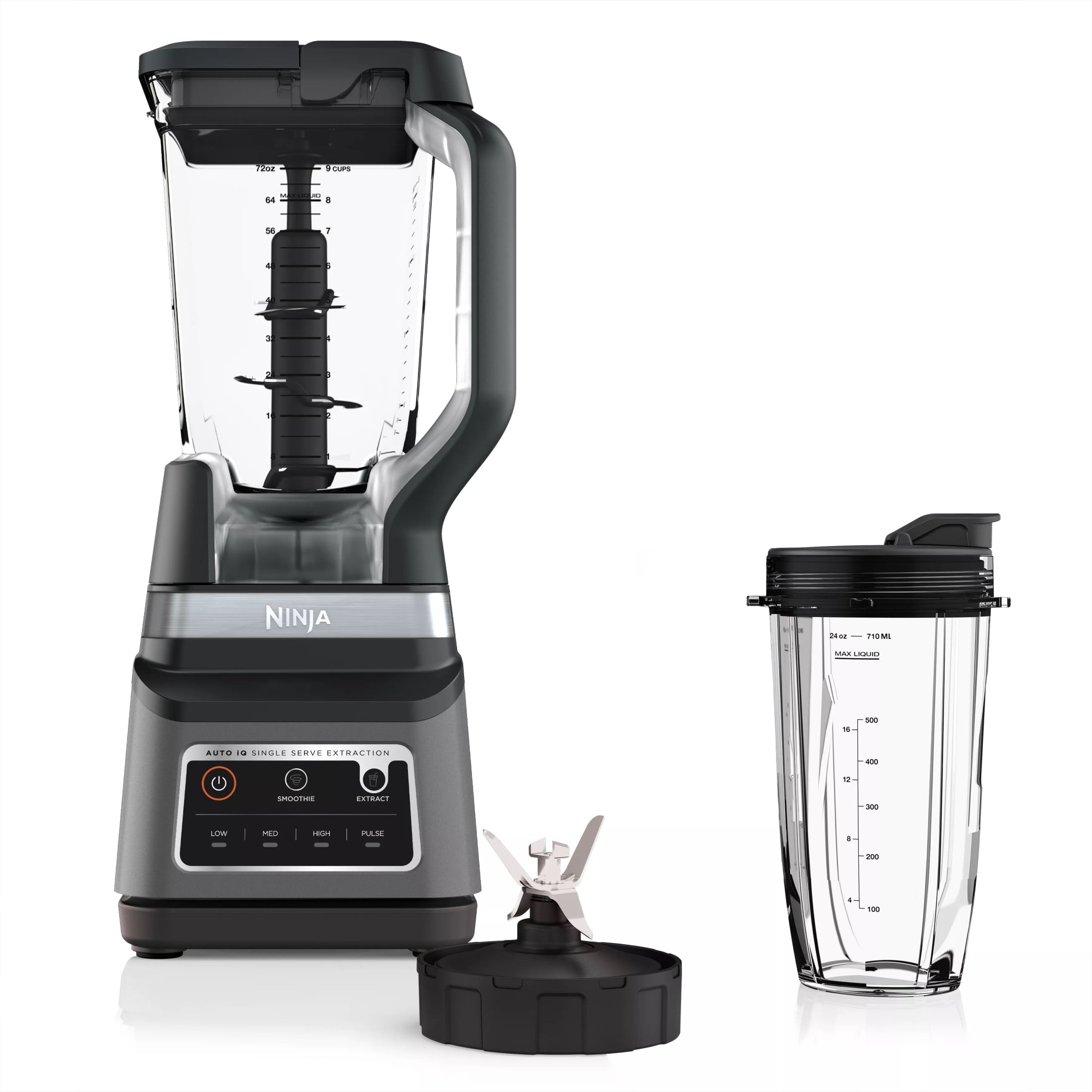
These Ninja blenders offer higher wattage, more features, and sometimes smart technology (like pre-set programs or touch screens).
- Typical price: $120–$240
- Popular models: Ninja Foodi Power Blender, Ninja Professional Plus, Ninja Intelli-Sense
You get more control and power, which is great for tough tasks like nut butters or thick smoothies.
4. All-in-one Systems
Some Ninja products combine blending, food processing, and other functions. They often come with multiple attachments.
- Typical price: $150–$270
- Popular models: Ninja Mega Kitchen System, Ninja Foodi Power Pitcher System
These systems are for people who want to do everything: blend, chop, mix dough, and more. They cost more but replace multiple kitchen tools.
5. Heated Blenders And Special Models
A few Ninja blenders can heat soup as they blend or have special features like vacuum blending.
- Typical price: $130–$180
- Popular models: Ninja Foodi Cold & Hot Blender, Ninja Chef
Heated blenders are less common but good for those who want to make hot soups or sauces directly in the blender.
Comparing Popular Ninja Blender Models By Price
To see how much a Ninja Blender costs, it helps to compare some of the most popular models side by side. Here’s a quick look:
| Model | Type | Capacity | Wattage | Average Price (USD) |
|---|---|---|---|---|
| Ninja Fit | Personal | 16 oz | 700W | $59 |
| Ninja Professional BL610 | Countertop | 72 oz | 1000W | $99 |
| Ninja BL660 | Countertop | 72 oz + 16 oz cups | 1100W | $120 |
| Ninja Foodi Power Blender | Professional/Smart | 72 oz | 1400W | $159 |
| Ninja Mega Kitchen System | All-in-One | 72 oz + food processor | 1500W | $199 |
| Ninja Foodi Hot & Cold | Heated/Special | 64 oz | 1400W | $169 |
Prices are average retail as of mid-2026 and may change by store or region.
What Affects The Price Of A Ninja Blender?
You might wonder why one Ninja blender costs $60 and another is $200. Here are the main factors:
1. Power (wattage)
Stronger motors cost more. A 700-watt blender is fine for smoothies, but for crushing ice or making nut butters, you’ll want 1000 watts or more. Higher wattage means higher price.
2. Capacity
Larger blenders (64 oz or 72 oz) cost more than single-serve cups. If you often make food for a group, you’ll pay more for a bigger jar.
3. Attachments And Accessories
Models with extra cups, lids, food processor bowls, or spiralizer attachments cost more. Sometimes, a package with more accessories can be a better value if you use them.
4. Smart Features
Some Ninja blenders have pre-set programs, touch screens, or smart sensors. These features make blending easier but add to the price.
5. Heated Or Special Functions
If your blender can cook soup or vacuum seal smoothies, expect a higher price. These functions are less common and more advanced.
6. Build Quality And Design
Metal parts, thicker jars, or better blades may cost more up front but can last longer.
7. Where You Buy
Prices change between online retailers, big box stores, and Ninja’s own website. Sales, coupons, and bundles can also change the price.
8. New Vs. Refurbished
Buying refurbished can save you money. These products are checked and fixed by Ninja, but may have minor scratches. They often cost 20–30% less than new.
9. Seasonal Deals
Blenders often go on sale during holidays like Black Friday, Cyber Monday, or Prime Day. Planning ahead can save you $20–$50 or more.
Ninja Blender Price Ranges By Category
Let’s get more specific. Here’s what you can expect to pay for each type of Ninja blender, and what you get for the price.
Personal Ninja Blenders
- Low end ($50–$60): Basic models like the Ninja Fit. Usually 700–900W, one or two 16 oz cups, simple controls.
- Mid-range ($70–$90): Nutri Ninja Pro or Nutri-Blender Plus. You get more power (900–1000W), extra cups, better blades.
Great for: Smoothies, protein shakes, single-person households.
Countertop Ninja Blenders
- Low end ($70–$100): Ninja Professional BL610. 1000W, 72 oz jar, basic 3-speed controls.
- Mid-range ($110–$150): BL660 or Professional Plus. More power (1100–1200W), single-serve cups, pulse functions.
Great for: Families, ice crushing, larger batches.
Professional/smart Blenders
- Typical price ($120–$240): Ninja Foodi Power Blender, Intelli-Sense series. 1200–1400W, smart programs, sometimes include food processor or dough blade.
Great for: People who want more control, advanced recipes, or multi-use blending.
All-in-one Systems
- Typical price ($150–$270): Mega Kitchen System, Foodi Power Pitcher. 1400–1500W, blender, food processor, dough mixing, extra cups.
Great for: Home cooks who want one machine to do everything.
Heated And Special Blenders
- Typical price ($130–$180): Foodi Hot & Cold Blender, Ninja Chef. 1400W, can make hot soup, sauces, or cocktails.
Great for: Those who want to cook and blend with one device.
Is A Ninja Blender Worth The Price?
People want to know if Ninja blenders are a good deal for the money. Here’s a balanced look:
What you get:
- High power for price: Ninja often gives you more wattage per dollar than competitors.
- Multi-function: Many models do more than just blend.
- Good build quality: Most Ninja blenders last for years with proper care.
- Easy to use: Simple controls, dishwasher-safe parts.
What you don’t get:
- Not as durable as premium brands: Some high-end brands (like Vitamix) last longer, but cost $400+.
- Noisy: Ninja blenders can be loud, especially high-wattage models.
- Some parts may wear out: Blades and lids might need replacing after years of use.
Non-obvious insight: Many buyers forget to factor in the cost of replacement parts (cups, blades, lids). These can add $10–$30 over the blender’s life.
Another insight: Ninja’s warranty is usually one year. You can buy extended protection, but it costs extra.
How Ninja Blender Prices Compare To Other Brands
To see if Ninja is a good value, let’s look at how it stacks up against other brands:
| Brand | Popular Model | Wattage | Average Price (USD) | Warranty |
|---|---|---|---|---|
| Ninja | BL660 | 1100W | $120 | 1 year |
| NutriBullet | Pro 900 | 900W | $99 | 1 year |
| Oster | Pro 1200 | 1200W | $89 | 3 years (motor) |
| Vitamix | E310 | 1400W | $350 | 5 years |
| Blendtec | Classic 575 | 1560W | $399 | 8 years |
This table shows that Ninja offers high power and multi-use features at a much lower price than premium brands. However, you may give up some durability and warranty length.
Where To Buy Ninja Blenders And Find The Best Prices
You can find Ninja blenders in many places:
- Official Ninja website: Sometimes offers bundles or exclusive models.
- Amazon: Wide selection, easy to compare prices, fast shipping.
- Walmart, Target, Best Buy: Good for in-store pickup or returns.
- Warehouse clubs (Costco, Sam’s Club): Sometimes offer big savings on bundles.
- Specialty stores: Kitchen and appliance stores may have higher-end models.
Buying tip: Check for online coupons, cashback offers, or bundle deals. Buying during holiday sales can save you 10–30%.
Non-obvious insight: Some stores sell older models at a discount when new models launch. These older blenders are often just as good for most people.
Factors To Consider Before You Buy
Buying a Ninja Blender is not just about price. Here are key things to ask yourself:
- What will you use it for?
- Smoothies only? A personal blender is enough.
- Crushing ice or making nut butters? Go for higher wattage.
- Cooking soups or food processing? Consider an all-in-one or heated model.
- How many people in your household?
- Single or couple: Small blender or single-serve cups.
- Family: Larger jug (64–72 oz).
- How much space do you have?
- Counter space is important. All-in-one systems are big.
- Do you need extra cups or accessories?
- Some bundles cost more but are a better value if you need them.
- Do you care about noise?
- Ninja blenders are powerful, but also loud.
- How long do you want it to last?
- Ninja lasts years for most people, but heavy daily use may wear parts sooner.
- Are you okay with basic controls?
- Most Ninja blenders use simple buttons. Smart models have more features but cost more.
Practical guidance: Always check the return policy before buying. Some stores let you try and return if it doesn’t meet your needs.
Common Ninja Blender Buyer Mistakes
People make some predictable mistakes when buying a Ninja Blender:
- Choosing too much blender. Some buyers pay more for features they never use. If you just want smoothies, a $60 model is fine.
- Ignoring wattage. If you want to crush ice or make nut butters, a low-wattage blender will struggle.
- Not checking jar size. Buying a large blender for a small kitchen can be frustrating.
- Overlooking accessories. Some models don’t include lids or extra cups. Buying them later costs more.
- Not watching for sales. Ninja blenders often go on sale, so waiting a few weeks can save money.

Credit: www.bjs.com
Ninja Blender Price Trends Over Time
Prices for Ninja blenders can change. Here’s what’s happened in recent years:
- Stable core models: Main models like the BL610 or BL660 have stayed around $90–$130 for several years.
- New features, higher prices: Smart tech, heated blending, and food processor attachments have pushed some models above $200.
- Holiday sales: Prices often drop $20–$50 during big sales.
- Inflation: Like most products, prices have risen slightly in the last two years due to higher material and shipping costs.
Interesting insight: In some cases, Ninja updates a model number (like BL610 to BL610C) but the main machine stays the same. Don’t pay extra just for a new number.
Are Accessories And Replacement Parts Expensive?
Replacement parts are something many buyers forget. Here’s what you might pay:
- Extra cups (16 oz or 24 oz): $10–$20 each
- Replacement blade assembly: $18–$30
- Lids and seals: $7–$15 each
- Food processor bowl: $25–$45
If you use your blender daily or have a big family, you might want extra cups. Over years of use, you may need to replace blades or lids. This adds a bit to the total cost.
Tip: It’s usually cheaper to buy accessories with the blender as a bundle than to buy them one by one later.
Are There Any Ongoing Costs?
Besides replacement parts, Ninja blenders have no major ongoing costs. They don’t use filters or special containers. If you clean and dry the parts after each use, they will last longer.
Insight: Using the blender for tough jobs (ice, nuts) wears blades faster. Using pulse instead of constant blending can help blades last longer.
How To Save Money On A Ninja Blender
Here are some real-world ways to get a better price:
- Shop during major sales: Black Friday, Cyber Monday, and Amazon Prime Day often have the lowest prices.
- Look for bundles: Sometimes you get extra cups or accessories for free.
- Check for coupons or promo codes: Websites like RetailMeNot or Honey can help.
- Consider refurbished models: Ninja sells certified refurbished blenders for 20–30% less.
- Buy last year’s model: Old models are often discounted when new ones launch.
Another tip: If you’re not in a hurry, add the blender to your online cart and wait a few days. Some stores send you a discount code to finish your purchase.
Is More Expensive Always Better?
Not always. For most people, a mid-priced Ninja blender ($90–$150) is more than enough. Only spend more if you need special features (like food processing or hot blending).
Example: If you drink smoothies twice a week, a $60 personal blender is fine. If you meal-prep or cook for a family, spend more for a system or professional model.
Real User Experiences: Are Ninja Blenders Reliable?
User reviews are mostly positive. People like Ninja blenders for their power, speed, and ease of cleaning. Some common feedback includes:
- Smooth blending: Most users say Ninja blenders handle ice, frozen fruit, and leafy greens well.
- Loud: Many reviews mention noise as a downside.
- Replacement parts: Some users report needing new blades or cups after a year or two.
- Easy to clean: Most parts are dishwasher-safe.
Non-obvious insight: Some users say the suction cups on the bottom help keep the blender steady, but can make it hard to move on the counter.

Credit: www.amazon.com
How Long Will A Ninja Blender Last?
With normal use (a few times per week), a Ninja blender can last 3–5 years. Some users report over 7 years with careful cleaning and not overloading the jar. Blade sharpness may fade after 2–3 years, but replacements are available.
Tip: Avoid blending very hot liquids unless your model is designed for it. This helps prevent cracks and leaks.
Are There Cheaper Alternatives?
If you want a blender but Ninja is out of your budget, here are some options:
- Hamilton Beach: Some models start at $35–$50. Less power, but fine for basic smoothies.
- Oster: Good value, often under $70 for 1000W.
- Black+Decker: Entry-level blenders for $30–$50.
But for the price, Ninja often gives you more power and better results, especially for ice or tough ingredients.
Environmental Impact: Are Ninja Blenders Eco-friendly?
Ninja blenders are made with BPA-free plastic and often have recyclable packaging. However, like most small appliances, they use energy and materials. Buying a durable blender (that lasts years) is better for the environment than buying a cheap one that breaks quickly.
Tip: If your Ninja blender breaks, check with Ninja for recycling programs or drop-off locations.
Ninja Blender Warranty: What’s Covered?
Most Ninja blenders come with a 1-year limited warranty. This covers defects, not damage from dropping or misuse. You can buy extended warranties for 2–3 years at checkout (usually $15–$30 more).
Non-obvious insight: If you register your blender on the Ninja website, you may get better support or faster parts replacement.
Credit: www.walmart.com
Should You Buy Online Or In-store?
Both options have pros and cons:
- Online: Easier to compare prices, read reviews, and find deals. Delivery takes a few days.
- In-store: You can see the size and feel the weight. Easier returns if there’s a problem.
Tip: Even if you buy in-store, check the price online first. Some stores will match online prices if you ask.
How Do You Clean A Ninja Blender?
Most Ninja blender parts are dishwasher-safe (except the motor base). Rinse the jar and blades right after use to prevent sticking. For tough stains, blend warm water with a drop of dish soap for 30 seconds, then rinse.
Important: Always unplug before cleaning the blades, and handle them carefully—they are very sharp.
Is There A Ninja Blender Model That’s Best For Most People?
If you want the best value, the Ninja Professional BL660 often gets the top reviews. It balances price, power, and features. It has an 1100W motor, 72 oz jar, and two single-serve cups. It usually sells for $120–$140.
If you want a personal blender, the Ninja Fit is most popular for its low price and reliable performance.
How To Register Your Ninja Blender
After buying, you can register your blender on the Ninja website. This helps with warranty claims and gives you access to recipes and tips. You’ll need the model and serial number (on the bottom of the blender).
Can You Upgrade Your Ninja Blender Later?
Most Ninja blenders are not designed to swap parts between models. But you can buy extra cups, blades, and sometimes new jars. If you need more features, you’ll usually need to buy a new system.
Tip: If you think you’ll want more functions later (like food processing), it’s better to buy an all-in-one system up front.
Do Ninja Blenders Go On Sale Often?
Yes. Major retailers run sales several times a year. Black Friday, Cyber Monday, and Amazon Prime Day are the best times to buy. Prices can drop by 15–30% or more.
Practical advice: Sign up for email alerts on the Ninja website or your favorite retailer to get notified of sales.
Final Thoughts: How Much Does A Ninja Blender Cost?
A Ninja Blender can cost anywhere from $50 to $270, depending on the type, power, and features. Most families find a great fit between $90 and $150. Paying more gets you extra features, but for everyday use, even basic models work well.
Look for sales, check for bundles, and think about what you really need. Ninja blenders are a smart buy for most homes, offering good power and features for the price.
If you want to compare the latest models, see Ninja’s official site: Ninja Kitchen.
Frequently Asked Questions
How Long Do Ninja Blenders Usually Last?
With normal use, a Ninja blender can last 3–5 years or more. Cleaning the parts, avoiding overfilling, and replacing blades when dull can help it last longer.
Is It Better To Buy A Ninja Blender Online Or In A Store?
Both have pros and cons. Online shopping makes it easy to compare models and find deals. In-store lets you see the size and test the controls. Always check price matching policies.
Are Ninja Blender Parts Interchangeable?
Not usually. Most parts (jars, lids, blades) only fit certain models. Check the model number before buying accessories or replacements.
What Is The Warranty On A Ninja Blender?
Most Ninja blenders come with a 1-year limited warranty. You can buy extended warranties for 2–3 years at checkout.
Can Ninja Blenders Crush Ice?
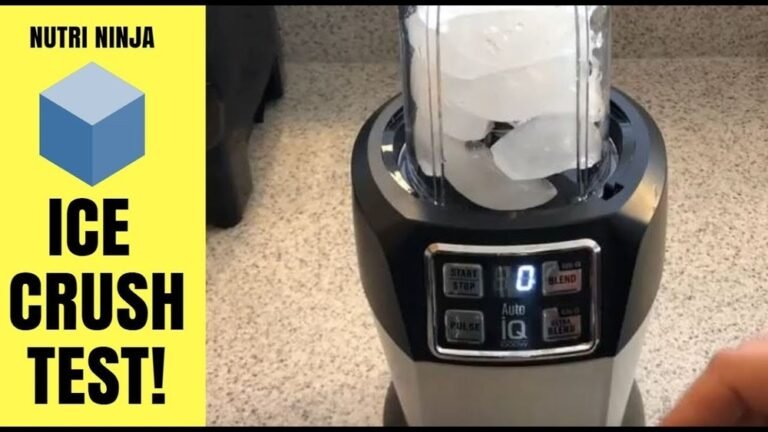
Yes. Most Ninja blenders with 900W or more can crush ice easily. For best results, use the “pulse” function and add some liquid with the ice.