How To Make Ninja Blender Quieter: Easy Noise Reduction Tips
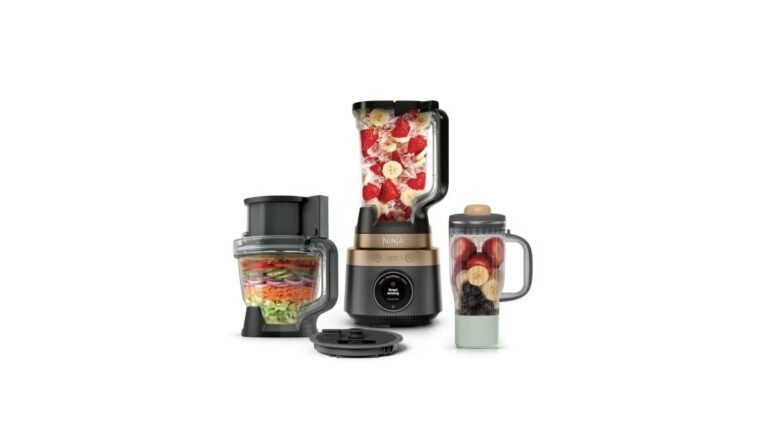
Blenders are essential kitchen tools, and the Ninja Blender is one of the most popular choices for smoothies, soups, and sauces. But many users complain about its loud noise. If you’re blending early in the morning or while kids are sleeping, this noise can be a real problem. You’re not alone—blender noise is a common issue, especially with powerful models like Ninja. Luckily, you don’t need to settle for the racket. There are practical ways to make your Ninja Blender quieter, from simple fixes to smart upgrades. This guide will walk you through proven strategies, show real data, and explain why blenders are noisy in the first place. Whether you want a peaceful kitchen or just less stress, you’ll find answers here.
Why Ninja Blenders Are So Loud
Blenders make noise because they use strong motors and fast-spinning blades. But why are Ninja Blenders especially loud compared to other brands?
The Motor Power
Ninja Blenders often use motors between 900 and 1500 watts. The higher the wattage, the more powerful—and noisy—the machine. High-speed motors cause vibration and sound, especially when crushing ice or frozen fruit.
Blade Design
Ninja’s blades are sharp and large. They spin at speeds up to 21,000 RPM (rotations per minute). This speed creates a loud whirring, especially when blending tough ingredients.
Container Material
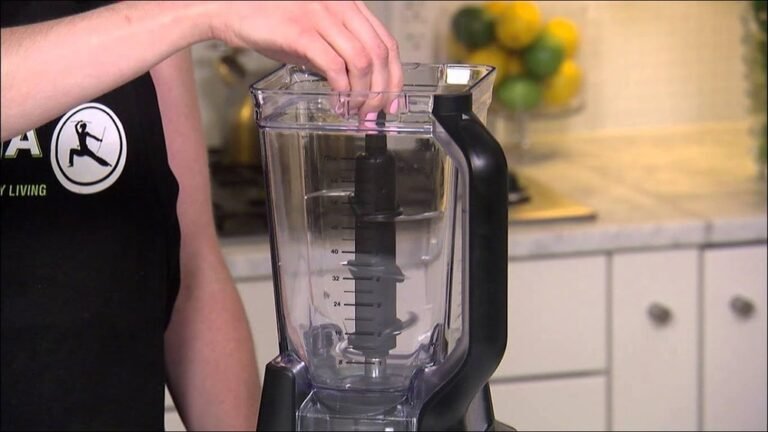
Most Ninja Blender containers are made from hard plastic. Plastic amplifies the sound more than glass, reflecting noise back into the room. Glass containers are quieter but heavier and less common in Ninja models.
Comparison With Other Brands
Let’s see how Ninja compares with other popular blenders in terms of noise level (measured in decibels):
| Brand | Average Noise Level (dB) | Motor Power (Watts) |
|---|---|---|
| Ninja | 88-95 | 1000-1500 |
| Vitamix | 85-92 | 1200-1400 |
| NutriBullet | 80-90 | 600-900 |
| Oster | 78-89 | 700-1200 |
As you can see, Ninja Blenders are among the loudest, especially at higher speeds.
Proven Ways To Make Your Ninja Blender Quieter
Reducing blender noise doesn’t require expensive upgrades. There are simple and effective ways to lower the sound.
1. Use A Blender Noise Reduction Mat
One of the easiest solutions is to place your Ninja Blender on a noise reduction mat. These mats are made from silicone or rubber. They absorb vibration, which is the main cause of noise.
- Choose a mat that is at least half an inch thick.
- Place it under your blender before use.
- Mats cost between $10–$25 and last for years.
Tests show that noise mats can reduce sound by up to 6 decibels, which is a noticeable difference.
2. Move Blender Away From Walls
When you blend near a wall, the sound bounces back and gets louder. Moving your blender to the center of your counter helps reduce echo.
- Keep at least 12 inches between the blender and any wall.
- Avoid corners, as they amplify noise the most.
Many users overlook this simple trick, but it can make a big difference.
3. Cover With A Sound Enclosure Box
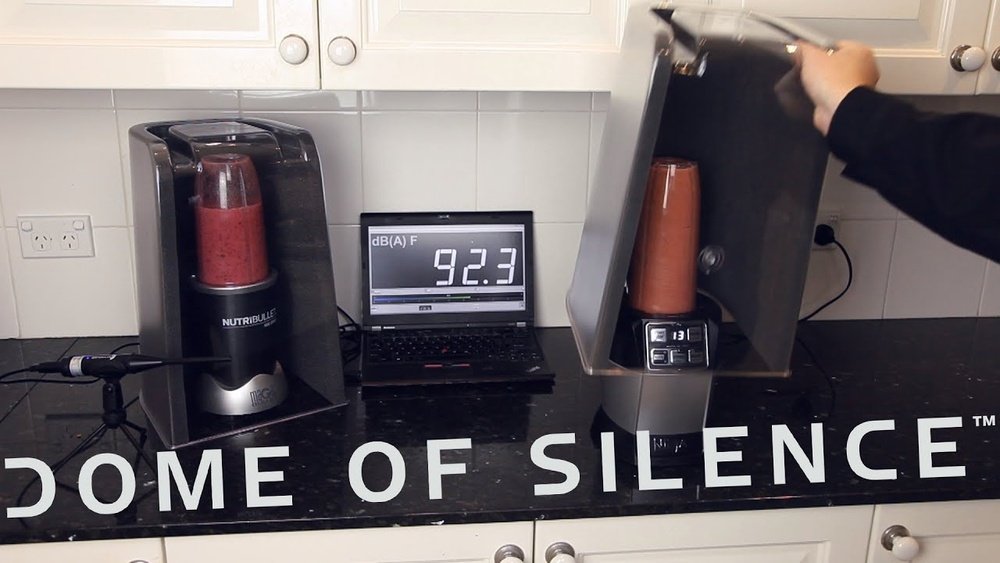
Professional kitchens sometimes use a blender enclosure—a plastic or acrylic box that fits over the blender. These boxes trap sound and cut noise by up to 40%.
- Enclosures cost $40–$90.
- Some models are custom-fit for Ninja Blenders.
- Make sure there’s enough space for airflow to prevent overheating.
If you blend daily or need quiet for work calls, this is a worthwhile investment.
4. Use A Towel Or Blanket
If you don’t want to buy a mat or enclosure, you can cover your blender with a heavy towel or blanket while blending.
- Fold the towel and wrap it around the base.
- Do NOT cover the motor vents or buttons.
- This can reduce noise by 3–5 decibels.
It’s not as effective as a sound box, but it’s a quick fix for noisy mornings.
5. Blend During Off-peak Hours
If possible, blend when others aren’t around. Early afternoon or late morning is best for quiet blending.
- Plan your smoothie prep around nap times or work calls.
- This isn’t a technical fix, but it helps avoid disturbing others.
6. Use Lower Speed Settings
Most Ninja Blenders have multiple speed options. Blending at a lower speed creates less noise.
- Start at the lowest speed and increase only if needed.
- Use “Pulse” mode for short bursts instead of long blending.
Lower speed reduces both noise and wear on the motor.
7. Pre-cut Ingredients
Large chunks of ice or frozen fruit cause the loudest sounds. Pre-cut or thaw ingredients before blending.
- Cut ice cubes smaller.
- Let frozen fruit soften for 5–10 minutes.
- Blend liquids first, then add solids.
This lowers strain on the motor and keeps noise down.
8. Upgrade To A Quieter Model
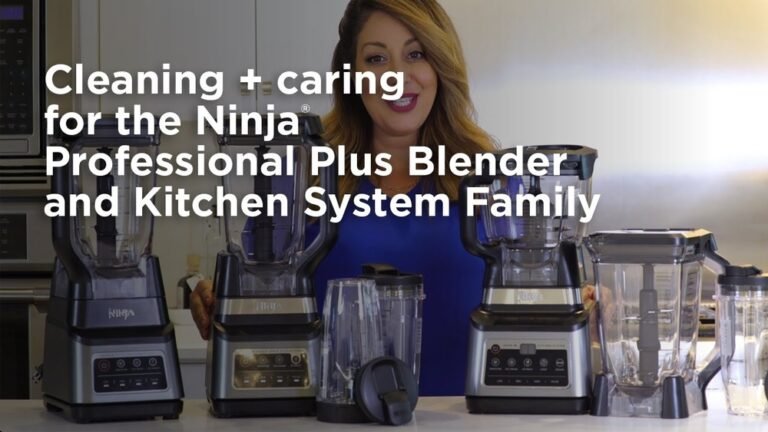
Some Ninja Blenders are quieter than others. For example, the Ninja Professional Plus is quieter than the older Ninja BL660.
Here’s a quick comparison:
| Ninja Model | Noise Level (dB) | Motor Power (Watts) |
|---|---|---|
| Ninja BL660 | 95 | 1100 |
| Ninja Professional Plus | 88 | 1400 |
| Ninja Foodi Power Nutri Duo | 85 | 1200 |
If you’re buying a new blender, check noise ratings before you decide.
9. Regular Maintenance
A dirty or worn-out blender is louder. Dried food, loose blades, or cracked containers add extra vibration.
- Clean the blender after every use.
- Tighten blade assembly and check for cracks.
- Replace parts when necessary.
This simple habit can keep your blender running smoothly and quietly.
10. Place Blender On A Soft Surface
If you don’t have a mat, use a thick kitchen towel or silicone trivet under your blender. This stops vibration from traveling through the counter.
- Avoid wooden boards, which amplify sound.
- Soft surfaces can cut noise by 2–4 decibels.
It’s a free solution anyone can try.

Credit: www.rtings.com
How Much Noise Reduction Is Possible?
No blender will be completely silent, but you can make a big improvement. Here’s a table showing how much noise reduction each method offers:
| Noise Reduction Method | Average Decibel Reduction | Cost (USD) |
|---|---|---|
| Noise Mat | 6 dB | 10–25 |
| Sound Enclosure | 10–15 dB | 40–90 |
| Move From Wall | 3 dB | Free |
| Towel/Blanket | 3–5 dB | Free |
| Lower Speed | 2–7 dB | Free |
| Pre-Cut Ingredients | 1–2 dB | Free |
| Upgrade Blender | 7–10 dB | 80–200 |
| Regular Maintenance | 1–3 dB | Free–20 |
| Soft Surface | 2–4 dB | Free–10 |
Each small change adds up. Combining two or three methods can lower blender noise by 15–20 decibels—enough to make conversation possible while blending.
Common Mistakes That Make Ninja Blenders Louder
Many users unknowingly make their blenders louder. Avoid these mistakes for best results:
- Using old or cracked containers – Cracks amplify vibration.
- Ignoring loose parts – Loose blades or motor mounts rattle.
- Blending too much at once – Overfilling makes the motor work harder and louder.
- Placing blender in a corner – Corners bounce sound and make it worse.
- Skipping regular cleaning – Food buildup creates extra noise.
These mistakes are easy to fix with proper care.
Real-life Examples And User Insights
Let’s look at how people have reduced Ninja Blender noise in their homes.
Example 1: The Family Kitchen
Sara, a mother of two, used her Ninja Blender every morning. The noise woke her kids and annoyed her husband. She tried three changes:
- Moved the blender to the center of the counter.
- Used a silicone mat underneath.
- Blended at lower speed.
Sara reported that her blender was much quieter, and her family slept through breakfast prep. She spent only $15 on the mat.
Example 2: The Apartment Dweller
John lives in a small apartment with thin walls. He worried about disturbing his neighbors. He invested in an acrylic sound enclosure for $60 and started pre-cutting frozen fruit. His neighbors noticed the difference and thanked him for the quieter mornings.
Example 3: The Busy Professional
Anna works from home and needs to make smoothies during video calls. She wrapped her blender base in a thick towel and used “Pulse” mode. She avoided blending in the corner of her kitchen. Her calls were no longer interrupted by loud blending noises.
These stories show that small changes can make a big impact.
Advanced Solutions For Quiet Blending
If you want even more silence, try these advanced options.
Install Soundproof Panels
Some kitchens use soundproof wall panels near blender stations. Panels absorb sound and prevent echo.
- Panels cost $20–$40 each.
- Place them behind and beside the blender.
- This is ideal for open kitchens or coffee shops.
Build A Diy Blender Box
If you enjoy DIY projects, build a custom blender enclosure from acrylic, wood, or foam.
- Measure your blender and cut panels to size.
- Make sure there’s a door or opening for access.
- Line the inside with sound-absorbing material.
A homemade box can cut noise by up to 12 decibels, but requires time and skill.
Upgrade Kitchen Countertops
Counters made from quartz or granite absorb vibration better than wood or metal. If you’re renovating, consider these materials for a quieter kitchen.
This is an expensive fix, but it helps reduce all appliance noise.

Credit: www.amazon.com
How Noise Affects Health And Comfort
Blender noise isn’t just annoying—it can affect your well-being.
- Noise above 85 decibels can cause stress and reduce concentration.
- Loud noise may wake children and disturb pets.
- Chronic noise exposure can lead to headaches or hearing issues.
Reducing blender noise creates a calmer, healthier kitchen. Studies show that lower noise levels improve mood and make cooking more enjoyable (Source Name).
How To Choose A Quieter Blender
If you’re shopping for a new blender, focus on these features:
- Noise rating: Look for models with decibel numbers in the specs.
- Motor insulation: Some blenders have insulated motors for quieter operation.
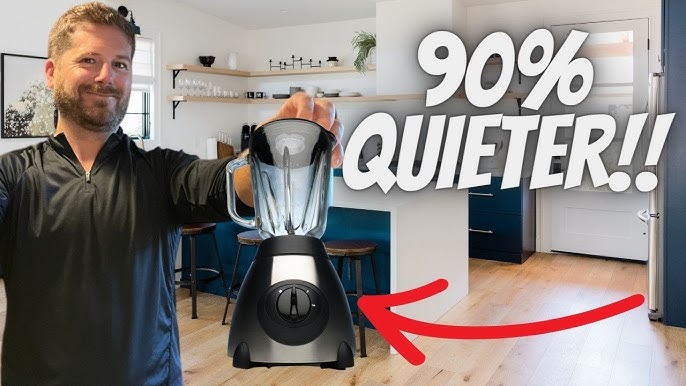
- Container material: Glass is quieter than plastic, but heavier.
- Blade design: Smaller blades are quieter, but may not blend as well.
Compare models based on noise and performance, not just price.
Credit: www.youtube.com
Final Practical Tips
Here are a few non-obvious tips that beginners often miss:
- Keep the blender lid tightly sealed. Loose lids vibrate and add noise.
- Don’t run the blender empty. Always add some liquid to reduce rattling.
- Check the blender feet. If the rubber feet are worn out, replace them. Good feet absorb vibration.
These small details can improve quietness even more.
Frequently Asked Questions
What Is The Quietest Ninja Blender Model?
The Ninja Foodi Power Nutri Duo is one of the quietest models, with a noise level around 85 decibels. It’s quieter than older models like the Ninja BL660.
Can I Use A Sound Enclosure With Any Ninja Blender?
Most sound enclosures fit standard Ninja Blenders. Check dimensions before buying. Some enclosures are adjustable for different models.
Will Blending Softer Ingredients Make My Blender Quieter?
Yes. Soft fruits, yogurt, and liquids create less noise than ice or hard vegetables. Pre-cut and thaw ingredients for a quieter experience.
Is It Safe To Cover My Ninja Blender With A Towel Or Blanket?
It’s safe if you avoid covering motor vents and buttons. Do not wrap tightly, and never leave the blender unattended while covered.
How Often Should I Maintain My Ninja Blender For Quiet Operation?
Clean after every use, check blades weekly, and inspect containers monthly for cracks. Replace worn parts as needed to keep noise low.
A noisy blender doesn’t have to ruin your kitchen routine. With the right steps, you can make your Ninja Blender quieter and enjoy peaceful mornings, conversations, and cooking. Try these tips and see the difference—your ears and your family will thank you.