How Many Watts In A Ninja Blender: Ultimate Power Guide
If you own a Ninja blender, or you’re planning to buy one, you probably wonder about its wattage. Wattage is a key factor in how powerful a blender is, how fast it blends, and what types of food it can handle. But Ninja blenders come in many models, each with different wattage levels. Choosing the right wattage can make a big difference in your kitchen experience.
This article will help you understand what wattage means for a Ninja blender, why it matters, and how to pick the best option for your needs. We’ll look at different Ninja blender models, explain how wattage affects blending performance, and compare Ninja blenders with other brands.
You’ll also get practical advice and answers to common questions. By the end, you’ll be confident about choosing the right Ninja blender for your home.
Understanding Blender Wattage
Wattage is the measure of electrical power a blender uses. It tells you how strong the motor is and how quickly the blades spin. In simple terms, higher wattage means more power.
For blenders, wattage often ranges from 200 watts (for small personal blenders) to over 1500 watts (for commercial machines). Ninja blenders are known for their strong motors, but the exact wattage depends on the model.
Why Does Wattage Matter?
- Blending speed: Higher wattage lets the blades spin faster, making it easier to crush ice, blend tough foods, and make smoother drinks.
- Food types: A low-wattage blender may struggle with hard items like nuts, frozen fruit, or ice. High-wattage models can handle these easily.
- Durability: More powerful motors often last longer and can be used for tougher jobs without overheating.
- Noise: High-wattage blenders are sometimes noisier, but they finish blending faster.
Many beginners think wattage is just a technical number. But it affects your daily use. For example, if you want to make nut butter, you need a stronger blender. If you only make smoothies with soft fruit, lower wattage is fine.
Ninja Blender Wattage By Model
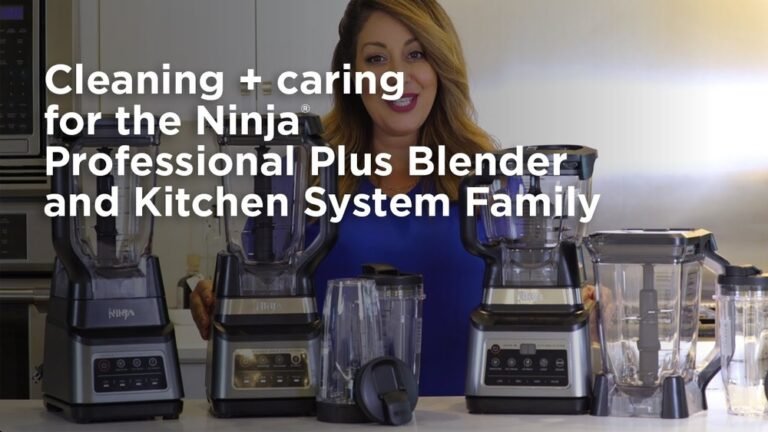
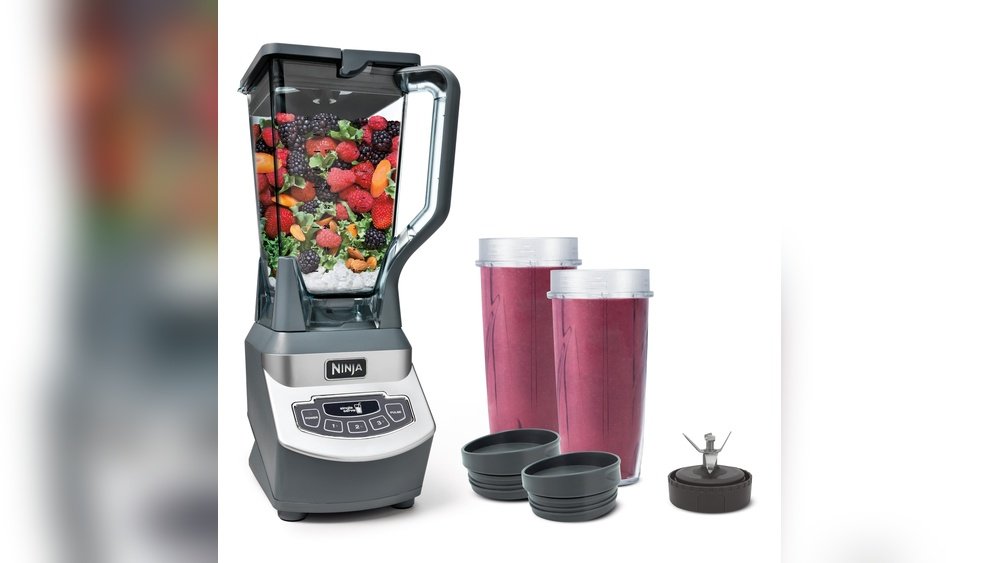
Ninja offers a wide range of blenders, from small personal models to large kitchen systems. Each model has its own wattage rating. Here’s a look at some popular Ninja blenders and their wattages.
| Ninja Blender Model | Wattage | Type |
|---|---|---|
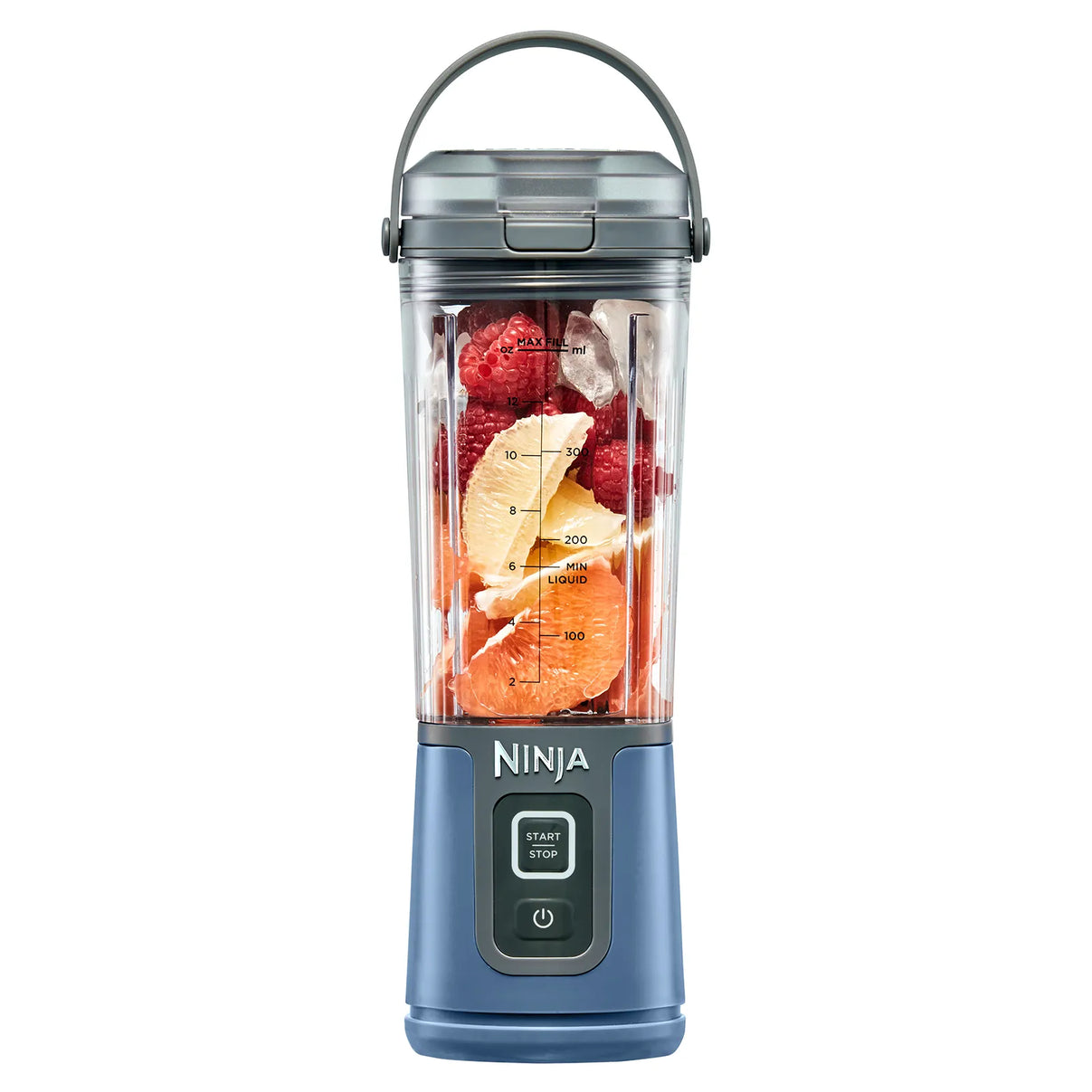
| Ninja Fit | 700W | Personal |
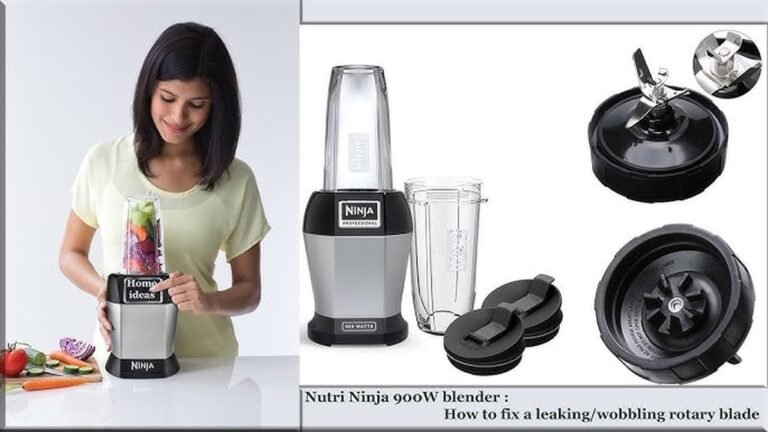
| Ninja Nutri Pro | 900W | Personal |
| Ninja BL610 | 1000W | Countertop |
| Ninja Professional Plus (BN701) | 1400W | Countertop |
| Ninja Foodi Power Blender & Processor System (SS401) | 1600W | Kitchen System |
These wattage numbers show the variety in Ninja’s product line. Personal blenders are smaller and use less power. Kitchen systems are larger and designed for heavy-duty use.
What Is The Typical Wattage Range?
Most Ninja blenders have wattages between 700 watts and 1600 watts. The exact number depends on the model and its purpose.
- Personal blenders: 700–900 watts
- Countertop blenders: 1000–1400 watts
- Kitchen systems: 1200–1600 watts
Some older models may have different numbers, but this range covers the most popular options.
How To Find Wattage On Your Ninja Blender
You can check the wattage in several ways:
- User manual: The wattage is listed in the specifications section.
- Bottom of the blender: There’s usually a sticker or label showing the wattage.
- Official website: Ninja lists wattage for each model online.
- Retail box: When you buy, the box shows the wattage.
If you can’t find the wattage, look for the model number and search online. This helps you confirm you’re getting the right power for your needs.
How Wattage Affects Performance
Many buyers focus on wattage because it’s easy to compare. But wattage is not the only factor that affects blending performance. Still, it does play a big role.
Blending Tough Ingredients
Blending hard foods (like ice, nuts, raw vegetables) needs higher wattage. For example:
- 700W–900W: Good for soft fruit, protein shakes, and smoothies with yogurt or milk.
- 1000W–1400W: Handles frozen fruit, ice, harder veggies, and basic sauces.
- 1500W–1600W: Can make nut butters, crush ice easily, and blend thick doughs.
If you try to blend tough items in a low-wattage blender, you may get poor results, or the motor could overheat.
Smoothness And Texture
Higher wattage means the blades spin faster, which makes your smoothies smoother and more consistent. Lower wattage may leave chunks or uneven textures.
For creamy soups or silk-like smoothies, aim for 1000W or more.
Speed And Efficiency
High-wattage blenders finish blending faster. This saves time, especially if you blend often or make large batches.
But beginners often overlook that high wattage also means higher energy use. If you use your blender many times a day, this could matter.
Longevity And Reliability
Strong motors are less likely to burn out. If you blend tough foods daily, a 1400W or higher blender will last longer than a 700W one.
Still, wattage is not the only sign of durability. Build quality, blade design, and cooling systems also matter.
Comparing Ninja Blender Wattage With Other Brands
Ninja is not the only blender brand. To see how Ninja compares, let’s look at similar products from other companies.
| Brand | Model | Wattage | Notes |
|---|---|---|---|
| Vitamix | Explorian E310 | 1380W | High-end, professional |
| NutriBullet | Nutribullet Pro | 900W | Personal blender |
| Blendtec | Classic 575 | 1560W | Commercial grade |
| Oster | Pro 1200 | 1200W | Mid-range |
| Ninja | Professional Plus | 1400W | Powerful countertop |
From this comparison, you can see Ninja blenders are competitive. They offer strong wattage, often matching or beating other brands at similar price points.
Non-obvious Insight: Wattage Isn’t Everything
Some buyers believe higher wattage always means better blending. But blade design, pitcher shape, and speed controls also matter. For example, a 900W NutriBullet may blend soft foods as well as a 1000W Ninja, thanks to its blade angle.
When comparing blenders, consider:
- Blade quality: Sharp, strong blades improve blending.
- Jar/pitcher shape: Wider or narrower jars affect how ingredients move.
- Preset programs: Smart controls can make blending easier, even at lower wattage.
Many beginners overlook these factors and focus only on wattage. For best results, read reviews and try different models if possible.
Choosing The Right Ninja Blender Wattage
Picking the right wattage depends on your needs. Here’s how to decide.
For Smoothies And Drinks
If you mostly blend soft fruit, yogurt, and milk, a 700–900W Ninja blender is enough. These models are small, easy to use, and affordable.
Examples:
- Ninja Fit (700W)
- Ninja Nutri Pro (900W)
For Ice And Frozen Foods
If you want to crush ice or blend frozen fruit, choose a 1000–1400W model. This gives you more power and better results.
Examples:
- Ninja BL610 (1000W)
- Ninja Professional Plus (1400W)
For Nut Butters, Dough, And Heavy Use
For tough jobs, like making nut butter or blending thick dough, go for 1500–1600W. These models are strong and built for daily use.
Examples:
- Ninja Foodi Power Blender (1600W)
For Family Use
If you blend for a family, higher wattage and larger capacity help. Kitchen systems (1200–1600W) handle bigger batches and more types of food.
For Travel Or Small Spaces
Personal blenders (700–900W) are compact and fit in small kitchens. They’re easy to clean and store.
Practical Guidance
- List your main blending tasks.
- Match wattage to those tasks.
- Consider size, controls, and price.
Avoid buying a high-wattage blender if you only need simple smoothies. It may cost more and use extra energy.
Real-life Examples: Wattage In Action
Let’s see how wattage affects blending with real Ninja blenders.
Example 1: Ninja Fit (700w)
A user blends a banana, spinach, and yogurt. The 700W motor blends smoothly, but struggles with frozen berries. It takes longer and leaves small chunks.
Example 2: Ninja Bl610 (1000w)
A user blends ice, frozen mango, and milk. The 1000W motor crushes ice easily and makes a smooth drink. It finishes in less than 30 seconds.
Example 3: Ninja Foodi Ss401 (1600w)
A user makes almond butter. The 1600W motor blends almonds into a creamy paste in under 2 minutes. Lower-wattage blenders would overheat or leave chunks.
These examples show how wattage affects what you can blend and how fast you finish.
Energy Use And Safety
High-wattage blenders use more electricity. If you’re concerned about power bills, compare wattage before buying.
For example, a 1600W blender uses more energy per minute than a 700W one. But blending time is shorter, so the total energy use may be similar.
Safety Tips
- Don’t run your blender longer than needed.
- Let the motor cool between batches.
- Keep the blender clean to avoid overheating.
Ninja blenders have safety features, but misuse can still cause problems. Always follow the user manual.
Common Mistakes When Choosing Wattage
Many first-time buyers make mistakes when picking wattage. Here are some to avoid:
- Overbuying: Getting a high-wattage blender for simple tasks wastes money and space.
- Underbuying: Choosing low wattage for tough jobs leads to poor performance.
- Ignoring other features: Wattage matters, but so do blade quality and jar size.
- Not checking energy use: High wattage means higher electricity costs.
- Assuming all Ninja blenders are equal: Ninja makes many models; check the exact wattage before buying.
If you’re unsure, read reviews or ask friends for advice. Many stores let you test blenders before buying.
Ninja Blender Wattage And Kitchen Space
Higher-wattage blenders are often bigger and heavier. If your kitchen is small, check the size before buying.
Personal blenders are compact, but kitchen systems take up more space. Think about storage and cleaning as well.
Quick Tips For Small Kitchens
- Choose personal models (700–900W).
- Store blender on a shelf or in a cabinet.
- Clean after each use to avoid mess.
If you need a powerful blender but have limited space, look for models with detachable parts or stackable accessories.
Ninja Blender Wattage And Price
Wattage affects price. Higher-wattage models cost more because they have stronger motors and extra features.
Here’s a simple price comparison:
| Model | Wattage | Average Price (USD) |
|---|---|---|
| Ninja Fit | 700W | $59 |
| Ninja Nutri Pro | 900W | $89 |
| Ninja BL610 | 1000W | $99 |
| Ninja Professional Plus | 1400W | $129 |
| Ninja Foodi SS401 | 1600W | $179 |
Prices vary by store and season. Always check for sales and compare features.
Non-obvious Insight: Hidden Costs
Some beginners forget about replacement parts and accessories. Higher-wattage models may need stronger blades or jars, which cost extra.
Consider the total cost, not just the blender price. Check if the model includes cups, lids, or recipe books.

Credit: www.sharkninja.com
Wattage And Blender Lifespan
A Ninja blender’s lifespan depends on how often you use it and what you blend. Strong motors last longer, but regular cleaning and care are important.
How To Extend Blender Life
- Use the right wattage for your needs.
- Clean after each use.
- Avoid overfilling the jar.
- Let the motor rest between batches.
Some users make the mistake of running their blender non-stop. Even high-wattage models need breaks.
Wattage And Noise Level
Blenders can be loud, especially at high wattage. Ninja blenders are quieter than some brands, but noise still matters.
Tips To Reduce Noise
- Blend in short bursts.
- Use a towel under the blender.
- Close the lid tightly.
If noise is a big concern, look for models with quiet technology or sound covers.
Wattage And Food Quality
High wattage means faster blending and smoother results. If you make soups, sauces, or smoothies often, you’ll notice the difference.
But some recipes need slower blending. For example, chunky salsa or pesto benefits from lower speed.
Using Preset Controls
Many Ninja blenders have preset programs for smoothies, ice crushing, or dough. These help you get the right texture, even at high wattage.
Wattage And Blender Versatility
Higher-wattage Ninja blenders can do more. For example, the Ninja Foodi Power Blender can blend, chop, mix, and even knead dough.
If you want a multi-use blender, choose a model above 1200W.
What Can High-wattage Ninja Blenders Do?
- Make nut butters
- Blend thick soups
- Crush ice
- Knead dough
- Process vegetables
Lower-wattage blenders are limited to soft foods and simple drinks.
Ninja Blender Wattage For Commercial Use
If you run a cafe or smoothie bar, wattage is critical. Commercial blenders need at least 1400W, and often more.
Ninja makes some high-power models, but for heavy daily use, brands like Vitamix or Blendtec may be better. Still, Ninja kitchen systems are fine for small shops or home businesses.
Always check warranty and repair options before buying for business use.
Understanding Wattage Labels And Marketing
Some companies list peak wattage instead of operating wattage. Peak wattage is the maximum power at startup, not during normal use.
Ninja usually lists operating wattage, but read carefully. If you see “1500W peak power,” check for real blending wattage.
Practical Tip
Check user reviews to see if the blender performs as promised. Sometimes marketing numbers are higher than real-life results.
Ninja Blender Wattage And Recipe Choices
Your blender’s wattage limits what recipes you can make. For example:
- 700W–900W: Smoothies, shakes, dressings
- 1000W–1400W: Ice drinks, soups, sauces
- 1500W–1600W: Nut butters, doughs, thick soups
If you want to try new recipes, pick a wattage that matches your plans.
Ninja Blender Wattage And Health Benefits
A stronger blender lets you eat more whole foods. For example, you can blend raw vegetables, nuts, and seeds into smoothies. This helps you get more fiber and nutrients.
Some users find that higher wattage makes healthy eating easier, because they can blend tougher ingredients.
Credit: ninjakitchen.co.nz
Wattage And Cleaning
Cleaning is easier with smaller blenders, but high-wattage models often have dishwasher-safe parts.
Always check the manual for cleaning instructions. Keeping your blender clean helps the motor last longer.
Wattage And Warranty
Ninja blenders usually have a one-year warranty. Some models offer longer warranties for higher wattage.
Check the warranty terms before buying. If you use your blender often, a longer warranty is helpful.
Ninja Blender Wattage And Environmental Impact
Higher-wattage blenders use more energy, but they blend faster. For eco-friendly use:
- Blend in short bursts.
- Turn off the blender when not in use.
- Clean with eco-friendly soaps.
If you’re concerned about energy use, pick a model with the right wattage for your needs.
Where To Find More Information
For official Ninja blender wattage ratings and product details, visit the Ninja Kitchen official site. You can compare models, check specifications, and read user reviews.
Frequently Asked Questions
How Many Watts Is A Ninja Blender?
Most Ninja blenders have wattage between 700W and 1600W, depending on the model. Personal blenders are usually 700–900W, countertop models are 1000–1400W, and kitchen systems are 1200–1600W.
What Wattage Is Best For Smoothies?
For soft fruit and yogurt smoothies, 700W–900W is enough. If you add ice or frozen fruit, choose a blender with at least 1000W for smoother results.
Can A Ninja Blender Crush Ice?
Yes, most Ninja blenders above 1000W can crush ice easily. Lower-wattage models may struggle or leave chunks. Always check the manual before blending hard items.
Is Higher Wattage Always Better?
Not always. Higher wattage means more power, but it also uses more energy and can be louder. Choose wattage based on your blending needs, not just the number.
How Do I Check The Wattage Of My Ninja Blender?
Look for a sticker or label on the bottom of the blender, check the user manual, or search the model number online. The wattage is always listed in the specifications.
Final Thoughts
Wattage is a key factor when choosing a Ninja blender. It affects how well the blender handles tough foods, how fast you finish blending, and even how much energy you use. Ninja offers a wide range of blenders, from compact 700W models to powerful 1600W kitchen systems.
The right wattage depends on your recipes, kitchen space, and budget.
Remember, wattage is important, but so are blade quality, controls, and build. Don’t just pick the highest wattage. Match the blender to your needs. With the right Ninja blender, you can enjoy smoother drinks, faster blending, and healthier eating every day.

Credit: www.amazon.com