How To Clean Ninja Blender Pitcher Quickly and Easily
Cleaning a Ninja blender pitcher seems simple, but many people miss the small details that keep it in top condition. Maybe you’ve noticed cloudy stains, strange odors, or food stuck under the blade. Or maybe you’re worried about damaging your blender with the wrong cleaning products. The truth is, a dirty pitcher not only looks bad—it can affect your food’s taste and even your health. The good news: with the right steps, you can keep your Ninja blender pitcher sparkling clean, safe, and ready for anything.
Let’s break down every part of cleaning a Ninja blender pitcher, from fast daily routines to deep cleaning and tackling stubborn stains. Whether you blend smoothies every day or just use your blender for the occasional sauce, this guide will help you get the most out of your appliance.
You’ll also learn what to avoid, common mistakes, and tips that most owners never hear about.
Why Cleaning Your Ninja Blender Pitcher Is So Important
Many people wash their blender quickly and move on, but the pitcher is where food, bacteria, and smells build up. Left uncleaned, this can lead to:
- Cloudy residue that won’t wash off with water alone
- Unpleasant smells from trapped old food
- Bacteria growth in hidden spots
- Blades becoming less effective if food dries on them
A clean pitcher keeps your drinks tasting fresh and your blender working for years. According to the National Sanitation Foundation, blender pitchers are one of the most germ-filled kitchen items if not cleaned well.
Understanding Your Ninja Blender Pitcher
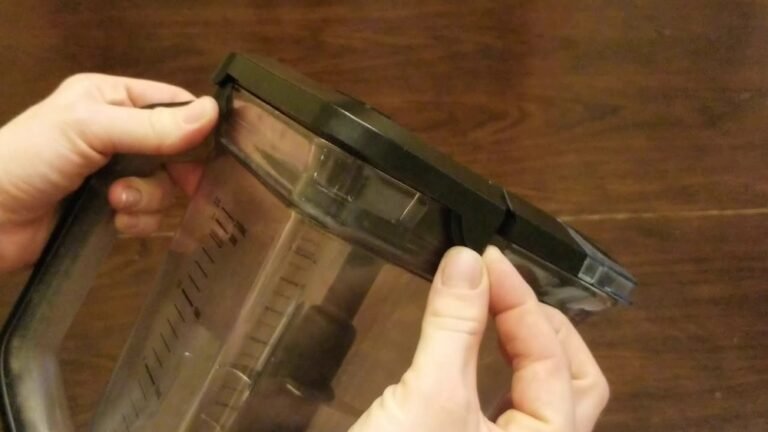
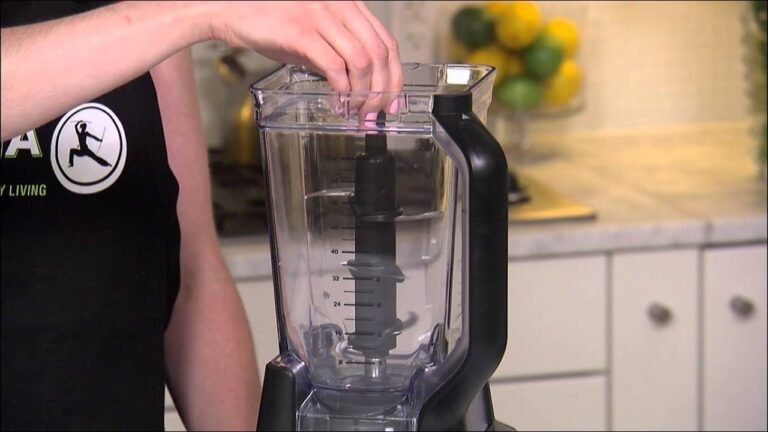
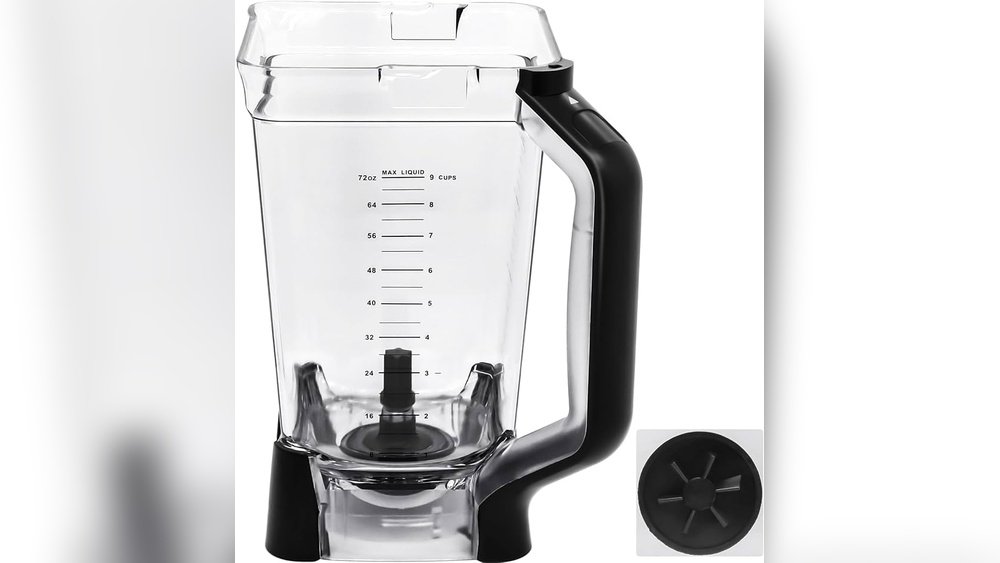
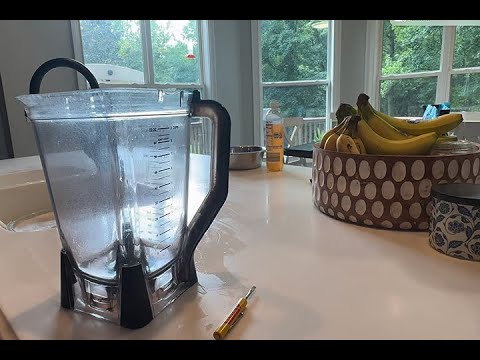
Before cleaning, it helps to know what you’re dealing with. Ninja blender pitchers are made from tough, BPA-free plastic. They have sharp, removable blades and a locking lid. Some models have extra parts, like a pour spout or safety locks.
Here’s a quick comparison of common Ninja pitcher models and their features:
| Model | Material | Removable Blade? | Dishwasher Safe? | Capacity |
|---|---|---|---|---|
| Ninja Professional 72oz | BPA-Free Plastic | Yes | Yes (top rack) | 72 oz |
| Ninja Foodi Power Pitcher | BPA-Free Plastic | Yes | Yes (top rack) | 72 oz |
| Ninja Nutri-Blender Pro | BPA-Free Plastic | No (fixed blade) | Yes (top rack) | 24 oz |
Key insight: Not all Ninja blenders have removable blades. Always check your manual before trying to take parts apart.
Credit: www.youtube.com
What You Need Before You Start
Cleaning your Ninja blender pitcher doesn’t require special gear, but having the right items makes it easier. Here’s what you’ll need:
- Mild dish soap (avoid harsh chemicals)
- Soft sponge or bottle brush
- White vinegar or baking soda (for deep cleaning)
- Microfiber cloth (to dry and polish)
- Toothbrush (for tight spots)
- Rubber gloves (for safety)
- Warm water
Avoid using steel wool or rough scrubbers—these can scratch the pitcher and make it cloudy.
Quick Cleaning After Each Use
If you clean your Ninja pitcher right after using it, you’ll avoid most stains and smells. Here’s the fastest and safest way:
- Rinse the pitcher with warm water right after blending.
- Fill halfway with warm water and a drop of dish soap.
- Secure the lid. Make sure the blades are inside.
- Run the blender on low for 30–60 seconds. This self-cleans the blades and pitcher walls.
- Pour out the soapy water.
- Rinse well with clean water to remove all soap.
- Dry with a microfiber cloth or air-dry upside down.
Practical tip: Never let food dry in the pitcher. Even five minutes can make a big difference in how easy it is to clean.
Detailed Manual Cleaning: Step-by-step
Sometimes, a quick rinse isn’t enough. Here’s how to clean your Ninja blender pitcher by hand for best results.
Step 1: Disassemble The Pitcher
- Unplug the blender base.
- Remove the pitcher from the base.
- Take off the lid and pour spout cap.
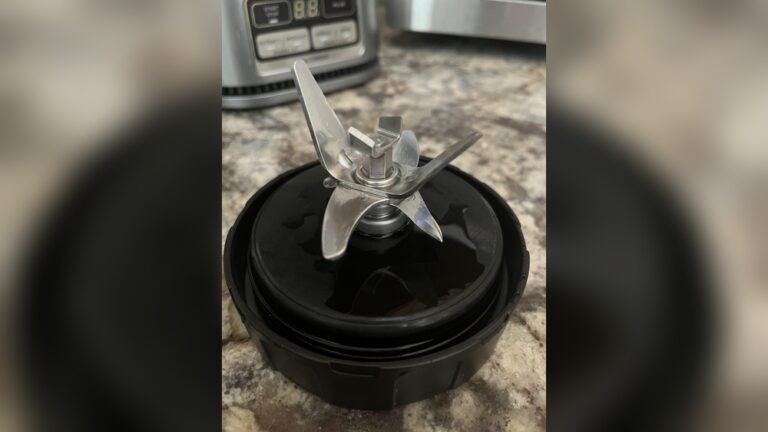
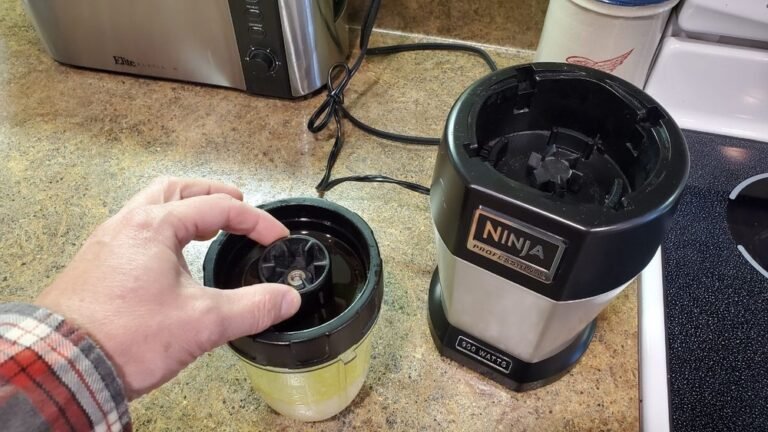
- If your model allows, carefully lift out the blade assembly by the plastic center (not the blades).
Safety tip: The blades are extremely sharp. Always handle by the center shaft, never the edges.
Step 2: Wash Each Part Separately
- Fill your sink with warm, soapy water.
- Place the pitcher, lid, and blade assembly in the water.
- Use a soft sponge or bottle brush to scrub the inside and outside of the pitcher.
- Scrub the blade assembly gently, focusing on the underside where food hides.
Step 3: Clean The Lid And Small Parts
- Pay attention to the lid gasket (the rubber ring that seals the lid).
- Use a toothbrush or small brush to clean crevices, especially around the pour spout.
Common mistake: Many people forget the gasket, which traps food and causes odors.
Step 4: Rinse And Dry
- Rinse all parts with warm water until no soap remains.
- Dry with a microfiber cloth to avoid water spots.
- Let all parts air-dry fully before reassembling.
Deep Cleaning For Stains And Odors
If your pitcher looks cloudy or smells bad, regular washing isn’t enough. Here are two proven deep-cleaning methods:
Method 1: Vinegar Soak
- Fill the pitcher with a 1: 1 mix of white vinegar and warm water.
- Let it soak for 2–4 hours.
- Scrub with a bottle brush.
- Rinse well to remove all vinegar smell.
Method 2: Baking Soda Paste
- Make a paste from 2 tablespoons baking soda and a little water.
- Apply paste to stains or cloudy areas.
- Let sit for 20 minutes.
- Scrub with a soft sponge.
- Rinse completely.
Expert insight: Cloudiness is usually caused by mineral deposits or dried food. Vinegar dissolves minerals, baking soda lifts stuck-on grease.
Is The Ninja Pitcher Dishwasher Safe?
Most Ninja blender pitchers are labeled as top rack dishwasher safe. Here’s what you need to know:
| Part | Dishwasher Safe? | Recommended Placement | Notes |
|---|---|---|---|
| Pitcher | Yes | Top rack | High heat may cause clouding |
| Lid | Yes | Top rack | Remove gasket before washing |
| Blade Assembly | Yes | Top rack | Dry immediately to prevent rust |
Important: Dishwashers save time but may make the pitcher cloudy over months of use. Handwashing is gentler and keeps the plastic clear longer.
Cleaning The Blade Assembly
The blade assembly is the most critical—and dangerous—part to clean. Here’s how to do it safely and thoroughly:
- Always remove the blade assembly from the pitcher before cleaning.
- Use a bottle brush or toothbrush to scrub both sides.
- Check under the blade: Food often hides here.
- For stubborn spots, soak in warm soapy water for 10–15 minutes.
- Dry immediately with a towel, holding the center shaft only.
Non-obvious insight: Even small bits of dried food on the blade can affect blending performance and harbor bacteria.

Credit: www.amazon.com
How To Clean Under The Blade
Many people forget to clean under the blade, where food easily gets stuck. Here’s a simple method:
- Use a toothbrush or a cotton swab dipped in soapy water.
- Gently scrub the hard-to-reach areas.
- Rinse well.
- For tough residue, let the blade soak in vinegar for 10 minutes, then scrub.
Pro tip: Cleaning under the blade at least once a week prevents sticky build-up and odd smells.
Removing Stubborn Stains (turmeric, Beetroot, Etc.)
Some foods—like turmeric, carrots, and beets—leave behind bright stains that regular washing won’t remove.
Here’s how to tackle them:
- Make a strong paste from baking soda and water.
- Rub the paste onto the stained areas.
- Let sit for 30 minutes.
- Rinse and wash as usual.
For very tough stains, fill the pitcher with a 1:1 mix of lemon juice and water, then let sit for a few hours. Lemon’s natural acid helps lift stains and odors.
Note: Stains do not affect performance but do look unattractive and may transfer flavors to other foods.
Credit: www.youtube.com
Removing Cloudiness From Your Pitcher
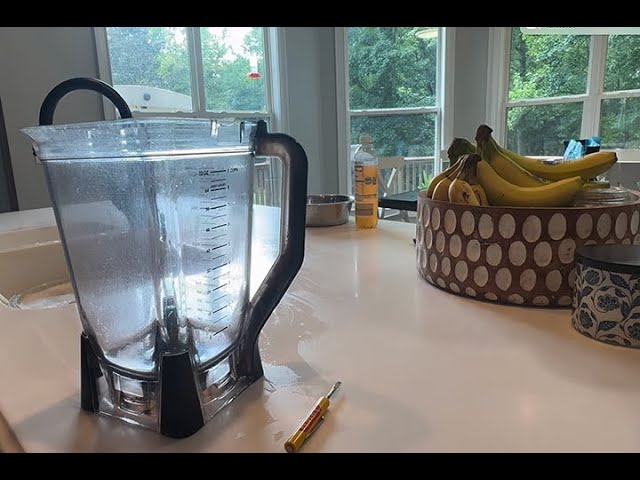
Cloudy blenders are a common complaint. This is usually due to hard water deposits or tiny scratches from harsh cleaning. Here’s what to do:
- Soak the pitcher in a 1: 1 mix of white vinegar and water overnight.
- Scrub with a soft sponge next day.
- Rinse and dry well.
If cloudiness remains, try a mild polish with baking soda paste. Avoid using harsh abrasives—they make cloudiness worse over time.
Non-obvious insight: Always dry your pitcher with a microfiber cloth rather than air-drying. This reduces water spots and keeps the plastic clearer.
Dealing With Bad Smells
Blenders often start to smell if not dried properly or if food gets stuck in the gasket. Here’s how to freshen things up:
- Soak the pitcher and lid in a mix of baking soda and warm water for an hour.
- Clean the gasket and all crevices with a toothbrush.
- Rinse and dry fully.
For lingering smells, leave a handful of dry baking soda in the pitcher overnight (with the lid off). Baking soda absorbs odors very effectively.
Cleaning The Lid, Gasket, And Pour Spout
The lid and its parts need special attention because they trap food and moisture.
- Remove the gasket (if possible) and wash separately.
- Clean inside the pour spout with a bottle brush or straw brush.
- Dry all parts completely before reassembling.
Common mistake: Reassembling while wet leads to mold and smells.
Cleaning The Base (motor Unit)
Never submerge the blender base in water or put it in the dishwasher. Instead:
- Unplug the unit.
- Wipe the outside with a damp (not wet) cloth.
- Use a toothbrush to brush dust from the cooling vents.
- Dry with a microfiber cloth.
Safety reminder: Water and electricity do not mix. Keep the motor unit dry at all times.
How Often Should You Clean Your Ninja Blender Pitcher?
Here’s a simple schedule for best results:
- After every use: Quick rinse and soapy blend
- Once a week: Full disassembly and manual wash
- Monthly: Deep clean with vinegar or baking soda
Real-world tip: If you use your blender for sticky or strong-smelling foods, deep clean more often.
What To Avoid When Cleaning
Not all cleaning methods are safe for your Ninja blender pitcher. Here’s what to watch out for:
- Never use boiling water (can warp plastic)
- Don’t use bleach or harsh chemicals
- Avoid steel wool or rough pads
- Don’t put wet parts back on the base
- Never reassemble with wet gaskets
These mistakes can damage your blender, cause leaks, or even void your warranty.
Troubleshooting Common Cleaning Problems
Here are solutions to issues you may encounter:
- Sticky residue: Soak in warm, soapy water for 30 minutes, then scrub.
- Cloudy plastic: Use vinegar soak and gentle baking soda polish.
- Bad smell: Clean all gaskets and let baking soda sit overnight.
- Blade not spinning well: Check for dried food under the blade assembly and clean thoroughly.
- Leaks: Make sure all parts (especially the gasket) are clean, dry, and correctly assembled.
How To Store Your Blender Pitcher
Proper storage keeps your pitcher clean and odor-free:
- Always store completely dry
- Leave the lid off or ajar to let air circulate
- Store in a cool, dry place out of direct sunlight
- If possible, keep the blade assembly separate to prevent stress on the gasket
How To Clean Your Ninja Blender Pitcher When Traveling
Traveling or camping? You may not have a dishwasher or all your usual tools. Here’s what to do:
- Rinse pitcher with the hottest water you have
- Use a small bottle of dish soap and a travel brush (baby bottle brushes work well)
- Let parts air-dry in the sun—the sun’s UV helps kill bacteria
- If vinegar is available, use it for a quick soak for stains or smells
Comparing Ninja Blender Cleaning With Other Brands
Ninja blenders are known for strong blades and smart design, but how do they compare to other brands for cleaning?
| Brand | Removable Blade? | Dishwasher Safe? | Cleaning Difficulty |
|---|---|---|---|
| Ninja | Yes (most models) | Yes (top rack) | Easy to Moderate |
| Vitamix | No (fixed blade) | No | Moderate to Hard |
| Oster | Yes | Yes | Easy |
| NutriBullet | Yes (cup blade) | Yes | Easy |
Insight: Removable blades make Ninja pitchers easier to clean than some high-end brands with fixed blades.
Keeping Your Ninja Blender Pitcher Looking New
Here’s how to keep your pitcher clear, odor-free, and working well for years:
- Clean right after each use—don’t wait
- Use only soft brushes and mild cleaners
- Deep clean monthly
- Dry with a microfiber cloth, not air-dry
- Store with the lid off
Practical tip: If you live in a hard water area, use filtered water in your blender and for cleaning. This reduces mineral build-up and cloudiness.
When To Replace Your Pitcher
No matter how well you clean, pitchers wear out. Replace your pitcher if you notice:
- Cracks or chips in the plastic
- Deep scratches that trap food
- Gasket is no longer sealing, even after cleaning
- Blades are dull or bent
Check the Ninja website for replacement parts, or contact customer support for advice. Keeping your blender in good shape protects your investment and your health.
Eco-friendly Cleaning Tips
If you want to reduce your impact on the environment:
- Use vinegar and baking soda instead of strong chemicals
- Wash with cool water when possible to save energy
- Choose biodegradable sponges and brushes
- Let parts air-dry in sunlight for natural disinfection
For more eco-friendly cleaning tips, visit EPA Safer Choice.
Frequently Asked Questions
How Do I Get Rid Of Strong Smells In My Ninja Blender Pitcher?
Wash all parts with dish soap, then soak the pitcher and lid in a mix of baking soda and water for at least an hour. Clean the gasket and spout with a toothbrush. For very strong smells, let baking soda sit dry in the pitcher overnight.
Can I Put My Ninja Blender Pitcher In The Dishwasher Every Day?
Yes, most Ninja pitchers are top-rack dishwasher safe. However, frequent dishwasher cycles may cause the plastic to become cloudy over time. Handwashing is gentler and better for long-term clarity.
What Should I Do If The Blade Assembly Is Stuck?
Do not force it. Soak the pitcher in warm, soapy water for 20 minutes to loosen dried food. Try turning the blade by the center shaft (not the sharp edges). If it’s still stuck, check your manual or contact Ninja support.
Is It Safe To Use Bleach To Clean My Ninja Blender Pitcher?
No. Bleach can damage the plastic and gasket, and may leave harmful residue. Use vinegar or baking soda for tough stains and odors instead.
How Do I Prevent Cloudiness In My Ninja Blender Pitcher?
Always rinse and dry the pitcher after use. Avoid dishwashers if possible. For hard water areas, use filtered water. Deep clean with vinegar monthly to remove mineral deposits.
Keeping your Ninja blender pitcher clean doesn’t have to be a chore. With the right habits, a few smart tools, and a little know-how, you can enjoy clear, odor-free blends every time. Your drinks will taste better, your blender will last longer, and you’ll save time and effort. Happy blending!