
How To Clean Ninja Foodi Blender: Quick and Easy Steps
Cleaning your Ninja Foodi Blender properly is the secret to making it last longer and perform at its best. Many people use their blenders daily for smoothies, soups, or sauces but forget that a dirty blender can cause more than just bad smells—it can affect taste, harbor germs, and even damage your machine.
The good news? Keeping your Ninja Foodi Blender spotless is easy if you know the right steps and a few expert tricks. This guide walks you through everything you need to know, from quick cleans after each use to tackling stubborn stains and deep cleaning.
You’ll also discover useful tips that most beginners miss, and practical advice to avoid common mistakes. Whether you’re cleaning up after a morning smoothie or preparing your blender for heavy use, you’ll find the confidence to keep your Ninja Foodi Blender in top shape.
Why Cleaning Your Ninja Foodi Blender Matters
A clean blender does more than just look nice. It keeps your food safe, preserves flavor, and protects your investment. Food residue, especially from sticky or oily ingredients, can build up in hard-to-reach places. Over time, this can lead to:
- Bacterial growth: Leftover food can attract bacteria and mold, which could make you sick.
- Bad odors: Even small amounts of old food can create unpleasant smells that linger.
- Dull blades: Gunk on the blades can reduce their sharpness, making your blender less effective.
- Motor strain: Build-up around the blade or base can make the motor work harder and wear out faster.
Regular cleaning isn’t just about appearances—it’s about health and performance.
Understanding The Parts Of Your Ninja Foodi Blender
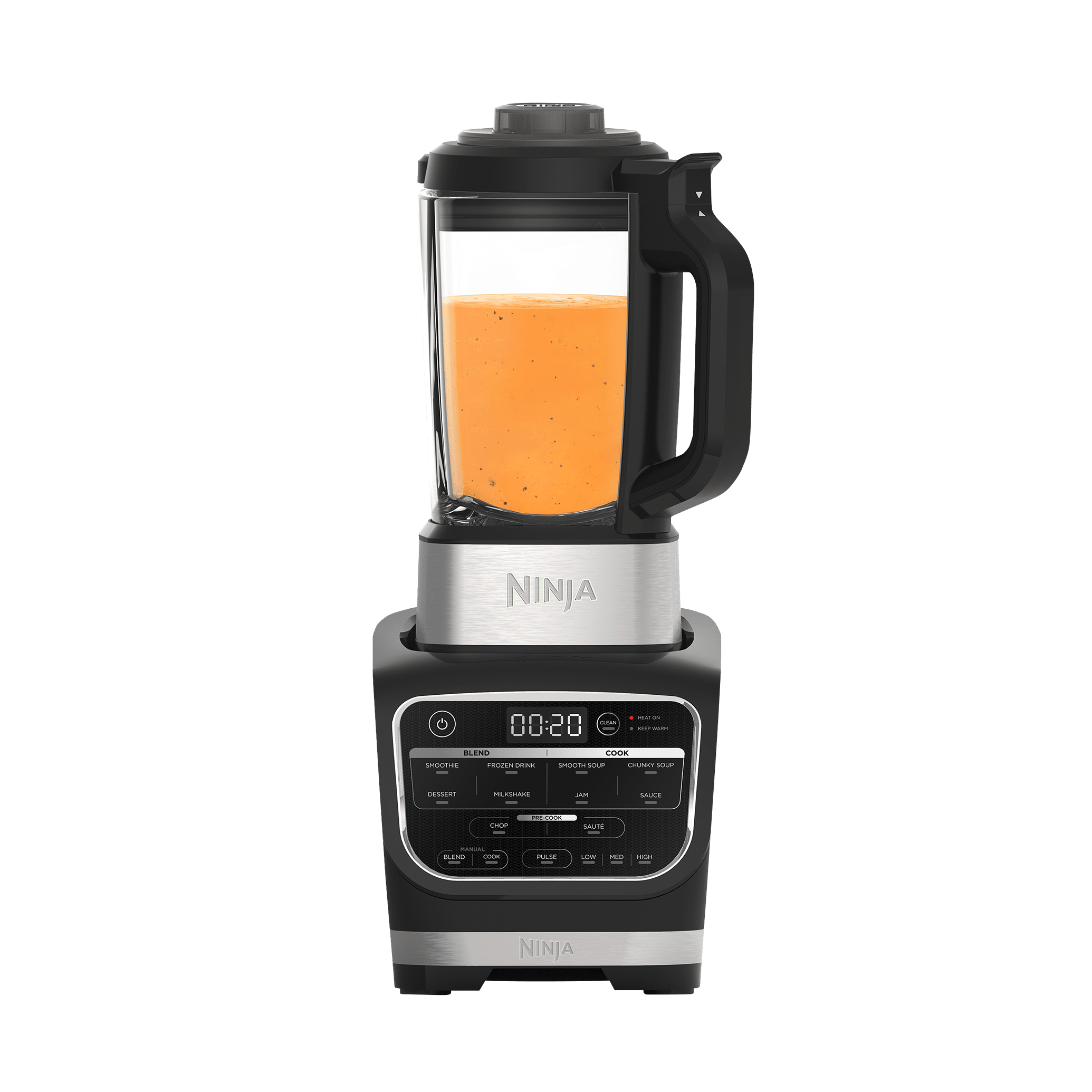
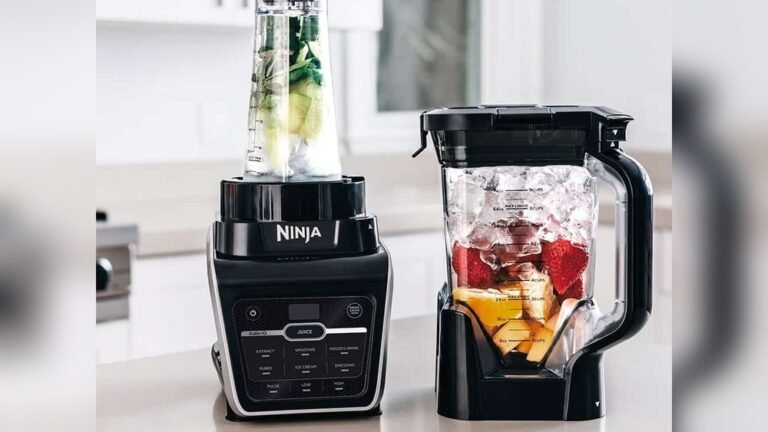
Before you begin cleaning, it’s important to know the different parts of your Ninja Foodi Blender. This helps you clean each part properly and avoid damage.
| Part | Description | Can It Be Washed? |
|---|---|---|
| Pitcher/Jar | Main container for blending | Yes (by hand or dishwasher) |
| Blade Assembly | Removable blades at base | Yes (by hand; some dishwasher safe) |
| Lid | Covers pitcher, often with removable cap | Yes (by hand or dishwasher) |
| Base/Motor Unit | Contains the motor and controls | No (wipe only) |
| Seals/Gaskets | Rubber/silicone rings for leak-proofing | Yes (by hand) |
Knowing how each part is built helps you avoid common cleaning mistakes, like submerging the motor base in water.
Essential Cleaning Supplies
Gather your cleaning tools before you start. You don’t need fancy products—just a few basic supplies:
- Warm water: Essential for dissolving food and grease.
- Dish soap: Cuts through residue and kills germs.
- Soft sponge or brush: Prevents scratches on plastic and glass parts.
- Bottle brush: Reaches tight spots around blades and pitcher corners.
- Microfiber cloth: For drying and wiping the base.
- White vinegar or baking soda: Great for removing odors or stains.
- Toothpick/cotton swab: For cleaning small crevices and gaskets.
Tip: Avoid harsh abrasives or metal scouring pads—they can scratch and cloud the blender surfaces.
Quick-clean Method: After Every Use
The fastest way to keep your Ninja Foodi Blender fresh is to clean it right after each use. This takes less than five minutes and prevents residue from hardening.
Step-by-step Quick Clean
- Rinse the pitcher: Fill the pitcher halfway with warm water right after pouring out your blended food.
- Add dish soap: A drop or two is enough.
- Blend: Secure the lid and blend on low for 30 seconds. This uses the blender’s own power to clean the blades and pitcher walls.
- Rinse again: Pour out soapy water, then rinse thoroughly with clean water.
- Dry: Shake off excess water and air dry, or use a clean towel.
This method is safe for daily use and works well for most smoothies, shakes, and soft foods.
Non-obvious tip: If you notice a faint smell after cleaning, add a splash of white vinegar to the water during the blend step. Vinegar neutralizes odors without damaging the plastic.
Deep Cleaning Your Ninja Foodi Blender
Even with daily quick cleaning, your blender needs a deeper clean at least once a week or after blending sticky or oily foods. Deep cleaning removes hidden food particles, tough stains, and lingering smells.
How To Deep Clean
- Unplug the blender: Always disconnect from power before disassembling.
- Disassemble all parts: Remove the pitcher, lid, blade assembly, and gaskets. Check your Ninja manual for specific instructions.
- Soak removable parts: Fill your sink with warm, soapy water. Submerge the pitcher, lid, blades, and seals for 10–15 minutes.
- Scrub with a soft brush: Focus on the blades, under the lid, and around the seals. Use a bottle brush for tight spots.
- Check for buildup: Pay attention to the base of the blade assembly and the gasket grooves—these trap sticky residue.
- Rinse thoroughly: Soap residue can leave a taste, so rinse everything well.
- Dry completely: Air drying is best, but you can towel dry to speed up the process. Make sure all parts are dry before reassembling to prevent mold.
Pro insight: Every few weeks, sprinkle a little baking soda on stubborn stains or cloudy spots. Add water to form a paste, gently scrub, then rinse. Baking soda is gentle but effective for removing tough marks.
Cleaning The Blender Blades Safely
Blender blades are sharp and can cause injury if you’re not careful. But they also need extra attention, as food often gets stuck underneath or between the blades.
Safe cleaning steps:
- Always remove the blade assembly from the pitcher before cleaning.
- Use a small brush or toothbrush to reach under the blades.
- Never place your hand directly on the blades—move food with a brush or by rinsing under running water.
- If blades are really stuck with food, soak them in hot, soapy water for 10 minutes first.
Did you know? Dull or dirty blades can make your blender less efficient. If you notice your blender struggling or not blending smoothly, check the blades for buildup or nicks.

Credit: www.amazon.com
What About The Motor Base?
The motor base is the only part of your Ninja Foodi Blender you should never submerge in water. Liquid can damage the electronics and void your warranty.
To clean the motor base:
- Unplug the blender first.
- Wipe the outside with a damp microfiber cloth. For sticky spots, use a little dish soap, then wipe again with a clean, damp cloth.
- Use a cotton swab to clean around buttons, dials, and crevices.
- Dry with a soft towel.
If liquid spills onto the base, unplug it immediately and let it dry completely before using again.
How To Clean The Lid And Gaskets
The lid and gaskets (rubber seals) can trap food and are easy to forget. Neglecting these can cause leaks and bad smells.
- Remove the gasket: Most Ninja Foodi Blender lids have a removable seal. Pry it out gently.
- Wash both parts: Clean the lid and gasket separately in soapy water. Use a brush for the groove where the gasket sits.
- Rinse and dry: Make sure the gasket is fully dry before putting it back. Damp gaskets can grow mold.
- Check for damage: If your blender starts leaking, inspect the gasket for cracks or warping.
Expert tip: If you blend sticky foods (like nut butter), soak the lid and gasket in a vinegar solution (1 part vinegar to 3 parts water) for 10 minutes to cut through grease and eliminate odors.
Dishwasher Safety: What Can Go In?
Many Ninja Foodi Blender parts are labeled “dishwasher safe. ” But not all plastics are created equal, and repeated dishwasher cycles can cause clouding or warping over time.
Here’s a quick reference for Ninja Foodi Blender dishwasher safety:
| Part | Dishwasher Safe? | Dishwasher Rack |
|---|---|---|
| Pitcher/Jar | Yes | Top rack preferred |
| Blade Assembly | Check manual (usually yes) | Top rack |
| Lid | Yes | Top rack |
| Gasket | Yes | Silverware basket |
| Motor Base | No | Never |
Key advice: Even if parts are labeled dishwasher safe, hand washing extends their life. Hot dishwasher water and harsh detergents can cause plastic parts to become cloudy or brittle.
Removing Stubborn Stains And Odors
Sometimes you’ll notice stains from berries, turmeric, or tomato-based sauces, or a lingering smell after blending garlic or onions. These can be tough to remove with regular soap and water.
Solutions for stains and odors:
- Baking soda paste: Mix baking soda with water, apply to stains, scrub gently, and rinse.
- Vinegar soak: Fill the pitcher with equal parts vinegar and water. Let it sit for 30–60 minutes, then rinse well.
- Lemon trick: Blend a mixture of warm water, a few drops of dish soap, and half a lemon for 30 seconds. The lemon helps cut through odors naturally.
If stains persist after several cleanings, try leaving the pitcher in sunlight for a few hours—UV light can naturally bleach stubborn marks.
Beginner mistake: Using bleach or harsh chemicals can damage blender parts and leave toxic residues. Stick with food-safe solutions.
How To Clean After Blending Sticky Or Oily Foods
Sticky foods like nut butters, hummus, or thick batters are harder to clean. Oily foods can leave a film on the pitcher and blades.
To clean after sticky or oily foods:
- Pre-clean: Use a spatula to scrape out as much food as possible.
- Hot soapy soak: Fill the pitcher with hot water and dish soap. Let it soak for 15–30 minutes.
- Manual scrub: Use a soft brush or sponge to remove sticky residue.
- Rinse with vinegar: For oily films, rinse with a mixture of water and vinegar to cut through grease.
- Dry thoroughly: Oily spots can attract dust and germs, so make sure everything is dry before reassembling.
Pro insight: Oily residue often hides in the gasket and under the blades. Take extra care to scrub these areas.
Cleaning The Personal Cup And Accessories
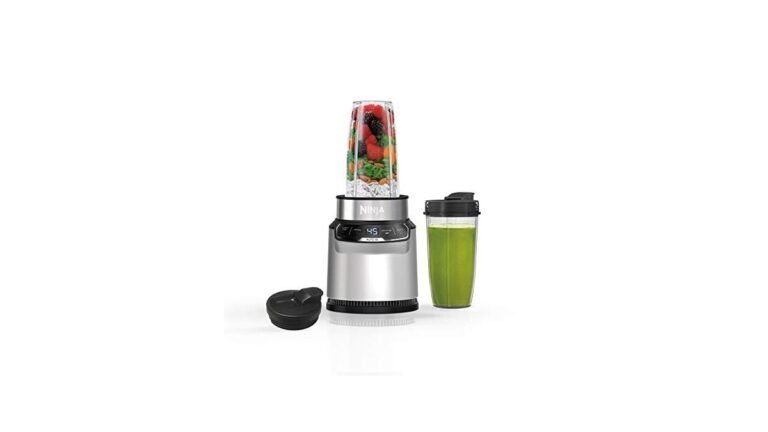
If your Ninja Foodi Blender comes with personal cups, blades, or extra lids, clean them after each use. These smaller parts can hide food in threads or crevices.
- Disassemble all parts.
- Wash by hand with warm, soapy water, using a bottle brush for tight spots.
- Rinse and dry completely.
- Inspect lids and drinking spouts for trapped residue.
Non-obvious tip: If you notice a build-up in threads or seals, use a toothpick or cotton swab to clean out grooves.
How Often Should You Deep Clean?
- Quick clean: After every use
- Deep clean: Once a week, or after blending sticky, oily, or strong-smelling foods
- Gasket and lid: At least once a week, more if you use daily
- Motor base: Wipe down weekly, or after spills
Regular cleaning keeps your Ninja Foodi Blender safe and effective.
Common Cleaning Mistakes To Avoid
Many blender owners make simple mistakes that can lead to damage or poor results. Avoid these pitfalls:
- Soaking the motor base: Water and electronics don’t mix. Wipe only.
- Using harsh abrasives: Steel wool or rough pads can scratch plastic and glass.
- Forgetting the gasket: This is the most common cause of leaks and smells.
- Reassembling damp parts: Moisture in the lid or gasket can cause mold growth.
- Using bleach: This can damage parts and leave unsafe residues.
- Ignoring manufacturer instructions: Check your Ninja Foodi Blender manual for specific advice.

Credit: www.amazon.com
How To Store Your Blender After Cleaning
Proper storage helps prevent dust, mold, and odors from settling in your clean blender.
- Always dry all parts completely before storing.
- Store with the lid off or slightly ajar to let air circulate.
- Keep small parts, like blades and gaskets, in a clean, dry spot.
- Avoid stacking heavy items on top of the pitcher to prevent cracks.
Expert tip: If you don’t use your blender daily, give it a quick rinse before use to remove any dust or lint.
When To Replace Parts
Even with perfect cleaning, some parts will wear out over time. Signs it’s time to replace:
- Gaskets: If cracked, warped, or permanently stained.
- Blades: If they become dull, rusty, or chipped.
- Pitcher: If it’s cracked or has deep scratches.
- Lids: If warped or if the seal no longer fits.
You can find replacement parts on the official Ninja website. Using damaged parts can cause leaks or reduce blending performance.
Comparison: Ninja Foodi Blender Vs. Other Brands (cleaning)
To help you understand how cleaning the Ninja Foodi Blender compares to other popular blenders, here’s a quick comparison.
| Feature | Ninja Foodi Blender | Vitamix | NutriBullet |
|---|---|---|---|
| Blade Removal | Removable | Non-removable (most models) | Removable |
| Dishwasher Safe? | Most parts | Pitcher only | Most parts |
| Gasket Accessibility | Easy to remove | Fixed | Removable |
| Motor Base Cleaning | Wipe only | Wipe only | Wipe only |
| Odor/Stain Resistance | Good | Very good | Fair |
The Ninja Foodi Blender’s removable parts and dishwasher-safe design make it user-friendly, especially for deep cleaning.
Extra Tips For A Sparkling Clean Blender
- If you blend hot liquids, always let the pitcher cool before cleaning—sudden temperature changes can crack plastic.
- Never use your blender pitcher as storage in the fridge. This can cause stains and odors to set in.
- If your blender smells after cleaning, leave the lid off overnight to air out.
- For a glossy finish, buff the pitcher with a dry microfiber cloth after washing.
Credit: www.sharkninja.co.uk
Trusted Resources For Blender Cleaning
For more details or troubleshooting, check your Ninja Foodi Blender manual or visit the official Ninja Kitchen website. For food safety tips and cleaning guides, CDC Food Safety offers reliable advice.
Frequently Asked Questions
How Do I Get Rid Of Cloudy Spots On My Ninja Foodi Blender Pitcher?
Cloudy spots are often caused by hard water or food residue. Make a paste of baking soda and water, scrub the spots gently, and rinse well. For tough cases, soak the pitcher in a mixture of vinegar and water for 30 minutes.
Can I Use Bleach To Clean My Ninja Foodi Blender?
No, avoid bleach. It can damage the plastic, leave harmful residues, and is not food safe. Stick with dish soap, vinegar, and baking soda for safe, effective cleaning.
Why Does My Blender Still Smell After Cleaning?
Lingering odors may hide in the gasket, lid, or under the blades. Try soaking these parts in vinegar or blend warm water with lemon. Leave the lid off to let the pitcher air out.
Is It Safe To Clean The Blades In The Dishwasher?
Check your specific model’s manual. Most Ninja Foodi Blender blades are dishwasher safe, but hand washing is gentler and extends their life. Always use the top rack if using a dishwasher.
How Often Should I Replace The Gasket Or Blade Assembly?
Replace the gasket if it becomes cracked, misshapen, or stained. Blades should be replaced if they become dull, rusty, or chipped. Check these parts every few months, especially if you use your blender daily.
Keeping your Ninja Foodi Blender clean is easy when you follow the right steps. With regular care, you’ll enjoy smooth blends, fresh flavors, and a blender that lasts for years. A few minutes of cleaning now can save you headaches and money down the road.
Happy blending!

One Comment