
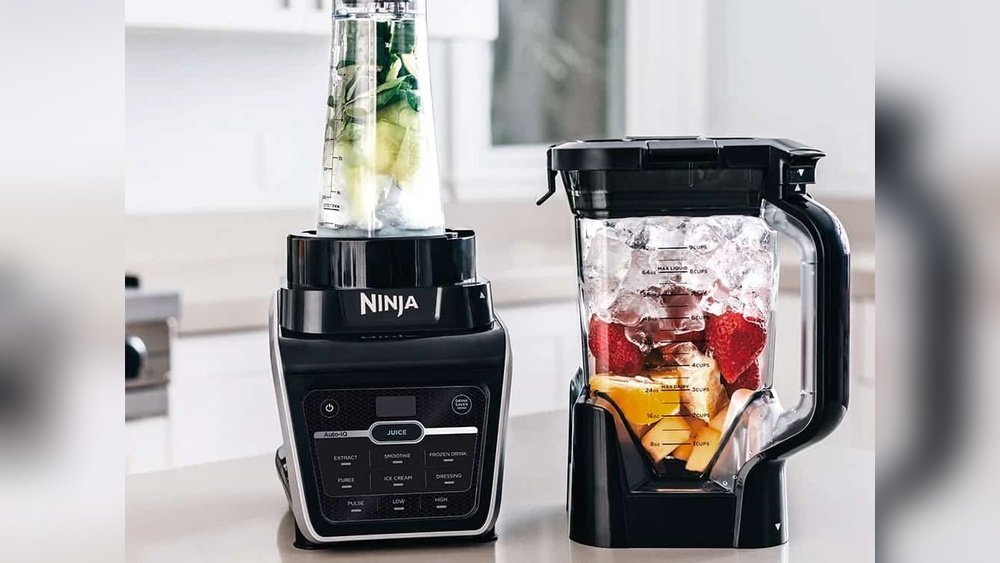
How Long Can You Run a Ninja Blender Safely and Efficiently
How Long Can You Run A Ninja Blender?
If you own a Ninja blender, you know its power can handle everything from smoothies to nut butters. But you might wonder, “How long can I run my Ninja blender before I need to stop?” This question matters for more than just the motor’s health. It’s about safety, food quality, and getting the best life out of your machine. Many people use their blenders daily, but few understand the limits and best practices. Using your Ninja blender the right way can keep it running strong for years and help you avoid common mistakes that could lead to breakdowns or even safety risks.
In this guide, you’ll learn how long a Ninja blender can safely run, what happens if you push those limits, and how to get the most out of your blender without causing damage. We’ll explore real user experiences, manufacturer advice, what affects blender run time, and signs you should stop blending.
You’ll also find useful tables comparing Ninja models, practical tips for tough blends, and answers to questions most owners never think to ask. By the end, you’ll blend with confidence and know exactly how to protect your investment.
Why Ninja Blender Run Time Matters
A blender’s run time isn’t just a number in the manual. It directly affects performance, taste, and even your safety. Blending too long can overheat the motor, damage ingredients, or even cause the lid to pop off if pressure builds up. On the other hand, stopping too soon can leave you with chunky, uneven results. Understanding the safe run time for your Ninja blender keeps your food texture just right and your kitchen routine smooth.
Key Reasons To Care About Blender Run Time
- Motor protection: Running too long can overheat and burn out the motor.
- Food quality: Over-processing can ruin the texture or flavor.
- Safety: Overheating, steam, or pressure buildup can cause accidents.
- Longevity: Proper run times extend the life of your blender.
Many users believe that if a blender is powerful, it can run as long as you want. In reality, even high-end blenders like Ninja have limits. Ignoring these can void your warranty and cost you more in repairs or replacements.
Ninja Blender Manufacturer Guidance
Ninja, like most blender brands, gives specific advice on how long you should run their machines. While there are many Ninja models, most share similar recommendations for safe use.
Official Advice From Ninja
Ninja’s user manuals consistently recommend the following for their blenders:
- Continuous run time: Do not run the blender for more than 60 seconds (1 minute) at a time for most models.
- Rest period: Allow the blender to rest for at least 2–3 minutes between runs if you need more blending.
For some high-powered models, like the Ninja Foodi Power Blender or the Ninja Mega Kitchen System, the max run time can be up to 2 minutes. But the basic principle is the same: short bursts with rest in between.
What Happens If You Ignore These Limits?
Running your blender past the recommended time can result in:
- Motor overheating: The blender may shut off automatically or get damaged.
- Warped or melted parts: Heat can damage the cup, lid, or seals.
- Food spoilage: Overheating can cook or over-process ingredients.
- Warranty issues: Using the blender outside of instructions can void the warranty.
Below is a comparison of run time recommendations for popular Ninja blender models:
| Ninja Blender Model | Max Run Time | Rest Period |
|---|---|---|
| Ninja Professional (BL610) | 60 seconds | 2–3 minutes |
| Ninja Mega Kitchen System (BL770) | 2 minutes | 2–3 minutes |
| Ninja Foodi Power Blender (CB352) | 2 minutes | 2–3 minutes |
| Ninja Nutri Pro (BL456) | 60 seconds | 2–3 minutes |
| Ninja Personal Blender (QB3001SS) | 60 seconds | 2–3 minutes |
Tip: Always check your exact model’s manual online if you’re unsure. Manuals are available on the official Ninja Kitchen website.
What Affects How Long You Can Run A Ninja Blender?
Not every blend is the same. Several factors affect how long you can run your Ninja blender safely before you need to stop and let it cool down.
1. Type Of Ingredients
- Soft foods: Blending soft items (like bananas, yogurt, or liquids) puts little stress on the motor.
- Hard foods: Ice, frozen fruit, or nuts require more motor power and heat up the blender faster.
- Hot ingredients: Blending hot soups or sauces can produce steam, increasing pressure and temperature inside the jar.
2. Blend Volume
- Small batches: Less food means less resistance and lower heat buildup.
- Large batches: The motor works harder, generating more heat.
3. Pulse Vs Continuous Blending
- Pulse function: Short bursts give the motor time to rest and cool.
- Continuous blending: Long, uninterrupted runs create more heat and stress.
4. Blender Model And Motor Size
- Higher wattage models can sometimes handle longer runs, but always follow the manual.
- Personal blenders often require shorter runs due to smaller motors.
5. Room Temperature
- Hot kitchens: Heat around the motor makes it easier to overheat.
- Cool environments: The motor can handle longer sessions.
Non-obvious insight: Even using the same blender, blending a tough nut butter is much harder on the motor than making a green smoothie. Pay attention to what you’re blending, not just the time.
Signs You Should Stop Blending Immediately
Sometimes, it’s important to stop your Ninja blender even before the time is up. The blender will often “tell” you if it’s under too much stress. Here’s how to know when to stop:
- Burning smell: This is a warning that the motor is overheating.
- Lid popping or pressure release: Too much steam or pressure has built up.
- Loud, unusual noises: Grinding, squealing, or clicking sounds mean something’s wrong.
- Blender shuts off: Many Ninja blenders have a thermal protection feature that turns off the motor if it overheats.
- Jar feels very hot: Heat on the outside means the inside is even hotter.
If you notice any of these, stop blending immediately and let the machine cool for at least 15–30 minutes before trying again.
Real-world Blending Scenarios
To better understand how long to run your Ninja blender, let’s look at common kitchen tasks and the recommended run times.
Smoothie Preparation
- Average run time: 30–45 seconds
- Best practice: Use pulse function for frozen ingredients, then blend continuously for 20–30 seconds.
Nut Butter
- Average run time: 60 seconds per burst (repeat with 2–3 minute breaks)
- Best practice: Use short pulses, scrape sides between runs, and allow to cool after each minute.
Crushing Ice
- Average run time: 10–20 seconds
- Best practice: Use ice crush or pulse function in short bursts.
Hot Soup Or Purees
- Average run time: 45–60 seconds
- Caution: Never fill past the “hot liquids” line. Stop immediately if you see steam or pressure.
Below is a summary of recommended run times for different tasks:
| Task | Recommended Run Time | Notes |
|---|---|---|
| Smoothies | 30–45 sec | Pulses for tough ingredients |
| Nut Butters | 60 sec per burst | Scrape and rest between runs |
| Ice Crushing | 10–20 sec | Short bursts, don’t overload |
| Hot Soups | 45–60 sec | Watch for steam/pressure |
| Chopping Veggies | 5–10 sec | Use pulse for best results |
Why Overrunning Is A Common Mistake
Many people ignore the 60-second rule, especially when trying to get a perfectly smooth blend. Here’s why this can be a costly error:
- Heat Damage: Overrunning doesn’t just risk the motor. It can also damage the plastic jar, dull the blades, or cause rubber gaskets to wear out.
- Food Taste and Texture: Over-blending leafy greens can actually make them bitter. Nut butters can separate or turn oily.
- Safety Shutdown: If your Ninja blender shuts down on its own, you must wait for it to cool—sometimes 30 minutes or more.
Non-obvious insight: Even if the blender seems fine after a long run, repeated overruns slowly wear out the machine. You may not notice until the warranty is expired and problems show up.
:max_bytes(150000):strip_icc()/sea-personal-blenders-lead-image-nutribullet-smeg-ninja-ashia-aubourg-02-2fe28ce691d047cb956a51c541330b3d.jpeg)
Credit: www.seriouseats.com
How Ninja Blenders Protect Themselves
Modern Ninja blenders have built-in features to help prevent damage from running too long.
Thermal Protection
- Automatic shut-off: If the motor overheats, it will stop running until it cools.
- Warning lights: Some models display a warning light or an error code if overheating is detected.
Lid And Jar Safety Features
- Pressure-release lids: For hot blends, some lids can vent steam to prevent pressure buildup.
- Locking systems: The blender won’t run unless the lid and jar are properly locked.
Overload Sensors
- Motor sensors: Detect when the motor is under too much strain and may reduce speed or shut off.
While these features help, they’re not a free pass to ignore safe run times. Forcing the blender to shut off from overheating is not the same as proper use.
Getting The Best Results Without Overrunning
To get perfect smoothies, nut butters, or purees without risking your Ninja blender, follow these strategies:
1. Prep Ingredients Properly
- Cut large items into smaller pieces before adding them to the blender.
- Thaw frozen foods slightly to reduce strain.
- Add liquid first to help blades move freely.
2. Use Pulse And Manual Controls
- Pulse function: Breaks up tough ingredients without constant stress.
- Manual blending: Start slow, then increase speed.
3. Blend In Batches
If you have a lot to blend, do it in smaller portions. This keeps the motor cool and improves texture.
4. Scrape Sides And Stir
Stop the blender and use a spatula to move food toward the blades. This reduces the need for long blending sessions.
5. Let The Blender Rest
After each 1-minute run, let the blender rest for at least 2–3 minutes. If the jar feels hot, wait longer.
Practical Example: Making Almond Butter
- Add 2 cups of roasted almonds.
- Blend for 60 seconds, then stop and scrape down the sides.
- Let rest for 2–3 minutes.
- Repeat 2–3 more times, resting between each burst, until smooth.
- Total blending time: 3–4 minutes, but spread over 10–15 minutes with breaks.
This method prevents overheating and produces creamy almond butter without damaging your blender.
Credit: www.youtube.com
Comparing Ninja Blender Run Times With Other Brands
You might wonder how Ninja compares to other popular blender brands. Here’s a quick look:
| Brand | Typical Max Run Time | Rest Period |
|---|---|---|
| Ninja | 60–120 sec | 2–3 min |
| Vitamix | 6–10 min | As needed |
| NutriBullet | 60 sec | 2–3 min |
| Oster | 60–90 sec | 2–3 min |
| Blendtec | 1–3 min | As needed |
Notice that premium brands like Vitamix can run much longer due to higher-end motors and cooling systems. Ninja blenders are designed for high performance in shorter bursts rather than long, continuous blending. This is why following the manufacturer’s guidelines is essential.
How To Cool Down Your Blender Faster
If you need to use your Ninja blender for several batches, you might want to speed up the cooling process.
- Remove the jar: Take the jar off the base and leave the lid off so heat can escape.
- Use a fan: Point a small fan at the base to help cool the motor.
- Wipe down: If the jar feels hot, wipe with a cool, damp cloth (never wet the base).
- Wait: Sometimes the safest way is to simply wait 10–15 minutes.
Never put the base in water or in a refrigerator. This can damage the electronics and void your warranty.
Credit: www.youtube.com
How To Extend The Life Of Your Ninja Blender
If you want your blender to last for years, running it the right way is key. But there are other habits that make a big difference:
Clean After Each Use
Leftover food can harden, making the motor work harder next time. Clean the jar, lid, and blades thoroughly after every use.
Check For Worn Parts
Inspect the rubber gasket, blades, and jar for signs of wear. Replace any damaged parts right away.
Don’t Overfill
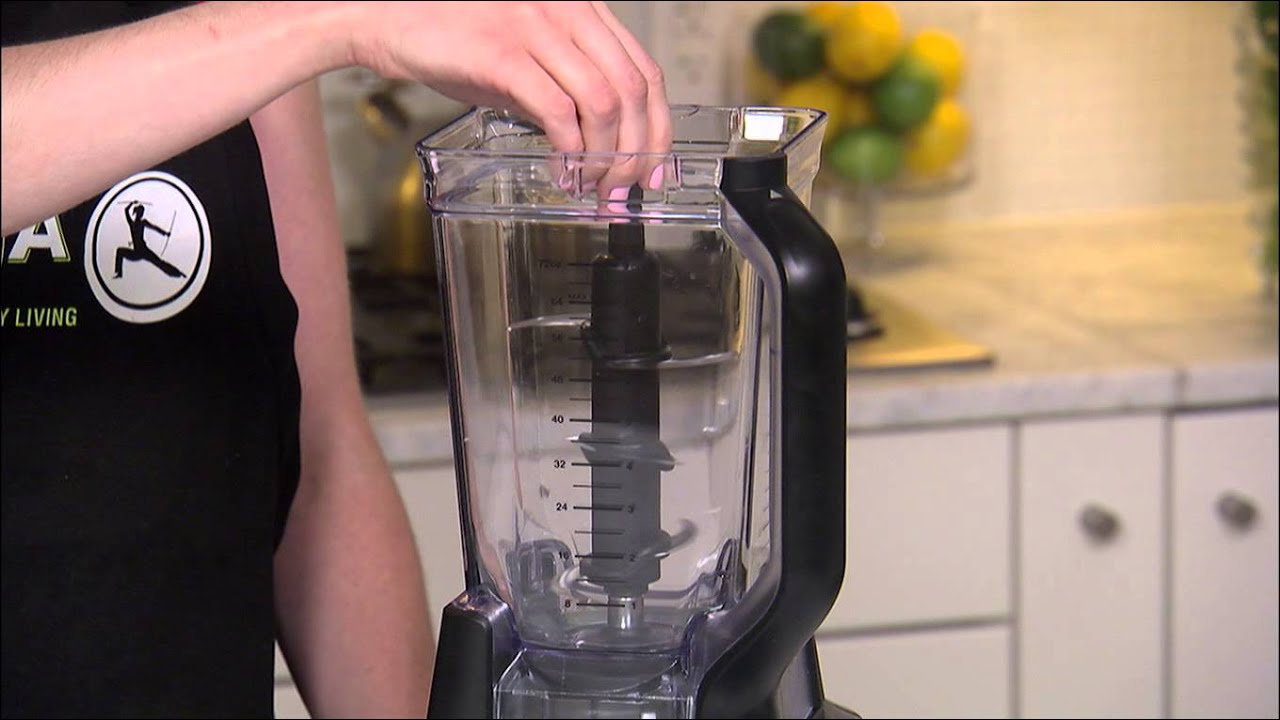
Stay below the “max fill” line, especially with thick or hot ingredients. Overfilling increases pressure and strain.
Use For Intended Purposes
Don’t try to grind bones, dense dough, or non-food items. Ninja blenders are not food processors or meat grinders.
Store Properly
Keep your blender in a cool, dry place when not in use. Avoid direct sunlight or moisture.
Common Myths About Blender Run Time
There’s a lot of confusion about how long you can run a Ninja blender. Let’s clear up some common myths:
Myth 1: If The Blender Is Not Hot, It’s Safe To Keep Running
Reality: The motor can overheat even if the outside feels cool. Internal heat builds up faster than you might think.
Myth 2: More Power Means Unlimited Use
Reality: Ninja blenders are powerful, but their cooling systems are built for short bursts, not continuous use.
Myth 3: Longer Blending Makes Smoother Food
Reality: Technique and ingredient prep matter more than time. Over-blending can ruin texture and taste.
Myth 4: The Shut-off Feature Means You Can Ignore Limits
Reality: Safety shut-off is a last line of defense. Regularly hitting this feature can shorten the blender’s life.
Ninja Blender Run Time Troubleshooting
If you often have problems with overheating or poor blending, try these troubleshooting steps:
- Check the manual: Confirm you’re following your model’s guidelines.
- Cut food smaller: Big chunks make the motor work harder.
- Add more liquid: Thick blends need more liquid to move smoothly.
- Use pulse: Don’t just hold down the blend button.
- Let it rest: If you hit the max run time, wait before starting again.
If your blender still struggles, it might be time to replace the blade assembly, jar, or even the motor base.
When To Contact Support
If your Ninja blender:
- Shuts off before 60 seconds every time,
- Smells like burning even on short runs,
- Has visible smoke or sparks,
Stop using it and contact Ninja customer support. Your blender may be defective, or you may need a repair. Always keep your receipt and register your product for warranty coverage.
For more details on Ninja blender operation and safety, see the official Ninja Kitchen Support page.
Frequently Asked Questions
How Long Can You Run A Ninja Blender Before It Overheats?
Most Ninja blenders are designed to run for up to 60 seconds at a time. For heavy-duty models, you may be able to blend for up to 2 minutes. After each run, always let the blender rest for at least 2–3 minutes. If you blend very thick or tough foods, stop sooner if you notice any signs of overheating.
What Happens If I Run My Ninja Blender For Too Long?
Running your blender too long can cause the motor to overheat, resulting in automatic shut-off, permanent motor damage, or even melting parts. You also risk ruining your food’s texture or causing the lid to pop off due to steam or pressure. Always follow the recommended run times in your manual.
Can I Blend Nut Butter In One Long Session?
No. Making nut butter requires blending in short bursts—about 60 seconds at a time, with breaks in between. Trying to do it all at once will likely overheat the blender and may damage the motor. Scrape down the sides, let the blender rest, and repeat until you reach the desired consistency.
How Do I Know If My Ninja Blender Needs To Cool Down?
Stop blending and let the blender cool if you notice a burning smell, the jar feels hot, the blender shuts off by itself, or you hear unusual noises. Even if you don’t notice these signs, take a break after each 1–2 minute blend to protect your machine.
Is It Safe To Run My Ninja Blender Multiple Times In A Row?
Yes, as long as you let the blender rest for 2–3 minutes between runs. This gives the motor time to cool down and prevents overheating. For large recipes, blend in batches and allow breaks to extend the life of your blender.
Blending with a Ninja is about more than just pushing a button. With smart habits and respect for the machine’s limits, you’ll get smooth, delicious results and years of reliable use. The next time you fire up your Ninja, you’ll know exactly how long to blend for perfect texture—and a long-lasting motor.

One Comment