How To Make A Smoothie In A Ninja Blender: Quick & Easy Guide
Making a smoothie at home is more than just blending fruit. With a Ninja Blender, you can create drinks that are creamy, tasty, and packed with nutrition. Many people think making a smoothie is simple—just throw everything in and blend. But there’s a difference between an average smoothie and a perfect one. The right steps, ingredients, and blending tricks can change the flavor, texture, and even the nutrition of your drink. This article will guide you step-by-step on how to make a smoothie in a Ninja Blender, including tips that even beginners often miss. Whether you’re making breakfast, a post-workout drink, or a snack for kids, you’ll find everything you need here—from choosing ingredients to blending, serving, and cleaning up. You’ll also learn how to fix common mistakes and how Ninja Blenders compare to other brands.
Why Use A Ninja Blender For Smoothies?
The Ninja Blender is a favorite for smoothie lovers. It’s powerful, easy to use, and comes with different settings for various recipes. Unlike basic blenders, Ninja models crush ice and frozen fruit quickly, giving you a smooth texture. Many models also have personal cups, so you can blend and drink from the same container.
Power And Performance
Ninja Blenders use high-wattage motors (typically 900–1500 watts), which means they can blend tough ingredients like ice, seeds, and fibrous vegetables without leaving chunks. This is important for smoothies, where texture matters. If you’ve ever had a smoothie with bits of unblended spinach or hard ice pieces, you know how much this can ruin the experience. With a Ninja Blender, even hard items like carrots or raw beets can blend smoothly when cut into small pieces. For people who want to add nuts or seeds for extra nutrition, Ninja’s power ensures they get mixed in completely, making every sip consistent.
Versatility
You can make more than just fruit smoothies. Ninja Blenders handle protein shakes, green smoothies, nut butters, and even soups. The Auto-iQ feature in some models allows one-touch blending that adjusts time and speed for the ingredients you use. This means you don’t need to guess how long to blend, which is helpful for beginners. You can also use your Ninja Blender for tasks like crushing ice for cold drinks, making salsa, or even preparing pancake batter. Some models come with different blades or jars for various recipes, making the Ninja a true kitchen multitasker.
Easy Cleaning
Parts are often dishwasher safe and the blades detach for cleaning. This saves time and makes it easier to keep your blender hygienic. If you’re short on time or just hate washing up, this is a big advantage. The wide-mouth design of most Ninja jars also helps you reach all corners during hand washing. Remember, a clean blender not only lasts longer but also prevents old food smells from affecting your new smoothie.
Cost Effectiveness
Compared to premium brands like Vitamix, Ninja offers similar features at a lower price point. You get professional-level blending for less money. For families or students, this makes the Ninja Blender a practical investment. Even with frequent use, replacement parts and accessories are affordable, so you don’t have to worry about expensive repairs.
What You Need To Make A Smoothie
Before you start, gather the necessary items. Missing one can affect your results.
- Ninja Blender (any model with at least 900 watts)
- Fresh or frozen fruit (bananas, berries, mango, pineapple)
- Liquid base (milk, water, juice, plant-based milk)
- Add-ins (yogurt, protein powder, greens, nut butter)
- Ice (optional, for thicker texture)
- Sweetener (honey, maple syrup, stevia, optional)
- Measuring cups and spoons
- Knife and cutting board
- Serving glass or bottle
Ingredient Quantities
For a single smoothie serving, use:
- Fruit: 1 to 1.5 cups
- Liquid: 3/4 to 1 cup
- Add-ins: 1–2 tbsp (protein powder, yogurt, nut butter)
- Ice: 1/2 cup (optional)
- Sweetener: 1–2 tsp (optional)
If you’re making smoothies for more than one person, simply double or triple the amounts, but be careful not to exceed the blender’s maximum fill line. Using a kitchen scale can give you even more accurate results, especially if you want to control calories or nutrition.
Step-by-step: Making A Smoothie In A Ninja Blender
Follow these steps for the best results. Each step is important for flavor and texture.
1. Prepare Your Ingredients
Wash fruit and vegetables thoroughly. If using fresh fruit, peel and chop into small pieces (about 1-inch cubes). Frozen fruit can go in directly. For leafy greens, remove tough stems unless you have a high-power model, as stems can add a bitter taste.
Cutting fruit smaller helps the Ninja blades blend evenly, especially in personal cup models. If you’re adding fibrous items like celery, chop them finely for a smoother result. Pre-measuring your add-ins and liquids can help you avoid overfilling and keep the process quick.
2. Add Ingredients In The Right Order
Order matters! Place ingredients in this sequence:
- Liquid first: Prevents sticking and helps blades spin smoothly.
- Soft ingredients: Yogurt, nut butter, greens.
- Fruit and vegetables: Fresh or frozen.
- Ice: Last, so it crushes effectively.
This order avoids air pockets and ensures even blending. If you’re using powders (like protein or matcha), add them before the fruit so they mix in well. For stubborn ingredients that tend to stick (like honey or peanut butter), placing them in the middle layer helps them blend in smoothly, instead of sticking to the bottom or sides.
3. Attach Lid And Start Blending
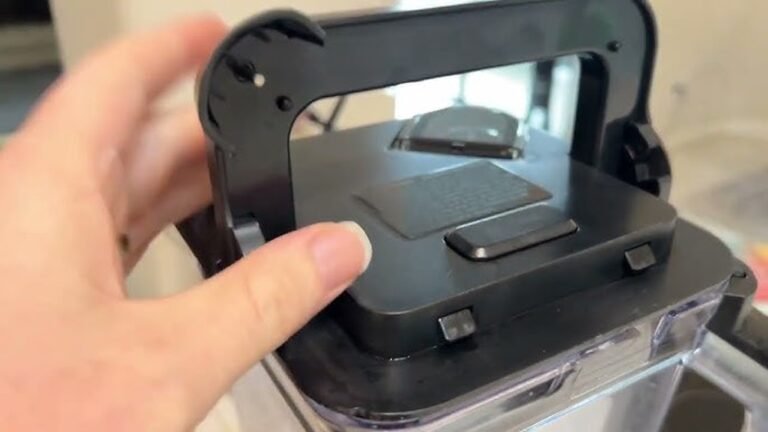
Secure the lid tightly. On Ninja blenders, you’ll often hear a click when it locks. Choose the right setting:
- Auto-iQ Blend (for mixed ingredients)
- Pulse (for chunky or textured drinks)
- Smoothie (for creamy blends)
Blend for 30–60 seconds. Stop and shake or stir if needed, then blend again. Don’t over-blend, as this can make your smoothie thin and warm. For best results, blend in short bursts if your smoothie seems stuck, and never force the blender to run if it’s struggling.
A practical tip: If you notice the blender is louder than usual or ingredients aren’t moving, stop and check for air pockets. Sometimes, opening the lid and stirring gently with a spatula (never your fingers) can help restart the mixing.
4. Taste And Adjust
Check texture and flavor. If it’s too thick, add more liquid. If too thin, add more fruit or ice. Taste for sweetness and add more sweetener if needed. If the flavor is too mild, a small squeeze of lemon or a pinch of salt can bring out the taste of the fruit.
For a richer, creamier drink, add a little more yogurt or a few pieces of avocado.
5. Pour And Serve
Pour into a glass or bottle. Serve immediately for best flavor and nutrition. Smoothies lose nutrients if left at room temperature for too long. If you need to take your smoothie with you, use an insulated cup to keep it cool and fresh.
Always stir before drinking if the smoothie has been sitting, as ingredients may separate.
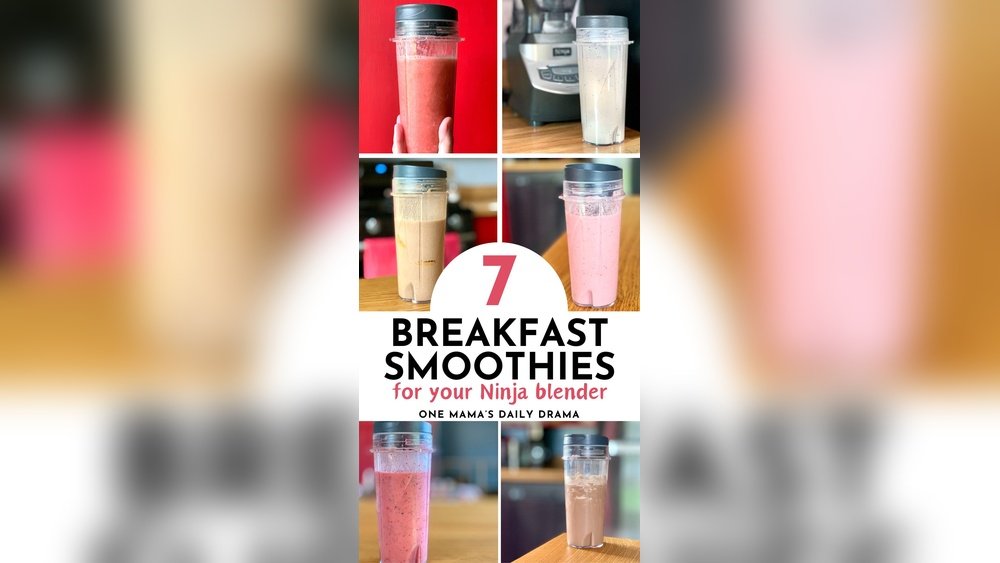
Example Smoothie Recipes For Your Ninja Blender
Here are three popular recipes, each with clear steps and ingredient lists.
Classic Strawberry Banana Smoothie
Ingredients:
- 1 cup frozen strawberries
- 1 banana (fresh or frozen)
- 3/4 cup milk (any type)
- 1/2 cup plain yogurt
- 1 tsp honey
Instructions:
- Add milk to blender cup.
- Add yogurt, banana, strawberries, and honey.
- Secure lid and blend on “Smoothie” for 45 seconds.
- Check thickness; add more milk if needed.
- Pour and enjoy.
Tip: Frozen fruit gives a thick, cold texture without needing extra ice. For extra flavor, add a few drops of vanilla extract or a sprinkle of cinnamon.
Green Power Smoothie
Ingredients:
- 1 cup spinach leaves (fresh)
- 1/2 banana
- 1/2 cup frozen mango
- 1 cup almond milk
- 1 tbsp chia seeds
- 1 tsp maple syrup
Instructions:
- Pour almond milk first.
- Add spinach, banana, mango, chia seeds, and maple syrup.
- Blend on “Auto-iQ Blend” for 60 seconds.
- Adjust sweetness and consistency.
- Serve cold.
Tip: Blend greens first with liquid for a smoother texture. For added nutrition, toss in a small handful of parsley or mint leaves. If you want a protein boost, add a scoop of vanilla protein powder.
Protein Breakfast Smoothie
Ingredients:
- 1/2 cup oats
- 1 cup milk
- 1 scoop protein powder
- 1 cup mixed berries
- 1 tbsp peanut butter
- 1/2 cup ice
Instructions:
- Add milk, oats, protein powder, berries, peanut butter, and ice.
- Blend for 60 seconds.
- Scrape sides if needed, then blend again.
- Pour and drink within 30 minutes.
Tip: Let oats soak in milk for 5 minutes before blending for a creamier texture. Try adding a dash of cinnamon or a small piece of dark chocolate for a richer taste.

Credit: www.youtube.com
Tips For Making The Best Smoothies
Smoothie quality depends on more than just ingredients. Here are expert tips to improve every batch.
Use Frozen Fruit
Frozen fruit keeps your smoothie cold and thick. It also prevents watering down, unlike ice. Freeze fresh fruit yourself for better flavor and texture. Overripe bananas, sliced and frozen in advance, make an excellent creamy base and help reduce food waste.
Don’t Overfill The Blender
Fill only to the Max Fill line. Overfilling leads to poor blending and leaks. Smaller batches blend better. If you’re making large batches, blend in two rounds rather than risking an overflow. This also helps the motor last longer.
Layer Ingredients Correctly
Placing liquid first helps the blades move. Placing harder ingredients (ice, frozen fruit) on top lets gravity push them down as the blender runs. For blenders with a center blade column, avoid packing ingredients tightly around it, as this can slow the blending process.
Blend In Short Bursts
If your blender struggles, use the pulse function. This breaks up tough pieces and avoids overheating the motor. Pause between bursts to allow ingredients to settle and prevent the motor from straining.
Use High-quality Liquid
Filtered water, dairy, or plant-based milks (like almond or oat) make a big difference. Avoid sugary juices unless you want extra sweetness. Coconut water is another good option for a light, refreshing base and extra potassium.
Add Greens Gradually
Spinach and kale are healthy but can be fibrous. Start with small amounts and blend well. For beginners, spinach tastes milder and blends smoother. If you want to hide the taste of greens, combine with sweet fruits like mango or pineapple.
Clean Immediately After Use
Smoothie residue dries fast and sticks to blades. Rinse and wash your Ninja Blender right after blending to keep it clean and odor-free. For stubborn stains, blend warm water with a drop of dish soap for a self-cleaning effect, then rinse well.
Common Mistakes Beginners Make
Even with a good blender, mistakes can lead to bad smoothies. Here’s what to avoid:
- Using too much ice: Makes drinks watery and dulls flavor.
- Adding ingredients out of order: Causes air pockets and uneven blending.
- Over-blending: Heats the smoothie and makes it runny.
- Ignoring the fill line: Leads to spills and poor blade movement.
- Not tasting before serving: You might miss sweetness or consistency issues.
- Skipping greens: Many beginners avoid greens, but they boost nutrition and can taste mild if blended well.
- Cleaning too late: Dried residue is hard to remove and can affect future flavors.
A mistake that surprises many beginners: using unripe fruit. Unripe bananas or mangos not only lack sweetness but also make your smoothie gritty. Always use ripe or frozen-ripe fruit for the best taste and texture.
Ninja Blender Models Compared For Smoothie Making
Choosing the right Ninja Blender model can improve your smoothie experience. Here’s a comparison of three popular models.
| Model | Power (Watts) | Best For | Price Range | Dishwasher Safe |
|---|---|---|---|---|
| Ninja Professional 1000 | 1000 | Family-sized smoothies | $70–$100 | Yes |
| Ninja Nutri Auto-iQ | 900 | Single servings | $60–$90 | Yes |
| Ninja Foodi Power Blender | 1400 | Tough ingredients, nut butters | $130–$180 | Yes |
Key Insight: The Ninja Nutri Auto-iQ is ideal for personal smoothies, while the Professional 1000 suits families. If you want to blend seeds or nuts, the Foodi Power Blender is worth the investment. Also, consider storage space—some models are taller and need more counter space.
How Ninja Blenders Compare To Other Brands
Smoothie makers often compare Ninja to brands like Vitamix and Nutribullet. Here’s a quick data table for clarity.
| Brand | Power | Price Range | Warranty | Ease of Use |
|---|---|---|---|---|
| Ninja | 900–1400W | $60–$180 | 1 year | Easy |
| Vitamix | 1200–2300W | $250–$650 | 7 years | Intermediate |
| Nutribullet | 600–1200W | $50–$120 | 1 year | Easy |
Main Takeaway: Ninja blenders are powerful, affordable, and simple to use. Vitamix is stronger and lasts longer, but costs much more. Nutribullet is convenient for single servings but may struggle with tough ingredients. If you want hot soup or heavy-duty nut butters, Vitamix is better, but for most home smoothie needs, Ninja balances price and performance well.
Nutrition Facts: Smoothie Ingredients
Smoothies can be healthy or high-calorie depending on ingredients. Here are the nutrition stats for common smoothie items.
| Ingredient (per cup) | Calories | Sugar (g) | Protein (g) | Fiber (g) |
|---|---|---|---|---|
| Banana | 105 | 14 | 1.3 | 3 |
| Strawberries | 49 | 7 | 1 | 3 |
| Spinach | 7 | 0 | 0.9 | 0.7 |
| Almond Milk | 30–40 | 0 | 1 | 1 |
| Greek Yogurt | 100 | 6 | 10 | 0 |
| Protein Powder | 120 | 1 | 20 | 1 |
Non-obvious Insight: Many beginners use fruit juice as a base, which adds sugar without fiber. Using water or unsweetened plant milk keeps calories low and nutrition high. If you want to make a meal replacement smoothie, focus on adding protein and healthy fats, not just fruit.
Customizing Your Smoothie: Flavor, Texture, And Nutrition
Smoothies can be personalized for taste, texture, or health goals. Here’s how to adjust recipes.
For Creaminess
- Use banana, avocado, or Greek yogurt.
- Blend longer for a smoother texture.
- Silken tofu is another plant-based option for creaminess and protein.
For Thickness
- Add more frozen fruit or ice.
- Use less liquid.
- Add a tablespoon of chia seeds and let the smoothie sit for a few minutes to thicken naturally.
For Protein
- Add protein powder, nuts, or seeds.
- Greek yogurt boosts protein without extra sugar.
- Cottage cheese or silken tofu are good high-protein, neutral-tasting add-ins.
For Lower Sugar
- Use berries instead of tropical fruit.
- Skip sweeteners or use stevia.
- Add vegetables like zucchini or cauliflower for bulk without extra sugar.
For Fiber
- Add oats, chia seeds, or flaxseed.
- Blend well so seeds don’t stay gritty.
- Apple with peel (washed well) adds both fiber and sweetness.
Tip: Always start with small amounts of new ingredients. Too much can affect flavor or cause digestive issues. If you’re sensitive to seeds, grind them before adding.

Credit: mommybunch.com
Making Smoothies For Kids
Kids love smoothies, but their taste and nutrition needs are different. Here’s how to make kid-friendly drinks.
Choose Mild Flavors
Banana, strawberry, and mango are favorites. Avoid strong greens (like kale) for picky eaters. Frozen peaches or blueberries also work well.
Hide Healthy Ingredients
Blend spinach, carrots, or cauliflower with sweet fruit. Kids won’t notice the taste but get more vitamins. Cooked and cooled carrots blend easily for a nutrition boost.
Avoid Added Sugar
Use ripe fruit for sweetness. Skip honey or syrup unless needed. If extra sweetness is required, a date or two can work without adding refined sugar.
Serve In Fun Cups
Presentation matters. Use colorful bottles or straws to make smoothies exciting. Let kids help add ingredients—they’re more likely to drink what they help create.
Watch Portion Size
Kids need smaller servings. Pour half-cup portions to avoid waste and sugar overload. For younger children, serve smoothies with a spoon as a thick “smoothie bowl. ”
Cleaning And Maintaining Your Ninja Blender
A clean blender lasts longer and keeps smoothies fresh. Here’s a quick cleaning routine:
- Rinse immediately: Fill with warm water and run for 10 seconds.
- Remove blades: Detach and wash separately.
- Use mild soap: Avoid harsh cleaners that damage plastic.
- Air dry: Don’t use towels inside the blender cup.
- Check seals: Make sure lid seals are clean and tight.
Non-obvious Insight: Some Ninja Blender lids have hidden crevices. Use a small brush for deep cleaning. If you notice a lingering smell (like garlic or onion), blend a mixture of water and baking soda, then rinse well.
Advanced Smoothie Tips For Ninja Blender Users
Want to upgrade your smoothie game? Try these advanced tricks.
Use Superfoods
Add small amounts of spirulina, acai powder, or matcha. These boost antioxidants and color. Start with 1/2 teaspoon to avoid overpowering flavors.
Layer Flavors
Blend ingredients in stages. Start with greens and liquid, then add fruit and blend again. This method ensures even blending and a silkier texture.
Make Smoothie Bowls
Use less liquid and blend thicker. Pour into a bowl and top with granola, fruit, or seeds. This works especially well for breakfast, and kids enjoy decorating their bowls.
Prep Ingredients Ahead
Freeze chopped fruit or greens in bags. In the morning, dump into the blender for fast smoothies. You can also make “smoothie packs” with all dry ingredients measured out for quicker assembly.
Use The “blend And Go” Feature
Some Ninja models let you blend directly in a cup. This saves time and makes cleanup easier. Just twist on the travel lid and you’re ready to go.
Non-obvious tip: For extra nutrition, freeze spinach or kale into ice cube trays with a little water or coconut water, then add to smoothies as needed.
Troubleshooting: Fixing Common Smoothie Problems
Smoothies don’t always turn out perfect. Here’s how to solve issues.
Too Watery
Add more frozen fruit, ice, or a thickener like yogurt or oats. A tablespoon of nut butter can also help thicken without changing flavor too much.
Too Thick
Add more liquid in small amounts (1–2 tbsp at a time). If you’re using chia or flax, remember they thicken more as the smoothie sits.
Bland Flavor
Use a splash of juice, pinch of salt, or squeeze of lemon to boost taste. A small amount of vanilla or almond extract can add depth.
Gritty Texture
Blend longer, especially with seeds or greens. Use the “Auto-iQ” mode for tough ingredients. If the texture still isn’t smooth, try straining through a fine sieve for a silkier drink.
Stuck Ingredients
Stop the blender, stir, and restart. Don’t force the motor—this can burn it out. If this happens often, try cutting ingredients smaller or adding a bit more liquid at the start.
The Science Behind Smoothies
Blending breaks down fiber and cell walls, making nutrients easier to absorb. But blending too long can cause oxidation, which breaks down vitamins. Use cold ingredients and blend briefly for maximum nutrition.
Statistic: Studies show that blended fruit maintains 90–95% of its vitamin C after blending, but loses more if left exposed to air for 30+ minutes.
Another interesting point: blending helps your body get more from leafy greens, as the cell walls are broken down, but you still get all the fiber, unlike in juices.
Environmental Impact: Sustainable Smoothie Making
Smoothies can be eco-friendly if you choose the right ingredients.
- Use local, seasonal fruit to reduce transport emissions.
- Reuse blender cups instead of disposable bottles.
- Compost fruit peels and leftover pulp.
Tip: Ninja Blender parts are BPA-free and recyclable, making them safer for health and environment. You can also freeze leftover smoothie in popsicle molds for a zero-waste snack.

Credit: www.youtube.com
Storage And Meal Prep: How To Keep Smoothies Fresh
Smoothies are best fresh, but you can store them for later.
Fridge Storage
Store in airtight containers for up to 24 hours. Shake before drinking. If separation occurs, a quick re-blend or shake brings everything back together.
Freezer Storage
Freeze in ice cube trays or bags. Thaw and re-blend for best texture. Pre-blending and freezing single-serve packs makes mornings fast and easy.
Non-obvious Insight: Adding lemon juice helps keep color and flavor fresh for longer. This works especially well for green smoothies, which can turn brown if stored.
Ninja Blender Safety Tips
Safety is important, especially with powerful motors and sharp blades.
- Don’t run blender empty: This can damage the motor.
- Avoid hot liquids: Ninja blenders aren’t designed for hot blending unless specified.
- Keep fingers away from blades: Always detach and clean blades carefully.
- Check lid seals: Prevent leaks and accidents.
Statistic: Most blender injuries happen during cleaning. Always unplug before handling blades. If you have children at home, keep the blender and blades out of reach when not in use.
Upgrading Your Smoothie Routine
Change up your smoothies to avoid boredom and improve nutrition.
- Try new fruits (papaya, kiwi, dragon fruit)
- Experiment with spices (cinnamon, nutmeg, ginger)
- Use vegetables (beets, carrots, zucchini)
- Add healthy fats (avocado, coconut milk, flaxseed oil)
- Rotate protein sources (Greek yogurt, silken tofu, pea protein)
Tip: Keep a smoothie journal. Write down ingredient combos and how they taste. This helps remember favorites and avoid repeats. You can also track how different smoothies make you feel, helping you find the perfect blend for energy or recovery.
Where To Find More Smoothie Recipes
For more inspiration, visit Allrecipes, a trusted source for hundreds of smoothie recipes. You’ll find ideas for every taste and diet.
Frequently Asked Questions
What Is The Best Ninja Blender Model For Smoothies?
The Ninja Nutri Auto-iQ is perfect for single servings, while the Ninja Professional 1000 is better for families. Both blend fruit, ice, and greens smoothly. Choose based on your batch size and budget.
Can I Use Frozen Vegetables In Smoothies?
Yes, but start with milder flavors like spinach or cauliflower. Frozen vegetables add nutrition and texture but can taste strong if used in large amounts. Blend well to avoid chunks.
How Do I Clean My Ninja Blender After Making A Smoothie?
Rinse immediately with warm water, detach blades, and wash with mild soap. Most parts are dishwasher safe. Use a small brush for lids and crevices. Always unplug before cleaning blades.
How Can I Make My Smoothie Thicker?
Use more frozen fruit, less liquid, or add thickeners like Greek yogurt, oats, or avocado. Ice also thickens, but too much can water down flavor.
Are Ninja Blenders Safe For Kids To Use?
Kids should be supervised. Ninja Blenders have safety locks, but blades are sharp and motors are strong. Teach kids to never handle blades and always secure the lid before blending.
Smoothie making with a Ninja Blender is simple but powerful. By learning ingredient order, blending tricks, and model differences, you can make drinks that taste amazing every time. Try new recipes, avoid common mistakes, and keep your blender clean for the best results.
With practice and creativity, you’ll turn basic ingredients into delicious, healthy smoothies that fit any lifestyle.