How To Make Mayo Without Immersion Blender: Easy Foolproof Guide
Making mayonnaise at home is a kitchen skill that feels impressive and rewarding. Many people think you need special equipment, like an immersion blender, to get the creamy, thick texture of classic mayo. But the truth is, you can make mayonnaise without an immersion blender—and you’ll get a fresh, rich flavor that store-bought versions can’t match. Whether your blender broke, you don’t own one, or you want to try a traditional method, this guide will show you how to make mayo using simple tools. You’ll also learn how to avoid mistakes, fix failed mayo, and understand the science behind this beloved sauce.
Why Homemade Mayonnaise?
Store-bought mayonnaise is convenient, but homemade mayo offers clear advantages. First, you control the ingredients—no preservatives, stabilizers, or mystery oils. You choose the type of oil, add flavorings, and adjust texture to your liking. Second, homemade mayo tastes fresher and richer. According to a 2023 survey by Food Network, 68% of home cooks say they prefer the taste of homemade mayo over commercial brands. Finally, making mayo yourself is budget-friendly. One batch costs less than $2, and you can make it in just 10 minutes.
Essential Ingredients For Mayo Without Blender
Every mayonnaise recipe starts with the same basics. To make mayo without a blender, you need ingredients that emulsify easily. Here’s what you’ll need:
- Egg yolks – The heart of mayo. Use fresh, room-temperature eggs for best results.
- Oil – Choose a neutral oil like canola, sunflower, or light olive oil. Avoid extra-virgin olive oil, which can make mayo bitter.
- Acid – Vinegar or lemon juice helps the emulsion and adds flavor.
- Mustard – Dijon or yellow mustard stabilizes the mixture and adds depth.
- Salt – Brings out the flavor.
Optional add-ins:
- Sugar (for sweetness)
- Garlic or herbs (for flavor)
- Pepper (for a slight kick)
Ingredient quantities for a basic mayo recipe:
- 1 egg yolk
- 1 cup oil
- 1 tablespoon vinegar or lemon juice
- 1 teaspoon mustard
- ½ teaspoon salt
This makes about 1 cup of mayo—enough for several sandwiches or salads.
Tools You Need (no Blender Required)
You don’t need fancy gadgets. You can make mayonnaise using:
- Whisk – A balloon whisk is best, but any whisk will work.
- Bowl – Glass or stainless steel is ideal; avoid plastic, which can absorb flavors.
- Steady hand – Patience is key.
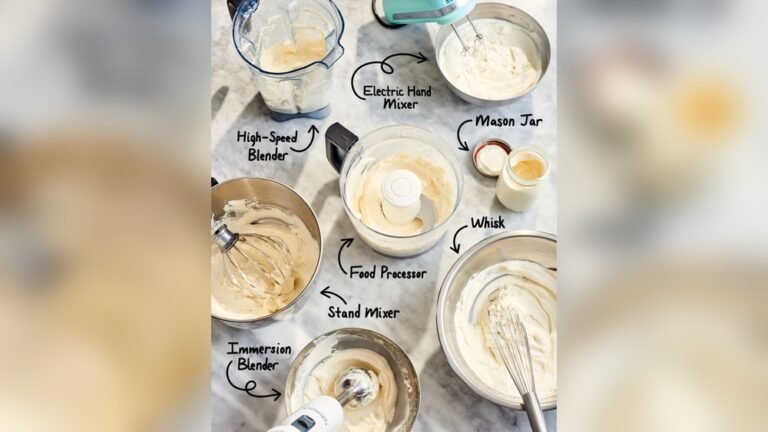
If you want to use a food processor or a regular blender, that’s possible too, but this guide focuses on the whisk method and the jar/shake method—both simple and effective.
Step-by-step: Making Mayo With A Whisk
The whisk method is classic, and it’s the best way to understand how mayo comes together.
Step 1: Prepare Your Ingredients
Take the egg yolk out 15 minutes before starting. Room-temperature yolks mix better. Measure out the oil, acid, mustard, and salt.
Step 2: Start The Emulsion
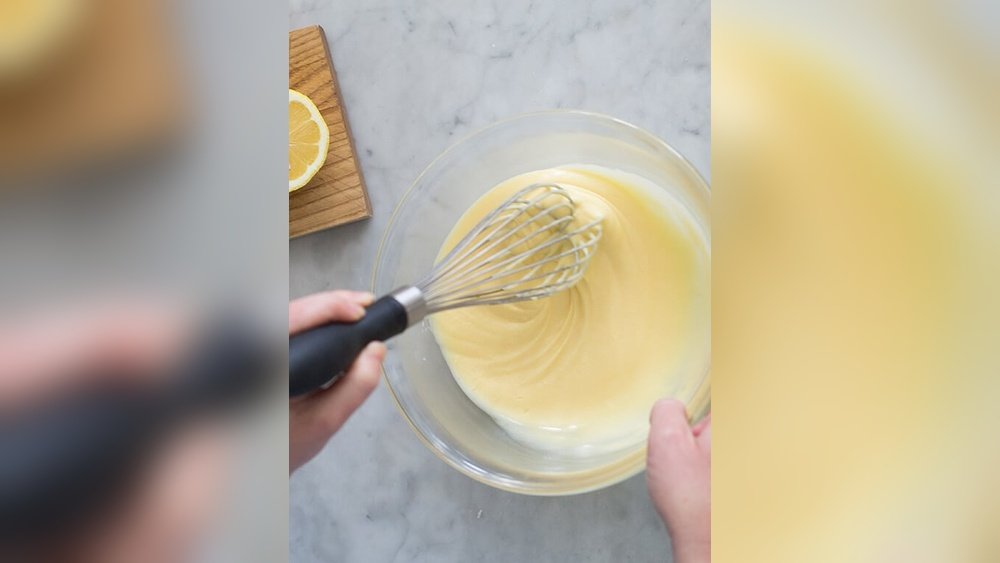
Put the egg yolk, mustard, salt, and acid into your bowl. Whisk until smooth and slightly frothy—about 30 seconds.
Step 3: Add Oil Slowly
This is the most important step. Add the oil drop by drop at first, whisking constantly. After the mixture starts to thicken, you can add the oil in a thin stream. If you add oil too quickly, the mayo will break (turn watery).
Step 4: Keep Whisking
Whisk steadily for 4–5 minutes. The mixture will become pale and thick. When all oil is incorporated, taste and adjust salt or acid if needed.
Step 5: Finish And Store
Scrape the mayo into a clean jar. Cover and refrigerate. Homemade mayo lasts 5–7 days.
Pro tip: Use a damp towel under the bowl to keep it steady while you whisk.
The Jar/shake Method: Mayo With No Whisk
If you don’t have a whisk, you can make mayonnaise by shaking ingredients in a jar. This method works surprisingly well.
How To Make Mayo In A Jar
- Add egg yolk, mustard, salt, acid, and oil to a clean jar.
- Seal tightly with a lid.
- Shake vigorously for 2–3 minutes.
- Check the texture. If it’s too thin, shake another minute.
The shaking motion forces the oil and egg yolk to combine, creating a creamy mayo.
Tip: Use a jar that’s just big enough for the ingredients. Too much empty space makes shaking harder.
Common Mistakes When Making Mayo Without A Blender
Mayonnaise is simple, but a few things can go wrong. Here are mistakes to avoid:
- Adding oil too fast – The emulsion breaks if oil is added quickly.
- Cold ingredients – Room temperature eggs mix better.
- Using extra-virgin olive oil – This oil is too strong; it can make mayo bitter.
- Too much acid – Overpowering taste and thin texture.
- Wrong bowl – Plastic bowls can add unwanted flavors.
Non-obvious insight: Many beginners use whole eggs, not just yolks. Whole eggs can work, but yolks alone give thicker, richer mayo.
How To Fix Broken Mayo
Sometimes, mayo separates and looks curdled or watery. Don’t throw it away! Here’s how to rescue it:
- Put a fresh egg yolk in a clean bowl.
- Add a teaspoon of vinegar.
- Slowly whisk in the broken mayo (little by little).
- The mixture should thicken again.
Why does this work? The fresh yolk helps restart the emulsion, and vinegar binds the oil and egg.
Comparing Mayo-making Methods
Let’s compare three popular ways to make mayo without an immersion blender:
| Method | Time Needed | Texture | Difficulty | Cleanup |
|---|---|---|---|---|
| Whisk | 5–8 min | Thick & creamy | Medium | Easy |
| Jar Shake | 3–5 min | Light & airy | Easy | Easy |
| Food Processor | 2–3 min | Very smooth | Easy | Medium |
Non-obvious insight: Whisking by hand gives you the most control over thickness, while jar-shaking is faster but may produce slightly lighter mayo.
Oil Choices: Which Oil Makes The Best Mayo?
The oil you pick changes the flavor and texture of your mayonnaise. Here’s a comparison:
| Oil Type | Flavor | Emulsion Stability | Best For |
|---|---|---|---|
| Canola | Neutral | High | Basic mayo |
| Sunflower | Light | High | Sandwiches |
| Light Olive | Mild | Medium | Salads |
| Avocado | Rich | Medium | Gourmet mayo |
| Extra-Virgin Olive | Strong | Low | Garlic mayo |
Tip: For beginners, start with canola or sunflower oil.
The Science Behind Mayo: Why It Works Without A Blender
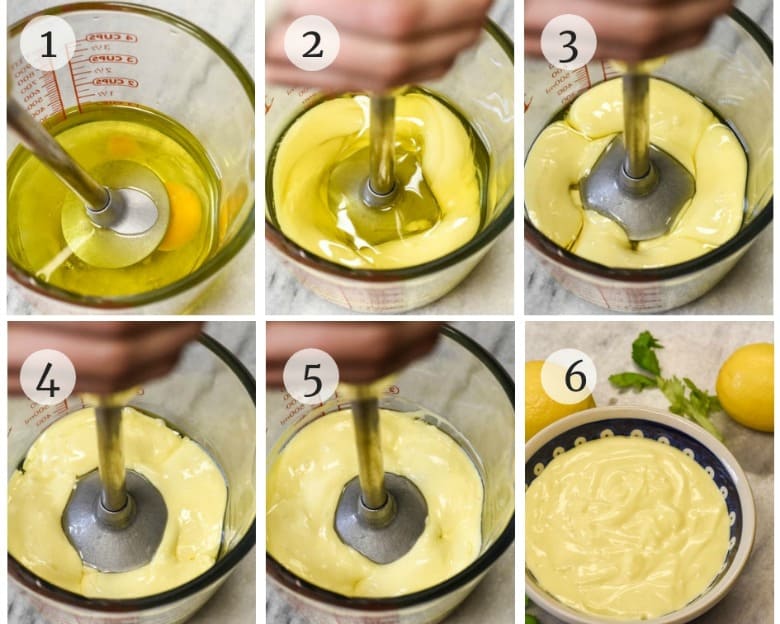
Mayonnaise is an emulsion—a mixture of oil and water (from egg yolk and acid) that normally don’t mix. Egg yolk contains lecithin, a natural emulsifier. When you whisk or shake, you break oil into tiny droplets, and lecithin holds them together. You don’t need a blender; you need steady mixing and patience.
Practical example: If you whisk for just 60 seconds, the mayo stays runny. At 4 minutes, it becomes thick and stable. The key is keeping oil droplets small.
Credit: myculturedpalate.com
Flavored Mayo Variations
Homemade mayo is the perfect base for flavoring. Try these variations:
- Garlic mayo (aioli): Add 1 minced garlic clove at the start.
- Herb mayo: Add chopped parsley or dill during whisking.
- Spicy mayo: Add ½ teaspoon of sriracha or cayenne.
- Lemon mayo: Use lemon juice instead of vinegar for a fresh taste.
- Honey mustard mayo: Add 1 teaspoon honey and extra mustard.
Each variation uses the same whisk or jar method. Experiment to find your favorite.
Mayo Safety: Handling Raw Eggs
Classic mayonnaise uses raw egg yolks. In the US, about 1 in 20,000 eggs contains salmonella. To reduce risk:
- Use pasteurized eggs if available.
- Buy from a trusted source.
- Refrigerate mayo after making.
- Use within 7 days.
If you’re concerned, you can make mayo with boiled yolks, but the texture will be less creamy.
Storing And Using Homemade Mayo
Homemade mayo is best eaten fresh, but you can store it safely.
- Keep in a clean, airtight jar.
- Refrigerate immediately.
- Use a clean spoon to scoop mayo—avoid double-dipping.
Data point: Mayo stored at 40°F (4°C) lasts 7 days with good flavor. After that, it may separate or taste sour.
Use mayo for sandwiches, salads, dips, or as a base for sauces. Homemade mayo can be used for deviled eggs, potato salad, or as a spread for burgers.
Practical Tips For Perfect Mayo Every Time
- Whisk in a circular motion—not just back and forth.
- Use a deep bowl to avoid splashing.
- Add oil slowly for the first half, then slightly faster.
- If mayo is too thick, add a teaspoon of water or acid.
- If too thin, whisk longer or add more oil.
Advanced tip: Chill the bowl before starting. A cold bowl helps stabilize the emulsion.
Mayo Without Blender: Saving Time And Money
Making mayo without a blender saves space and money. You don’t need to buy expensive gadgets. One egg yolk and a cup of oil make enough mayo for a week’s worth of sandwiches. A whisk costs under $5 and lasts for years.
The jar method uses items you already own.
Statistic: According to the USDA, Americans spend $150 million on mayonnaise each year. Making mayo at home saves up to 60% on cost.
Troubleshooting: Frequently Asked Mayo Problems
Here are some issues you might face:
- Mayo won’t thicken: Add a fresh yolk and whisk in the runny mayo slowly.
- Mayo tastes bitter: Switch to a lighter oil.
- Mayo separates after chilling: Whisk again or shake to restore texture.
- Yellow mayo: This is normal if you use farm eggs or olive oil.
If you want more technical details on emulsions, the Wikipedia page on emulsions offers good background.
Credit: forksandfoliage.com
Comparing Homemade And Store-bought Mayo
Let’s look at the nutritional and ingredient differences.
| Type | Calories (per tbsp) | Ingredients | Preservatives | Flavor |
|---|---|---|---|---|
| Homemade | 90–100 | Egg yolk, oil, acid, mustard, salt | None | Fresh, rich |
| Store-bought | 95–110 | Eggs, oil, acid, sugar, stabilizers | Yes | Mild, uniform |
Homemade mayo has fewer additives and a stronger flavor profile. Store-bought mayo is stable for months, but contains preservatives.
Creative Ways To Use Mayo Beyond Sandwiches
Mayonnaise is versatile. Try these creative uses:
- Grilled cheese: Spread mayo on bread for crispier, golden sandwiches.
- Roast chicken: Brush mayo under the skin for juicy meat.
- Salad dressings: Mix with vinegar and herbs for creamy dressing.
- Dips: Blend mayo with sriracha or ketchup for quick dips.
- Burger sauce: Combine mayo, mustard, and relish.
Non-obvious insight: Mayo can be used as a marinade. The oil and acid tenderize meat, while egg yolk adds flavor.

Credit: lifehacker.com
Frequently Asked Questions
Can I Make Mayo With Whole Eggs Instead Of Just Yolks?
Yes, you can use a whole egg. The white adds extra water, making the mayo lighter and thinner. If you want thicker, richer mayo, use only yolks. For the jar method, whole eggs work well because they emulsify faster.
How Long Does Homemade Mayo Last?
Homemade mayo lasts about 5–7 days in the refrigerator. Always store it in a clean, airtight jar and use a clean spoon. If the mayo smells sour or separates badly, it’s best to discard it.
Is Homemade Mayo Safe To Eat?
If you use fresh, pasteurized eggs and refrigerate your mayo, it is generally safe. The risk of salmonella is low, but if you are pregnant, elderly, or have health concerns, use pasteurized eggs or cook the yolk gently.
What Can I Do If My Mayo Turns Out Too Thin?
If your mayo is too thin, try whisking longer or adding a bit more oil. Sometimes, the emulsion hasn’t fully formed. You can also add a teaspoon of mustard or start with a new yolk and slowly whisk in the thin mayo.
Can I Flavor My Mayonnaise With Herbs And Spices?
Absolutely. Add chopped herbs (like parsley or dill), spices (like paprika or garlic powder), or even fresh garlic at the start. Flavored mayo makes a great dip or sandwich spread.
Making mayo without an immersion blender is easier than most people think. With a whisk or a jar, a few basic ingredients, and a little patience, you can create a creamy, flavorful sauce that beats store-bought every time. You’ll save money, learn a valuable kitchen skill, and have fun experimenting with flavors. The next time you run out of mayo or want something fresher, try these methods—you might never buy commercial mayo again.