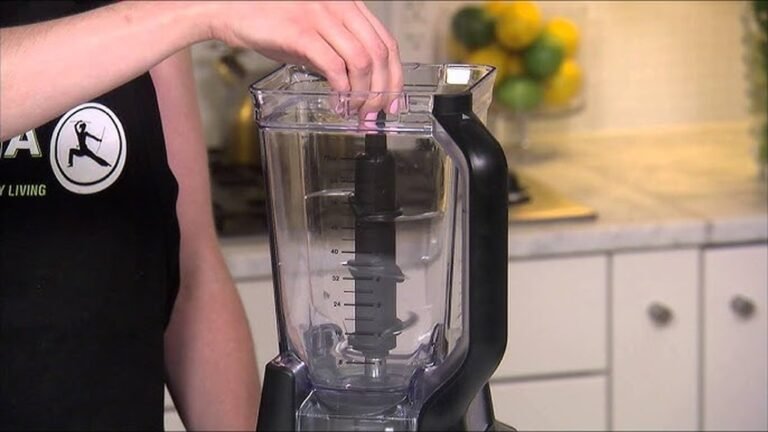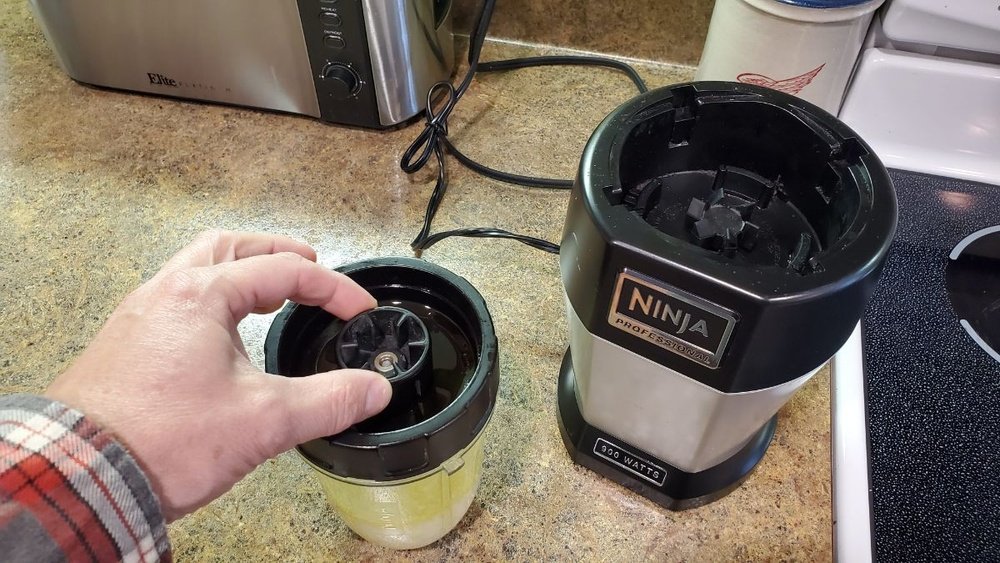
How To Lubricate Ninja Blender: Step-by-Step Maintenance Guide
Many people love their Ninja Blender for its power, speed, and convenience in the kitchen. Whether you use it for smoothies, soups, or sauces, this appliance can handle tough jobs. But even the best blender needs some care to stay in top shape. If your Ninja Blender is starting to make noise, feel stiff, or doesn’t spin as smoothly as before, it might be time to lubricate it.
Lubricating your Ninja Blender is not as simple as oiling a bicycle chain. You need to understand where lubrication is needed, what products are safe, and how to do it without damaging your machine or risking your health. Many people worry about getting oil near food or making a mess.
This guide will walk you through the entire process step by step, with practical tips, expert advice, and answers to common questions. By the end, you’ll know exactly how to keep your Ninja Blender running quietly and smoothly for years to come.
Why Lubricate Your Ninja Blender?
Blenders have moving parts that experience friction every time you use them. Inside your Ninja Blender, the most important part that needs lubrication is the blade assembly bearing. Over time, this part can become dry or develop rust, which causes squeaking, grinding, or stiffness when you blend. This not only makes the blender noisy but can also lead to wear and tear, shortening the life of your appliance.
Some signs that your blender may need lubrication include:
- A squeaking or grinding sound when you turn it on
- The blades spin more slowly or with resistance
- The blender leaks from the bottom (a sign the bearing seal is failing)
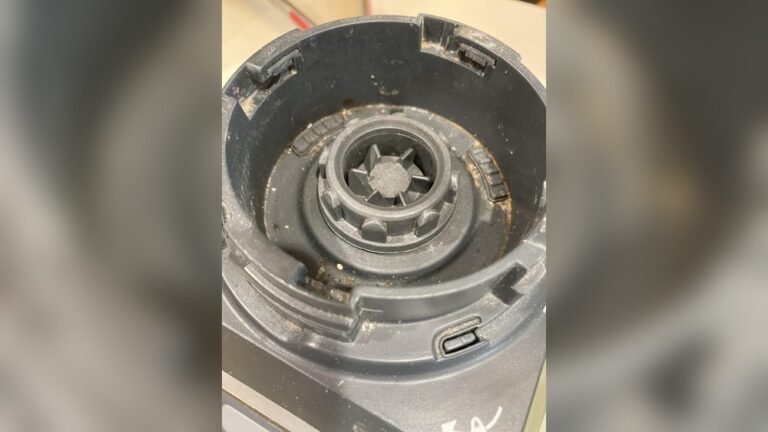
- There is brown or black residue near the blade base
Regular lubrication can help:
- Reduce noise during operation
- Make the blending smoother and more efficient
- Extend the lifespan of the blender
- Prevent rust in the blade assembly
But the biggest mistake people make is using the wrong type of lubricant, which can be unsafe for food or even damage the blender.
Understanding Blender Construction And Lubrication Points
Ninja Blenders come in different models, but the basic design is similar:
- A motor base (the bottom, which plugs into the wall)
- A pitcher or cup (the part that holds your ingredients)
- A blade assembly (blades plus the spinning mechanism, often removable)
It’s important to know that you should never lubricate the motor or put oil inside the electric base. Lubrication is only for the blade assembly, specifically the bearing under the blades. This bearing allows the blades to spin freely. If it gets sticky or rusty, the blender struggles.
Here’s where people often get confused: On most Ninja models, the blade assembly is sealed. That means you cannot (and should not) take it apart easily. Forcing it open can break the seal and ruin the blender. Instead, you lubricate the bearing from the outside, using food-safe products and careful technique.
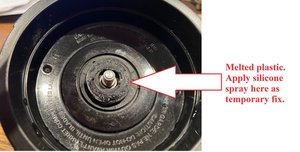
Credit: www.ifixit.com
Choosing The Right Lubricant
Food safety is critical. The only acceptable lubricants for blenders are food-grade lubricants, specifically those labeled as NSF H1 or “food contact safe.” Never use WD-40, regular household oil, or automotive grease. These are toxic and can contaminate your food.
The two most common safe options are:
- Food-Grade Silicone Spray
- Safe for incidental food contact
- Easy to apply
- Resists water and temperature changes
- Food-Grade Mineral Oil
- Also safe for food surfaces
- Good for metal bearings
- Slightly messier, but works well
A few brands to look for include:
- CRC Food Grade Silicone Spray
- Haynes Lubri-Film Plus
- 3-IN-ONE Food Grade Oil
A very common and safe choice is 3-IN-ONE Food Grade Oil, which is clear, tasteless, and widely used in food processing equipment.
What About Coconut Oil Or Olive Oil?
Many people ask if kitchen oils are okay for lubrication. The answer is no. Oils like olive, vegetable, or coconut can go rancid, attract dirt, and cause sticky buildup. Only use oils made for machines and labeled as food-safe.
Tools And Materials You’ll Need
Before you begin, gather everything you need. Here’s a quick checklist:
- Food-grade lubricant (oil or silicone spray)
- Clean cloth or paper towels
- Cotton swabs (for precise application)
- Small brush (like an old toothbrush)
- Warm, soapy water
- Dry towel
- Gloves (optional, for easy cleanup)
Having everything ready will make the process smoother and prevent mistakes.
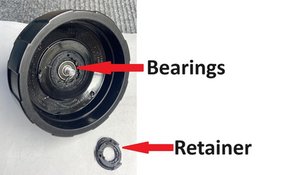
Credit: www.ifixit.com
Step-by-step: How To Lubricate Your Ninja Blender
Lubricating your Ninja Blender takes about 15–20 minutes. Here’s how to do it safely and effectively.
1. Unplug And Disassemble
Safety first. Always unplug the blender before cleaning or lubricating. Remove the pitcher or cup from the base. Take out the blade assembly—on most Ninja models, it lifts out easily from the bottom of the pitcher.
Never try to lubricate with the blade still attached to the motor base.
2. Clean The Blade Assembly
Before lubricating, the blade area must be clean and dry. Rinse the blade assembly in warm, soapy water. Use a brush to remove any stuck food or residue, especially near the bottom where the bearing sits.
Dry the blade assembly thoroughly. Any water left can dilute the lubricant or cause rust later.
3. Locate The Bearing
Turn the blade assembly upside down. You’ll see a small metal circle or ring at the center—this is the bearing. It’s where the blade shaft passes through the base. This is the part you’ll lubricate.
Some models have a plastic cover over the bearing. Do not force it off. Instead, lubricate around the visible area where the shaft enters the base.
4. Apply Food-grade Lubricant
- For oil: Dip a cotton swab in the oil. Gently dab it around the bearing, letting a drop or two seep into the seam where the shaft meets the base.
- For spray: Hold the blade assembly over a sink. Give a quick, light spray to the bearing area. Wipe away any excess immediately.
Rotate the blade by hand a few times to help the lubricant spread inside. Use a clean cloth to wipe off any oil or spray that gets on the outside.
5. Let It Sit
Allow the blade assembly to sit upright for 10–15 minutes. This helps the lubricant penetrate the bearing. If you see oil leaking out, you’ve used too much—wipe off the excess.
6. Reassemble And Test
Put the blade assembly back in the pitcher and place it on the base. Run the blender empty for 5–10 seconds. This helps spread the lubricant evenly. Listen for any noise—if it’s quiet and smooth, you’ve done it right.
If you still hear grinding or the blades feel stiff, repeat the lubrication process with a little more oil. But do not overdo it.
Maintenance Tips For A Longer-lasting Blender
Lubrication is only one part of blender care. Here are some extra tips to keep your Ninja Blender running like new:
- Wash immediately after use: Don’t let food dry on the blades.
- Never put the blade assembly in the dishwasher: High heat can damage the bearing seal.
- Avoid overfilling: Too many ingredients can strain the motor and bearing.
- Check for leaks: If you see liquid under the blender, inspect the bearing and seal right away.
- Lubricate every 2–3 months: Or sooner if you use your blender daily.
These small habits can make a big difference in how long your blender lasts.
Common Mistakes To Avoid
Many blender owners unknowingly damage their machines by making these mistakes:
- Using the wrong lubricant: Only use food-grade oils or sprays.
- Applying too much oil: Excess can attract dirt or leak into food.
- Trying to disassemble sealed blade units: This can break the blender and void your warranty.
- Ignoring strange noises: Squeaks or grinding sounds are a sign of trouble—don’t wait to lubricate.
- Forgetting to wipe off excess lubricant: Oil drips can cause slippery messes and get into food.
Always read your blender’s manual. Some newer Ninja models have a “no maintenance required” blade assembly, which means the bearing is permanently sealed. In those cases, lubrication will not help, and you should replace the blade assembly if it wears out.
Comparing Lubrication Needs: Ninja Vs Other Blenders
Not all blenders are designed the same. Here’s a quick comparison:
| Blender Brand | Bearing Type | User Maintenance | Lubrication Needed? |
|---|---|---|---|
| Ninja | Sealed, semi-serviceable | Clean & lubricate blade bearing | Yes (if not fully sealed) |
| Vitamix | Permanently sealed | Clean only | No |
| Oster | Removable, serviceable | Clean & lubricate bearing | Yes |
| NutriBullet | Sealed | Clean only | No |
Ninja offers a mix of serviceable and sealed blade assemblies, depending on the model. Always check your manual or the Ninja website for your specific blender.
Signs It’s Time To Replace, Not Lubricate
Sometimes, lubrication alone won’t solve the problem. Here’s when you should replace the blade assembly instead:
- The bearing feels loose or wobbly
- The blades don’t spin at all, even after lubrication
- There’s a constant leak from the bottom, and oil doesn’t help
- Visible rust or pitting on the bearing or blades
You can buy replacement blade assemblies directly from the Ninja website or trusted retailers. This is often cheaper than buying a new blender.
Troubleshooting: If Lubrication Doesn’t Work
What if your Ninja Blender is still noisy or stiff after lubrication? Try these troubleshooting steps:
- Double-check the bearing area for food, dirt, or rust. Clean again if needed.
- Use a little more lubricant (but not too much).
- Check for cracks or damage in the blade assembly.
- Make sure the assembly is fully dry before reapplying lubricant.
- If problems persist, consider replacing the blade assembly.
Sometimes, the problem is inside the motor base. In that case, it’s best to contact Ninja customer support or a repair professional. Never try to open the motor yourself.
Data: How Often Do Blenders Need Lubrication?
Studies and user surveys show that most home blenders need lubrication every 2–6 months, depending on usage. Here’s a summary:
| Usage Frequency | Recommended Lubrication Interval | Common Problems if Skipped |
|---|---|---|
| Daily | Every 2 months | Noisy operation, stiff blades |
| 2–3 times per week | Every 3–4 months | Occasional noise, minor leaks |
| Weekly or less | Every 6 months | Rare issues |
Blenders used for hot liquids or thick mixtures may need more frequent lubrication, as heat and heavy loads can stress the bearing.
Real-world Example: Extending Blender Life
Consider “Maria,” who uses her Ninja Blender every morning for smoothies. After a year, she noticed a squeak every time she blended. Instead of ignoring it, she cleaned and lubricated the blade assembly with food-grade oil. The squeak disappeared, and her blender ran smoothly for another year.
Her neighbor, who never lubricated his blender, had to replace his after 18 months due to a seized bearing.
This simple maintenance can double or triple the lifespan of your blender.

Credit: practicalmechanic.com
Environmental Impact: Why Maintenance Matters
Replacing a blender every year creates electronic waste. By maintaining and lubricating your Ninja Blender, you reduce waste and save money. Food-grade lubricants are safe for the environment when used correctly. Old blade assemblies can sometimes be recycled—check with your local recycling center.
When To Seek Professional Help
If you’ve lubricated the bearing, cleaned everything, and still have problems, it may be time to call for help. Ninja offers support through their official website. For more details, see their help resources at Ninja Kitchen Support.
Never try to repair electrical or motor components yourself unless you have experience. This can be dangerous and may void your warranty.
Frequently Asked Questions
How Often Should I Lubricate My Ninja Blender?
For most users, lubricating the blade assembly every 2–3 months is enough. If you use the blender daily or notice noise or stiffness, lubricate more often.
Can I Use Coconut Oil Or Olive Oil To Lubricate My Blender?
No. Kitchen oils are not suitable. They can go rancid, become sticky, and attract dirt. Always use a food-grade lubricant designed for appliances.
What If My Blender Blade Is Completely Stuck?
If the blade won’t move even by hand, the bearing may be seized. Try cleaning and lubricating. If this doesn’t work, you’ll likely need to replace the blade assembly.
Is It Safe If Some Lubricant Gets Into My Food?
If you use a food-grade lubricant (NSF H1 certified), a tiny amount is generally safe. However, always wipe off excess oil and avoid over-applying. Never use non-food-grade oils.
Where Can I Buy Replacement Blade Assemblies Or Food-grade Lubricants?
Replacement parts are available from the Ninja website or major retailers. Food-grade lubricants can be found at appliance stores, online, or specialty kitchen supply shops. For trusted information, visit NSF International.
Taking care of your Ninja Blender with the right lubrication keeps it quiet, smooth, and ready for all your kitchen adventures. A few minutes of care every few months can save you money and frustration down the line.