How To Make Pizza Dough In A Ninja Blender: Quick & Easy Guide
Making pizza dough at home can feel complicated, especially if you do not have special kitchen tools like a stand mixer. But what if you could use your Ninja blender to do the hard work? This guide shows you how to make pizza dough in a Ninja blender, step by step. You will also learn how to troubleshoot common problems, compare Ninja blending to traditional dough mixing, and get practical advice for perfect results. If you love pizza, this method will make homemade dough easier, faster, and less messy.
Why Use A Ninja Blender For Pizza Dough?
Most people think pizza dough needs kneading by hand or a stand mixer. But the Ninja blender is powerful enough to mix and knead dough quickly. It saves time, keeps your kitchen cleaner, and makes the process less tiring. If you have a Ninja blender but never tried making dough in it, you might be surprised by how well it works.
There are a few reasons why this method is popular:
- Speed: The Ninja blender can mix and knead dough in 1-2 minutes.
- Consistency: The blades distribute ingredients evenly.
- Less effort: No need for hand kneading or heavy mixers.
- Easy cleaning: The blender jar is simpler to clean than mixing bowls.
A Ninja blender is not just for smoothies. With the right technique, you can make soft, elastic pizza dough for thin crusts or thick, chewy pies.
Essential Ingredients For Pizza Dough
The basic pizza dough recipe is simple. It uses only a few ingredients, but each one matters. Here is what you need for classic homemade pizza dough:
- All-purpose flour: 2 ½ cups (300g)
- Warm water: 1 cup (240ml), about 105°F–115°F (40°C–46°C)
- Active dry yeast: 2 ¼ teaspoons (one standard packet)
- Sugar: 1 teaspoon (helps activate yeast)
- Salt: 1 teaspoon
- Olive oil: 2 tablespoons
These ingredients make enough dough for two medium pizzas (about 12-inch each). If you want thicker or thinner crusts, adjust the amount of dough used per pizza.
Ingredient Tips
- Flour: All-purpose flour works for most pizza styles. For chewier crusts, use bread flour (higher protein).
- Yeast: Active dry yeast must be activated in warm water. Instant yeast can be mixed directly with flour.
- Water temperature: Too hot kills yeast; too cold slows activation. Use a kitchen thermometer for best results.
- Olive oil: Extra virgin olive oil adds flavor and helps the dough stay soft.
Step-by-step Guide: Making Pizza Dough In A Ninja Blender
Making pizza dough with a Ninja blender is quick, but you need to follow the steps carefully. Skipping steps can lead to dry or dense dough. Here is the complete process:
1. Activate The Yeast
Mix the warm water, sugar, and yeast in a small bowl. Stir gently and let it sit for 5-10 minutes. You should see bubbles or foam on the surface, showing the yeast is alive and active.
Common mistake: Using cold water or skipping the activation step. This leads to flat, dense dough.
2. Add Ingredients To The Blender
Pour the activated yeast mixture into the Ninja blender jar. Add the flour, salt, and olive oil. For best results, use the dough blade or paddle attachment if your Ninja blender has one. If not, use the standard blade, but pulse gently.
3. Blend And Knead
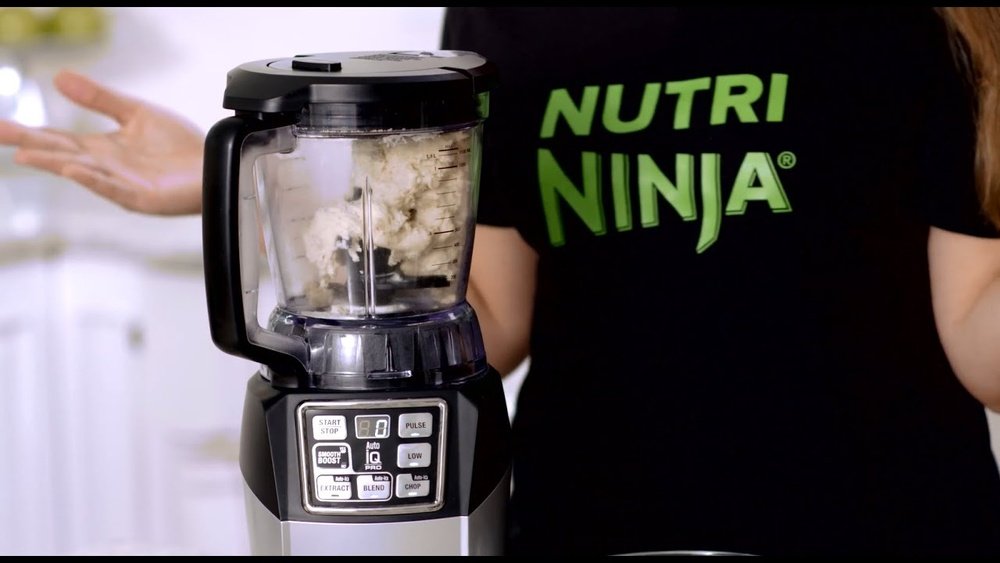
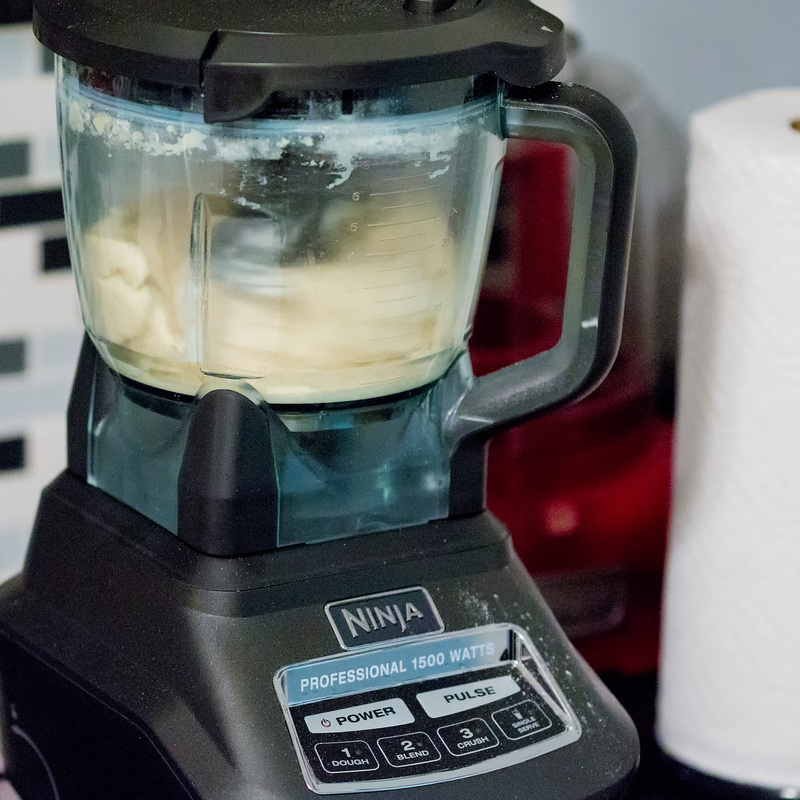
Pulse the blender 5-10 times to mix the ingredients. Then blend on medium speed for 30-60 seconds. Stop and check the dough. It should form a ball and pull away from the sides. If it looks too dry, add 1 tablespoon of water.
If too sticky, add 1 tablespoon of flour.
Non-obvious tip: Do not over-blend. Too much blending creates tough dough. The dough should be soft but not sticky.
4. Rest And Rise
Take the dough out of the blender and shape it into a ball. Place it in a greased bowl, cover with plastic wrap or a damp towel, and let it rise for 1–1. 5 hours. The dough should double in size.
If your kitchen is cold, put the bowl in a warm place (like inside the oven with the light on). This helps the yeast work faster.
5. Shape And Use
Punch down the dough gently to remove extra air. Divide into two balls for two pizzas. Roll or stretch each ball into a round pizza base. Now your dough is ready for sauce, cheese, and toppings.
Step-by-step Summary
- Activate yeast in warm water with sugar.
- Add yeast mixture, flour, salt, and olive oil to the blender.
- Pulse and blend until dough forms a ball.
- Adjust water or flour if needed.
- Rest dough in a bowl for 1–1.5 hours.
- Punch down, divide, and shape.
Practical Tips For Success
Use The Right Blender Settings
Most Ninja blenders have different speeds and pulse options. For dough, use pulse and medium speed. High speed can overheat the motor and ruin the dough texture.
Check Dough Consistency
The dough should be soft, slightly tacky, and elastic. If you press it with a finger, it should bounce back. If it sticks to your hands, add more flour. If it feels dry or cracks, add more water.
Don’t Overfill The Blender
If you make a big batch, divide the dough into two parts. Overfilling can cause uneven mixing and strain the motor.
Clean Up Quickly
Dough dries fast and sticks to blender blades. Clean the jar and blades right after use. Fill the jar with warm water and a drop of dish soap, blend for 30 seconds, and rinse.
Resting Time Matters
Allowing the dough to rise fully is key for good pizza texture. Rushing this step leads to flat, chewy crusts.
Ninja Blender Vs. Stand Mixer And Hand Mixing
Is using a Ninja blender as good as traditional methods? Here’s a comparison to help you decide.
| Method | Mixing Time | Effort | Consistency | Cleaning |
|---|---|---|---|---|
| Ninja Blender | 1-2 min | Low | Very Even | Easy |
| Stand Mixer | 5-8 min | Low | Even | Medium |
| Hand Mixing | 10-15 min | High | Variable | Easy |
Ninja blender is faster and less work than hand mixing. Stand mixers are traditional for dough, but Ninja blenders can handle small batches easily. If you make pizza often, a stand mixer is good for bigger families. For quick, easy pizza nights, the blender is perfect.
Troubleshooting Common Ninja Blender Dough Problems
Even with the right steps, things can go wrong. Here are common issues and how to fix them.
Dough Too Dry
If the dough forms hard lumps or does not stick together, add water one tablespoon at a time. Pulse the blender to mix.
Dough Too Sticky
Sticky dough can be messy. Add flour one tablespoon at a time. Pulse gently until the dough forms a ball.
Blender Overheating
If your blender gets hot or smells like burning, stop and let it cool. Use pulse instead of continuous blending. Do not blend more than 1-2 minutes at a time.
Dough Not Rising
If your dough does not rise, check the yeast. Old yeast or cold water can stop activation. Always use fresh yeast and warm water.
Uneven Mixing
If flour sticks to the sides, scrape with a spatula and pulse again. Divide dough into smaller batches if needed.
How Dough Quality Changes With Ninja Blender
Some people worry that blender blades cut the dough too much. But with proper blending, the dough stays soft and elastic. Here’s a look at dough qualities:
| Blender Dough | Hand-Mixed Dough | Stand Mixer Dough |
|---|---|---|
| Soft, elastic, good for thin crust | Chewy, sometimes uneven | Chewy, consistent |
| Quick rise time | Longer rise time | Medium rise time |
| Easy shaping | Can tear if not kneaded well | Easy shaping |
A non-obvious insight: If you want extra chewy crusts, blend for a few seconds less and let the dough rise longer. Over-mixing in any method can make the dough tough.
How To Store Ninja Blender Pizza Dough
If you want to make dough ahead, storing is easy.
Short-term Storage
Wrap dough tightly in plastic wrap and put it in the fridge for up to 24 hours. Let it come to room temperature before shaping.
Long-term Storage
Freeze dough balls in airtight bags for up to 3 months. To use, thaw in the fridge overnight and let them warm up on the counter for 1-2 hours.
Storage Data
| Storage Method | Time | Best Use |
|---|---|---|
| Fridge | 24 hours | Next-day pizza |
| Freezer | 3 months | Meal prep |
| Room Temp | 2 hours | Immediate use |
Beginner mistake: Freezing dough before it rises. Always let dough rise first, then freeze.
Credit: www.uofmtiger.com
How To Make Gluten-free Pizza Dough In A Ninja Blender
If you need gluten-free pizza, you can use your Ninja blender too. Here’s a basic gluten-free recipe:
- Gluten-free all-purpose flour: 2 ½ cups
- Warm water: 1 cup
- Active dry yeast: 2 ¼ teaspoons
- Sugar: 1 teaspoon
- Salt: 1 teaspoon
- Olive oil: 2 tablespoons
- Xanthan gum: 1 teaspoon (helps texture)
Blend the same way as regular dough. Gluten-free dough is stickier, so add extra flour as needed. Let it rise for 1 hour. The result is softer, but still works for pizza.
Pizza Dough Flavor Variations
You can add extra flavors to your dough for a unique taste. Here are ideas:
- Herbs: Add 1 tablespoon dried oregano, basil, or rosemary to flour.
- Garlic: Blend in 1 teaspoon garlic powder or minced garlic.
- Cheese: Mix ¼ cup grated parmesan or cheddar into the dough.
- Spices: Try chili flakes or black pepper for spicy crust.
Adding these flavors does not change the blending process. Just add them with the flour before blending.
How To Use Ninja Blender Pizza Dough For Different Pizza Styles
Your homemade dough works for more than just classic pizza. Here are other uses:
- Calzones: Roll dough thin and fill with cheese and toppings, fold and bake.
- Flatbreads: Roll dough flat, bake with olive oil and herbs.
- Breadsticks: Shape dough into sticks, bake and serve with dipping sauce.
If you want thin crust, roll the dough thinner. For thick crust, leave it thicker and bake longer.
Ninja Blender Pizza Dough Nutrition Facts
Pizza dough is mostly carbs, but you can adjust the nutrition by changing flour or adding whole grains.
- Calories: About 150 per slice (1/8 of pizza)
- Carbohydrates: 30g per slice
- Protein: 4g per slice
- Fat: 2g per slice
These numbers are for classic dough. Gluten-free and whole-wheat doughs have different values.

Credit: www.youtube.com
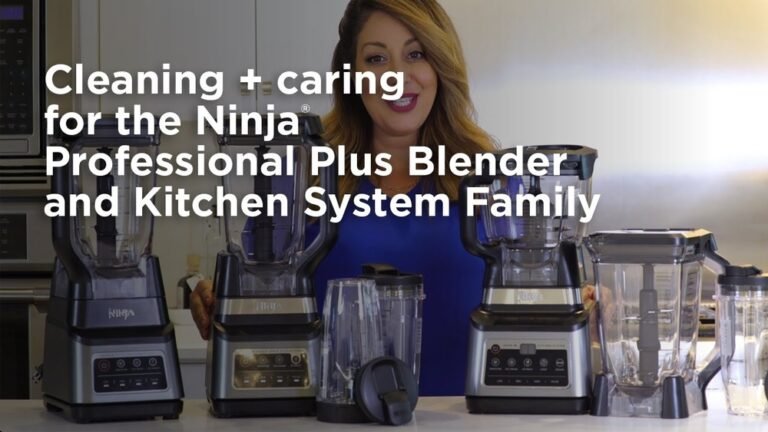
Cleaning And Maintaining Your Ninja Blender
Good cleaning keeps your Ninja blender working well for dough and other recipes.
- Take out the blades and wash separately.
- Use warm, soapy water and a soft brush.
- Avoid harsh scrubbers that scratch the jar.
- Dry all parts before storing.
If dough gets stuck, soak the jar in warm water for 10–15 minutes before washing.
Real-world Ninja Blender Pizza Dough Success
Many home cooks have shared their results online. One common theme: using a Ninja blender makes pizza night faster and more fun. For example, a busy mom in California blends dough in 2 minutes, lets it rise, and bakes pizza for her family. Her kids enjoy helping, and cleanup is easy.
Another pizza lover uses the blender for gluten-free dough, saying it is less sticky and easier to handle. These stories show that even beginners can master pizza dough with a Ninja blender.
Where To Learn More
If you want detailed pizza dough tips, recipes, or yeast science, check out King Arthur Baking. They offer expert advice on flour types, rising, and baking.
Frequently Asked Questions
How Long Does Ninja Blender Pizza Dough Take To Make?
The mixing and kneading process takes about 2 minutes. The dough needs to rise for 1–1. 5 hours. Overall, expect 90 minutes from start to finish.
Can I Make Pizza Dough In Any Ninja Blender Model?
Most Ninja blenders can handle pizza dough, but models with a dough blade or paddle work best. Standard blades can mix small batches, but avoid overloading.
Is Ninja Blender Pizza Dough As Good As Hand-kneaded Dough?
Yes, the dough is soft and elastic if you follow the steps. Some people prefer hand-kneaded dough for thick crusts, but the blender method gives consistent results.
Can I Freeze Ninja Blender Pizza Dough?
You can freeze the dough after it rises. Wrap in plastic and store up to 3 months. Thaw in the fridge and let it come to room temperature before baking.
How Do I Fix Sticky Dough In My Ninja Blender?
If dough is sticky, add flour one tablespoon at a time and pulse. Make sure not to over-blend, which can make dough tough.
Making pizza dough in a Ninja blender is a practical way to enjoy homemade pizza without stress. With careful steps, good ingredients, and the right settings, you can create soft, tasty dough every time. Try different flavors, store leftovers for quick pizza nights, and enjoy the fun of baking at home.

Credit: www.reddit.com